
What Grows Well Together in a Vegetable Garden
What grows well together in a vegetable garden, by the 4 mechanisms that actually do something. Which pairings have evidence, and which are folklore repeated.
 By
On this page
Most companion planting charts are copied from each other and trace back to a handful of mid-century books with no trials behind them. A small part of it is real, and the way to tell the difference is to ask what the mechanism is supposed to be.
The four mechanisms that do something
| Mechanism | How it works | Example |
|---|---|---|
| Support and shade | One plant gives structure or cools the soil | Corn and beans; squash under corn |
| Nitrogen fixation | Legume root bacteria fix atmospheric nitrogen | Beans or peas before brassicas |
| Trap cropping | A preferred plant draws the pest away | Nasturtium for aphids near beans |
| Host confusion | Smell or visual disruption of pest navigation | Onions interplanted through carrots |
Support and shade is the least contested. Lettuce under taller crops bolts later because the soil stays cooler; beans climb corn instead of needing a frame.
Nitrogen fixation is real but slower than most charts imply. Beans and peas fix nitrogen into root nodules, and the benefit reaches the next crop when those roots break down — so the pairing that works is in sequence, legume then heavy feeder, rather than side by side in the same season.
Trap cropping is well documented commercially. Nasturtiums draw black bean aphid away from beans; the trap plant is expected to be ruined, which is the point.
Host confusion has evidence in specific cases, most clearly alliums and carrot fly. The effect is real but partial, and it fails if the onions are harvested mid-season.
What to plant together, by crop
- Tomatoes — basil and parsley at the base, lettuce beneath for the shade. Keep brassicas and fennel away.
- Carrots — onions, leeks or chives through the row, for carrot fly. Keep spacing generous; carrots compete badly.
- Beans and peas — corn or sunflowers for support, nasturtium as a trap. Keep onions and garlic away, which suppress them.
- Brassicas — follow a legume crop. Dill and coriander nearby draw parasitic wasps. Keep away from strawberries.
- Squash and pumpkin — under corn, on the ground. They want the space nothing else uses.
- Lettuce and leafy greens — in the shade of anything taller, which buys weeks in summer.
What genuinely conflicts
These four have mechanisms behind them, unlike most of the “enemies” lists:
- Fennel inhibits the growth of a wide range of vegetables around it. Grow it in a pot or at the far end.
- Onion family with beans and peas — alliums appear to suppress legume growth, and the pairing consistently underperforms.
- Brassicas and strawberries compete directly for the same shallow nutrients and both suffer.
- Black walnut releases juglone from roots, leaves and husks. Tomatoes, peppers, potatoes and aubergines are highly sensitive and will not grow in the root zone.
Watch out
The commonest way companion planting backfires is spacing. Charts encourage packing beneficial partners together, and two plants competing for the same light and water will both yield less than either would alone. Space for the crop’s own requirements first, and fit companions into what is left.
The Three Sisters, and why it is the exception
Corn, beans and squash is the system worth copying, because every plant in it has a job:
- Corn is the pole the beans climb, so no frame is needed.
- Beans fix nitrogen, feeding the corn, which is a heavy nitrogen user.
- Squash sprawls across the ground, shading out weeds and keeping soil moisture in, and its prickly stems deter some animals.
It is the clearest demonstration of the principle: three mechanisms, all physical, all verifiable. If a pairing you read about cannot be described that plainly, it probably does nothing.
Common questions
Does companion planting actually work?
What should not be planted together?
What are the Three Sisters?
Do marigolds really protect tomatoes?
How close together should companion plants go?
Backyard Weekly
Know what to plant, week by week
Join the weekly email for seasonal jobs, fixes for what is going wrong, and gear worth buying.
Not ready to subscribe? The planting calendar is free and needs no email.
By subscribing you agree to our privacy policy. Grow In Backyard will never sell your address.
Keep reading
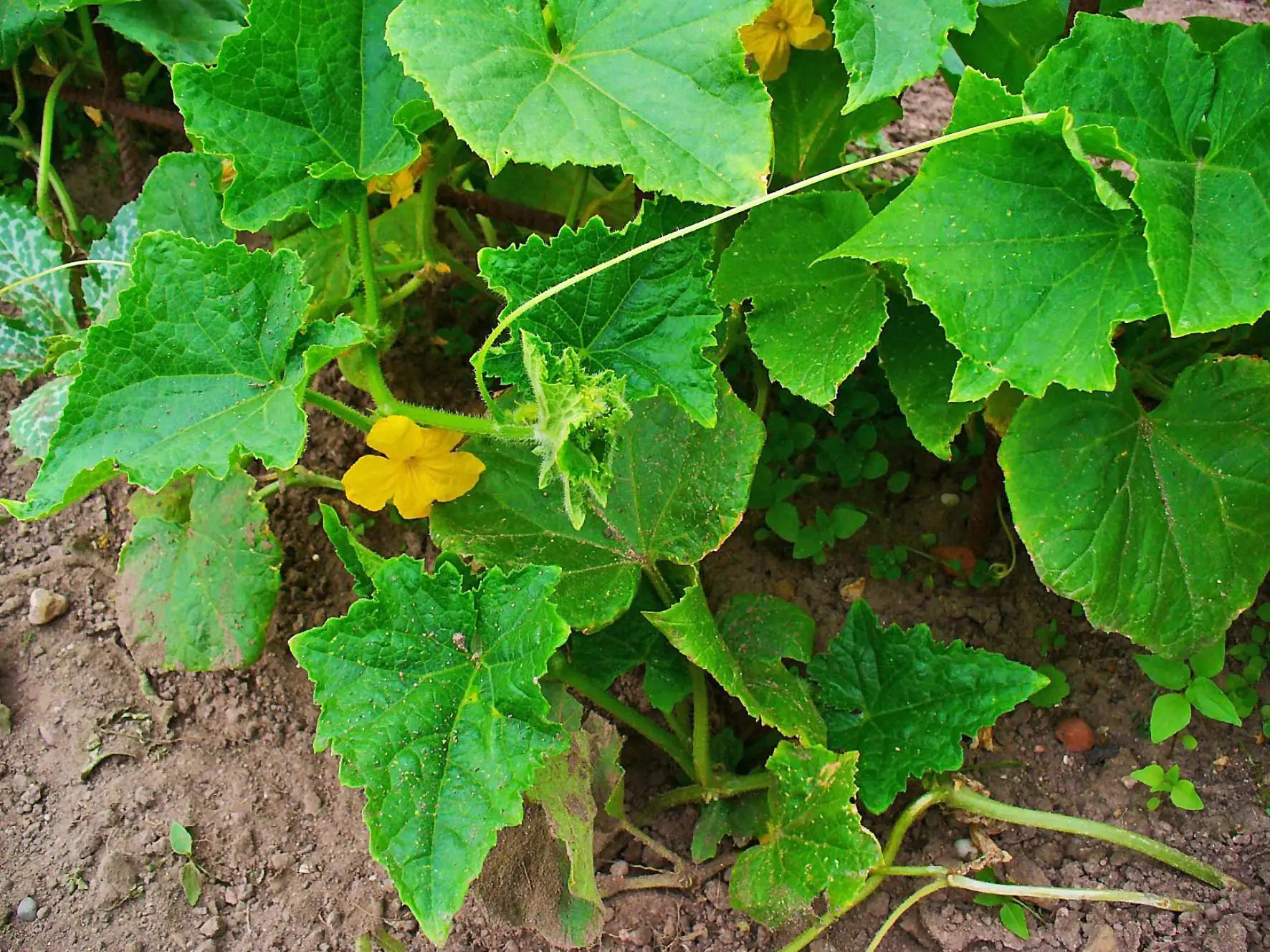
Companion Plants for Cucumbers, and What to Keep Away
Cucumbers need pollinators and hate competition for water. What genuinely helps, what the evidence is thin on, and the two neighbours worth actually avoiding.
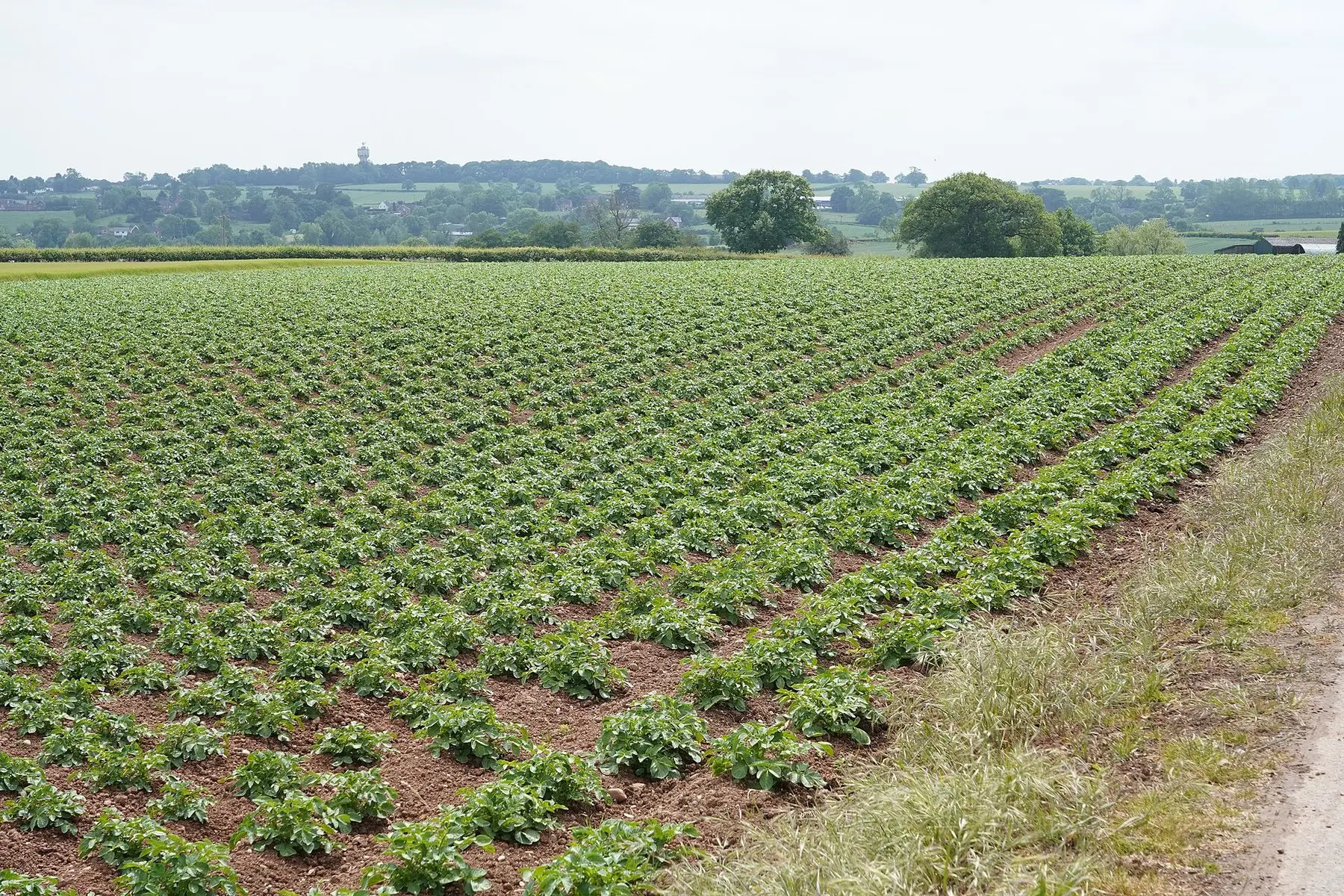
Companion Plants for Potatoes, and What Ruins the Crop
Potatoes are greedy, shallow-rooted and need earthing up, which rules out most neighbours. What genuinely fits alongside them, and the two crops to keep well away.
Types of Gardening Methods — 8 and What Each Suits
Types of gardening methods come down to 8 real choices, from no-dig to hydroponics. What each costs in space, water and effort, and which fits your ground.
What to Plant With Carrots: Onions, Leeks and Low Shade
Alliums and aromatic herbs confuse carrot root fly by smell. Avoid dill, fennel and anything that shades a slow-germinating seedbed.