
How to Prune Cucumbers: Only Vining Types Need It
Vining cucumbers benefit from removing the bottom foot of growth and the side shoots. Bush types need nothing — pruning them costs you fruit.
 By
On this page
Vining types, yes. Bush types, no — and pruning a bush cucumber removes the wood it was going to fruit on.
Which plant do you have
| Vining | Bush / patio | |
|---|---|---|
| Growth | Climbs, extends all season | Reaches a set size and stops |
| Typical names | Marketmore, Telegraph, most greenhouse types | Spacemaster, Bush Champion, Patio Snacker |
| Prune? | Yes — it genuinely helps | No. You are cutting off the crop |
| Support | Trellis, net, strings | Often none |
If the seed packet says bush, compact, patio or container, stop here and go and water it.
What to remove, and what not to
Remove:
- Everything in the lowest 30 cm — leaves, shoots, flowers
- Side shoots in the leaf axils on a single-stem trained plant, while small
- Anything yellow, mildewed, or lying on the soil
- The growing tip, once it reaches the top of the support
Leave:
- Healthy main-stem leaves. These are the factory
- Developing fruit and the leaf immediately above it
- Everything, if it is a bush variety
Over-pruning is the common mistake, not under-pruning
A tidied-up plant with half its leaves gone produces fewer and blander cucumbers, and the exposed fruit can scald.
Take no more than a third of the foliage in one session, and only for a reason.
Timing and technique
- Dry morning. Wounds close before evening; wet wounds invite bacterial problems
- Clean sharp blades, wiped between plants — cucumber viruses move on tools
- Cut close without tearing. A torn stem is a bigger wound than a cut one
- Little and often rather than one big session
What actually increases yield
Pruning helps at the margins. These do more:
- Consistent water. Irregular watering gives bitter, misshapen fruit
- Potassium once fruiting starts — a tomato feed is the usual choice
- Pick constantly. A cucumber left to mature tells the plant to stop setting new ones
- Airflow, which is really what the bottom-clearing is for
- Mulch, keeping soil off the lower leaves
That third point is the one with the biggest effect, and it costs nothing. The plant’s goal is seed; every mature fruit you leave on is the signal it has succeeded.
Step by step
- Time
- PT15M
- Cost
- 0
- You need
- An established vining cucumber plant on a support
- Tools
- Clean sharp secateurs or scissors
Check which type you have
Vining cucumbers climb and keep extending, and benefit from pruning. Bush and compact patio types grow to a set size and should be left alone — pruning them removes the fruiting wood and reduces the crop.
Clear the bottom foot
Remove all leaves, side shoots and flowers from the lowest 30 cm of stem. Fruit down there sits in splash range of the soil, and the open base improves airflow where mildew and bacterial wilt usually start.
Remove side shoots up the main stem
On a single-stem trained plant, pinch out the lateral shoots that form in the leaf axils while they are small. The plant then puts its energy into the main stem and the fruit on it rather than into a tangle.
Leave the healthy main-stem leaves
Those leaves feed the fruit. Thin only where the canopy is so dense that air cannot move, and remove anything yellow, diseased or lying on the soil.
Cut cleanly, in dry weather
Use clean sharp blades and cut close to the stem without tearing. Prune in the morning of a dry day so the wounds close before evening, since wet wounds are an invitation to disease.
Top the plant at the top of its support
When the main stem reaches the top of the trellis, pinch out the growing point. The plant stops extending and puts its remaining energy into ripening what it already carries.
Common questions
Do cucumbers need to be pruned?
Should I remove cucumber side shoots?
Why are my cucumber leaves turning yellow after pruning?
How do you prune cucumbers for more fruit?
Can you prune cucumbers too much?
Backyard Weekly
Know what to plant, week by week
Join the weekly email for seasonal jobs, fixes for what is going wrong, and gear worth buying.
Not ready to subscribe? The planting calendar is free and needs no email.
By subscribing you agree to our privacy policy. Grow In Backyard will never sell your address.
Keep reading
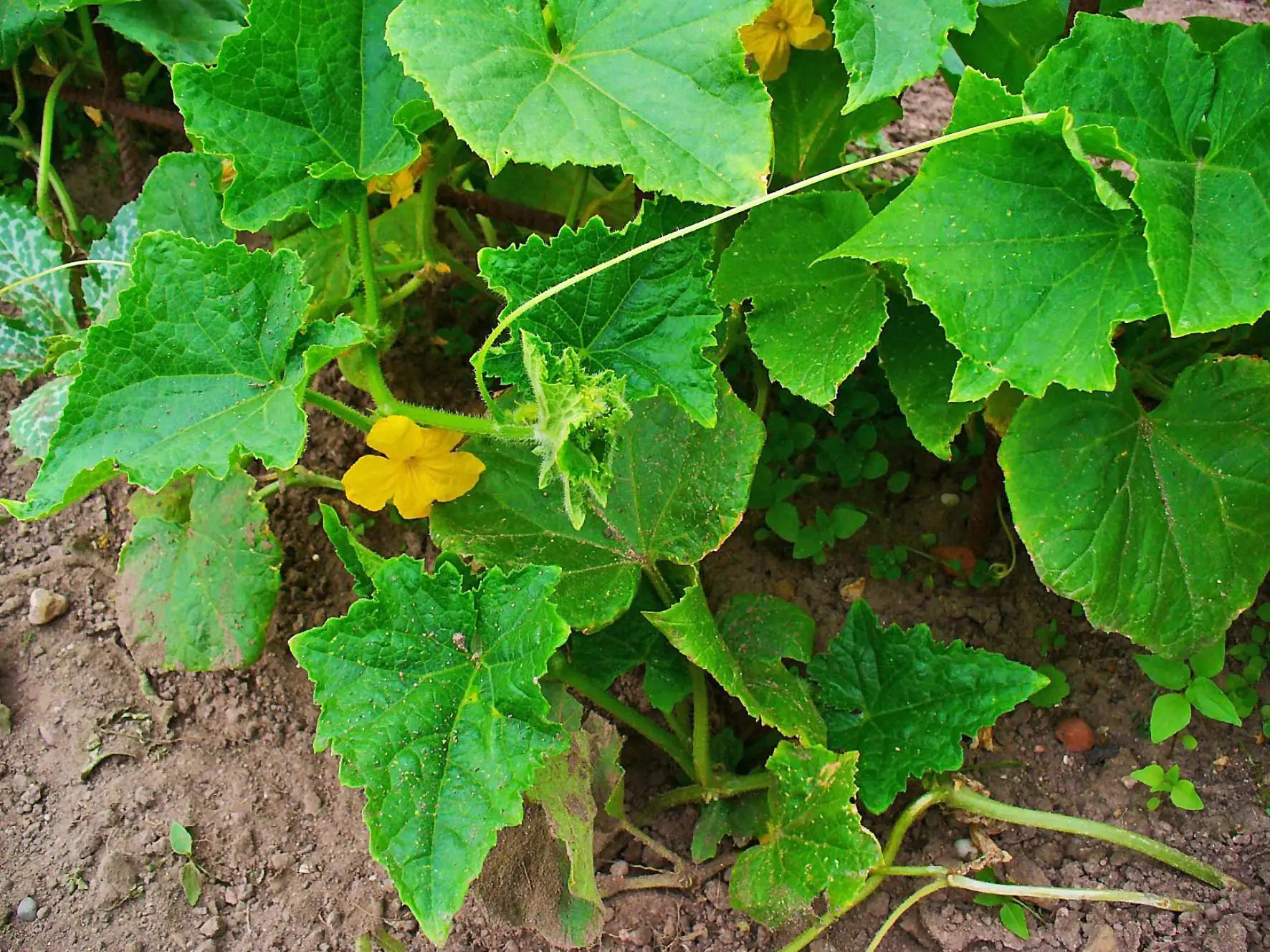
Companion Plants for Cucumbers, and What to Keep Away
Cucumbers need pollinators and hate competition for water. What genuinely helps, what the evidence is thin on, and the two neighbours worth actually avoiding.
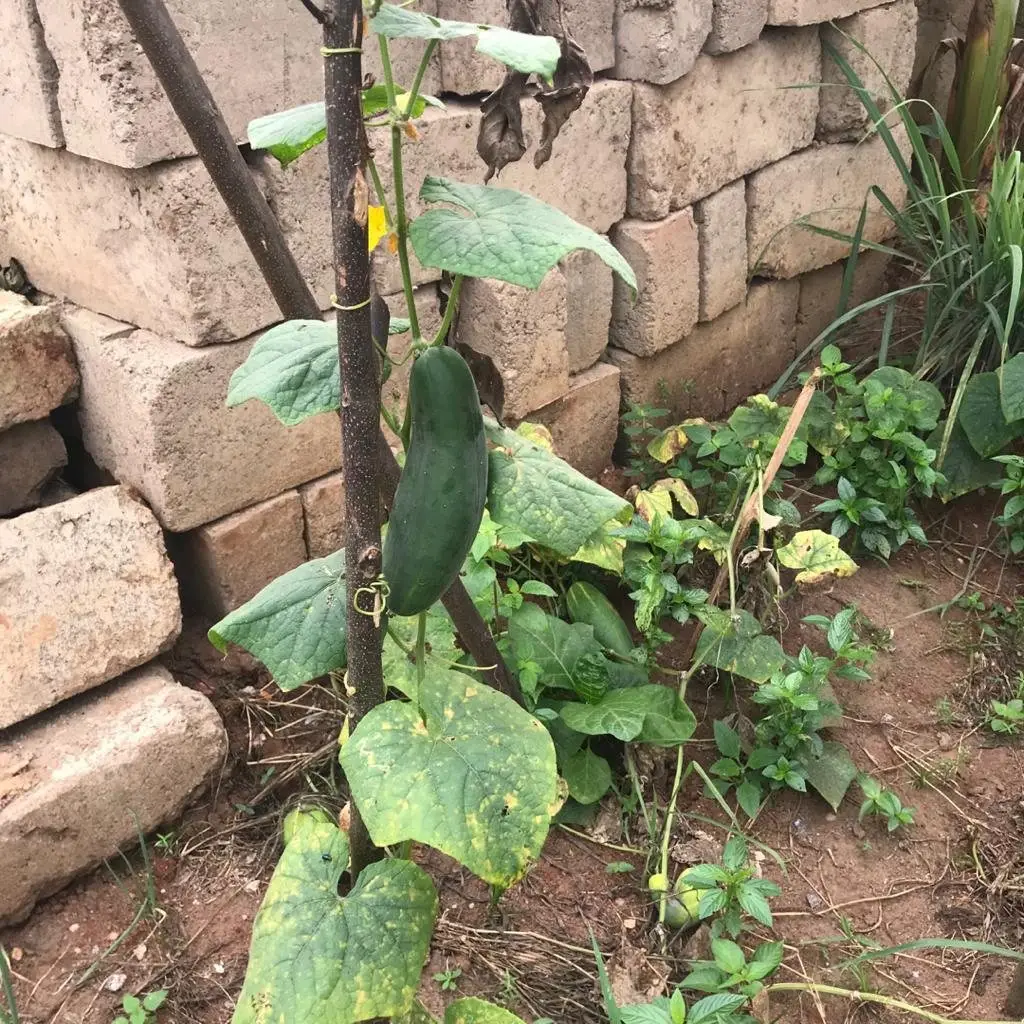
Growing Cucumbers in Pots: Size, Support, and Water
Cucumbers grow well in containers if the pot is big enough and they climb. Pot size, variety choice, and the watering rhythm that prevents bitter fruit.
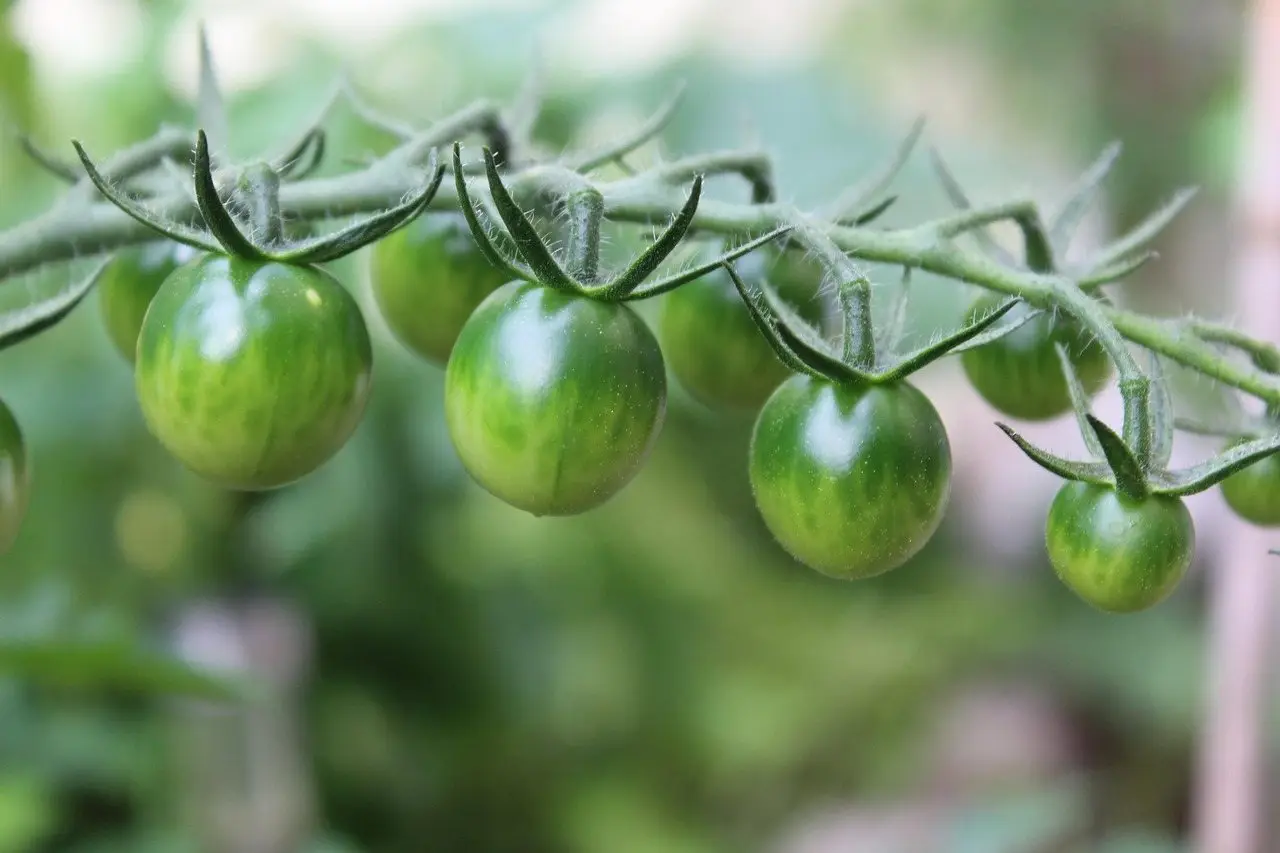
Tomatoes Not Turning Red? Heat Is Usually the Reason
Above about 30°C tomatoes stop making lycopene and stall green or orange. Ripening is temperature-driven, not sun-driven — so don't strip the leaves.
How to Ripen Green Tomatoes Indoors After the Season
Tomatoes ripen on ethylene, not sunlight, so a windowsill is the wrong place. What actually works, which fruit will never ripen, and what to do with those.