
Tomatoes Not Turning Red? Heat Is Usually the Reason
Above about 30°C tomatoes stop making lycopene and stall green or orange. Ripening is temperature-driven, not sun-driven — so don't strip the leaves.
 By
On this page
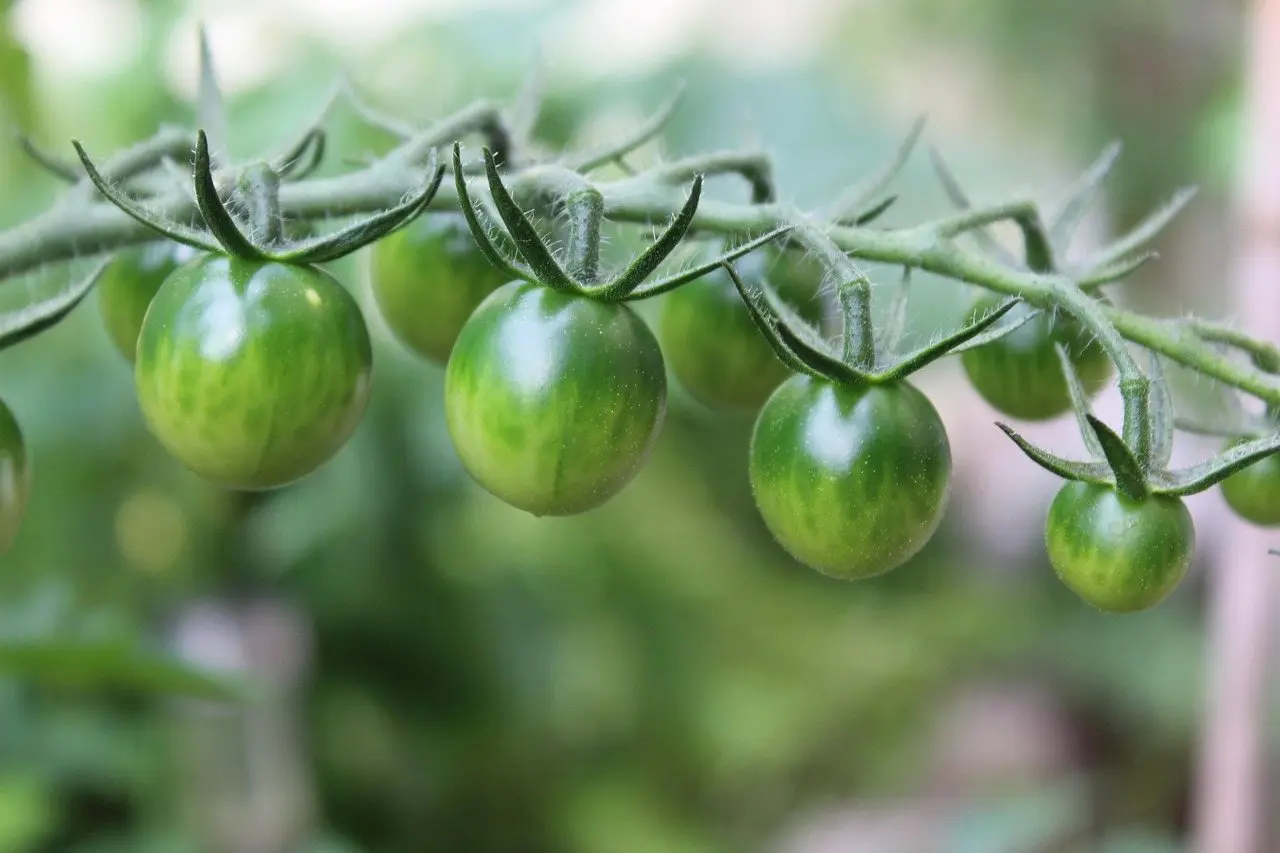
Usually heat. Above about 30°C a tomato stops making the pigment that turns it red, while ripening in every other way.
Working out which cause you have
| What you see | Likely cause |
|---|---|
| Orange or yellowish, soft, won’t redden, hot weather | Heat. Over 30°C stops lycopene |
| Green and hard for weeks, cool weather | Too cold — under ~10°C ripening stalls |
| Yellow or green shoulders on ripe fruit | Potassium shortage, or heat on the shoulder |
| Whole truss stuck, plant loaded with fruit | Too much fruit. The plant is rationing |
| Patchy, blotchy ripening | Uneven water, or potassium |
| Pale leathery patch on the sun side | Sunscald — usually after over-pruning leaves |
The myth worth killing
“Strip the leaves so the sun gets to the fruit.”
Ripening is a chemical process run by temperature and ethylene. A tomato ripens in a closed paper bag with no light at all — which is the whole basis of the end-of-season method below.
Meanwhile the leaves are the factory producing the sugars that make the fruit taste of anything, and bare fruit in strong sun gets sunscald: pale, leathery, ruined patches.
Remove only leaves that have a problem
Diseased, yellowing, or touching the soil — those go, for airflow and disease. Healthy leaves shading fruit are doing their job.
What to do in a heatwave
You cannot make the plant produce lycopene above its ceiling, so the options are to lower the temperature or stop waiting:
- Shade cloth at 30–40 per cent over the plants through the worst of it
- Water consistently — dry roots make every stress worse
- Pick at the breaker stage (first blush of colour) and finish them indoors, where it is cooler than the greenhouse
- Feed with potassium if the shoulders are yellowing and the plant has had nitrogen-heavy feed
End of season
- Pick anything at mature green or beyond. Full size, skin slightly glossy, seeds sliding away from the knife when cut rather than sliced
- Leave the small hard immature fruit — it will not ripen properly. Chutney, or fried green
- Indoors at 18–21°C, out of direct sun. A spare room beats a windowsill
- A paper bag or closed box with a banana or apple speeds it up, both being ethylene sources
- Check every couple of days and remove anything rotting before it spreads
- Never the fridge. Below about 10°C the ripening mechanism is permanently damaged and the fruit ends up mealy and tasteless
A whole plant hung upside down in a frost-free shed works too, and is mostly a convenience — the fruit is no longer drawing anything from the plant at that stage.
Common questions
Why are my tomatoes not turning red?
Does removing leaves help tomatoes ripen?
How do I ripen green tomatoes at the end of the season?
What is the mature green stage?
Will tomatoes ripen after the plant is pulled up?
Backyard Weekly
Know what to plant, week by week
Join the weekly email for seasonal jobs, fixes for what is going wrong, and gear worth buying.
Not ready to subscribe? The planting calendar is free and needs no email.
By subscribing you agree to our privacy policy. Grow In Backyard will never sell your address.
Keep reading
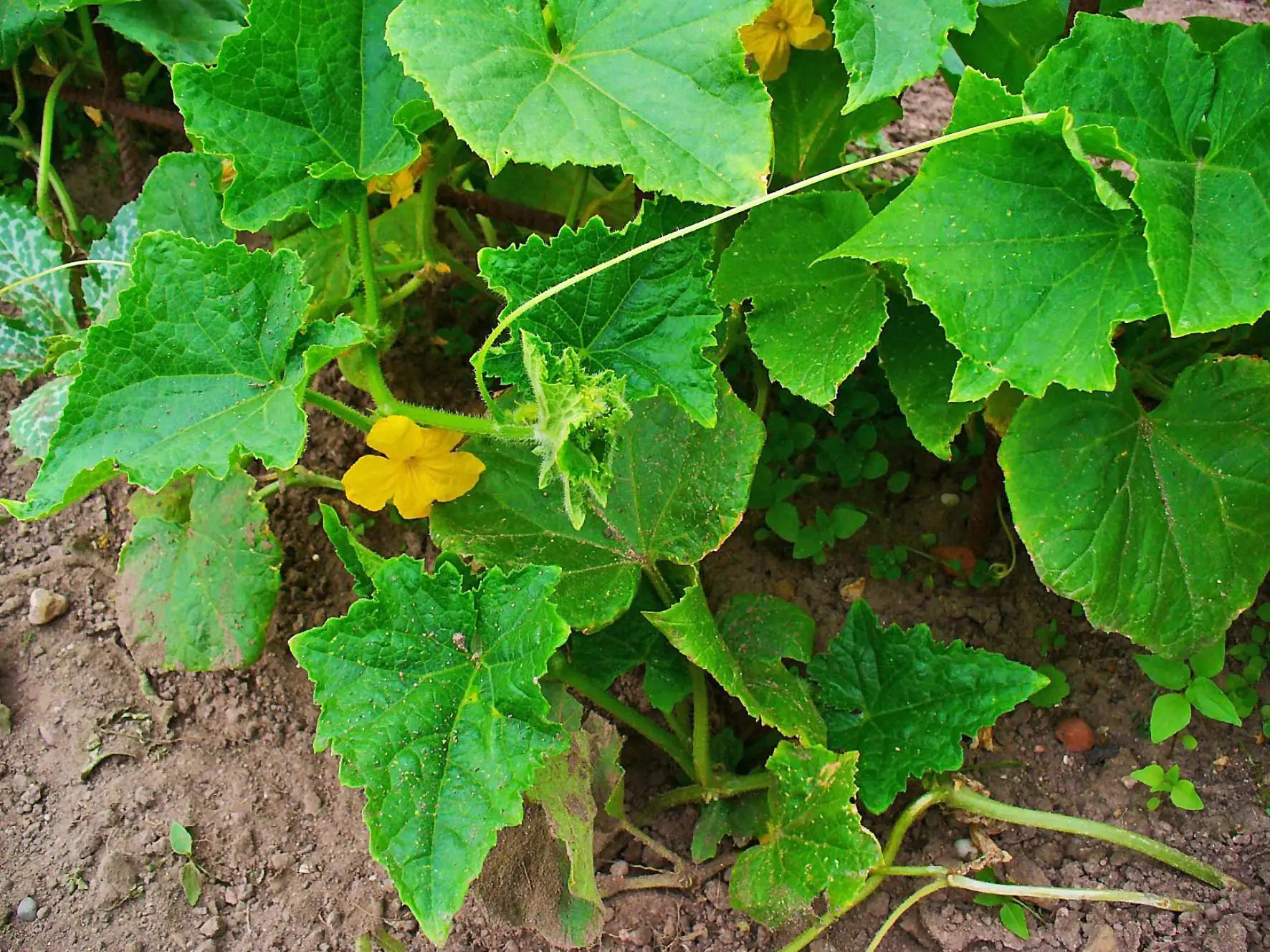
Companion Plants for Cucumbers, and What to Keep Away
Cucumbers need pollinators and hate competition for water. What genuinely helps, what the evidence is thin on, and the two neighbours worth actually avoiding.
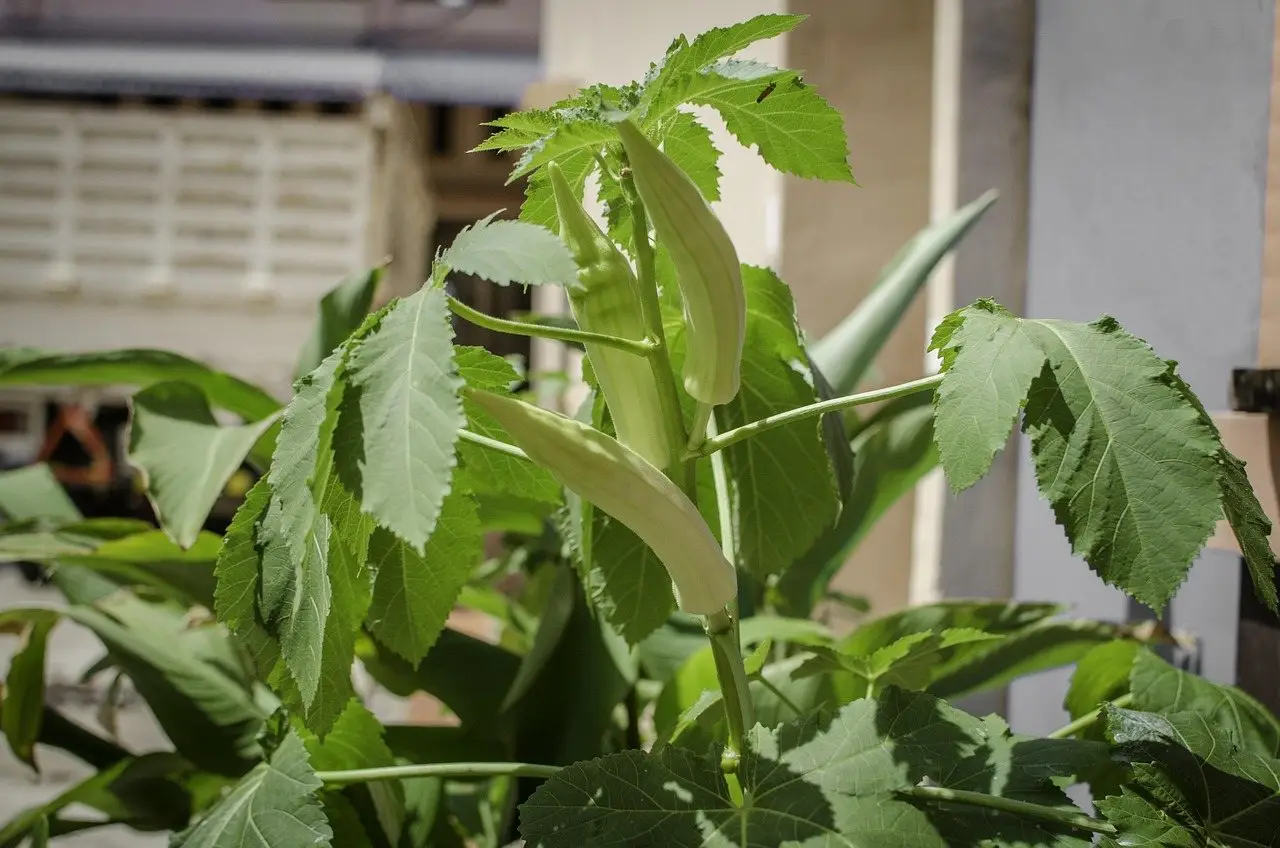
When to Harvest Okra: The Three-Day Window That Decides It
Pick pods at 2–4 inches, every day or two. Past about four days they turn woody, and leaving one on the plant slows everything that follows.
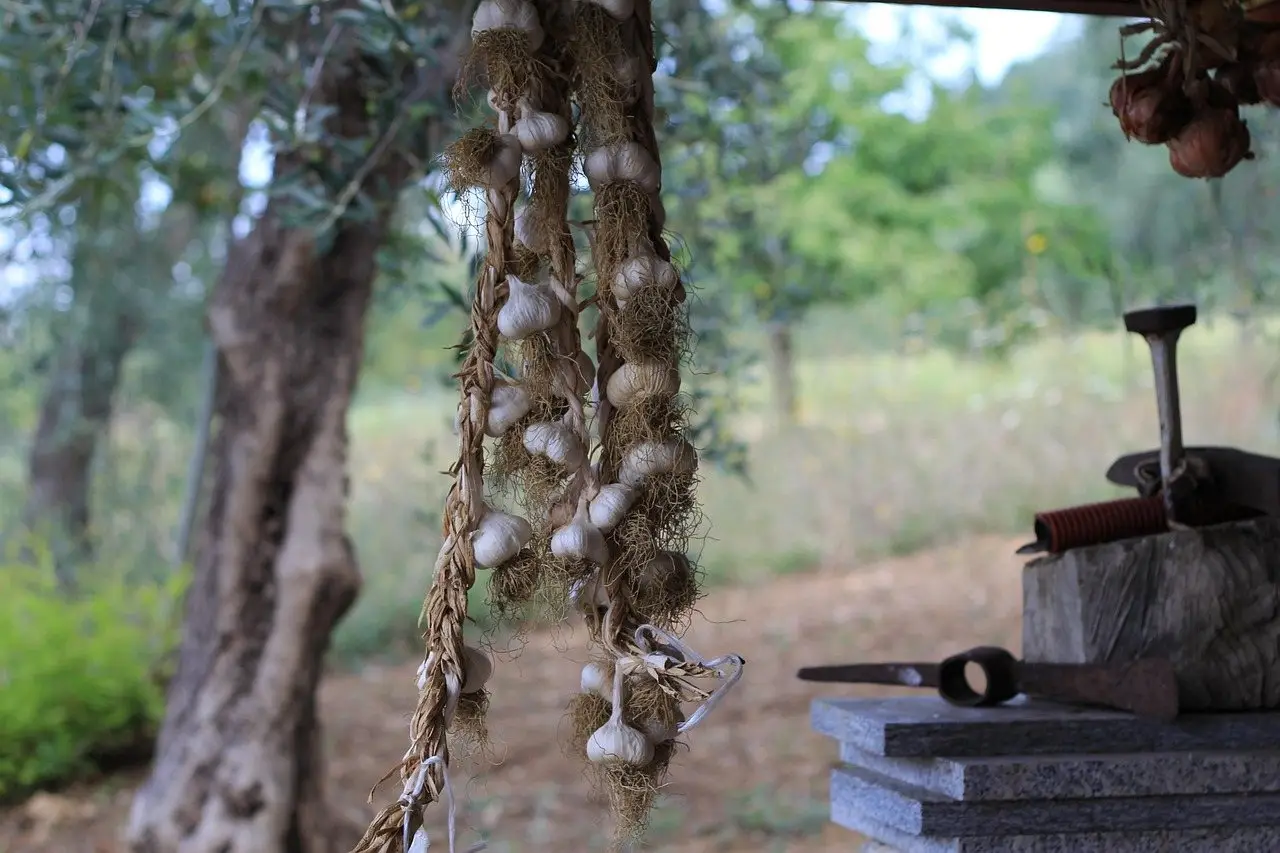
How to Dry Garlic: Curing It So It Keeps Until Spring
Curing takes two to four weeks in shade with moving air. Get it right and hardneck keeps six months, softneck ten. Get it wrong and it rots by October.
Types of Gardening Methods — 8 and What Each Suits
Types of gardening methods come down to 8 real choices, from no-dig to hydroponics. What each costs in space, water and effort, and which fits your ground.