How to Grow Cabbage: Firm Soil, Wide Spacing, Mesh
Cabbages need firmer ground than most crops, more room than people give them, and a physical barrier against pests. Splitting heads and clubroot, explained.

On this page
Cabbages want three things that run against normal garden instinct: firmer soil than you would usually give a crop, more space than they appear to need, and a physical barrier over the top of them.
Get those right and they are among the easiest vegetables there are.
Types, and when each is sown
The reason cabbage confuses people is that “cabbage” covers four different crops on four different calendars.
| Type | Sow | Plant out | Harvest |
|---|---|---|---|
| Spring | Late summer | Early autumn | Following spring |
| Summer | Late winter, indoors | Mid spring | Summer |
| Autumn | Mid spring | Early summer | Autumn |
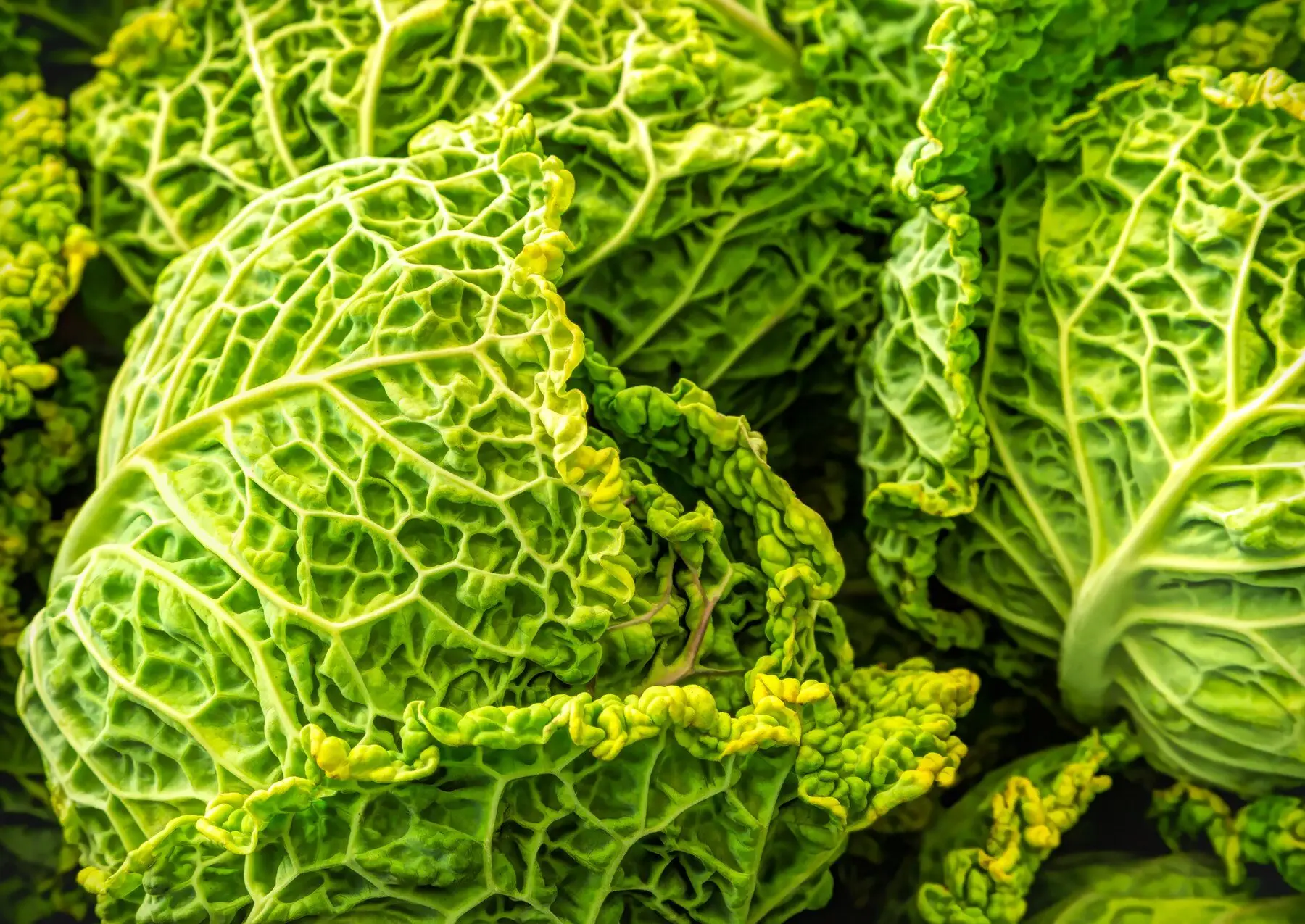
| Winter, incl. Savoy | Late spring | Midsummer | Winter, stands through frost |
| Red | As summer or autumn | As above | Autumn, stores well |
Between them, cabbage can be cut nearly year round — which is the point of the genus and why it mattered so much historically.
Soil
- Firm. Tread the bed before planting and firm hard around each plant.
- pH 6.5 to 7.5. Lime acidic soil — this is the main defence against clubroot, and alkaline conditions suppress it.
- Fertile. Compost or well-rotted manure dug in the previous autumn, so the ground has settled.
- Full sun, though cabbage tolerates light shade better than fruiting crops.
Mushroom compost suits brassicas particularly well, because it is alkaline — the same property that makes it wrong for potatoes.
Firm soil is right for brassicas and wrong for almost everything else
Most vegetable advice is about avoiding compaction. Cabbages are the exception: they are heavy plants on shallow roots, and in loose ground they rock in wind, tearing the fine feeding roots and stunting the plant. Tread the bed, plant, then firm around the stem hard enough that a tug on a leaf tears the leaf rather than lifting the plant.
Sowing and planting out
Sow in modules or a seed bed, half an inch deep. Modules are better — the plant goes out with an intact root ball and establishes faster, which also helps against clubroot.
Plant out at four to six true leaves. Set them deeper than they sat in the module, up to the lowest leaves, which adds stability. Firm well and water in.
Spacing: 18 to 24 inches, rows 24 to 30 inches apart. Compact varieties and deliberately small heads can go to 12 inches, but that should be a decision rather than an accident.
Water and feed
Consistent water is the whole story — about an inch to an inch and a half a week, more in heat. Cabbages are shallow rooted and check quickly.
Mulch once established, which holds that consistency and is what prevents splitting.
Nitrogen throughout. Unlike fruiting crops, you are growing leaves, so there is no switch to potassium. A nitrogen-rich feed a few weeks after planting out, and again a month later, suits them.
Splitting
A cabbage splits when it takes up water faster than the outer leaves can stretch — classically after heavy rain following a dry spell.
Prevention is consistent moisture and mulch. If a mature head is standing and heavy rain is forecast, either harvest it, or twist the plant a quarter turn to snap some roots and slow uptake. The second is a genuine old technique and it works.
Pests, and the one measure that handles them
| Problem | Sign | Answer |
|---|---|---|
| Cabbage white caterpillars | Shredded leaves, green or yellow-black caterpillars | Fine mesh from planting |
| Cabbage root fly | Sudden wilting; roots eaten away | Mesh, or collars at the stem base |
| Flea beetle | Shot-holes in young leaves | Mesh; keep seedlings growing fast |
| Whitefly | Clouds of small white flies under leaves | Mesh; tolerate on mature plants |
| Pigeons | Leaves stripped to the ribs | Netting — nothing else works |
| Slugs | Ragged holes, trails | Clear debris; go out at dusk |
| Clubroot | Swollen distorted roots, stunted wilting plants | Lime, rotate, resistant varieties |
Fine insect mesh over hoops, from the day of planting, sealed at the edges deals with the first five. It is the single highest-return action in growing brassicas, and it replaces a season of picking caterpillars off by hand.
Clubroot lasts twenty years in soil
Clubroot is not a problem you treat — it is one you avoid. The resting spores persist in soil for up to two decades, and once a bed has it, brassicas grown there will always struggle. Lime toward pH 7.5, rotate on a four-year cycle, never move soil or plants from an infected area, and buy in plants only from a source you trust. Where it is already present, resistant varieties and raising plants in large modules to give them a head start are the practical response.
Harvesting
Cut when the head feels firm and solid under a gentle squeeze. Use a sharp knife and cut at the base, leaving the outer leaves and stump in place.
Then cut a shallow cross into the top of the stump. Most spring and summer varieties will produce a second crop of small loose heads from it over the following weeks — a free second harvest for no work.
Winter cabbages and Savoys stand through frost and can be cut as needed. Red cabbage and firm winter types store for months in a cool dry place.
Common questions
Why did my cabbage head split?
How far apart should cabbages be planted?
What is clubroot and how do you prevent it?
Why does cabbage need firm soil?
When should you plant cabbage?
How do you stop caterpillars eating cabbage?
Backyard Weekly
Know what to plant, week by week
Free planting calendar. Join the weekly email for seasonal jobs, fixes for what is going wrong, and gear worth buying.
Set MONETIZATION.email.endpoint in src/config/site.ts to enable this form.
By subscribing you agree to our privacy policy. Grow In Backyard will never sell your address.
Keep reading
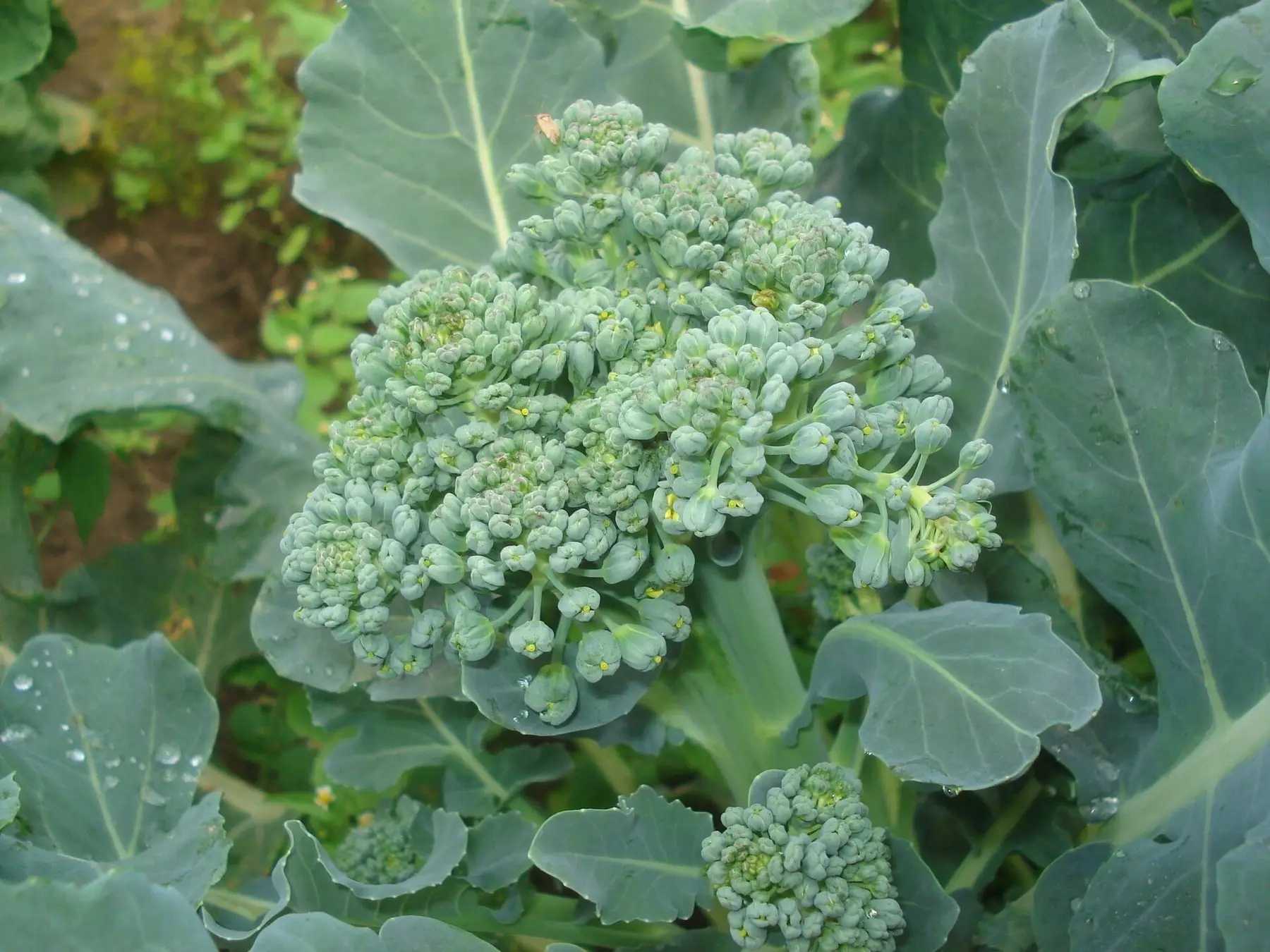
How to Grow Broccoli Without It Bolting or Buttoning
Broccoli bolts in heat and buttons when checked as a seedling. Timing the sowing, spacing for a decent head, and cutting so the side shoots keep coming.
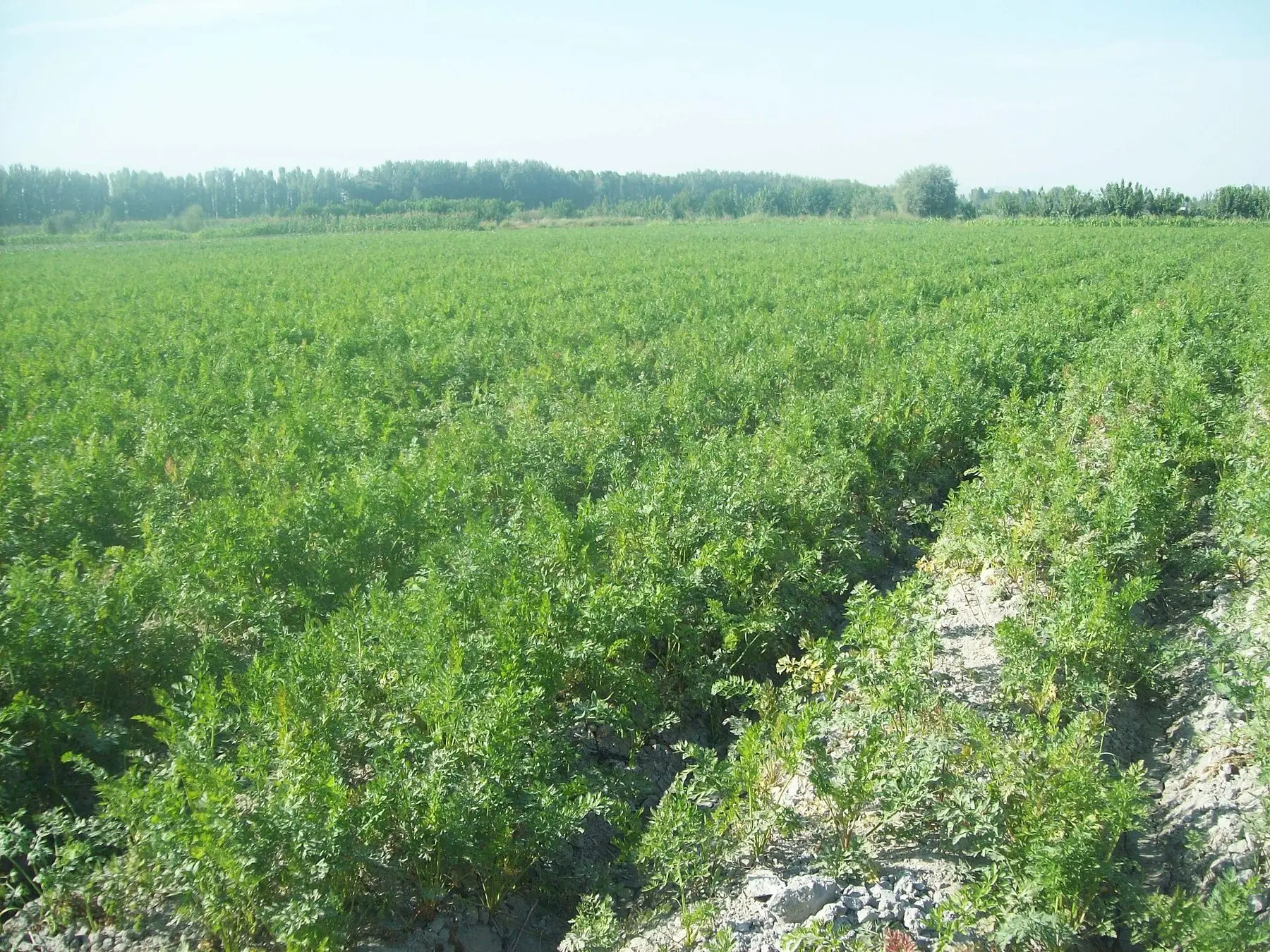
How to Grow Carrots: Stones, Thinning, and Carrot Fly
Forked carrots come from obstacles and fresh manure, not bad seed. Sowing direct into stone-free soil, why you should barely thin, and the fly barrier that works.
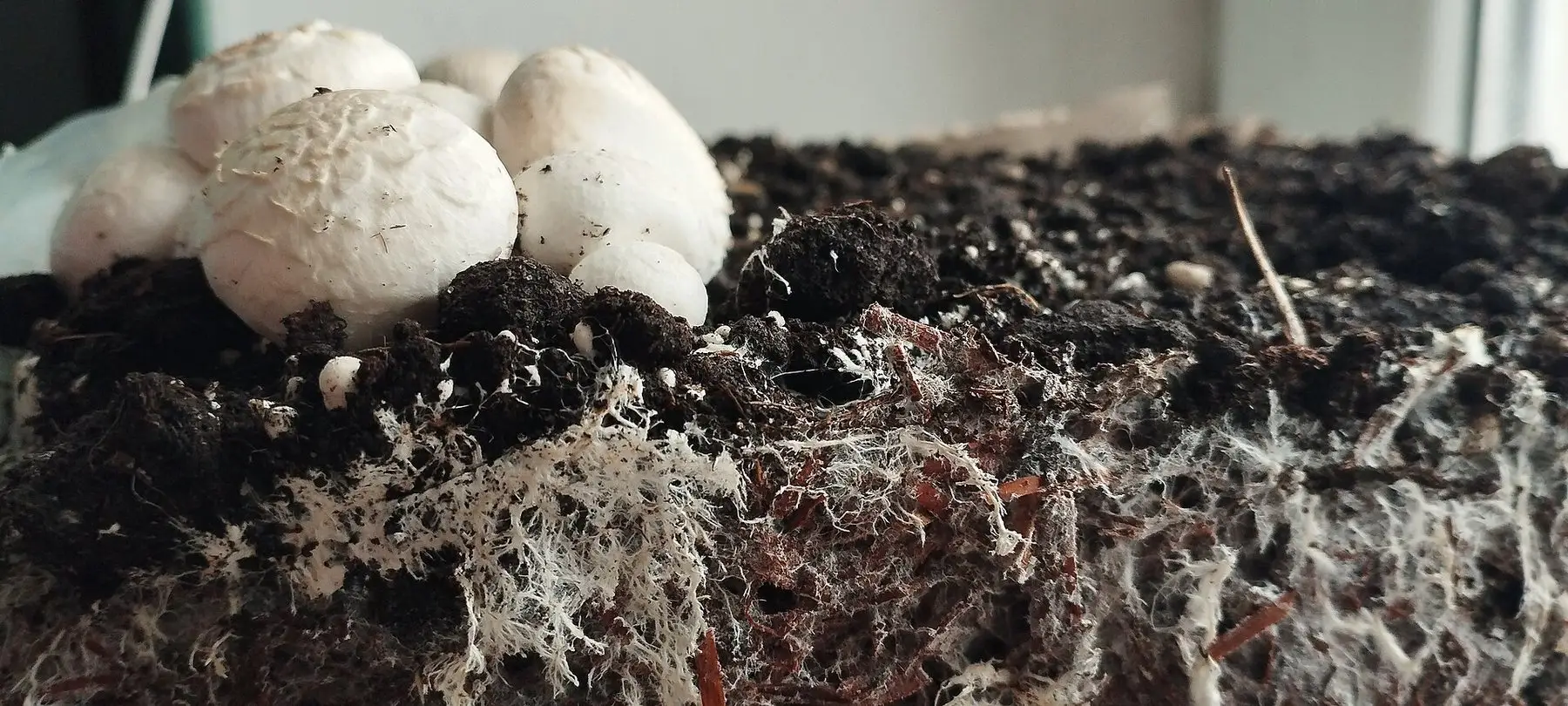
Mushroom Compost: What It Is and Where Not to Use It
Spent mushroom substrate is cheap, alkaline and salty when fresh. Excellent on clay and vegetable beds, actively harmful around acid-loving plants and seedlings.
How Deep to Plant Potatoes (And Why Hilling Matters More)
Four inches at planting, then hill as they grow. Why planting deep in cold spring soil backfires, and how depth differs in containers and no-dig beds.