
How to Grow Eggplant: Heat, Flea Beetles and Fruit Set
Eggplant needs more heat than tomatoes and takes the worst of the flea beetles. Soil temperature, spacing, why flowers drop, and picking by shine.
 By

On this page
Eggplant wants more heat than a tomato and takes the worst of the flea beetles. Get those two right and the rest of it is straightforward.
Timing, which most people get wrong
| Crop | Min soil temp | Plant out |
|---|---|---|
| Tomato | 60°F | At last frost |
| Pepper | 65°F | 1–2 weeks after |
| Eggplant | 65–70°F | 2–3 weeks after |
A transplant set into cold soil does not catch up. It sits, sulks, drops leaves, and is overtaken by one planted a fortnight later into warm ground. Use a soil thermometer rather than the calendar.
Starting seed:
- 8 to 10 weeks before your planting-out date
- A heat mat is close to essential — germination wants 80–90°F and is slow and patchy below
- Sow ¼ inch deep; expect 7 to 14 days
- Pot on once true leaves appear
- Harden off over a week to ten days
- Plant out only when nights are reliably above 60°F
Site and soil
| Sun | 6 hours minimum, 8 better. Not negotiable |
| Soil | Rich, well drained, pH 5.5–6.8 |
| Spacing | 18–24 in apart, rows 30 in |
| Containers | 5 gallons per plant. Pots warm faster, which suits it |
| Water | Deep and consistent — 1 to 1.5 in a week |
| Feed | Balanced at planting; easy on nitrogen once flowering |
| Support | Stake or cage. Fruiting plants split in wind |
| Mulch | Yes, once the soil is properly warm — not before |
Black plastic or dark mulch laid a couple of weeks before planting warms the soil measurably and is worth doing in a cool-summer region. Organic mulch does the opposite early on, so hold it back until the ground is warm.
Flea beetles
The one pest that genuinely decides the crop.
Cover from the day they go out, not after damage appears
Eggplant is the nightshade flea beetles hit hardest, and a young transplant with four leaves can be checked so badly it never recovers. By the time you see the shotholes, the damage is done.
Floating row cover or insect mesh, sealed at the edges, from planting day. Leave it on three to four weeks, then remove it so the flowers can be worked by air movement and insects.
Kaolin clay — a white film they dislike landing on — works unusually well on eggplant and is the best follow-up once the cover comes off.
A mature plant carries a remarkable amount of shothole damage with no loss of yield. The effort belongs in the first month and nowhere else.
Fruit set
Eggplant flowers are self-pollinating, so a plant that flowers and sets nothing has an environmental problem, not a bee problem.
| Cause | Fix |
|---|---|
| Nights below 60°F | Wait. Row cover for warmth early in the season |
| Days above 95°F | Shade cloth, steady water. Set resumes when it cools |
| Drought stress | Deep, consistent watering; mulch |
| Too much nitrogen | Switch to a lower-nitrogen feed |
| Still, humid air | Shake the plant gently each morning |
Most blossom drop is temperature, and temperature is not a gardening failure. Plants resume setting when the weather turns.
Harvesting
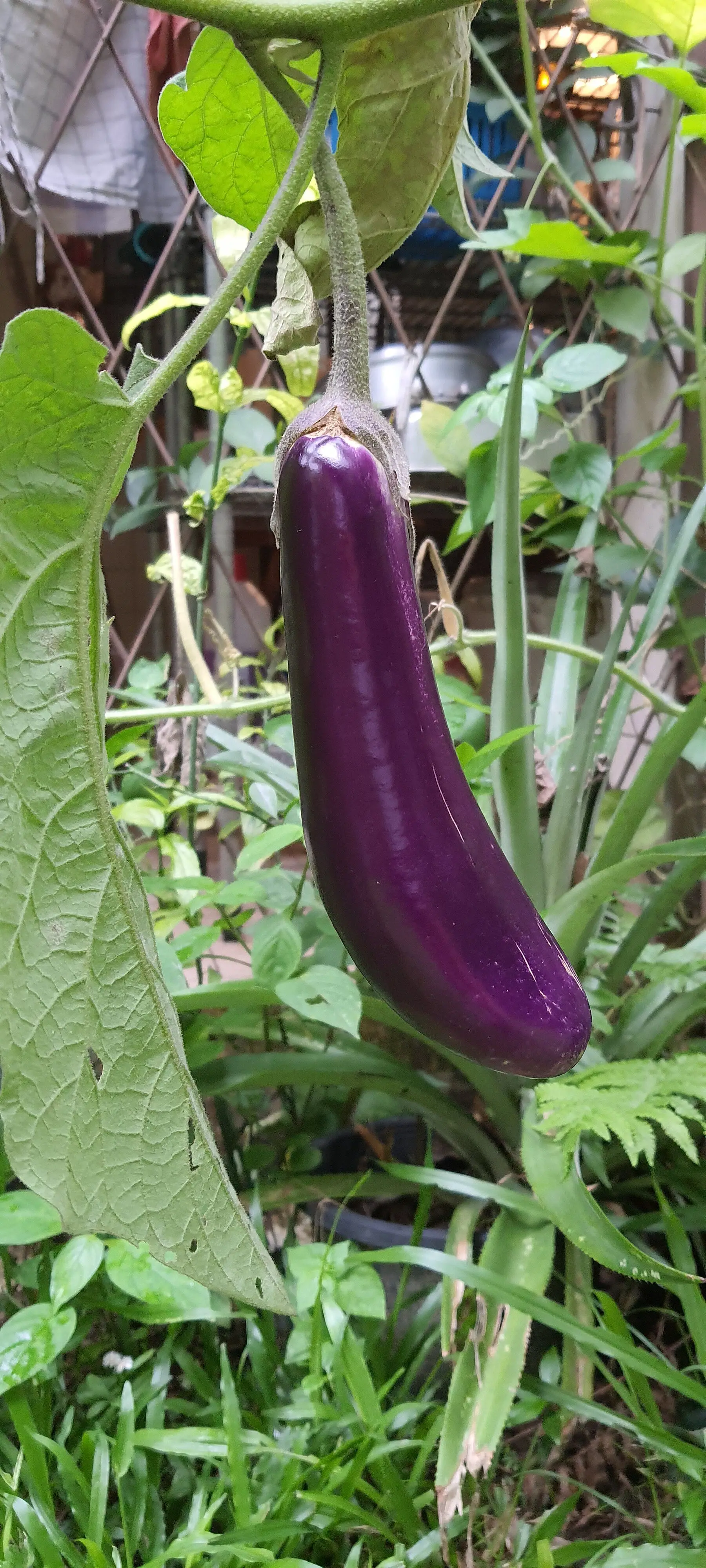
By shine, not by size. Varieties differ enormously in mature size, and the packet number is a poor guide.
- Glossy, taut skin — ready
- Press gently with a thumb: it should spring back slowly
- Dull skin means past it. The flesh is spongy and the seeds have hardened and gone bitter — that is over-ripe, not riper
- Cut with secateurs, leaving an inch of stem. The calyx is spiny and the stem too tough to pull without tearing the plant
- Pick often. Every fruit left on slows further flowering
Bitterness is usually harvest timing, not the variety
Modern varieties are bred to be mild, and the salting ritual is largely a holdover. A bitter eggplant is nearly always one picked after the skin dulled and the seeds hardened.
Pick young and glossy and you can skip the salting entirely.
Problems
- Shotholes in the leaves — flea beetles. See above
- Sunken dark patch at the blossom end — blossom end rot. Irregular watering blocking calcium uptake, not a soil shortage. Water consistently and mulch
- Wilting on one side, yellowing lower leaves — verticillium wilt. No cure; rotate away from nightshades for several years and choose resistant varieties
- Fine webbing and stippled leaves — spider mites, worst in hot dry spells. Spray the undersides with water
- Soft brown fruit rot after wet weather — phomopsis blight. Airflow, rotation, remove affected fruit
- Clouds of tiny white flies — whitefly, mostly cosmetic outdoors
Varieties worth knowing
- ‘Black Beauty’ — the classic large Italian type. Needs a long warm season
- ‘Ichiban’, ‘Little Fingers’ — slender Asian types, earlier and more productive in a short season. The better choice in a cool summer
- ‘Rosa Bianca’ — pale lavender-white, mild and creamy
- ‘Fairy Tale’ — small striped fruit on a compact plant. Excellent in containers
- ‘Listada de Gandia’ — purple and white striped, heat-tolerant
In a cool or short summer, the slender Asian types are the ones that actually crop. A large Italian variety in a marginal climate flowers beautifully and ripens two fruits.
Common questions
When should I plant eggplant?
Why are my eggplant flowers falling off without setting fruit?
How do I stop flea beetles destroying my eggplant?
How do you know when eggplant is ready to pick?
How much space do eggplants need?
What are the black or brown patches on my eggplant fruit?
Backyard Weekly
Know what to plant, week by week
Join the weekly email for seasonal jobs, fixes for what is going wrong, and gear worth buying.
Not ready to subscribe? The planting calendar is free and needs no email.
By subscribing you agree to our privacy policy. Grow In Backyard will never sell your address.
Keep reading
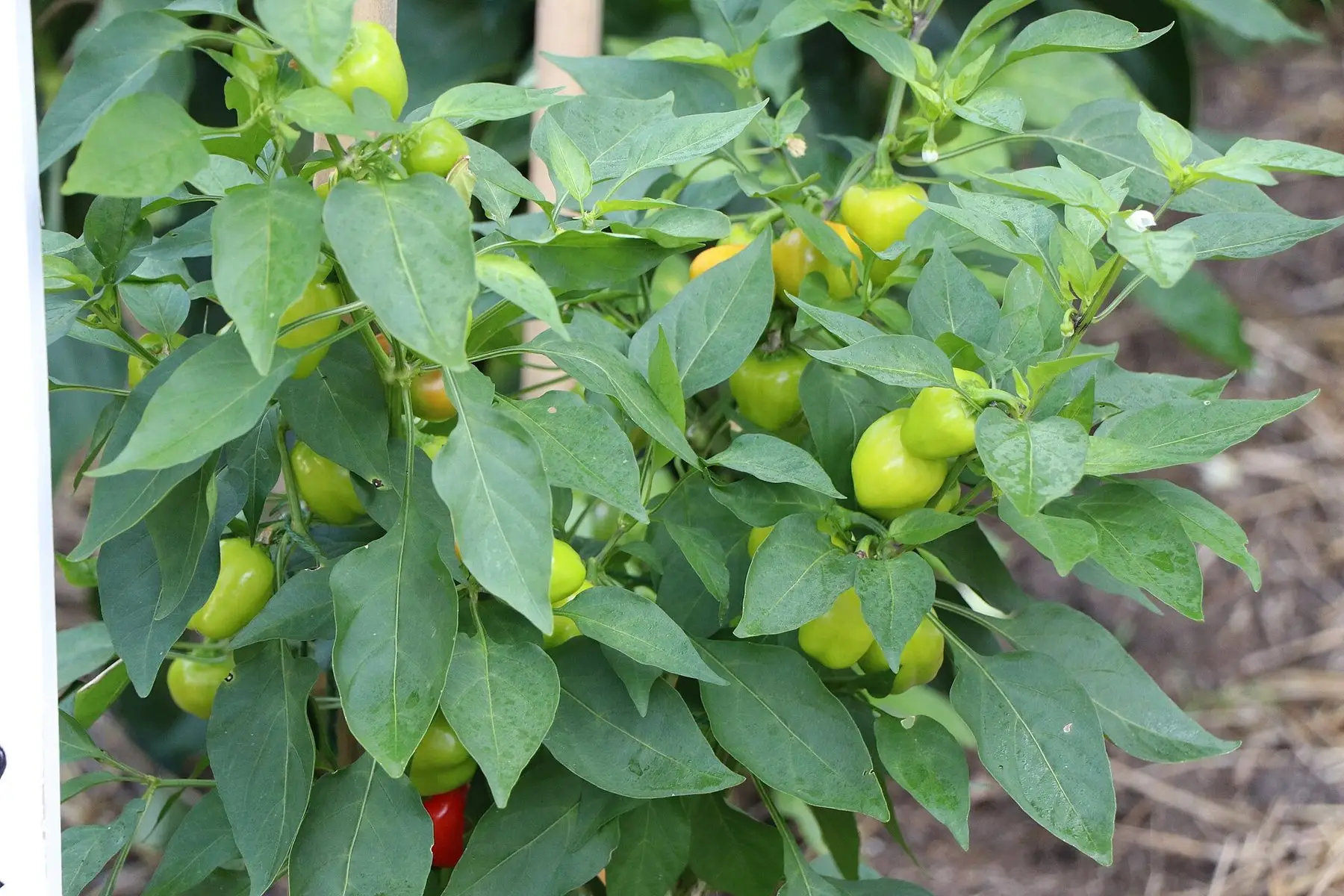
How to Grow Peppers: Start Early, Then Keep Them Warm
Peppers need more heat than tomatoes and stall in cool nights. When to sow, the temperature range that makes flowers drop, and why to feed them less than you think.
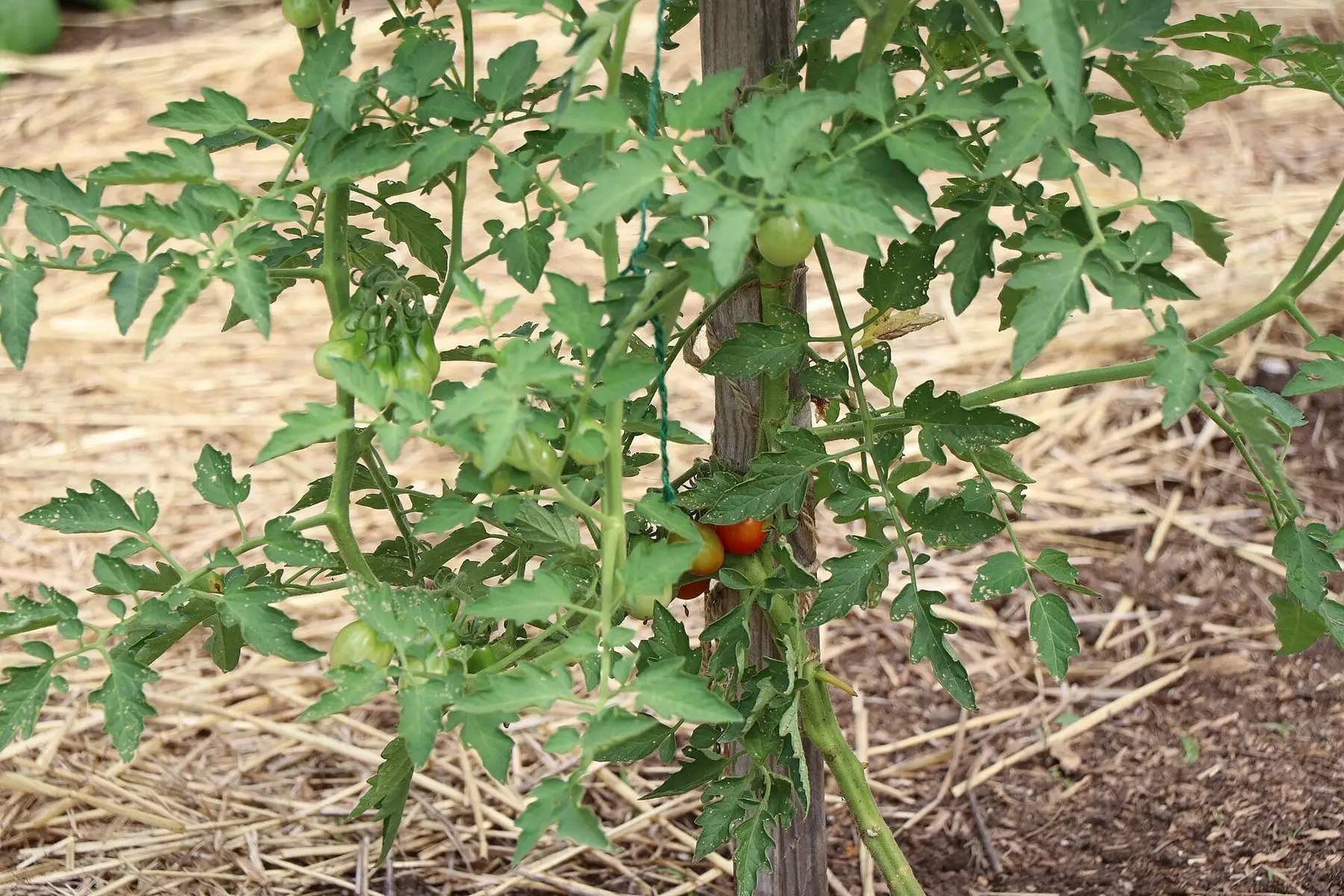
How to Grow Tomatoes: Determinate or Indeterminate First
That one word on the seed packet decides your spacing, your pruning, and your harvest shape. Then it is warmth, consistent water, and feeding at the right time.
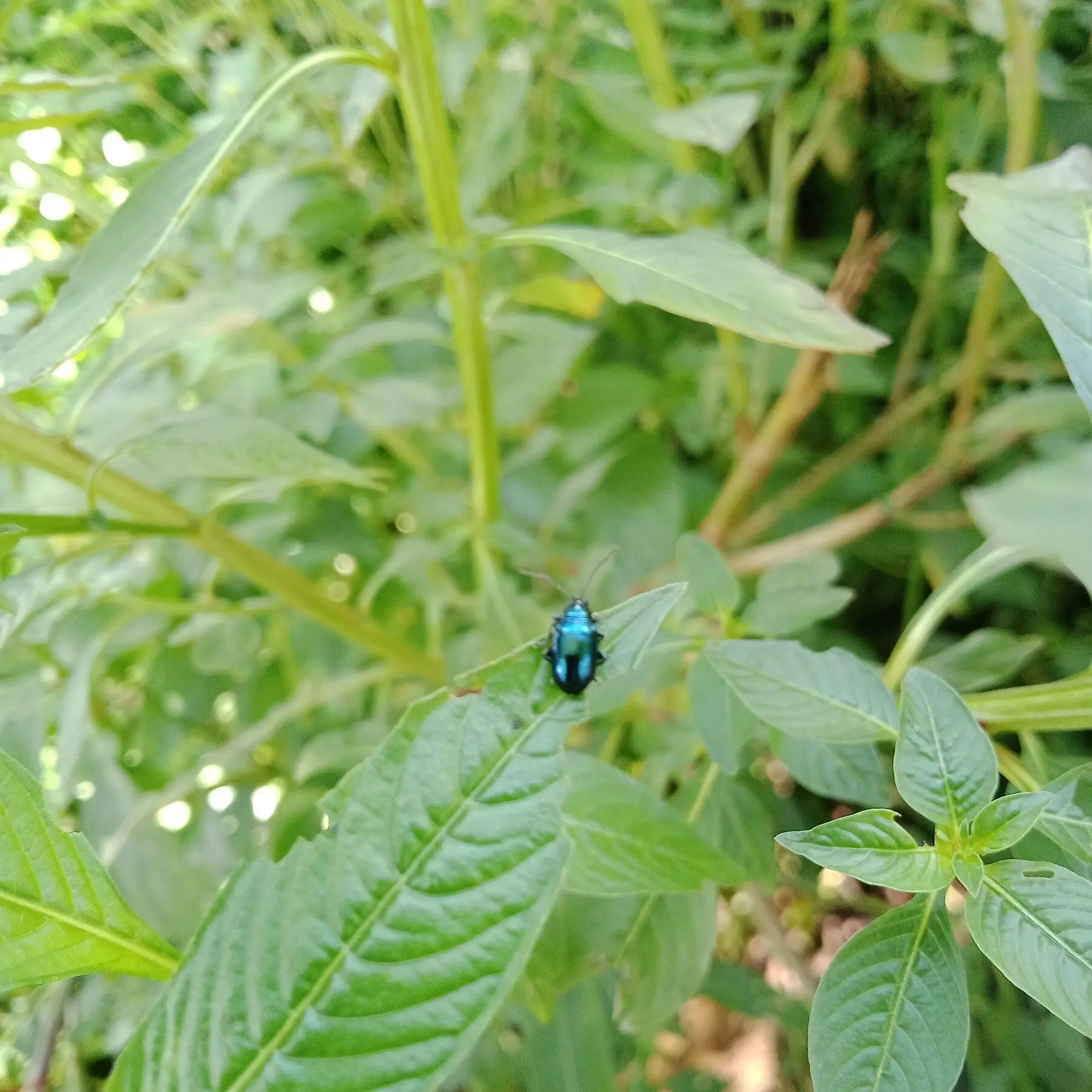
Flea Beetles: Shotholes in Leaves, and What Actually Stops Them
Tiny jumping beetles that pepper brassica and eggplant leaves with holes. Why seedlings are the only real risk, and the controls that work in order.
How to Grow Fennel: Bulb or Herb, and Why It Bolts
Florence fennel bolts if checked even briefly. Sow direct in midsummer, keep it watered, and earth the bulb up — herb fennel needs none of that.