
What to Plant With Garlic: Roses, Carrots and Brassicas
Garlic sits in the ground nine months, so companions have to work around its timing. What pairs well, and the two families to keep away from it.
 By

On this page
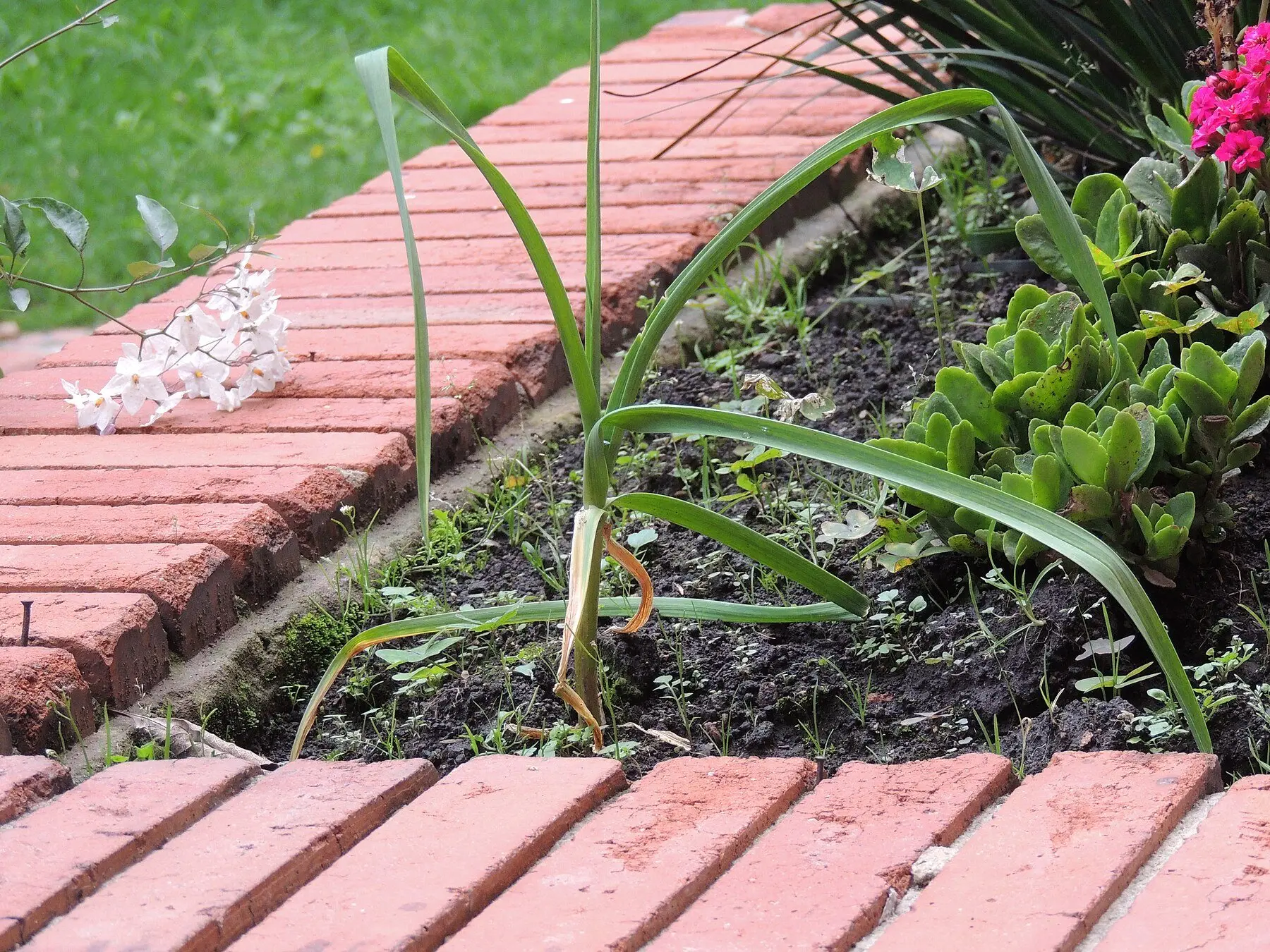
The thing that decides this is timing, not chemistry. Autumn-planted garlic sits in the ground until midsummer — most of a growing year — but occupies a narrow strip and casts almost no shade. The best companions are crops that use the space it leaves.
Two different reasons a companion works
| Companion | Why it works |
|---|---|
| Roses | Sulphur compounds deter aphids |
| Carrots | Interferes with carrot root fly’s scent tracking |
| Brassicas | Cabbage moth deterrence |
| Tomatoes | Aphids and mites, modestly |
| Lettuce, spinach, radish | Fast crops using the empty spring bed |
| Strawberries | Spread as the garlic matures and is lifted |
Timing is the part that gets skipped
Garlic planted in autumn is lifted the following July. That is a long occupation of a bed — but:
- It grows upright and narrow
- It casts almost no shade
- The bed has usable space and light all spring
So the most productive companions are simply fast crops sown between the rows in spring. You get two harvests from ground that would otherwise sit half-empty.
What to keep away
Beans and peas are the one with real evidence behind it
Alliums appear to interfere with the rhizobia bacteria that let legumes fix nitrogen. Both crops do less well for the pairing.
This is the better-documented half of garlic companion lore — most of the rest is softer than it is usually presented.
Other alliums — onions, leeks, shallots, chives — for a different reason:
- They share every pest and disease garlic has
- White rot is a soil fungus that persists for years
- Grouping them concentrates the risk and complicates rotation
On the pest-repelling claim
It is real, and it is smaller than the lore suggests.
Garlic’s sulphur compounds genuinely interfere with how some insects locate host plants — that is why the rose-and-garlic pairing keeps being recommended, and it does help a little.
It is not pest control. A garlic border will not clear an aphid infestation, and expecting it to is how people conclude companion planting does not work at all.
What follows garlic
Lifting in July leaves warm soil and half a season:
- Bush beans (now that the garlic is gone)
- Salad leaves
- Autumn brassicas
- A green manure to hold the bed over winter
Three to four years before any allium returns to that ground
This is the standard interval for avoiding white rot, and it is the reason to keep alliums spread across beds rather than grouped in one.
Common questions
What should you plant with garlic?
What should you not plant with garlic?
Does garlic actually repel pests?
Can you plant garlic and onions together?
How does garlic's long season affect companion planting?
What should follow garlic in the bed?
Backyard Weekly
Know what to plant, week by week
Join the weekly email for seasonal jobs, fixes for what is going wrong, and gear worth buying.
Not ready to subscribe? The planting calendar is free and needs no email.
By subscribing you agree to our privacy policy. Grow In Backyard will never sell your address.
Keep reading
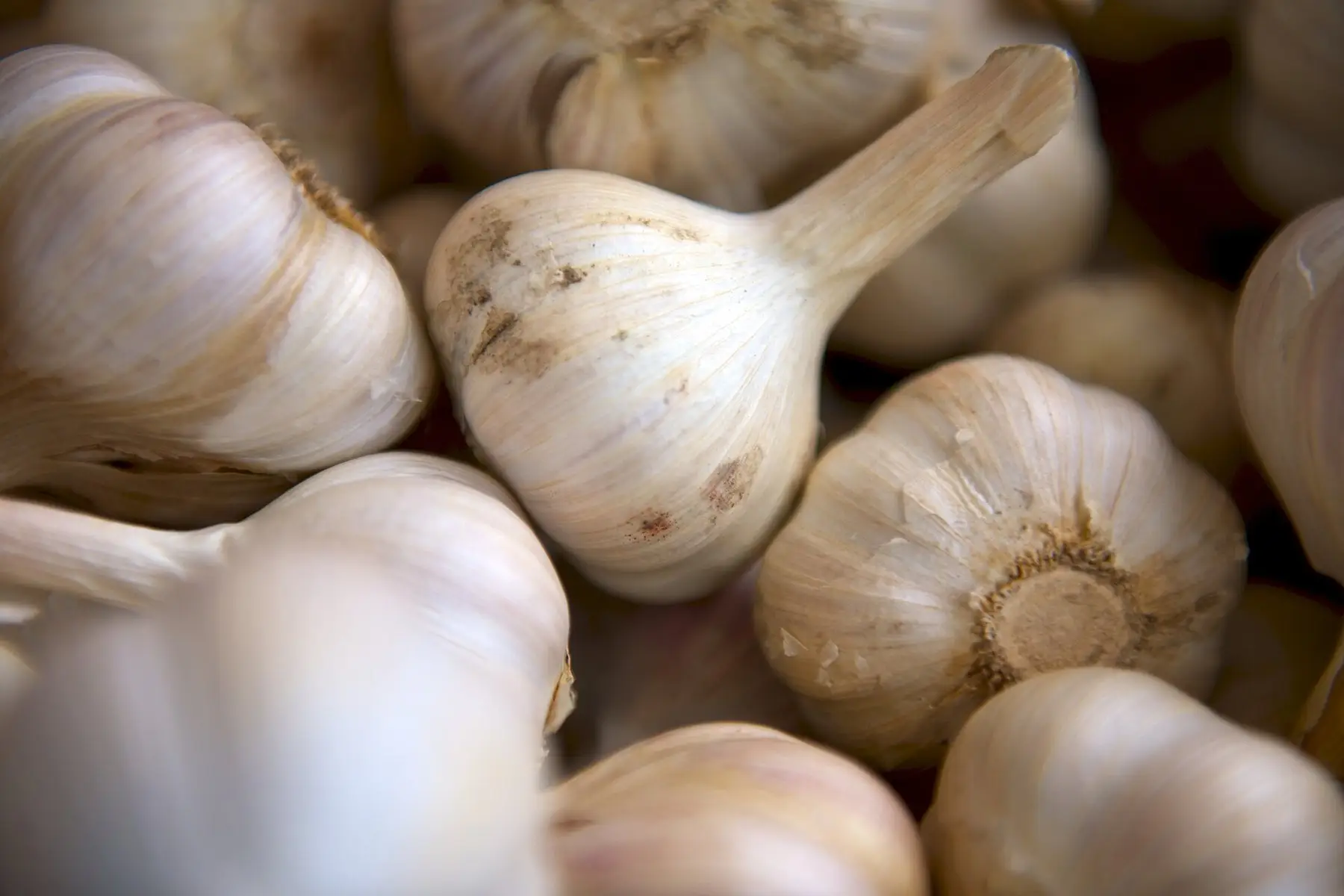
How to Grow Garlic: Plant in Fall, Harvest in July
Garlic is the easiest crop in the garden if you plant it at the right time. Here is the full cycle — choosing bulbs, planting depth, mulch, scapes, and harvest.
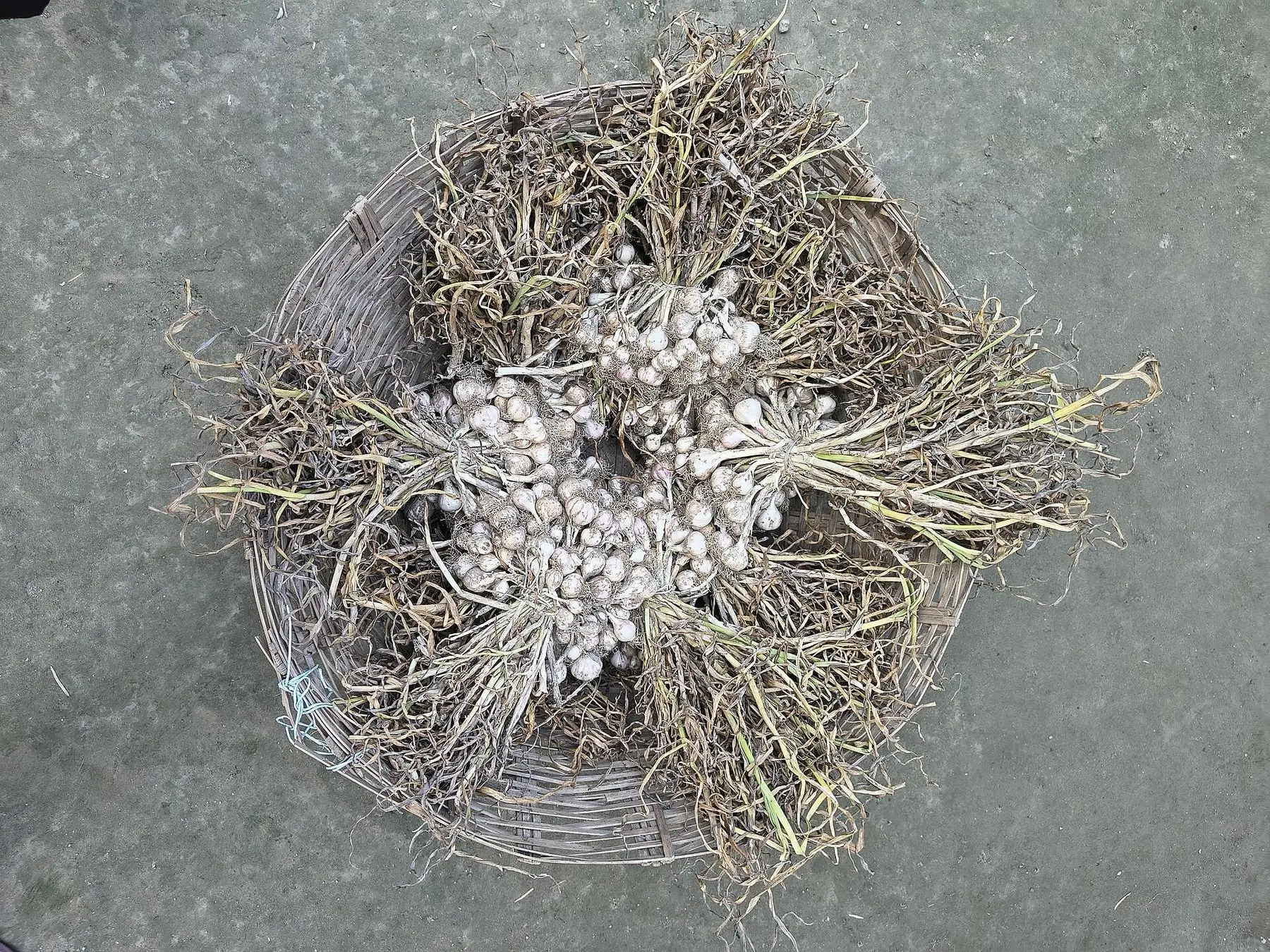
When to Harvest Garlic (Count the Brown Leaves)
Garlic is ready when three or four lower leaves have browned and five or six are still green — usually July. How to read the plant and test before you dig.
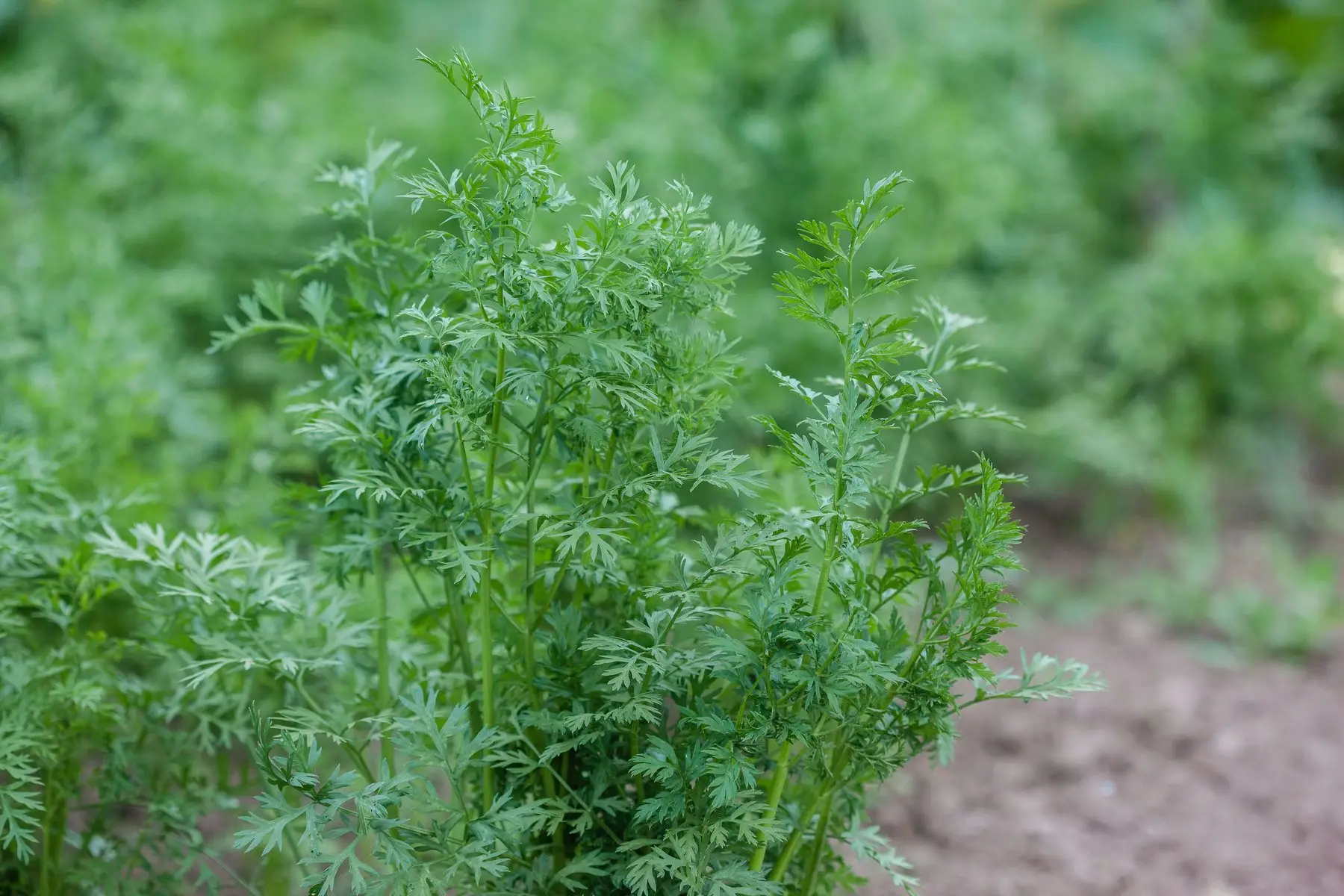
What to Plant With Carrots: Onions, Leeks and Low Shade
Alliums and aromatic herbs confuse carrot root fly by smell. Avoid dill, fennel and anything that shades a slow-germinating seedbed.
What Vegetables Should Not Be Planted Together
Most bad pairings come down to four real mechanisms — shared disease, allelopathy, root competition and shade. The pairs worth actually avoiding.