Types of Hot Peppers, Ranked by Heat and What They Taste Like
Scoville is only half the story — a habanero and a serrano at similar heat behave completely differently in a pan. Thirty peppers by heat, flavour, and best use.
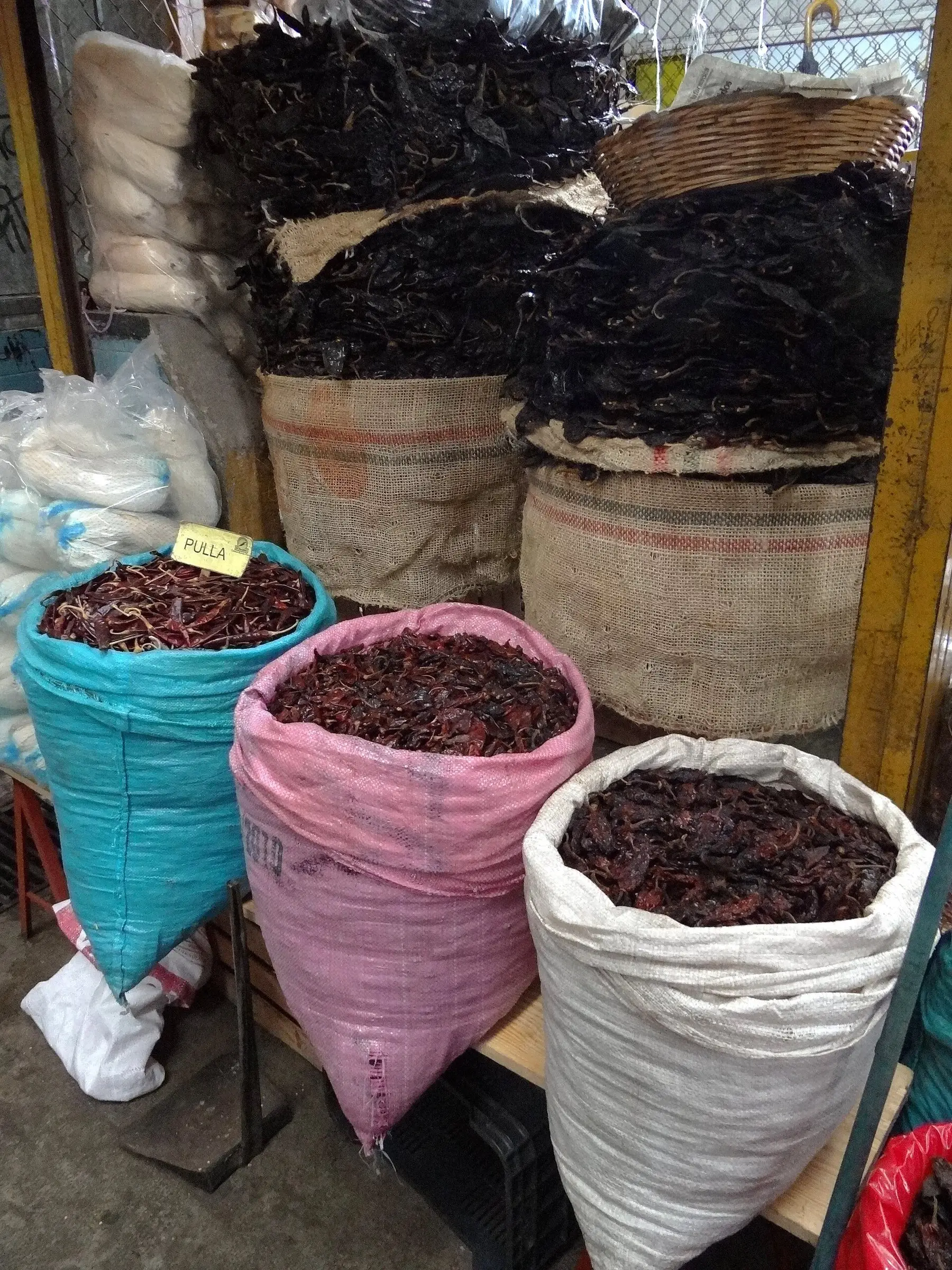
.jpg)
On this page
Two peppers can sit at the same point on the Scoville scale and be completely wrong for each other’s job. Heat is one axis. Flavour, skin thickness, wall density and how the pepper behaves when cooked are the ones that decide whether a dish works.
The heat bands
| Pepper | SHU | Flavour | Best for |
|---|---|---|---|
| Bell | 0 | Sweet, grassy | Not a hot pepper at all |
| Pepperoncini | 100–500 | Tangy, mild | Pickling |
| Poblano / ancho | 1,000–2,000 | Rich, earthy | Stuffing; dried as ancho |
| Banana / Hungarian wax | 500–4,000 | Sweet to warm | Pickling, salads |
| Jalapeño | 2,500–8,000 | Green, vegetal | Everything; the default |
| Fresno | 2,500–10,000 | Fruitier than jalapeño | Salsa, hot sauce |
| Chipotle (smoked jalapeño) | 2,500–8,000 | Smoky, deep | Sauces, adobo |
| Guajillo (dried mirasol) | 2,500–5,000 | Berry, tea-like | Mexican sauces |
| Serrano | 10,000–25,000 | Crisp, bright | Fresh salsa, pico |
| Chile de árbol | 15,000–30,000 | Nutty, clean | Oils, dried heat |
| Cayenne | 30,000–50,000 | Neutral, sharp | Drying, powder, hot sauce |
| Tabasco | 30,000–50,000 | Acidic, sharp | The sauce, obviously |
| Thai bird’s eye | 50,000–100,000 | Immediate, clean | Thai and SE Asian cooking |
| Piri piri | 50,000–175,000 | Citrus, sharp | Marinades, grilling |
| Habanero | 100,000–350,000 | Fruity, floral, apricot | Caribbean sauces, salsa |
| Scotch bonnet | 100,000–350,000 | Sweeter than habanero | Jerk, Caribbean stews |
| Fatalii | 125,000–400,000 | Citrus, lemony | Hot sauce with character |
| Ghost pepper (bhut jolokia) | 800,000–1,040,000 | Sweet, then relentless | Extracts, small quantities |
| Scorpion (Trinidad moruga) | 1,200,000–2,000,000 | Fruity, brutal | Competition, extracts |
| Carolina Reaper | 1,600,000–2,200,000 | Sweet then chemical | Records |
| Pepper X | ~2,690,000 | Barely tasted | The current record |
Why the species matters more than the number
Most culinary peppers are one of two species, and the difference is audible in the flavour before the heat arrives.
Capsicum annuum — jalapeño, serrano, cayenne, poblano, Thai, bell. Clean, green, vegetal or neutral. This is the group that grows most easily in a temperate garden.
Capsicum chinense — habanero, scotch bonnet, fatalii, ghost, reaper. Distinctly fruity and floral, often described as apricot or citrus. They also need more heat and a longer season, which is why they are harder to grow outside a greenhouse.
Swapping a habanero for the equivalent Scoville in cayenne does not produce the same dish. The heat matches; the flavour does not.
Scoville numbers are ranges, not facts
The same variety varies enormously with growing conditions. Heat, drought stress and a long ripening period all push capsaicin up — a jalapeño from a hot dry summer can be several times hotter than one from a cool wet one, from identical seed. Treat every figure above as a band, not a specification.
Where the heat actually is
Capsaicin is produced in the placenta — the pale, spongy pith the seeds attach to, running down the inside of the pepper along the ribs.
The seeds themselves produce none. They taste hot only because they have been pressed against the pith. So scraping out the pith and ribs removes most of the burn while keeping the pepper’s flavour, which is a far better technique than deseeding and hoping.
Gloves above habanero, and never rub your eyes
Capsaicin is an oil and it does not wash off with water — it lingers on skin for hours and transfers to whatever you touch next. Wear gloves for anything above habanero heat, wash with oil then soap afterwards, and be careful about contact lenses. For a burning mouth, reach for milk or yoghurt: the casein binds capsaicin in a way water cannot.
Which to actually grow
Reliable in a normal summer: jalapeño, cayenne, serrano, poblano, Hungarian wax, Thai bird’s eye. They set fruit readily and ripen in time.
Needs a greenhouse or a long hot season: habanero, scotch bonnet, fatalii, and every superhot. They germinate slowly, want 80–85°F to get going, and take 100 to 150 days from transplant.
Peppers in general want warmth, full sun, and less nitrogen than people give them — a rich feed produces a big green plant with few fruit, the same failure as over-fed tomatoes. Switch to a high-potassium feed once flowering starts.
They do well in containers, which is worth knowing in a cool climate: a pot on a sunny wall or moved into a greenhouse at night gets superhots to ripen where an open bed will not. See growing in pots.
Fresh, dried, and smoked are different ingredients
Drying concentrates sugars and changes the flavour completely. A poblano is mild and grassy; dried, it becomes an ancho, dark and raisin-like. A jalapeño smoked and dried becomes a chipotle, which tastes almost nothing like the fresh pepper.
This is why Mexican recipes name the dried form specifically. Substituting fresh for dried, or one dried chile for another, changes the dish more than adjusting the quantity does.
Common questions
What is the Scoville scale?
What is the hottest pepper in the world?
Which hot peppers are good for beginners to grow?
Does a hotter pepper taste different, or just hotter?
Where is the heat in a chili pepper?
How do you stop chili burn on your hands or in your mouth?
Backyard Weekly
Know what to plant, week by week
Free planting calendar. Join the weekly email for seasonal jobs, fixes for what is going wrong, and gear worth buying.
Set MONETIZATION.email.endpoint in src/config/site.ts to enable this form.
By subscribing you agree to our privacy policy. Grow In Backyard will never sell your address.
Keep reading
How to Grow Tomatoes: Determinate or Indeterminate First
That one word on the seed packet decides your spacing, your pruning, and your harvest shape. Then it is warmth, consistent water, and feeding at the right time.
Companion Plants for Tomatoes (And 5 to Keep Away)
Basil, marigolds, and borage earn their place next to tomatoes. Fennel, potatoes, and brassicas do not. What to plant together, and why each pairing works.
Outdoor Plants in Pots: What Survives, and What Kills Them
A pot outdoors is a harsher place than the ground — hotter, drier, and colder in winter. How to pick plants and pots that cope, and get through the cold.
How Deep to Plant Potatoes (And Why Hilling Matters More)
Four inches at planting, then hill as they grow. Why planting deep in cold spring soil backfires, and how depth differs in containers and no-dig beds.