
How to Grow Loofah: A 200-Day Crop You Start Indoors
Loofah needs a long hot season and a strong trellis. Start seed indoors six weeks early, and leave the gourds on the vine until they rattle.
 By
On this page
Loofah is a gourd, not a sea sponge — and the thing that catches people out is the season length. It needs 150 to 200 frost-free days, which means starting indoors almost everywhere.
The season is the constraint
Count backwards from your first frost. If you do not have roughly 150 days of frost-free weather, a mature sponge is a stretch.
That does not mean do not try — it means:
- Soak seed 24 hours to soften the hard coat, then sow indoors six weeks before last frost, half an inch deep in deep pots
- Germination wants 70–85 °F and can take a fortnight. A propagator or a warm windowsill
- Plant out only when nights stay above 60 °F. It has no cold tolerance, and a check early on is time you cannot recover on a 200-day crop
- Accept that the last gourds may finish ripening indoors, hung somewhere warm and airy
Build the trellis first
Vines reach 15 to 30 feet and the gourds are heavy. A bamboo wigwam will be on the ground by August.
What works: an arch, a cattle panel, a strong fence, or a substantial pergola. Put it up before planting, so you are not driving posts through established roots.
Vertical growing is not only about space. A gourd hanging clear grows straight and even; one lying on soil develops a flat, rotted patch where it rests.
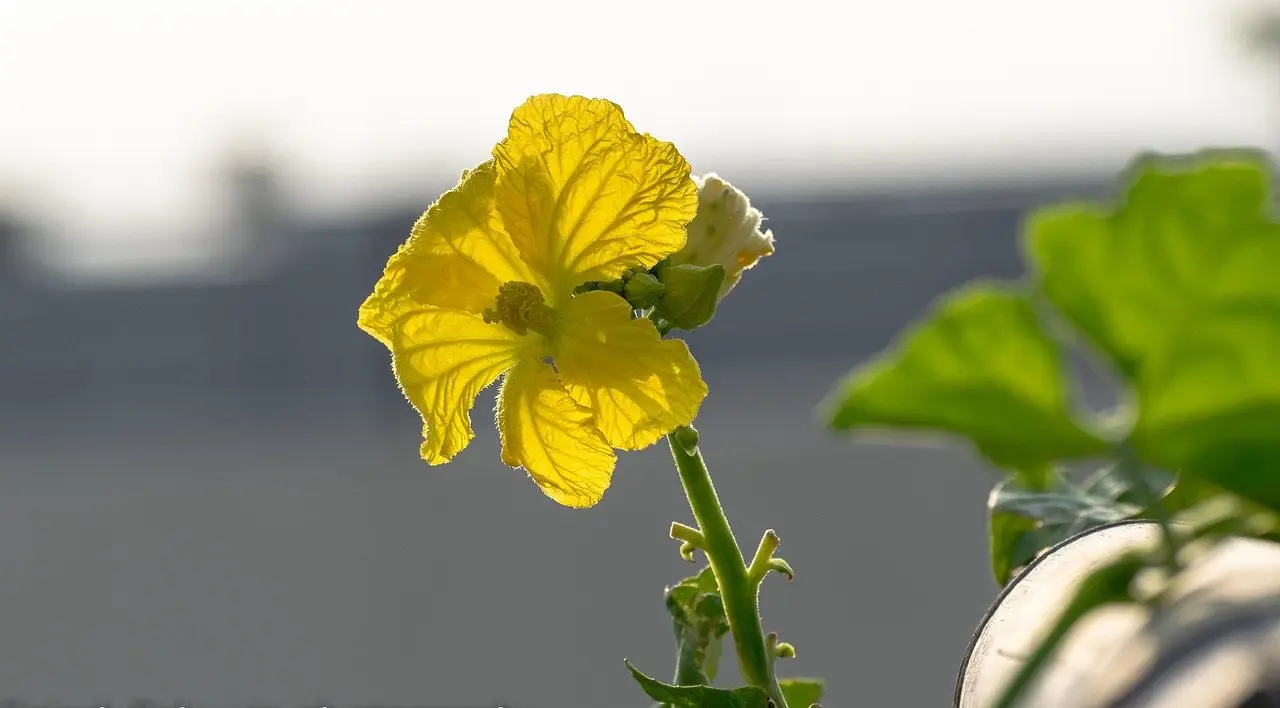
Male flowers first — this is not a problem
Loofah produces only male flowers for the first week or two. They open, set nothing, and drop.
Female flowers have a miniature gourd already behind the bloom. Wait for those before diagnosing a pollination problem. If fruit still is not setting once females appear, transfer pollen with a small brush in the morning while the flowers are open.
Harvest: brown, light, rattling
This is where most first attempts fail.
| Ready for a sponge | Not ready | |
|---|---|---|
| Skin | Tan or brown, cracking | Green, firm |
| Weight | Surprisingly light | Heavy |
| Shaken | Seeds rattle | Silent |
| If picked now | Cures into a sponge | Goes slimy and rots |
The fibre has to lignify on the vine. Pick a heavy green gourd expecting to dry it indoors and you get a rotting mess, because the internal network has not hardened yet.
The one exception is frost: if a hard frost is imminent, cut the gourds with a length of stem and finish them somewhere warm and airy. Results are mixed, but it beats losing them.
Processing
- Crack and peel the skin — once properly dry it comes away in large flakes
- Shake out the seeds, keeping some for next year
- Rinse thoroughly. The remaining sap is sticky and darkens the sponge if left
- Soak briefly in water with a little bleach to lighten it, if you want it pale
- Dry completely in sun before storing, or it will go mouldy
Two crops from one plant
Picked under about six inches, loofah is a vegetable — tender, mild, cooked like courgette or okra, and eaten widely across Asia.
Once the fibrous network starts forming it is inedible permanently. So decide early which gourds you are eating and which you are leaving to mature, and label them if you are likely to forget.
Step by step
- Time
- P200D
- Cost
- 25
- You need
- Loofah seed, Compost or well-rotted manure, Sturdy trellis or arch
- Tools
- Propagator or warm windowsill, Secateurs
Count back from your first frost
Loofah needs 150 to 200 frost-free days to produce a mature sponge. If your season is shorter than that, start indoors and accept that the last gourds may need finishing off the vine.
Soak and sow indoors six weeks before last frost
Soak seed for 24 hours to soften the hard coat, then sow half an inch deep in deep pots. Germination needs warmth of around 70 to 85 F and can take two weeks.
Build the trellis before planting out
Mature vines reach 15 to 30 feet and carry heavy gourds, so a flimsy support collapses mid-season. An arch, a cattle panel or a strong fence is right; bamboo wigwams are not.
Plant out only once nights stay above 60 F
This is a tropical cucurbit with no cold tolerance at all. Planting out early checks growth you cannot afford to lose on a 200-day crop.
Space plants 2 to 3 feet apart in full sun
Full sun and rich, free-draining soil with plenty of compost. Loofah is a hungry, vigorous plant and poor soil shows up directly as fewer gourds.
Water deeply and feed through the season
Consistent deep watering, and a balanced feed once flowering starts. Switching to a lower-nitrogen feed at that point encourages fruit rather than more vine.
Train the vines up and tie them in early
Guide young shoots onto the support and tie loosely. Gourds hanging clear of the ground grow straight and do not rot on one side.
Hand pollinate if fruit is not setting
Male flowers open first and females have a tiny gourd behind the bloom. In low bee activity, transfer pollen with a brush in the morning when flowers are open.
Leave the gourds on the vine until they are light and brown
The skin dries to tan, the gourd becomes surprisingly light, and the seeds rattle inside. Picking green gives a sponge that rots rather than cures.
Peel, shake out the seeds and wash
Crack and peel off the dry skin, shake out the seeds, then rinse the fibre thoroughly. Soaking in water with a little bleach lightens it, and it must dry fully in sun before storage.
Common questions
How long does loofah take to grow?
When do you harvest loofah for a sponge?
Can you eat loofah?
Does loofah need a trellis?
Why is my loofah flowering but not setting fruit?
How do you process a loofah into a sponge?
Backyard Weekly
Know what to plant, week by week
Join the weekly email for seasonal jobs, fixes for what is going wrong, and gear worth buying.
Not ready to subscribe? The planting calendar is free and needs no email.
By subscribing you agree to our privacy policy. Grow In Backyard will never sell your address.
Keep reading
How to Grow Spaghetti Squash: Space, Sun and a Hard Rind
One plant needs 2–3 m and produces four to six fruit. Leave them until the rind resists a thumbnail, then cure — picked early they taste of nothing.
How to Prune Cucumbers: Only Vining Types Need It
Vining cucumbers benefit from removing the bottom foot of growth and the side shoots. Bush types need nothing — pruning them costs you fruit.
How Much Sun Do Cucumbers Need? Six Hours Minimum
Cucumbers need at least six hours of direct sun and crop best on eight or more. Below six you get vines, flowers and very few actual cucumbers.
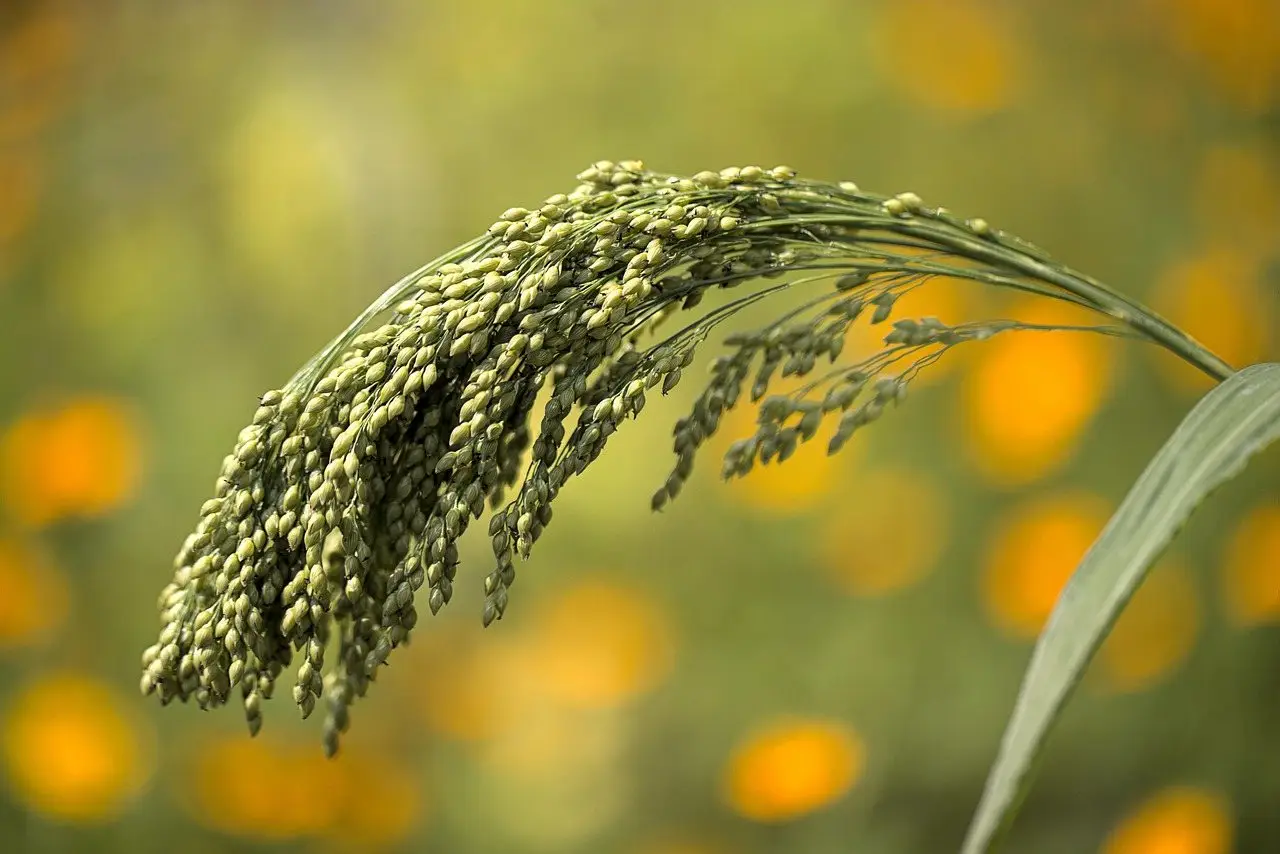
How to Grow Millet: Grain, Birdseed or Cover Crop
Millet matures in 60 to 90 days on poor dry soil where other grains fail. Decide early whether you want grain, birdseed or a summer cover crop.