
Cucumber Types: Slicing, Pickling, Burpless and Greenhouse
Cucumbers split into four groups that need different handling. Which to grow outdoors, which need glass, and why some turn bitter.
 By
On this page
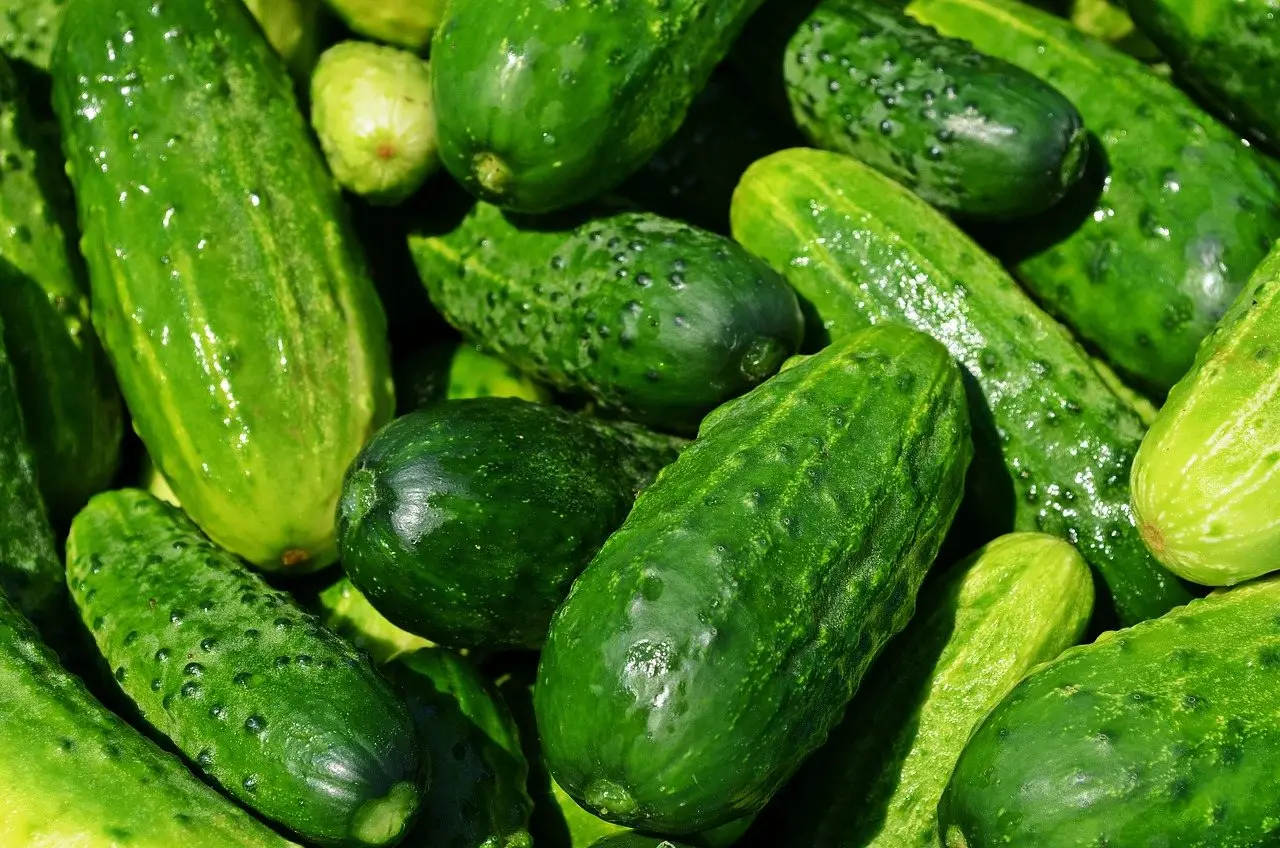
Cucumbers divide into four groups, and the division matters: one of them will not set fruit properly outdoors, and another goes soft the moment you pickle it.
The four groups
| Type | Looks like | Grow where | Best for |
|---|---|---|---|
| Slicing / ridge | 6–9 in, slightly ridged or warty | Outdoors | Salads, easiest to grow |
| Pickling | 3–5 in, blocky, bumpy | Outdoors | Pickles. Dense flesh |
| Burpless / Middle Eastern | Long, slim, ridged, thin skin | Outdoors or glass | Eating raw, skin on |
| Greenhouse / all-female | 12–16 in, smooth, dark | Glass or tunnel | Heavy yields under cover |
Slicing and ridge cucumbers
The straightforward outdoor cucumber.
- Monoecious — separate male and female flowers, pollinated by insects
- Tolerant of weather that greenhouse types will not accept
- Skin thicker than a supermarket cucumber, sometimes peeled
- Crop over a long season if picked regularly
- The group to start with if you have never grown cucumbers
Pickling cucumbers
Bred for a different job, and the difference is real.
- Short and blocky, usually three to five inches
- Dense, less watery flesh that stays crunchy in brine
- Thicker skin that holds up to processing
- Pick small and pick often — they go from perfect to oversized in two days
- Grow six to eight plants so you get enough at once to fill jars in a batch
A slicing cucumber pickled goes soft. That is the whole reason this category exists.
Burpless and Middle Eastern types
- Thin skin, eaten unpeeled
- Low in cucurbitacin, so rarely bitter and easier to digest, which is where the name comes from
- Long and slim, often ridged
- Crop well outdoors in a decent summer and better under cover
Greenhouse and all-female types
The long smooth cucumbers sold in shops.
- Parthenocarpic — they set fruit without pollination
- All-female flowers, so no males to remove on modern varieties
- Heavy yields under glass, and poor performance outdoors
- If pollinated, the fruit goes fat, seedy and bitter. This is why the old advice was to pinch out male flowers in a greenhouse
- Need warmth, shelter and consistent water
Do not plant an all-female greenhouse variety in an open plot
It is the commonest cucumber mistake. The seed packet promises enormous smooth fruit, the plant goes out in May, and it sits miserable in the wind producing almost nothing.
Match the type to the site: ridge and pickling outdoors, all-female under cover.
Why cucumbers turn bitter
- Cucurbitacin, a stress compound the plant makes
- Triggered by irregular watering, heat stress, cold nights, or letting fruit oversize
- Concentrated at the stem end and under the skin — peel and cut an inch off that end and most mildly bitter fruit is fine
- Prevented by consistent moisture. A soaker hose on a timer does more than anything else
- Modern burpless and greenhouse varieties are bred low in it and rarely go bitter
Growing notes that apply to all of them
- Warmth to germinate. Sow indoors in modules, plant out after the last frost
- Do not firm the soil hard around the stem; cucumbers dislike it
- Climb them. Netting, a trellis or an arch — fruit stays clean and straight, and the ground underneath is freed
- Pick constantly. A fruit left to oversize tells the plant to stop producing
- Feed with a high-potassium feed once fruiting starts
- Watch for powdery mildew in late summer — space plants for airflow and water at the base
Common questions
What are the main types of cucumber?
What is the difference between slicing and pickling cucumbers?
Which cucumbers can I grow outdoors?
Why are my cucumbers bitter?
Do greenhouse cucumbers need pollination?
How many cucumber plants do I need?
Backyard Weekly
Know what to plant, week by week
Join the weekly email for seasonal jobs, fixes for what is going wrong, and gear worth buying.
Not ready to subscribe? The planting calendar is free and needs no email.
By subscribing you agree to our privacy policy. Grow In Backyard will never sell your address.
Keep reading
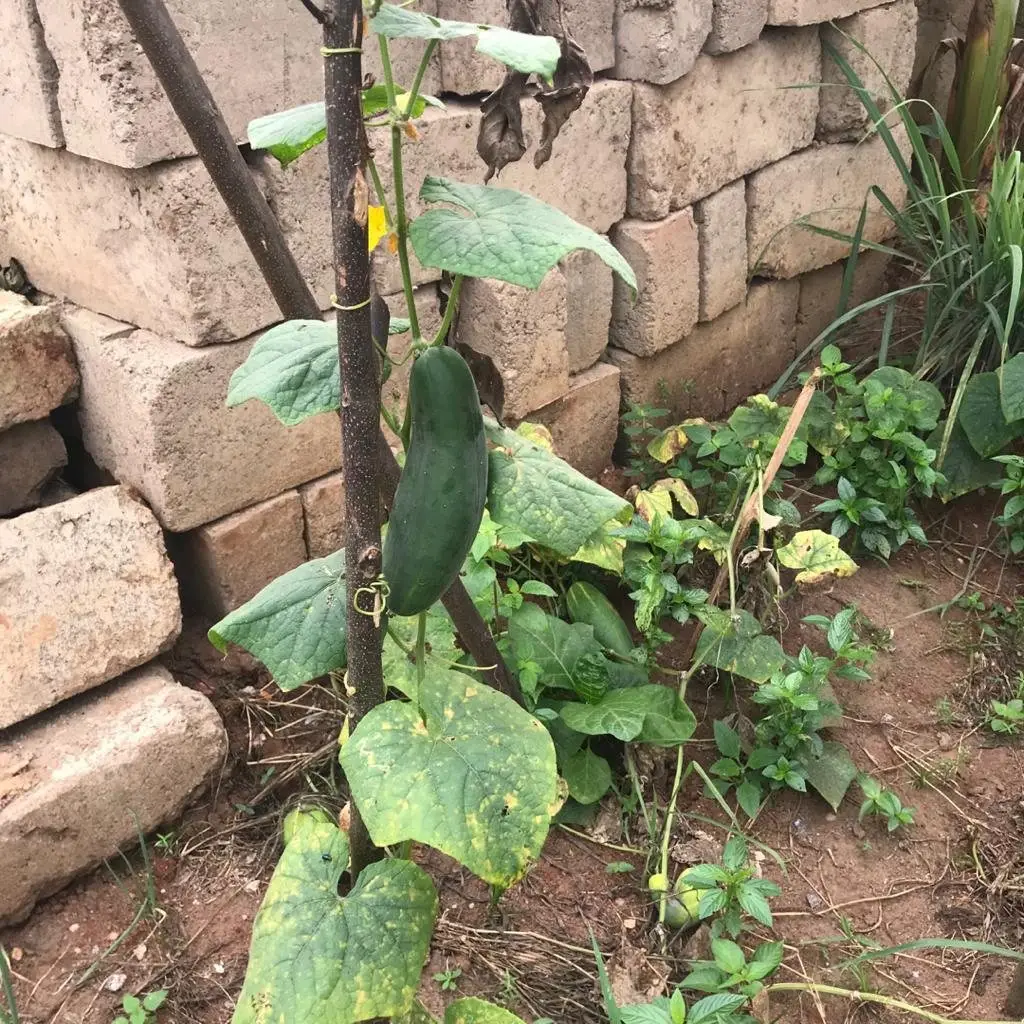
Growing Cucumbers in Pots: Size, Support, and Water
Cucumbers grow well in containers if the pot is big enough and they climb. Pot size, variety choice, and the watering rhythm that prevents bitter fruit.

Cucumber Trellis Ideas, and Why Vertical Growing Wins
Cucumbers off the ground give straighter fruit, less mildew and half the footprint. Five trellis designs, the height you actually need, and how to train the vines.
Vegetable Garden Ideas for Small Spaces That Actually Yield
A small plot wastes space on the wrong crops. What returns most per square foot, how to go vertical, and the succession that doubles a season.
Do Seeds Need Sunlight to Germinate? Most Do Not
Most seeds germinate in the dark and need light only once the seedling emerges. The exceptions that must be surface-sown, and why depth matters more.