
Do Seeds Need Sunlight to Germinate? Most Do Not
Most seeds germinate in the dark and need light only once the seedling emerges. The exceptions that must be surface-sown, and why depth matters more.
 By
On this page
Mostly no. Germination runs on the food packed inside the seed, not on sunlight — which means the light question matters far less than the depth question.
The three groups
| Needs light | Needs darkness | Indifferent | |
|---|---|---|---|
| Sow | On the surface | Covered properly | At packet depth |
| Typical seed size | Very fine | Medium to large | Anything |
| Examples | Lettuce, celery, dill, snapdragon, petunia, poppy, coleus, foxglove | Calendula, borage, coriander, delphinium, larkspur, pansy, vinca | Most vegetables |
| Common error | Burying it | Surface sowing it | Sowing too deep |
The mechanism is a pigment called phytochrome. It detects light, and in fine seed that detection answers a life-or-death question: a poppy seed has enough stored energy for a few millimetres of growth, so germinating two centimetres down is fatal. Light means close enough to the surface.
Large seeds do not need the test. A broad bean has reserves to spare.
Depth is the thing people get wrong
- Two to three times the seed’s own width is the working rule
- Too deep: reserves run out before the shoot reaches light
- Too shallow: the seed dries out between waterings
- The packet wins whenever it gives a figure
For surface-sown seed, a dusting of vermiculite is the trick
It holds moisture against the seed — which is the real difficulty with surface sowing — while letting light through. Bare compost surfaces dry out within hours on a sunny windowsill.
Why seeds fail, in order of likelihood
- Sown too deep
- Soil too cold. The most underrated cause — many summer crops sit inert until it warms, then germinate fine
- Dried out at some point, even briefly, after imbibing water
- Waterlogged, so the seed suffocated or rotted. Seeds need air as well as moisture
- Old seed with poor viability
- Not enough time. Parsley and parsnip take weeks and look dead throughout
The failure that actually costs you
Not germination — what happens the day after.
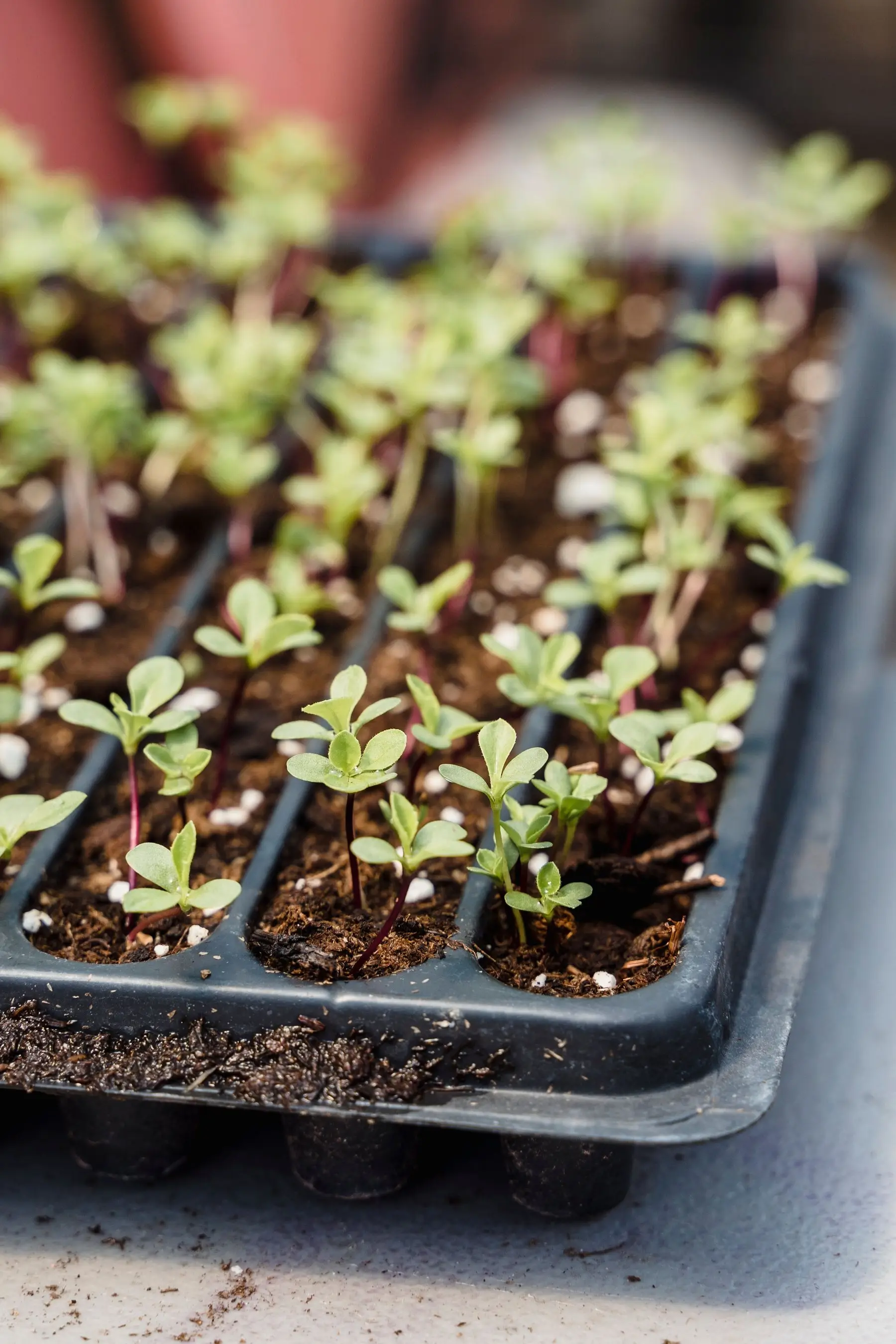
A seedling that emerges into weak light has spent its reserves and cannot photosynthesise fast enough, so it stretches toward whatever light there is: long, pale, floppy, and unlikely to recover.
Move trays into the strongest light you have the moment the first shoots show, or put a grow light a few inches above them. A windowsill that seemed adequate in the dark is rarely adequate now.
Common questions
Do seeds need sunlight to germinate?
Which seeds do need light to germinate?
Do any seeds need darkness to germinate?
How deep should seeds be planted?
Why are my seeds not germinating?
When do seedlings need light?
Backyard Weekly
Know what to plant, week by week
Join the weekly email for seasonal jobs, fixes for what is going wrong, and gear worth buying.
Not ready to subscribe? The planting calendar is free and needs no email.
By subscribing you agree to our privacy policy. Grow In Backyard will never sell your address.
Keep reading
How to Save Tomato Seeds: The Fermenting Step
Tomato seeds need fermenting to remove the germination-blocking gel. Which varieties come true, the three-day process, and drying and storage.
How to Grow an Apple Tree From Seed (Read This First)
Apple seeds grow, but never into the apple you ate — every seed is a new variety. How to germinate them anyway, and what you will actually get.
Does Asparagus Need Full Sun? Yes — It's a 20-Year Decision
Asparagus wants eight hours of sun and stays in the same bed for two decades. Siting it in part shade halves the crop for the whole of that time.
Does Lettuce Need Full Sun? Only in Spring and Autumn
Lettuce wants full sun in cool weather and afternoon shade once it turns hot. Six hours is plenty, and heat is what makes it bolt and turn bitter.