
Does Lettuce Need Full Sun? Only in Spring and Autumn
Lettuce wants full sun in cool weather and afternoon shade once it turns hot. Six hours is plenty, and heat is what makes it bolt and turn bitter.
 By
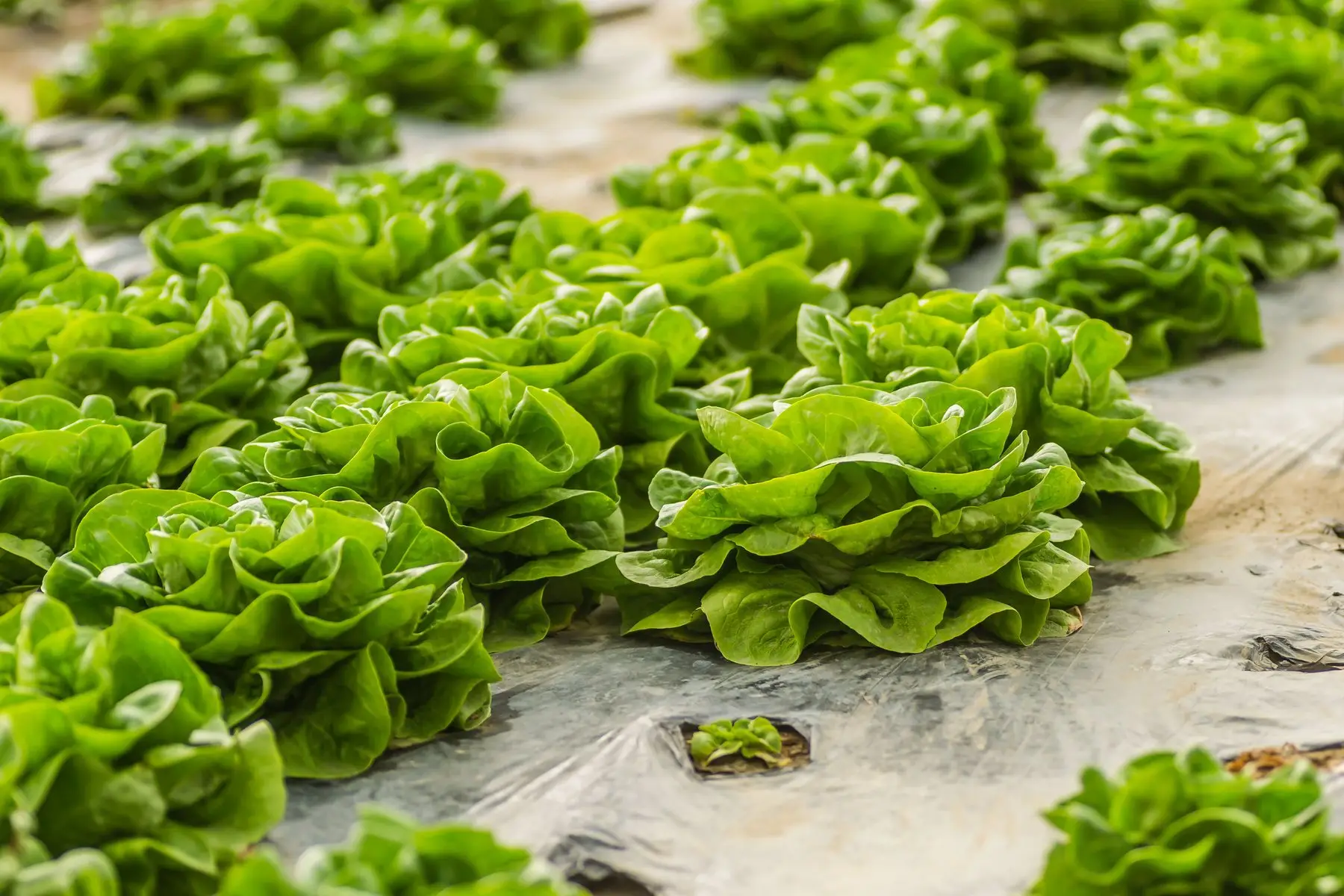
On this page
Both, depending on the month. Full sun in spring and autumn; afternoon shade once it passes about 75°F. Lettuce is one of the few crops where the right amount of light genuinely changes across the season — which is why the advice you find contradicts itself.
How much light, and what you get
| Hours | Result |
|---|---|
| Under 3 | Thin, pale leaves. Never fills out |
| 4 | Usable, looser, slower |
| 6 | Best growth. The working figure |
| 8+ | No further benefit — and more bolting risk in heat |
Lettuce is a fast, shallow-rooted leaf crop. Tomatoes and peppers want eight to ten hours because they have fruit to ripen; lettuce does not.
Why the season flips the answer
Above about 75°F, sun becomes the problem rather than the point
Past roughly 75°F the plant stops making leaves and runs up a flower stalk. The leaves turn bitter and the texture goes coarse, and it does not reverse.
Heat is the trigger, with day length contributing. So sun causes bolting indirectly, by warming the plant and the soil — which is why the exact position that grows perfect lettuce in April produces bolted plants in July.
Shade is an advantage, not a compromise
Lettuce tolerates partial shade better than almost any other vegetable. In dappled light or with afternoon shade it:
- Stays sweeter
- Bolts later
- Needs less water
- Grows a little more slowly — the only real cost
That is why it is the standard answer for a bed that only gets morning sun, and why it works underplanted beneath taller crops.
Growing it through summer
| Change | Why |
|---|---|
| Morning sun, afternoon shade | Keeps the plant below the bolting threshold |
| Heat-tolerant or slow-bolting varieties | Spring types will not hold |
| Sow little and often | Replaces plants before they bolt |
| Consistent moisture | Drying out accelerates bolting |
| Mulch | Holds soil temperature down |
Shade cloth, the north side of a taller crop, or the shadow of a fence all work. The goal is the same in each case: morning light, afternoon relief.
Indoors and under lights
- Twelve to fourteen hours under an LED, because intensity is far below sunlight even on a good fixture
- A south-facing windowsill is realistically the minimum that produces a usable plant, and heads will still be looser than outdoors
- Less bolting, though — indoor temperatures are stable, which removes the main trigger
Common questions
Does lettuce need full sun?
How much sun does lettuce need?
Can lettuce grow in shade?
Why does lettuce bolt, and does sun cause it?
How do you grow lettuce through summer?
Does lettuce need full sun indoors or under lights?
Backyard Weekly
Know what to plant, week by week
Join the weekly email for seasonal jobs, fixes for what is going wrong, and gear worth buying.
Not ready to subscribe? The planting calendar is free and needs no email.
By subscribing you agree to our privacy policy. Grow In Backyard will never sell your address.
Keep reading
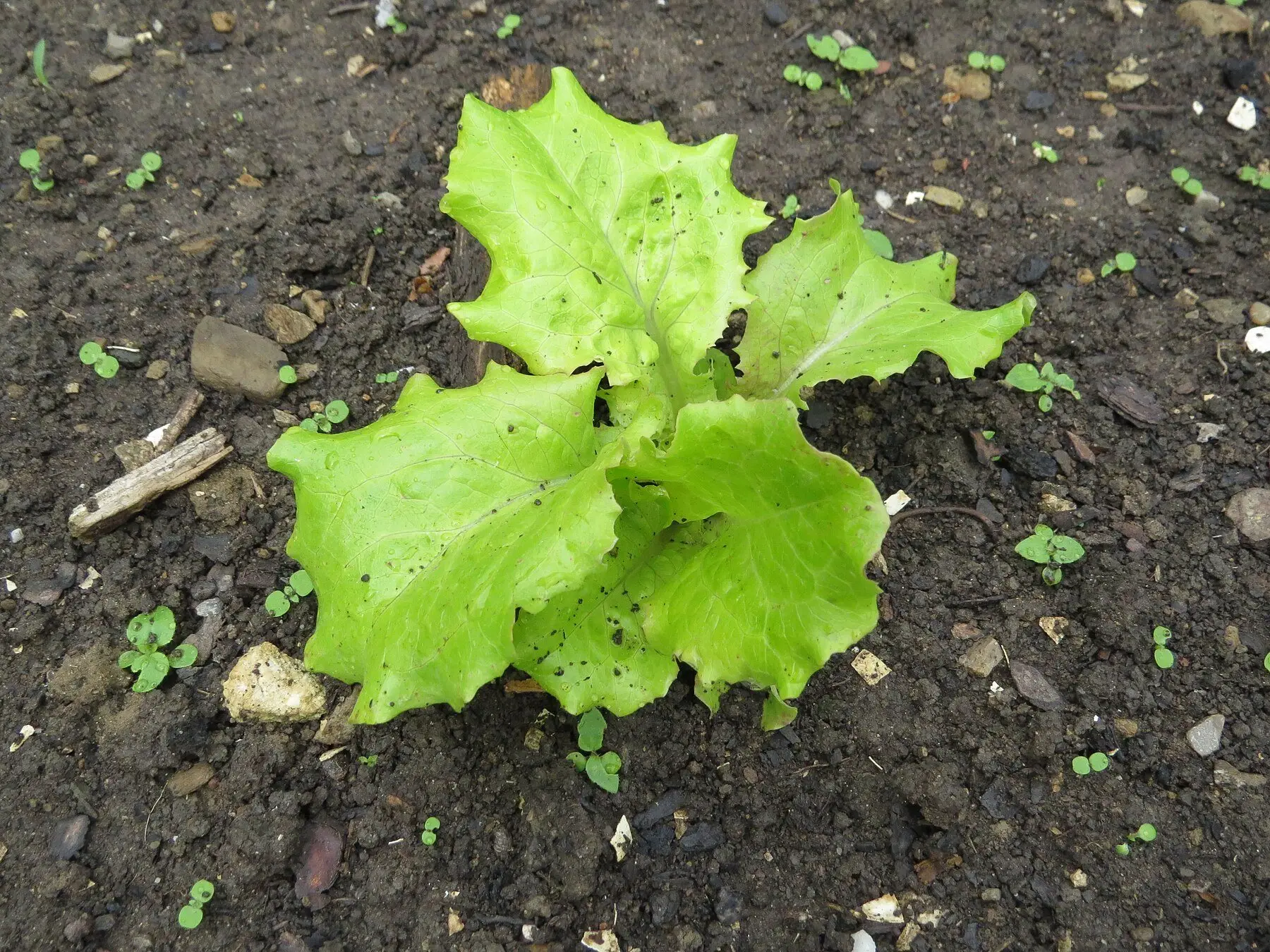
How to Grow Lettuce: Beating the Bolt and the Bitterness
Lettuce turns bitter and runs to seed in heat. Sowing windows, cut-and-come-again, shade in summer, and why germination fails in warm soil.
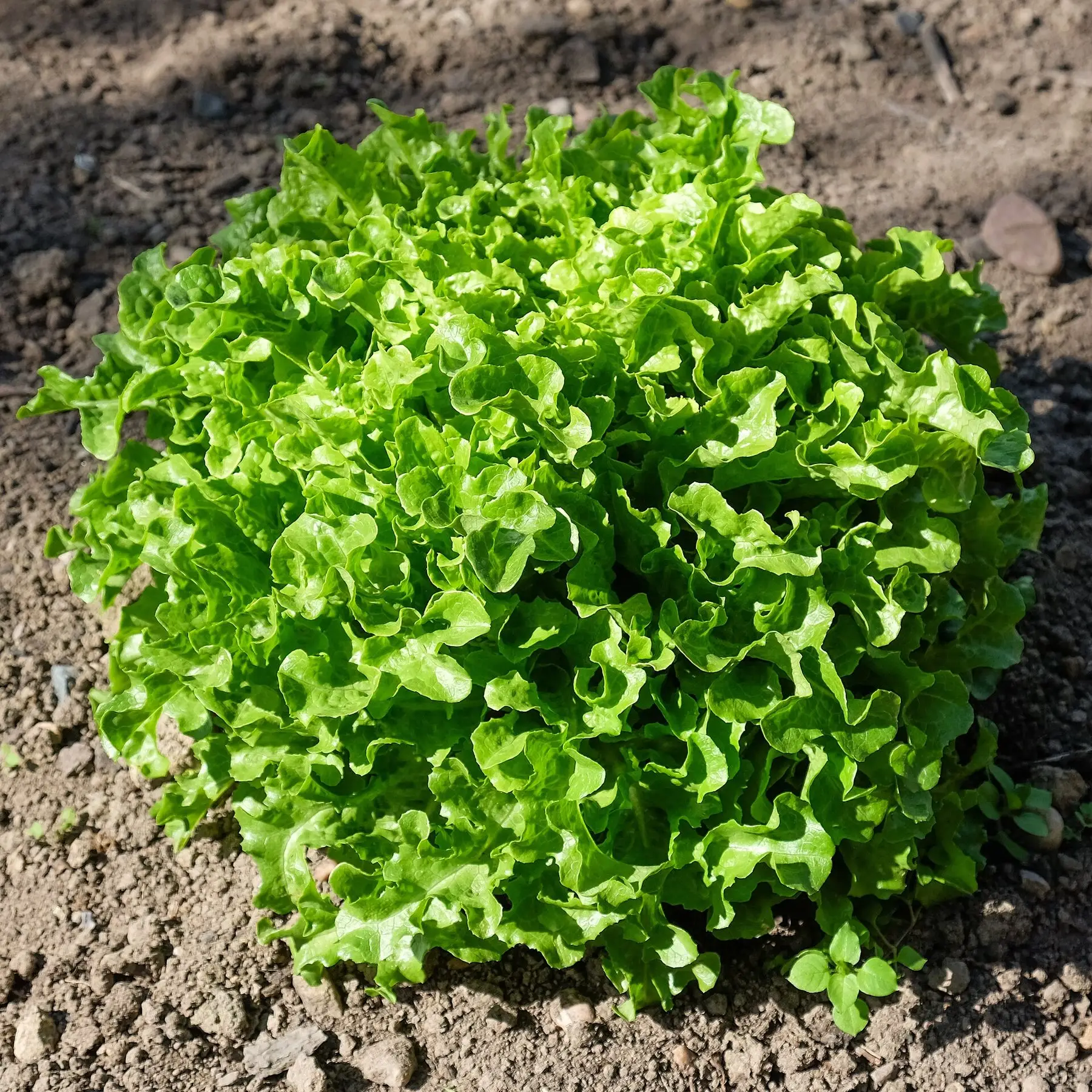
How to Harvest Lettuce So It Grows Back Again
Cut-and-come-again gets three or four crops from one sowing, but only if you cut above the growing point. Where that is, and why lettuce turns bitter.
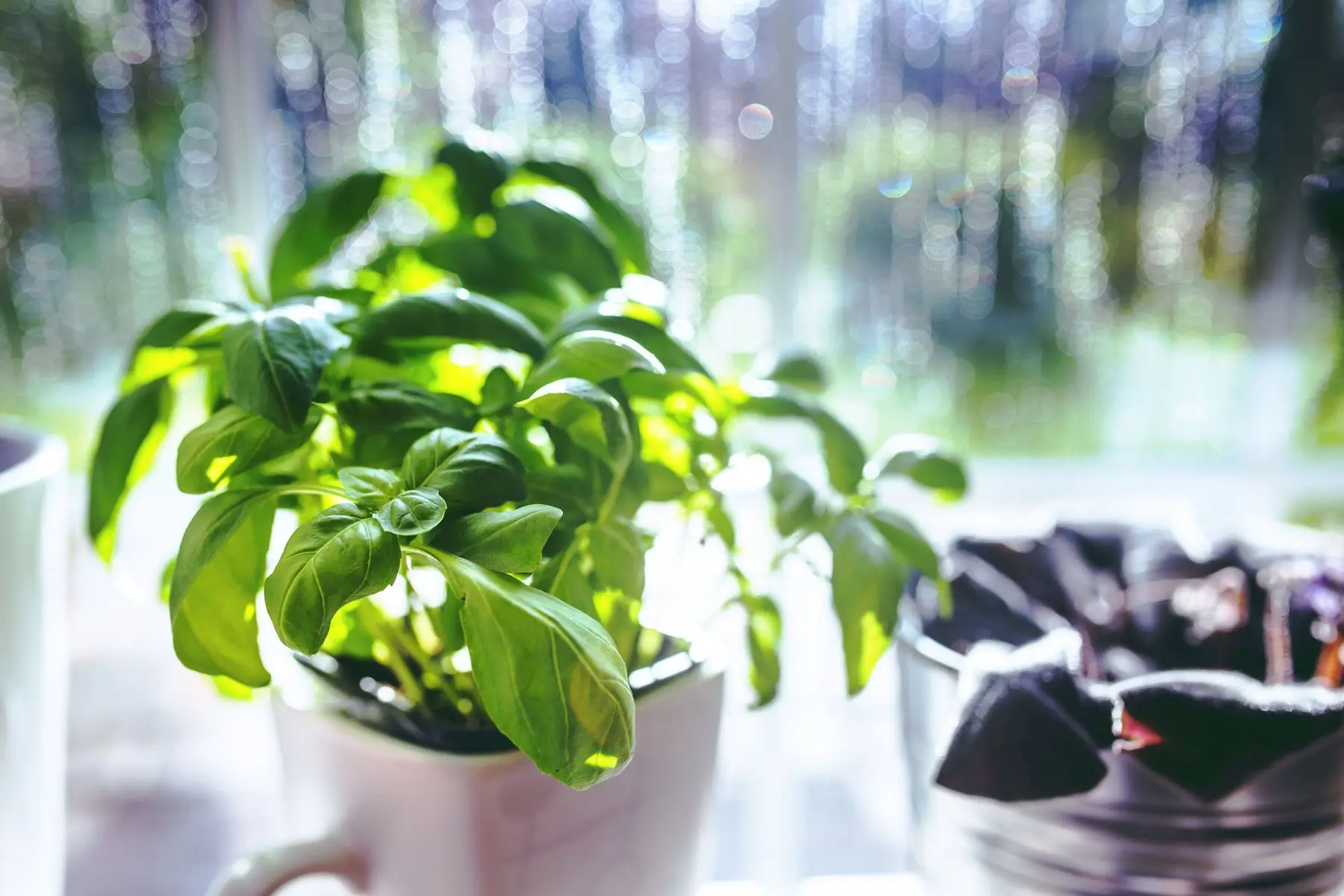
Does Basil Need Direct Sunlight? Yes — Six Hours Minimum
Basil wants six to eight hours of direct sun, with afternoon shade in hot climates. What leggy, pale or scorched leaves are each telling you.

Growing Mushrooms at Home: Which Method, and Why
Oyster mushrooms on a kit crop in three weeks. Substrates, sterile versus pasteurised, humidity, and the contamination that ends most attempts.