
Does Asparagus Need Full Sun? Yes — It's a 20-Year Decision
Asparagus wants eight hours of sun and stays in the same bed for two decades. Siting it in part shade halves the crop for the whole of that time.
 By

On this page
Yes — six hours minimum, eight for a good crop. And this matters more than with almost any other vegetable, because the bed stays put for fifteen to twenty years. A shaded asparagus bed is a smaller harvest every spring for two decades.
What each level of light gives you
| Direct sun | Result |
|---|---|
| Under 4 hrs | Not worth planting |
| 4–6 hrs | Survives. Thin spears, small yield |
| 6 hrs | Workable minimum |
| 8 hrs | Full, thick spears |
Why a spring crop needs summer sun
You are harvesting last year's sunshine
The spears are drawn entirely from reserves in the crown, built the previous summer.
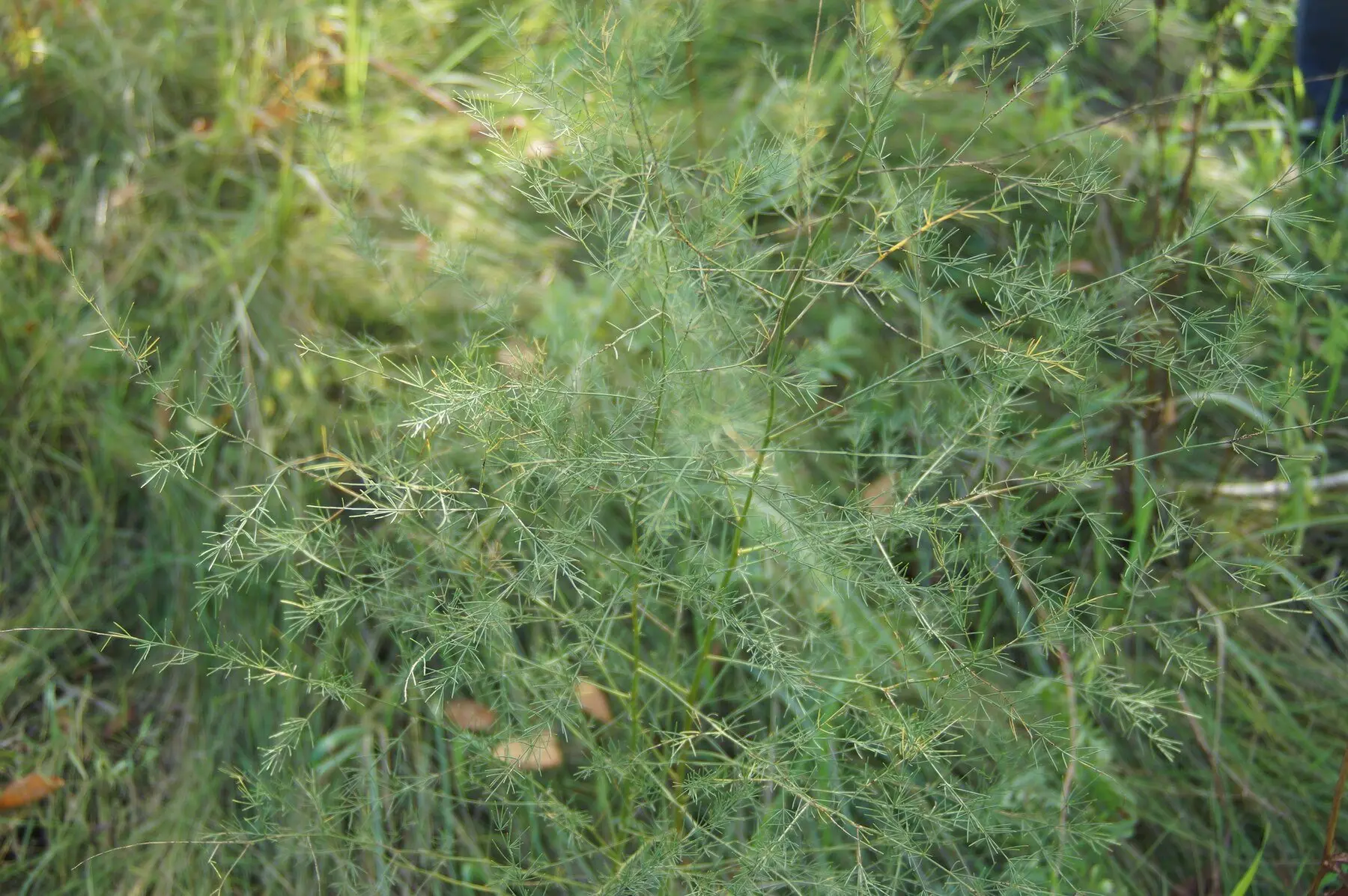
After you stop cutting, the plant grows into a tall ferny canopy whose only job is to photosynthesise and recharge. Every hour of summer sun on that fern becomes spear thickness the following April.
This is also why cutting the fern down while it is still green is one of the most damaging things you can do to an asparagus bed. Leave it until it has yellowed off completely.
Siting the bed
The sunniest spot you will not want back:
- The north end of a plot in the northern hemisphere, so it does not shade anything else
- Along a fence, or a dedicated bed at the edge
- Out of a rotation, since it is permanent
And:
- Free-draining soil — crowns rot in ground that stays wet in winter. Build a raised bed on heavy clay
- Shelter from strong wind, which flattens the tall summer fern
- Away from tree roots, which compete for water and eventually shade it out
The cost of getting it wrong
You pay the establishment time twice
You wait two to three years before a full harvest. A bed planted in the wrong place costs you that wait at the start — and again when you eventually move it.
Choosing the position is the job. The planting is the easy part.
The other thing that lasts twenty years
Weeds. The bed is never dug over, so perennial weeds establish permanently among the crowns and become very hard to remove.
Clear the ground completely before planting. There is no good opportunity afterwards.
Common questions
Does asparagus need full sun?
Can asparagus grow in partial shade?
Why does asparagus need so much sun if you harvest it in spring?
Where should you plant an asparagus bed?
How long does an asparagus bed last?
What else matters as much as sun for asparagus?
Backyard Weekly
Know what to plant, week by week
Join the weekly email for seasonal jobs, fixes for what is going wrong, and gear worth buying.
Not ready to subscribe? The planting calendar is free and needs no email.
By subscribing you agree to our privacy policy. Grow In Backyard will never sell your address.
Keep reading
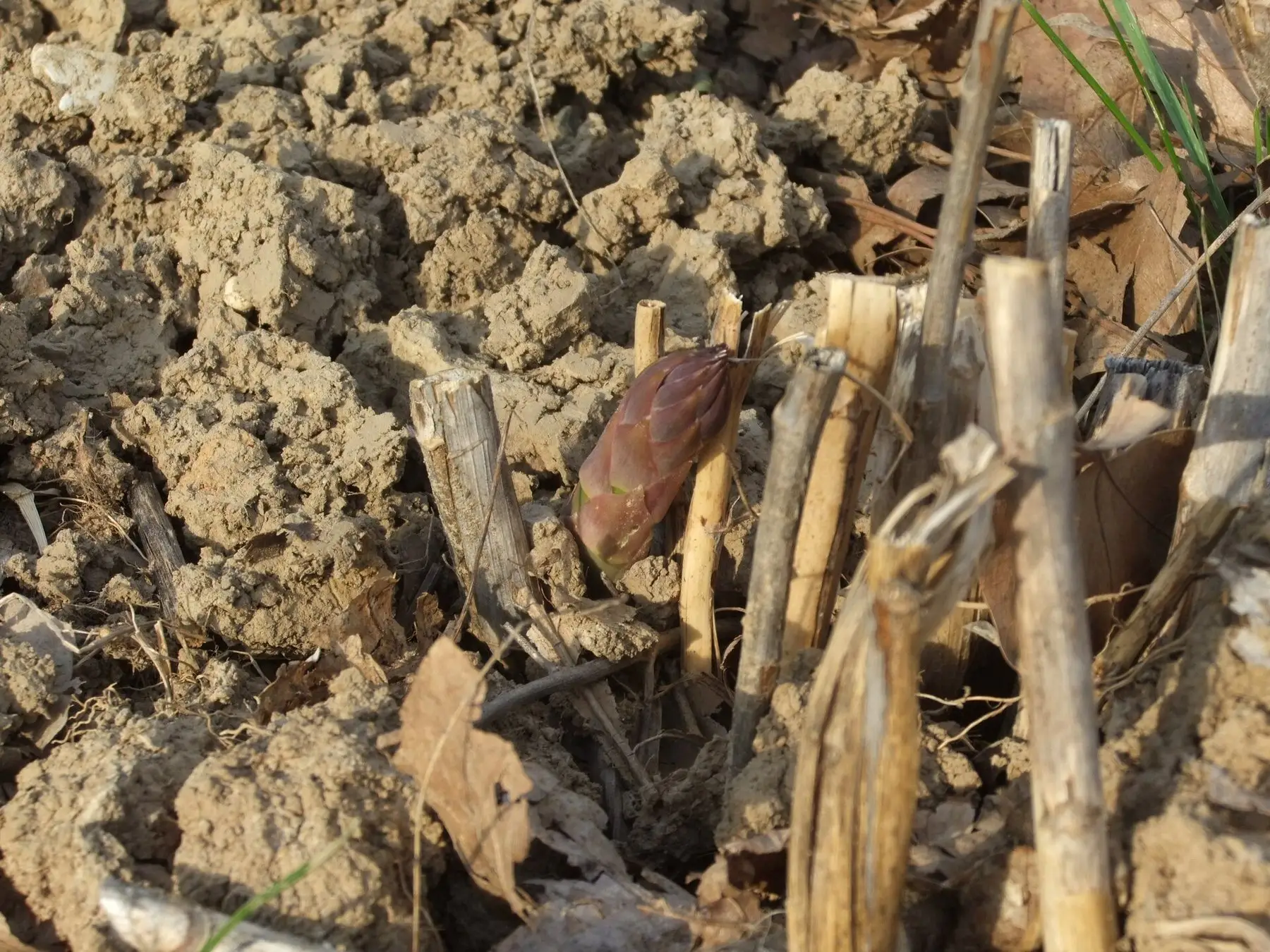
How to Grow Asparagus: Three Years to the First Real Cut
Asparagus is a twenty-year perennial that pays nothing for two seasons. Bed preparation, crowns versus seed, and the cutting discipline that keeps it going.
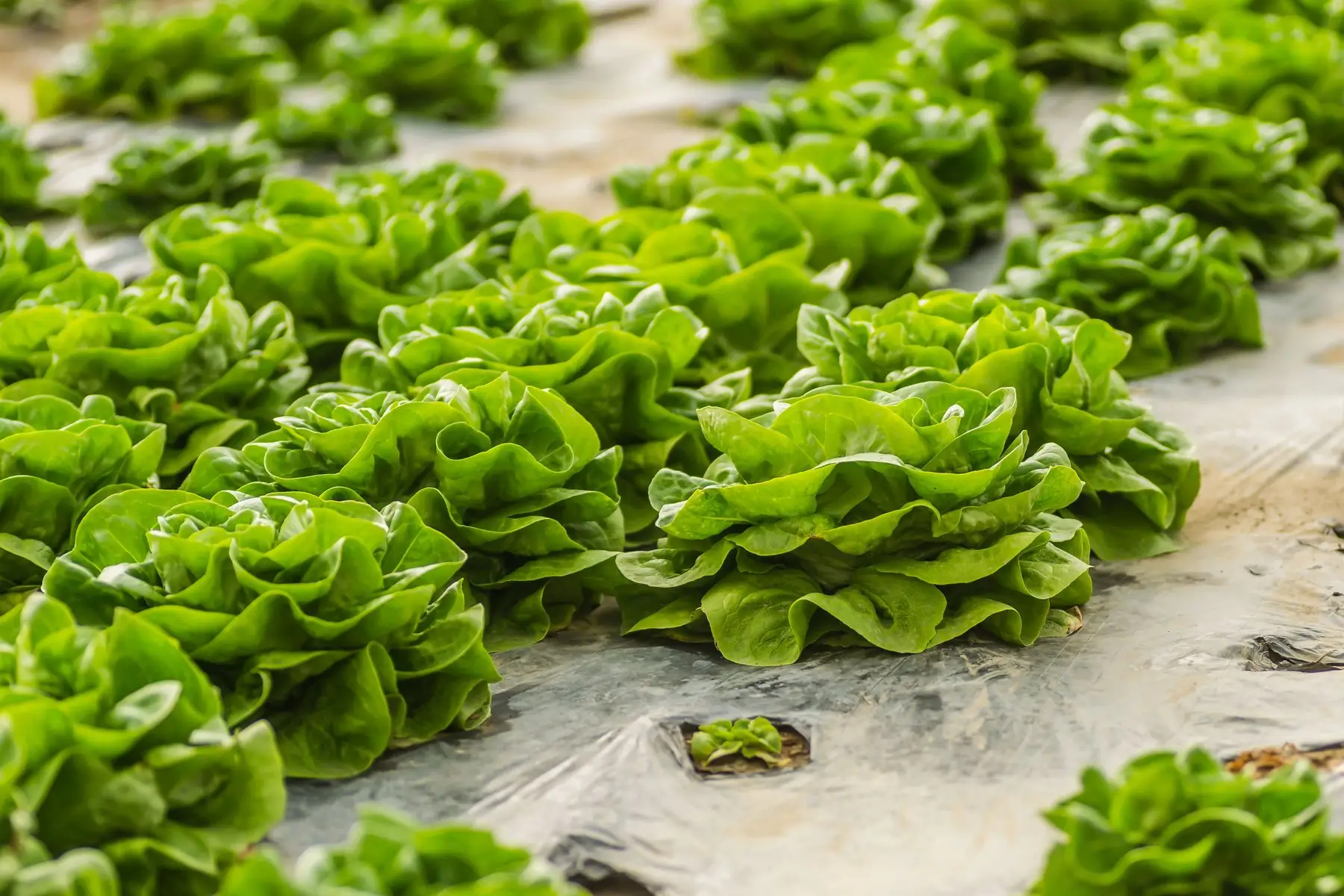
Does Lettuce Need Full Sun? Only in Spring and Autumn
Lettuce wants full sun in cool weather and afternoon shade once it turns hot. Six hours is plenty, and heat is what makes it bolt and turn bitter.
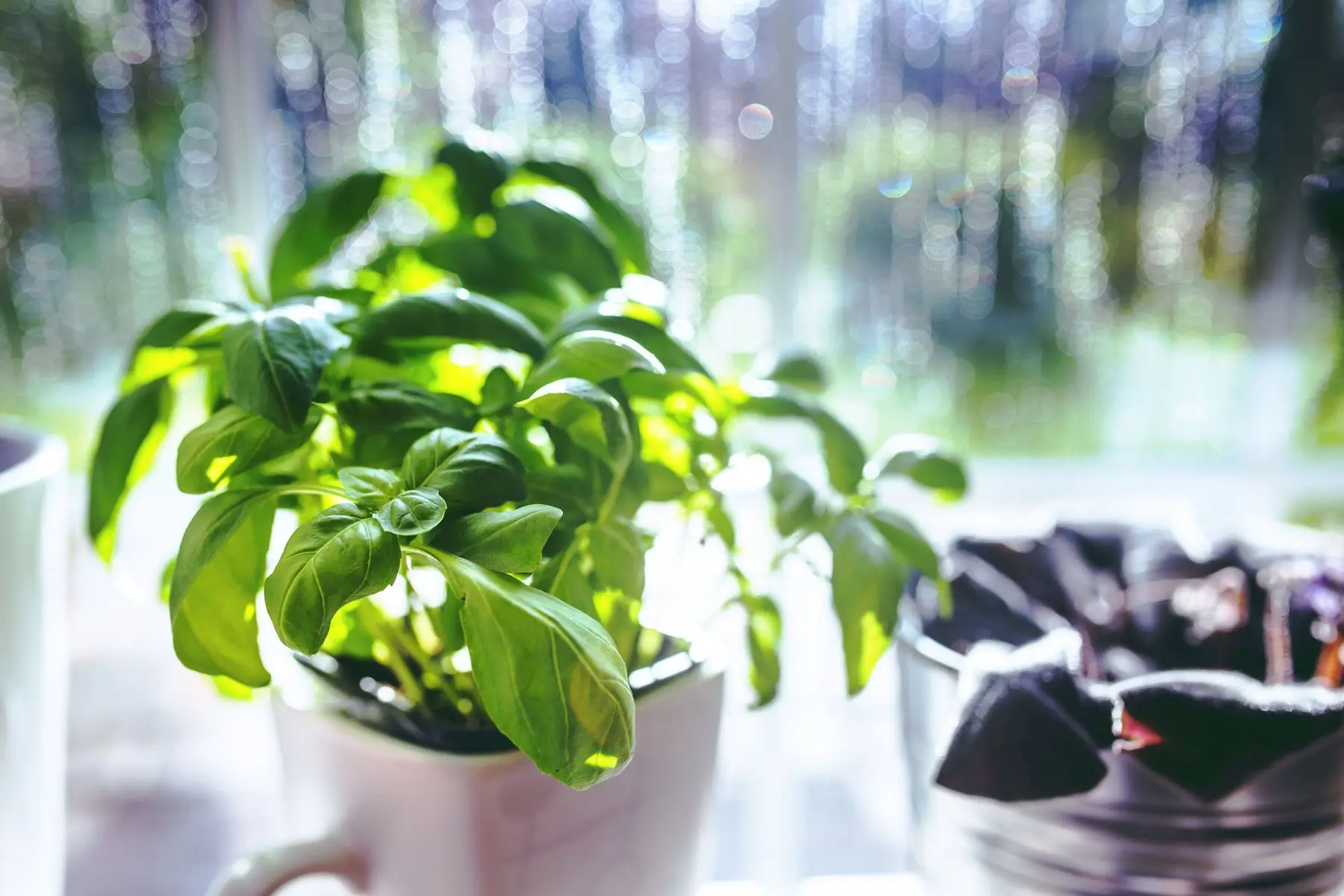
Does Basil Need Direct Sunlight? Yes — Six Hours Minimum
Basil wants six to eight hours of direct sun, with afternoon shade in hot climates. What leggy, pale or scorched leaves are each telling you.
Growing Mushrooms at Home: Which Method, and Why
Oyster mushrooms on a kit crop in three weeks. Substrates, sterile versus pasteurised, humidity, and the contamination that ends most attempts.