
How to Grow Lima Beans: Bush and Pole, Sowing to Harvest
Lima beans need warmer soil than any other bean — 65 °F minimum — and a longer season. Bush types crop in 65 days, pole types in 90 but far heavier.
 By

On this page
Lima beans are grown exactly like green beans with one change that decides everything: they need much warmer soil. Sown at the same time as runner or snap beans, a lima row frequently just rots.
Bush or pole
| Bush lima | Pole lima | |
|---|---|---|
| Days to harvest | 60–75 | 85–95 |
| Height | 2 ft | 6–10 ft |
| Support | None | Required |
| Yield | Moderate | 2–3× higher |
| Picking window | 2–3 weeks | Weeks, continuous |
| Best for | Short summers | Long summers |
If your frost-free season is under about 110 days, grow bush types and do not be tempted by pole yields you will not have time to collect. Where the season allows, pole limas are substantially more productive per square foot of bed.
The temperature rule, and why it is strict
Lima beans are the most cold-sensitive of the common beans. Below about 60 °F the seed sits there and rots rather than germinating, and cool damp soil is exactly the condition fungi need.
Buy a soil thermometer and read at two inches deep, mid-morning. Air temperature is misleading — a warm week in April over cold soil tells you nothing.
Do not start them indoors to get ahead
It is the obvious workaround and it rarely pays. Beans have brittle, fast-growing taproots that resent disturbance, and a transplanted lima frequently sulks for two weeks — losing the time you tried to gain.
Direct sow, late, into warm soil. A row sown two weeks “late” into 68 °F soil overtakes one sown early into 58 °F soil.
Why they stop setting pods
This is the complaint that comes up every August, and it is almost always heat.
Above roughly 85 °F, and particularly with warm nights above 70 °F, lima flowers abort. The plant keeps growing, keeps flowering, and sets nothing. It is not sick and it has not finished — it resumes as soon as the weather eases, often producing a heavy late crop.
The other two causes:
- Water stress during flowering. Keep it to about an inch a week, deeply and evenly. Alternating drought and flood is worse than consistently moderate
- Too much nitrogen. A lush dark-green plant with no pods has usually been fed
So the response to a stalled plant is: mulch heavily, water consistently, stop feeding, and wait.
Harvesting the two different ways
For fresh shelling beans: pick when pods are plump and firm with the seed shapes clearly bulging, while the pod is still green. Once pods yellow the beans are starchier — still good, just less tender. Picking regularly keeps the plant setting more.
For dry beans: leave them alone. Let the pods go brown, papery and rattly on the plant, then pull the whole plant and hang it under cover to finish. Shell once the beans are hard enough that a fingernail leaves no dent.
One safety point, which is not optional
Raw lima beans contain linamarin, a cyanogenic glycoside. They are never eaten raw.
Boil them uncovered for around fifteen minutes and discard the water — the compound breaks down and the volatile product escapes, which is why the pan is left uncovered. Varieties grown in North America and Europe are bred for low levels and are entirely safe prepared this way.
Snap beans and peas can be eaten straight off the plant. Lima beans cannot. It is the one thing about this crop worth remembering before anything else.
Step by step
- Time
- P90D
- Cost
- 10
- You need
- Lima bean seed, bush or pole type, Compost or well-rotted manure, Mulch
- Tools
- Soil thermometer, Trellis or poles for climbing types
Wait for soil above 65 F
Lima beans need warmer soil than green beans and rot in cold wet ground. Measure at two inches deep rather than guessing from the air temperature, and wait for a steady 65 to 70 F, usually two to three weeks after the last frost.
Choose bush or pole to suit your season
Bush types crop in 60 to 75 days and suit short summers. Pole types need 85 to 95 days but yield two to three times as much over a longer picking period.
Prepare a sunny bed with moderate fertility
Full sun, at least six hours. Work in compost but skip nitrogen fertiliser — beans fix their own, and excess nitrogen gives lush foliage and few pods.
Put supports in before sowing
Pole limas climb six to ten feet and need a trellis, tripod or netting in place first. Driving poles in afterwards damages roots.
Sow one inch deep, directly in the ground
Space bush types three to six inches apart in rows two feet apart, and pole types four to six inches apart along the support. Do not transplant — beans resent root disturbance.
Water once at sowing, then sparingly until germination
Soak the bed once and then leave it. Seed sitting in cold wet soil is the main cause of failure, and lima seed is particularly prone to rotting.
Mulch once seedlings are a few inches tall
Two inches of straw or compost conserves moisture, keeps soil temperature steady and suppresses weeds without disturbing shallow bean roots.
Water deeply and consistently through flowering
About an inch a week, more in heat. Water stress during flowering and pod set is the main cause of pods failing to fill, so keep it even rather than alternating drought and flood.
Expect flower drop above 85 F
Lima flowers abort in sustained heat and the plant resumes setting pods when it cools. Keep watering, mulch heavily, and do not pull a plant that has stalled in a heatwave.
Harvest when pods are plump and still green
Pick for shelling when the pods have filled out and feel firm, before they yellow. For dry beans, leave them on the plant until the pods are papery and rattle.
Common questions
When should you plant lima beans?
What is the difference between bush and pole lima beans?
Why are my lima beans flowering but not setting pods?
How do you know when lima beans are ready to pick?
Do lima beans need fertiliser?
Are raw lima beans poisonous?
Backyard Weekly
Know what to plant, week by week
Join the weekly email for seasonal jobs, fixes for what is going wrong, and gear worth buying.
Not ready to subscribe? The planting calendar is free and needs no email.
By subscribing you agree to our privacy policy. Grow In Backyard will never sell your address.
Keep reading
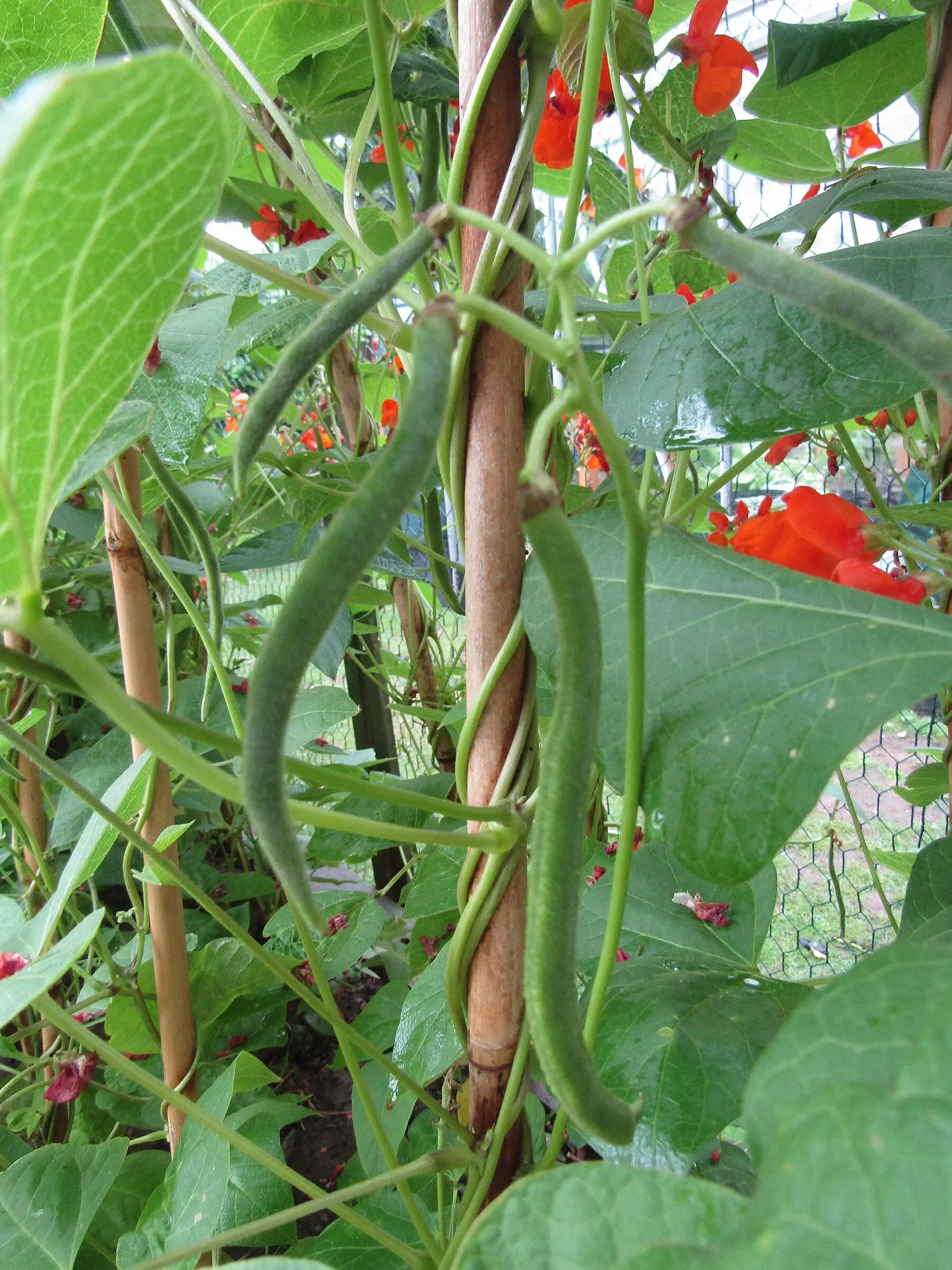
How to Grow Beans: Bush or Pole, and Never Sow Early
Beans rot in cold wet soil and resent transplanting, so sowing date matters more than anything else. Bush versus pole, supports, and picking to keep them coming.
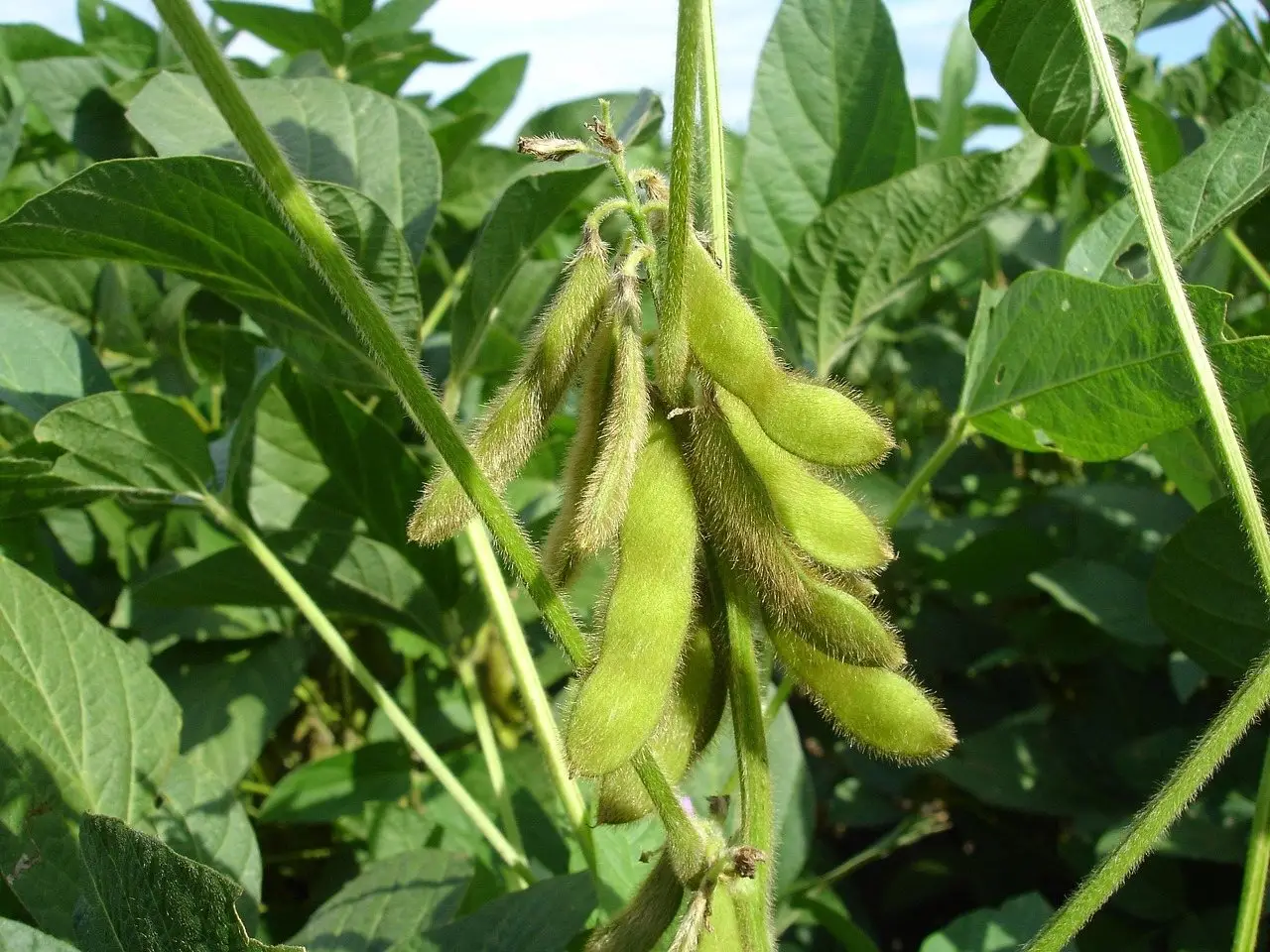
How to Grow Soybeans: Edamame in a Backyard, Honestly
Soybeans are easy to grow and harvest in one short window — pods fill, then go hard within about a week. Here is the timing and what yield to expect.
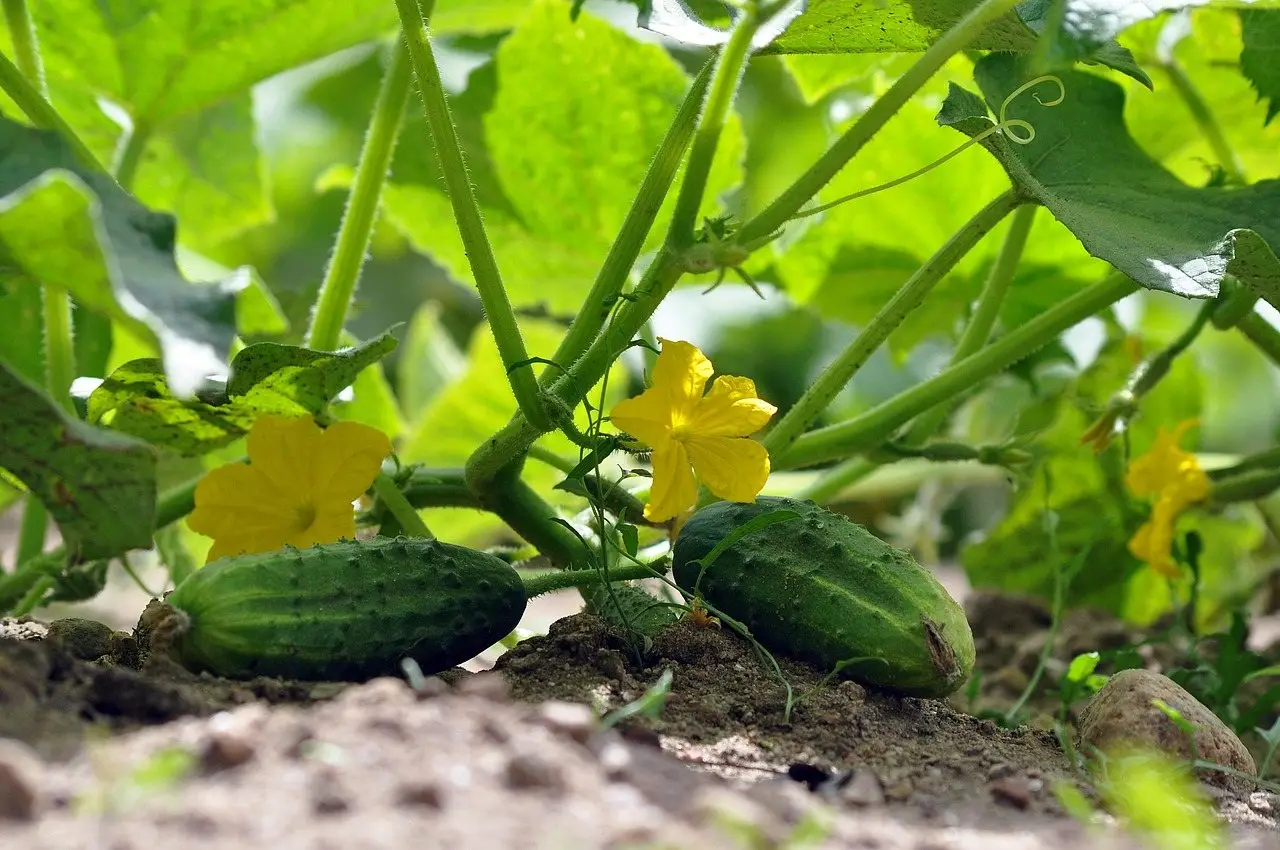
How Much Sun Do Cucumbers Need? Six Hours Minimum
Cucumbers need at least six hours of direct sun and crop best on eight or more. Below six you get vines, flowers and very few actual cucumbers.
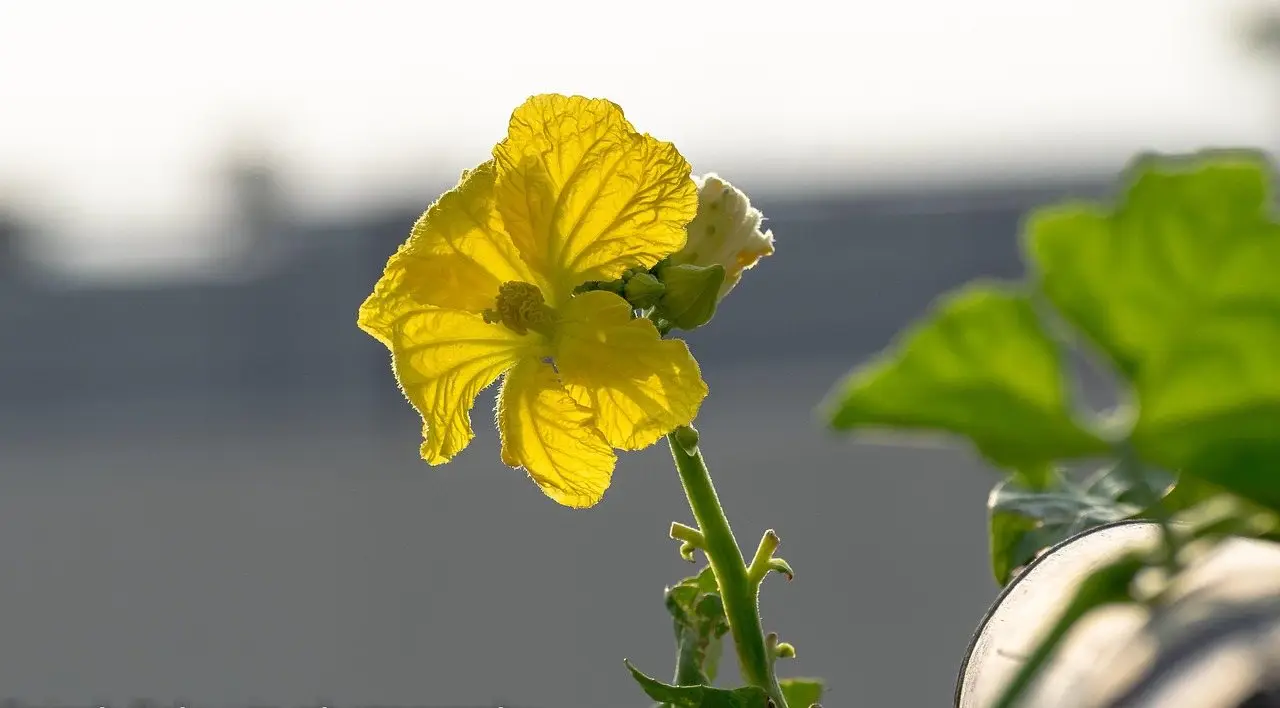
How to Grow Loofah: A 200-Day Crop You Start Indoors
Loofah needs a long hot season and a strong trellis. Start seed indoors six weeks early, and leave the gourds on the vine until they rattle.