
How to Grow Shiitake Mushrooms on Logs: A Two-Year Project
Fresh-cut hardwood logs, plug spawn, and patience. Inoculate in spring, wait 9–18 months for colonisation, then fruit them for five or six years.
 By
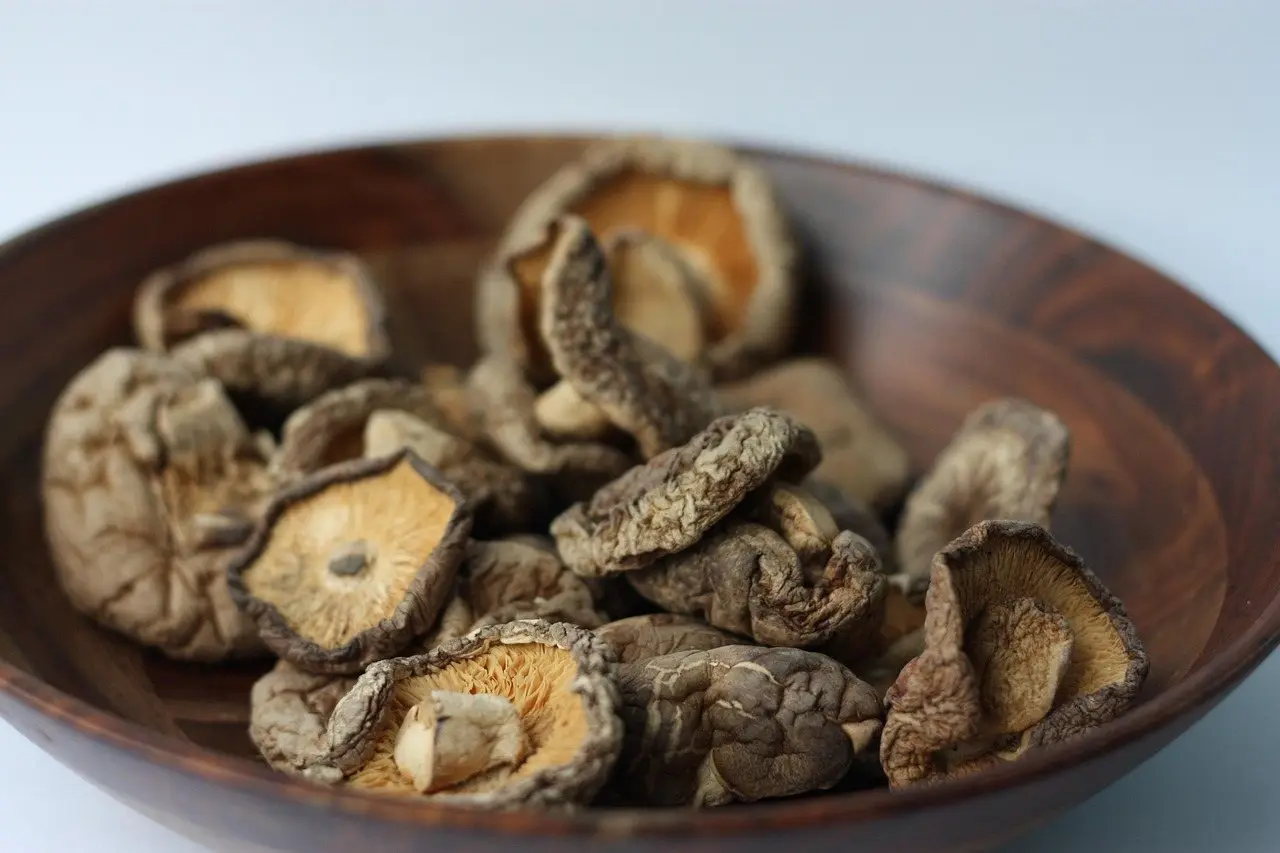
On this page
A two-year project with a five-year payoff. Inoculate in spring, wait nine to eighteen months for the log to colonise, then harvest for half a decade.
The timeline, stated honestly
| When | Stage |
|---|---|
| Winter / early spring | Cut the logs from a healthy living tree |
| 2–6 weeks later | Inoculate. Earlier and the tree’s defences are still active |
| Months 1–18 | Colonisation. Nothing visible. Keep them damp and shaded |
| 9–18 months | First flush |
| Years 2–6 | One or two natural flushes a year, or forced |
| Year 6ish | The log is spent — it breaks down into the ground |
This is the part worth absorbing before spending money. There is no quick version of log-grown shiitake, and a kit that fruits in three weeks is a sawdust block, not a log.
Choosing logs
- Species: oak best; beech, hornbeam, sweet chestnut, birch, alder also work
- Never conifer. Resin prevents colonisation
- Diameter: 10–20 cm. Thicker takes longer but produces longer
- Length: around 1 m, for handling
- Freshly cut, healthy wood. Not deadfall, not already decaying
- Bark intact. It holds moisture in and competitors out
The two-to-six week window
Cut too soon before inoculating and the tree’s own antifungal compounds are still active, so the spawn struggles. Leave it too long and wild fungi colonise the wood first and win.
Two to six weeks after felling is the window.
Looking after them
- Deep shade. North side of a building, under evergreens, in woodland
- Air movement, but not drying wind
- Never let them dry through. Water in dry spells; a dried log loses its mycelium
- Off the ground on rails or stacked, so they do not take up soil fungi
- Leave them alone for the first year. Nothing visible means nothing wrong
Forcing a flush
Once the ends show white mycelium and the log sounds dull when tapped:
- Submerge the log in cold water for 12 to 24 hours
- Stand it upright somewhere shaded and humid
- Mushrooms appear within a week
- Harvest by twisting or cutting at the base
- Rest the log six to eight weeks before forcing again
Soaking imitates a heavy autumn rain, which is what triggers fruiting in the wild. It is also the point at which two years of waiting finally turns into dinner.
Step by step
- Time
- P540D
- Cost
- 60
- You need
- Freshly cut hardwood logs — oak, beech, hornbeam, sweet chestnut, Shiitake plug or dowel spawn, Food-grade or cheese wax
- Tools
- A drill with a 8.5 mm bit and depth stop, A hammer, A small brush or dauber for wax
Cut hardwood logs in late winter
Oak, beech, hornbeam or sweet chestnut from a healthy living tree, 10 to 20 cm across and about a metre long. Keep the bark intact and avoid anything already decaying.
Wait two to six weeks before inoculating
Freshly felled wood still carries the tree's own antifungal compounds. Waiting lets those fade, while inoculating promptly keeps wild fungi from colonising the log first.
Drill holes in a diamond pattern
8.5 mm holes about 3 cm deep, spaced 15 cm apart along the log, with rows 5 to 8 cm apart and offset so the holes form diamonds across the surface.
Hammer in the plug spawn
One dowel per hole, tapped flush with the bark. Work reasonably quickly so the spawn does not dry out while you go.
Wax every hole and both cut ends
Melt food-grade or cheese wax and dab it over each plug and across both ends of the log. This keeps moisture in and competitors out, and makes a large difference to the success rate.
Stack the logs in deep shade
North side of a building, under evergreens or in woodland, off the ground, with air able to move between them. Direct sun is the main thing that kills a colonising log.
Keep them damp for the whole colonisation
Water in dry spells. Nothing will be visible for months, and a log that dries through loses the mycelium developing inside it.
Force a flush once the ends show white mycelium
Submerge the log in cold water for 12 to 24 hours, then stand it upright somewhere shaded and humid. Mushrooms follow within a week. Rest the log six to eight weeks before forcing again.
Common questions
What logs are best for growing shiitake?
How long do shiitake logs take to produce?
How do you know when a shiitake log is ready to fruit?
Where should shiitake logs be kept?
Do you need to seal the holes with wax?
Backyard Weekly
Know what to plant, week by week
Join the weekly email for seasonal jobs, fixes for what is going wrong, and gear worth buying.
Not ready to subscribe? The planting calendar is free and needs no email.
By subscribing you agree to our privacy policy. Grow In Backyard will never sell your address.
Keep reading
How to Grow Soybeans: Edamame in a Backyard, Honestly
Soybeans are easy to grow and harvest in one short window — pods fill, then go hard within about a week. Here is the timing and what yield to expect.
Firewood Moisture Content Chart: Seasoning Times by Species
Dry firewood is under 20 per cent moisture. Here is what each species starts at, how long it takes to get there, and how to check without guessing.
How to Dry Garlic: Curing It So It Keeps Until Spring
Curing takes two to four weeks in shade with moving air. Get it right and hardneck keeps six months, softneck ten. Get it wrong and it rots by October.
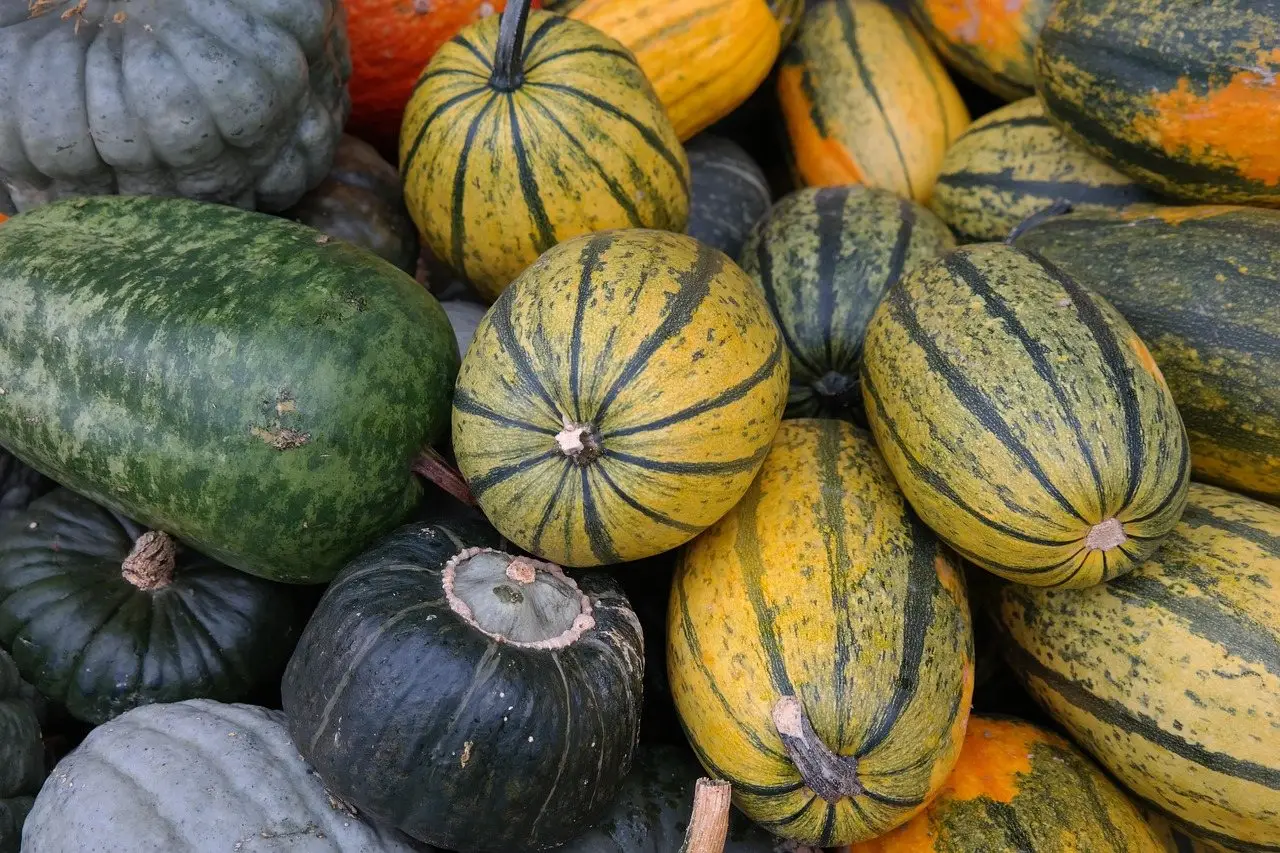
How to Grow Spaghetti Squash: Space, Sun and a Hard Rind
One plant needs 2–3 m and produces four to six fruit. Leave them until the rind resists a thumbnail, then cure — picked early they taste of nothing.