
How Many Tomato Plants Per Person? Depends on the Plan
Two or three plants per person for fresh eating, but eight to ten each if you are canning. The numbers by use, plant type and realistic yield.
 By
On this page
Two or three per person if you are eating them. Eight to ten if you are canning — and that gap is why so many gardens produce a lovely summer and almost no sauce.
The numbers
| Use | Per person | Family of four |
|---|---|---|
| Fresh eating only | 2–3 | 8–12 |
| Fresh + some sauce | 4–6 | 16–24 |
| Canning a year’s sauce | 8–10 | 30–40 |
| Cherry tomatoes for snacking | 1–2 | 4–6 |
Where the canning number comes from: roughly twenty pounds of tomatoes makes seven quarts of sauce, because you are boiling most of the water off. A plant giving twelve pounds is most of a quart-and-a-bit. The arithmetic is unforgiving and it is the single thing people get wrong.
What one plant actually gives
| Yield | Delivered | |
|---|---|---|
| Indeterminate, staked | 10–15 lb | A trickle, until frost |
| Determinate, bushed | 8–12 lb | Nearly all in 2–3 weeks |
| Cherry types | High by count | Continuous; little use for sauce |
| Any of the above, crowded | Half of it | — |
Grow both, for different jobs
This is the part that makes a preserving garden work:
- Indeterminate keeps growing and setting fruit until frost. That steady trickle is what you want on the kitchen counter
- Determinate grows to a set size and ripens its whole crop inside a fortnight. That is what you want on the day you process — canning needs a lot of fruit at once, not a handful daily
Planting only indeterminates and hoping to can means standing at the stove eleven times with four pounds each go.
Spacing, which decides more than variety does
- 18–24 in between staked indeterminate plants
- 24–36 in for determinates left to bush
- More air than feels necessary
Crowding is the commonest self-inflicted yield loss
Cramped plants get less light, stay damp, and pick up blight and leaf spot far more readily. Fewer plants at proper spacing beat more plants crammed in, every time — and the gardener usually blames the variety.
What limits yield, in order
- Inconsistent water while fruit is swelling — causes blossom end rot and splitting, wasting fruit you already grew
- Under six hours of sun
- Too much nitrogen — a big leafy plant with very little fruit
- No mulch, which makes consistent summer moisture nearly impossible
Fix the water and the mulch before adding plants. A well-run plant beats two struggling ones.
Common questions
How many tomato plants per person?
How much does one tomato plant produce?
How many tomato plants for a family of four?
Should I grow determinate or indeterminate tomatoes?
How much space does each plant need?
What actually limits the yield?
Backyard Weekly
Know what to plant, week by week
Join the weekly email for seasonal jobs, fixes for what is going wrong, and gear worth buying.
Not ready to subscribe? The planting calendar is free and needs no email.
By subscribing you agree to our privacy policy. Grow In Backyard will never sell your address.
Keep reading
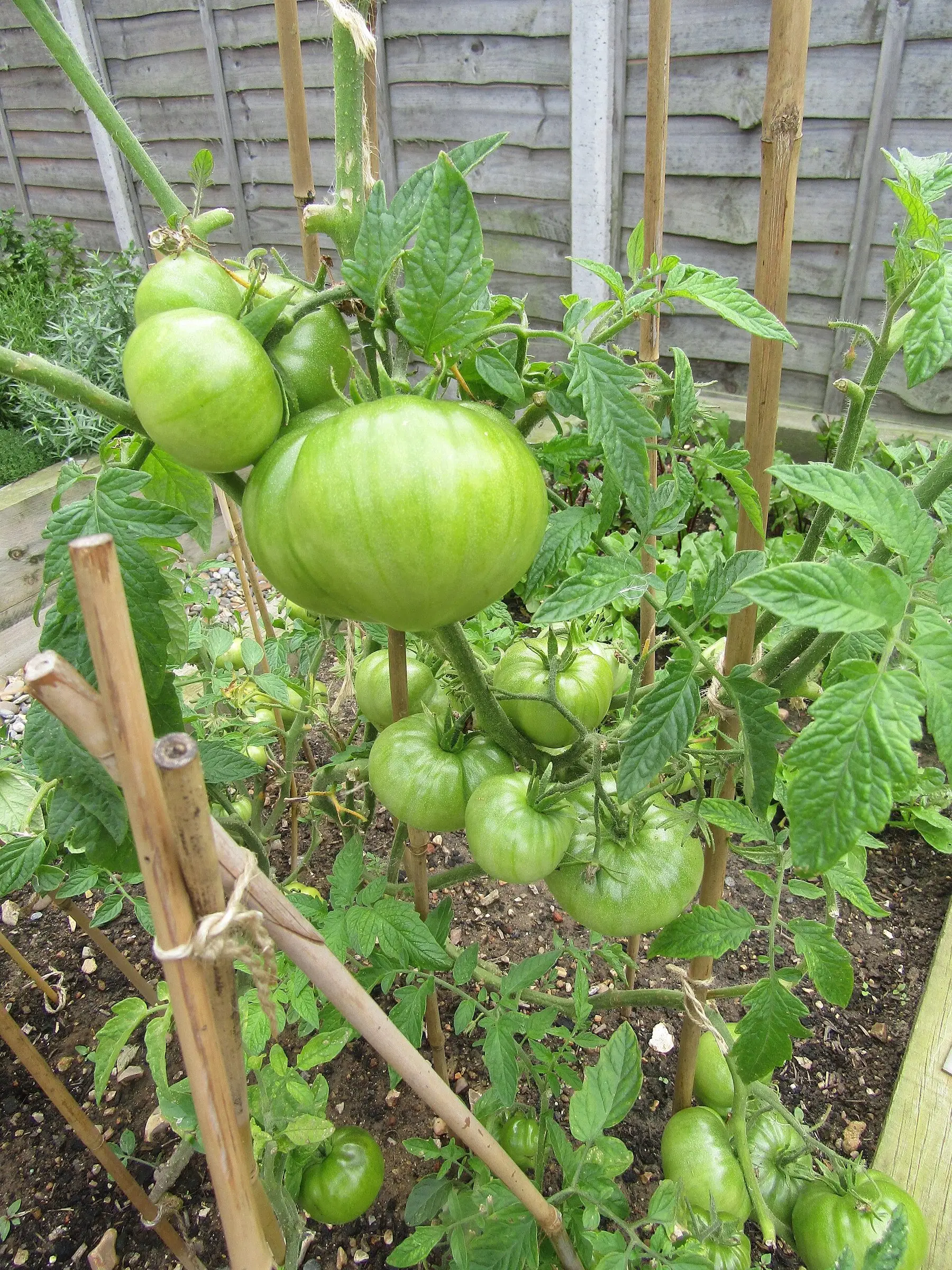
Companion Plants for Tomatoes (And 5 to Keep Away)
Basil, marigolds, and borage earn their place next to tomatoes. Fennel, potatoes, and brassicas do not. What to plant together, and why each pairing works.
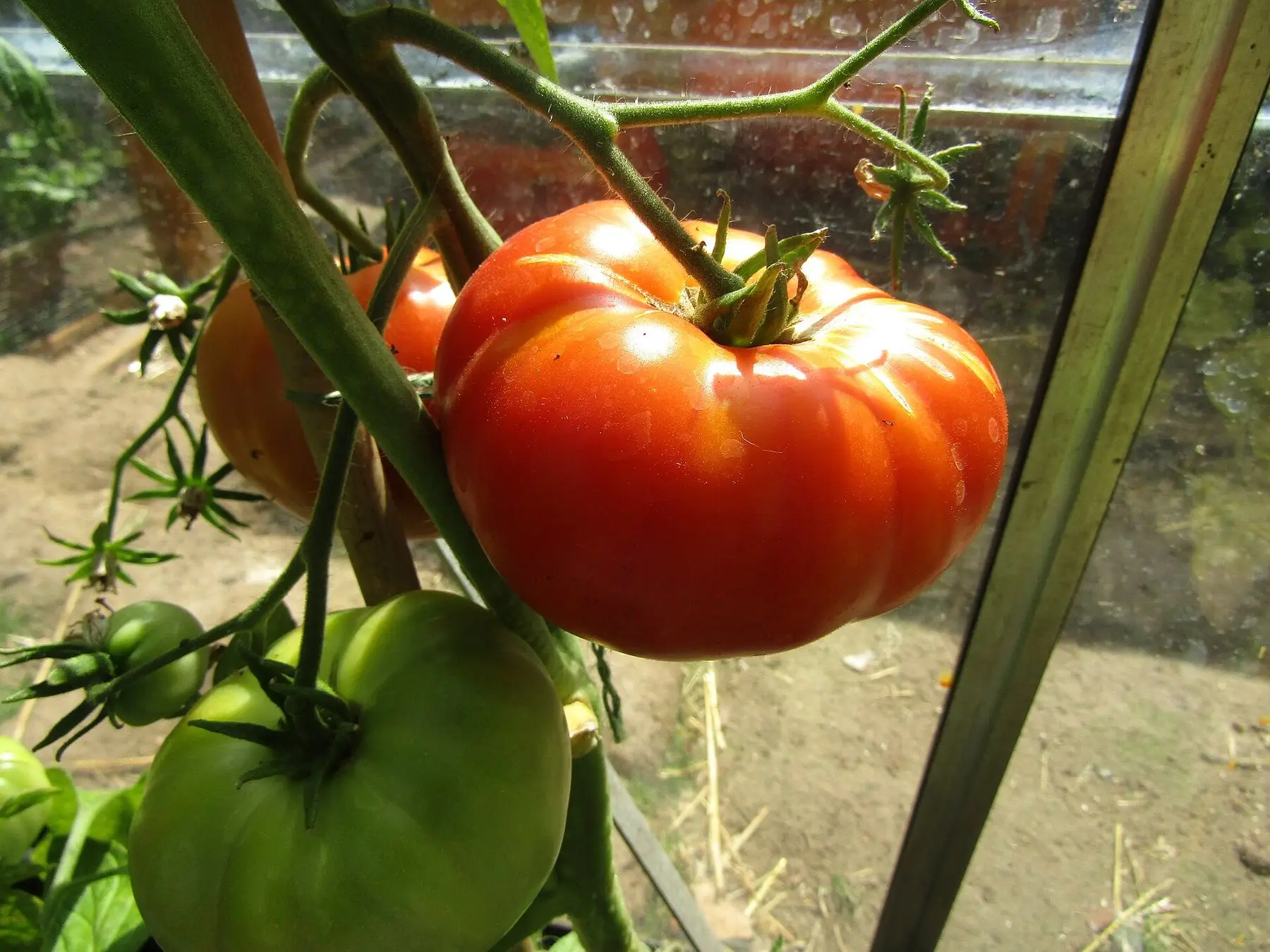
Best Fertilizer for Tomatoes — 4 Picks, Potassium Late
The best fertilizer for tomatoes changes once fruit sets. 4 picks compared across the season, plus the soil test first. See which your plants need.
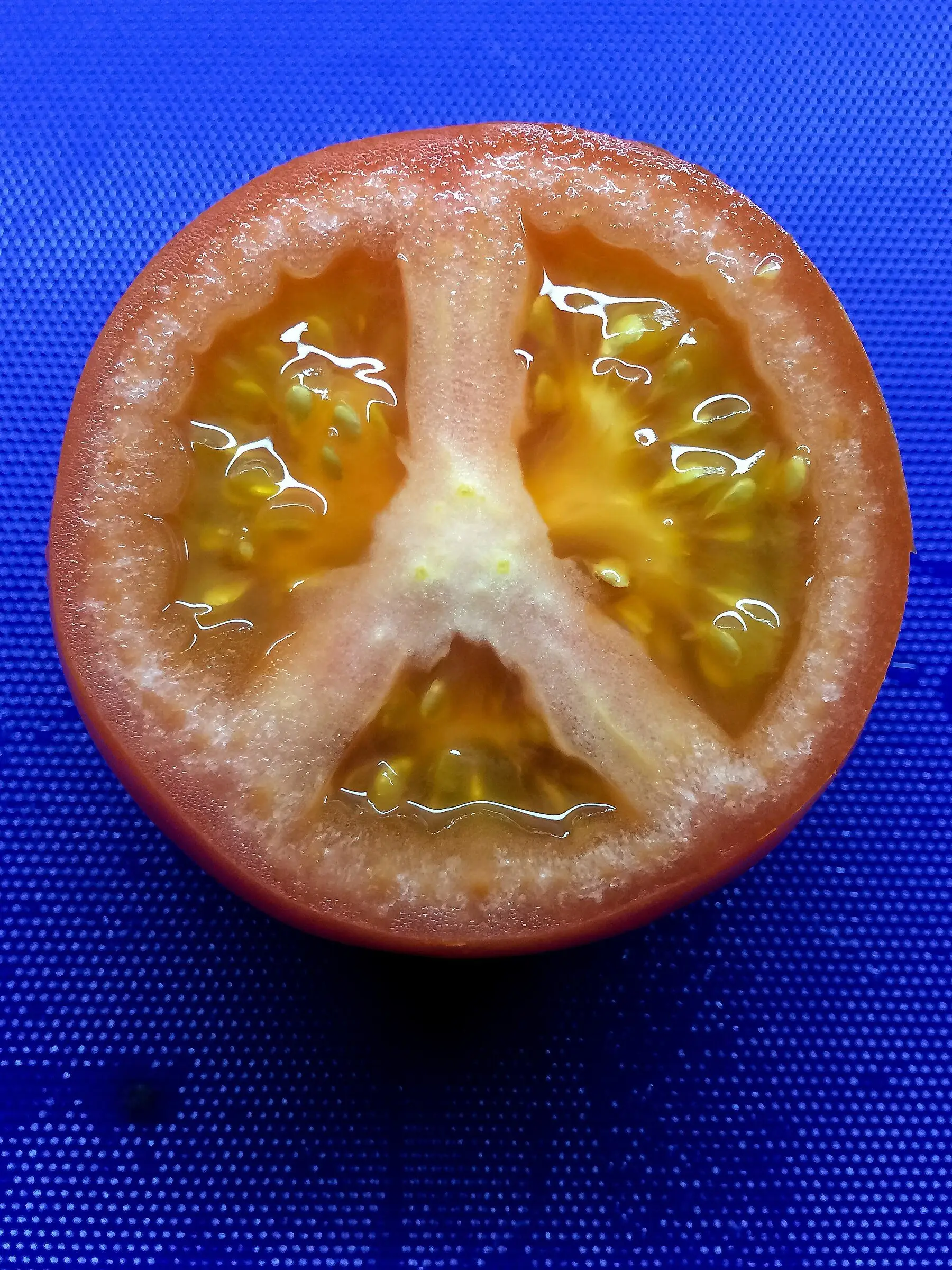
How to Save Tomato Seeds: The Fermenting Step
Tomato seeds need fermenting to remove the germination-blocking gel. Which varieties come true, the three-day process, and drying and storage.
How Many Varieties of Pumpkins Are There — 150 and Up
How many varieties of pumpkins are there runs past 150 named types across 5 Cucurbita species. Which group yours belongs to, and what each is good for.