
How to Grow Broccolini: Cut the Crown to Get the Stems
Broccolini is a broccoli-kai lan hybrid grown for side shoots, not a head. Cutting the small central crown early is what triggers the real harvest.
 By
On this page
Broccolini is not small broccoli. It is a broccoli × kai-lan hybrid bred for side shoots, and the single thing people get wrong is waiting for a head that is never coming.
The central crown is a signal, not a crop
A broccolini plant produces a small central head early on. It is a few inches across and disappointing if you were expecting broccoli.
Cut it anyway, as soon as it forms. Removing it breaks apical dominance and releases the plant into a flush of side shoots — the slender stems with small florets that are what you grow this for.
Leaving it on in the hope it bulks up is the standard first-season mistake. It will not: the plant is not bred to make a head, and while the crown sits there the side shoots stay suppressed.
Not broccoli rabe
Worth separating, because they are confused constantly on menus and in catalogues.
| Broccolini | Broccoli | Broccoli rabe (rapini) | |
|---|---|---|---|
| What it is | Broccoli × kai-lan hybrid | B. oleracea | Closer to turnip |
| Grown for | Slender stems | One large head | Leaves, buds, stems |
| Flavour | Sweet, mild | Mild | Distinctly bitter |
| Stem | Eaten whole, tender | Peeled if thick | Eaten |
Growing it
Sow four to six weeks before last frost for early summer, or late summer for autumn — the autumn crop generally tastes better, as with most brassicas, because it matures in cool weather.
It transplants well, so modules are a good option and give you even plants.
Space 6–12 inches, rows about 18 inches. Full sun, six hours minimum, plenty of compost — it crops over a long window and needs the fertility to keep going.
Mesh at planting
Cabbage whites, flea beetles and aphids all target brassicas, and by the time damage shows the population is established.
Fine insect mesh over hoops, fitted when you plant, handles all three and removes any need to spray.
Water about an inch a week. Steady moisture keeps stems tender; drought toughens them and pushes the plant to flower early.
Harvesting, which is also maintenance
- Stems 6–8 inches long, buds tightly closed
- Cut every few days through the window
- Cut even when you do not need it — this is the part people skip, and a plant left unpicked flowers and shuts down
- Feed with nitrogen after the first few harvests to extend production
Once buds open into yellow flowers the stem lignifies fast and no amount of cooking recovers it. Timing beats size here: a slightly thin stem picked tight is better than a thick one picked late.
Done properly a planting crops for six to eight weeks or more, which is a much longer return than heading broccoli gives for the same ground.
Step by step
- Time
- P70D
- Cost
- 12
- You need
- Broccolini seed or transplants, Compost, Mulch
- Tools
- Insect mesh, Sharp knife or secateurs
Sow in spring or late summer
Broccolini is a cool-season brassica. Sow four to six weeks before the last frost for an early summer crop, or in late summer for autumn, which generally gives the better flavour.
Start in modules or direct sow
It transplants well, unlike root crops, so modules give you a head start and let you set out even plants. Sow a quarter inch deep.
Space 6 to 12 inches apart
Closer than heading broccoli, because you are growing a plant that makes many thin stems rather than one large head. Rows about 18 inches apart.
Give full sun and rich soil
Six hours minimum and plenty of compost. Broccolini crops over a long period and needs the fertility to keep producing shoots.
Cover with insect mesh at planting
Cabbage whites, flea beetles and aphids all target brassicas. Mesh fitted before they arrive is far more effective than any treatment afterwards.
Water consistently, about an inch a week
Steady moisture keeps stems tender. Drought stress makes them tough and pushes the plant to flower early.
Cut the small central crown as soon as it forms
This is the step that defines the crop. The first central head is small and it is not the harvest — cutting it signals the plant to push side shoots, which are what you actually eat.
Harvest side shoots while buds are tight
Cut stems about 6 to 8 inches long with the flower buds still closed. Open yellow flowers mean you waited too long and the stem will be tough.
Keep cutting every few days
Regular harvesting is what sustains production. A plant left unpicked flowers and stops, so cut even when you do not need it.
Feed with nitrogen mid-season
A nitrogen-rich feed after the first few harvests keeps shoot production going through a long cropping window of six to eight weeks or more.
Common questions
How is broccolini different from broccoli?
When do you harvest broccolini?
Should you cut the first central head on broccolini?
Does broccolini keep producing after cutting?
How far apart should broccolini be spaced?
Why is my broccolini tough and stringy?
Backyard Weekly
Know what to plant, week by week
Join the weekly email for seasonal jobs, fixes for what is going wrong, and gear worth buying.
Not ready to subscribe? The planting calendar is free and needs no email.
By subscribing you agree to our privacy policy. Grow In Backyard will never sell your address.
Keep reading
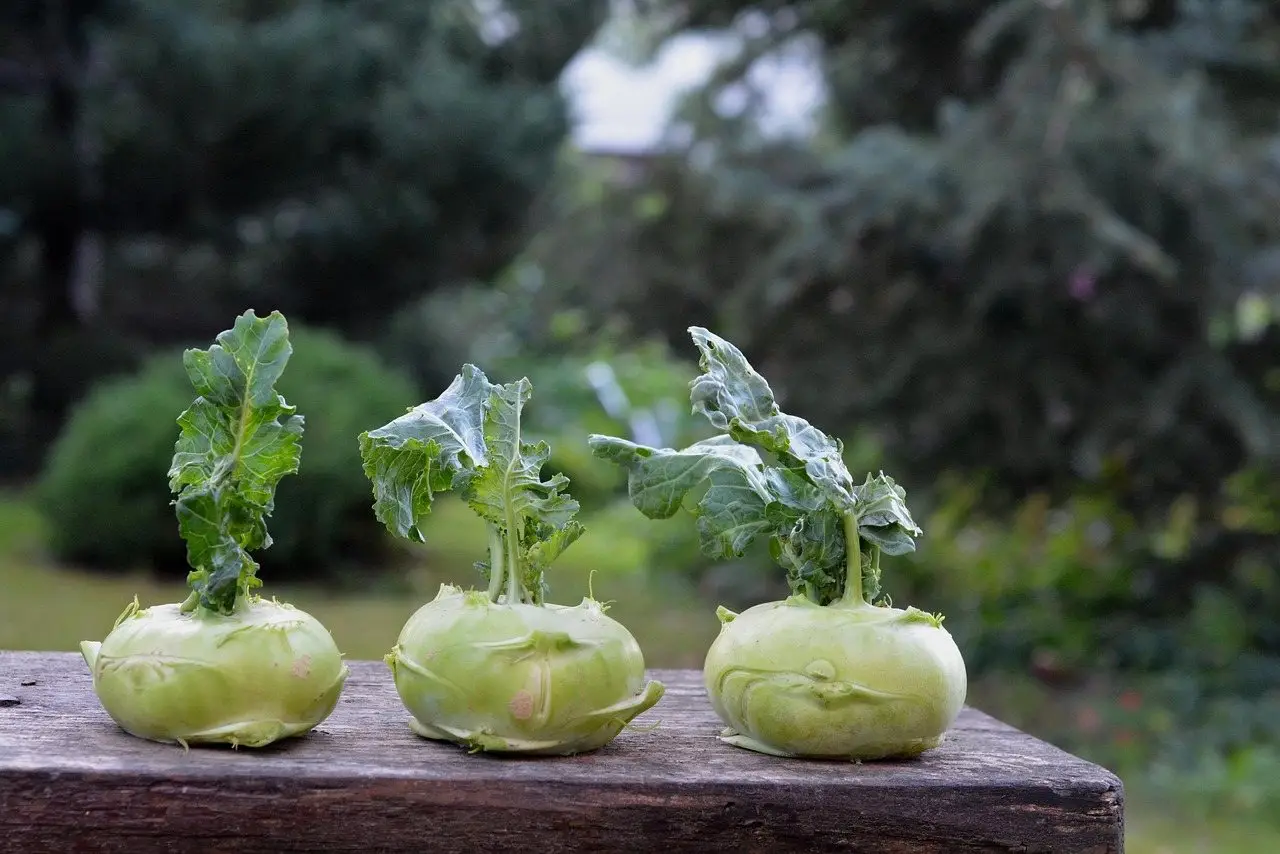
How to Grow Kohlrabi: Fast, Hardy and Best Picked Small
Kohlrabi swells above ground in 45 to 60 days. Pick it at tennis ball size — left longer it goes woody, which is why most people dislike it.
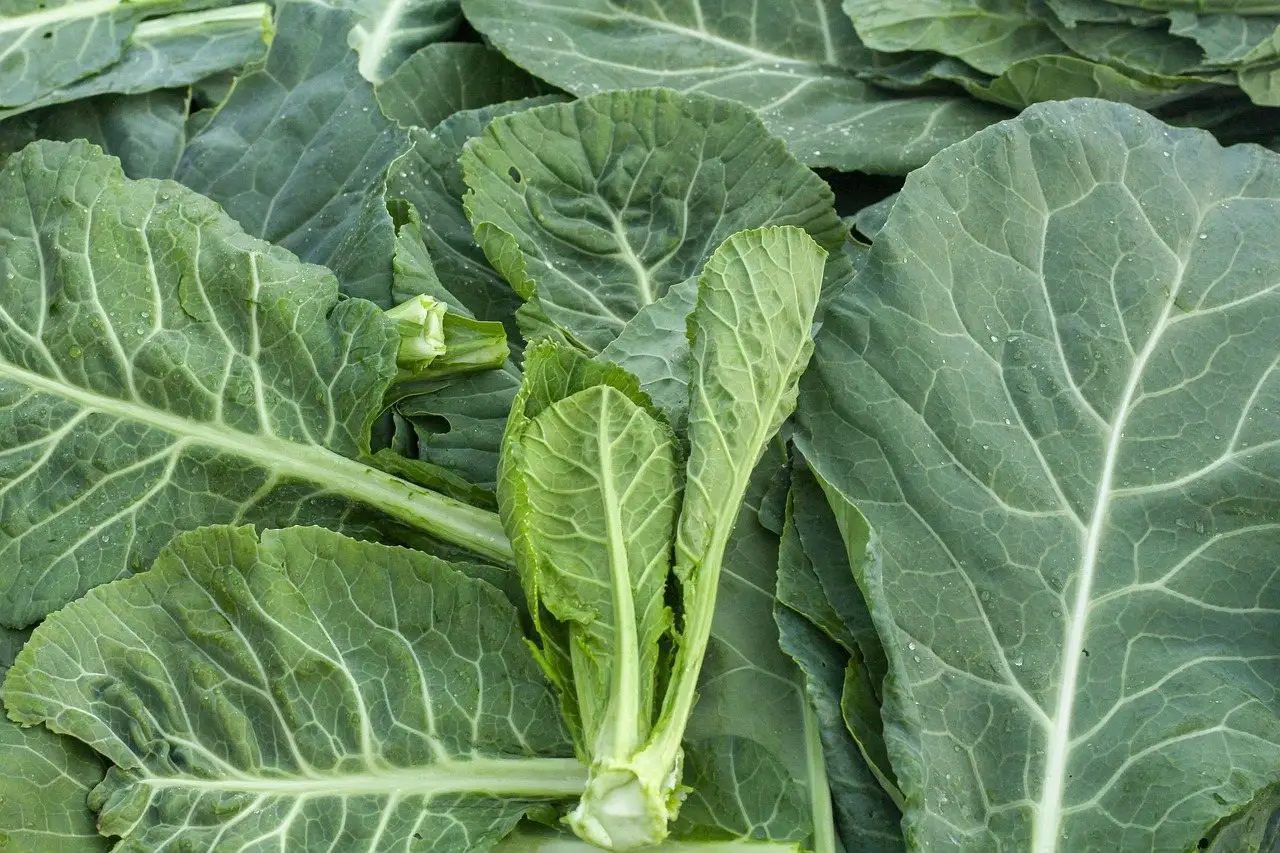
How to Grow Collard Greens: Sowing to Harvest
Collards tolerate more heat and more cold than any other brassica, and frost genuinely sweetens them. Sow, space wide, and pick from the bottom up.
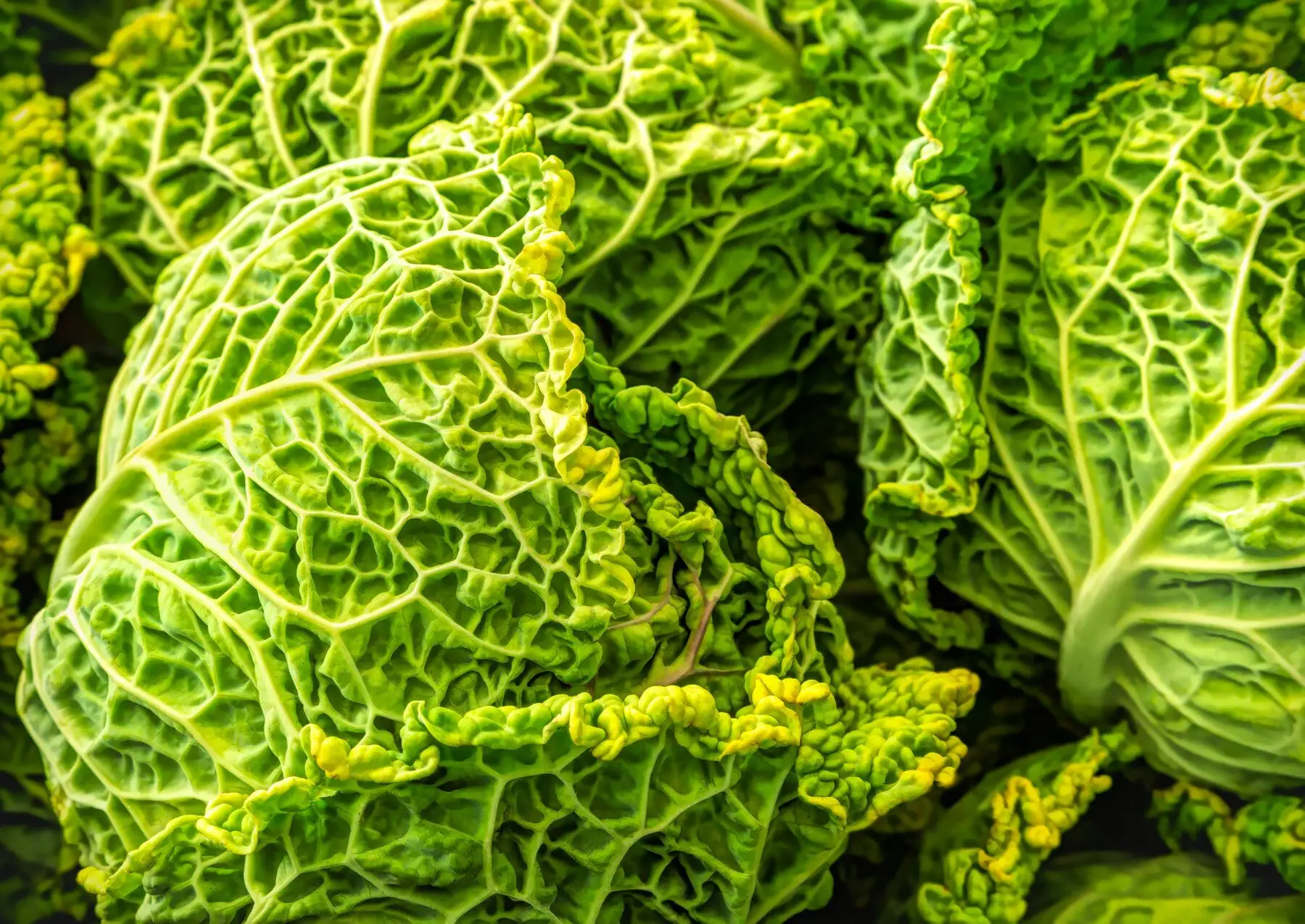
How to Grow Cabbage: Firm Soil, Wide Spacing, Mesh
Cabbages need firmer ground than most crops, more room than people give them, and a physical barrier against pests. Splitting heads and clubroot, explained.
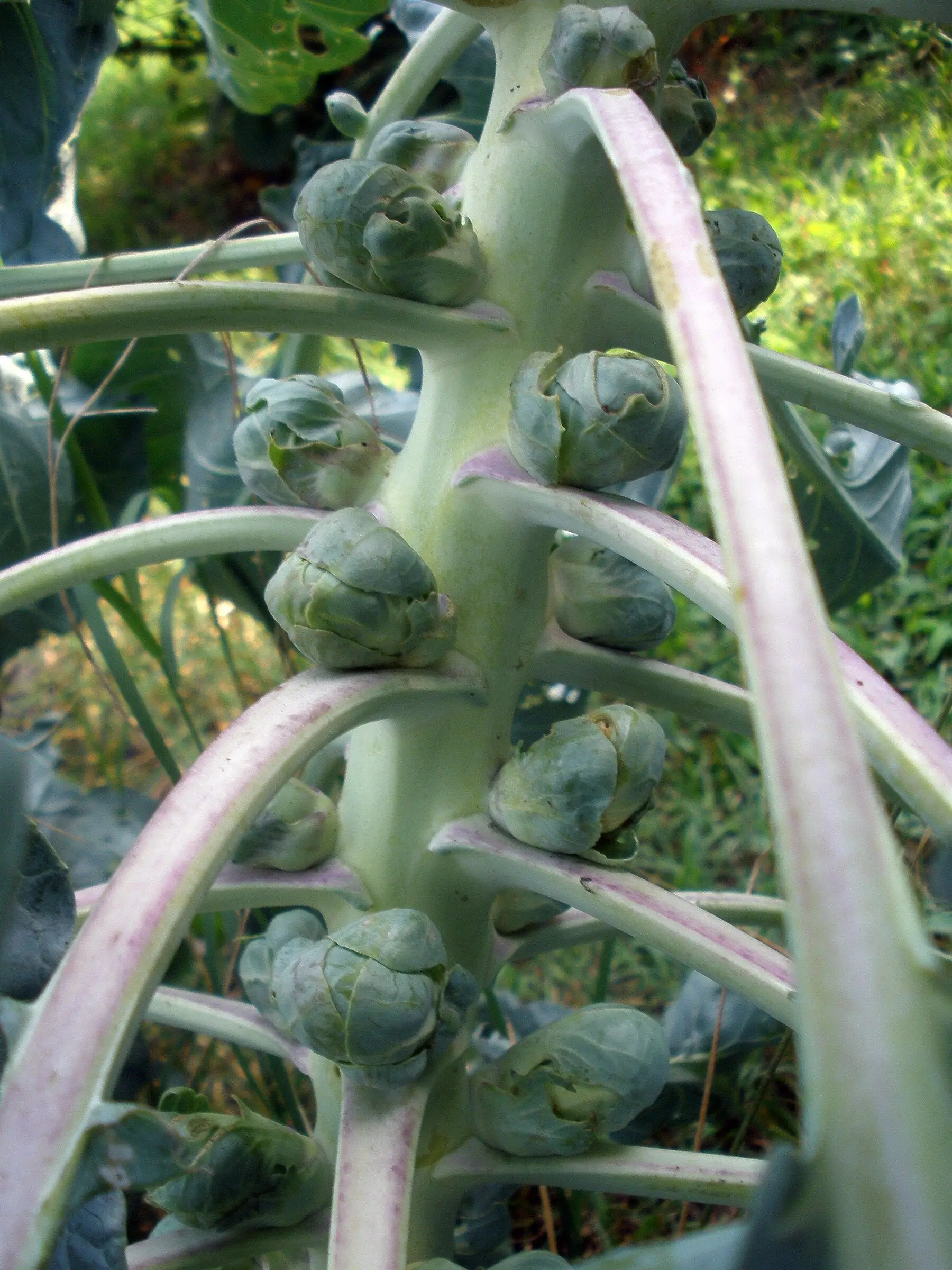
How to Grow Brussels Sprouts: The Long Season Explained
Brussels sprouts need 80 to 130 days, firm ground and frost to taste right. Sowing dates, why sprouts blow open, and when to stop feeding.