
How to Grow Papaya: Fast, Fruitful, and Short-Lived
Papaya fruits within a year from seed and declines after four. Plant several to get a female or hermaphrodite, and never let the roots sit wet.
 By
On this page
Papaya is the fastest fruit tree you can grow and the shortest-lived. Fruit inside a year, decline by year four, and most plants die of wet feet rather than old age.
The sex problem, which decides whether you get fruit at all
Papaya is usually dioecious — a given plant is male or female — with a third hermaphrodite type that is self-fertile and is what most commercial Solo-type varieties are selected for.
| Type | Flowers | Fruit |
|---|---|---|
| Male | Long drooping sprays on thin stalks | None, ever |
| Female | Large, single or few, close to the trunk | Yes, with a pollinator nearby |
| Hermaphrodite | Elongated, close to the trunk | Yes, self-fertile |
You cannot tell until it flowers, which is several months in. So:
- Sow three to five seedlings per planting position
- Wait for flowering
- Remove the males, keeping one per ten or so females if you have females rather than hermaphrodites
- Keep hermaphrodites preferentially — they fruit without a partner
Seed sold as a named Solo-type variety gives a high proportion of hermaphrodites, which is the main argument for buying seed rather than using supermarket fruit.
Wet roots are what actually kills them
Phytophthora collapse is sudden
Papaya is unusually susceptible to root and crown rot. A plant that looks healthy can wilt and collapse within days, and it very often happens just as the first fruit is developing — the point at which the plant is under most strain.
Plant on a raised mound, 30 to 45 cm high, even in soil you think drains well. It is the single most effective thing you can do for a papaya.
The full set of precautions:
- Mound planting, always
- Free-draining soil with grit or coarse organic matter worked in
- Water at the base, never over the crown
- No standing water in a pot saucer, ever
- Do not overwater in cool weather, when the plant uses little
- Avoid replanting into a spot where a papaya has previously collapsed
Climate reality
Papaya is tropical and genuinely intolerant of cold:
- Below about 10°C — growth stops, fruit quality suffers
- Near 0°C — the plant is killed outright
- Even brief cold damages leaves and sets plants back badly
That makes it a greenhouse or large-container plant anywhere with frost. A potted dwarf variety moved under cover before the first cold nights is the realistic approach outside zone 10, and the mobility is the whole point of the pot.
Growing it
- Seed: wash the gelatinous coating off thoroughly — it contains germination inhibitors — and sow fresh, because viability drops as seed dries
- Warmth: 25–30°C for germination, typically two to three weeks
- Position: full sun, sheltered from wind. The trunk is soft and large leaves catch wind badly
- Soil: rich, free-draining, slightly acidic to neutral
- Spacing: 2–3 m between final plants
- Water: consistent but never waterlogged. They are thirsty and intolerant at the same time, which is the balance to get right
- Feed: regularly through the growing season. Papaya is a heavy feeder and grows very fast
- Pots: 50–70 litres minimum, dwarf varieties only
Harvest and the replacement cycle
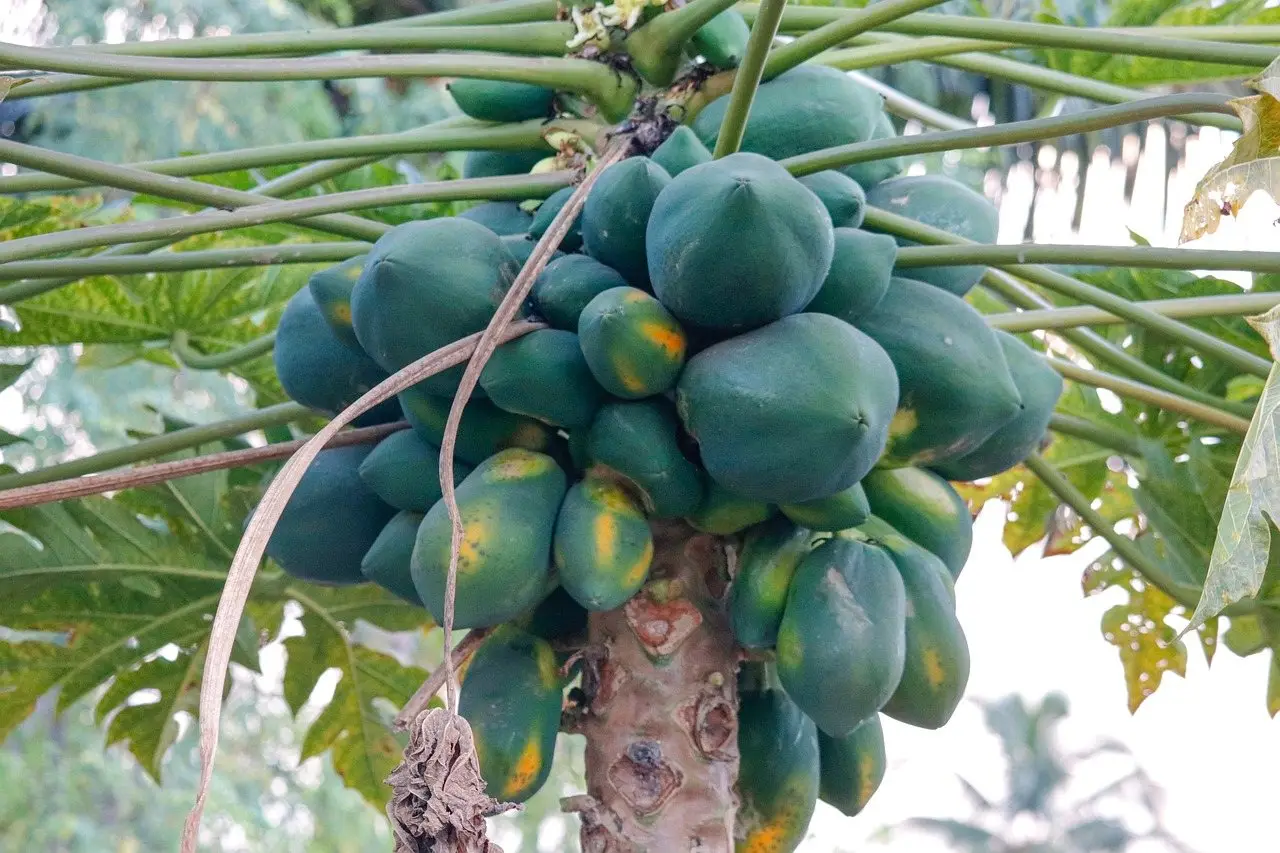
Fruit is ready when the skin shows yellow streaks and gives slightly to gentle pressure. Cut rather than pull, and handle gently — papaya bruises easily and the latex from an unripe fruit can irritate skin.
Fruit picked at the colour-break stage ripens perfectly indoors at room temperature, which is useful where birds or possums find the ripening fruit first.
Plan the replacement. Yield peaks in year two or three and falls away afterwards, and tall old plants are also harder to harvest and more vulnerable to wind. Starting a new seedling in year two means a replacement is already fruiting when the parent declines — which is a very different mindset from growing an apple tree, and the one that makes papaya work.
Step by step
- Time
- P300D
- Cost
- 15
- You need
- Fresh papaya seed, or a young plant, Free-draining compost with added grit or perlite
- Tools
- Pots or a prepared mound, A sheltered warm site, or a greenhouse
Wash the seed thoroughly
Rub the gelatinous coating off fresh seed, since it contains germination inhibitors, and sow while fresh because viability drops quickly as the seed dries.
Germinate at 25 to 30C
Warmth is the requirement rather than light. Expect two to three weeks, and use a propagator or a warm indoor spot in cooler climates.
Sow three to five seedlings per position
Papaya is usually male or female and cannot be sexed until it flowers, so plant a group and remove the surplus males once they show.
Build a raised mound before planting
30 to 45 cm high, with grit or coarse organic matter worked in. Root and crown rot is the main killer and mound planting is the main prevention.
Choose a sunny, sheltered site
Full sun, out of wind. The trunk is soft and the large leaves catch wind badly, so an exposed position costs the plant more than it looks.
Water at the base, never over the crown
Consistent moisture without waterlogging. Water sitting against the crown is exactly where Phytophthora enters.
Feed regularly through the growing season
Papaya grows very fast and is a heavy feeder. Stopping feed is one of the common reasons a plant stalls before fruiting.
Remove males once flowering reveals them
Males carry long drooping sprays of small flowers on thin stalks and never fruit. Keep hermaphrodites preferentially, since they are self-fertile.
Start a replacement in year two
Yield peaks in years two and three and declines from year four. A seedling started early means the next plant is fruiting as the parent fades.
Common questions
How long does papaya take to fruit?
Why does my papaya have flowers but no fruit?
Can papaya grow in a pot?
What kills papaya plants most often?
Do papaya seeds from a supermarket fruit grow?
Backyard Weekly
Know what to plant, week by week
Join the weekly email for seasonal jobs, fixes for what is going wrong, and gear worth buying.
Not ready to subscribe? The planting calendar is free and needs no email.
By subscribing you agree to our privacy policy. Grow In Backyard will never sell your address.
Keep reading
How to Grow Chayote: Plant the Whole Fruit
Chayote is grown from a sprouting fruit, not seed. It needs 120–150 frost-free days, a structure that can hold 20 kg, and short days to set fruit.
Best Way to Store Squash: Cure It, Then Keep It Cool
Winter squash needs ten days of curing at 27°C, then 10–15°C and dry air. Butternut keeps six months that way; acorn squash should not be cured at all.
How to Grow Cacti: Light, Grit and a Dry Winter Rest
Most cacti die from winter watering, not neglect. Gritty mix, the brightest window, a soak in summer and almost nothing from October to March.
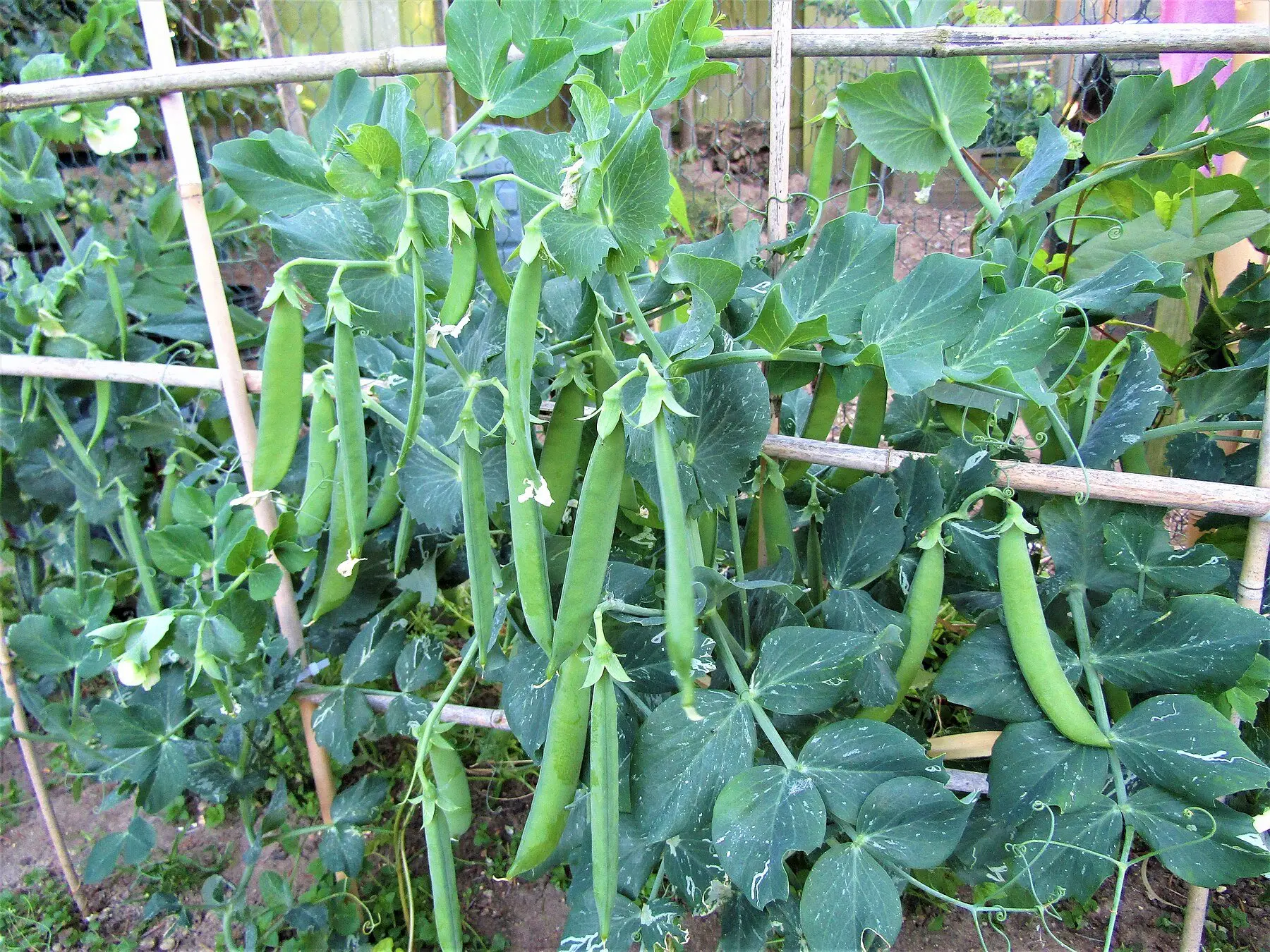
How to Grow Peas: Sow Cold, Support Early, Pick Often
Peas are a cool-season crop that stops in heat, so sowing early beats sowing well. Support at three inches, and the sugar-to-starch clock after picking.