
Can You Plant Potatoes in the Fall? Only in Zone 8 and Warmer
A fall potato crop works where the ground stays workable and frost is late. In zone 7 or colder it rots before it sprouts. How to tell which you are.
 By

On this page
In zone 8 and warmer, yes. In zone 7 and colder, a fall-planted seed potato sits in cold wet ground and rots. The real test is not the zone number — it is whether you have ten to twelve frost-free weeks left.
Whether your garden qualifies
| Zone | Fall potatoes? | Why |
|---|---|---|
| 3–6 | No | Ground cold and wet long before tubers form |
| 7 | Marginal | Possible in a mild year, usually not worth it |
| 8–9 | Yes | The standard fall-planting range |
| 10+ | Yes, and often preferred | Summer is too hot to grow them at all |
The zone is shorthand. Count the frost-free weeks you have left — under ten, do not bother.
The window is narrow at both ends
Too early fails as reliably as too late
Above about 80°F, a seed piece rots in the ground rather than sprouting. Below about 45°F, it sits and does nothing until it rots anyway.
So the window is real on both sides: count back twelve weeks from first expected frost and plant then, which is usually mid-August to mid-September.
Planted too late, a plant that gets frosted at six inches has put nothing into the ground yet. There is simply nothing to dig.
Use early varieties, and certified seed
- Early and second-early types, maturing in 70 to 90 days. A main crop wanting 110 to 135 will not finish
- Certified seed potatoes, not supermarket ones. Supermarket potatoes are usually treated to suppress sprouting, and that is the commonest reason a fall planting does nothing at all
- Freshly harvested seed is dormant and needs that dormancy broken before it will sprout
Leaving them in the ground
In mild areas the soil is your store, and you dig as you need them. Two things end that:
- Wet soil, which rots the tubers
- Hard frost reaching down to them, which turns them sweet and mushy
A thick straw mulch buys several degrees and is usually the difference. Where the ground freezes properly, lift and store instead.
What to expect
Somewhat less than a spring crop. Tubers bulk under shortening days and falling temperatures rather than rising ones, so they size up slowly.
What you get in exchange:
- A second harvest in one season
- Cleaner tubers — the main pest pressure has passed by then
- Warm soil at planting instead of cold
Common questions
Can you plant potatoes in the fall?
When should fall potatoes be planted?
Can you leave potatoes in the ground over winter?
Which potatoes are best for fall planting?
Do fall-planted potatoes yield as much as spring ones?
What happens if you plant potatoes too late in the fall?
Backyard Weekly
Know what to plant, week by week
Join the weekly email for seasonal jobs, fixes for what is going wrong, and gear worth buying.
Not ready to subscribe? The planting calendar is free and needs no email.
By subscribing you agree to our privacy policy. Grow In Backyard will never sell your address.
Keep reading
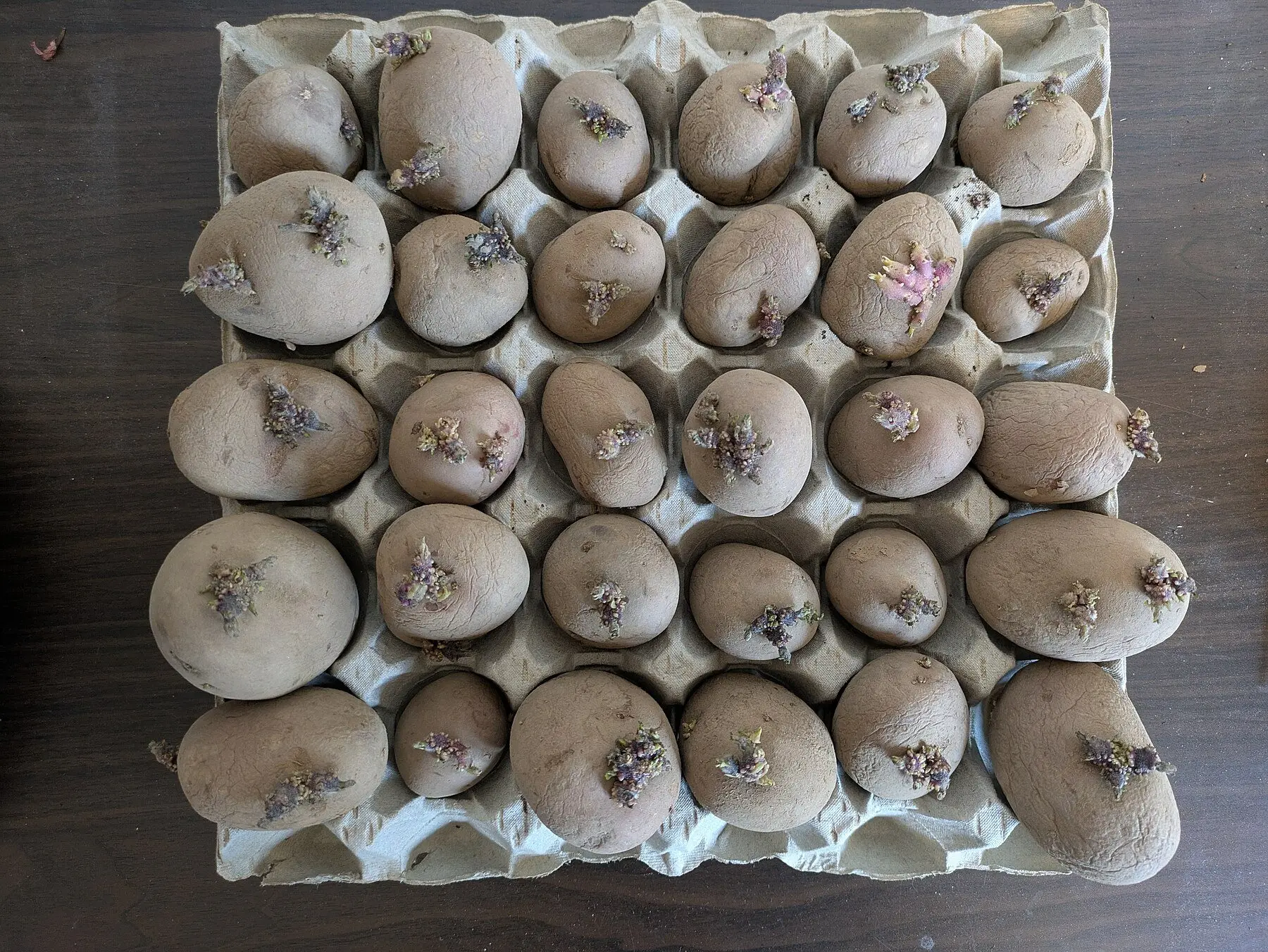
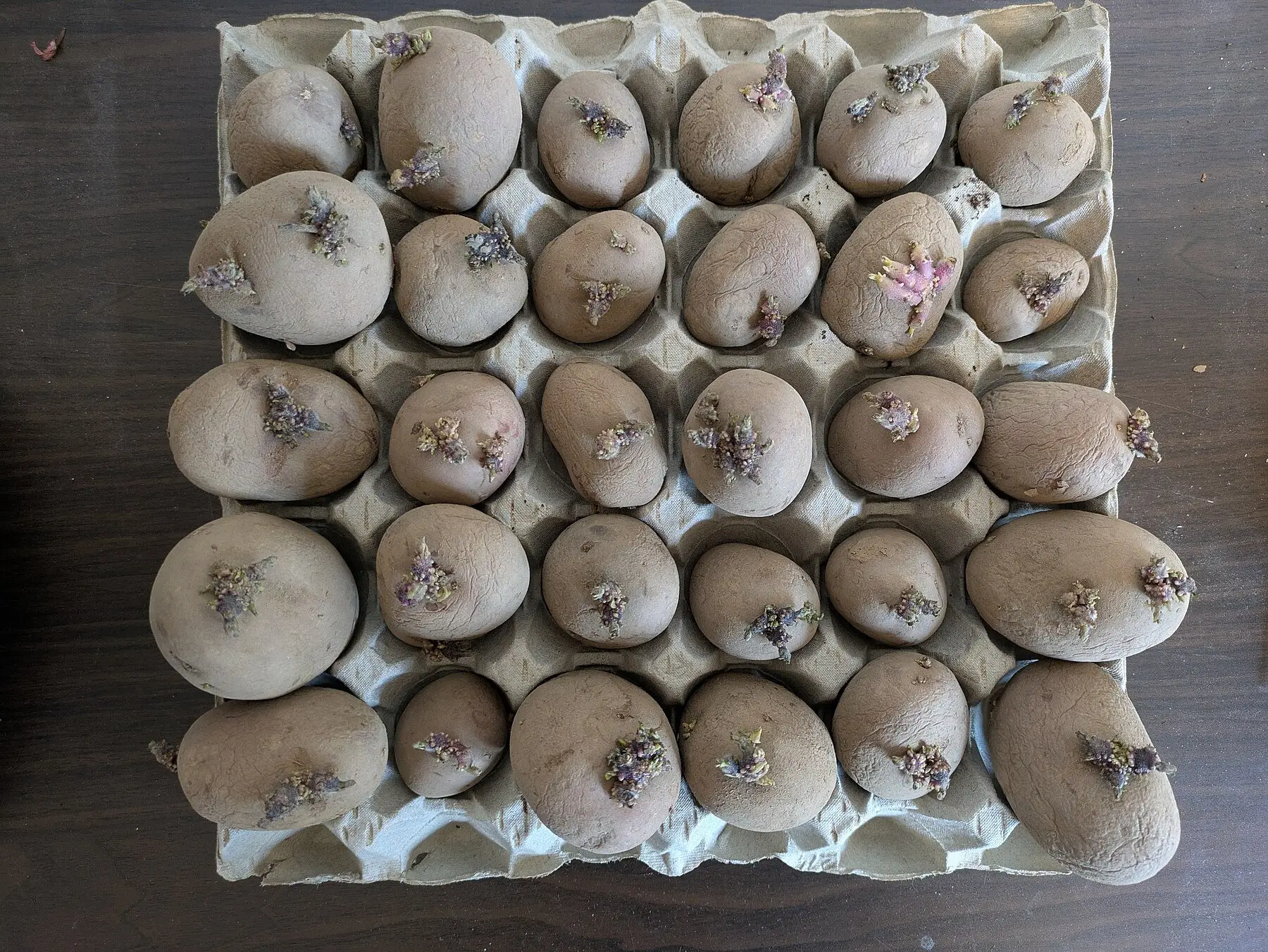
How to Grow Potatoes: Chitting, Depth, and Earthing Up
Potatoes form on stem, not roots, which is why you plant them deep and keep burying them. Seed potatoes, timing by variety group, and the mistakes that cost a crop.
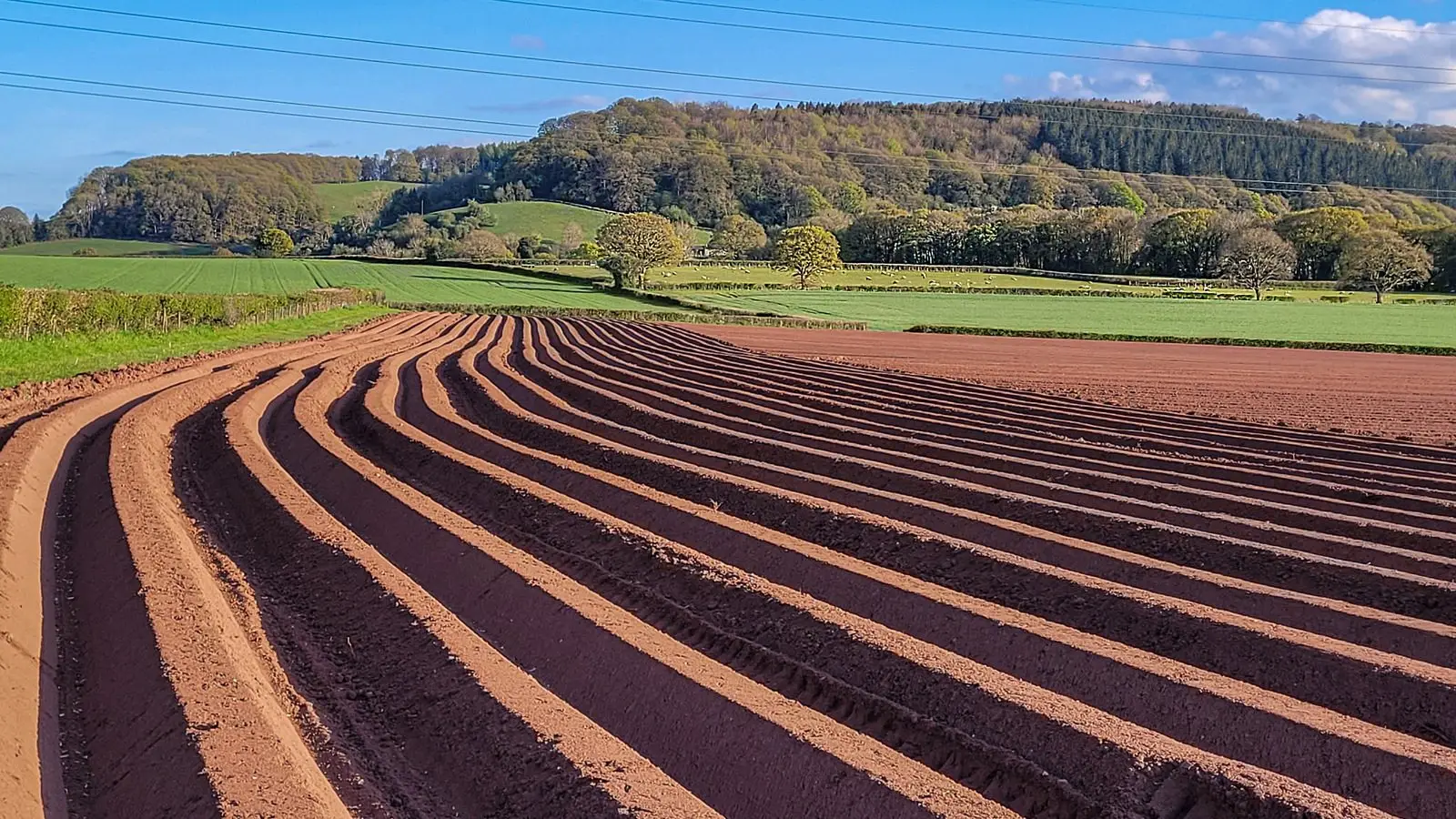
How Deep to Plant Potatoes (And Why Hilling Matters More)
Four inches at planting, then hill as they grow. Why planting deep in cold spring soil backfires, and how depth differs in containers and no-dig beds.
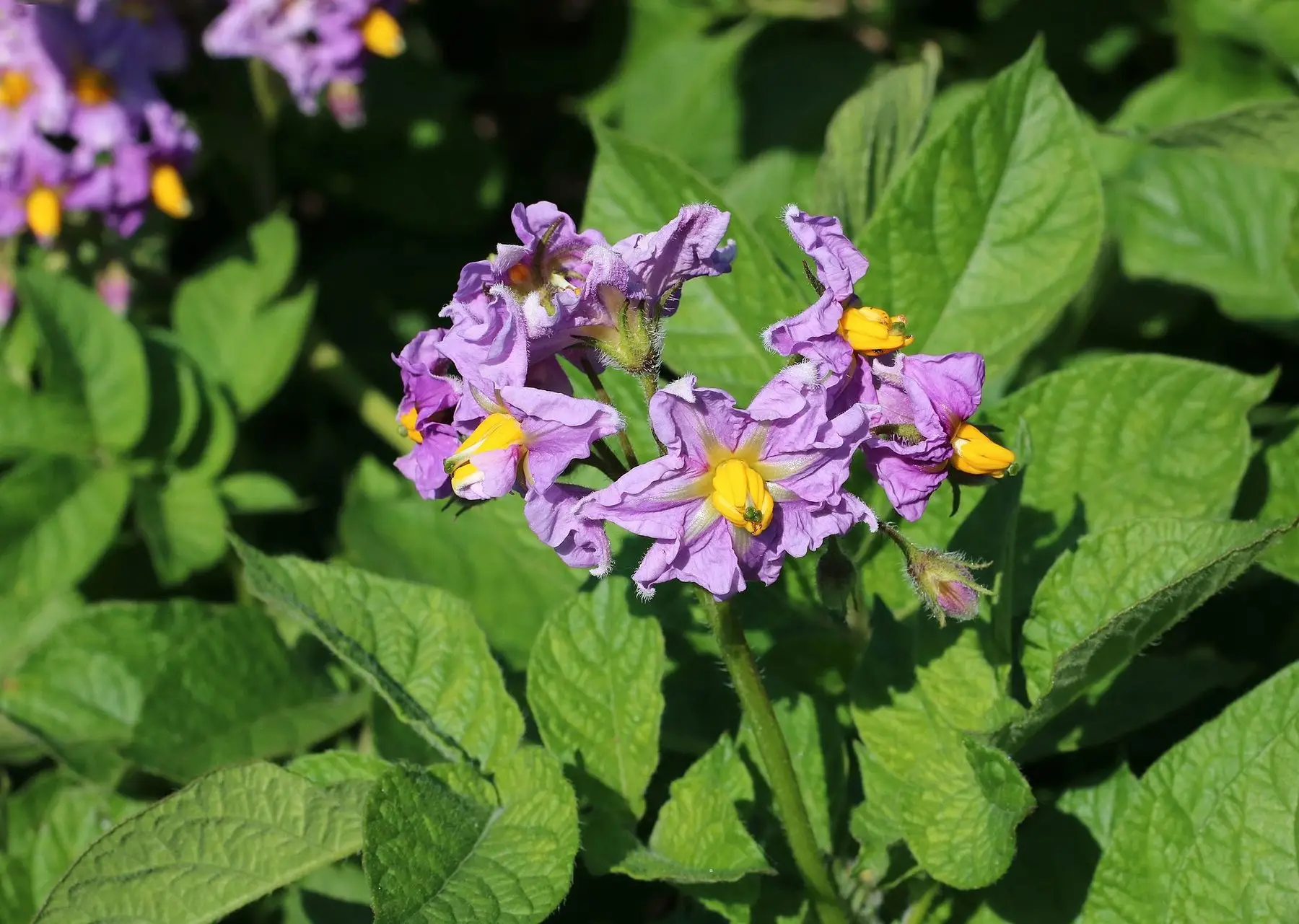
When to Harvest Potatoes: Two Crops From One Plant
New potatoes come at flowering; storage potatoes need the tops to die back first. How to tell which stage you are at, and how to cure them so they keep.
Companion Plants for Cucumbers, and What to Keep Away
Cucumbers need pollinators and hate competition for water. What genuinely helps, what the evidence is thin on, and the two neighbours worth actually avoiding.