
Snow Peas: Sowing, Supporting and Picking Them Flat
Snow peas are a cool-season crop picked before the pod fills. Sowing windows, how they differ from sugar snaps, trellising, and why yours turned tough.
 By

On this page
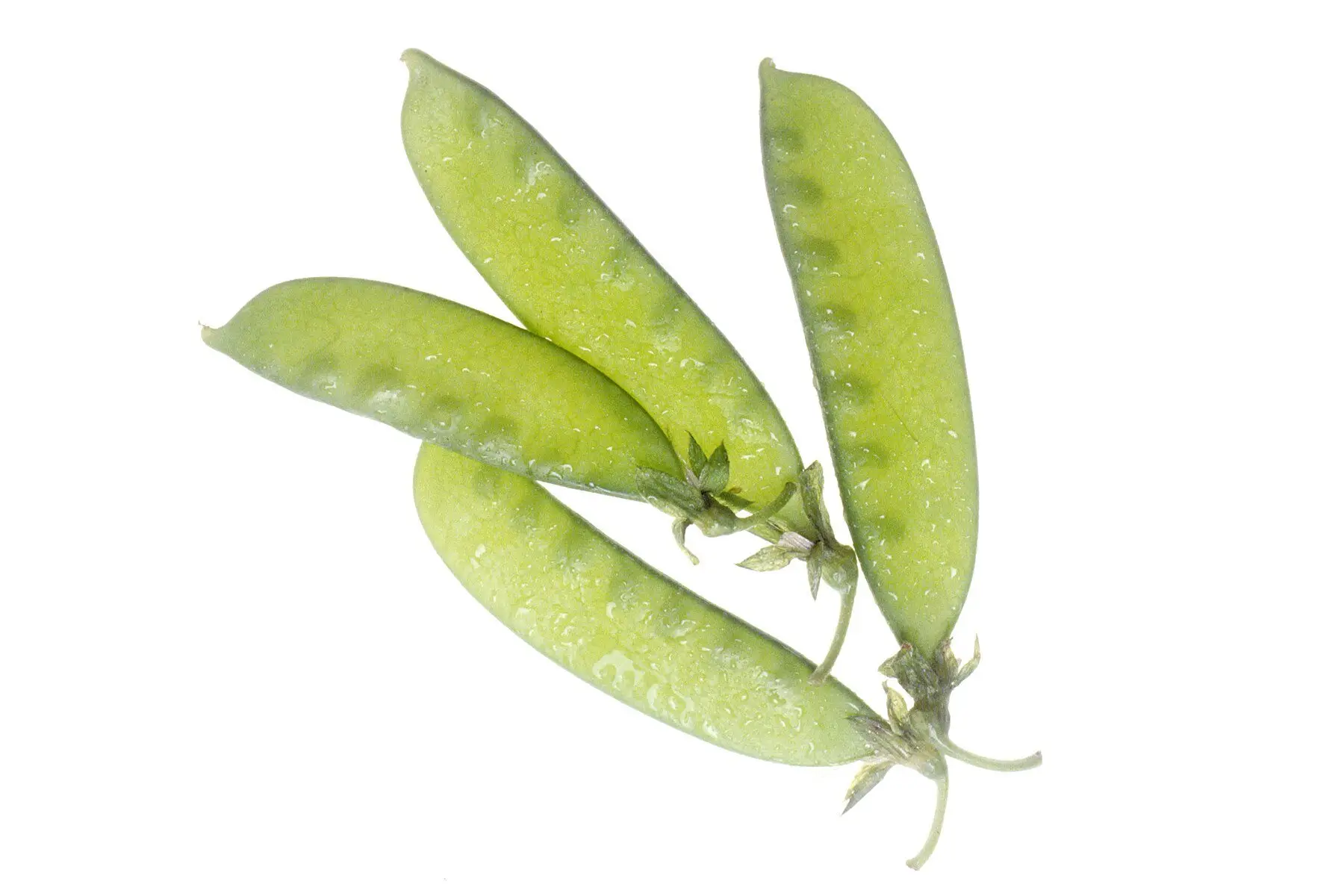
Snow peas are picked before the peas arrive — the flat pod is the crop, and the window between perfect and stringy is about two days.
Snow peas, sugar snaps, shelling peas
| Snow pea | Sugar snap | Shelling pea | |
|---|---|---|---|
| Eat the pod? | Yes | Yes | No |
| Pod wall | Flat, thin, translucent | Rounded, thick, crisp | Tough, fibrous |
| Pick when | Pod full length, still flat | Pods plump and filled | Peas fully swollen |
| Also called | Mangetout | Sugar pea | Garden pea, English pea |
They are not stages of each other. A snow pea left to fill does not become a sugar snap — it becomes an overgrown snow pea with a leathery wall and a string down the seam.
Timing
This is a cool-season crop with a short useful life. Get it wrong and the plants come good exactly as the weather turns against them.
| Sowing | Timing |
|---|---|
| Spring | 4–6 weeks before last frost, soil above 40°F |
| Autumn | 10–12 weeks before first autumn frost |
| Mild winters (zones 8–10) | Autumn sowing for a winter and early-spring crop |
Seedlings take a light frost without harm; flowers and young pods do not. Germination is slow in cold soil — two to three weeks at 40°F against about a week at 60°F — but an early sowing still beats a later one, because the plant needs to be cropping before the heat arrives.
Above the mid-seventies, flowering falls off, pods toughen and the plants give up. That is the deadline everything works backward from.
Sowing and growing
- Direct sow. Peas dislike root disturbance and rarely gain anything from transplanting
- 1 inch deep, 2 inches apart, rows 18 to 24 inches apart — or a double row either side of a net
- Inoculant on ground that has not grown peas or beans before: a pea and bean inoculant supplies the rhizobia the root nodules need
- Do not pre-soak for long. An hour is plenty; overnight soaking in cold soil invites rot
- Thin lightly or not at all. Peas are happy crowded
| Sun | Full sun in spring; light afternoon shade helps late in the season |
| Soil | Moisture-retentive, well drained, near-neutral pH |
| Water | Steady, especially from flowering onward |
| Feed | Compost only. No nitrogen — they fix their own |
| Mulch | Yes. Keeps roots cool and extends the season |
Nitrogen is the classic mistake
Peas carry nitrogen-fixing nodules on their roots. A general-purpose high-nitrogen fertiliser gives a tall lush vine that flowers late and sparsely.
If you feed at all, use something low in nitrogen. Better: compost, and nothing else.
Support
Every variety benefits, whatever the packet implies.
| Variety type | Height | Support |
|---|---|---|
| Dwarf (Oregon Sugar Pod II, Dwarf Grey Sugar) | 2–3 ft | Twiggy sticks, low net, short canes |
| Tall (Mammoth Melting Sugar, Golden Sweet) | 5–6 ft | Netting, trellis, strings, bean poles |
Put the support in before or at sowing. Peas climb with tendrils and grab whatever is nearest; pushing canes into a bed of established plants tears roots and flattens vines.
Sprawling plants sit on wet soil, rot at the base, pick badly and mildew — which is why even a two-foot variety earns its sticks.
Picking
The whole game is timing.
- Pods are ready 5 to 7 days after the flower drops
- Full length, still flat, peas visible only as faint bumps
- Every one to two days once they start
- Hold the vine with one hand and pull the pod with the other — one-handed picking tears stems
- Pick everything, every time. A single pod allowed to mature seed tells the plant its job is done and flowering slows across the whole vine
A pod that has gone too far is not wasted — leave it to fill completely and shell it like a garden pea, or let it dry on the vine for next year’s seed.
Fresh is the point. The sugars begin turning to starch within hours of picking, which is exactly why home-grown snow peas taste like a different vegetable from supermarket ones.
Problems
- Powdery mildew — white dust on leaves, near-inevitable late in the season. Airflow, water at the base, choose resistant varieties, and accept it as the end of the crop
- Pea moth — maggots inside pods; worst on midsummer crops, avoided by early or late sowings
- Birds — pigeons strip seedlings. Net the row early
- Mice — dig up sown seed. Start in modules if it is a recurring problem
- Damping off — cold wet soil rotting seed before it emerges. Warmer soil, not deeper sowing
- Powdery-looking leaves plus stunted growth — often just heat. The season is over
Varieties
- Oregon Sugar Pod II — 2–3 ft, heavy cropper, disease-resistant. The reliable default
- Mammoth Melting Sugar — 5–6 ft, large pods, needs real support
- Dwarf Grey Sugar — 2–3 ft, purple flowers, ornamental and edible
- Golden Sweet — tall, yellow pods, easy to spot when picking
- Avalanche — stringless, large flat pods, good disease resistance
Common questions
When should I plant snow peas?
What is the difference between snow peas and sugar snap peas?
How tall do snow peas grow and do they need support?
When do you pick snow peas?
Why are my snow peas tough and stringy?
Do snow peas need fertiliser?
Backyard Weekly
Know what to plant, week by week
Join the weekly email for seasonal jobs, fixes for what is going wrong, and gear worth buying.
Not ready to subscribe? The planting calendar is free and needs no email.
By subscribing you agree to our privacy policy. Grow In Backyard will never sell your address.
Keep reading
How to Grow Peas: Sow Cold, Support Early, Pick Often
Peas are a cool-season crop that stops in heat, so sowing early beats sowing well. Support at three inches, and the sugar-to-starch clock after picking.
How to Grow Beans: Bush or Pole, and Never Sow Early
Beans rot in cold wet soil and resent transplanting, so sowing date matters more than anything else. Bush versus pole, supports, and picking to keep them coming.
Powdery Mildew: Why It Spreads and What Actually Stops It
Powdery mildew is the one fungus that does not need wet leaves — it thrives in humid air and dry foliage. How to spot it early and what treatments hold up.
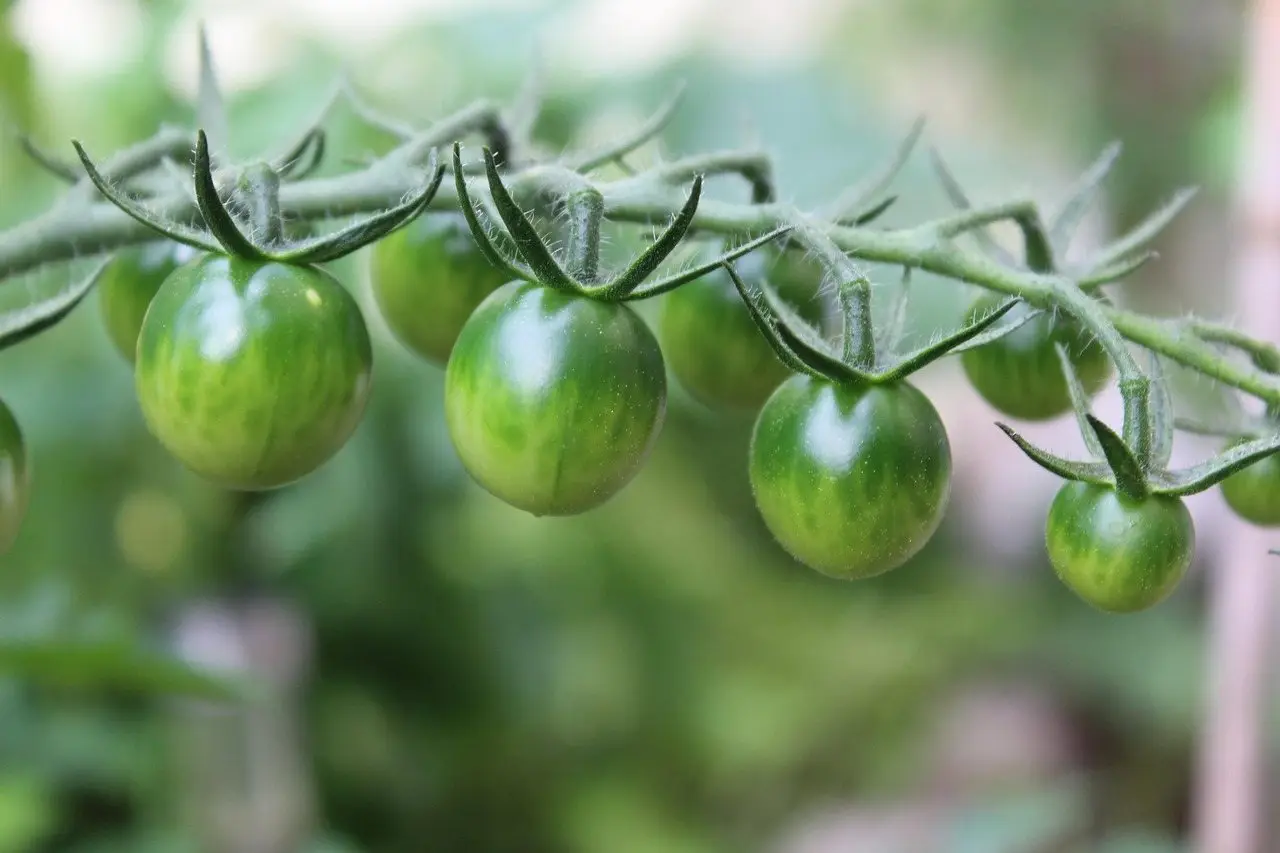
Tomatoes Not Turning Red? Heat Is Usually the Reason
Above about 30°C tomatoes stop making lycopene and stall green or orange. Ripening is temperature-driven, not sun-driven — so don't strip the leaves.