
Outdoor Living ·
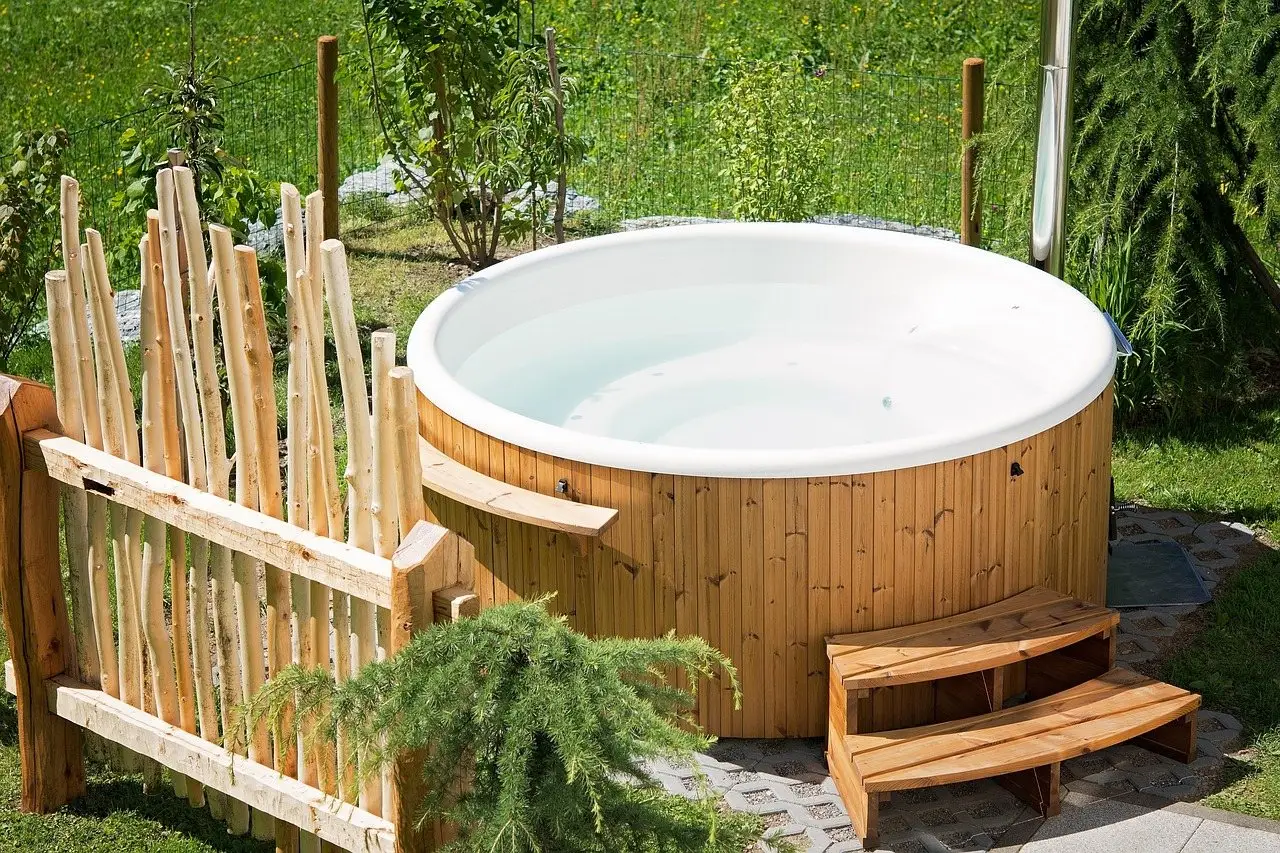
Best Small Hot Tubs: Two to Four Seats, and Running Costs
A small tub lives or dies on insulation and where it stands. Four types compared on what they cost to run, not just to buy.
62 guides in Outdoor Living.
Start here
Most front yard makeovers look best the week they are finished. These nine ideas are chosen for what they look like after three seasons of real maintenance.
A small tub lives or dies on insulation and where it stands. Four types compared on what they cost to run, not just to buy.
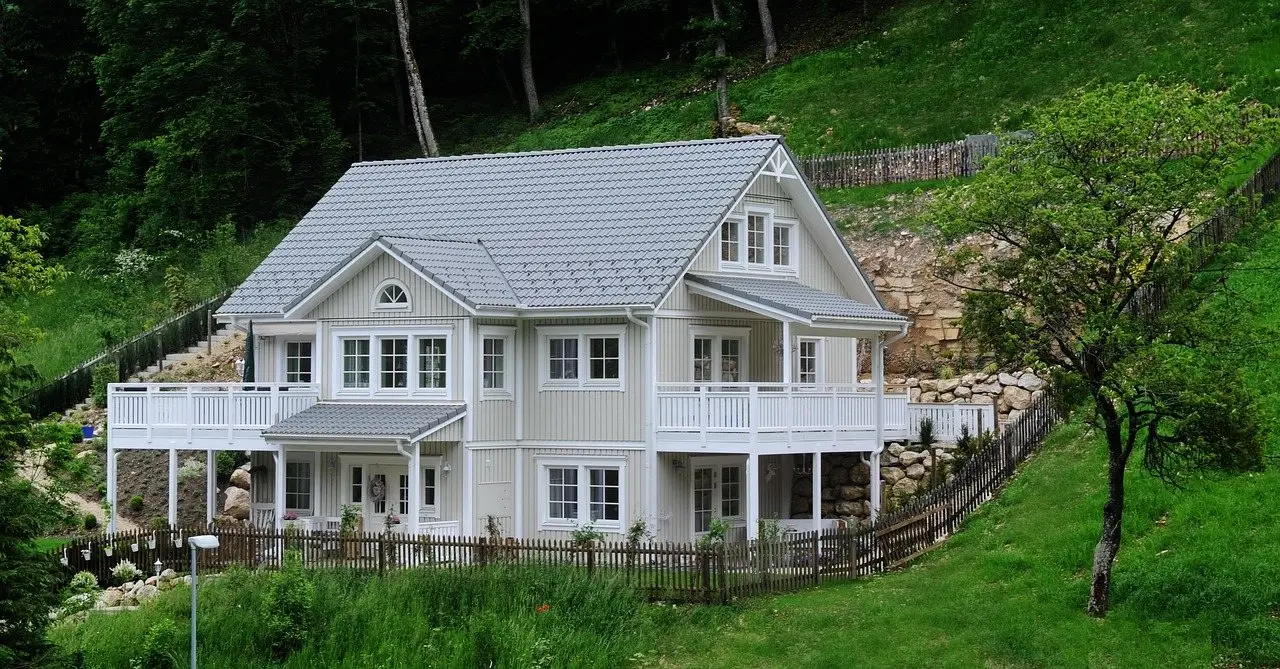
Attaching a roof to the house raises ledger, flashing, drainage and permit questions. The options compared, and what decides which one you can build.
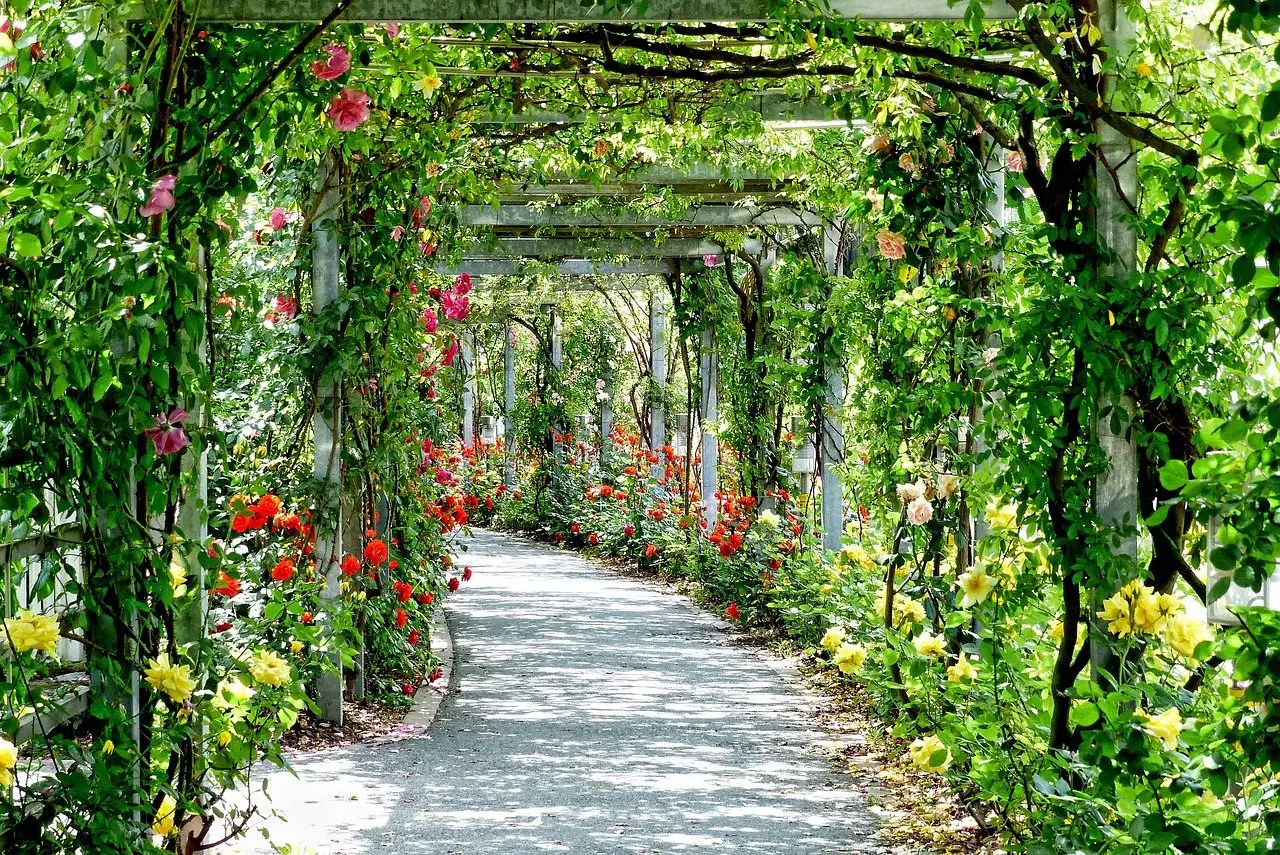
An arch in the wrong place looks like a hoop in a lawn. The sizes that work, where it earns its keep, and the climbers that suit a small garden.

Succulents fail from wet feet, not from neglect. The grit mix, the containers that work, and which species survive a winter outdoors.

What causes algae in a pool comes down to 4 failures: chlorine, circulation, phosphates and pH. Which one yours is, and why shocking alone keeps not working.
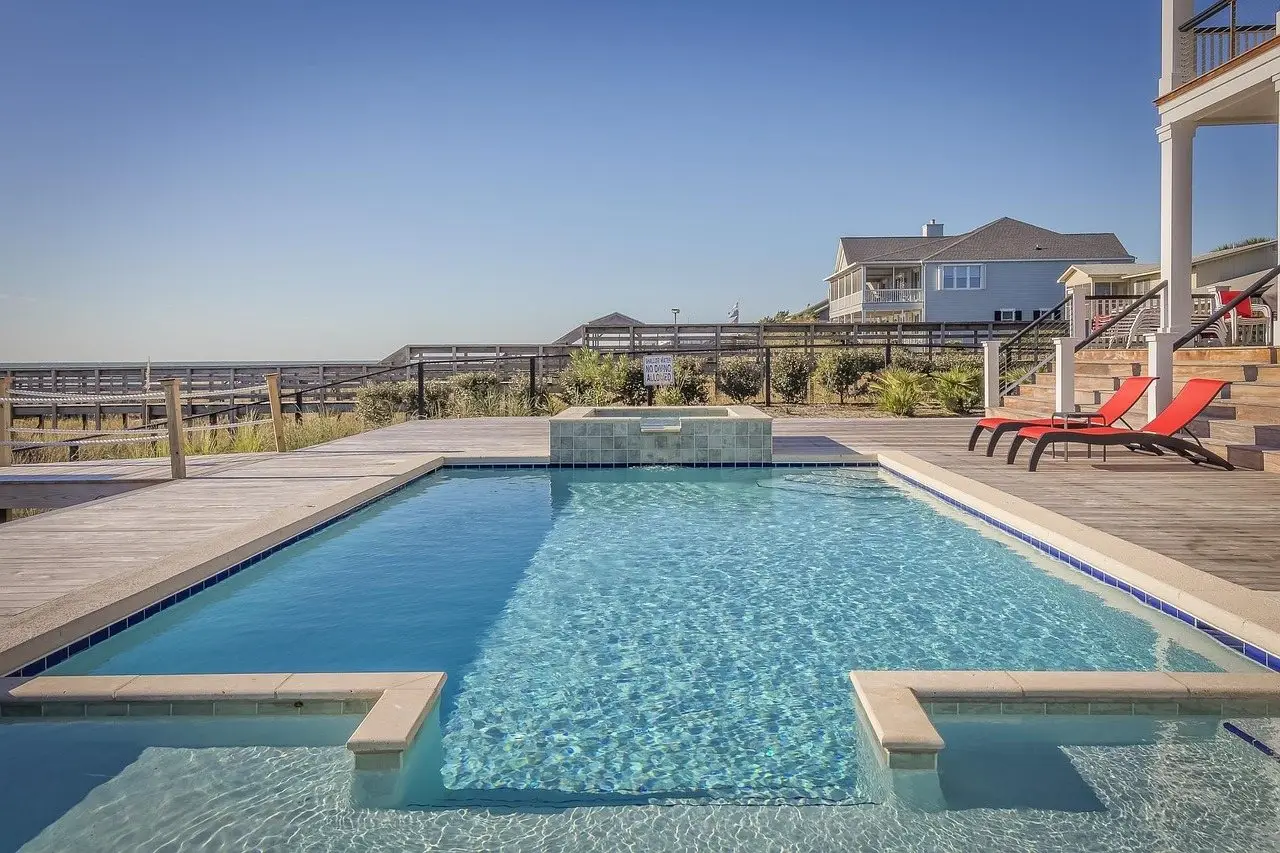
Rectangular pool landscaping ideas work with the geometry instead of hiding it. 10 approaches, the 3 ft rule for planting, and which plants never go poolside.
Sloped garden ideas on a budget start with drainage, not walls. 9 approaches costed honestly, and the 1 job where paying a contractor is the cheaper call.
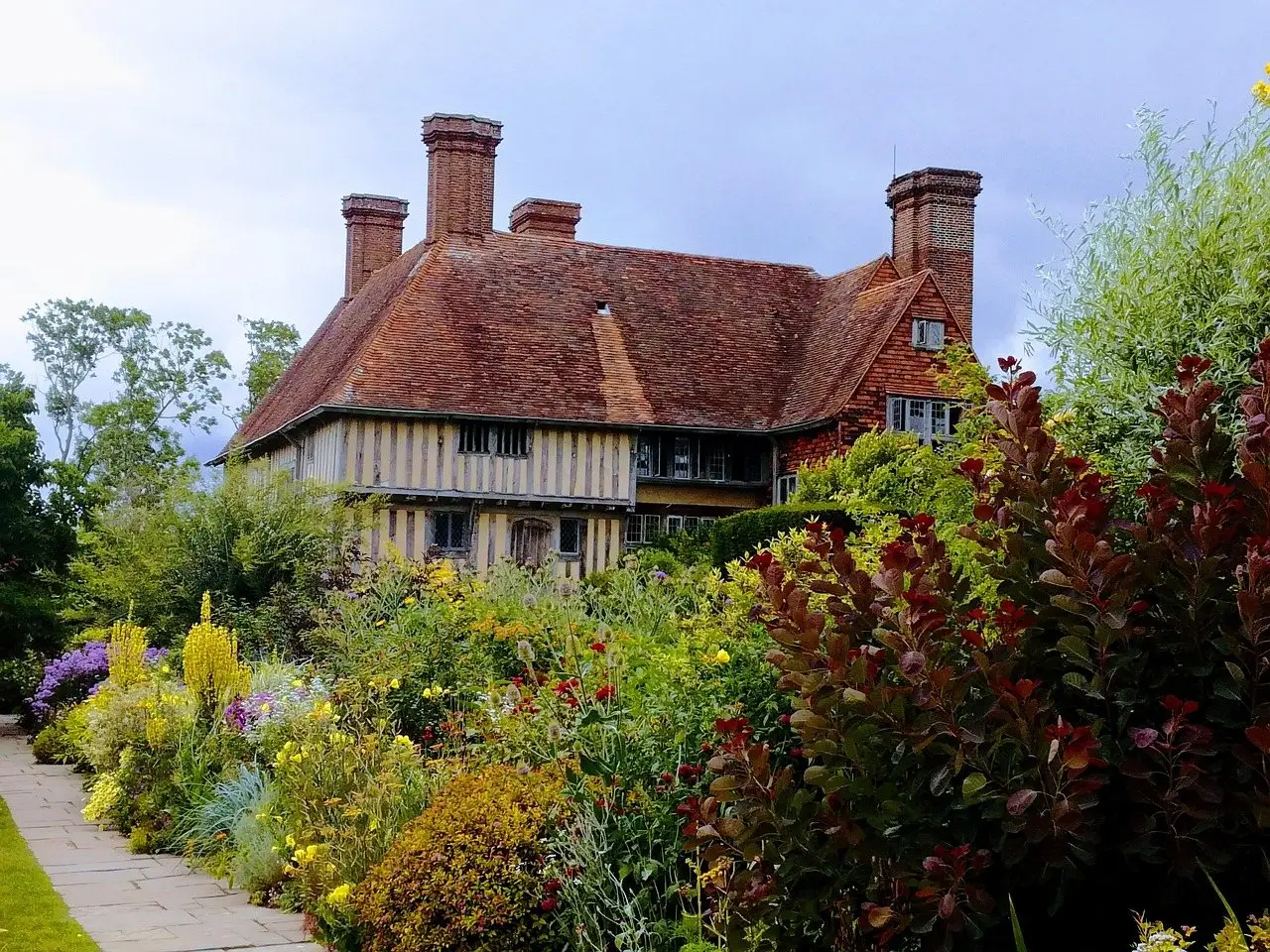
Pick the spot by watching the sun for a day, prepare the soil once properly, and plant far fewer varieties than you want to. Density beats variety.
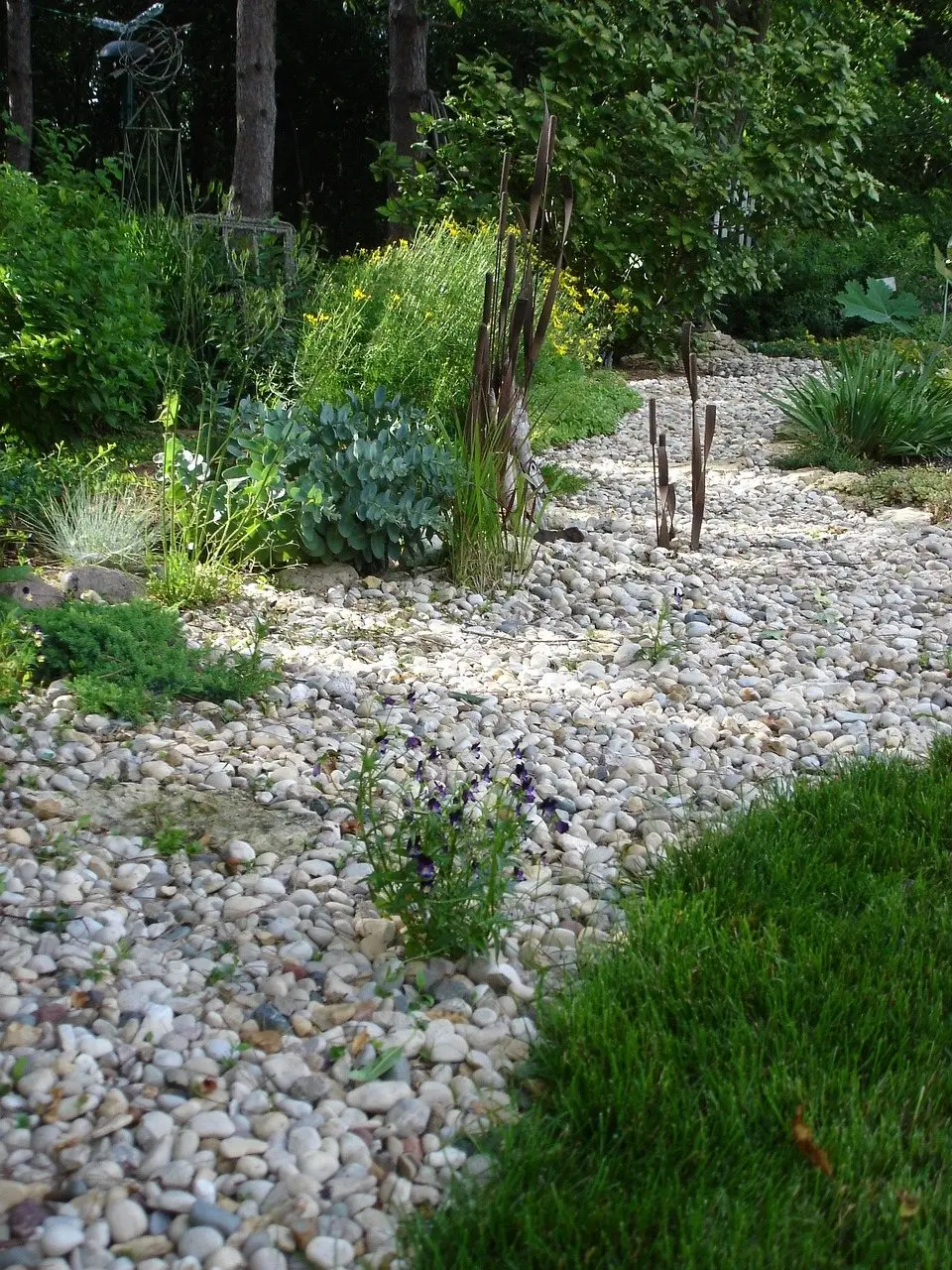
A dry creek bed solves real runoff while reading as a design feature. Stone grading, a sinuous line and buried fabric are what separate the two.

Black bears climb well and adults can clear or flatten most garden fencing. Removing the attractant is the only measure that reliably works.

Peas climb by tendrils and need something to grip. Dwarf types manage with twigs; anything over 3 feet needs real support from the day it is sown.

Yes — greenhouse plants have thin leaves and no wind conditioning. Seven to ten days of gradual exposure prevents the check that costs weeks of growth.
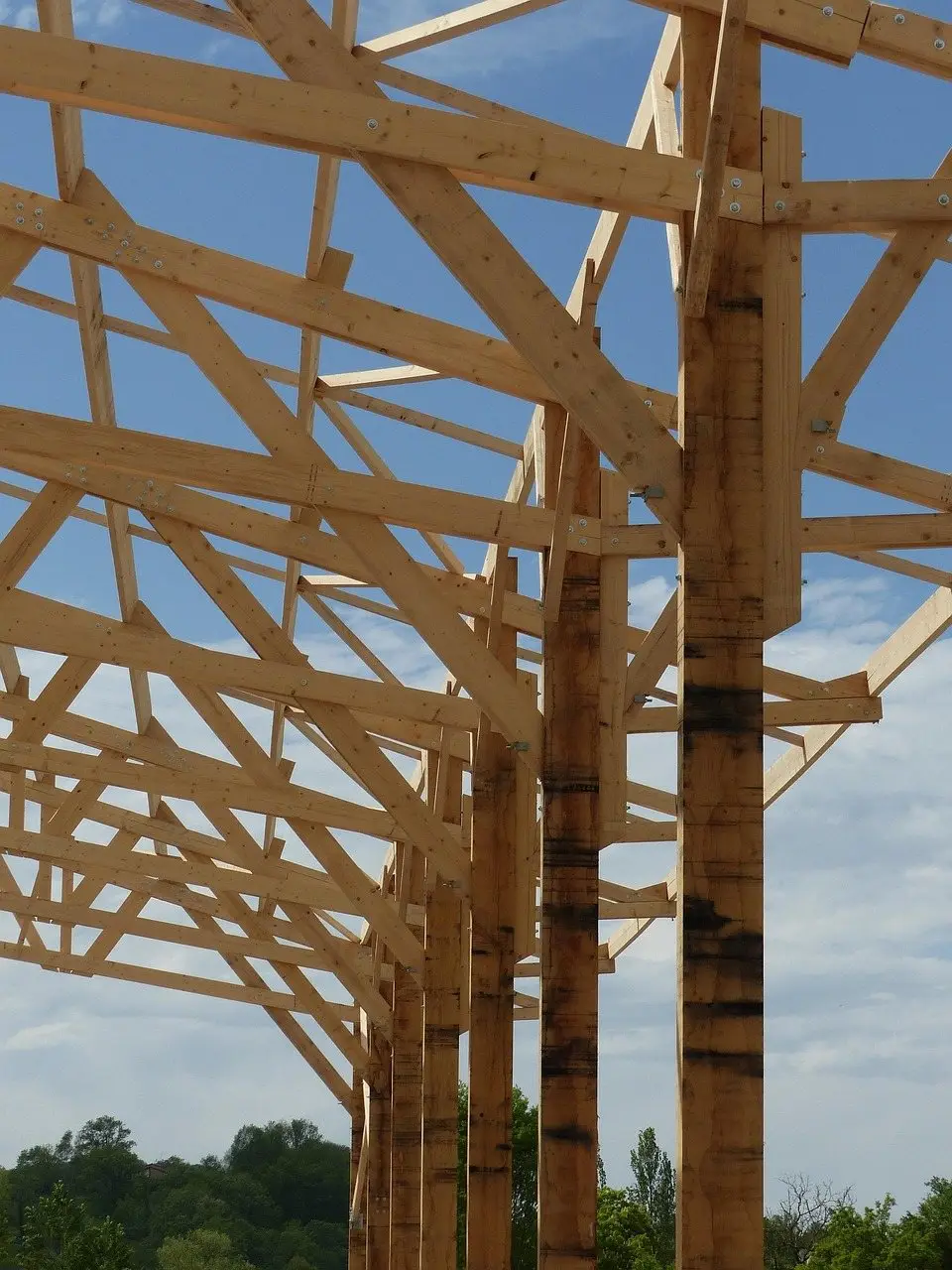
Site-built trusses from dimensional timber cost a fraction of ordered ones for a small shed. Span and pitch decide whether that is still the right call.
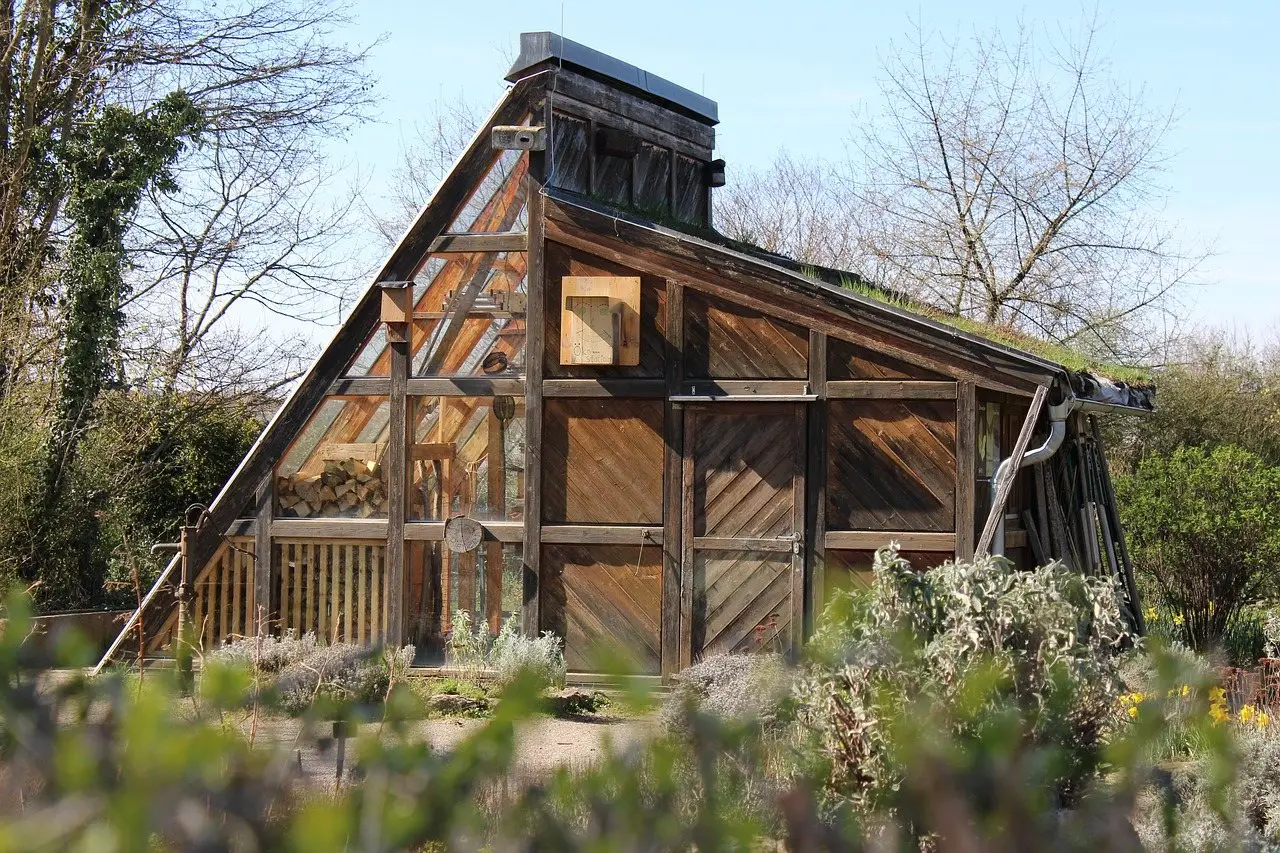
Most domestic greenhouses are rated for 50 to 70 mph, but almost all failures are anchoring and glazing clips, not the frame being overpowered.
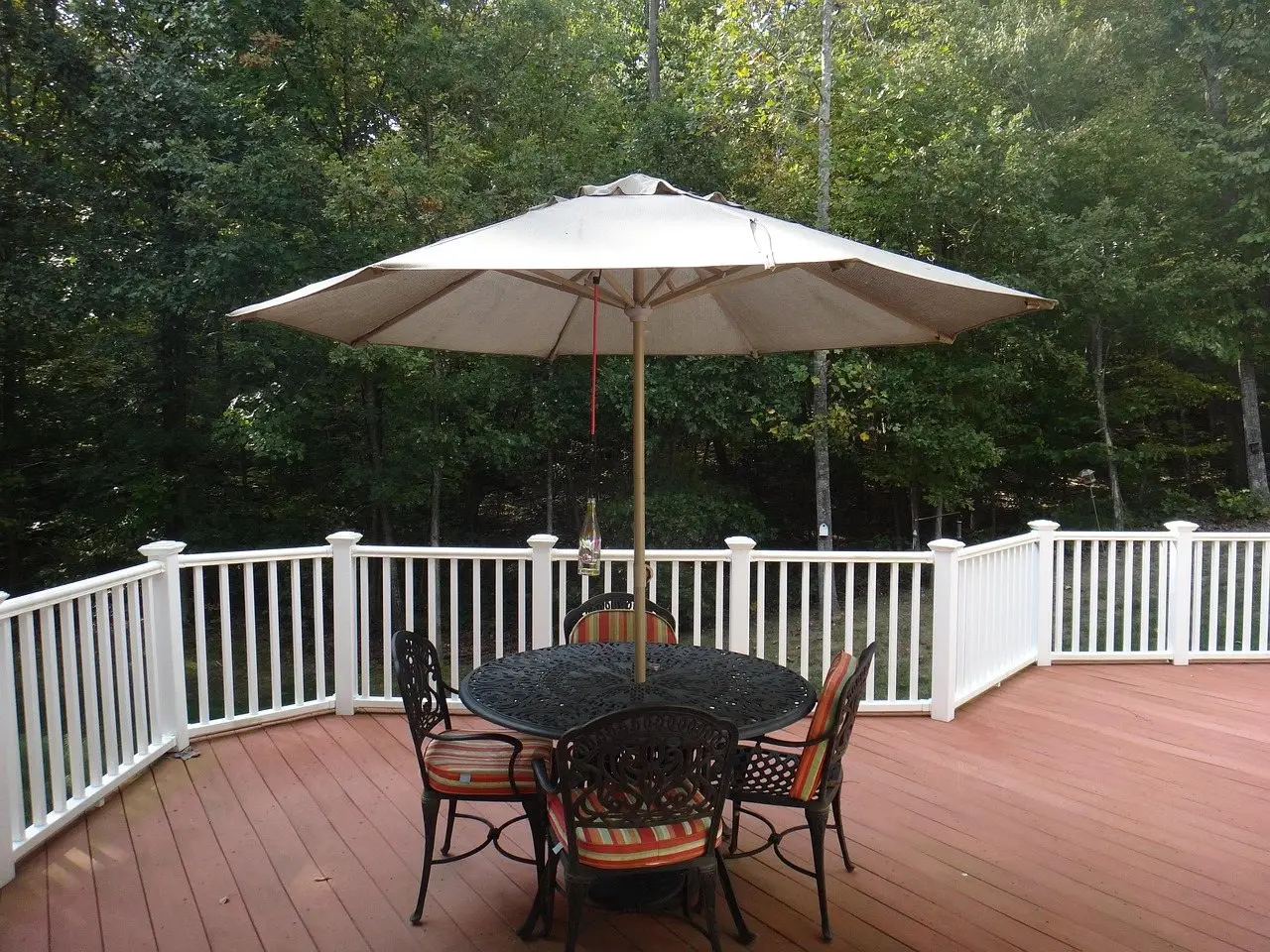
A concrete slab costs less per square metre and lasts longer. Decking wins where the ground slopes, because levelling for concrete is the real expense.
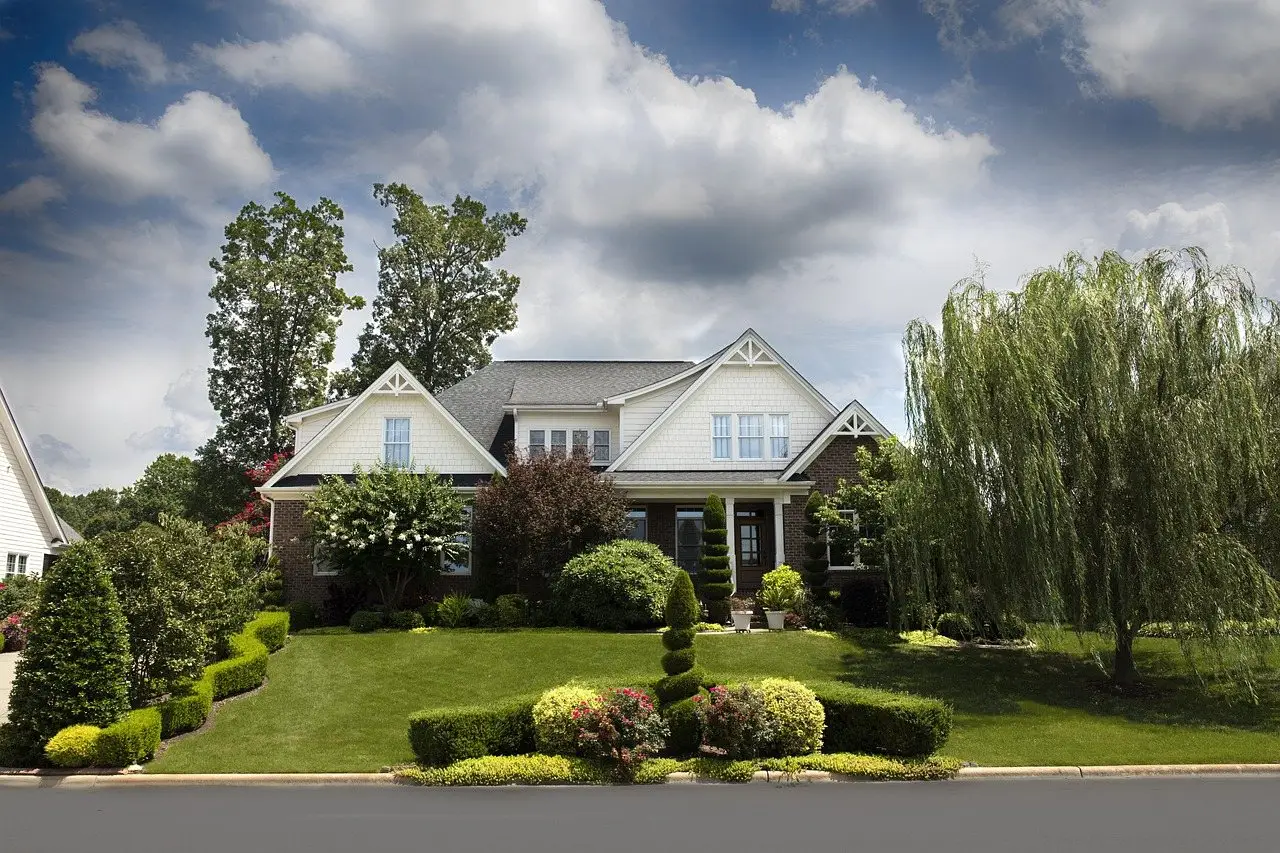
Mature planting and a tidy front garden reliably return their cost at sale. Pools, elaborate water features and bespoke structures rarely do.
Steel edging is the trade default because it is thin, bends to curves and stays put for decades. Plastic is the budget option and the one that lifts.
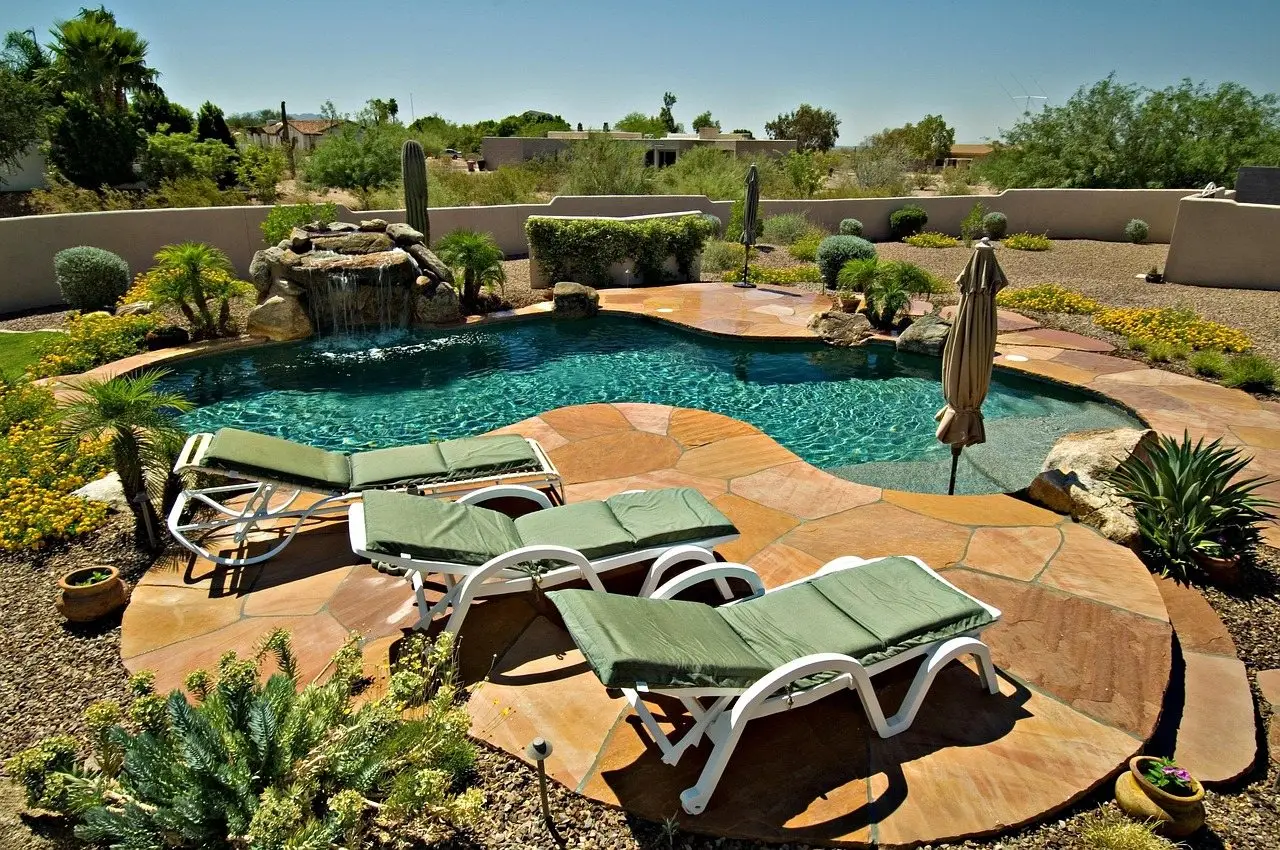
Around 10 by 20 feet is the usual sweet spot, but the deciding number is what is left over — a pool needs a metre of deck on every side to be usable.
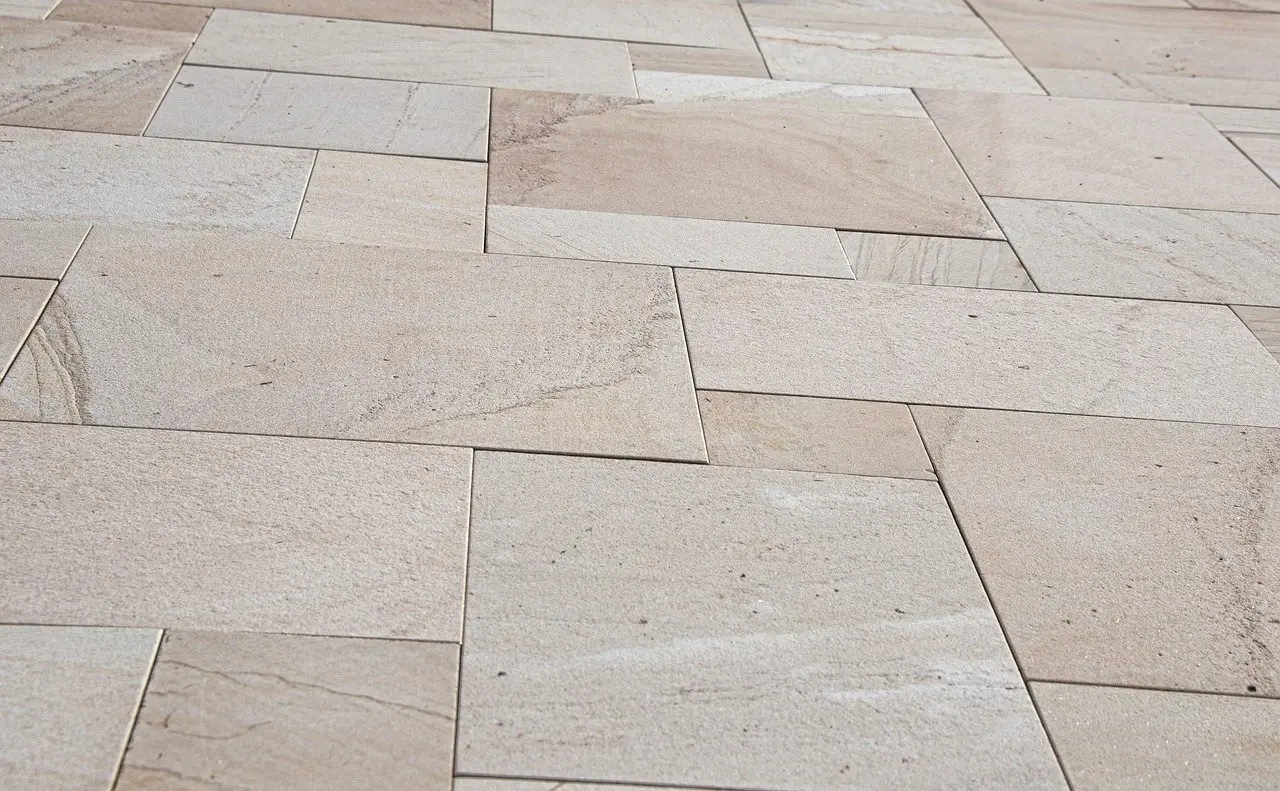
Concrete slabs are the cheapest solid option, porcelain the most maintenance-free, gravel the easiest to lay. The base matters more than any of them.
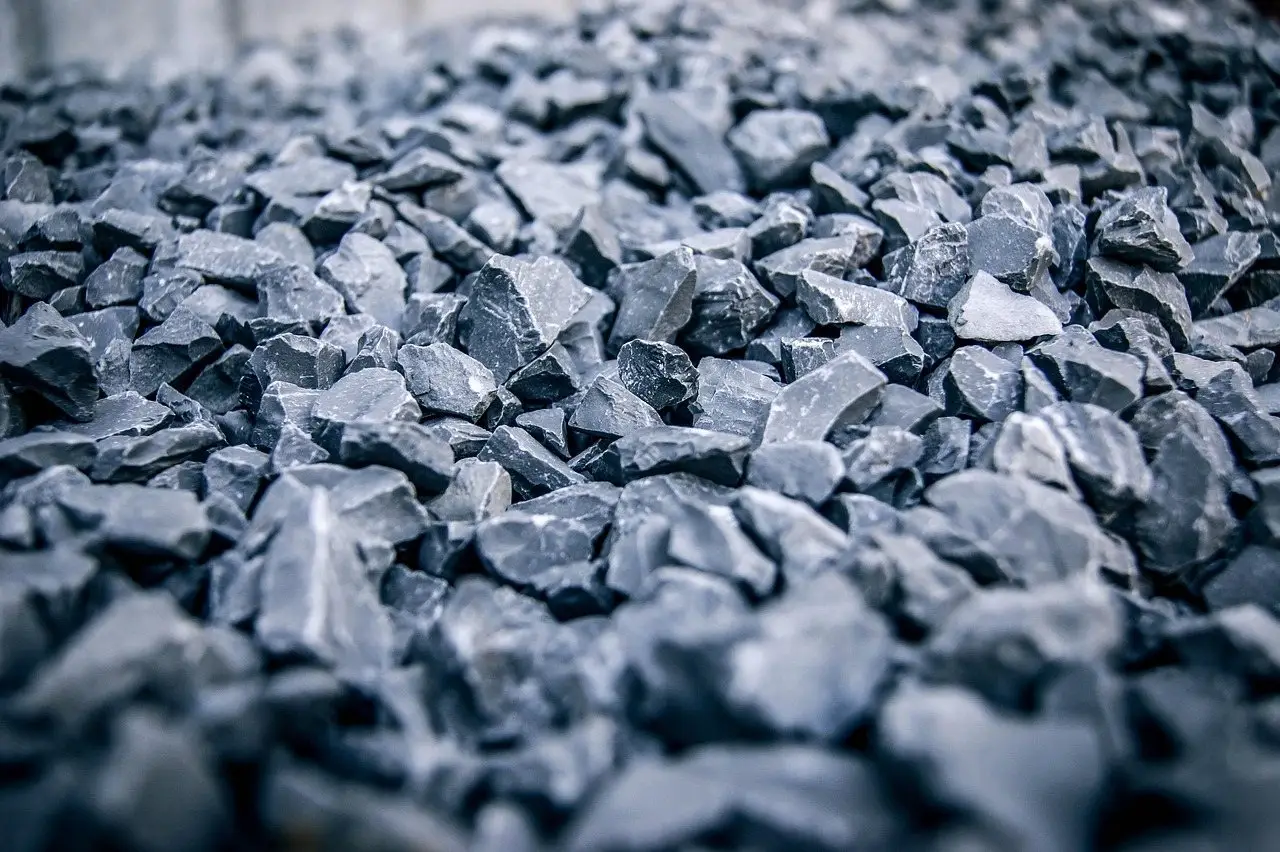
Gravel over landscape fabric is the standard answer: it drains, suppresses weeds and keeps the space dry. Solid plastic sheeting causes the problems it prevents.
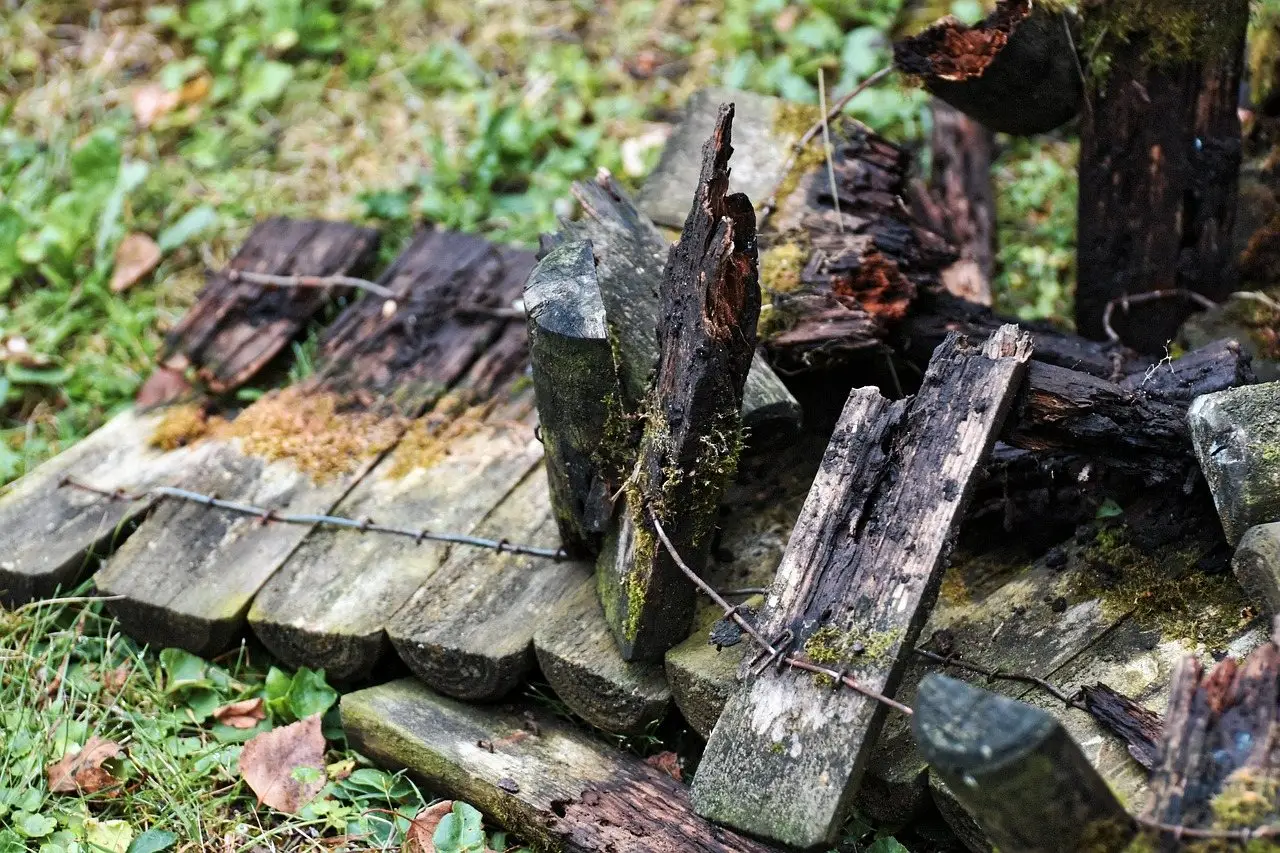
Solid stain lasts longest because pigment blocks UV; semi-transparent shows the grain and needs recoating sooner. Fences last far longer than decks either way.

Tomatoes, cucumbers, peppers, chillies and salad leaves are the reliable first crops. Each rewards protection, and none needs heat to succeed.
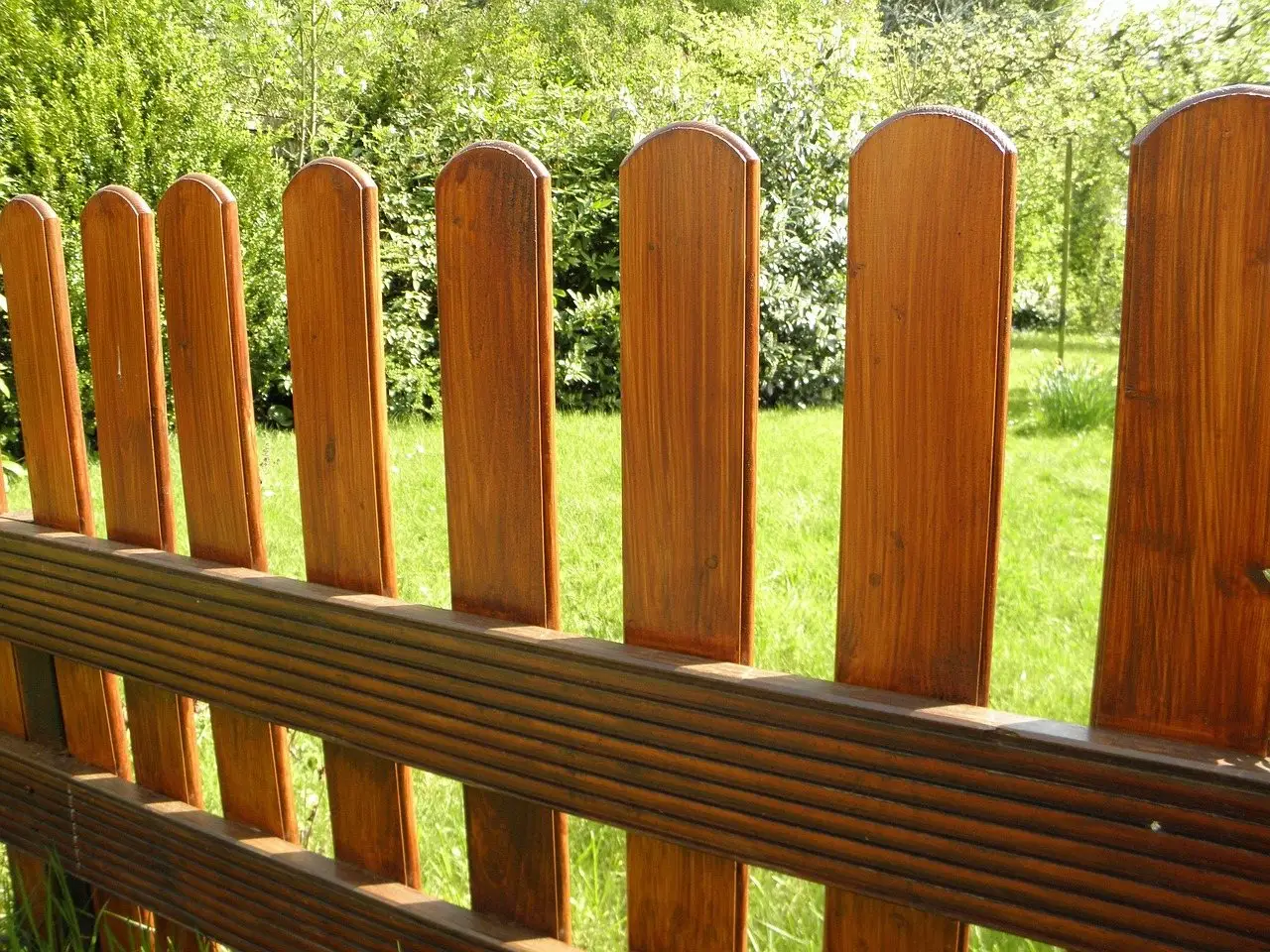
Vinyl and masonry outlast timber by decades because they do not rot. Among timber fences, the posts and the ground detail decide lifespan, not the boards.
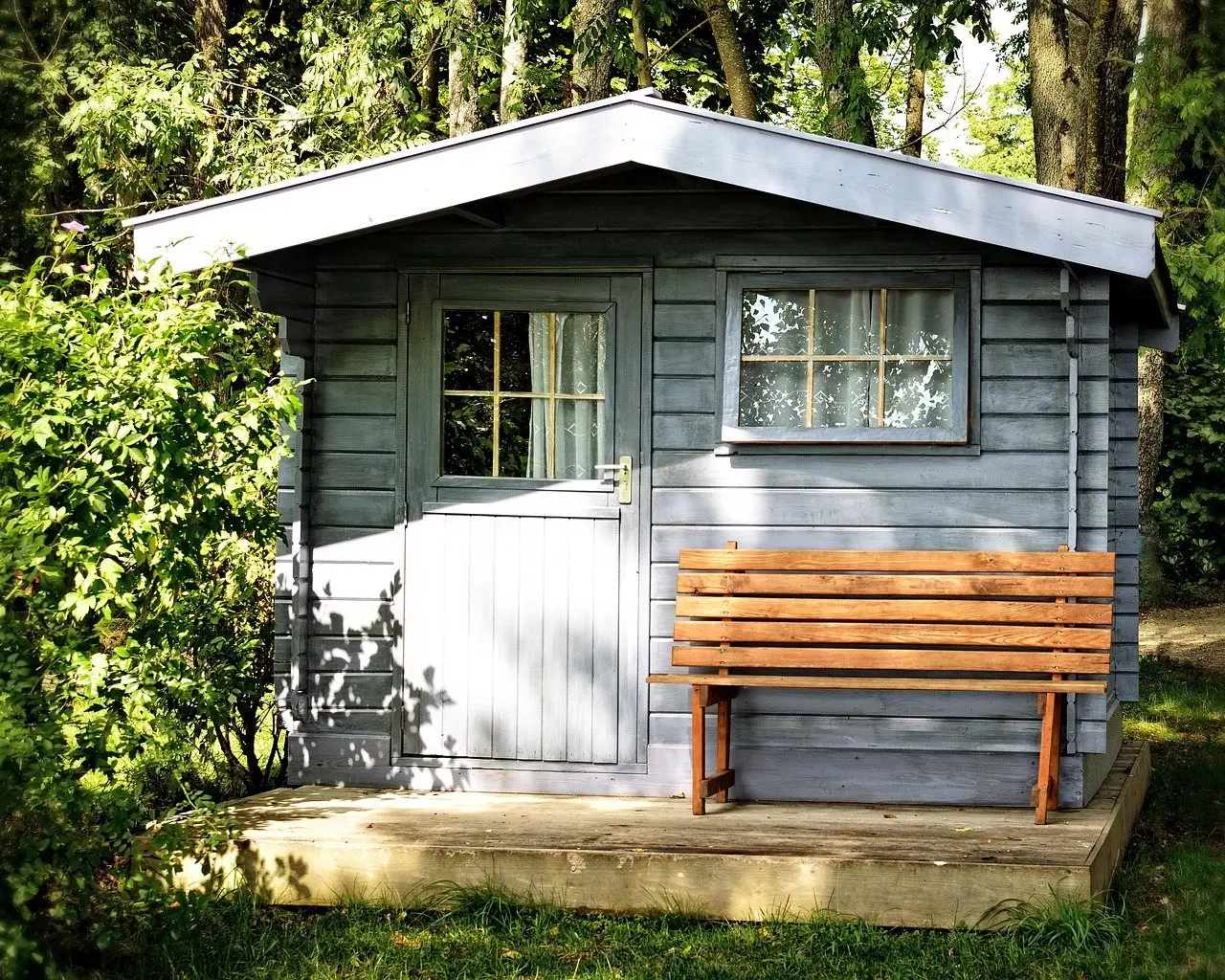
Pick the driest, most level spot you can reach with a barrow, keep it clear of boundaries and trees, and check the rules before the base goes down.
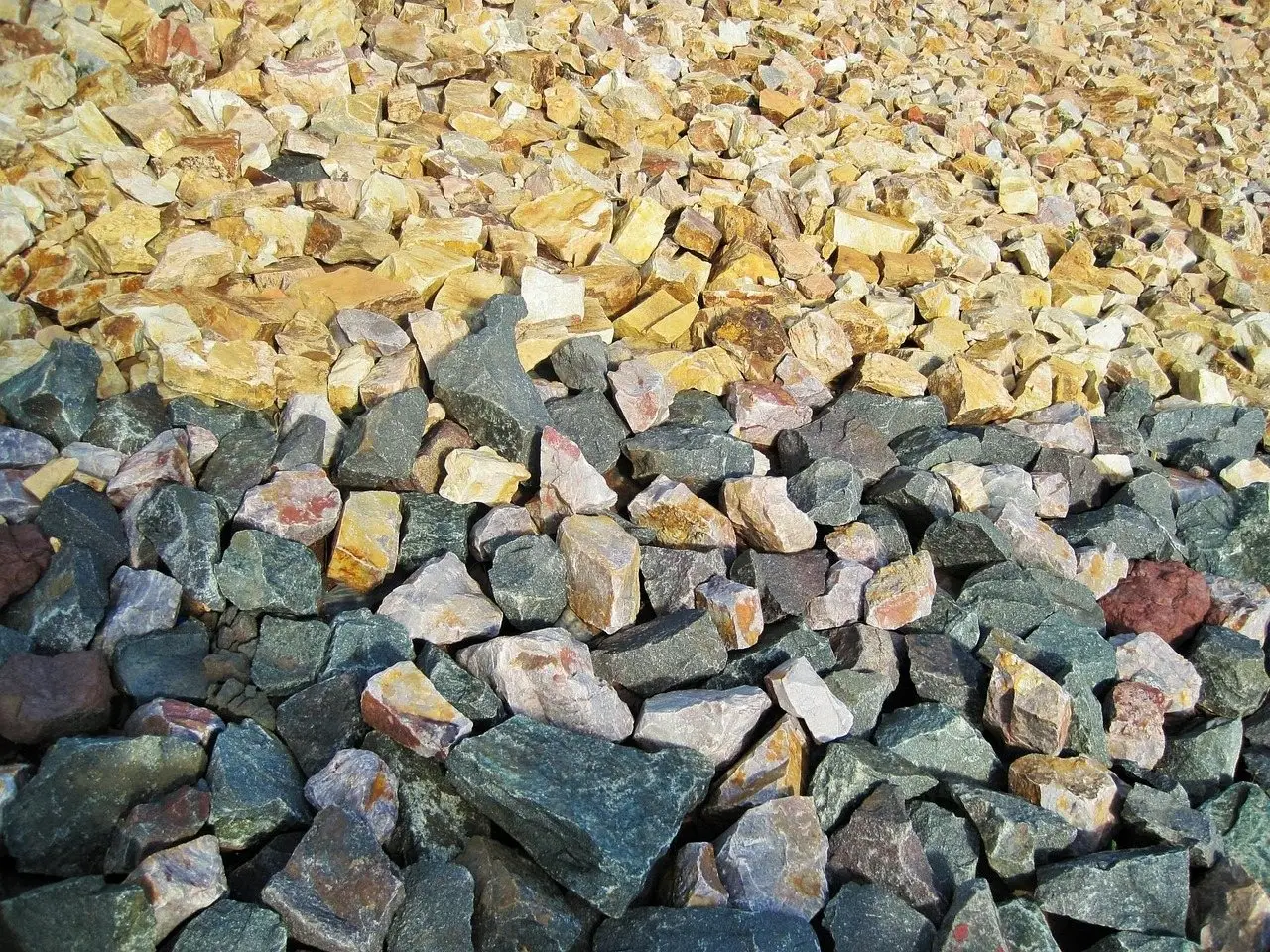
Rock is heavy, not biodegradable and refused by most kerbside collections. Giving it away locally almost always beats paying to skip it.
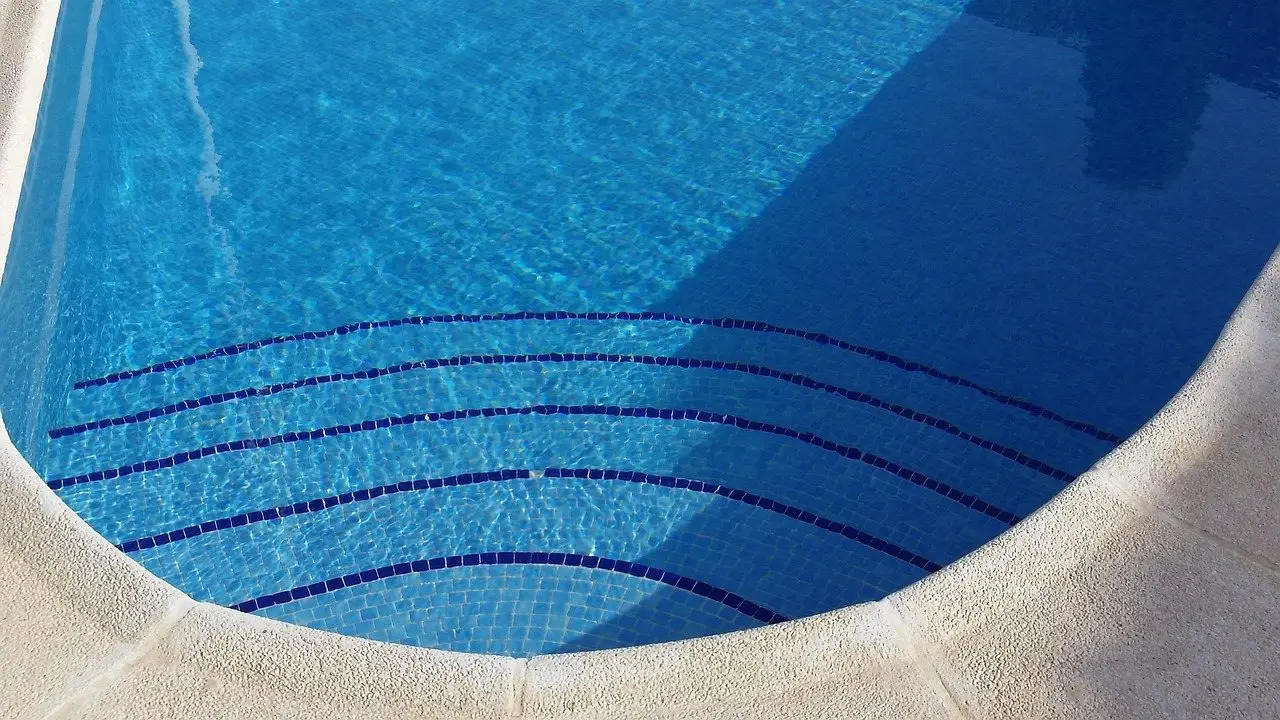
A concrete shell outlives everything but needs resurfacing every decade or so. Fibreglass asks least over its life; vinyl liners are the short straw.

A free-standing span suits an open garden, a lean-to a sunny wall, a polytunnel a big budget-conscious plot. The site picks the style, not taste.
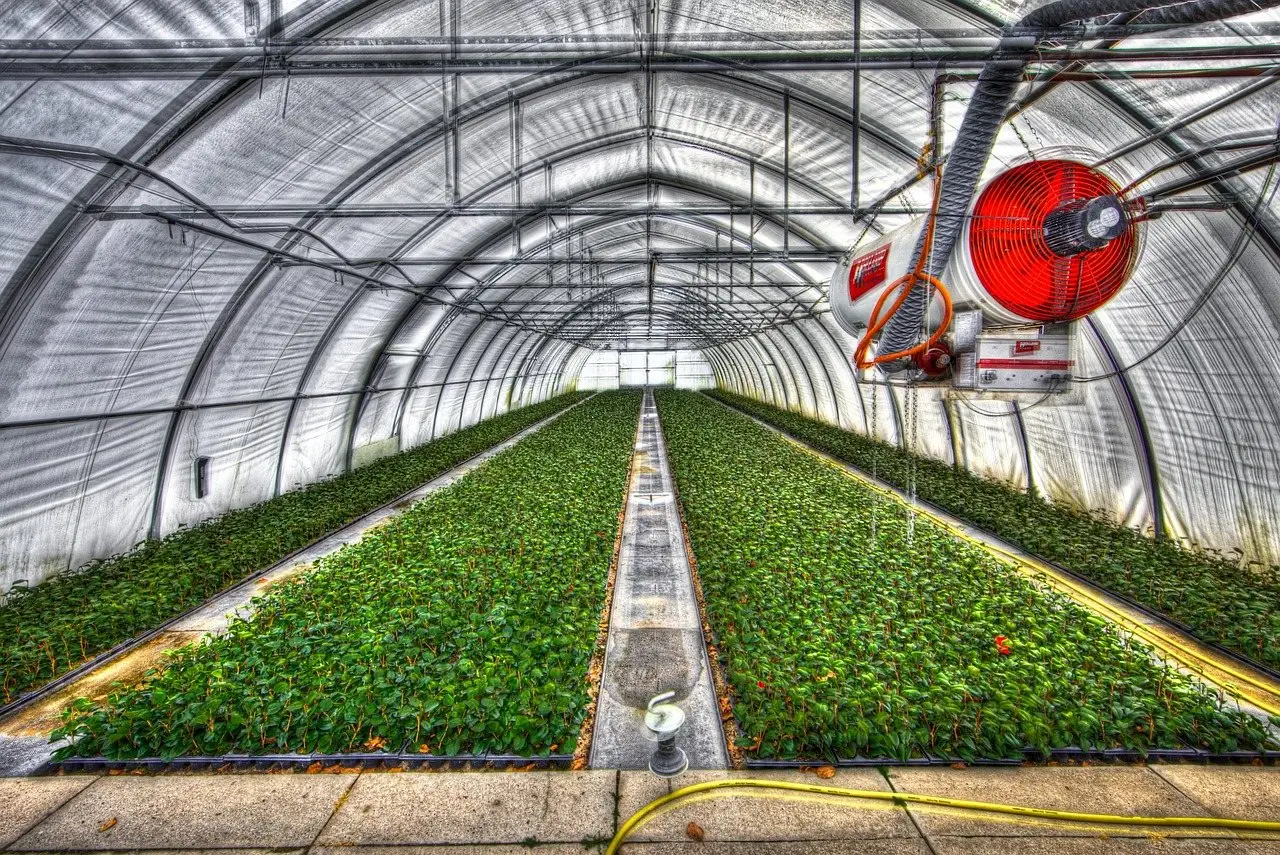
An unheated greenhouse growing your own food is a clear net positive. A heated one running through winter can emit more than the food it displaces.

Vinyl panels are made to slot into vinyl posts with matching routed slots. Retrofitting onto timber is possible with brackets, and usually not worth it.

Propane and gas patio heaters consume oxygen and produce carbon monoxide — outdoor appliances only. Electric radiant heaters are a different question.
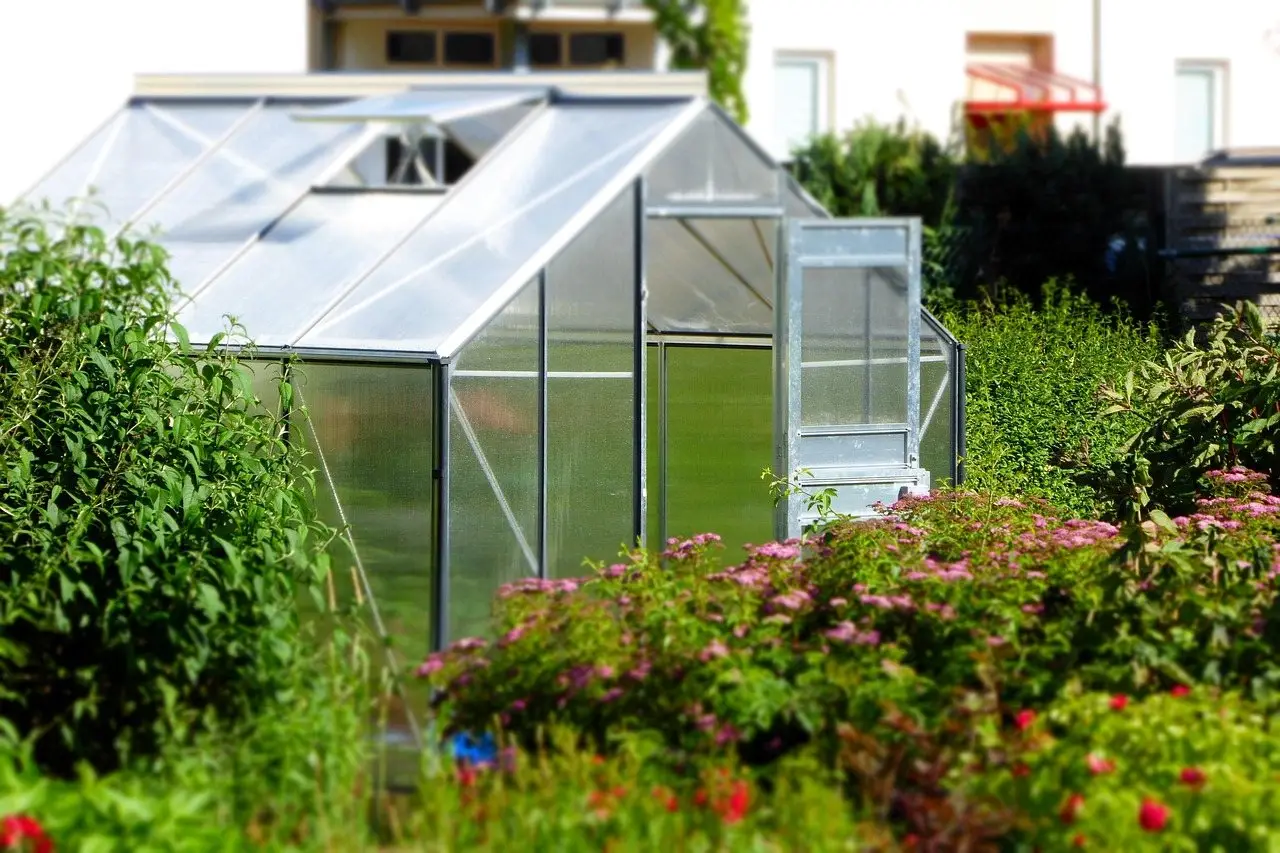
An unheated greenhouse extends the season by weeks at each end. Heating buys frost protection and winter growing, and the cost scales with ambition.
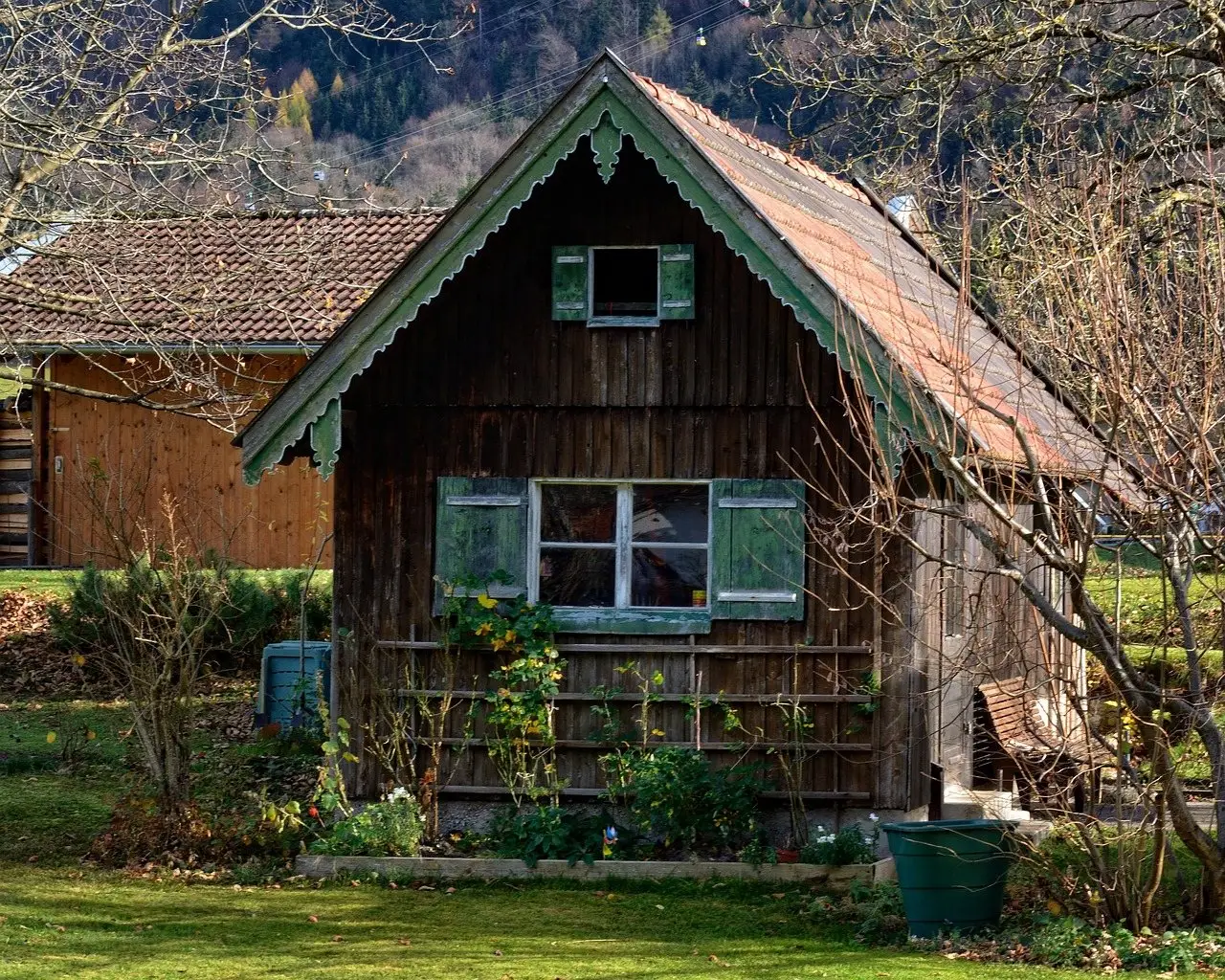
Often not, under permitted development — but height, footprint, position and what you use it for each have limits that turn it into a planning application.
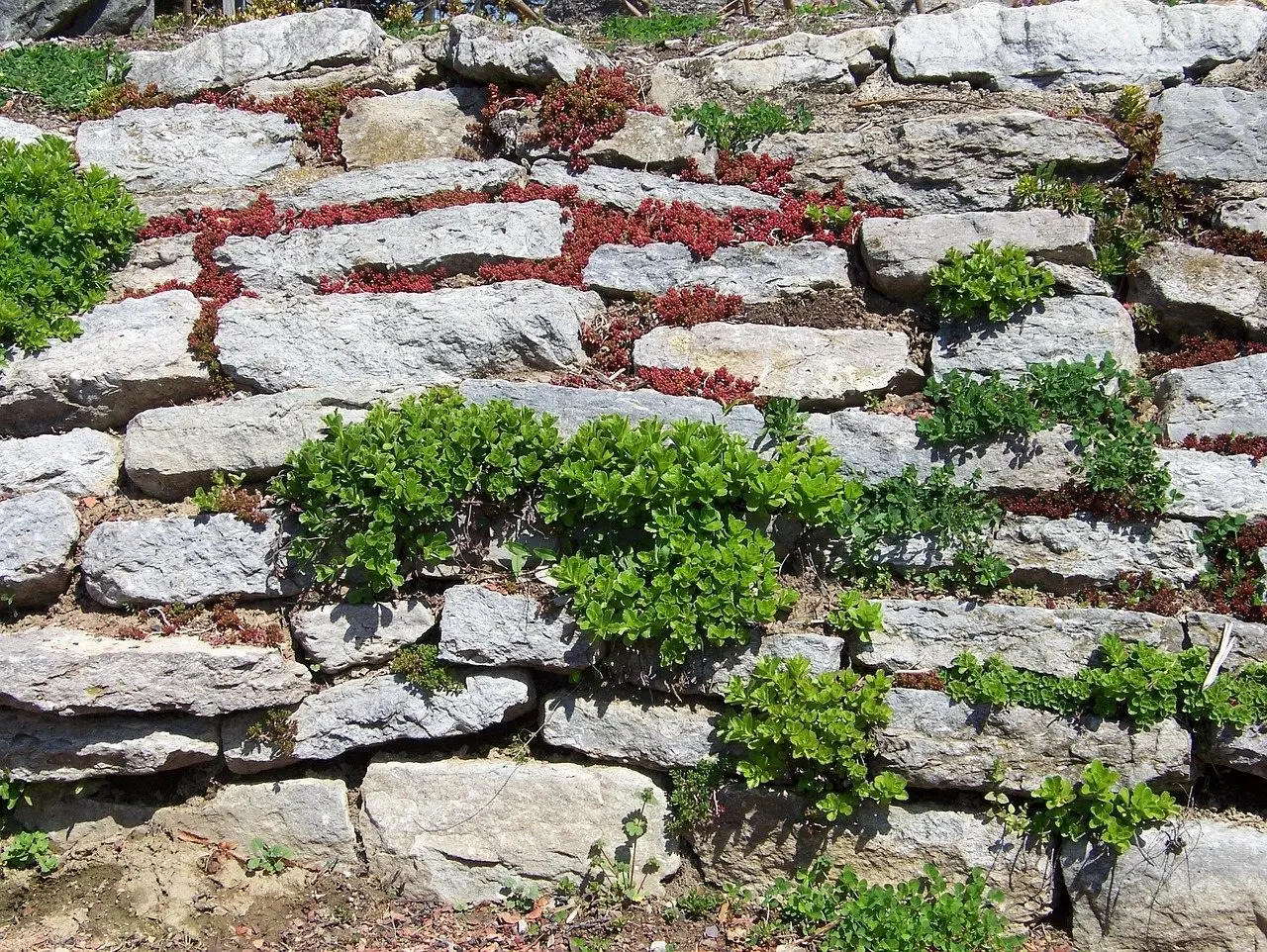
Height is the wrong test. What the wall is holding back and how water reaches it decide whether gravel and a pipe are optional or essential.
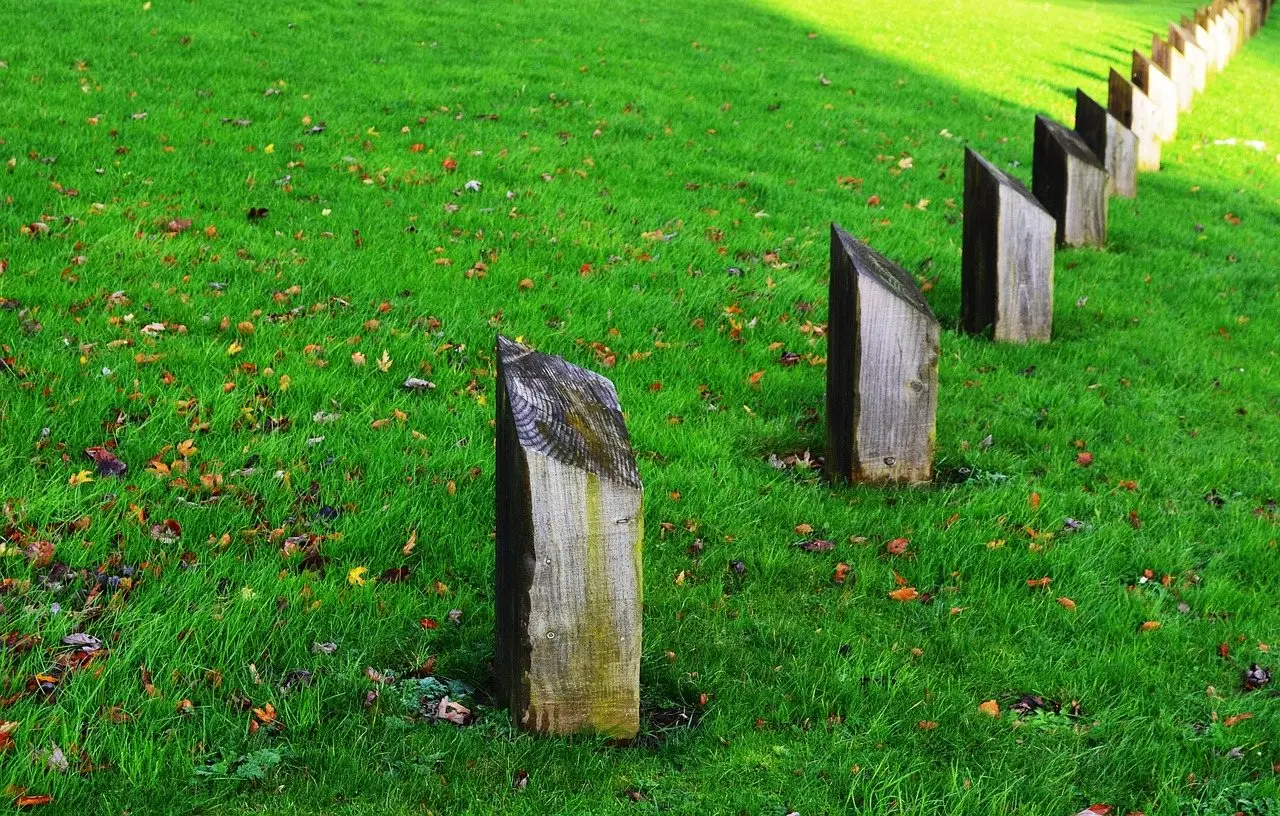
A third of the post above ground, buried, is the working rule — and below the frost line wherever ground freezes. Width matters as much as depth.
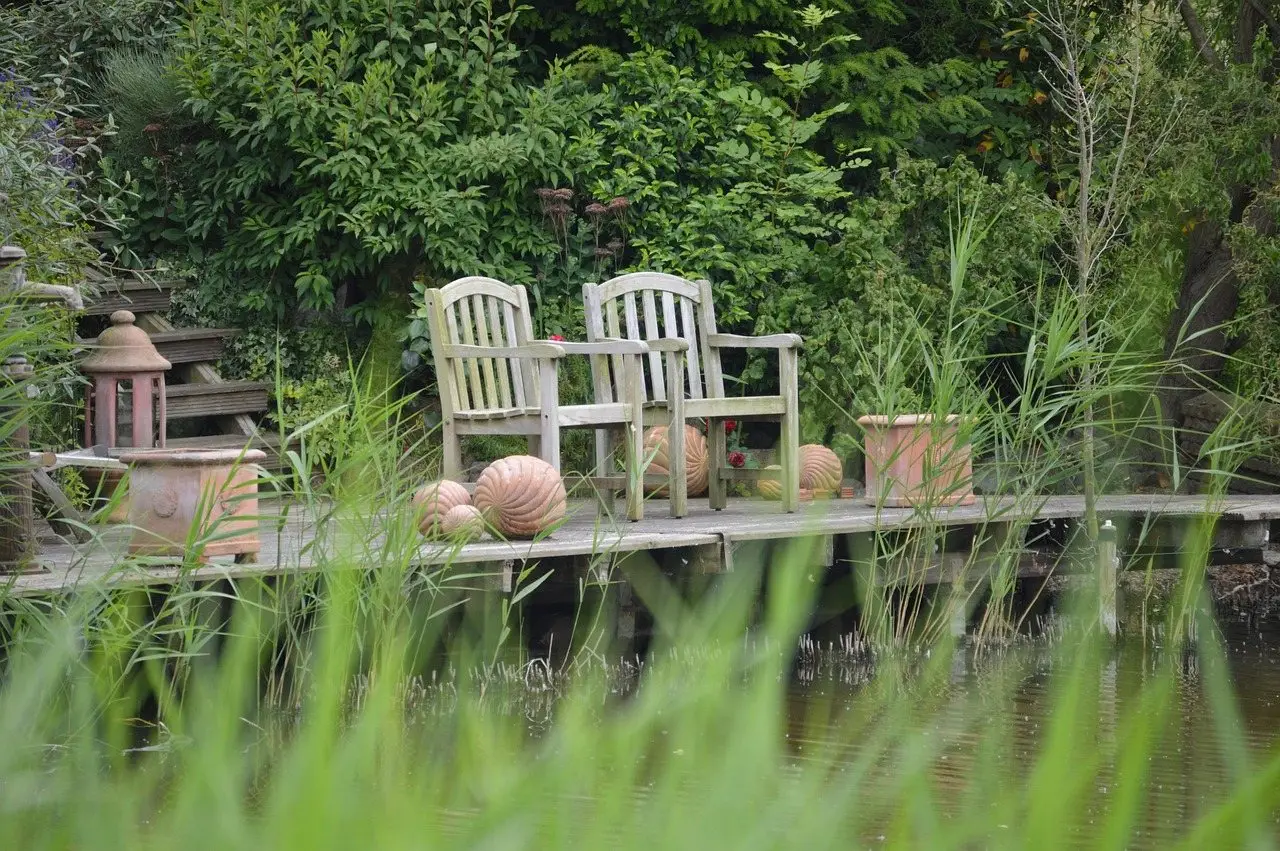
Light foot traffic after 24 to 48 hours, furniture back after about 72. Touch-dry is not cured, and that gap is where most new finishes get damaged.
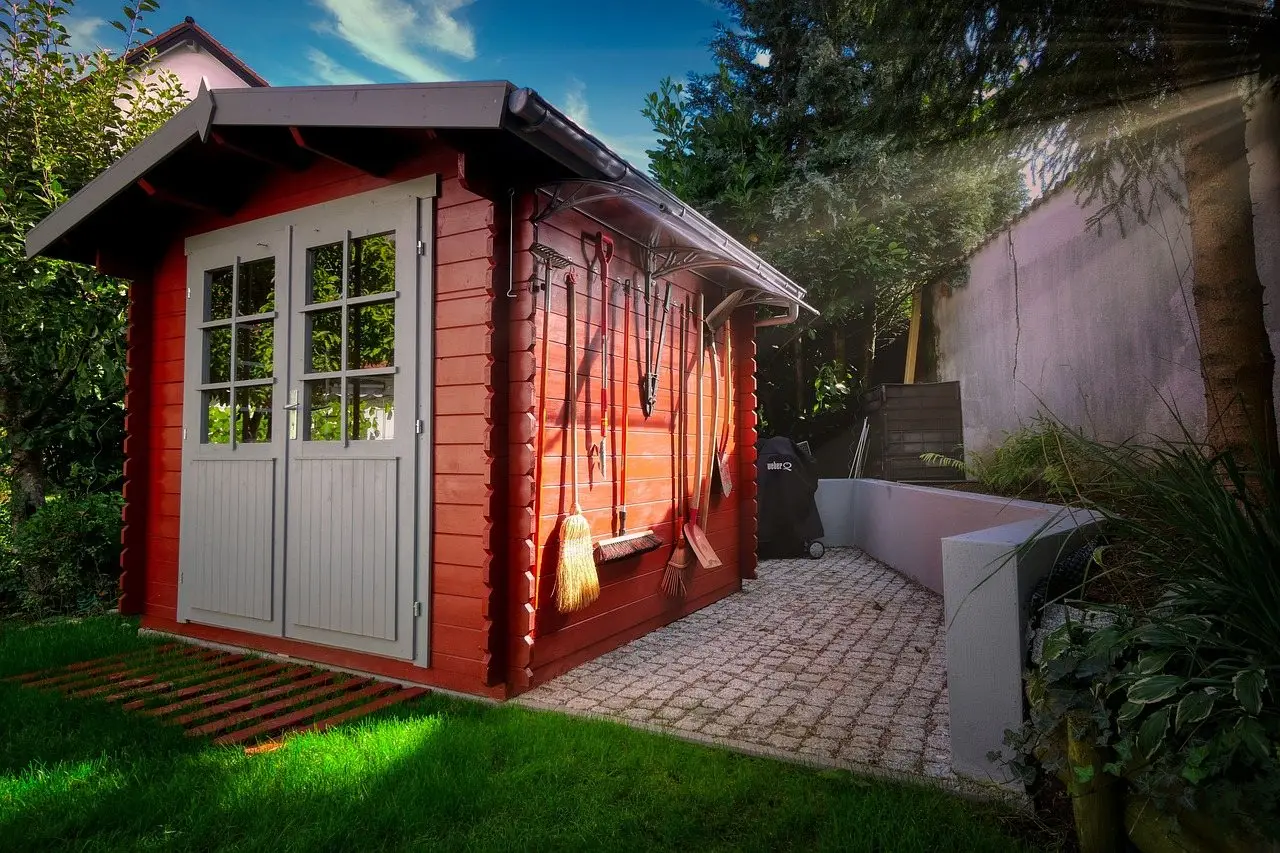
Hard landscaping dominates every quote — paving, walls and drainage. Planting is the cheap part, which is why phasing the work changes the total so much.
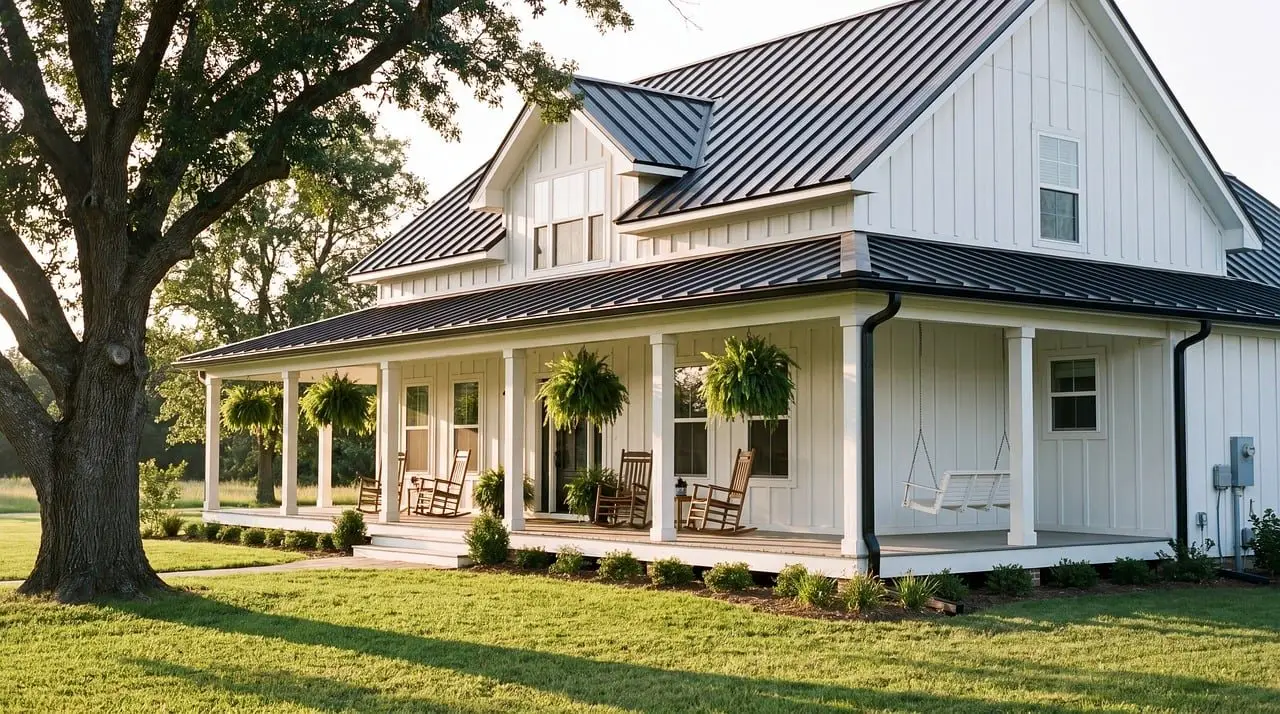
More than an open patio, because a roof makes the space usable in more weather. Permits and build quality decide whether it counts for anything at all.

It is the default for good reason — rot resistance at low cost. The catches are movement as it dries, cut ends, and matching the treatment to the use.

Foxes, badgers, rabbits, rats, groundhogs and dogs all tunnel under boundaries. Hole size, shape and spoil tell you which before you spend on fencing.
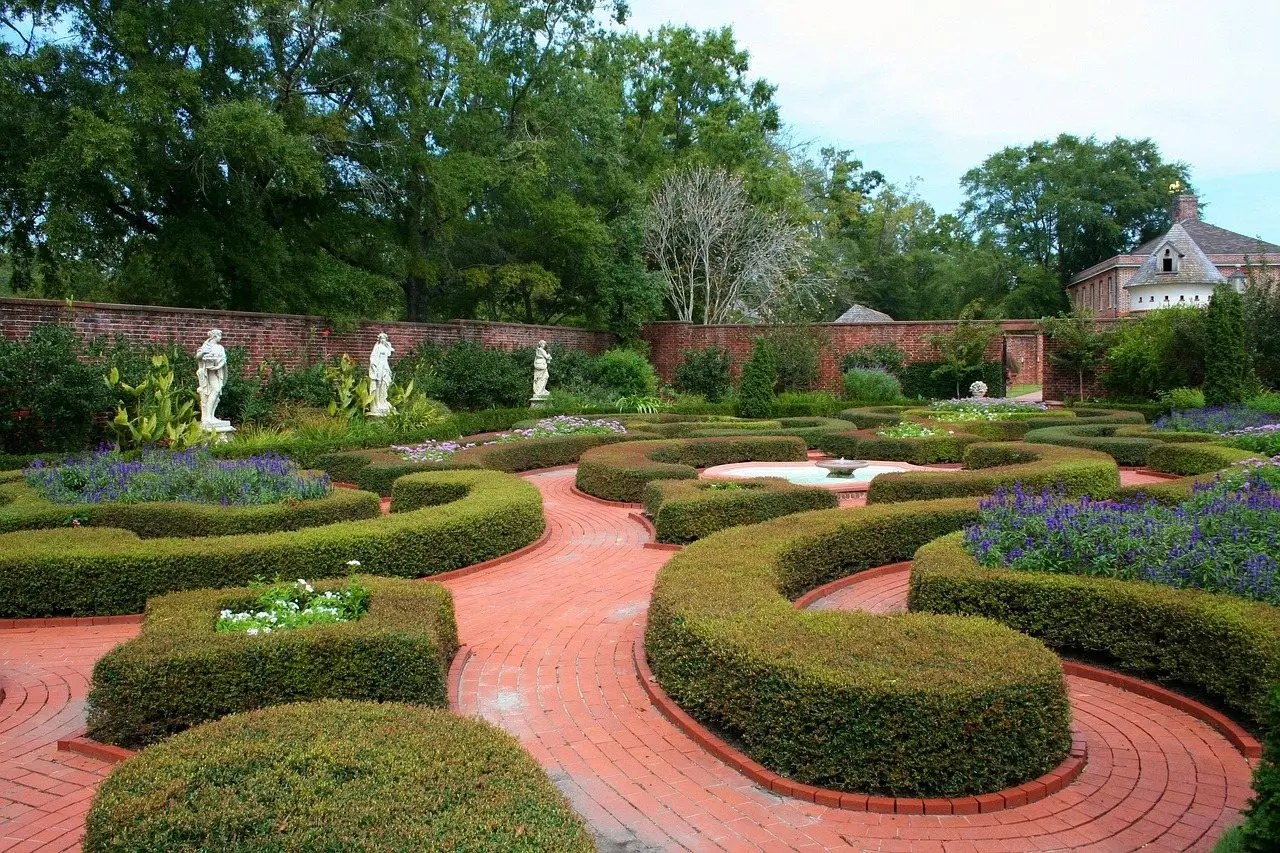
Unity, balance, proportion, rhythm, emphasis, contrast and transition. Each is a question to ask about a garden, not a rule to follow blindly.

Take the cue from your house walls and roof, not from the garden centre display. Pale rock bounces heat and shows dirt; dark absorbs it and hides stains.
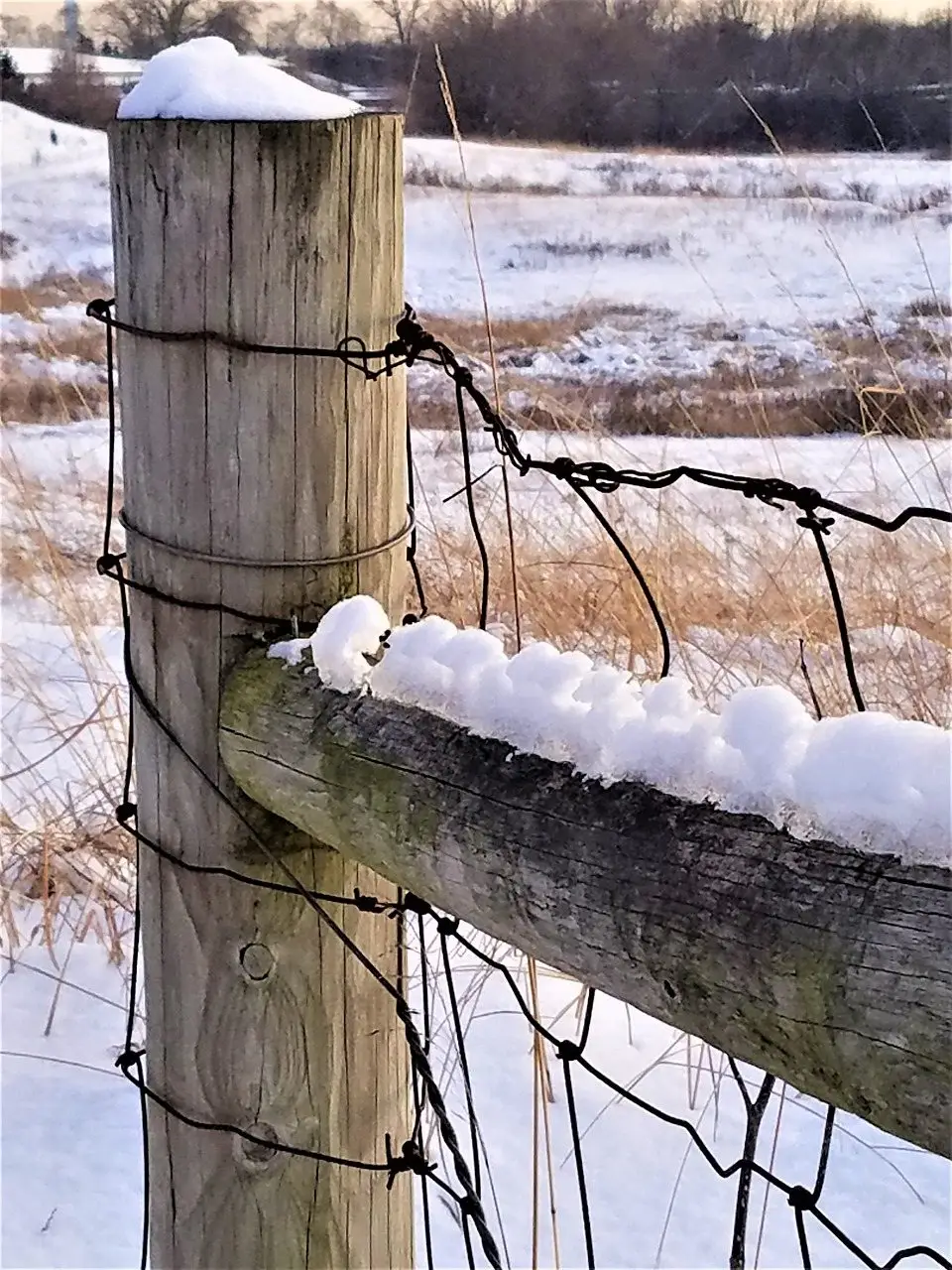
Wire and welded mesh cost least per foot, hog wire panels look better for little more, and pressure-treated pickets are the cheapest solid option.
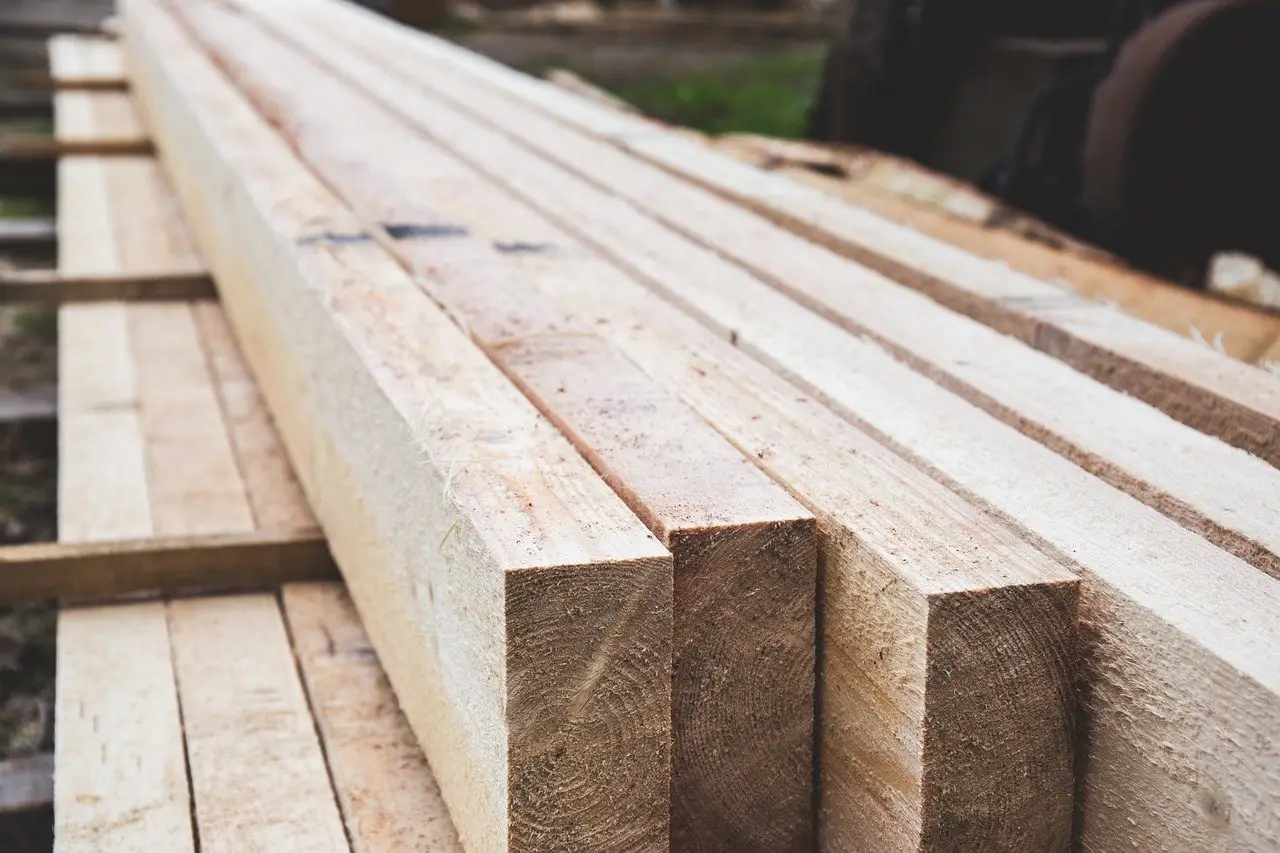
Sound boards make raised beds, compost bays and fencing. But treated timber rules out some uses entirely, and that is the first thing to establish.
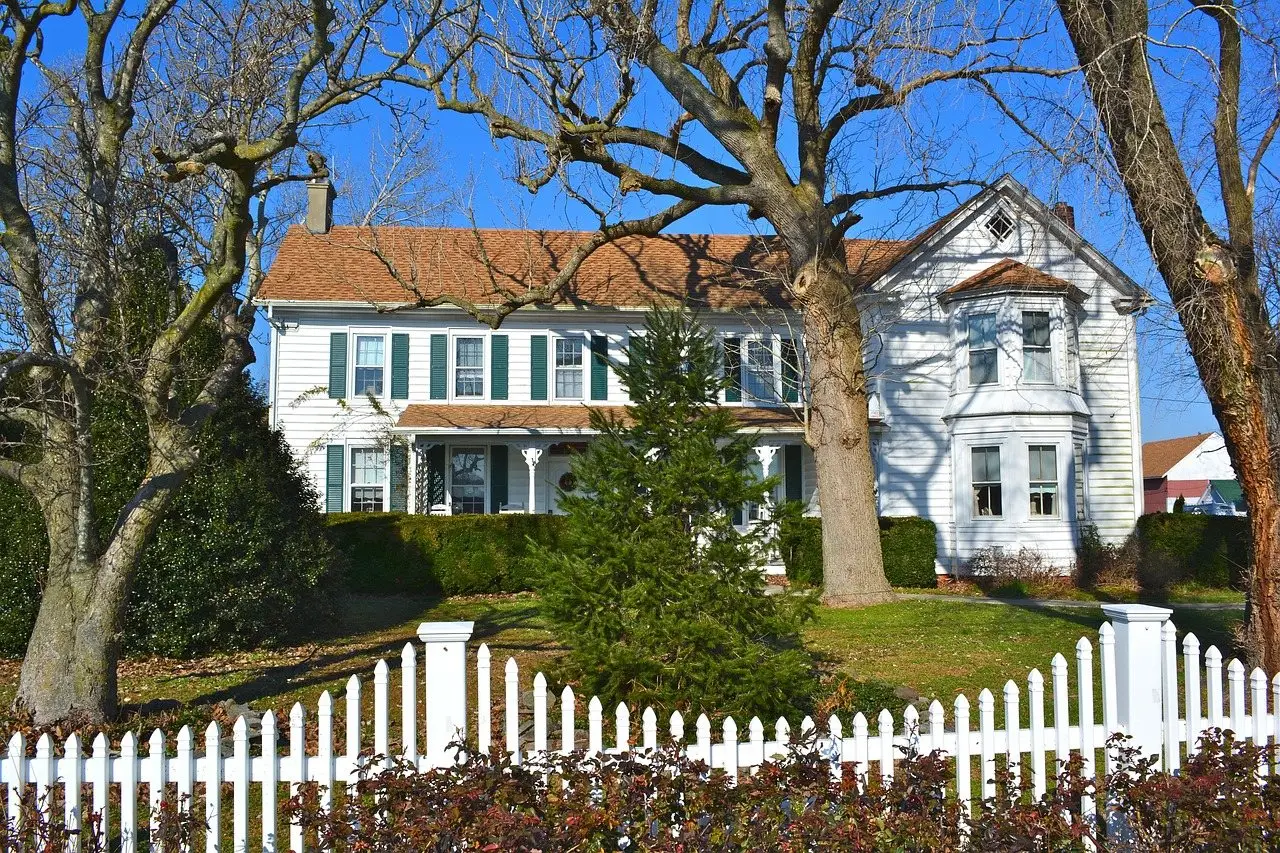
Buyers respond to a fence that looks sound and matches the house far more than to any particular material. A failing fence subtracts reliably.

Weekly is a habit, not a rule. Combined chlorine above 0.5 ppm, heavy use, storms and algae are the signals that actually call for a shock treatment.
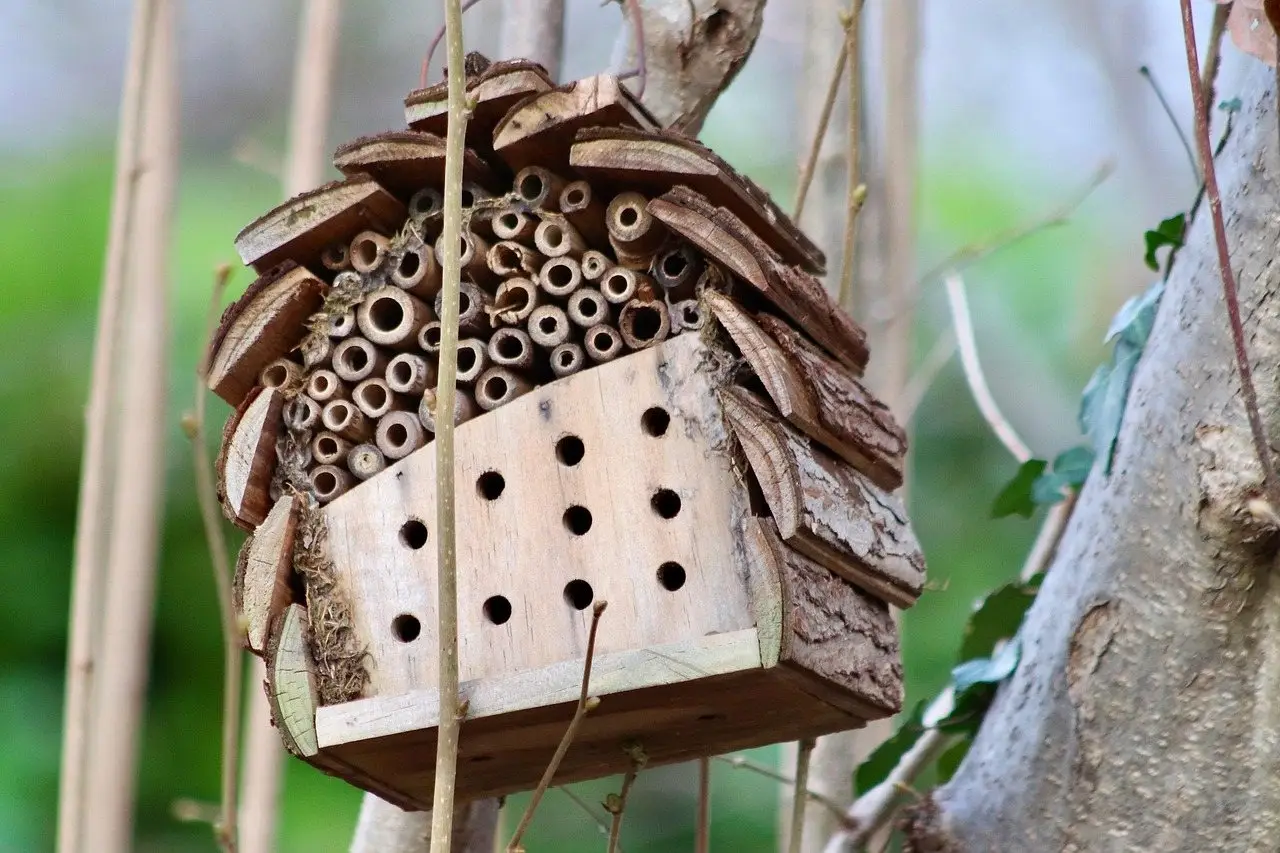
Morning sun, a rainproof overhang and a firm fixing matter more than what is inside it. Height and aspect decide whether solitary bees use it at all.
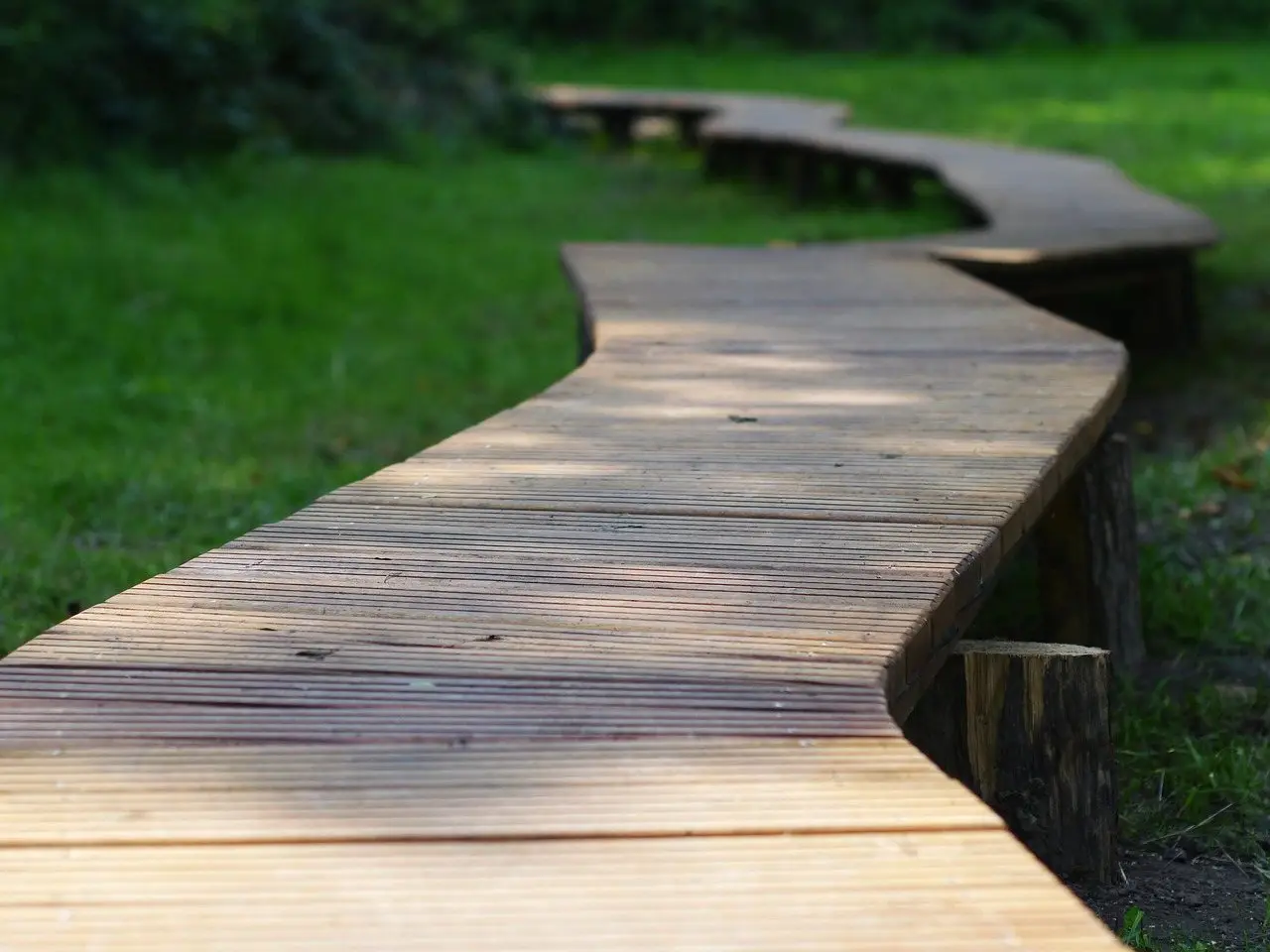
Opacity predicts lifespan better than brand or base. Solid stains last longest because pigment blocks UV — and that is the trade you are making.
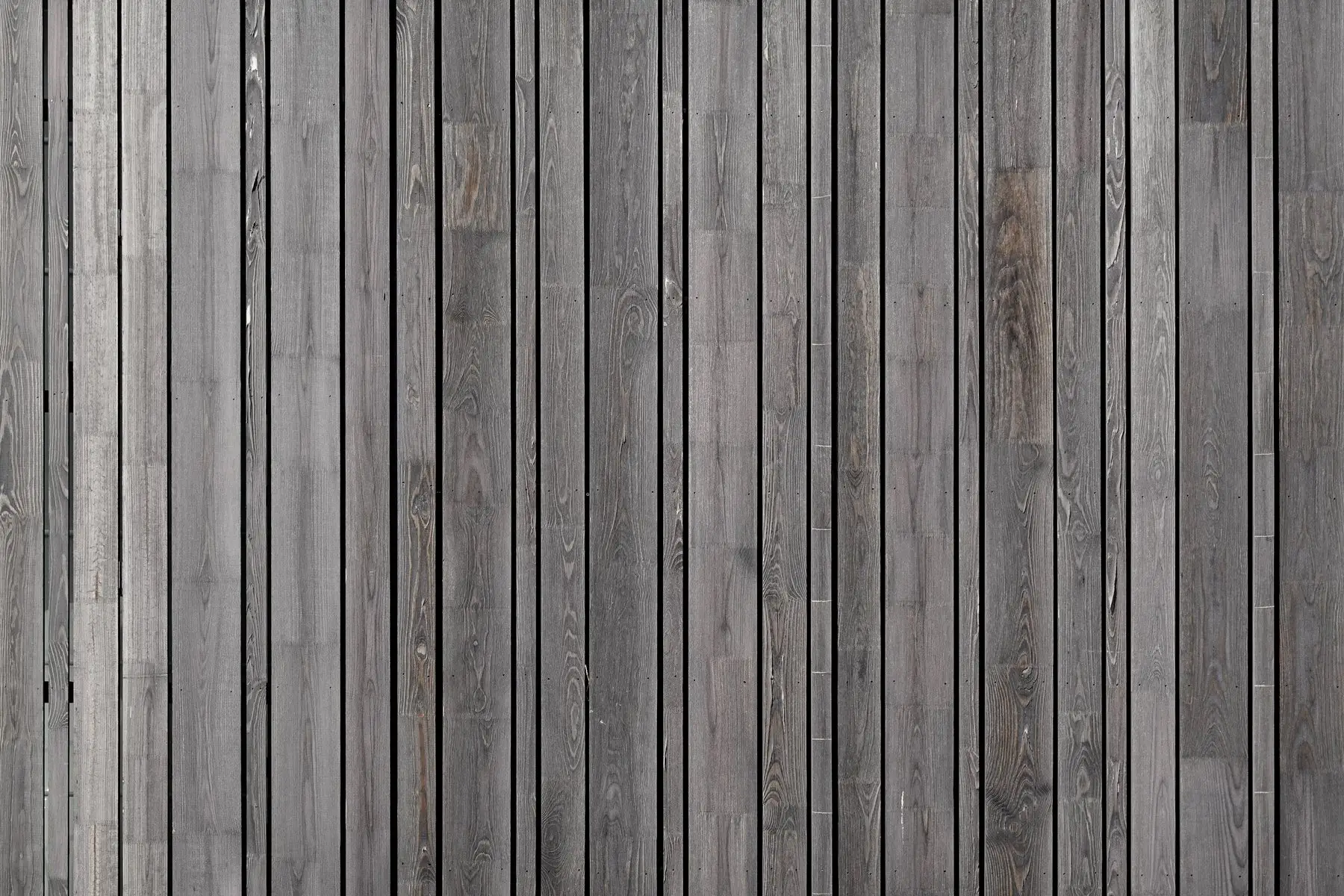
Cedar boards outlive cedar posts by a wide margin, and the posts are what fail. Realistic lifespans, what shortens them, and the one build detail that matters.
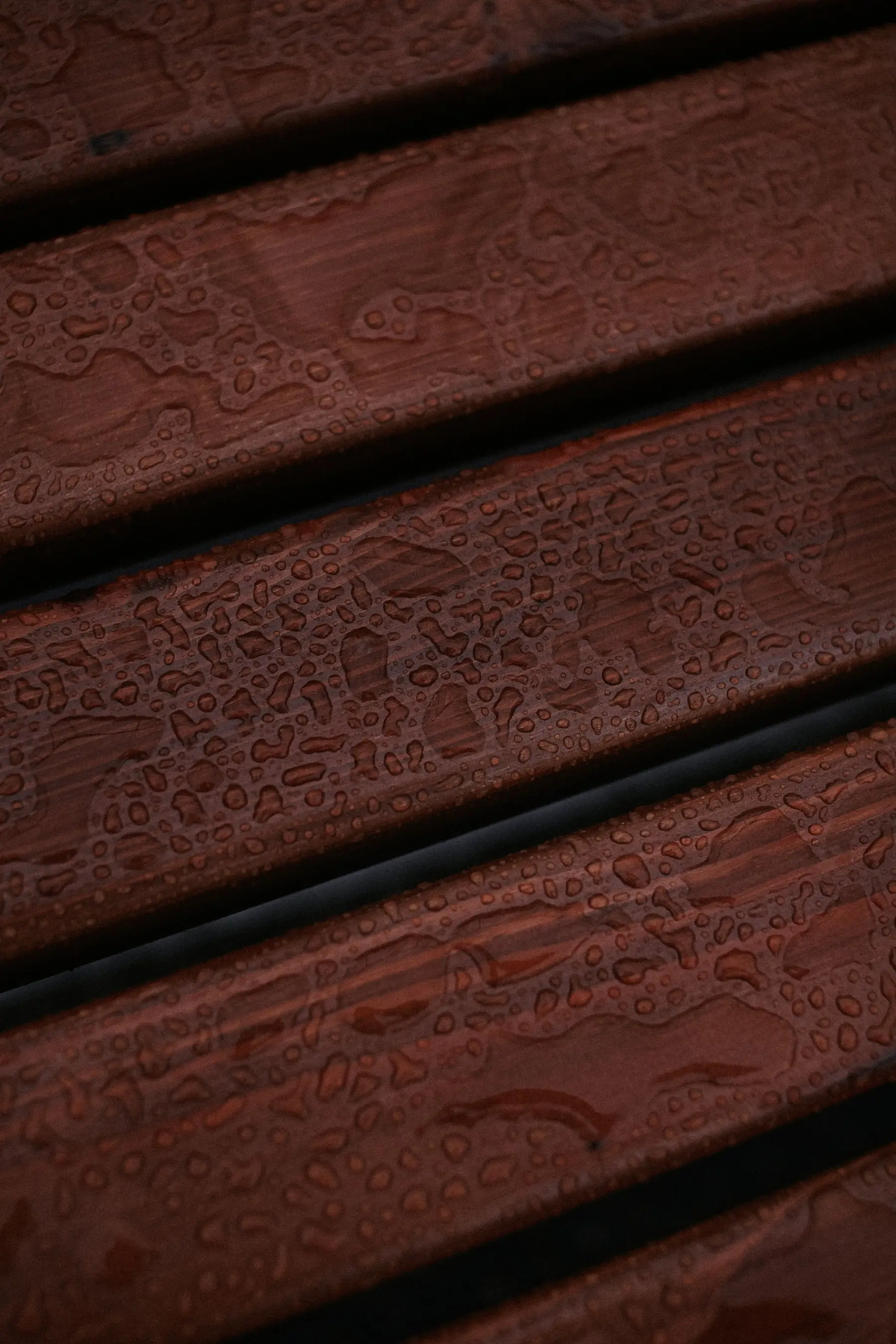
Most deck stains need 24 to 48 hours of dry weather, water-based less. The forecast window to look for, and how long to wait after rain before staining.
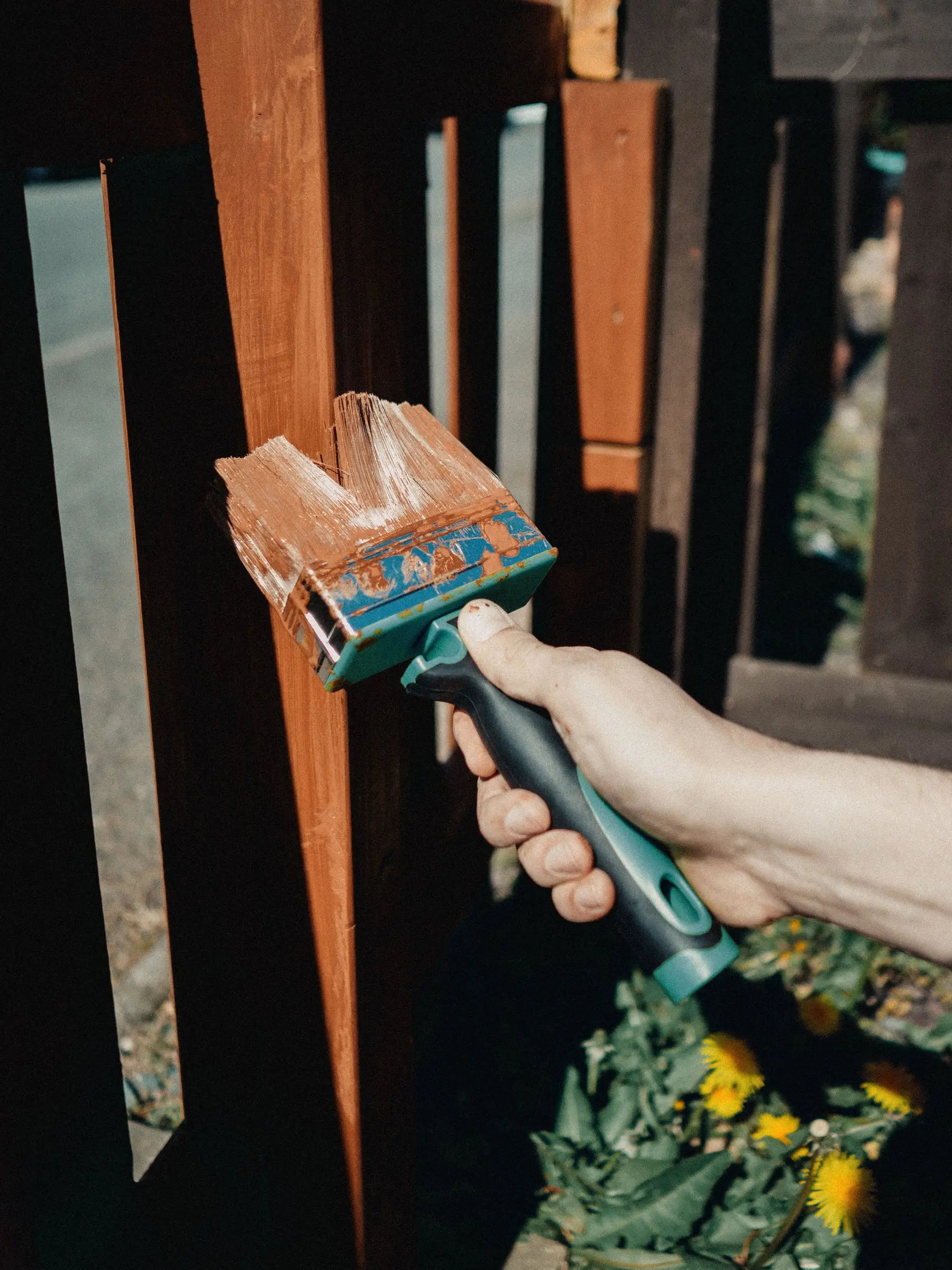
Semi-transparent stain lasts 2–3 years, solid 3–5, clear sealer about one. But the water bead test beats any schedule — here is how to read your own deck.
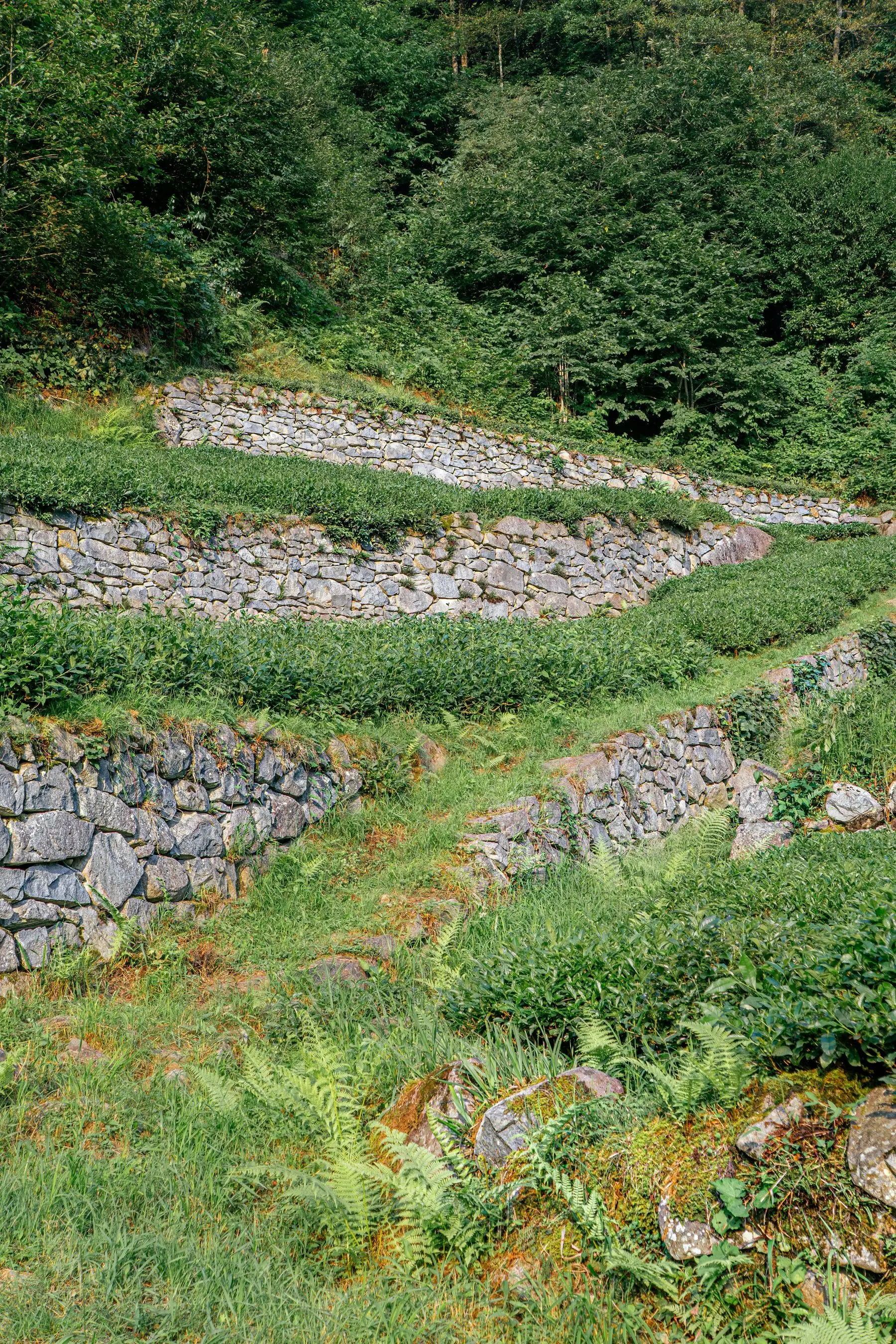
Terracing a slope is mostly drainage and wall height, not planting. How to size the tiers, where permits start, and the cut-and-fill that saves soil.

Adding soil over roots suffocates them and cutting them risks the tree. What you can safely do instead, and why the raised bed idea kills mature trees.
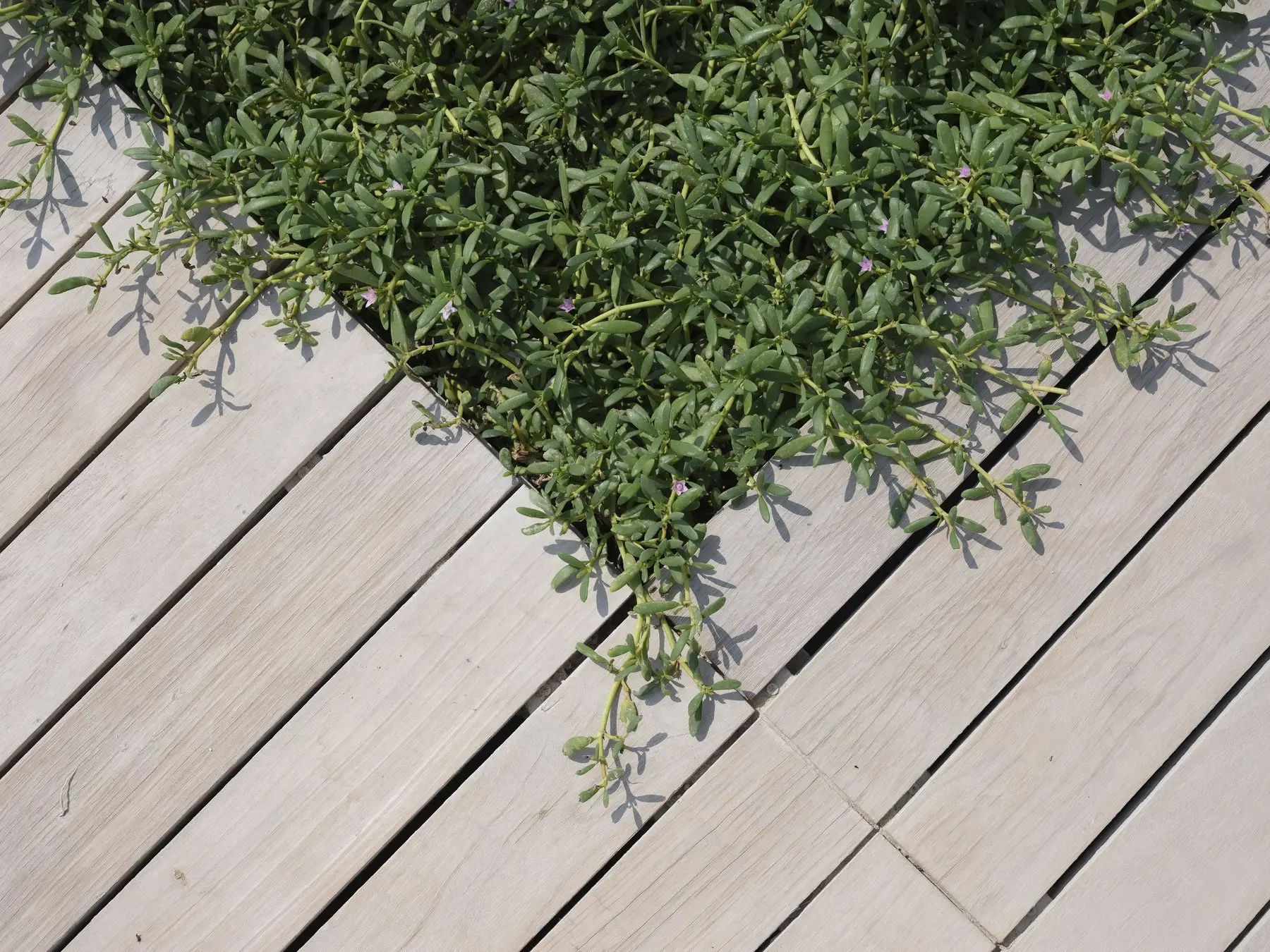
New pressure-treated lumber has to dry before it will take stain. How long that actually takes, the test that settles it, and the deadline you should not pass.
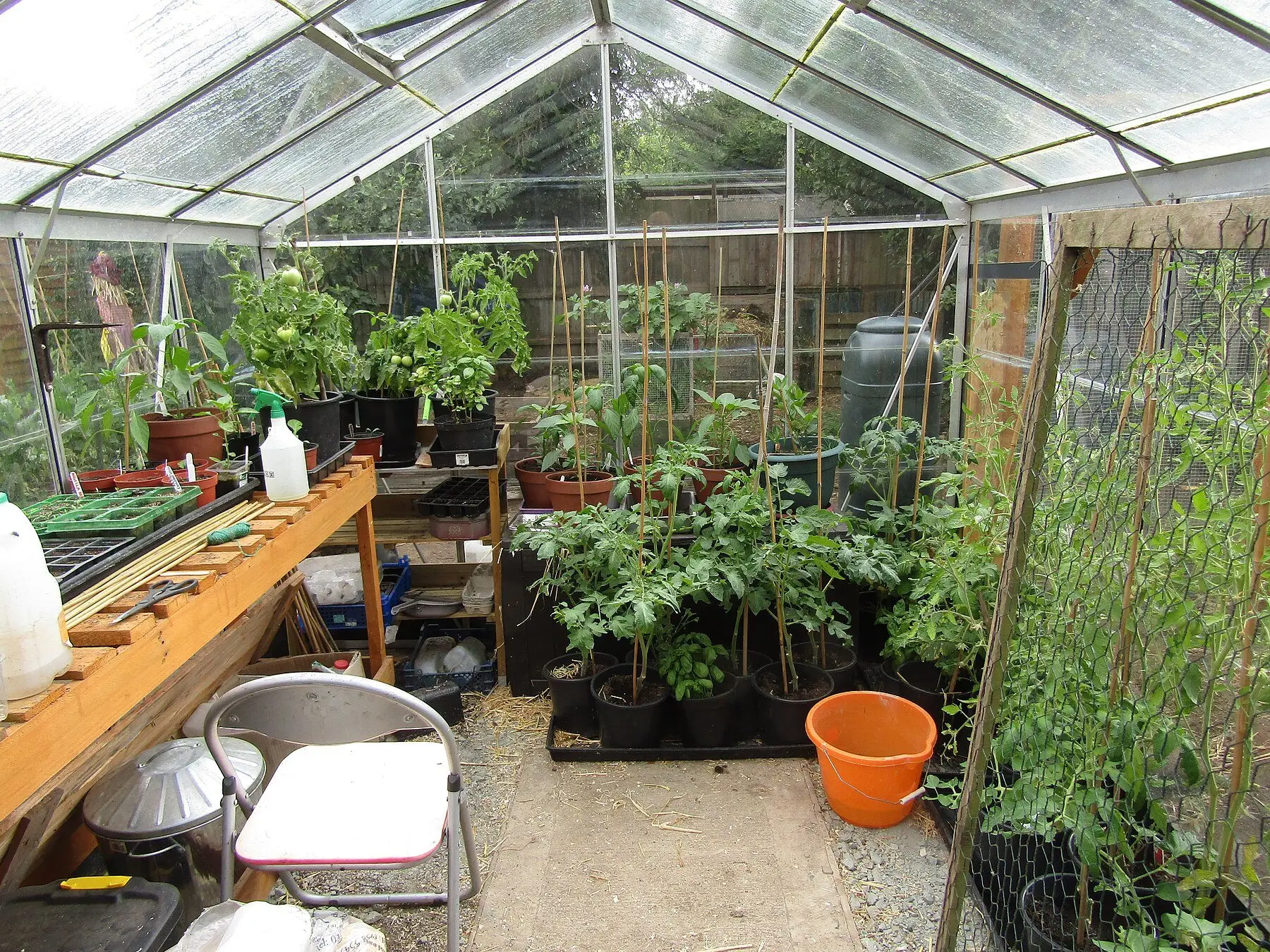
A greenhouse extends the season at both ends, starts seed early and overwinters tender plants. What it is genuinely good at, and what it will not fix.
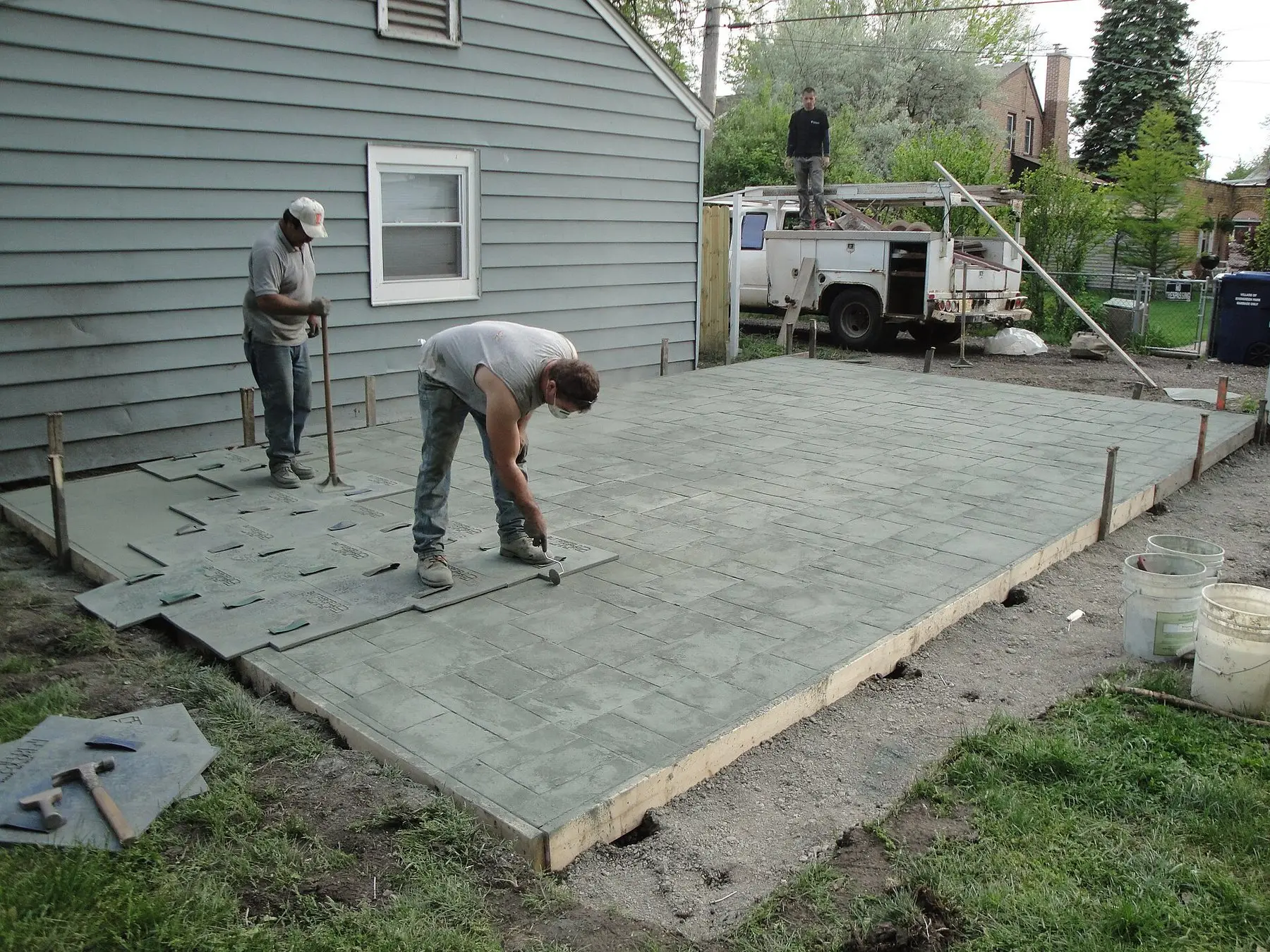
Four inches is the standard for foot traffic, but the base under it and the control joints in it cause more failures than depth ever does.
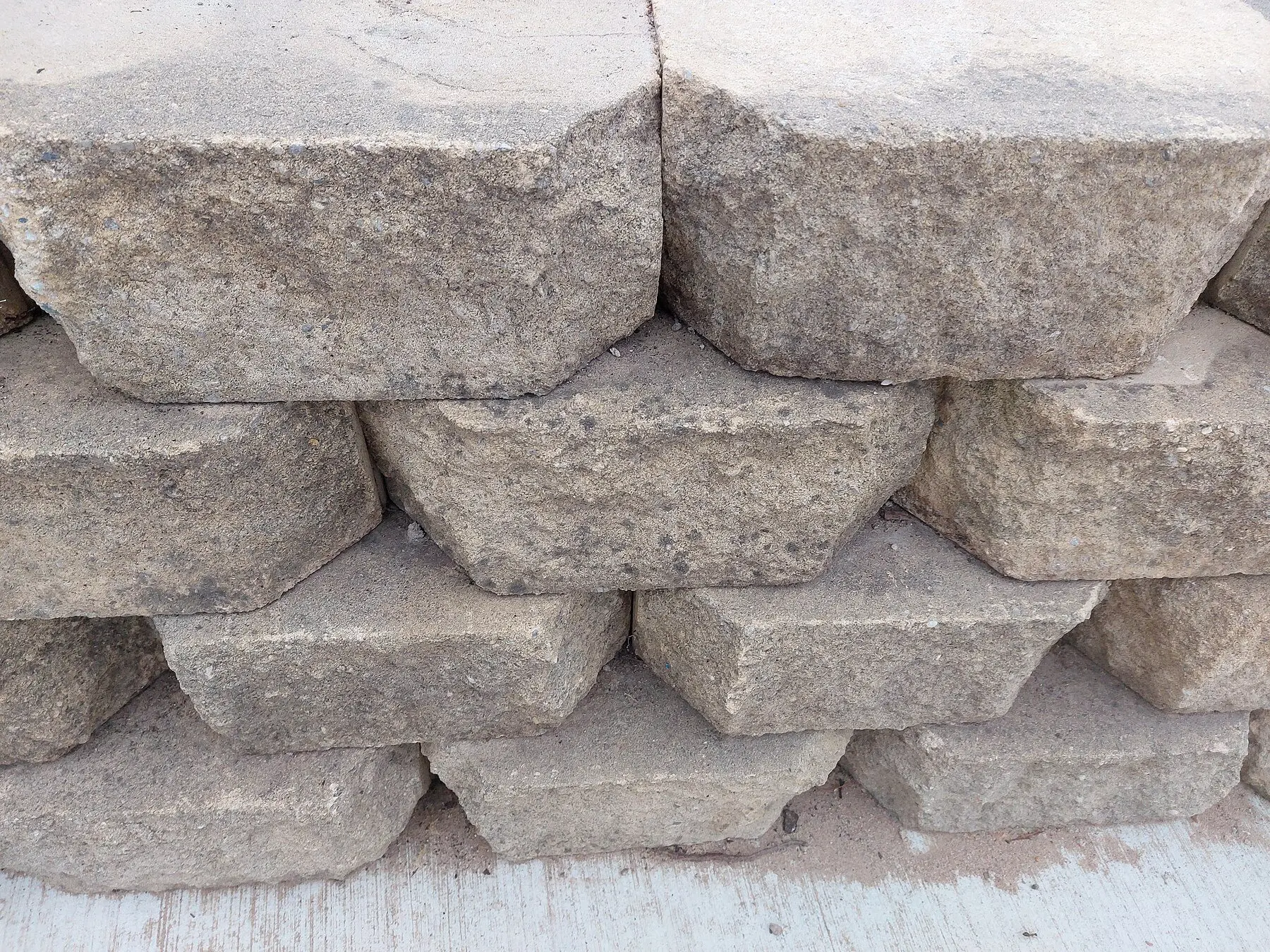
How to build a retaining wall that stays upright: base and drainage. 4 parts decide it, with engineering above 4 ft. See which your plan needs.
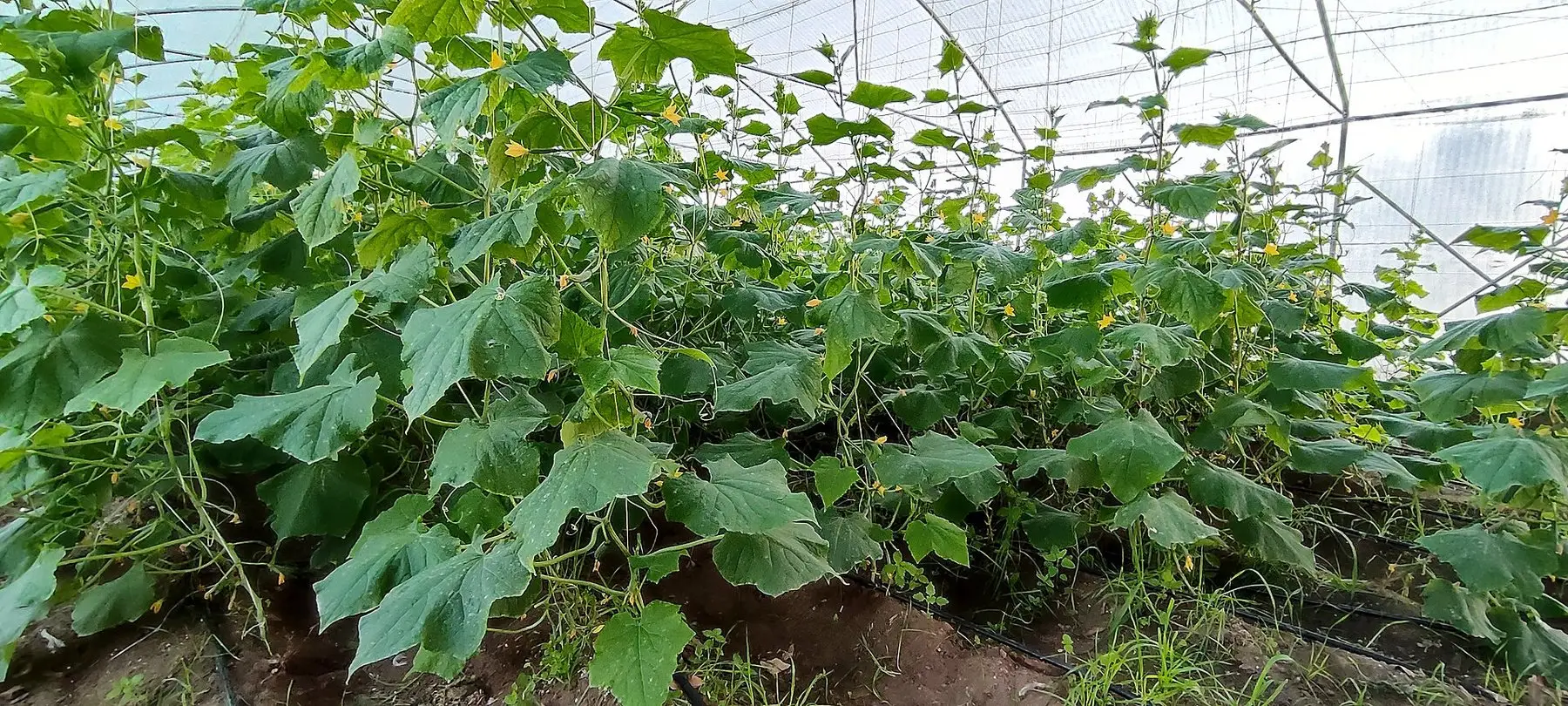
Cucumbers off the ground give straighter fruit, less mildew and half the footprint. Five trellis designs, the height you actually need, and how to train the vines.
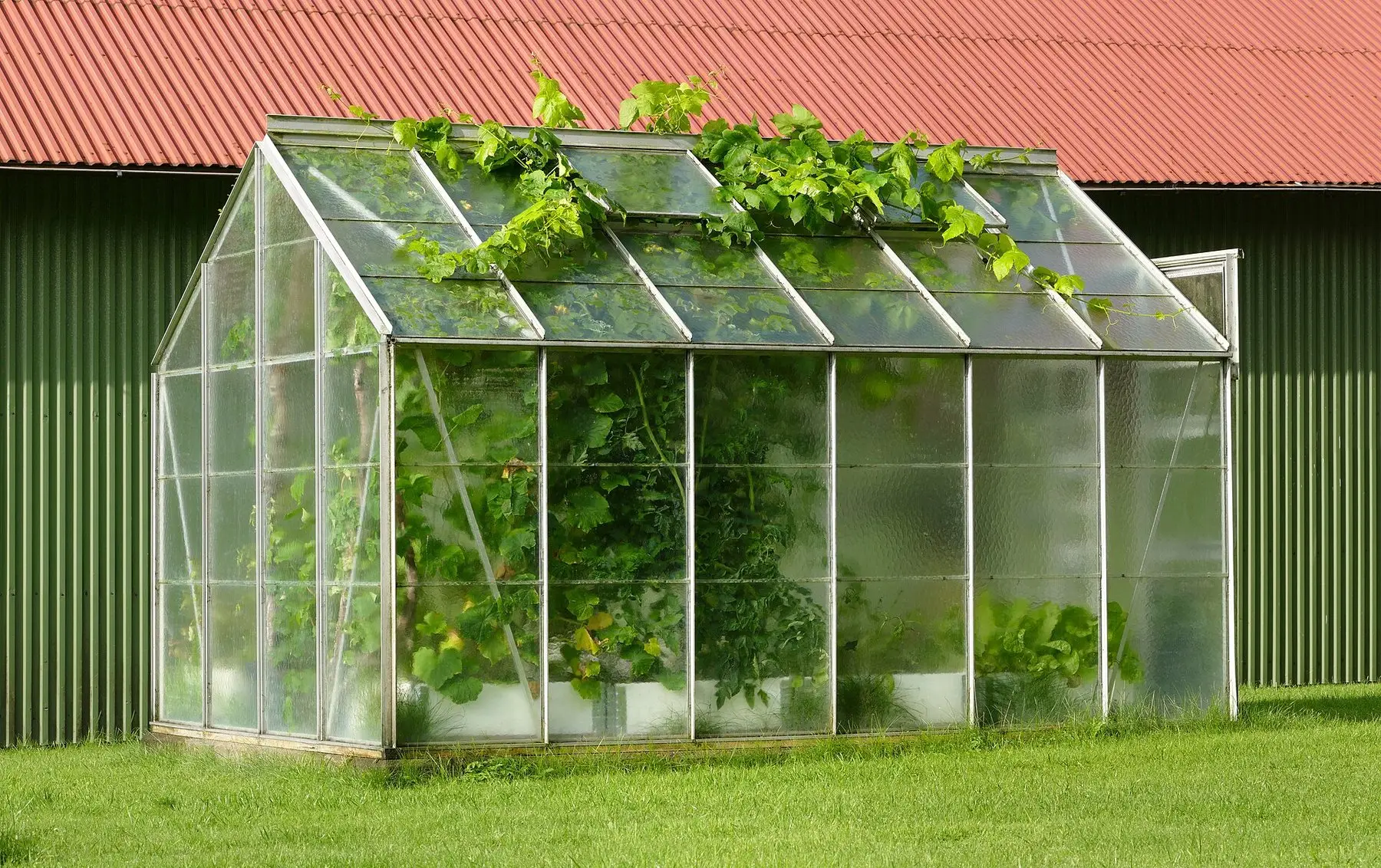
How to build a greenhouse: site it, glaze it, then vent it properly. 4 decisions carry the whole build. See which glazing suits your climate.
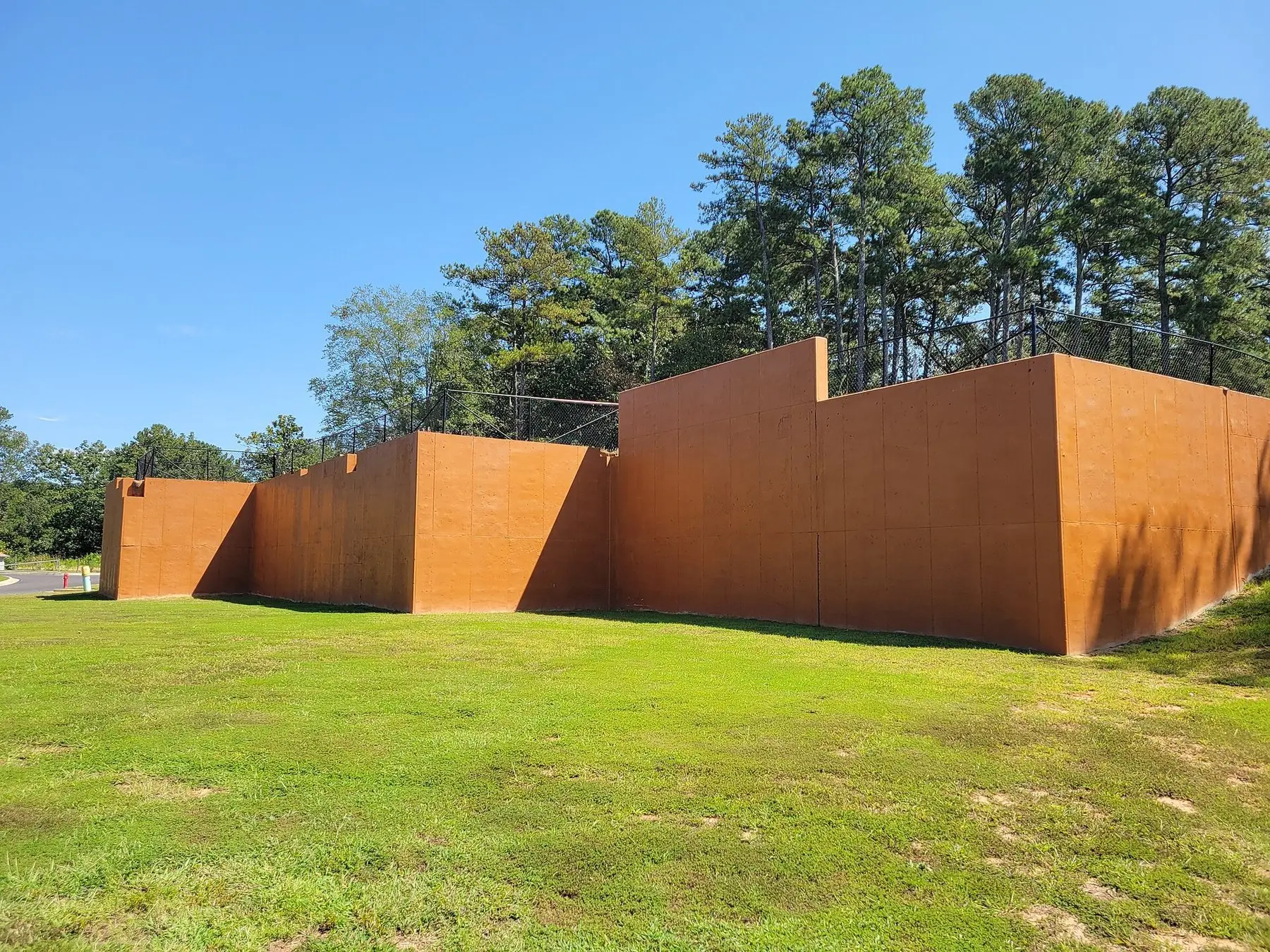
Most failed retaining walls failed at the base or the back, not the face. Block types, the height where you need an engineer, and how to build one that holds.
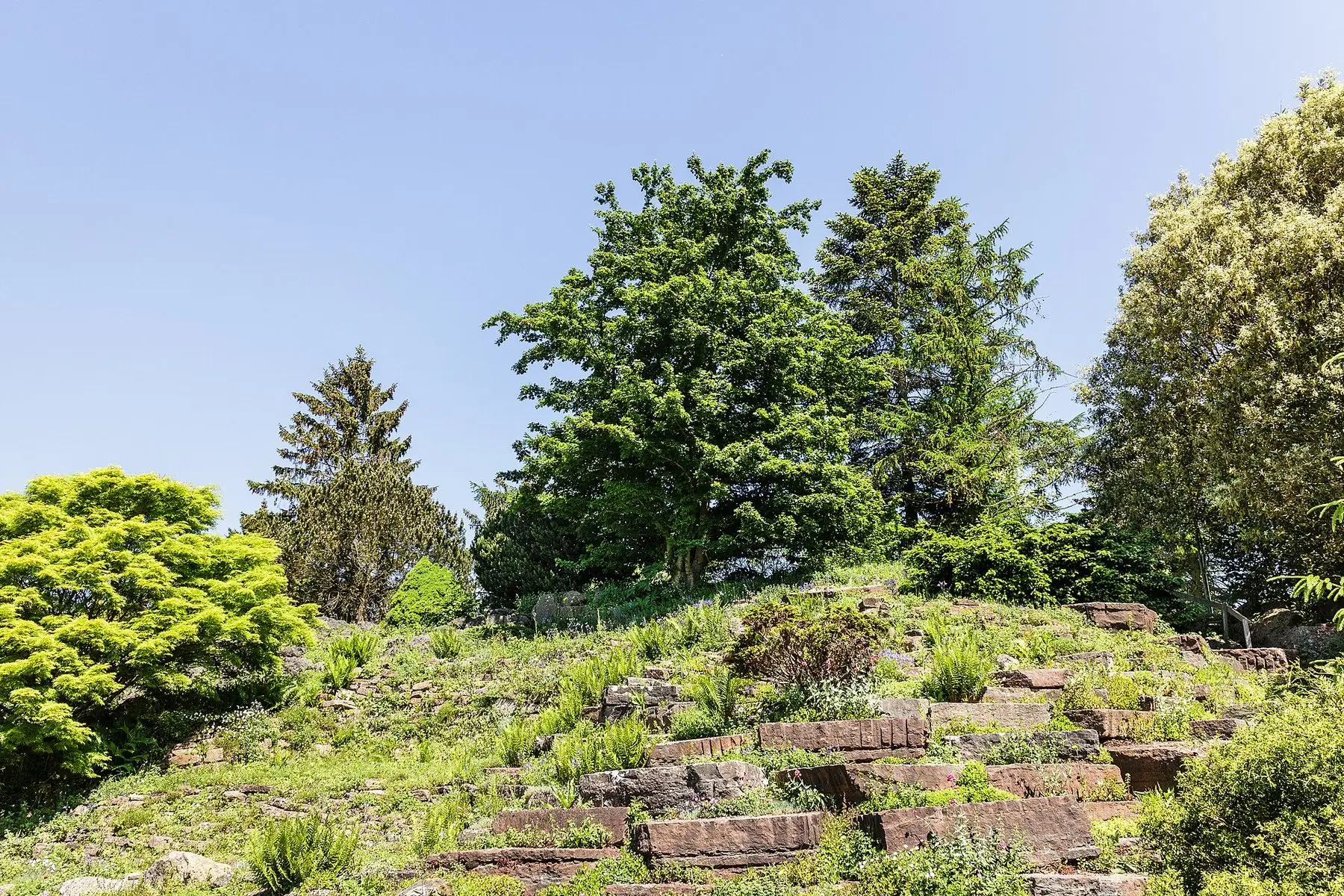
The difference between a rockery and a pile of stones is drainage and burial. How to set rock so it reads as outcrop, and what actually survives in it.
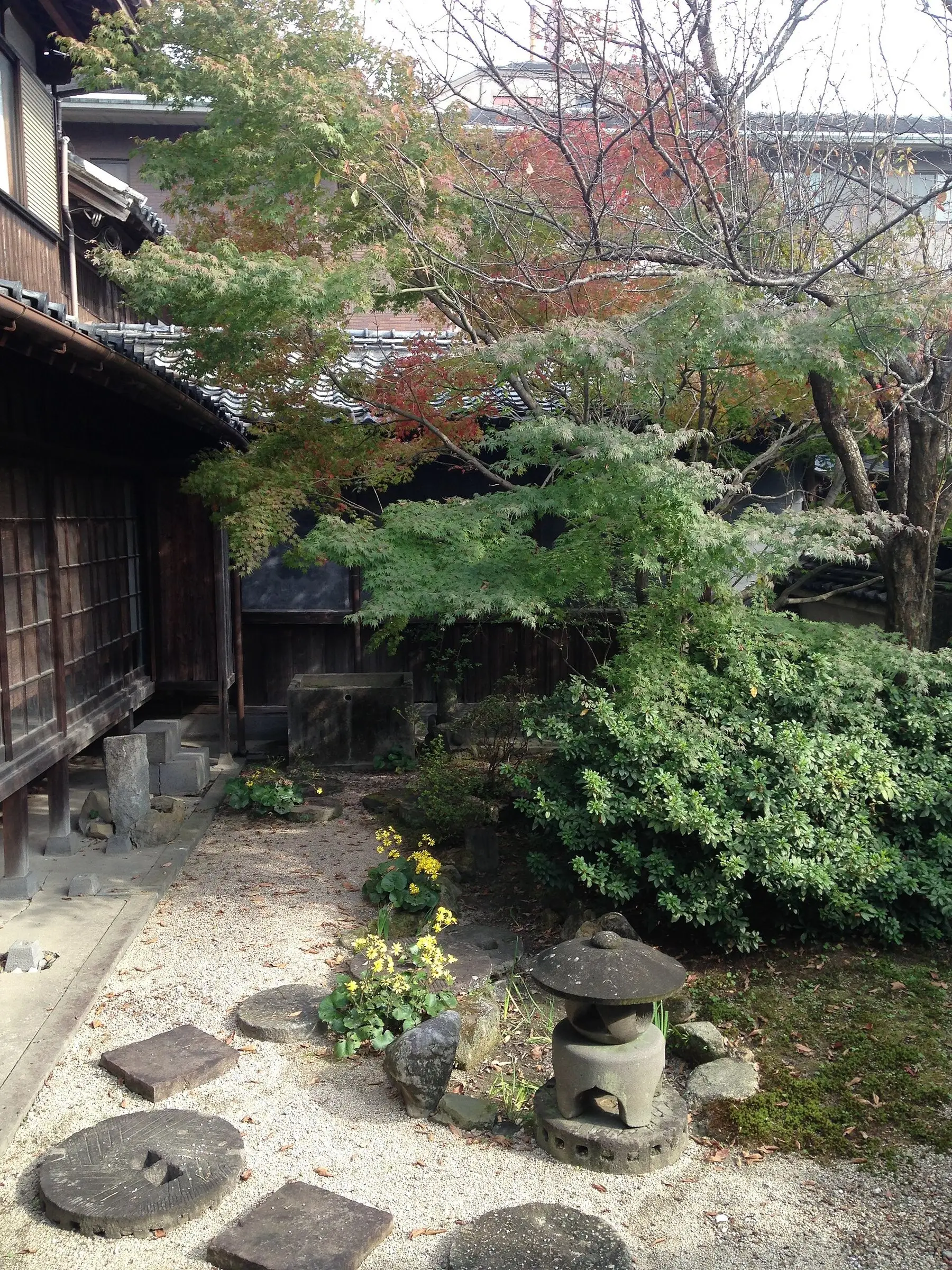
Small gardens fail by being over-divided and lined with furniture around the edge. The moves that add usable space, and what to spend money on first.
Backyard Weekly
One email a week: what to plant now, what to fix, and what is worth buying. No spam, unsubscribe anytime.
Not ready to subscribe? The planting calendar is free and needs no email.
By subscribing you agree to our privacy policy. Grow In Backyard will never sell your address.
Cookies
We use analytics cookies to see which guides get read, so we know what to write next. Decline and nothing is set. Privacy policy.