
Where to Put a Bug Hotel in Your Garden: South and Dry
Morning sun, a rainproof overhang and a firm fixing matter more than what is inside it. Height and aspect decide whether solitary bees use it at all.
 By
On this page
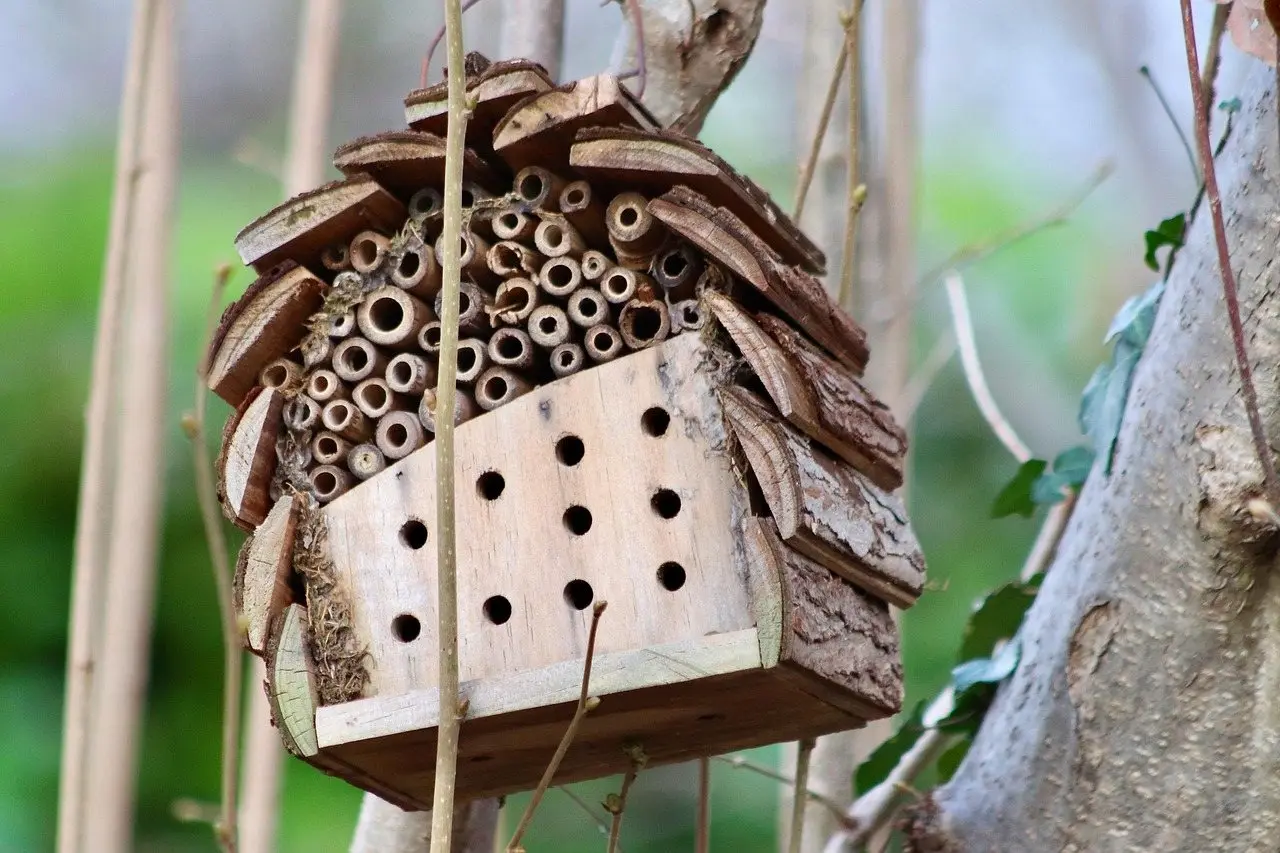
South or south-east, waist height, dry and firmly fixed. Aspect matters more than almost anything else — solitary bees have to warm up before they can fly, and a hotel in shade is usually ignored however well it is built.
Getting the position right
| Factor | Right | Wrong |
|---|---|---|
| Aspect | South / south-east | North-facing |
| Height | 1–1.5 m for bee tubes | On wet ground |
| Fixing | Rigid — screwed or strapped | Hanging and swinging |
| Rain | Overhang over the face | Exposed tube entrances |
| Wind | Sheltered | Prevailing wind on the face |
| Surroundings | Flowers within sight | Bare paving |
Rigid fixing matters more than people expect
A hotel that swings or rattles in wind is poorly used. Screw it to a wall, fence post or stake so it cannot move.
Why aspect is the deciding factor
Solitary bees are cold-blooded. They cannot fly until they have warmed up, so a nest face that catches the early sun gets occupied far sooner and far more fully than one warming only in late afternoon.
In very hot climates the advice softens — some afternoon shade stops the tubes overheating — but in temperate gardens, morning sun is the thing to optimise for.
Height, by occupant
- Ground level: beetles, woodlice, amphibians — dead wood, bark, leaf litter
- Low chambers: hollow stems, pine cones, loose dry material
- 1–1.5 m: the drilled tubes for solitary bees, dry and in the sun
A large multi-chamber structure can run from ground up. A small bee hotel belongs at the top of that range.
What goes in the tubes
- 2–10 mm internal diameter, which covers most solitary bee species
- Sealed at the back — a tube open at both ends is not used
- Smooth inside, cleanly cut — splinters at the entrance deter bees and damage wings
- Hollow stems, cut bamboo, drilled hardwood blocks all work
- Not plastic, which traps condensation
- Nothing treated or painted
An uncleaned hotel can become a trap
Packing nests together far more densely than nature does concentrates parasitic wasps, mites and fungal spores. Replace bamboo and stem tubes every couple of years, or use removable liners you can clean over winter. This is the step that separates a useful hotel from a harmful one.
Signs it is working
Sealed tube ends — plugs of mud, chewed leaf or resin, depending on the species. Each sealed tube is a completed nest.
Expect occupation within a season or two if the position is right. If nothing has used it after two full summers, the aspect is the first thing to change.
Common questions
Where should you put a bug hotel?
Which direction should a bee hotel face?
How high should a bug hotel be?
Do bug hotels actually work?
What should a bug hotel be filled with?
Do you need to clean a bug hotel?
Backyard Weekly
Know what to plant, week by week
Join the weekly email for seasonal jobs, fixes for what is going wrong, and gear worth buying.
Not ready to subscribe? The planting calendar is free and needs no email.
By subscribing you agree to our privacy policy. Grow In Backyard will never sell your address.
Keep reading
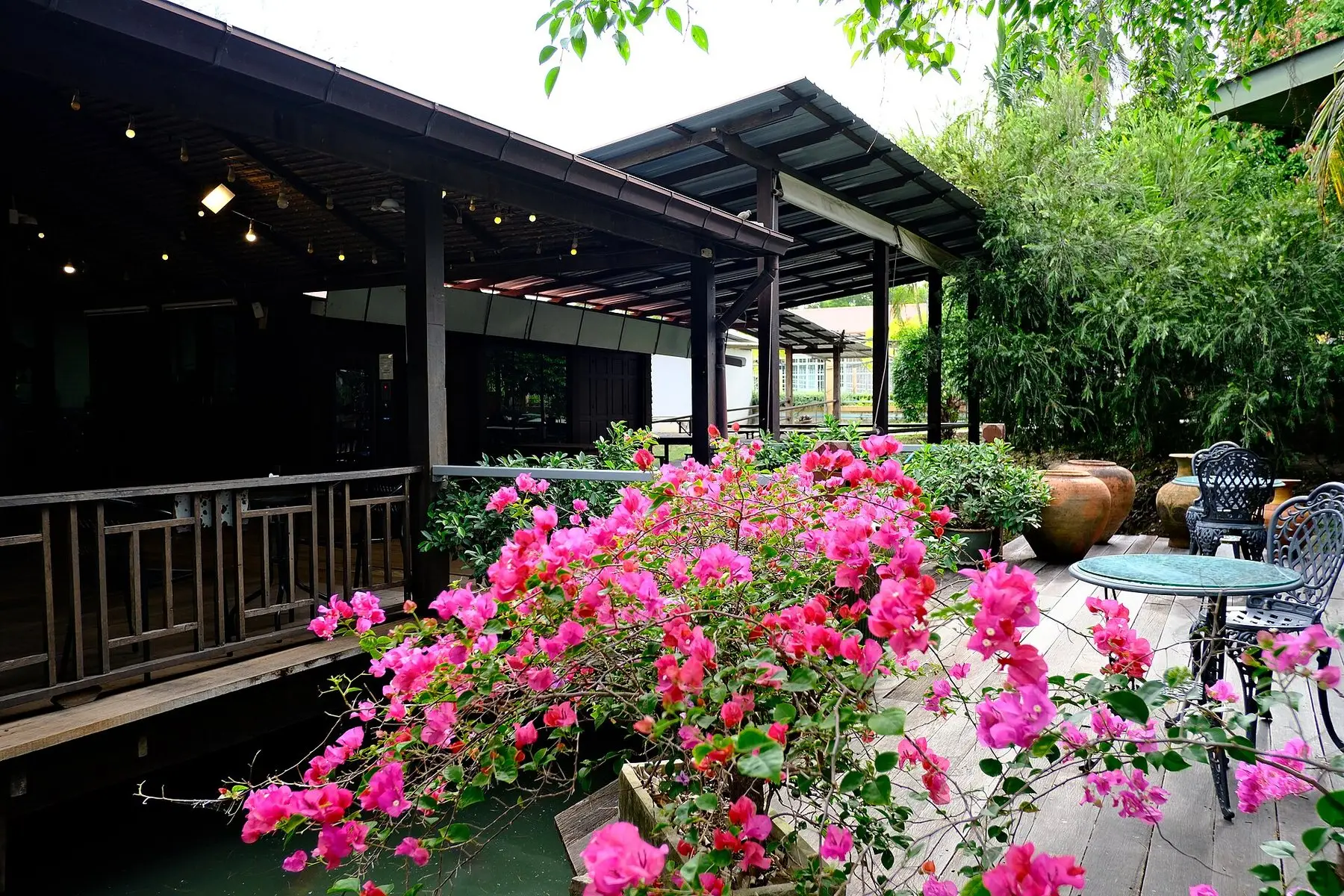
Garden Decor Ideas That Don't Look Cluttered in a Year
Most backyard decor gets added piece by piece until the yard looks like a garden center. A short list of what earns its place, and what to skip.
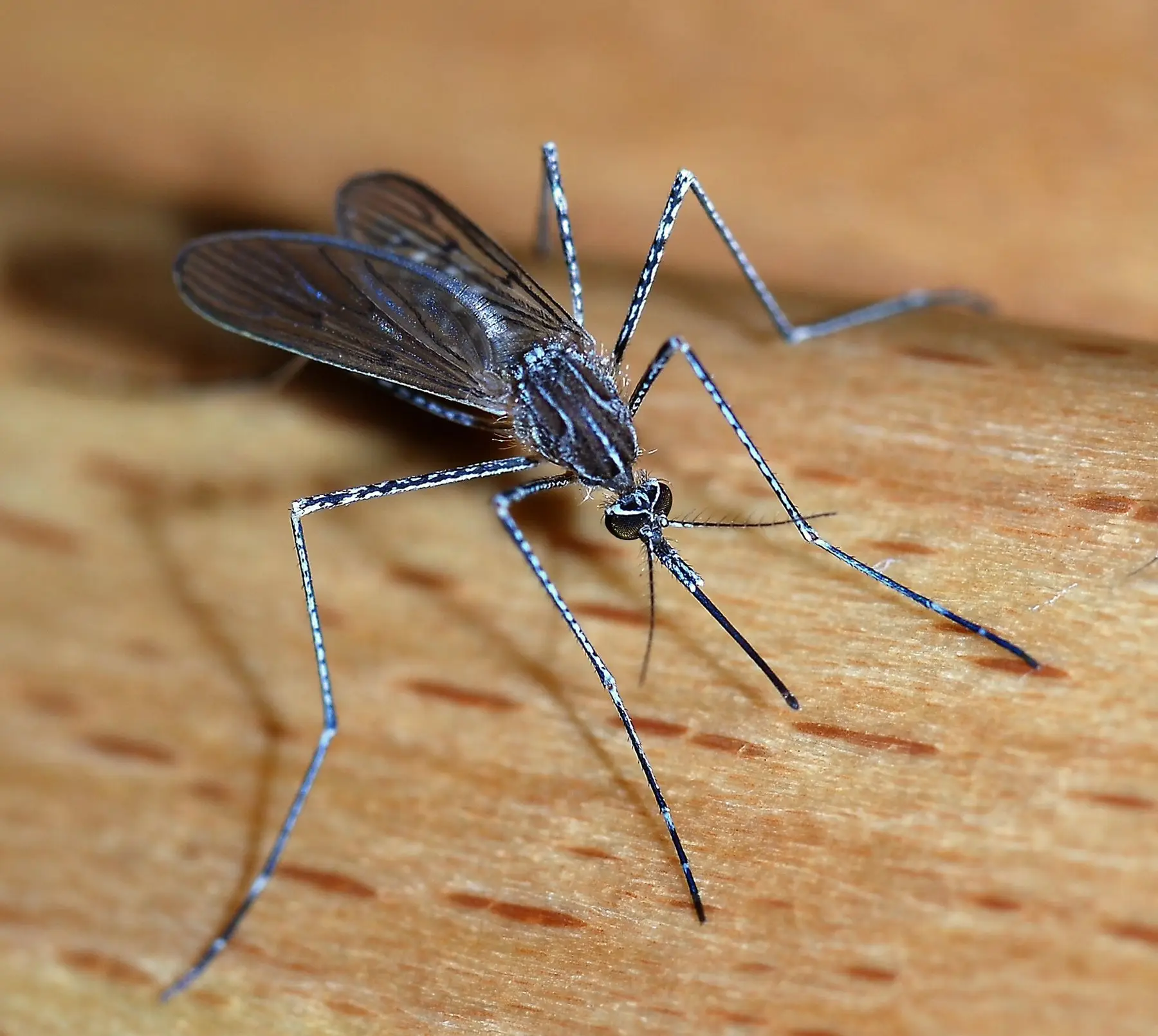
Plants That Repel Mosquitoes — 4 Fixes That Beat Them
Plants that repel mosquitoes barely work unless you crush the leaves. 4 measures compared, starting with standing water. See which suits your yard.
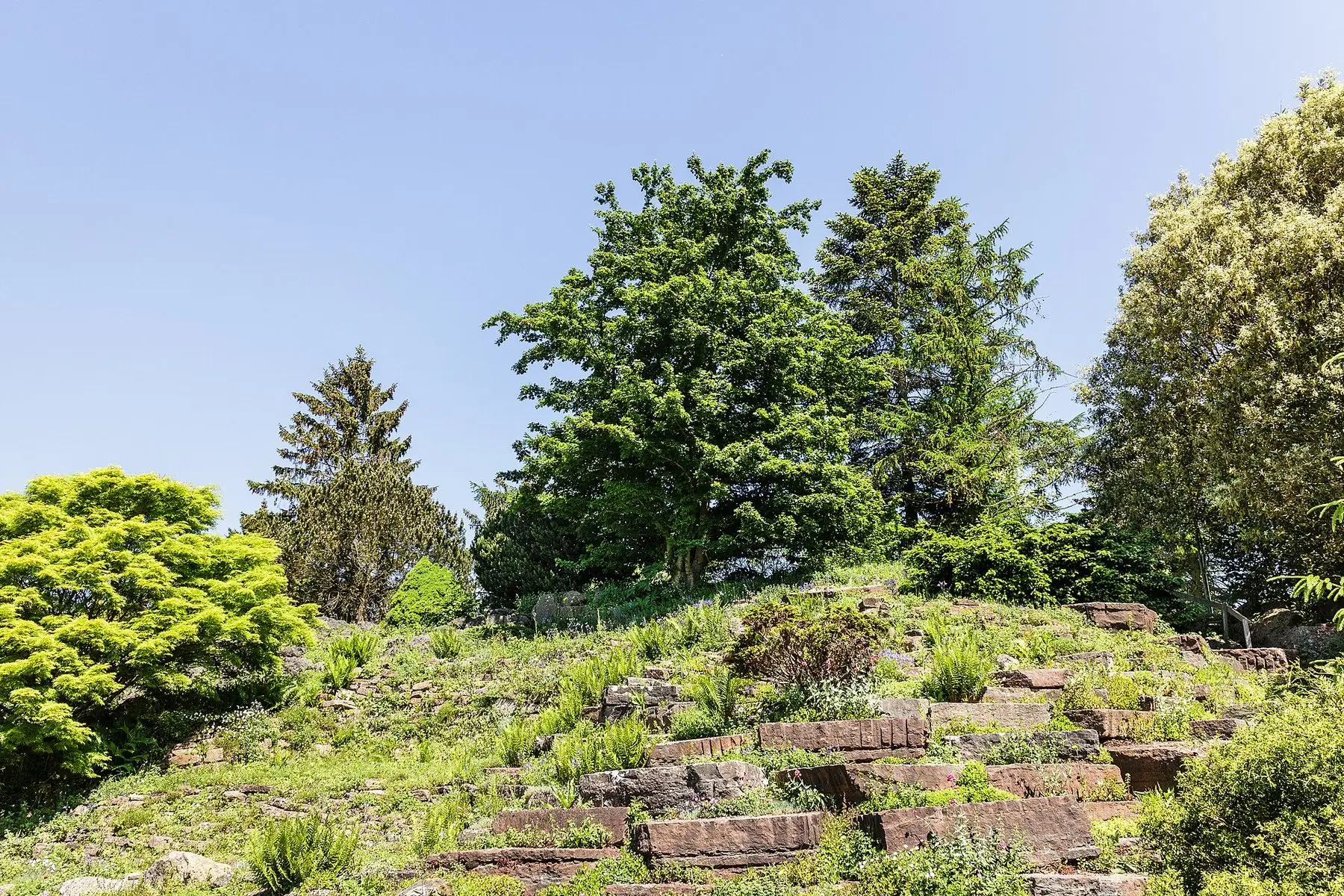
Rock Garden Ideas That Look Like They Belong There
The difference between a rockery and a pile of stones is drainage and burial. How to set rock so it reads as outcrop, and what actually survives in it.
Which Deck Stain Lasts the Longest? Solid, Then Semi
Opacity predicts lifespan better than brand or base. Solid stains last longest because pigment blocks UV — and that is the trade you are making.