
Can You Use a Patio Heater Indoors? Gas Ones, Never
Propane and gas patio heaters consume oxygen and produce carbon monoxide — outdoor appliances only. Electric radiant heaters are a different question.
 By
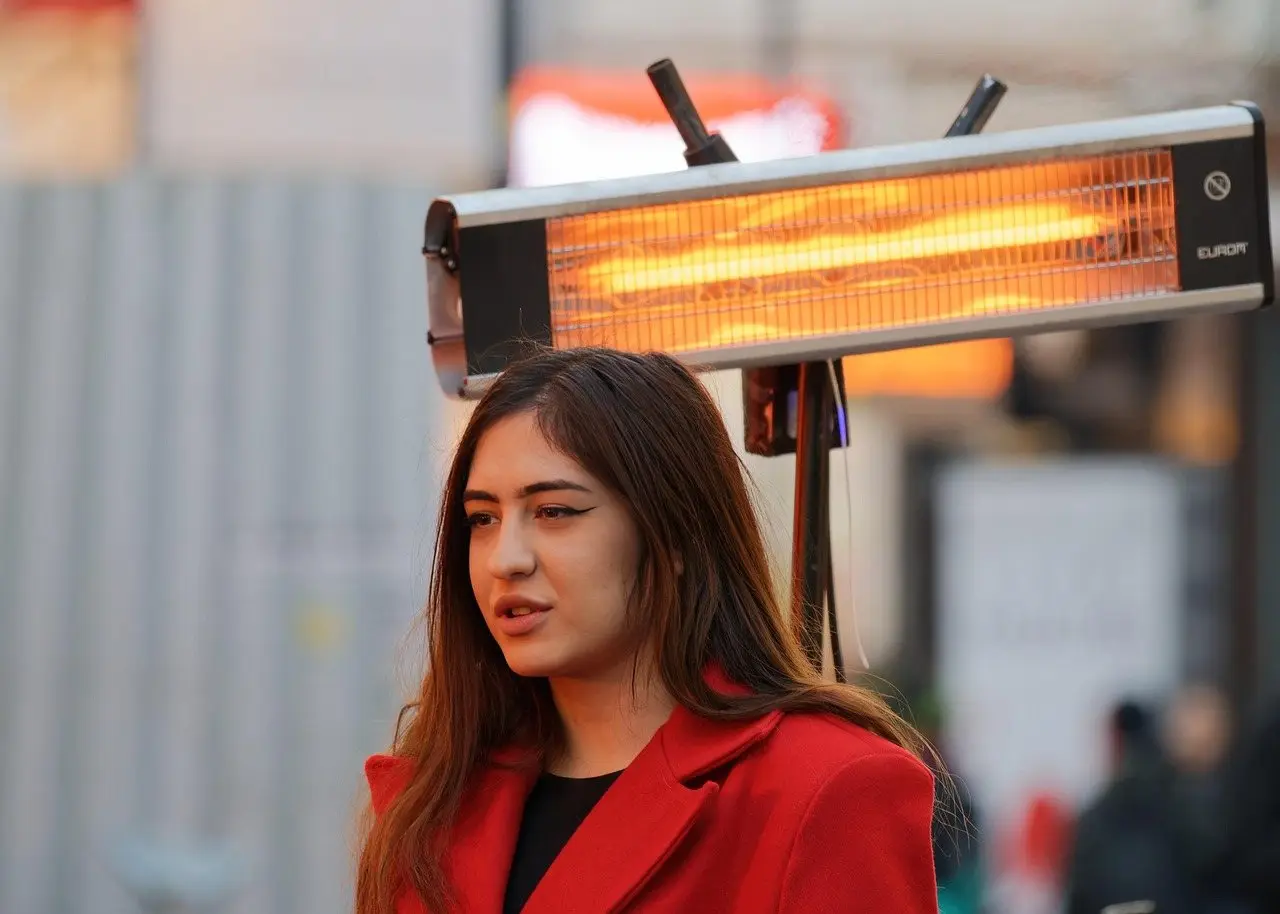
On this page
Gas and propane patio heaters: never indoors. They are certified as outdoor appliances because combustion consumes oxygen and produces carbon monoxide, which accumulates with no smell and no warning. Electric radiant heaters are a different question entirely.
The two types are not comparable
| Gas / propane | Electric radiant | |
|---|---|---|
| Combustion | Yes | No |
| Consumes oxygen | Yes | No |
| Produces carbon monoxide | Yes | No |
| Indoors | Never | Often rated for it |
| Garage | Never | Fine |
| Enclosed marquee | Never | Fine |
| Open-sided canopy | With stated clearances | Fine |
A garage is an enclosed space, open door or not
Carbon monoxide does not need a sealed room to reach dangerous levels. Garages are among the most common settings for poisoning incidents, frequently with the door partly open.
Why it is dangerous rather than just unpleasant
Burning propane consumes oxygen and produces carbon monoxide, carbon dioxide and water vapour. Outdoors these disperse. Indoors, oxygen falls and carbon monoxide rises.
Carbon monoxide binds to blood far more readily than oxygen does, so it displaces the oxygen your body is trying to carry. It is colourless and odourless, so there is nothing to notice.
The early symptoms — headache, dizziness, nausea, confusion, unusual tiredness — are easy to mistake for being tired or coming down with something.
If you suspect it, go outside first
Get everyone into fresh air immediately and seek medical help. Do not stay to investigate the appliance. A giveaway is that several people in the same space feel unwell at once and improve when they leave it.
Gazebos, awnings and marquees
It depends entirely on how enclosed the space is.
- Fully enclosed marquee with the sides down — effectively indoors. Same risks.
- Open-sided canopy with generous clearance above — many gas heaters are usable
- Check the manual for overhead and side clearances, and treat them as hard limits — radiant heat against fabric is a fire risk as well as a ventilation one
What to use instead indoors
An electric radiant heater. No combustion, no exhaust, no oxygen consumption — the entire carbon monoxide question disappears.
The remaining considerations are ordinary electrical ones:
- A model rated for the moisture level of the space
- Respect the stated clearance from curtains and furnishings
- Not run from a long thin extension lead
If an enclosed space genuinely needs gas heating, that means a flued appliance designed and installed for indoor use — a different product, properly fitted.
Common questions
Can you use a patio heater indoors?
Why are propane patio heaters dangerous indoors?
Can you use a patio heater in a garage?
Is it safe to use a patio heater under a gazebo or awning?
Are electric patio heaters safe indoors?
What are the signs of carbon monoxide poisoning?
Backyard Weekly
Know what to plant, week by week
Join the weekly email for seasonal jobs, fixes for what is going wrong, and gear worth buying.
Not ready to subscribe? The planting calendar is free and needs no email.
By subscribing you agree to our privacy policy. Grow In Backyard will never sell your address.
Keep reading

Can You Use a Solo Stove Under a Covered Patio?
The maker says no, and the overhead clearance is why. Smokeless does not mean heatless, and a roof traps both heat and combustion gases.
Outdoor Kitchen Planning: Utilities, Layout, and Cost
The grill is the cheap part. Where the services run, how much counter you need either side of the heat, and which materials survive being left outside.
Propane vs Wood Fire Pit: Which One Suits Your Yard
Gas gives you instant, controllable, smokeless fire with no ash. Wood gives you heat, crackle and smell. The decision is really about frequency, rules, and patience.
Concrete Patio Thickness: 4 Inches, and What Matters More
Four inches is the standard for foot traffic, but the base under it and the control joints in it cause more failures than depth ever does.