
What to Grow in a Greenhouse for Beginners: Start Here
Tomatoes, cucumbers, peppers, chillies and salad leaves are the reliable first crops. Each rewards protection, and none needs heat to succeed.
 By
On this page
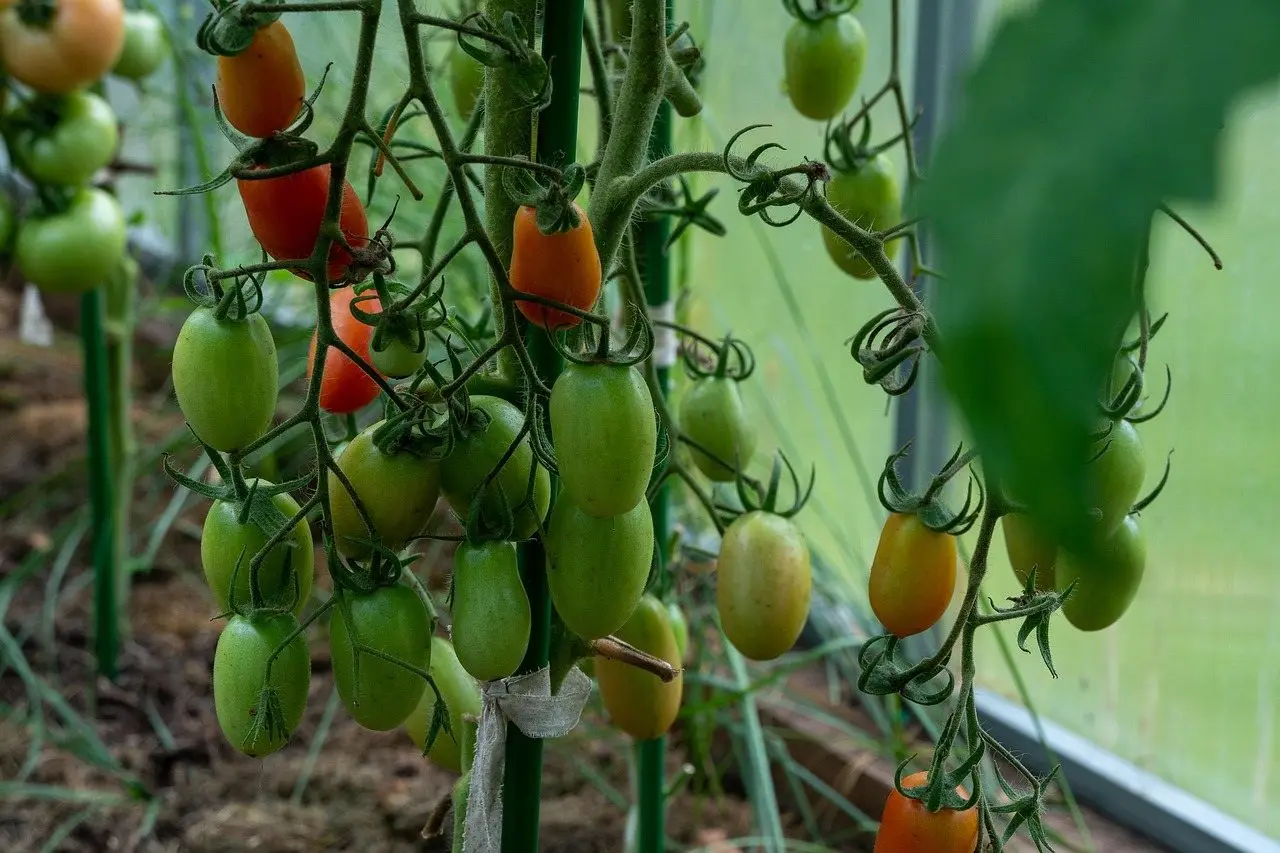
Start with crops that genuinely need what a greenhouse gives. Tomatoes, cucumbers, peppers, chillies and salad leaves all do visibly better under glass — and none of them needs heat, so you can skip that question entirely in year one.
The reliable first crops
| Crop | Why a greenhouse helps | Difficulty |
|---|---|---|
| Salad leaves | Fast, year-round, forgiving | Easiest |
| Tomatoes | Warmth, long season, dry foliage | Easy |
| Cucumbers | Heat and humidity | Easy |
| Chillies | Need a long warm season | Easy |
| Peppers | Same, slightly fussier | Moderate |
| Herbs (basil, parsley) | Warmth, shelter | Easy |
| Radishes | Speed | Easiest |
Why tomatoes are the standard answer
A greenhouse keeps rain off the foliage, and wet leaves are how blight spreads. That alone makes indoor tomatoes dramatically more reliable than outdoor ones in a damp climate — before you count the extra warmth.
A first-year calendar
- Late winter: sow tomatoes, peppers and chillies in a heated propagator
- Spring: pot them on; sow salads and radishes in the space; start outdoor seedlings
- Late spring: plant out the main crops once nights are reliably mild
- Summer: tomatoes, cucumbers, chillies cropping; keep sowing salad in the gaps
- Autumn: clear the summer crops, sow winter salads and spinach early enough to establish
- Winter: harvest slowly; growth nearly stops because light, not heat, is the limit
What not to grow
Anything that does just as well outside is a waste of expensive protected space:
- Potatoes, onions, brassicas, carrots and most roots — open ground
- Sweetcorn and squash — far more room than their yield justifies
The test: does this crop genuinely need extra heat, a longer season, or shelter from rain? If not, grow it outdoors and keep the glass for what cannot.
Spacing, and the mistake everyone makes
Overplanting causes most beginner greenhouse problems
A crowded greenhouse has poor airflow, which is precisely what fungal disease needs. Fewer plants with space between them out-produce a packed house.
In a typical 6 × 8 ft greenhouse:
- Four to six tomatoes or three to four cucumbers fills one side
- Staging on the other side for salads, herbs and seedlings
- Leave room to walk and to reach both sides of every plant
The three habits that matter most
- Ventilate. Open vents and the door on warm days — overheating and stagnant air cause more losses than cold does.
- Water consistently. Under glass there is no rain, so everything depends on you. Uneven watering causes blossom end rot and splitting.
- Damp down in hot weather. Wetting the floor raises humidity and cools the air, which cucumbers in particular appreciate.
Common questions
What should a beginner grow in a greenhouse?
What is the easiest thing to grow in a greenhouse?
Can you grow in a greenhouse all year round?
Do beginners need a heated greenhouse?
What should you not grow in a greenhouse?
How many plants fit in a small greenhouse?
Backyard Weekly
Know what to plant, week by week
Join the weekly email for seasonal jobs, fixes for what is going wrong, and gear worth buying.
Not ready to subscribe? The planting calendar is free and needs no email.
By subscribing you agree to our privacy policy. Grow In Backyard will never sell your address.
Keep reading
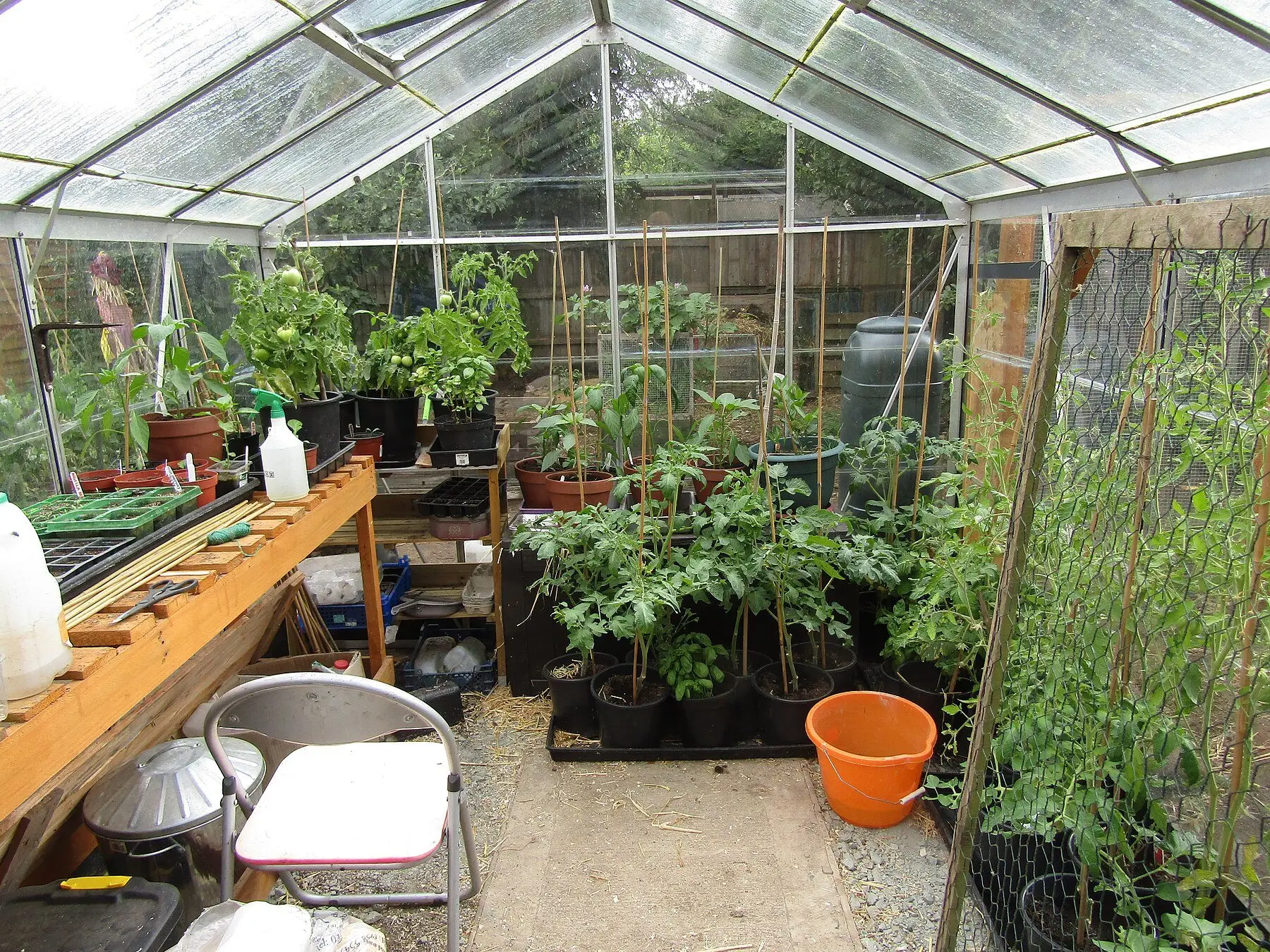
What Is a Greenhouse Used For? Six Jobs It Actually Does
A greenhouse extends the season at both ends, starts seed early and overwinters tender plants. What it is genuinely good at, and what it will not fix.
Do Greenhouses Need to Be Heated? Only for Some Jobs
An unheated greenhouse extends the season by weeks at each end. Heating buys frost protection and winter growing, and the cost scales with ambition.
How to Build a Greenhouse — 4 Calls, Venting First
How to build a greenhouse: site it, glaze it, then vent it properly. 4 decisions carry the whole build. See which glazing suits your climate.

What Type of Fence Adds to Property Value? Condition First
Buyers respond to a fence that looks sound and matches the house far more than to any particular material. A failing fence subtracts reliably.