
Do Greenhouses Need to Be Heated? Only for Some Jobs
An unheated greenhouse extends the season by weeks at each end. Heating buys frost protection and winter growing, and the cost scales with ambition.
 By
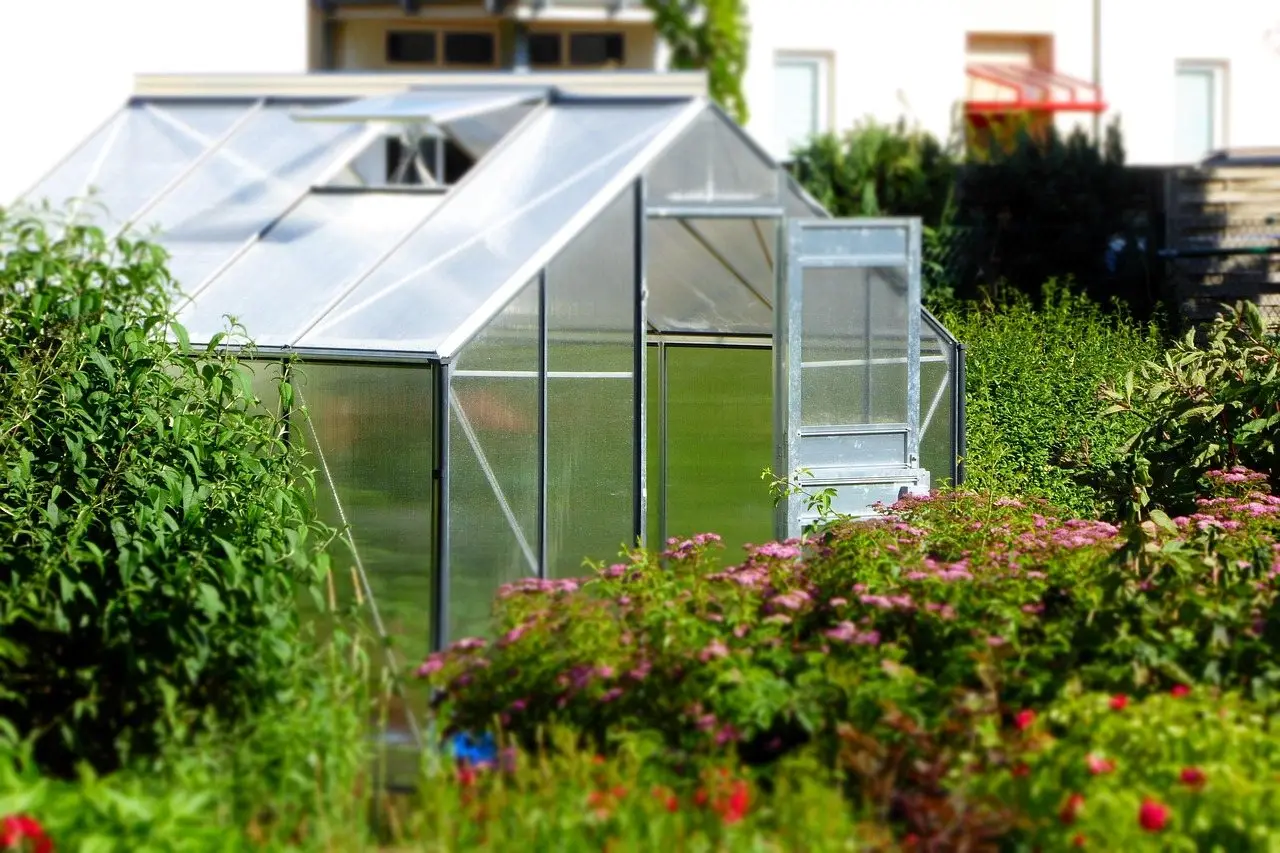
On this page
No — not for most of what people use them for. An unheated greenhouse already gives you warmer days, no rain, no wind and several extra weeks at each end of the season. Heating buys three specific things, and each costs more than the last.
What heating actually buys
| Target | Temperature | What it allows | Running cost |
|---|---|---|---|
| Unheated | Ambient +1–2°C | Hardy seedlings, winter salads, dormant plants | None |
| Frost-free | Just above 0°C / 32°F | Overwintering tender plants in dormancy | Low |
| Cool | 7–10°C / 45–50°F | Tender perennials in leaf, slow growth | Moderate |
| Warm | ~18°C / 64°F | Germinating warm-season crops | High |
Buy the warm band with a propagator, not a heater
Holding 18°C across a whole greenhouse to germinate tomatoes is expensive. A heated propagator holds it in a box, which is where the seeds actually are, for a tiny fraction of the energy.
An unheated greenhouse is not frost protection
This is the misconception worth correcting. A greenhouse typically sits a degree or two above outside air on a cold night, and on a clear still night it can fall close to the outside figure — glass radiates heat away efficiently once the sun is gone.
What it protects well against is wind chill and freezing rain, which matters more than people assume. But a tender plant in an unheated greenhouse during a hard frost is not safe.
What grows in a cold greenhouse over winter
More than most people try:
- Winter salads — mizuna, mustards, corn salad, winter lettuce
- Spinach and chard
- Hardy herbs — parsley, chervil
- Overwintering onions and garlic
Sow early enough, because light is the real limit
Growth nearly stops from late autumn to midwinter — not because of cold but because of day length. Sow early enough that plants are established before the light collapses, then harvest through winter rather than expecting them to grow through it.
Cheapest ways to add warmth
- Heated propagator or soil warming cable — heats the seeds, not the air
- Bubble wrap on the inside of the glazing — cuts heat loss substantially, costs little
- Horticultural fleece over plants on frosty nights — a few degrees, instantly
- Partition off a corner with polythene and heat a quarter of the volume
- Thermostatic electric fan heater when real heating is genuinely needed
What drives the running cost
Not floor area on its own. It is the temperature difference you hold and how leaky the structure is.
- Frost-free, small, well-insulated, mild winter: modest
- 15°C, single-glazed, cold winter: a serious bill
- Insulate first, heat a partition rather than the whole, and always use a thermostat
Common questions
Do greenhouses need to be heated?
What can you grow in an unheated greenhouse over winter?
What temperature should a greenhouse be kept at in winter?
What is the cheapest way to heat a greenhouse?
Does an unheated greenhouse protect from frost?
Is greenhouse heating expensive to run?
Backyard Weekly
Know what to plant, week by week
Join the weekly email for seasonal jobs, fixes for what is going wrong, and gear worth buying.
Not ready to subscribe? The planting calendar is free and needs no email.
By subscribing you agree to our privacy policy. Grow In Backyard will never sell your address.
Keep reading
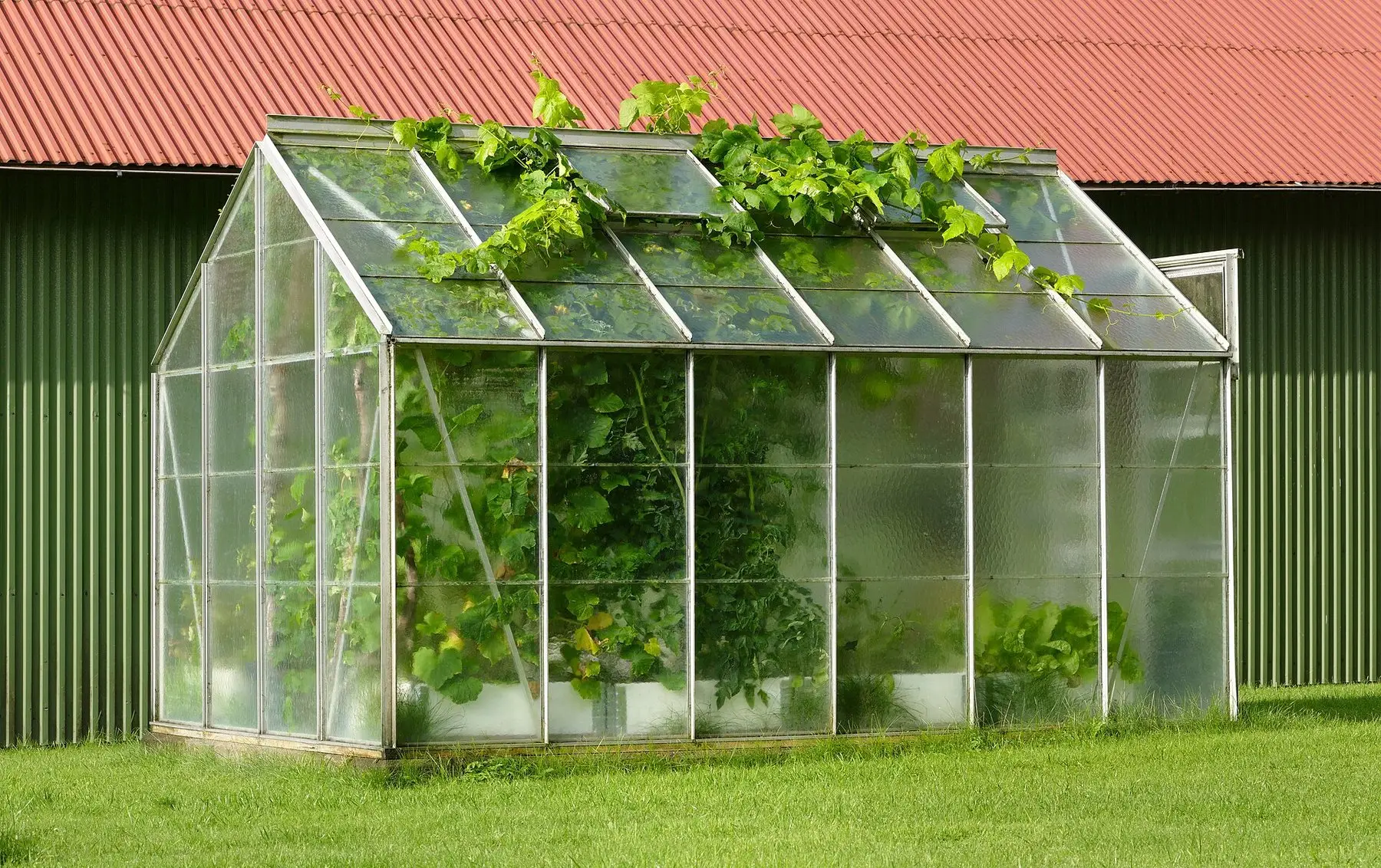
How to Build a Greenhouse — 4 Calls, Venting First
How to build a greenhouse: site it, glaze it, then vent it properly. 4 decisions carry the whole build. See which glazing suits your climate.
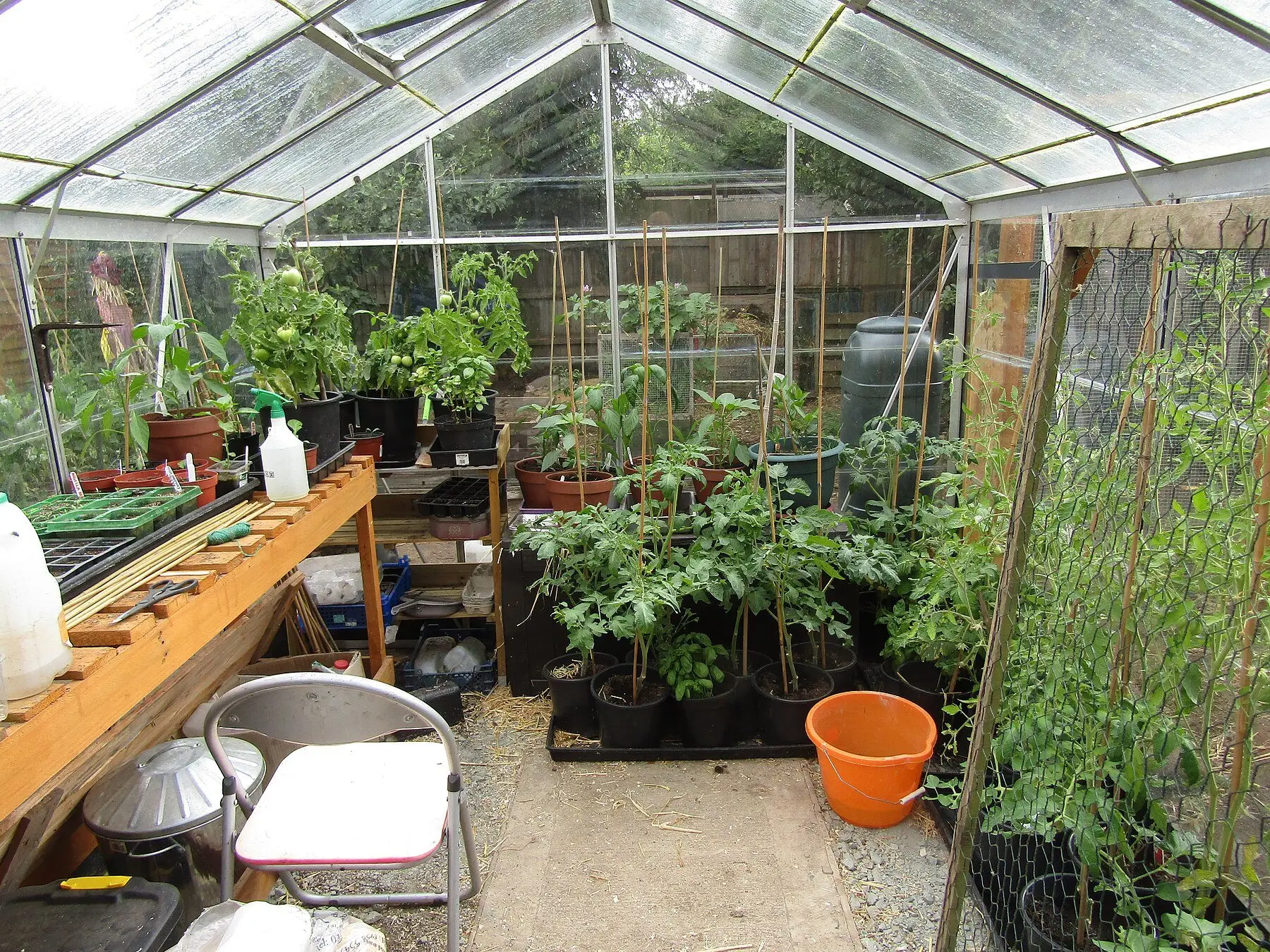
What Is a Greenhouse Used For? Six Jobs It Actually Does
A greenhouse extends the season at both ends, starts seed early and overwinters tender plants. What it is genuinely good at, and what it will not fix.
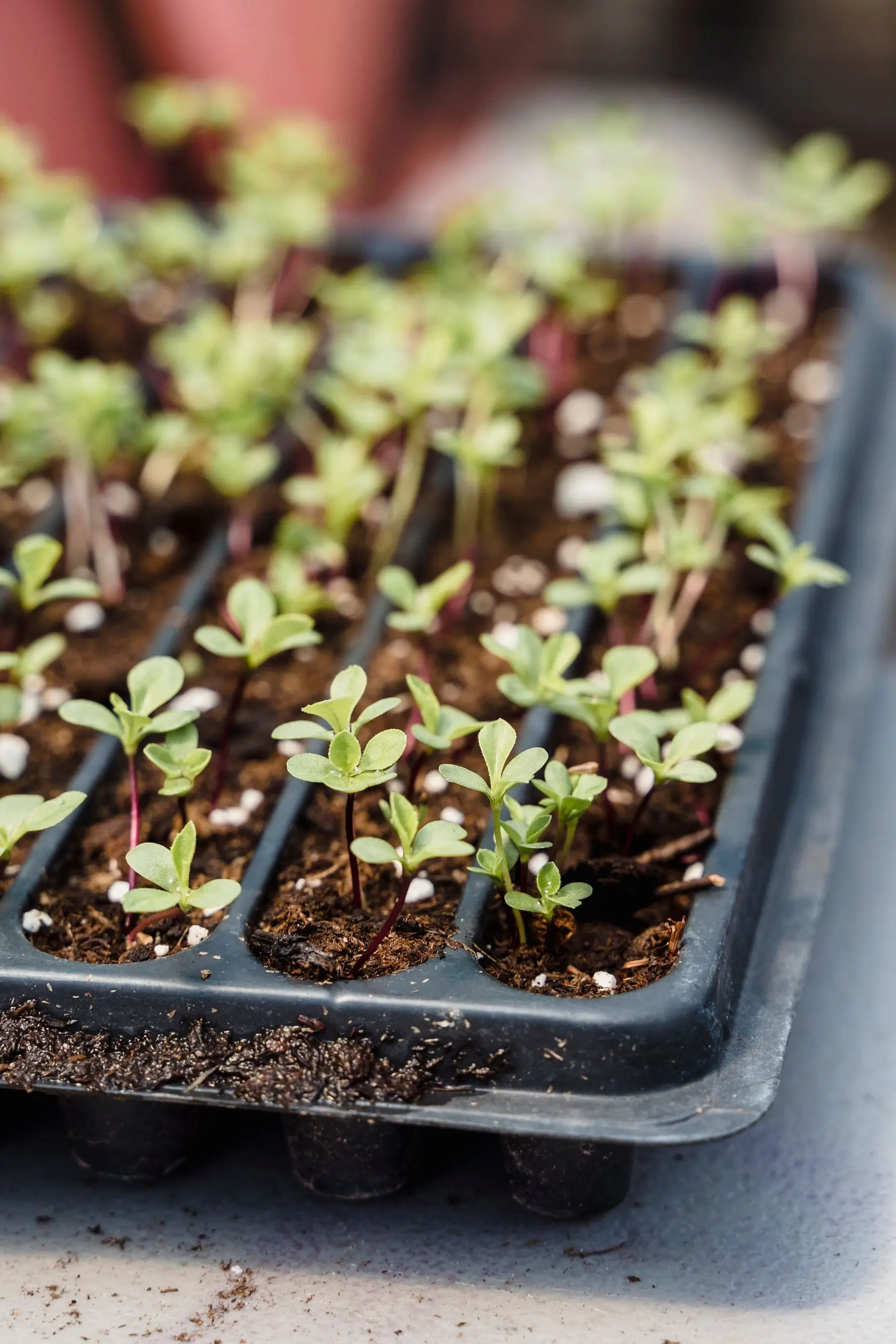
Do Seeds Need Sunlight to Germinate? Most Do Not
Most seeds germinate in the dark and need light only once the seedling emerges. The exceptions that must be surface-sown, and why depth matters more.
Do I Need Planning Permission for a Garden Room?
Often not, under permitted development — but height, footprint, position and what you use it for each have limits that turn it into a planning application.