
How Much Does Backyard Landscaping Cost? Phase It
Hard landscaping dominates every quote — paving, walls and drainage. Planting is the cheap part, which is why phasing the work changes the total so much.
 By
On this page
No honest single figure exists — the range between a planting-led refresh and a full rebuild is often tenfold on the same plot. What is consistent is the shape of the spend, and that is the useful thing to know before you get quotes.
Where the money goes
| Element | Relative cost | Why |
|---|---|---|
| Groundwork, drainage, levels | Highest | Excavation, disposal, skilled labour, invisible when done |
| Retaining walls and steps | High | Structural, and multiplied by slope |
| Paving and decking | High | Bulk material plus skilled labour |
| Fencing and screening | Medium | Posts and labour, as ever |
| Turf | Low–medium | Cheap per square metre, quick |
| Planting and soil | Lowest | And it improves with time |
The cheap part is the part people notice
Defined edges, healthy soil, good turf and generous planting read as “a cared-for garden” far more than the specification of the paving does.
Why quotes differ so much on the same garden
- Access. A garden reachable only through the house costs far more in labour than one with side access for a machine — everything is carried by hand, in both directions.
- Levels. Every change of level needs structure. A sloping site is a different job.
- Ground conditions. Heavy clay, high water table or buried rubble changes excavation entirely.
- Disposal. Spoil and old surfaces have to go somewhere, and that is charged by volume.
- What is included. Groundwork, waste removal and plants are in some quotes and not others.
Cutting the cost without cutting the result
- Spend on shape and soil. Bed edges, levels where they matter, soil improvement.
- Gravel instead of paving for paths and informal sitting areas.
- Plant young stock. Three-year-old shrubs cost a fraction of mature specimens and catch up within a few seasons.
- Contract the structural work only, and do your own preparation and planting.
- Turf a smaller area well rather than a large area badly.
Phasing, done properly
Phase from a plan, or you will pay twice
The expensive mistake is phasing without a whole-garden plan — laying a patio and then digging it up for drainage. Put groundwork, drainage and anything buried in phase one, then surfaces, then structures, then planting as budget allows.
And on resale
Good landscaping supports value and helps a house sell, but rarely returns its full cost — and the most expensive elements are the least likely to return it. That is an argument for building the garden you want to use, not the one you think a future buyer wants.
Common questions
How much does backyard landscaping cost?
What is the most expensive part of landscaping?
How can you landscape a backyard cheaply?
Does landscaping add value to a house?
Should you landscape all at once or in phases?
Why do landscaping quotes vary so much?
Backyard Weekly
Know what to plant, week by week
Join the weekly email for seasonal jobs, fixes for what is going wrong, and gear worth buying.
Not ready to subscribe? The planting calendar is free and needs no email.
By subscribing you agree to our privacy policy. Grow In Backyard will never sell your address.
Keep reading
Small Backyard Ideas That Make the Space Feel Bigger
Small gardens fail by being over-divided and lined with furniture around the edge. The moves that add usable space, and what to spend money on first.
Front Yard Landscaping Ideas That Last Past Year Three
Most front yard makeovers look best the week they are finished. These nine ideas are chosen for what they look like after three seasons of real maintenance.
How to Build a Retaining Wall — 4 Parts, No Lean
How to build a retaining wall that stays upright: base and drainage. 4 parts decide it, with engineering above 4 ft. See which your plan needs.
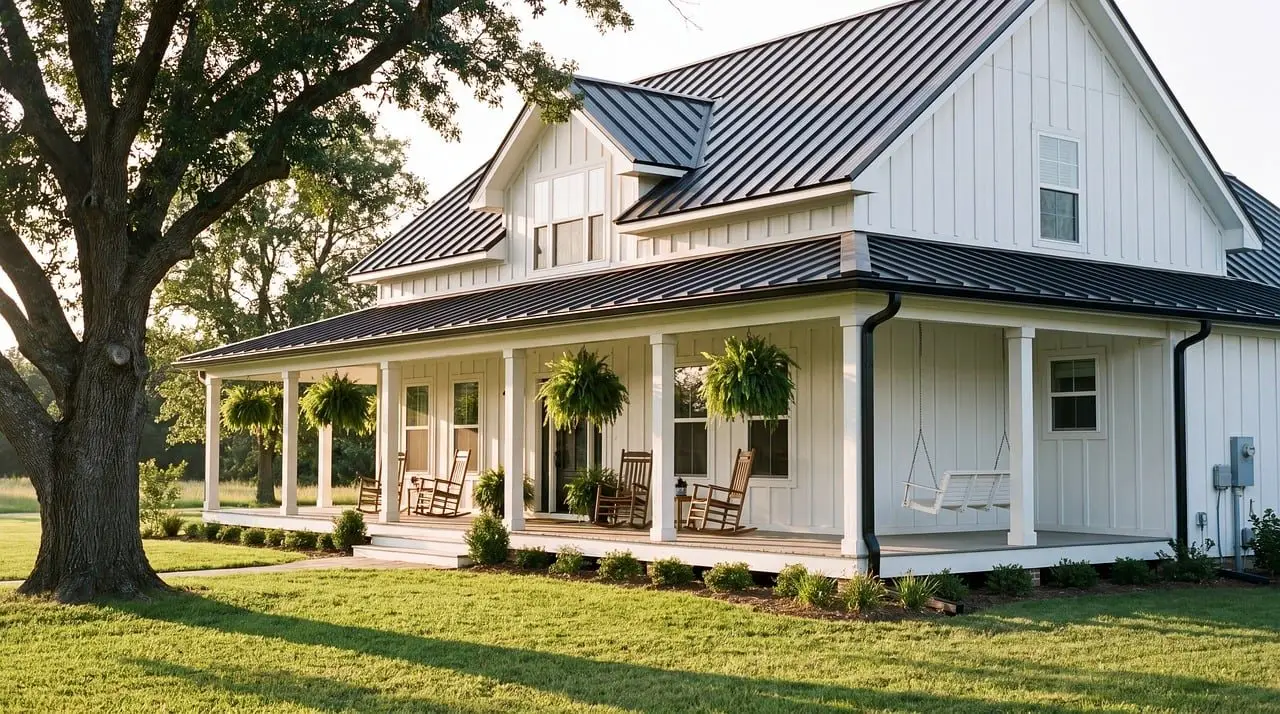
How Much Value Does a Covered Patio Add to Your Home?
More than an open patio, because a roof makes the space usable in more weather. Permits and build quality decide whether it counts for anything at all.