
How Much Value Does a Covered Patio Add to Your Home?
More than an open patio, because a roof makes the space usable in more weather. Permits and build quality decide whether it counts for anything at all.
 By
On this page
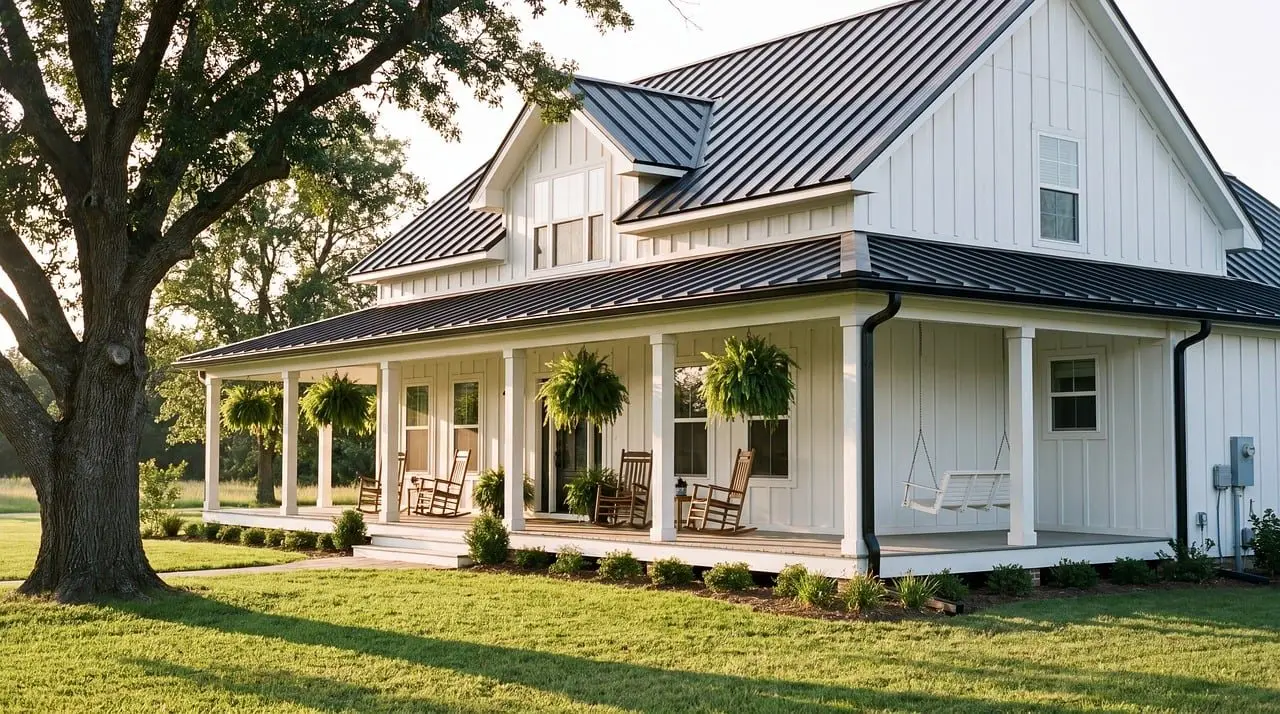
A covered patio generally does more for value than an open one, because a roof turns a fair-weather surface into space that gets used across more of the year. But two things decide whether it counts at all: whether it was permitted, and whether it looks like part of the house.
Why a roof changes the calculation
An open patio is a fair-weather surface. A covered one is a room without walls — usable in rain, in strong sun, and across more of the year.
Buyers respond to that, because they can picture using it. It is the same effect that makes a pergola worth having, with more of it.
| Open patio | Covered patio | Enclosed room | |
|---|---|---|---|
| Usable in rain | No | Yes | Yes |
| Counts as floor area | No | Usually not | Often yes |
| Permit usually needed | Rarely | Often | Yes |
| Affects property tax | No | Sometimes | Often |
| Cost | Low | Medium | High |
The permit question is the one that actually bites
Unpermitted structures surface during conveyancing
A covered patio built without the required permit becomes the buyer’s leverage, not a feature — sometimes a retrospective application, sometimes a demand to remove it, sometimes a reduced offer. The paperwork is worth more to the valuation than the roof covering is.
Permit requirements vary enormously by jurisdiction, and attaching a roof to the house is treated differently from a freestanding structure almost everywhere. Check before building, and keep the documents with the house papers.
Integration matters more than size
A covered patio that reads as part of the house — matching roof pitch, compatible materials, sensible proportions — supports value.
One that reads as a carport bolted to the back does not, whatever it cost. The things buyers notice:
- Roof line and pitch relative to the house
- Materials that relate to the building
- Proportion — too large for the house is as bad as too small
- Condition — the usual dominant factor
Enclosing it is a different decision
Adding walls and glazing can turn the space into counted floor area, which has a larger effect on valuation — and on property tax, on building regulations, and on cost.
That is a genuine extension rather than an outdoor improvement, and it should be costed and permitted as one.
If you are building to sell
The usual advice applies: don’t, if resale is the only reason.
Outdoor improvements rarely return their full cost, and a buyer may not want the structure where you put it. Build it because you will use it for several years, and treat whatever it contributes at sale as a bonus.
Common questions
How much value does a covered patio add to a home?
Does a covered patio add more value than an open patio?
Do you need a permit for a covered patio?
Does a covered patio count as square footage?
What makes a covered patio look like part of the house?
Should you build a covered patio to sell your house?
Backyard Weekly
Know what to plant, week by week
Join the weekly email for seasonal jobs, fixes for what is going wrong, and gear worth buying.
Not ready to subscribe? The planting calendar is free and needs no email.
By subscribing you agree to our privacy policy. Grow In Backyard will never sell your address.
Keep reading
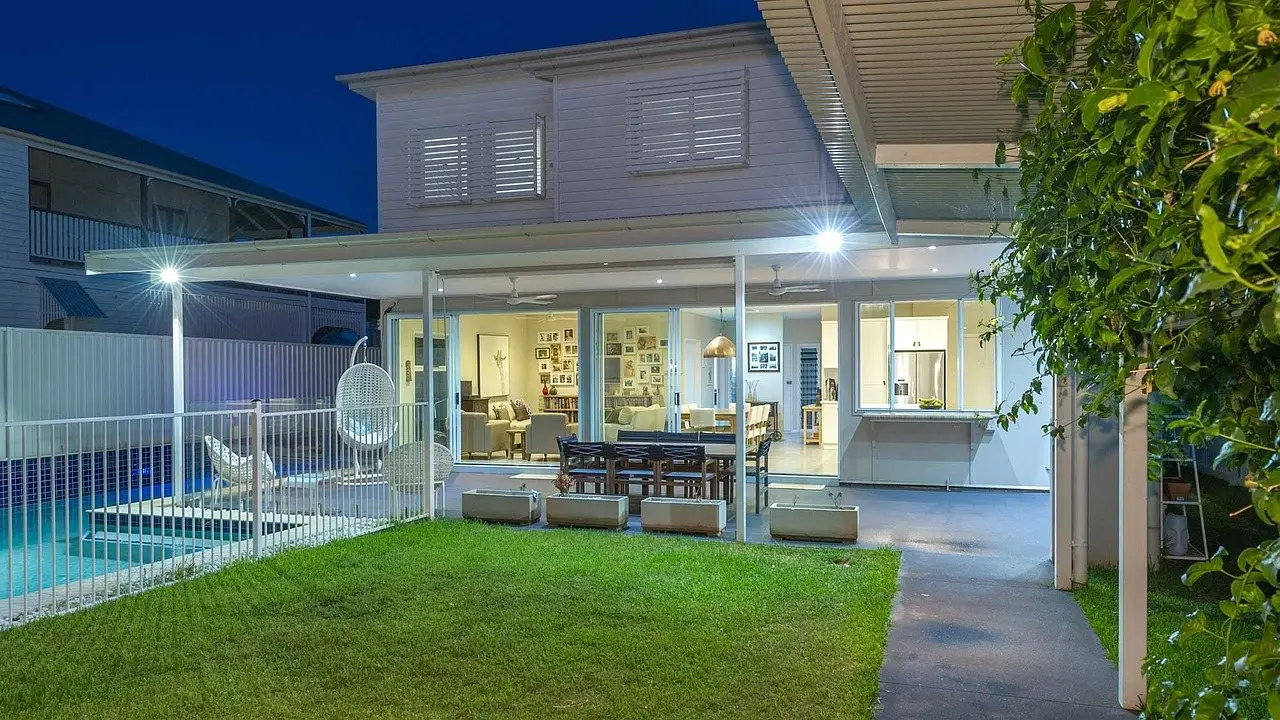
How Much Value Does a Pergola Add to a Home?
Rarely a dollar-for-dollar return. A pergola sells a house faster more often than it raises the price, and condition matters more than the structure itself.
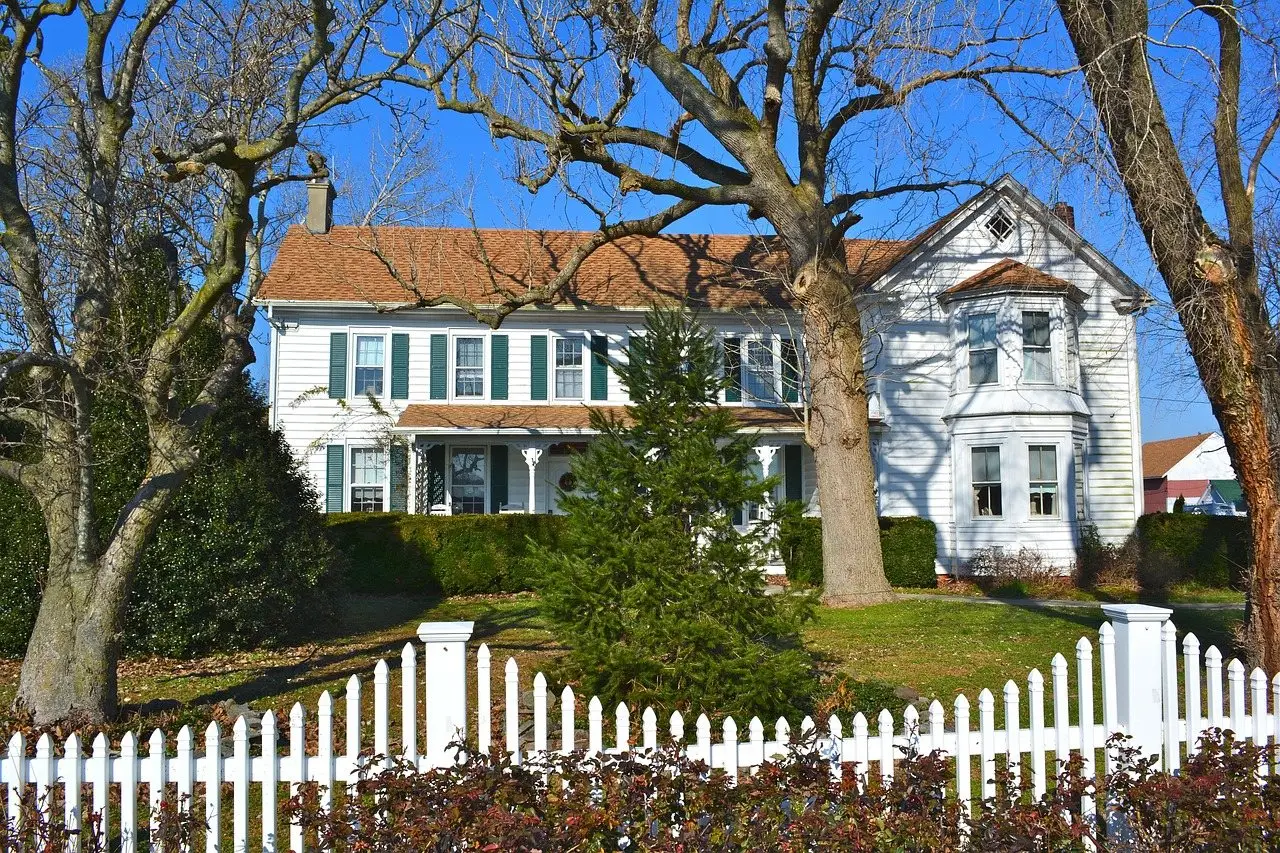
What Type of Fence Adds to Property Value? Condition First
Buyers respond to a fence that looks sound and matches the house far more than to any particular material. A failing fence subtracts reliably.
How Much Does Backyard Landscaping Cost? Phase It
Hard landscaping dominates every quote — paving, walls and drainage. Planting is the cheap part, which is why phasing the work changes the total so much.
How Much Wind Can a Greenhouse Withstand? Anchoring Decides It
Most domestic greenhouses are rated for 50 to 70 mph, but almost all failures are anchoring and glazing clips, not the frame being overpowered.