
How Much Wind Can a Greenhouse Withstand? Anchoring Decides It
Most domestic greenhouses are rated for 50 to 70 mph, but almost all failures are anchoring and glazing clips, not the frame being overpowered.
 By
On this page
Most domestic greenhouses are rated 50–70 mph — but that rating assumes correct assembly and proper anchoring to a base. Almost every real failure is anchoring or glazing clips, not the frame being overpowered.
Why they come apart
Wind does not just push. It creates lift over the roof and suction on the leeward side while pushing the windward face in.
- A glazing clip releases under suction and a panel pops out.
- Wind gets inside and pressurises the structure from within.
- The roof lifts and the remaining panels peel out from the inside.
That sequence — rather than the frame being overpowered — is what most greenhouse losses actually look like.
Anchoring, which is the real rating
| Base | Holds? |
|---|---|
| Base frame bolted into concrete footings | Yes — the standard |
| Concrete slab | Yes |
| Brick course on a proper foundation | Yes |
| Ground anchors / auger stakes into firm soil | Acceptable for light structures |
| Pegs into soft lawn | No |
| Paving slabs bedded on sand | No |
| Its own weight | No — it weighs almost nothing |
Siting it
Light and shelter. The best position has a hedge, fence or building upwind at two to four times its height — close enough to slow the wind, far enough not to shade or create eddies.
Two places not to put one
The gap between two buildings, which accelerates wind sharply. And tight against the lee of a solid wall, where eddies can be worse than open ground. A permeable windbreak like a hedge filters wind; a solid one deflects it into turbulence.
Before a storm
- Close and latch the doors and vents. An open door is a leading cause of roof loss.
- Replace missing glazing clips. One loose panel often starts it.
- Tape or remove an already-cracked panel rather than let it shatter inward.
- Move anything that could be thrown against the glass.
- Secure staging and tall pots inside.
Polytunnel or greenhouse?
A well-built polytunnel often does better — curved profile, no rigid panels to lose, some flex. A badly tensioned one does worse, because loose polythene flaps, fatigues and tears, and a torn cover goes entirely. Again the installation decides it: tight cover, trenched edges, doors shut.
Common questions
How much wind can a greenhouse withstand?
How do you anchor a greenhouse properly?
Why do greenhouses blow apart rather than blow over?
Where is the best place to put a greenhouse?
Is a polytunnel better or worse in wind than a greenhouse?
What should I do before a storm?
Backyard Weekly
Know what to plant, week by week
Join the weekly email for seasonal jobs, fixes for what is going wrong, and gear worth buying.
Not ready to subscribe? The planting calendar is free and needs no email.
By subscribing you agree to our privacy policy. Grow In Backyard will never sell your address.
Keep reading
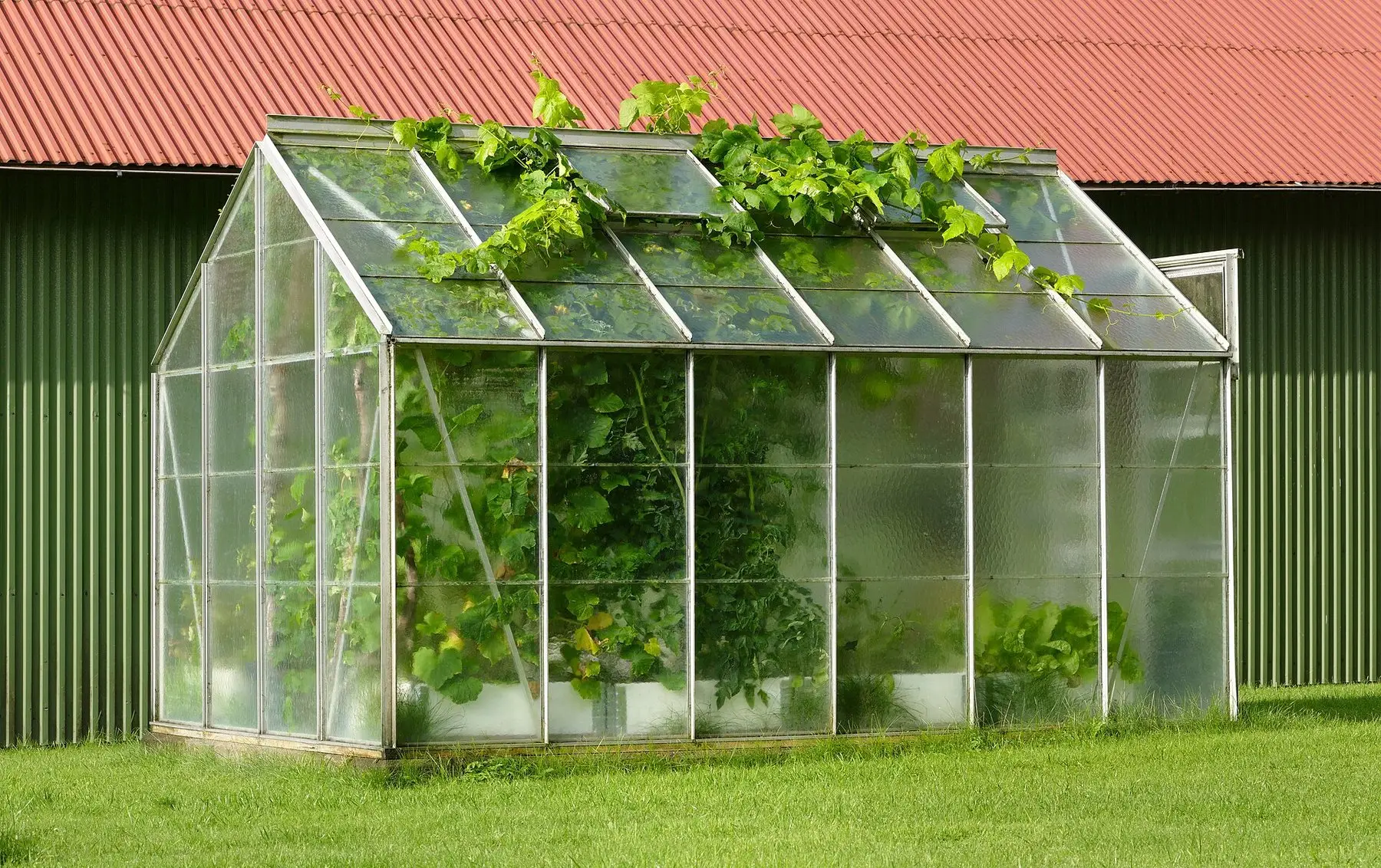
How to Build a Greenhouse — 4 Calls, Venting First
How to build a greenhouse: site it, glaze it, then vent it properly. 4 decisions carry the whole build. See which glazing suits your climate.
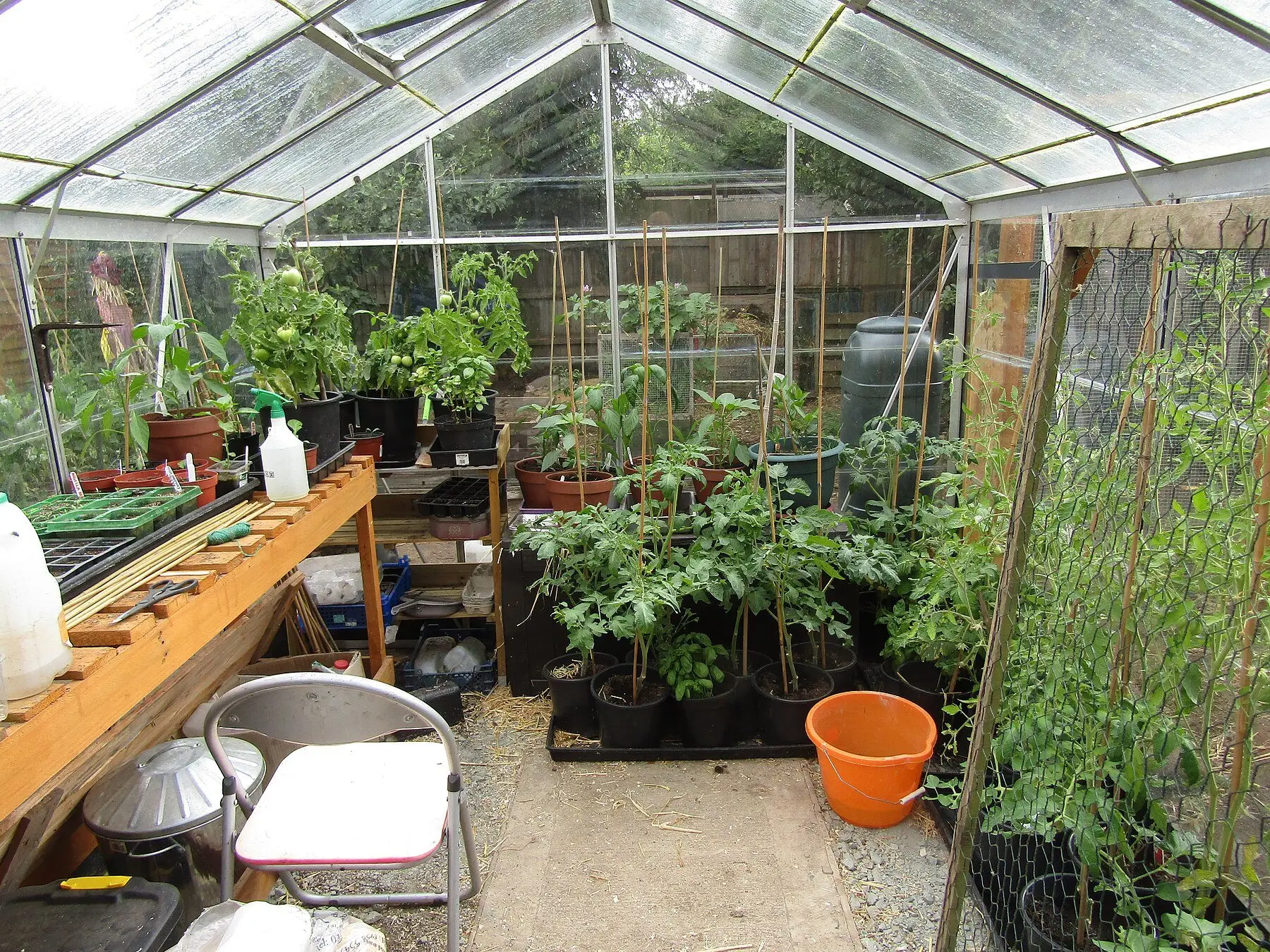
What Is a Greenhouse Used For? Six Jobs It Actually Does
A greenhouse extends the season at both ends, starts seed early and overwinters tender plants. What it is genuinely good at, and what it will not fix.
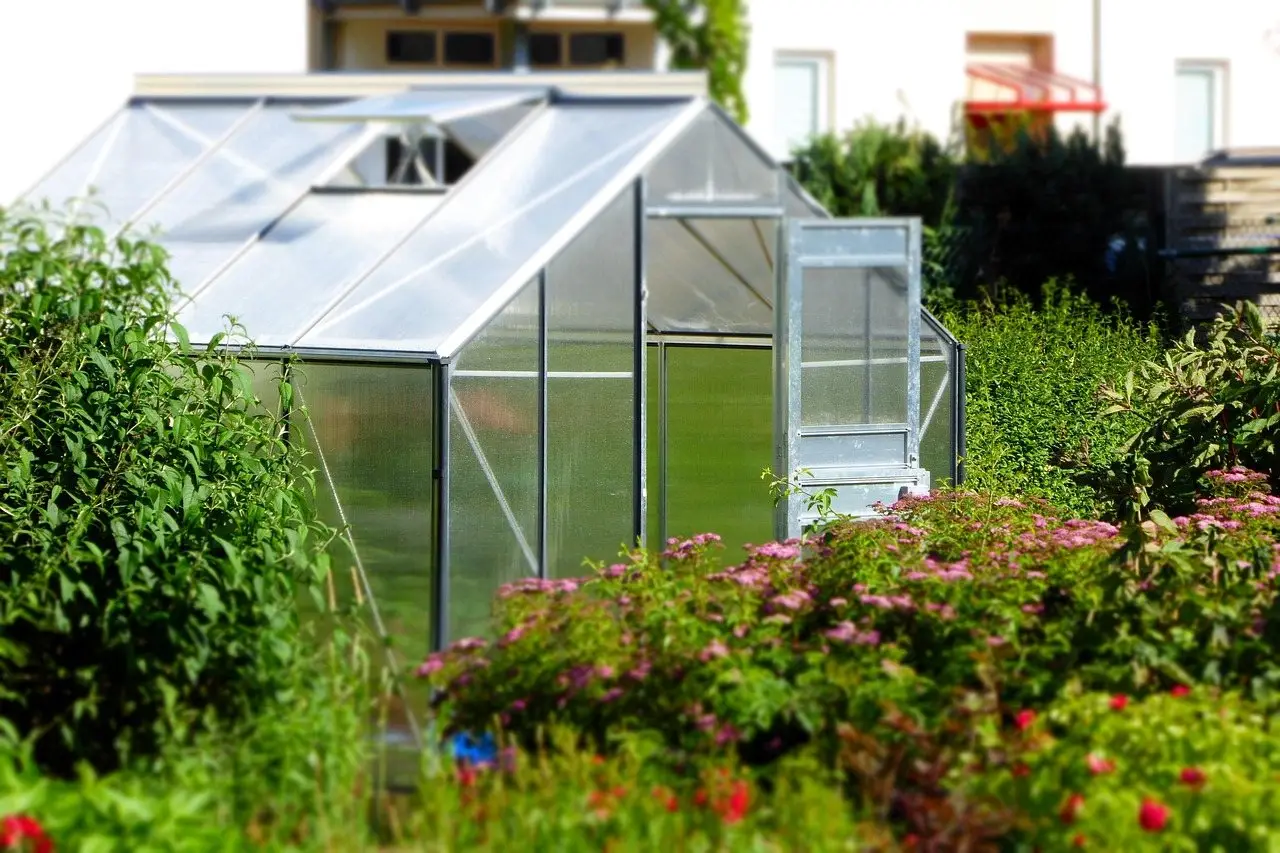
Do Greenhouses Need to Be Heated? Only for Some Jobs
An unheated greenhouse extends the season by weeks at each end. Heating buys frost protection and winter growing, and the cost scales with ambition.
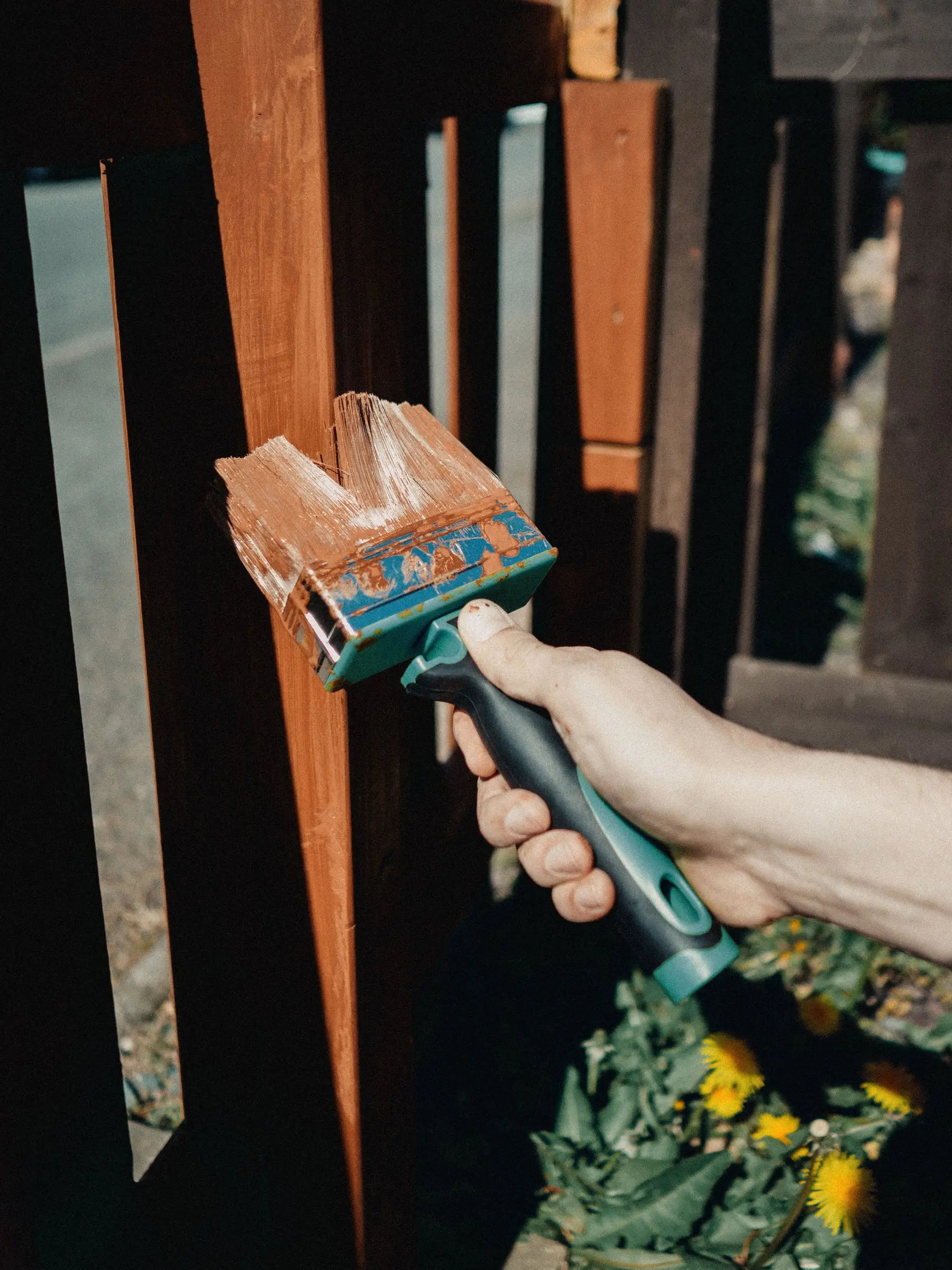
How Often to Stain a Deck? Test It, Do Not Count Years
Semi-transparent stain lasts 2–3 years, solid 3–5, clear sealer about one. But the water bead test beats any schedule — here is how to read your own deck.