
What Is a Good Size Pool for a Small Backyard?
Around 10 by 20 feet is the usual sweet spot, but the deciding number is what is left over — a pool needs a metre of deck on every side to be usable.
 By
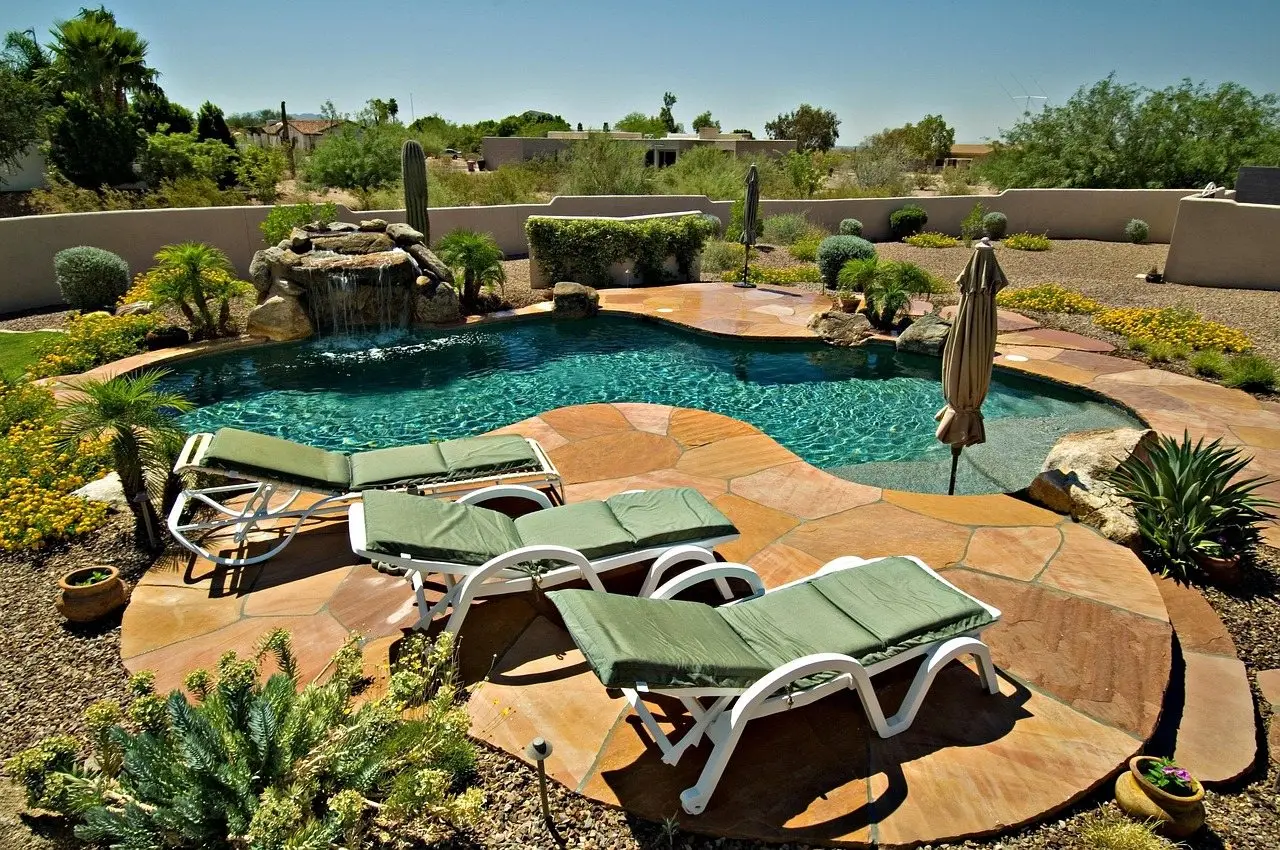
On this page
Around 10 × 20 ft is the usual sweet spot — but the deciding number is what is left over. A pool needs about a metre of deck on every side plus room for the plant. Measure the leftover space first.
Sizing by what is left
| Pool | Footprint | Plus surround | What it is for |
|---|---|---|---|
| Plunge | 8 × 12 ft | ~14 × 18 ft | Cooling off, sitting, play |
| Small family | 10 × 20 ft | ~16 × 26 ft | Several people, play, short swims |
| Swim spa | ~8 × 15 ft | ~14 × 21 ft | Actual swimming, against a current |
| Full size | 16 × 32 ft | ~22 × 38 ft | Lengths — rarely fits a small plot |
Measure the leftover, not the pool
Draw the pool and its metre of surround and the plant housing on a plan of the garden, then look at what remains. If there is nowhere left to put a table, the pool is too big.
Why the surround is not optional
- Safety. A narrow wet edge is exactly where falls happen.
- Maintenance. You need room to walk round with a brush and a net.
- Use. Loungers and a towel-drop area need more than a metre on at least one side.
- Rules. Many jurisdictions require a safety barrier at a set distance, which eats further into the plot and must be planned from the start, not retrofitted.
Smaller is cheaper to run, substantially
Heating, chemicals and water replacement all scale with volume. Depth matters as much as surface area — a uniformly shallow pool holds far less water and heats much faster than one with a deep end.
Skip the deep end
A uniform 1.2 m suits swimming, standing and playing, and keeps the volume down. A deep end only earns its water and heat if you genuinely want to dive, and safe diving needs far more depth than a small pool can provide. A flat floor also makes cleaning and cover fitting simpler.
The honest consideration
A pool is a fixed object that cannot be used for anything else, and in a small plot it stops being a feature and becomes the garden. Positioning it to one side rather than centrally, keeping the surround material consistent with the rest of the paving, and planting the edges all help. Above-ground and plunge options are far easier to reverse than an inground pool if the household changes.
Common questions
What is a good size pool for a small backyard?
What is the smallest practical pool?
How much space do you need around a pool?
Does a small pool cost much less to run?
Should a small pool have a deep end?
Will a pool make a small garden feel smaller?
Backyard Weekly
Know what to plant, week by week
Join the weekly email for seasonal jobs, fixes for what is going wrong, and gear worth buying.
Not ready to subscribe? The planting calendar is free and needs no email.
By subscribing you agree to our privacy policy. Grow In Backyard will never sell your address.
Keep reading
When Should You Shock Your Pool? Six Clear Triggers
Weekly is a habit, not a rule. Combined chlorine above 0.5 ppm, heavy use, storms and algae are the signals that actually call for a shock treatment.
Small Backyard Ideas That Make the Space Feel Bigger
Small gardens fail by being over-divided and lined with furniture around the edge. The moves that add usable space, and what to spend money on first.
What Is the Best Surface for a Patio? Match It to the Use
Concrete slabs are the cheapest solid option, porcelain the most maintenance-free, gravel the easiest to lay. The base matters more than any of them.
What Is a Greenhouse Used For? Six Jobs It Actually Does
A greenhouse extends the season at both ends, starts seed early and overwinters tender plants. What it is genuinely good at, and what it will not fix.