
How to Landscape Around a Tree With Exposed Roots
Adding soil over roots suffocates them and cutting them risks the tree. What you can safely do instead, and why the raised bed idea kills mature trees.
 By
On this page
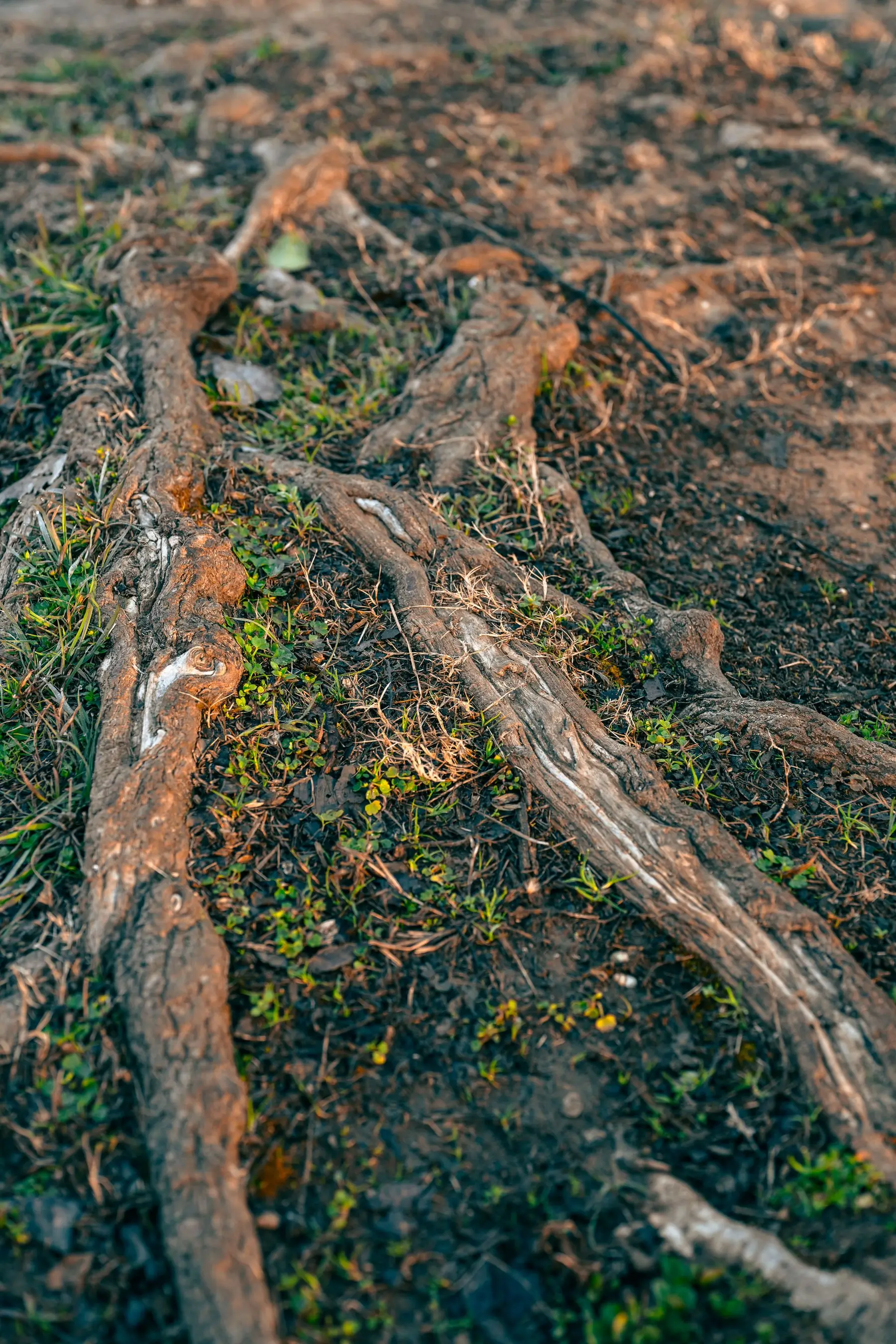
The main instruction is a prohibition: do not add soil over the roots. Roots breathe through the soil surface, and a few inches of fill can kill a mature tree — slowly enough that nobody connects it to the bed they built.
Why soil over roots is fatal
Tree roots exchange gases through the soil surface. They are shallower than people picture — the great majority sit in the top foot or so, spreading out to and beyond the drip line.
Cover them and you cut off the oxygen.
The delay is why this keeps happening
A tree buried under a new bed can take several years to decline and die.
By the time the canopy thins and branches start dying back, nobody connects it to the tidy raised bed built three summers ago. So the same mistake gets made, admired, and repeated.
The ring of blocks filled with soil around a trunk is the commonest version. It buries the root flare and the surface roots together, and holds moisture against the bark at the base.
What you can actually do
| Verdict | |
|---|---|
| Add soil over roots | No — suffocation |
| Cut roots to level | No — health and stability |
| Raised bed around trunk | No — the classic tree-killer |
| Remove competing turf | Yes — the biggest single improvement |
| Mulch 2–4 in, trunk clear | Yes |
| Groundcover plugs between roots | Yes, with realistic expectations |
Remove the grass, add nothing
Turf competes directly with surface roots for water and nutrients, and loses anyway in dense shade — so you get a thin, patchy lawn and a stressed tree.
Taking the turf out under the canopy is usually a bigger improvement than anything you could plant.
Mulch, correctly
- Two to four inches, spread evenly out toward the drip line
- A clear gap around the trunk, so the root flare stays visible
- Arborist wood chip or bark
The mulch volcano is doing harm, not good
Mulch piled into a cone against the bark holds moisture against the trunk and rots it, and encourages roots to circle in the mulch rather than root out into soil.
If you cannot see where the trunk widens into the roots, there is too much material against it.
Planting between roots
- Small, shade-tolerant, shallow-rooted groundcover, in plugs
- Worked into the gaps that already exist
- Autumn or early spring, not peak summer competition
- More, smaller plants rather than fewer larger ones
If a hole needs a root cut to fit, move the plant
That is the rule that keeps this safe. The planting is worth less than the tree, every time.
And expect some losses regardless — under a mature canopy the ground is shaded and dry at once, because the tree takes most of the water before anything else sees it. New planting needs watering help here for longer than it would in open ground.
Why they are exposed
Often erosion around a naturally shallow-rooting tree — rain running off compacted lawn, foot traffic, mowing that scalps the high points.
But some species are simply surface-rooters: maples, beeches, poplars, willows. With those it is normal development, not a defect to correct.
Step by step
- Time
- PT2H
- You need
- Arborist wood chip or bark mulch, Shade-tolerant groundcover plants
- Tools
- Hand trowel, Leaf rake
Do not add a layer of soil over the roots
This is the step that is really a prohibition, and it matters more than anything you will do. Tree roots take in oxygen through the soil surface, and burying them under new soil suffocates them. A few inches is enough to begin killing a mature tree, and the decline takes years, which is why the cause is so rarely recognised.
Remove competing turf rather than adding anything
Grass competes directly with surface roots for water and nutrients and loses anyway in dense shade. Taking the turf out under the canopy is usually a bigger improvement than any planting you could add.
Mulch two to four inches deep, and keep it off the trunk
Arborist chip or bark, spread evenly out towards the drip line, with a clear gap around the trunk so the root flare stays visible. Mulch piled against bark holds moisture against it and rots it — the volcano shape seen on so many street trees is actively harmful.
Plant between the roots, never through them
Use small shade-tolerant plants in plugs, worked into the gaps that already exist. If a planting hole needs a root cut to fit, move the plant rather than cutting. Smaller plants in more gaps gives a better result than fewer larger ones forced in.
Water through the first two seasons
Under a mature canopy the ground is both shaded and dry, because the tree takes most of the water before anything else gets it. New planting needs help for longer here than it would in open ground.
Common questions
Can you put soil over exposed tree roots?
Why are my tree roots exposed in the first place?
Can I cut tree roots to level the ground?
Is a raised bed around a tree a bad idea?
What can I plant under a tree with surface roots?
How deep should mulch go around a tree?
Backyard Weekly
Know what to plant, week by week
Join the weekly email for seasonal jobs, fixes for what is going wrong, and gear worth buying.
Not ready to subscribe? The planting calendar is free and needs no email.
By subscribing you agree to our privacy policy. Grow In Backyard will never sell your address.
Keep reading
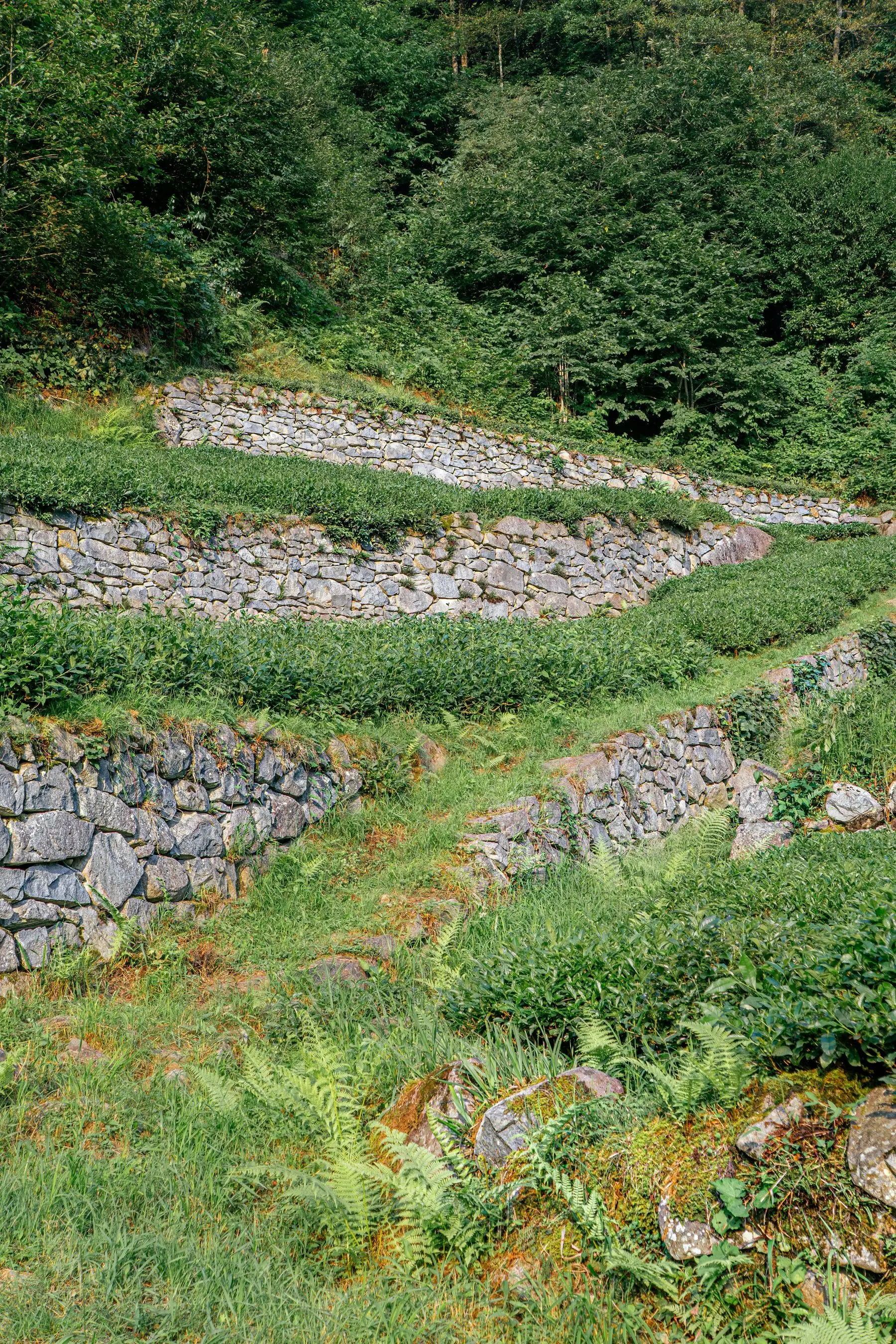
How to Build a Tiered Garden on a Slope: Planning It Right
Terracing a slope is mostly drainage and wall height, not planting. How to size the tiers, where permits start, and the cut-and-fill that saves soil.
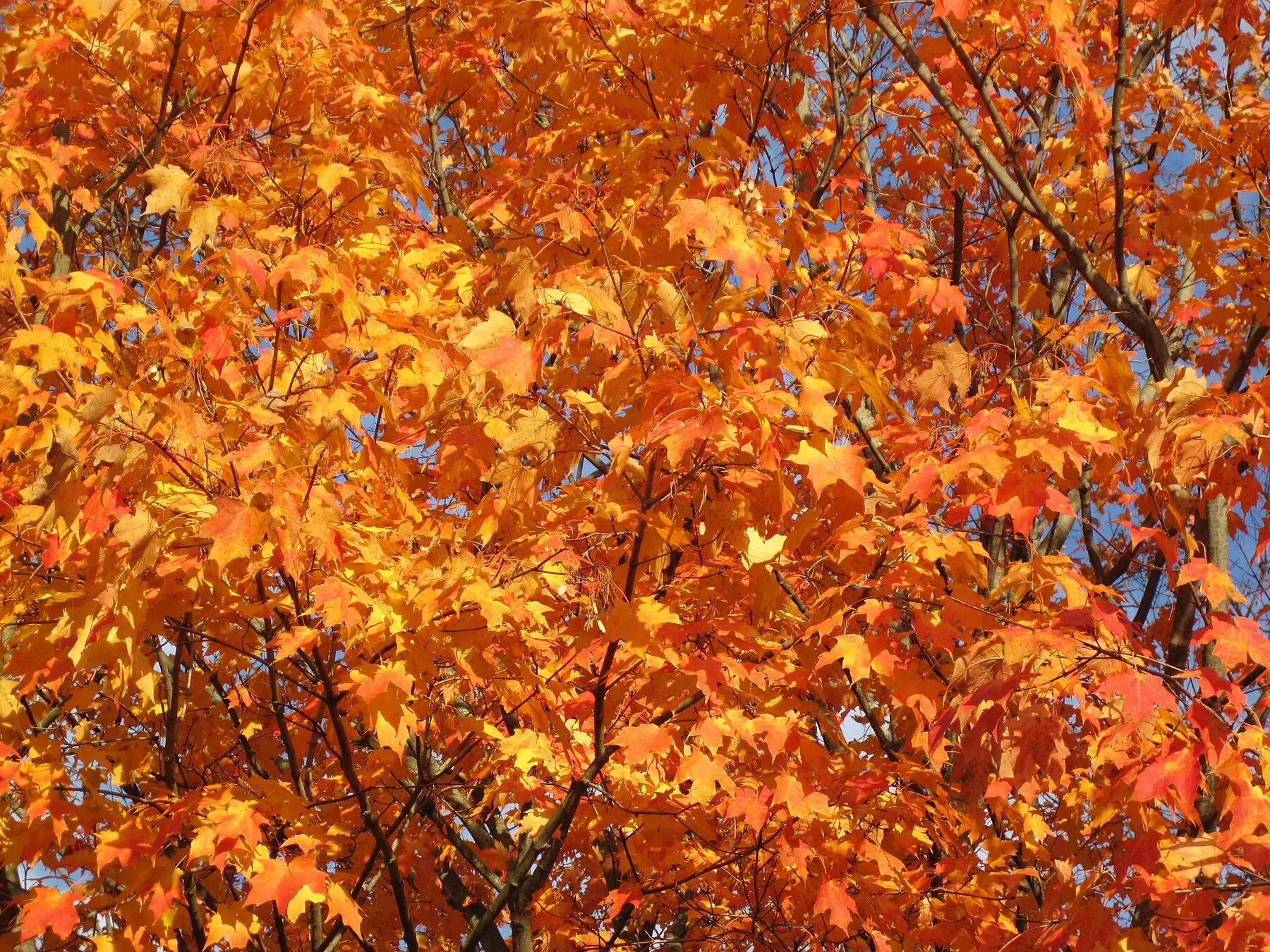
How Long Do Maple Trees Live? 80 to 300 Years by Species
Maple lifespan depends almost entirely on species: silver maple 60–100 years, red maple 100–150, sugar maple 200–300. Where yours actually sits.
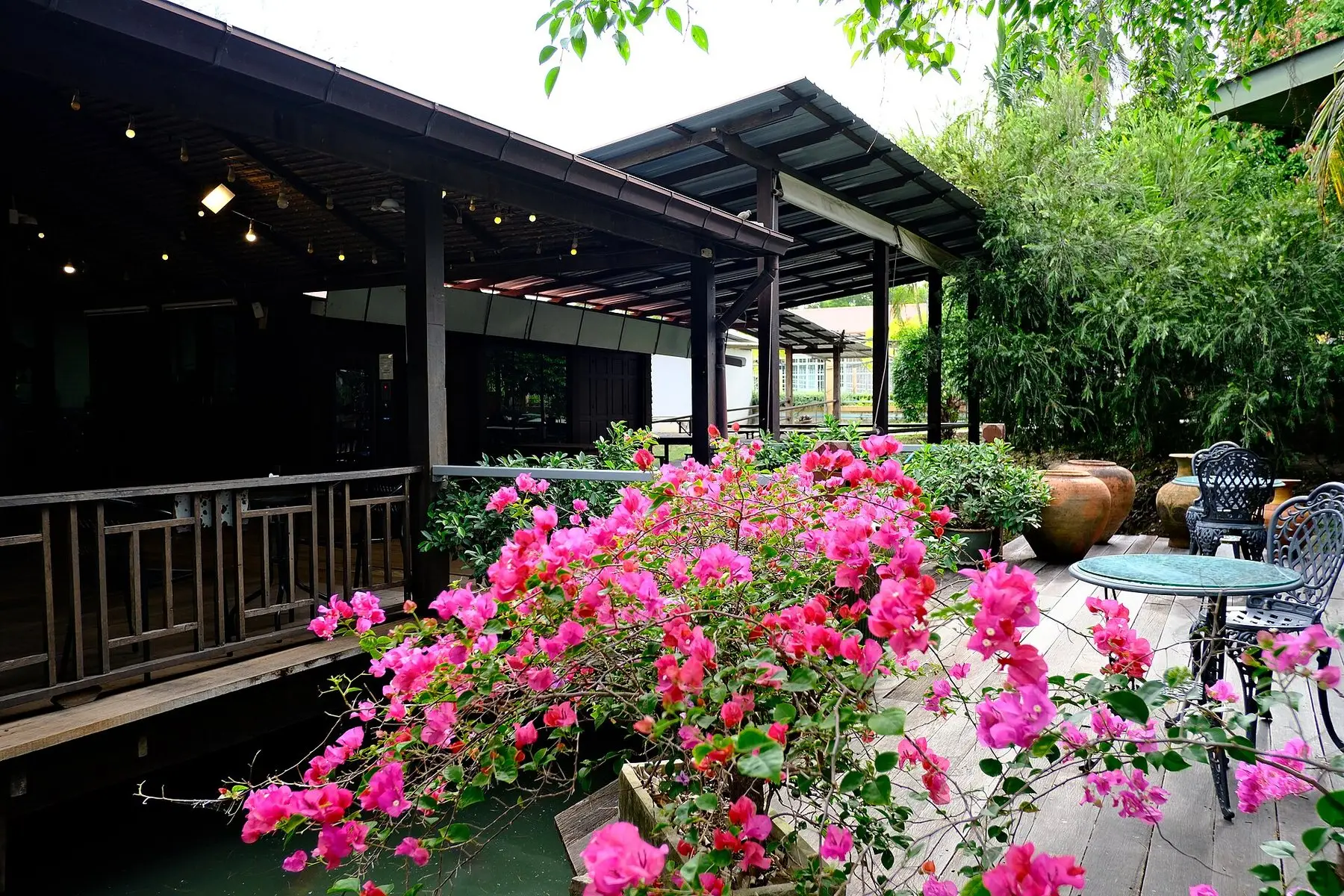
Garden Decor Ideas That Don't Look Cluttered in a Year
Most backyard decor gets added piece by piece until the yard looks like a garden center. A short list of what earns its place, and what to skip.
How to Start a Flower Garden: First Bed, First Season
Pick the spot by watching the sun for a day, prepare the soil once properly, and plant far fewer varieties than you want to. Density beats variety.