
How to Start a Flower Garden: First Bed, First Season
Pick the spot by watching the sun for a day, prepare the soil once properly, and plant far fewer varieties than you want to. Density beats variety.
 By
On this page
Most disappointing first flower beds fail for one of two reasons: the spot got less sun than anyone checked, or the bed was too big to keep up with. Both are decided before a single plant is bought.
Sun first, because nothing fixes it later
Go out at mid-morning, midday and late afternoon and note whether the spot is in direct sun. Add the hours.
| Direct sun | Call it | Plants |
|---|---|---|
| 6+ hours | Full sun | Most classic border flowers |
| 3–6 hours | Part shade | Astilbe, heuchera, hardy geranium |
| Under 3 | Shade | Hosta, fern, brunnera |
A sun-loving plant in a three-hour bed does not grow slowly — it grows leggy, flowers barely, and falls over. No amount of feeding or watering corrects it, which is why this is worth a day’s attention before any money is spent.
Shade from a fence, a shed or a neighbour’s tree is routinely underestimated, and it moves through the season as the sun angle changes.
Start smaller than you want to
Four feet by eight. That is the recommendation and it is deliberately modest.
The failure mode of a first garden is almost never a bed that was too small. It is the ambitious bed that is wonderful in May, weedy in July and abandoned in August — after which people conclude they are bad at gardening, when they were simply over-committed.
A small bed kept well looks far better than a large one kept badly, and it can always be extended next year.
Build on top, do not dig
- Plain untaped cardboard over the grass, edges overlapped so no light gets through
- Three to four inches of compost on top
- Plant straight into the compost
The grass dies from light exclusion, worms pull the cardboard down over a few months, and the soil structure underneath is left intact rather than inverted and compacted.
This is less work than digging and gives a better bed.
Buy in threes and fives
This is the difference between a bed that looks designed and one that looks like a plant collection.
Three of one plant reads as intentional. One each of nine plants reads as whatever was on offer that day. Repetition carries the eye across a planting; variety scatters it.
A short list has a second advantage: you learn what five plants actually want, instead of losing track of fifteen different sets of requirements in your first season.
Mix perennials and annuals in year one
Perennials return every year and are the structure of the bed — but many flower sparsely in their first season while they build roots. A bed of only perennials can look thin and disappointing precisely when you most want encouragement.
Annuals flower for months and fill those gaps, at the cost of being replaced each spring.
Roughly two thirds perennials, one third annuals gives permanence and a first summer worth looking at.
The watering habit that decides August
A long soak twice a week, not a light sprinkle every day.
Deep watering drives roots down toward moisture that persists. Daily sprinkling wets only the top inch, so roots stay shallow and the bed becomes completely dependent on you — which is exactly why some gardens collapse in a hot week and others do not.
Mulch two inches, kept clear of stems, and the whole job roughly halves.
When to start
Autumn or spring, and autumn is slightly better where winters are mild: roots establish in cool soil before the plant has to support any top growth, and the bed is ready the moment spring arrives.
Spring is the more common choice and works fine. Just expect more watering through the first summer.
Step by step
- Time
- P30D
- Cost
- 120
- You need
- Compost or well-rotted manure, Cardboard, plain and untaped, Mulch, Plants, in threes and fives rather than singly
- Tools
- Spade and garden fork, Rake, Watering can or hose
Watch the sun for one full day before choosing the spot
Check the site at mid-morning, midday and late afternoon and note how many hours of direct sun it actually gets. Almost every disappointing first bed was sited on a guess, and shade from a fence or a neighbouring tree is easy to underestimate.
Start smaller than you want to
A bed of about four by eight feet is enough to look deliberate and small enough to keep weeded and watered through a first summer. A large bed that becomes unmanageable in July is the commonest way people give up.
Smother what is there with cardboard
Lay plain untaped cardboard over the grass or weeds with the edges overlapped. It kills the existing growth without digging and the worms pull it down over a few months.
Add three to four inches of compost on top
Spread compost straight onto the cardboard rather than mixing it in. This is a bed you can plant into immediately, and the soil below improves as the organisms work.
Choose plants for the light you actually measured
Full sun means six hours or more. Part shade is three to six. Buying a sun-loving plant for a shaded bed is the single most common first-year mistake, and no amount of care corrects it.
Buy in threes and fives, not singly
Three of one plant reads as a deliberate planting; one each of nine different plants reads as a collection. Repetition is what makes a small bed look designed rather than accidental.
Mix a few reliable perennials with annuals for the first year
Perennials return each year but often flower sparsely in their first season. Annuals fill the gaps and flower for months, which keeps the bed looking worthwhile while the perennials establish.
Plant at the depth the pot was, and water in well
Set each plant so the compost surface matches the surrounding level, firm gently, and water thoroughly to settle soil around the roots rather than leaving air pockets.
Mulch two inches, keeping it off the stems
Mulch suppresses weeds, holds moisture and halves the maintenance. Keep it clear of plant stems, where it traps damp and causes rot.
Water deeply twice a week, not lightly every day
A long soak twice a week drives roots down. Daily sprinkling keeps roots shallow and the bed dependent on you, which is what makes August hard.
Common questions
How do you start a flower garden for the first time?
When is the best time to start a flower garden?
How many different plants should a beginner buy?
Should you plant annuals or perennials in a new flower bed?
How big should a first flower bed be?
Do you need to dig up the grass to make a flower bed?
Backyard Weekly
Know what to plant, week by week
Join the weekly email for seasonal jobs, fixes for what is going wrong, and gear worth buying.
Not ready to subscribe? The planting calendar is free and needs no email.
By subscribing you agree to our privacy policy. Grow In Backyard will never sell your address.
Keep reading
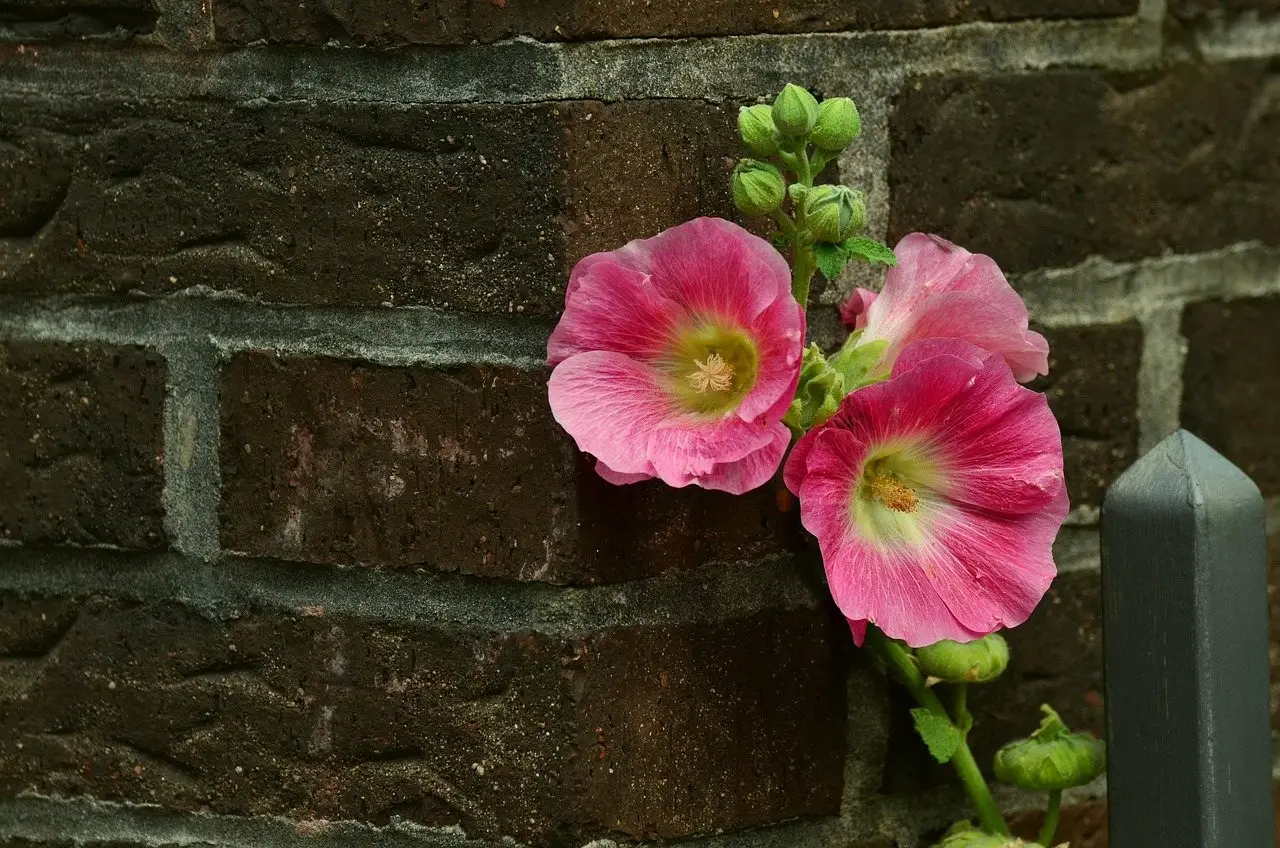
When to Plant Hollyhock Seeds: Autumn Beats Spring
Hollyhocks are biennial, so autumn-sown seed flowers the following summer while spring sowing waits a year. Surface sow — the seed needs light.
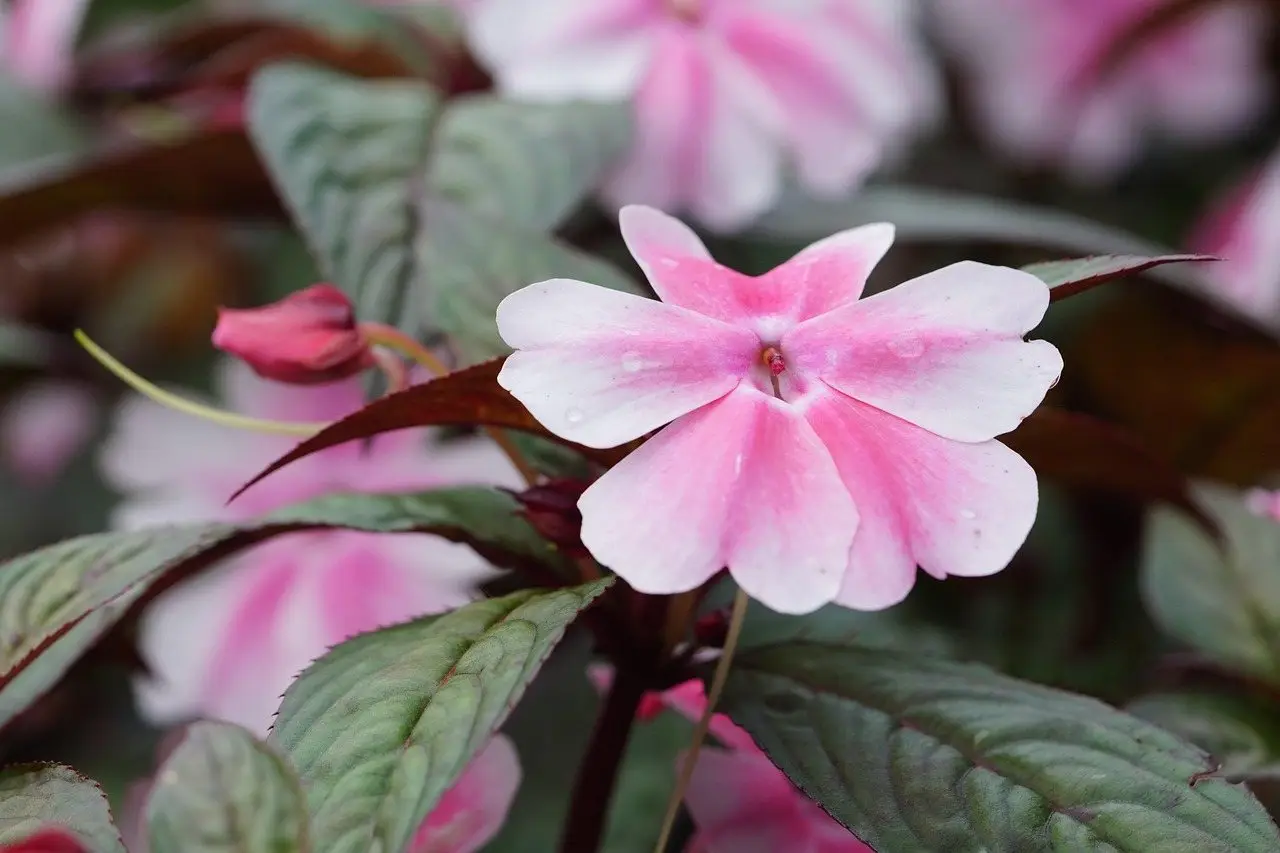
New Guinea Impatiens Care: Sun Tolerant, But Never Dry
Unlike bedding impatiens these take real sun and resist downy mildew. What they will not take is drying out — they collapse within hours.
How to Amend Clay Soil Without Tilling
Tilling clay breaks the structure you are trying to build. Compost on the surface, deep roots and time do the work instead — and it holds.
Is It Cheaper to Build a Deck or Pour Concrete? Concrete, Usually
A concrete slab costs less per square metre and lasts longer. Decking wins where the ground slopes, because levelling for concrete is the real expense.