
Is It Cheaper to Build a Deck or Pour Concrete? Concrete, Usually
A concrete slab costs less per square metre and lasts longer. Decking wins where the ground slopes, because levelling for concrete is the real expense.
 By
On this page
Concrete, on flat ground — cheaper per square metre and far longer-lived. Decking wins on a slope, because levelling and retaining for a slab is the real expense, and a deck spans awkward ground on posts.
Where each one wins
| Concrete slab | Timber deck | |
|---|---|---|
| Flat site, cost/m² | Lower | Higher |
| Sloping site, cost/m² | Much higher | Lower |
| Lifespan | Decades | 15–25 years |
| Maintenance | Cleaning | Stain every 2–3 years, board repairs |
| Over tree roots | Poor — disturbs them | Good — spans on posts |
| Level with a back door | Hard | Easy |
| Underfoot | Hard, hot in sun | Warmer, more forgiving |
| Drainage | Needs a fall designed in | Drains through the gaps |
The slab's cost is underground
Concrete itself is not expensive. What costs money is the level, compacted, free-draining sub-base underneath it — and on a gradient that means excavation, retaining and imported fill. That is the entire reason the comparison flips on a slope.
Over twenty years
Maintenance is where the gap widens. Concrete asks for cleaning and the occasional crack repair. Decking asks for cleaning, stain or sealant every two to three years, replacement of failed boards, and eventually attention to the frame and fixings — recurring for as long as it exists. Composite decking lasts longer than timber and costs more upfront, and still sits behind concrete on lifespan.
Choose decking when
- The ground slopes or drains badly
- You want a level surface at the height of the back door
- There are tree roots you do not want to disturb
- The weight of a slab would be a problem
- Small children — warmer underfoot, softer to fall on
Rescuing a cracked slab
Decking laid on low-profile joists or adjustable pedestals over sound-but-cracked concrete is a common and good fix. Get two things right: a ventilation gap so air moves under the boards, and check the added height does not rise above a damp-proof course or foul a door.
On resale
Neither reliably beats the other. Condition decides it — a sound deck and a clean patio both read as usable space; a splintering deck and a cracked slab both read as a job the buyer inherits.
Common questions
Is it cheaper to build a deck or pour concrete?
Which lasts longer, decking or a concrete patio?
What is the real cost difference over time?
When is decking the better choice?
Which adds more value to a house?
Can you put decking on top of an old concrete patio?
Backyard Weekly
Know what to plant, week by week
Join the weekly email for seasonal jobs, fixes for what is going wrong, and gear worth buying.
Not ready to subscribe? The planting calendar is free and needs no email.
By subscribing you agree to our privacy policy. Grow In Backyard will never sell your address.
Keep reading
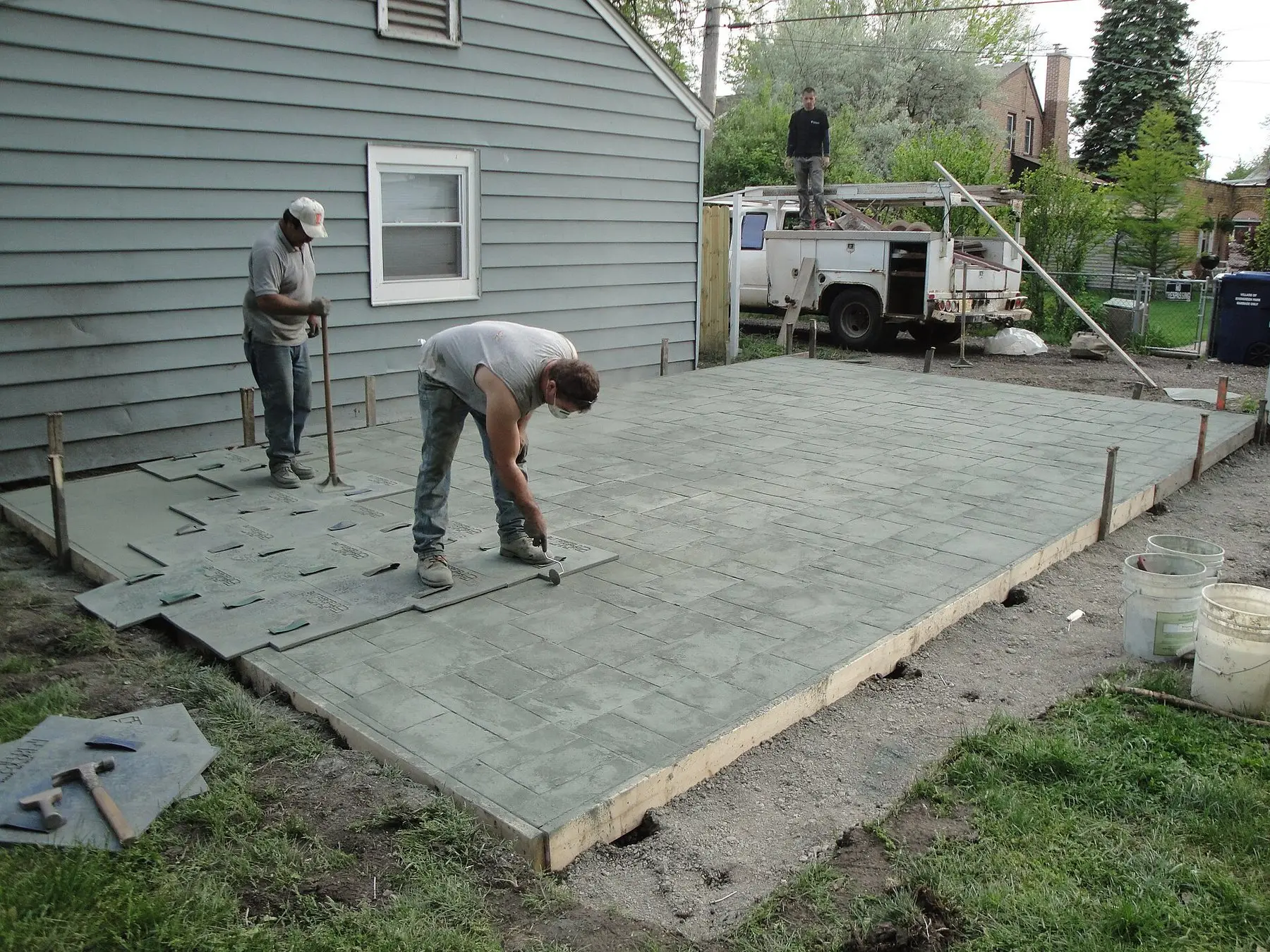
Concrete Patio Thickness: 4 Inches, and What Matters More
Four inches is the standard for foot traffic, but the base under it and the control joints in it cause more failures than depth ever does.
What Is the Best Surface for a Patio? Match It to the Use
Concrete slabs are the cheapest solid option, porcelain the most maintenance-free, gravel the easiest to lay. The base matters more than any of them.
Is Pressure Treated Wood Good for Decks? Yes, With Care
It is the default for good reason — rot resistance at low cost. The catches are movement as it dries, cut ends, and matching the treatment to the use.
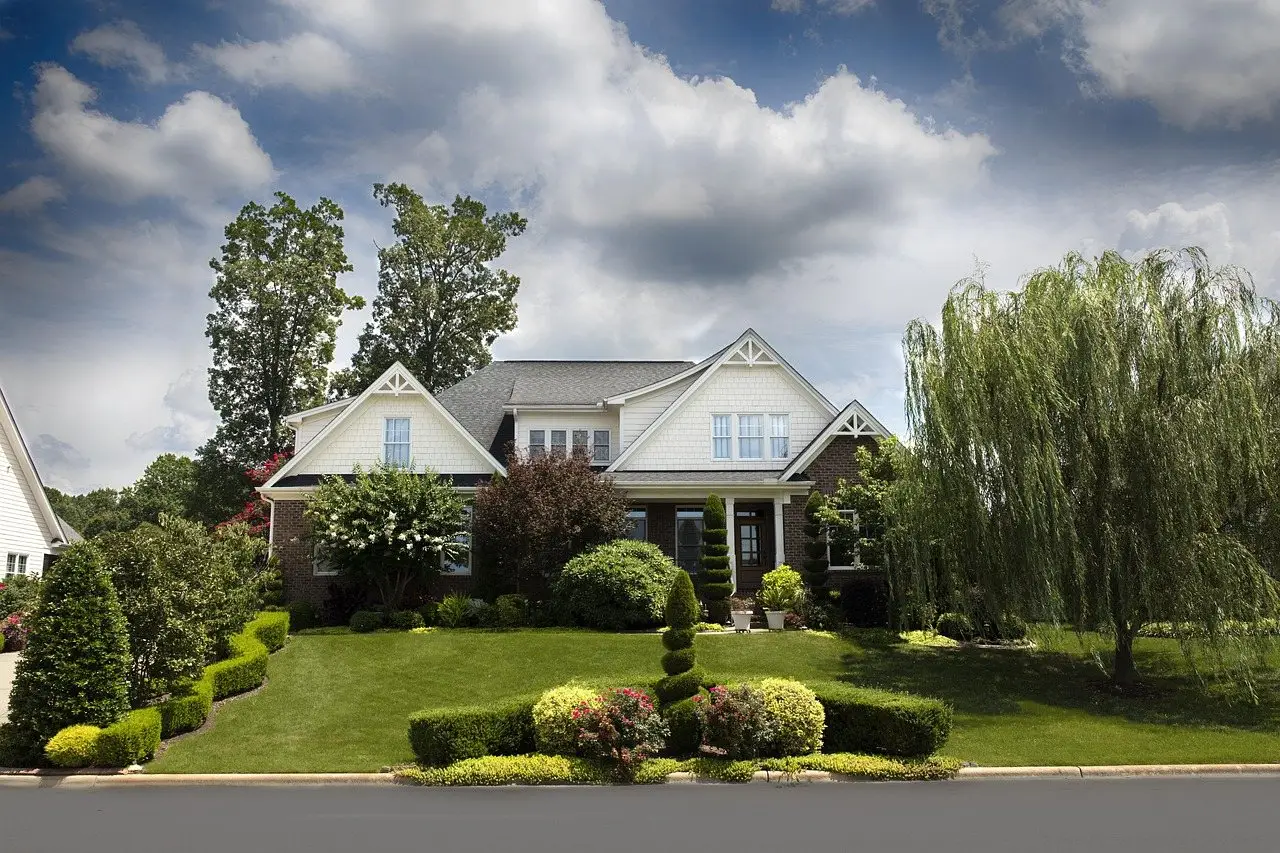
Is Landscaping a Good Investment? For Resale, the Front Yard Is
Mature planting and a tidy front garden reliably return their cost at sale. Pools, elaborate water features and bespoke structures rarely do.