
When to Plant Hollyhock Seeds: Autumn Beats Spring
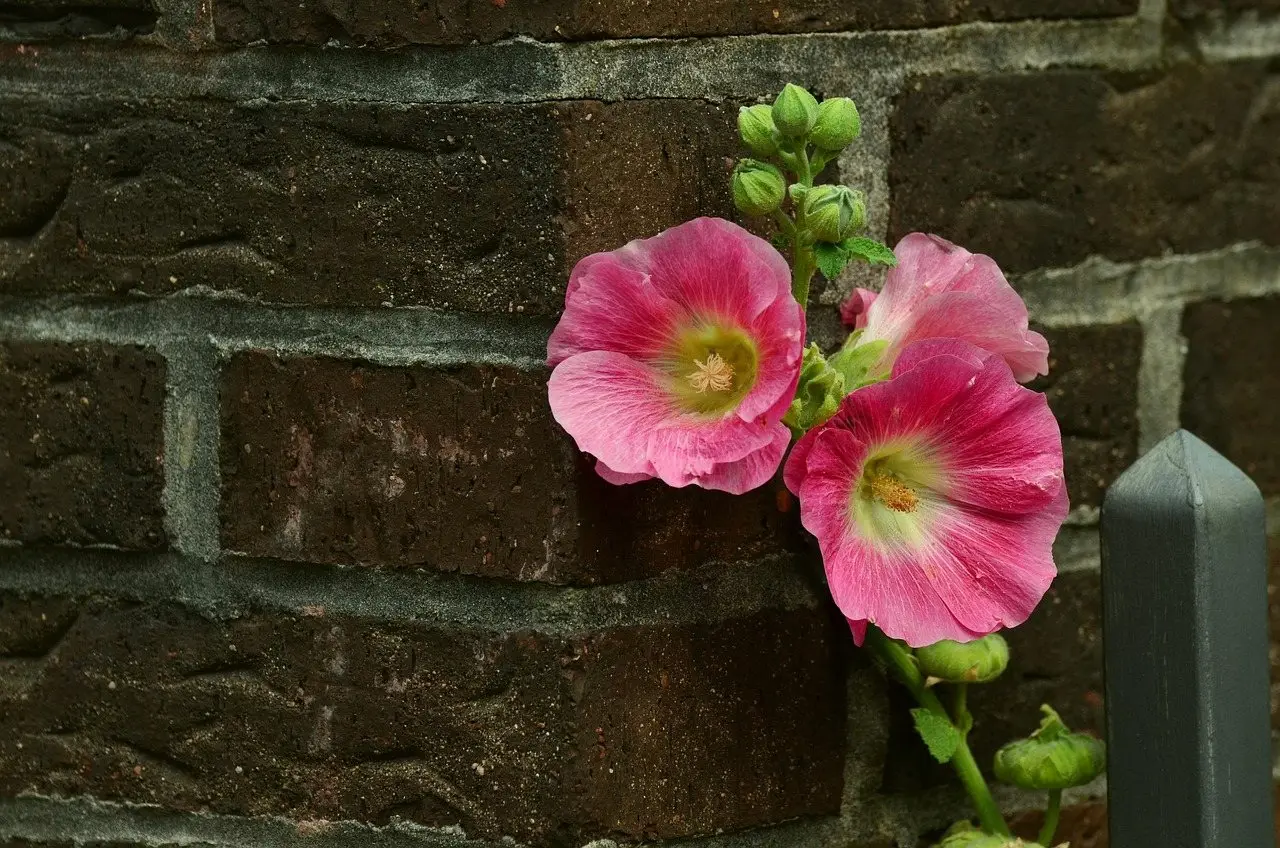
Hollyhocks are biennial, so autumn-sown seed flowers the following summer while spring sowing waits a year. Surface sow — the seed needs light.
 By
On this page
Late summer to early autumn. Hollyhocks are biennial, so autumn-sown seed makes a rosette before winter and flowers next summer — while spring-sown seed spends the whole season as leaves and flowers a year later.
Why the timing matters
| Sown | Year one | Year two |
|---|---|---|
| Late summer / early autumn | Rosette, overwinters | Flowers |
| Spring | Rosette only | Flowers |
A biennial needs a full season of leaf growth before it flowers. Autumn sowing uses the tail of one year for that growth; spring sowing uses the whole of the next.
So the same packet, sown six months apart, gives flowers a full year apart.
A few modern strains are bred to flower in their first year from a very early start under cover — worth checking the packet if you want blooms this season.
Surface sow
This is the other common packet failure. Hollyhock seed needs light to germinate.
- Press it onto the surface, or cover with the barest scattering — no more than about an eighth of an inch
- Keep the surface moist until germination, which takes ten to fourteen days in warmth
Burying it at the depth that suits most seed simply means it does not come up.
Siting: wall, sun, space
Full sun, deep soil that drains well, and against a wall or fence.
The wall is doing real work. Hollyhocks reach six to eight feet, and unsupported spikes snap in wind just as they come into flower.
But give them space and open air on the exposed side rather than wedging them into a crowded border — which brings us to the one thing everyone who grows hollyhocks deals with.
Hollyhock rust is near-universal
Orange-brown pustules on leaf undersides, yellow spots above, caused by Puccinia malvacearum. It rarely kills a plant but disfigures it badly and weakens it over time.
What actually helps:
- Remove and bin affected leaves — not compost, which recycles the spores
- Clear every fallen leaf in autumn. The spores overwinter on them, and this is the single most effective step
- Water at the base, never overhead
- Space plants for airflow
Fungicides are available and rarely worth it in a garden. The autumn clean-up does more.
They look after themselves after that
Individual plants die after flowering — that is what biennial means. But hollyhocks self-seed freely, and seedlings fill in around the parent, so an established patch persists indefinitely.
The one thing that breaks the cycle is thorough deadheading. Leave a few seed heads to ripen and the patch perpetuates itself; remove every one and you will be sowing again.
That is why hollyhocks read as permanent cottage-garden plants despite almost none of the individual plants lasting more than two years.
Common questions
When should you plant hollyhock seeds?
Do hollyhock seeds need light to germinate?
Are hollyhocks perennial or biennial?
Do hollyhocks come back every year?
What are the orange spots on hollyhock leaves?
Where is the best place to plant hollyhocks?
Backyard Weekly
Know what to plant, week by week
Join the weekly email for seasonal jobs, fixes for what is going wrong, and gear worth buying.
Not ready to subscribe? The planting calendar is free and needs no email.
By subscribing you agree to our privacy policy. Grow In Backyard will never sell your address.
Keep reading
Is Chamomile a Perennial? Two Plants, Two Answers
Roman chamomile is a perennial that spreads; German chamomile is an annual that self-seeds. Both come back — by completely different mechanisms.
New Guinea Impatiens Care: Sun Tolerant, But Never Dry
Unlike bedding impatiens these take real sun and resist downy mildew. What they will not take is drying out — they collapse within hours.
How to Grow Lavender: Drainage, Sun, and Almost Nothing Else
Lavender dies of wet feet and kindness, not cold. Which species suits your winter, why you plant it in poor soil, and the spacing that prevents rot.
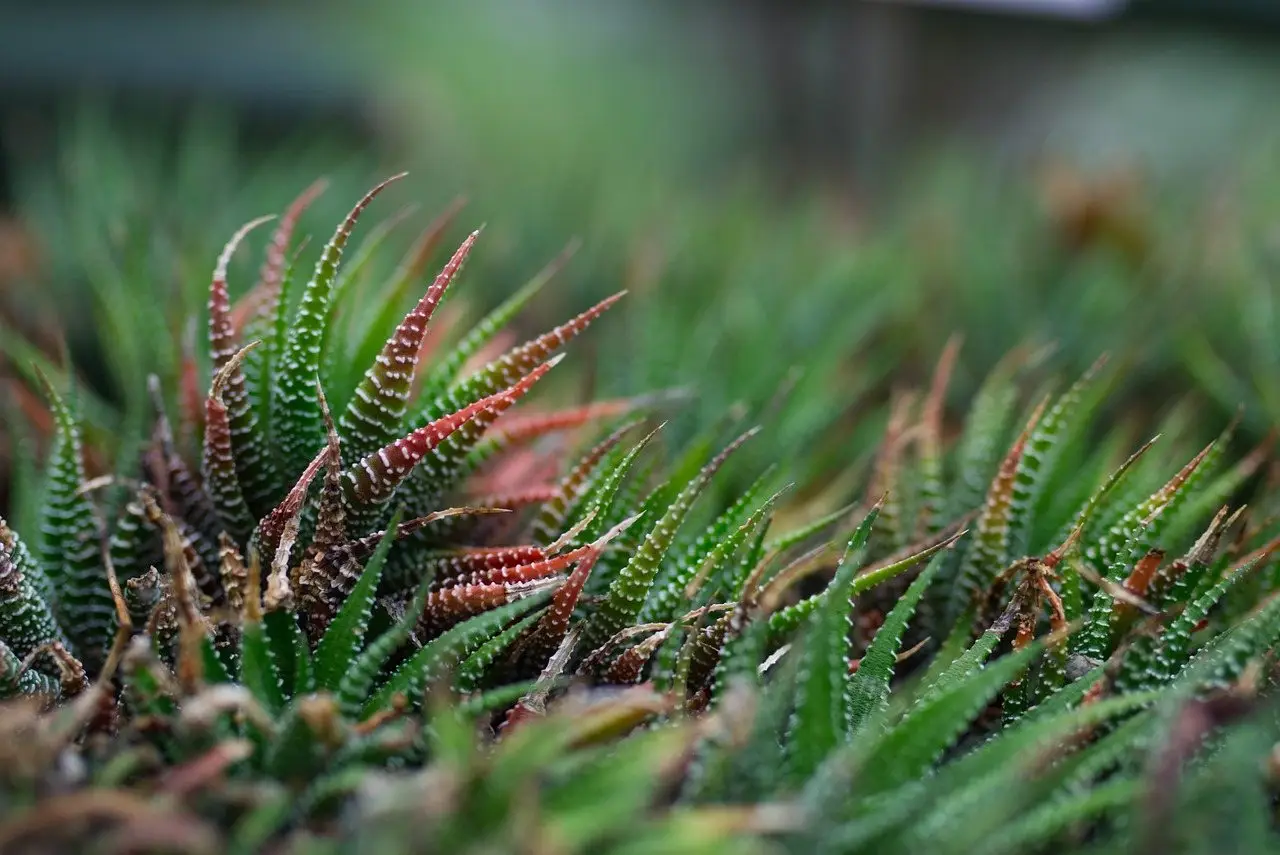
Zebra Plant Succulent: Haworthia Care, and Two Plants
Two very different plants share this name. The succulent Haworthiopsis is near-indestructible; the tropical Aphelandra is not. Here is how to tell.