
Do Peas Need a Trellis? Tall Varieties Do, Dwarfs Don't
Peas climb by tendrils and need something to grip. Dwarf types manage with twigs; anything over 3 feet needs real support from the day it is sown.
 By
On this page
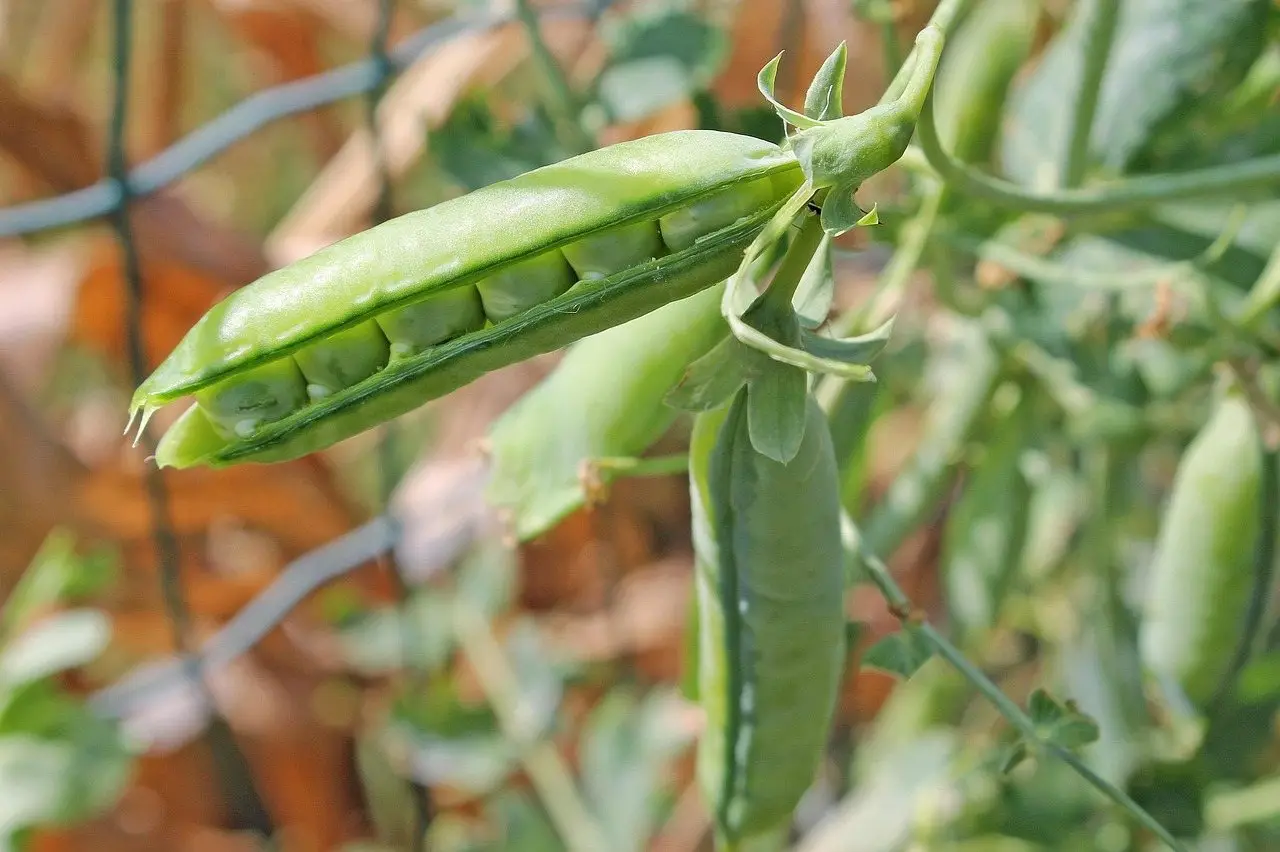
Tall varieties yes, dwarfs largely no. Peas climb with tendrils, which need something thin to curl around — netting, twine, wire or twiggy sticks. A solid panel gives them nothing to grip.
Support by variety height
| Type | Height | Support needed |
|---|---|---|
| Dwarf / bush | ~2 ft | A block, plus twigs |
| Semi-leafless | 2–3 ft | Twigs or low netting |
| Maincrop | 4–6 ft | Netting or wires on posts |
| Tall heritage | 8 ft+ | Substantial frame, well braced |
Add height to whatever the packet says
Peas routinely exceed their stated height in a good year. A support that runs out part way up leaves the plants flopping at the top — awkward to pick, and it throws the weight onto the structure in wind.
What works as support
The requirement is something thin enough for a tendril to wrap around:
- Pea sticks — twiggy prunings pushed in along the row. The traditional answer, and still the best: the fine side twigs give tendrils endless grip.
- Netting — plastic or jute, stretched between posts
- Horizontal wires on a simple frame
- String lines between canes
- A wigwam of canes with twine wound around
A solid trellis panel or a fence board gives tendrils nothing. They need thin, not strong.
Timing
Before sowing, or as seedlings emerge — not later
Retrofitting means pushing posts into ground full of pea roots and threading growth onto netting it never grew into. Seedlings also reach for support early, and ones that find nothing sprawl onto the soil where slugs find them.
Climbing beans are a different problem
Peas grip with tendrils. Climbing beans twine the whole stem around a support, which means they need something more substantial — canes, poles or thick string — and they pull harder on it.
Dwarf or bush beans do not climb at all and need nothing beyond occasional staking in an exposed spot. The two look similar as seedlings, so check the packet before building anything.
What unsupported tall peas actually do
- Sprawl across the ground, with pods sitting in the soil
- Slug damage, because the pods are now at slug height
- Mildew, because the foliage stays damp and air cannot move
- Lower yield, from shaded lower leaves
- Miserable picking, lifting tangled growth to find pods
The crop is not lost. It is smaller, dirtier and far more trouble.
Common questions
Do peas need a trellis?
How tall should a pea trellis be?
What can you use instead of a trellis for peas?
Do green beans need a trellis too?
When should you put up a pea trellis?
What happens if you do not support tall peas?
Backyard Weekly
Know what to plant, week by week
Join the weekly email for seasonal jobs, fixes for what is going wrong, and gear worth buying.
Not ready to subscribe? The planting calendar is free and needs no email.
By subscribing you agree to our privacy policy. Grow In Backyard will never sell your address.
Keep reading
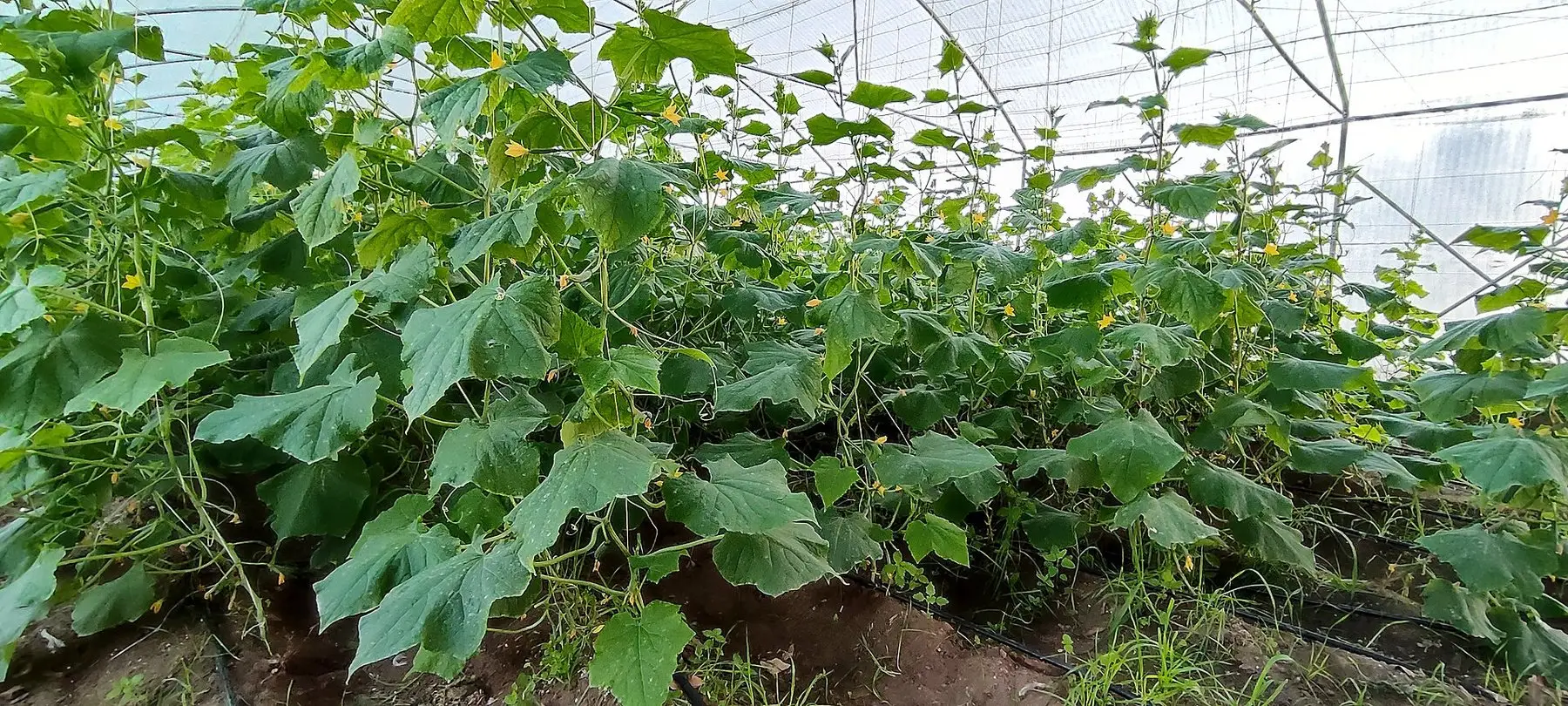
Cucumber Trellis Ideas, and Why Vertical Growing Wins
Cucumbers off the ground give straighter fruit, less mildew and half the footprint. Five trellis designs, the height you actually need, and how to train the vines.
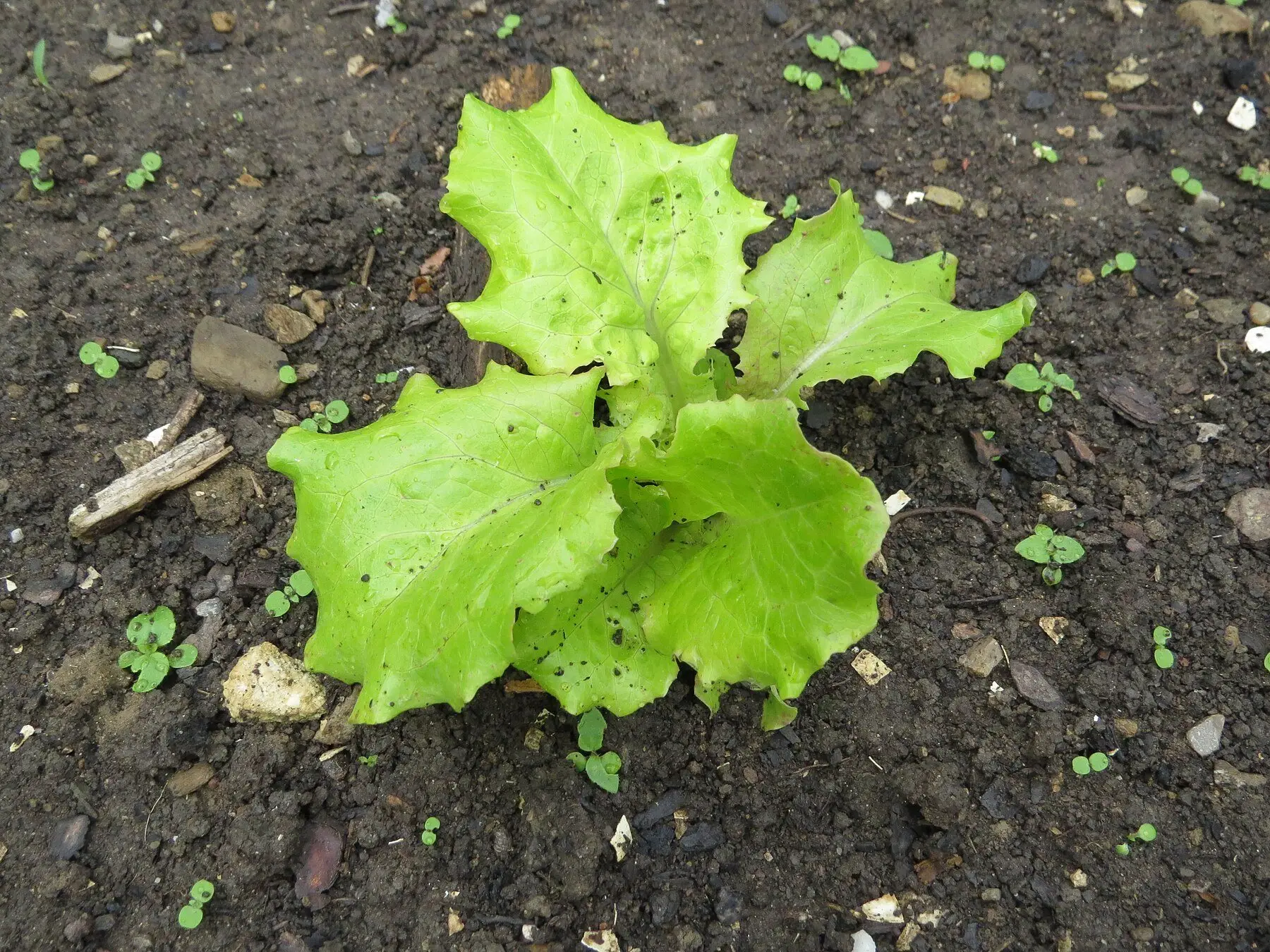
How to Grow Lettuce: Beating the Bolt and the Bitterness
Lettuce turns bitter and runs to seed in heat. Sowing windows, cut-and-come-again, shade in summer, and why germination fails in warm soil.
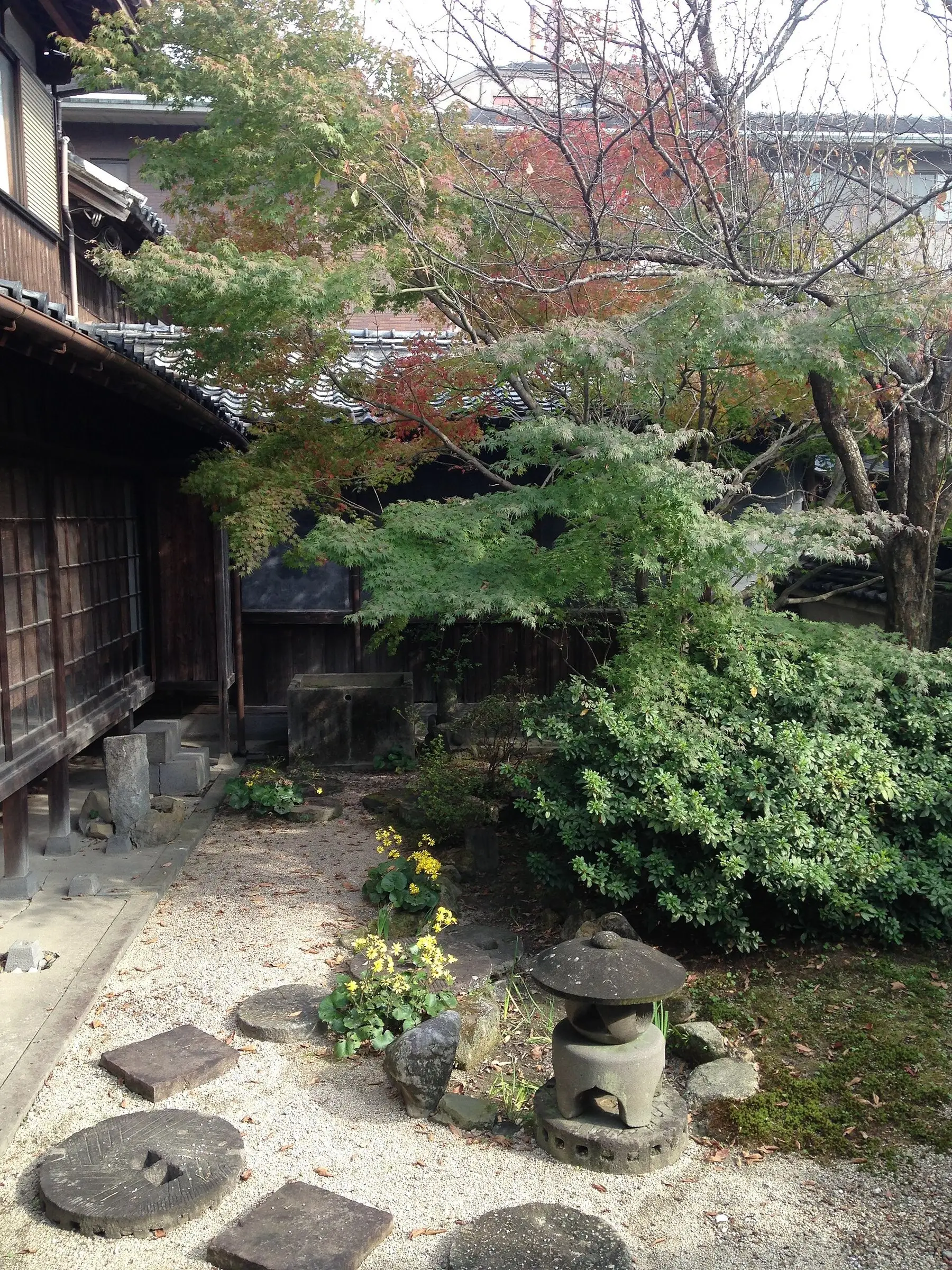
Small Backyard Ideas That Make the Space Feel Bigger
Small gardens fail by being over-divided and lined with furniture around the edge. The moves that add usable space, and what to spend money on first.
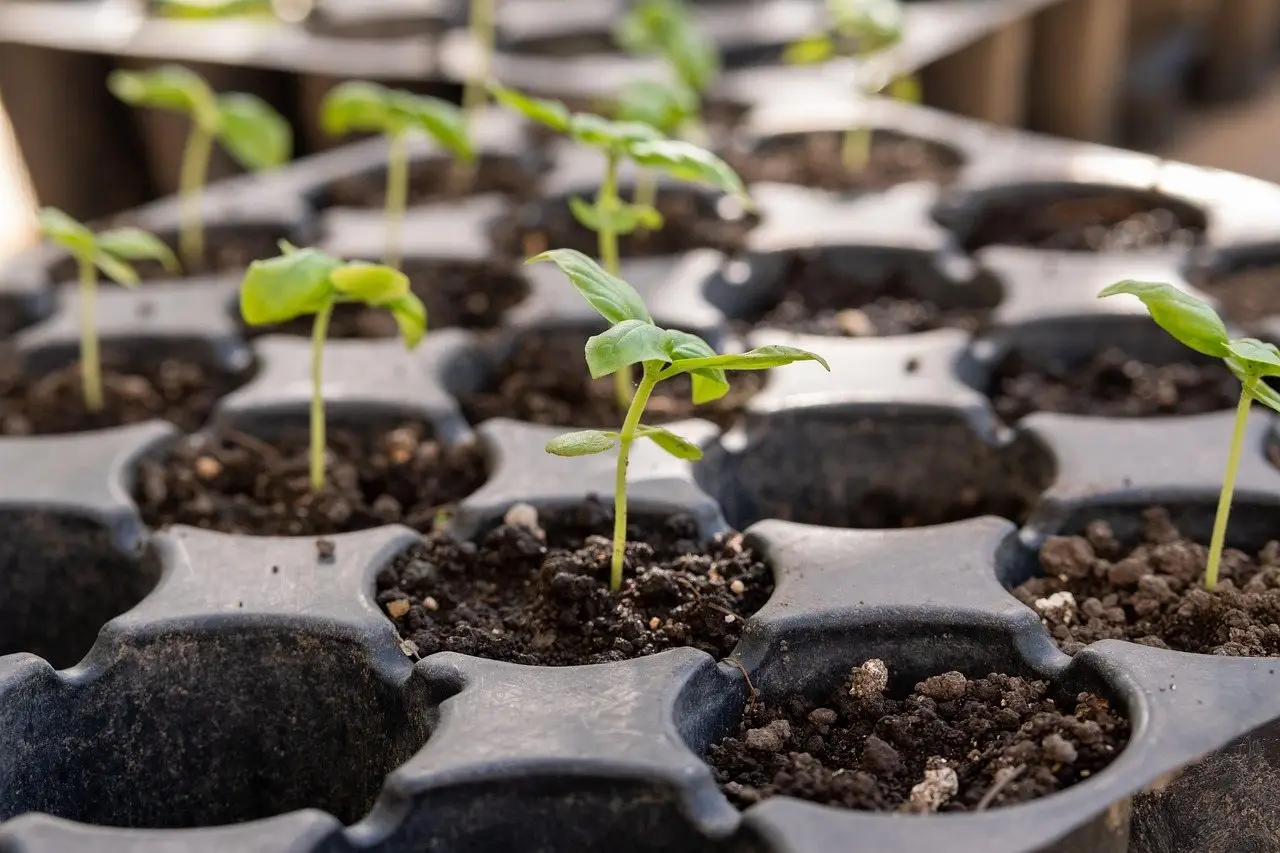
Do You Need to Harden Off Plants From a Greenhouse?
Yes — greenhouse plants have thin leaves and no wind conditioning. Seven to ten days of gradual exposure prevents the check that costs weeks of growth.