
Do You Need to Harden Off Plants From a Greenhouse?
Yes — greenhouse plants have thin leaves and no wind conditioning. Seven to ten days of gradual exposure prevents the check that costs weeks of growth.
 By
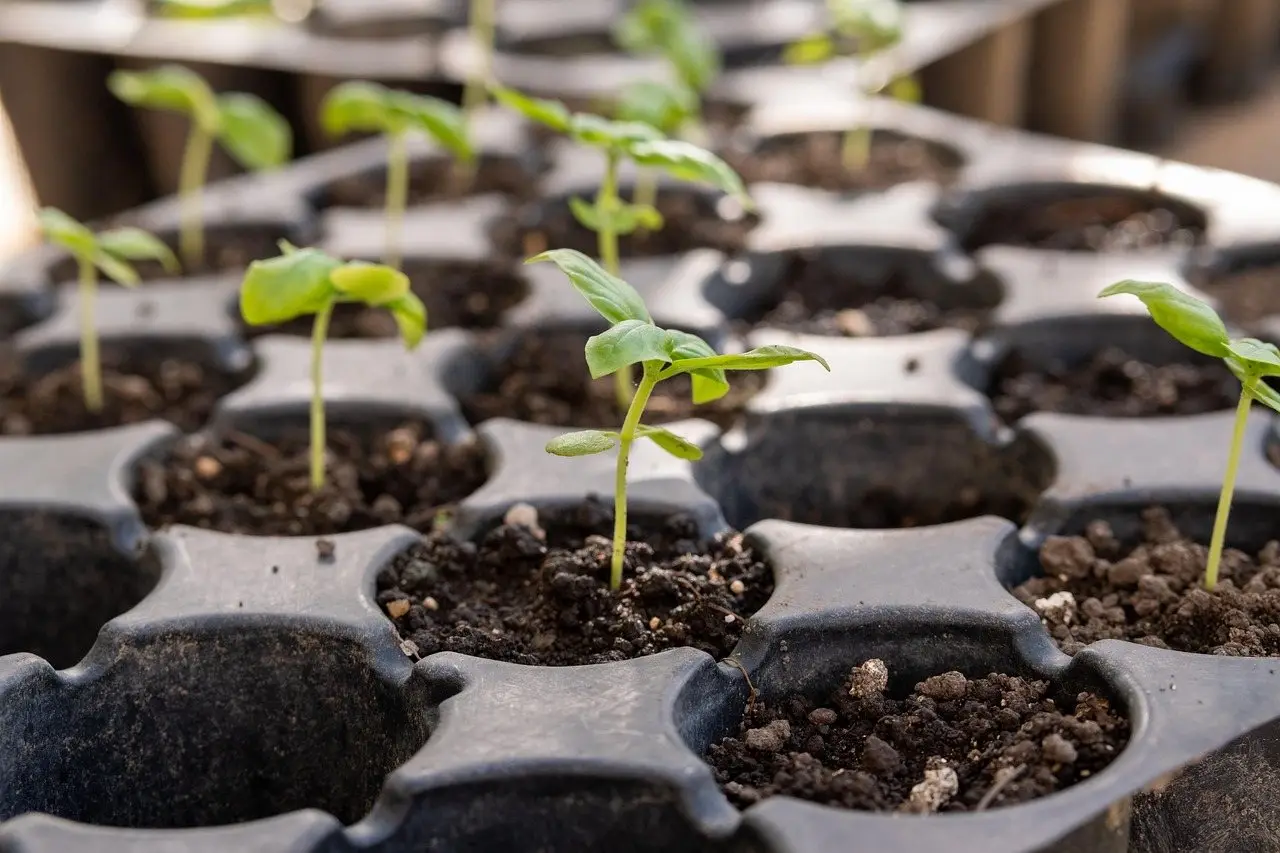
On this page
Yes — and greenhouse plants often need it more than windowsill ones. They have grown in warm, still, humid air under filtered light, so their leaves are thin-cuticled and their stems have never felt wind. Seven to ten days fixes it.
What hardening off actually changes
Three things, all physical:
- The cuticle thickens. The waxy layer on the leaf that limits water loss is thin on plants grown in humid air.
- Stems toughen. Wind flexing triggers sturdier, shorter growth — a plant that has never felt it is soft and leggy.
- Leaves adapt to light. Outdoor light intensity is far higher than under glass, and leaves formed indoors are not built for it.
Direct sun on day one is where the damage happens
Light intensity outdoors is far higher than inside a greenhouse. Leaves that formed under glass scorch or bleach within hours. Start in shade or dappled light.
A seven to ten day schedule
| Day | Outside for | Where | At night |
|---|---|---|---|
| 1–2 | 1–2 hours | Sheltered shade | Back inside |
| 3–4 | 3–4 hours | Dappled light | Back inside |
| 5–6 | Most of the day | Morning sun | Back inside |
| 7–8 | All day | Full sun, some wind | Out, under fleece |
| 9–10 | All day and night | Final position | Out, uncovered |
Stretch it to a fortnight for tomatoes, courgettes, cucumbers and anything tender, or if the weather is unsettled.
The cold frame shortcut
A cold frame does the work for you
Put the plants in and simply open the lid a little further each day, then leave it off at night toward the end. Same gradual exposure, without carrying trays in and out twice a day.
Without one, a sheltered spot against a wall with fleece thrown over at night achieves the same thing with more handling.
Watering during the process
Two things pull in opposite directions, and both are right:
- Check more often — wind and sun dry a small pot from moist to bone dry within hours
- Ease off slightly overall — mild water stress is part of the conditioning that thickens the cuticle
Frequent checking with restraint, rather than either neglect or constant soaking.
What skipping it costs
Not usually the plant. Time.
A checked plant sits still for one to three weeks while it rebuilds — which often means it is overtaken by one planted a week later that was hardened off properly. In a cold snap or strong wind, unhardened tender plants can be lost outright.
Common questions
Do you need to harden off plants from a greenhouse?
How long does hardening off take?
What happens if you do not harden off plants?
Can you use a cold frame to harden off?
Should you harden off in sun or shade?
Do you water differently while hardening off?
Backyard Weekly
Know what to plant, week by week
Join the weekly email for seasonal jobs, fixes for what is going wrong, and gear worth buying.
Not ready to subscribe? The planting calendar is free and needs no email.
By subscribing you agree to our privacy policy. Grow In Backyard will never sell your address.
Keep reading
What to Grow in a Greenhouse for Beginners: Start Here
Tomatoes, cucumbers, peppers, chillies and salad leaves are the reliable first crops. Each rewards protection, and none needs heat to succeed.
Do Greenhouses Need to Be Heated? Only for Some Jobs
An unheated greenhouse extends the season by weeks at each end. Heating buys frost protection and winter growing, and the cost scales with ambition.
Do Seeds Need Sunlight to Germinate? Most Do Not
Most seeds germinate in the dark and need light only once the seedling emerges. The exceptions that must be surface-sown, and why depth matters more.
Does a 2 Foot Retaining Wall Need Drainage? Usually Yes
Height is the wrong test. What the wall is holding back and how water reaches it decide whether gravel and a pipe are optional or essential.