
Does a 2 Foot Retaining Wall Need Drainage? Usually Yes
Height is the wrong test. What the wall is holding back and how water reaches it decide whether gravel and a pipe are optional or essential.
 By
On this page
Height is the wrong test. A 2 foot wall in free-draining sand on level ground may be fine with gravel alone. The same wall holding clay, or sitting below a slope, is under real pressure and needs a drain. What the wall holds back matters more than how tall it is.
When a low wall genuinely does not need a pipe
| Condition | Gravel only | Gravel + pipe |
|---|---|---|
| Sandy, free-draining backfill | Possible | Safer |
| Clay backfill | No | Yes |
| Level ground above | Possible | Safer |
| Slope shedding water toward it | No | Yes |
| Freezing climate | No | Yes |
| Gravel base can shed sideways to daylight | Possible | — |
All of the “possible” conditions have to be true together, which is uncommon in an ordinary garden. If one is missing, fit the pipe.
Clay is the deciding factor
Clay holds water rather than letting it pass. Behind a wall that means saturated soil that is both heavier and pushing, and it does not drain away on its own between downpours.
What hydrostatic pressure actually does
Dry soil presses on a wall. Saturated soil presses considerably harder, because the water between the particles adds its own pressure and the whole mass gains weight.
The wall does not usually fail dramatically. It leans a little further each wet season, courses separate, mortar cracks, and in freezing climates ice expansion adds to it. By the time it is obvious, rebuilding is normally the only fix — which is why the cheap work happens at the start.
Building the drainage
- Clean angular gravel directly behind the wall, around 12 inches wide, full height.
- Filter fabric between the gravel and the retained soil, wrapping the gravel.
- Perforated pipe at the base of the gravel, laid with a slight fall along its length.
- A real outlet — to daylight at the end of the wall, a soakaway, or a drainage system.
- Compacted backfill above, graded to shed surface water away from the wall rather than into it.
The fabric is what keeps it working in year five
Without it, fine soil particles migrate into the gravel and clog it. The wall looks fine, the drainage has quietly stopped, and nothing visible tells you until the lean starts.
Weep holes
They let water that has already reached the back face escape forward, which relieves some pressure. They do nothing about water held in the soil mass further back.
On a low wall with good gravel backfill they can be adequate. On clay, or where water flows toward the wall, the base drain is doing the real work and weep holes are a backup.
Surface water is half the problem
Much of what ends up behind a wall arrives over the top, not through the soil.
- Grade the ground above to fall away from the wall, not toward it
- Divert downpipes and runoff so they do not discharge into the retained area
- Keep the top course capped so water does not run straight down the back face
Common questions
Does a 2 foot retaining wall need drainage?
What happens if a retaining wall has no drainage?
Do you need gravel behind a small retaining wall?
When can you skip the drain pipe on a low wall?
Where should a retaining wall drain pipe outlet go?
Do weep holes work instead of a drain pipe?
Backyard Weekly
Know what to plant, week by week
Join the weekly email for seasonal jobs, fixes for what is going wrong, and gear worth buying.
Not ready to subscribe? The planting calendar is free and needs no email.
By subscribing you agree to our privacy policy. Grow In Backyard will never sell your address.
Keep reading
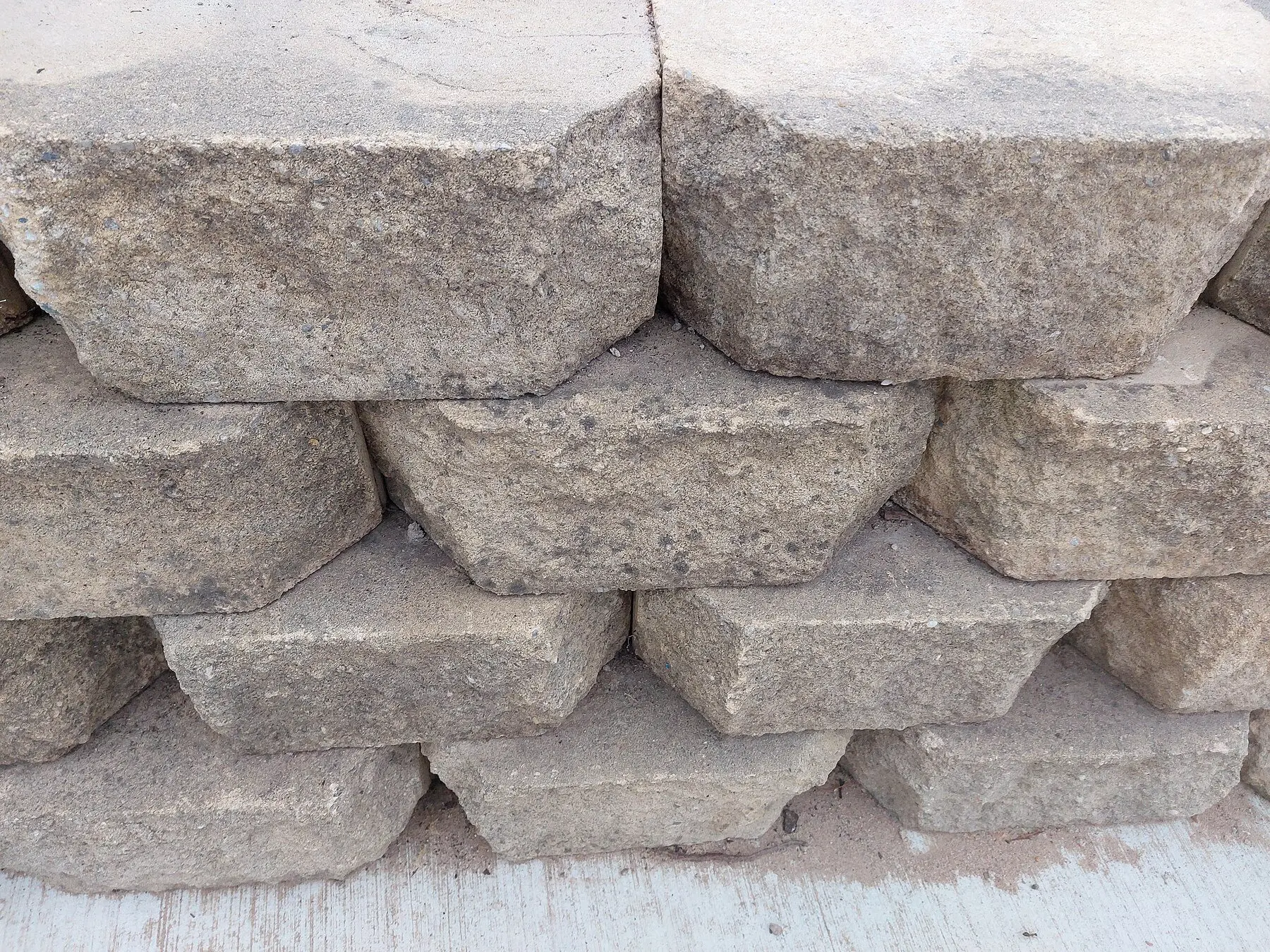
How to Build a Retaining Wall — 4 Parts, No Lean
How to build a retaining wall that stays upright: base and drainage. 4 parts decide it, with engineering above 4 ft. See which your plan needs.
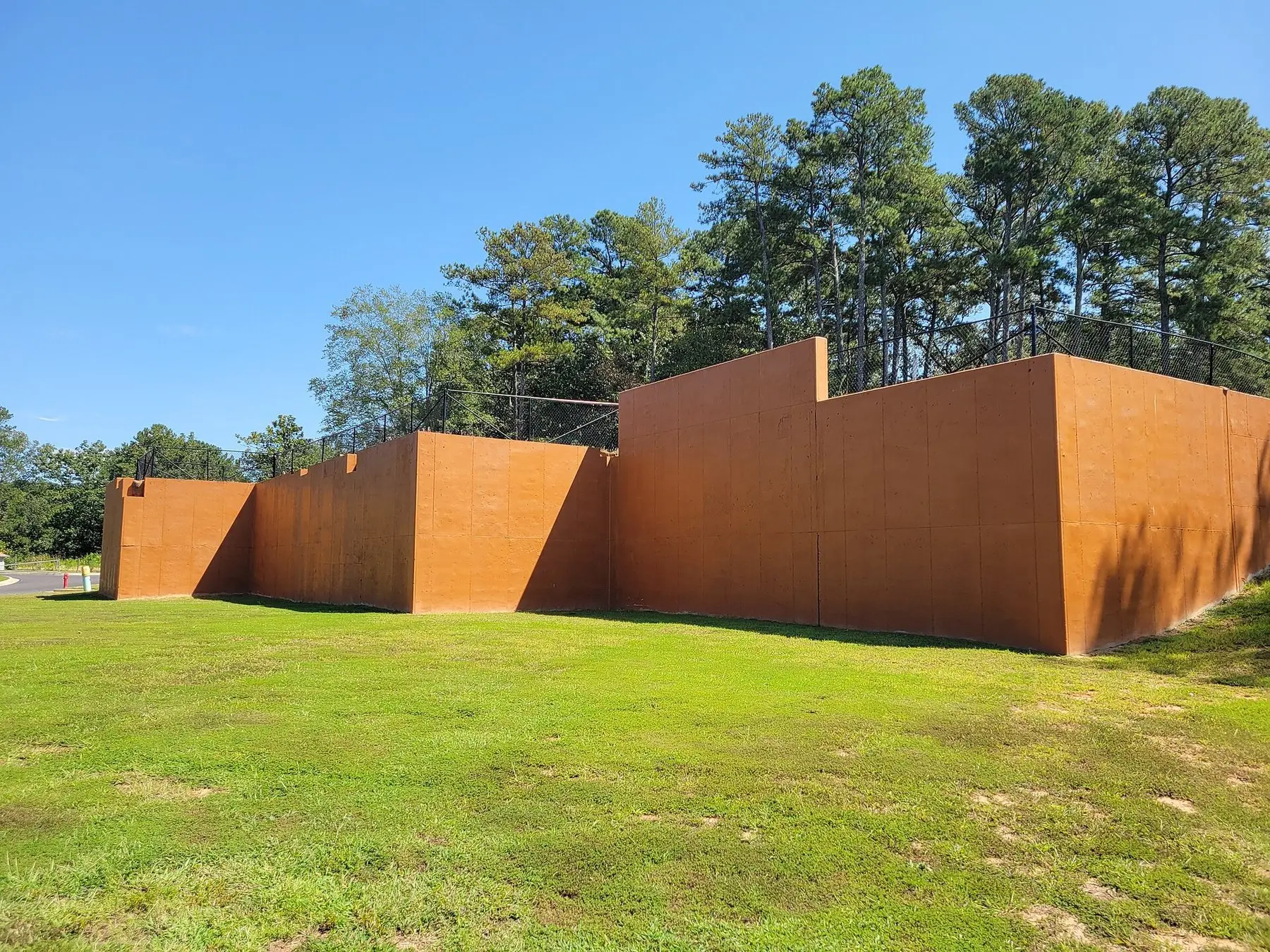
Retaining Walls: Drainage Decides Whether Yours Lasts
Most failed retaining walls failed at the base or the back, not the face. Block types, the height where you need an engineer, and how to build one that holds.
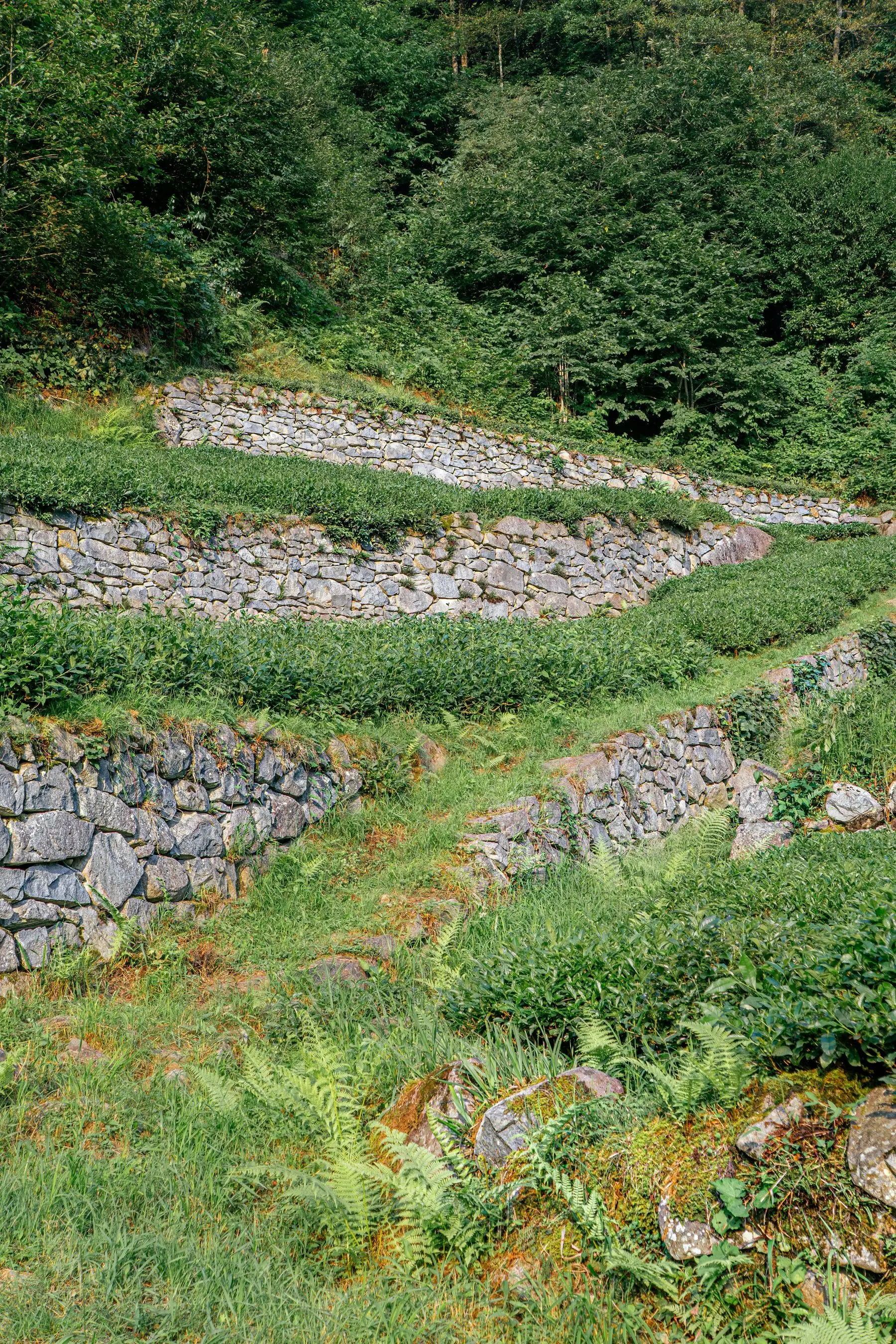
How to Build a Tiered Garden on a Slope: Planning It Right
Terracing a slope is mostly drainage and wall height, not planting. How to size the tiers, where permits start, and the cut-and-fill that saves soil.
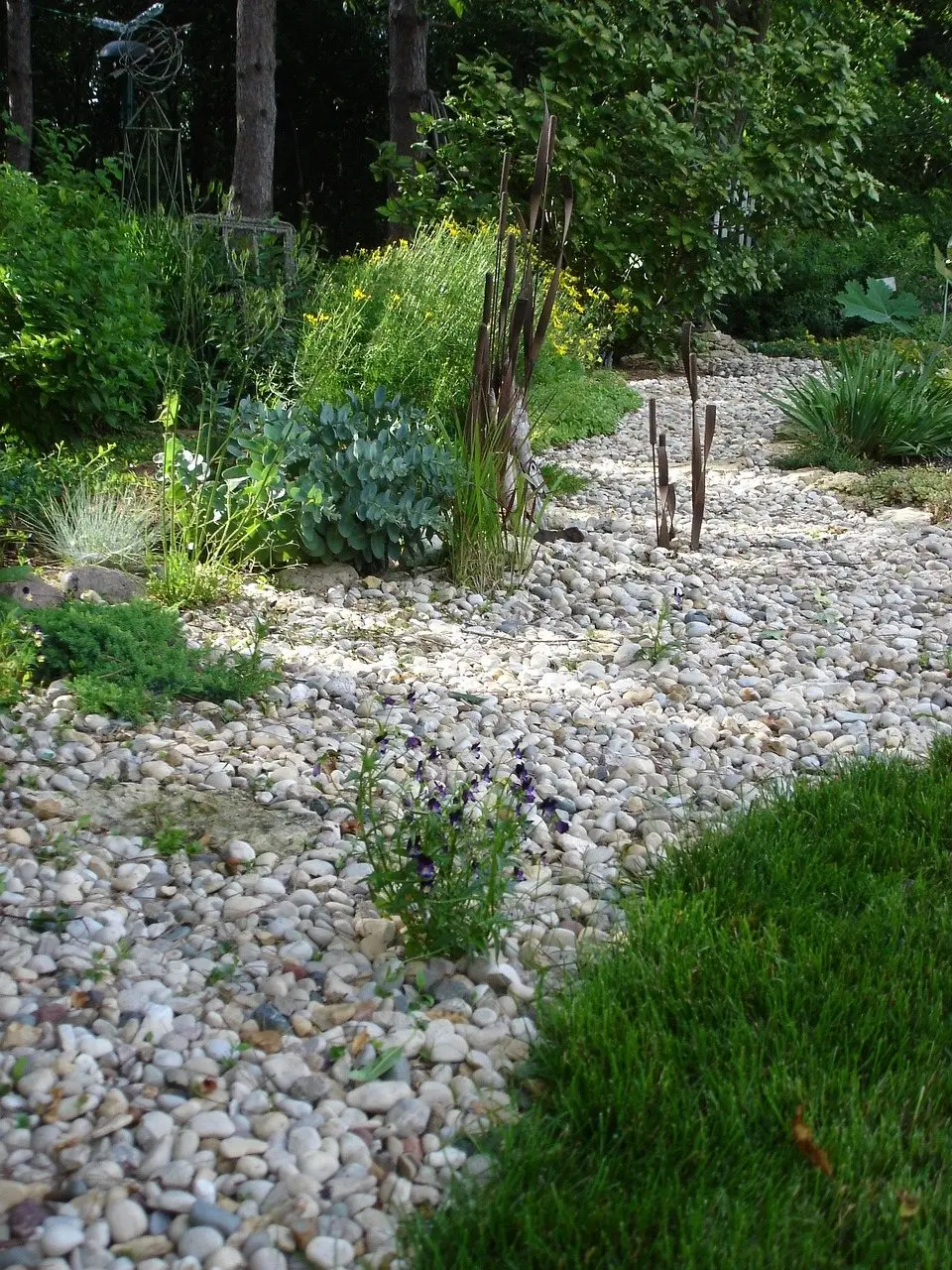
Dry River Bed Landscaping: Drainage That Looks Deliberate
A dry creek bed solves real runoff while reading as a design feature. Stone grading, a sinuous line and buried fabric are what separate the two.