
Rectangular Pool Landscaping Ideas — 10 That Suit the Shape
Rectangular pool landscaping ideas work with the geometry instead of hiding it. 10 approaches, the 3 ft rule for planting, and which plants never go poolside.
 By
On this page
A rectangle is a strong shape, and most poolside planting is an attempt to apologise for it. The ones that work do the opposite: they repeat the geometry and then break it deliberately in one place.
Ten approaches
1. Single linear bed along one long side. The simplest and strongest. A 3-ft band of ornamental grasses or dwarf evergreens running the full length restates the rectangle and gives the eye something to travel along.
2. Matched planters in a row. Three or five identical large containers, evenly spaced. Cheap, movable, and the only way to plant within 3 ft of the coping without risking the shell or the paving.
3. Hedge on the far long side. A clipped evergreen hedge at the far edge gives the pool a back wall and privacy in one move. Yew, Japanese holly and podocarpus all take clipping and shed little.
4. One deliberate break. A single feature off-centre — a specimen tree, a water bowl, a bench alcove — interrupts the rectangle far more effectively than softening all four sides.
5. Paving across the short axis. Laying the deck’s long joints perpendicular to the pool makes a narrow surround read wider. Costs nothing extra at the time of laying.
6. Raised bed at one end. An 18-inch raised bed across one short end doubles as seating and plants at a height where it screens without blocking the view down the length.
7. Grass and gravel instead of lawn. Lawn to the coping is a maintenance trap — clippings blow in and the mower throws grit. Gravel or decomposed granite beyond the paving drains fast and keeps the water clean.
8. Lighting along one edge. Low linear lighting on the same side as the planted bed emphasises the length after dark. Uplighting all four corners does the opposite.
9. Screening with clumping bamboo. Fast, evergreen, and vertical, which suits a long narrow space. In a root barrier, always, and never a running species.
10. Pergola at one end. The only structure that reliably improves a rectangular pool, because it gives shade at the end people sit rather than the end they swim to.
What to plant, and what never to
| Works | Avoid | Why | |
|---|---|---|---|
| Grasses | Miscanthus, carex, muhly | Pampas | Clean habit vs heavy seed drop |
| Evergreens | Dwarf yew, podocarpus, holly | Pines, spruce | Needle drop clogs filters |
| Trees | Olive, crape myrtle, palm | Willow, poplar, silver maple | Root plate lifts coping |
| Flowers | Agapanthus, daylily | Lavender, buddleia, roses | Bees, thorns, petal drop |
| Vertical | Clumping bamboo, in barrier | Running bamboo | Runs under the shell |
| Fruit | None | Any fruiting tree | Fruit stains and attracts wasps |
Tip
The test for any poolside plant is simple: stand under it and ask what lands on you in October. Every expensive poolside maintenance problem is leaf litter, petal drop or fruit falling into water, and all three are decided at planting time rather than fixed later.
Distances that matter
- 3 ft from coping for anything in the ground. Inside that band, use containers.
- Canopy width for trees. A tree whose mature spread is 20 ft goes 20 ft back, not 6.
- Root barrier to 24 in for bamboo and anything else that runs, placed when planting.
- Clear the pump and filter by 3 ft on all sides. Planting that grows over equipment is the commonest regret, and it is invisible on the day it goes in.
Common questions
What should you plant around a rectangular pool?
How far from a pool should you plant?
What plants should never go near a pool?
How do I make a rectangular pool look less like a box?
What is the cheapest way to landscape around a pool?
Backyard Weekly
Know what to plant, week by week
Join the weekly email for seasonal jobs, fixes for what is going wrong, and gear worth buying.
Not ready to subscribe? The planting calendar is free and needs no email.
By subscribing you agree to our privacy policy. Grow In Backyard will never sell your address.
Keep reading
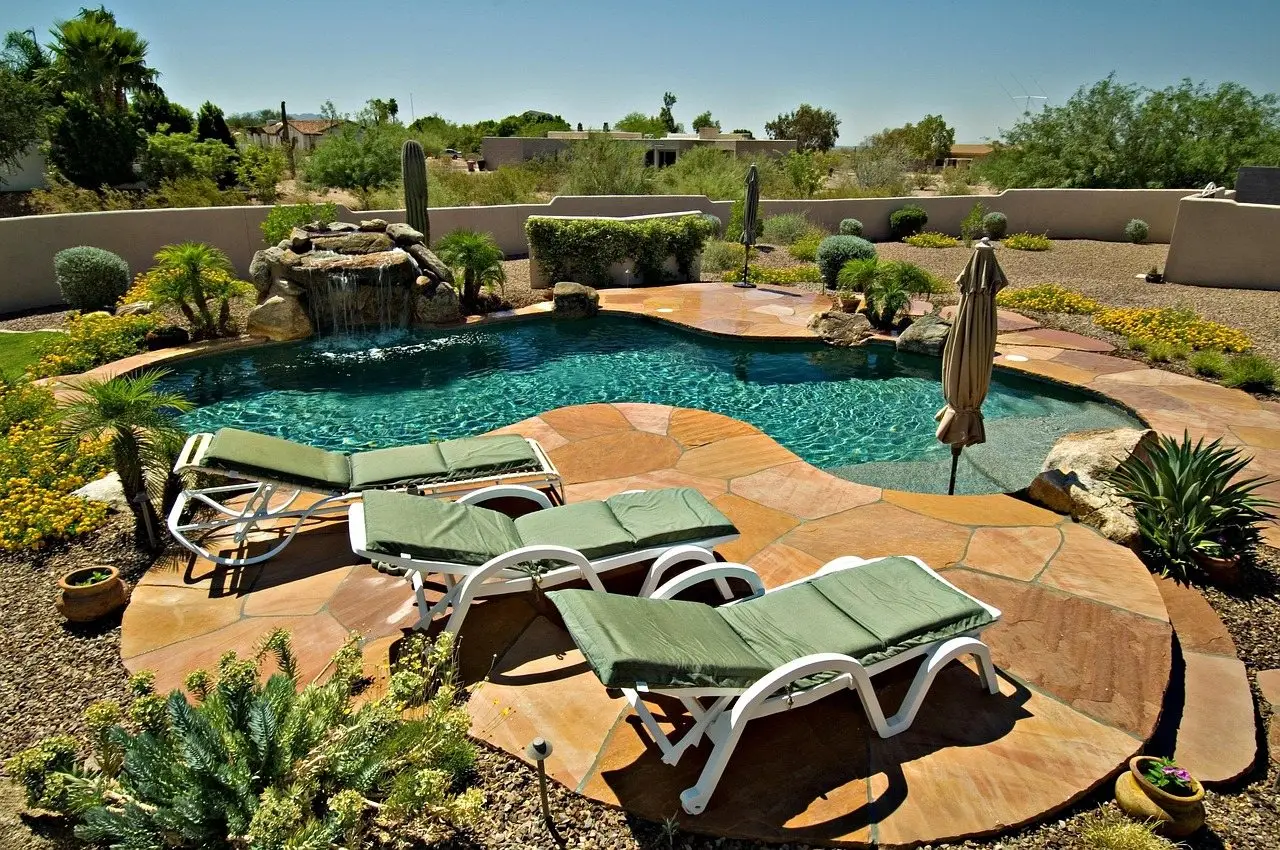
What Is a Good Size Pool for a Small Backyard?
Around 10 by 20 feet is the usual sweet spot, but the deciding number is what is left over — a pool needs a metre of deck on every side to be usable.
Sloped Garden Ideas on a Budget — 9 Under $500
Sloped garden ideas on a budget start with drainage, not walls. 9 approaches costed honestly, and the 1 job where paying a contractor is the cheaper call.
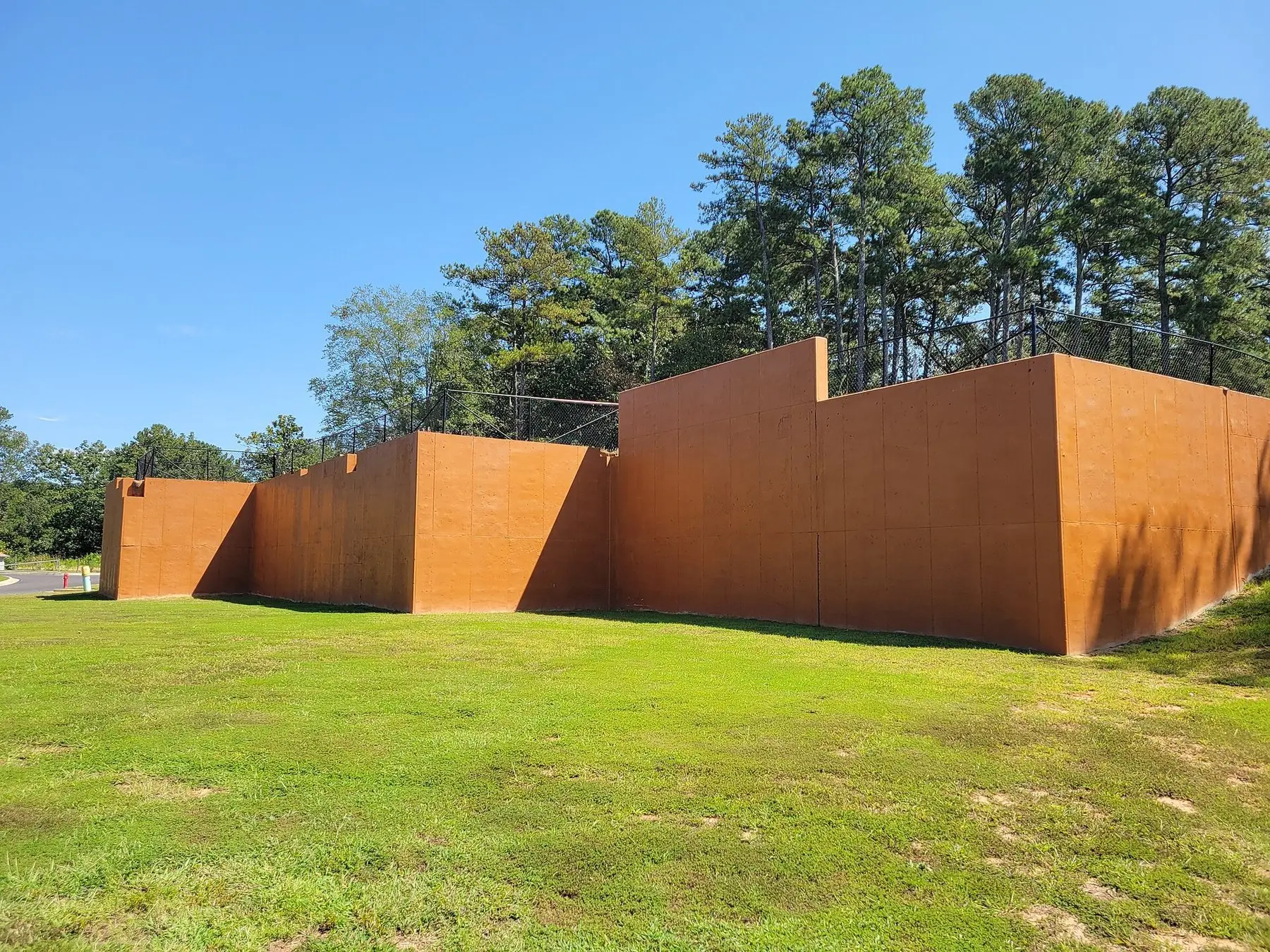
Retaining Walls: Drainage Decides Whether Yours Lasts
Most failed retaining walls failed at the base or the back, not the face. Block types, the height where you need an engineer, and how to build one that holds.
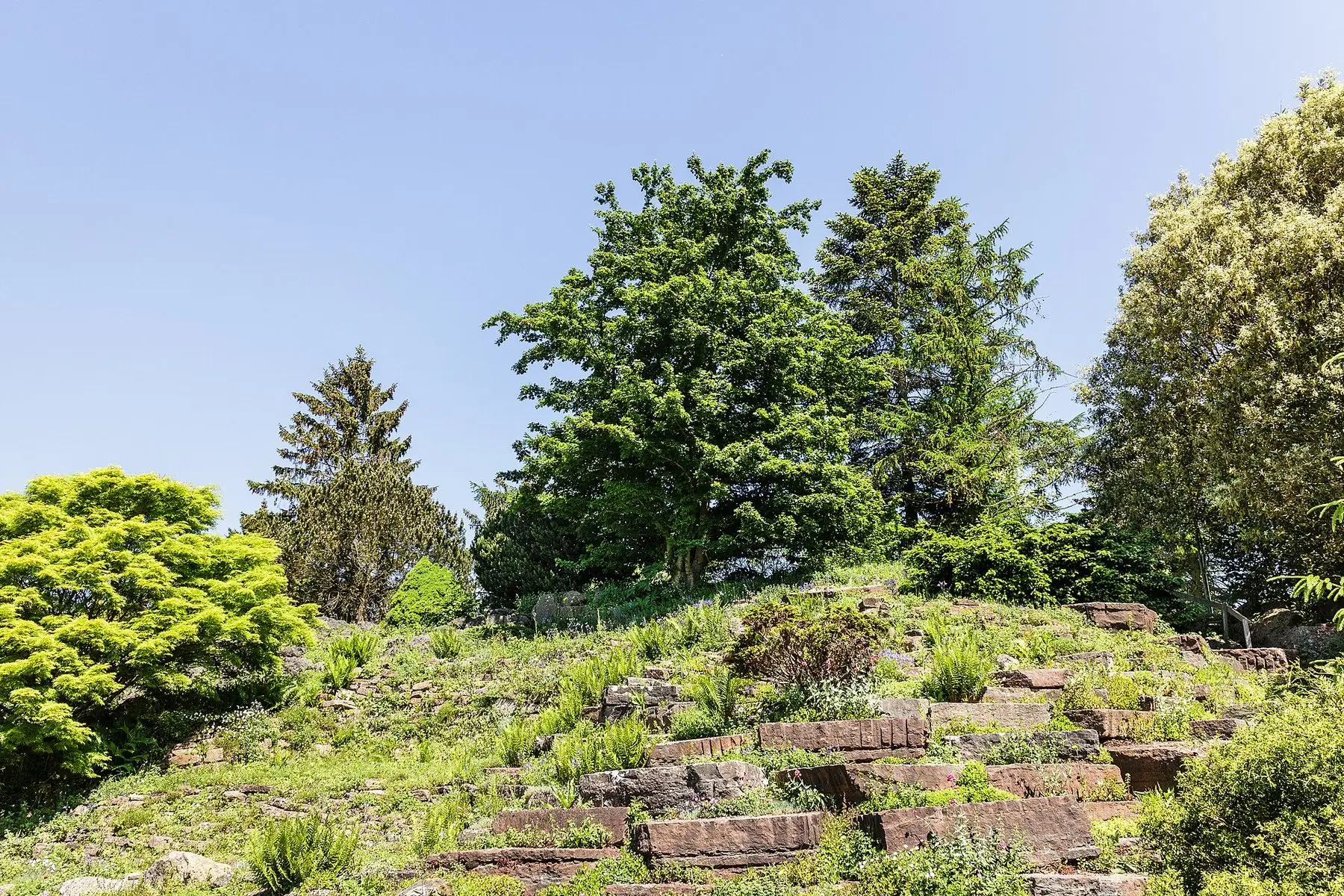
Rock Garden Ideas That Look Like They Belong There
The difference between a rockery and a pile of stones is drainage and burial. How to set rock so it reads as outcrop, and what actually survives in it.