
Sloped Garden Ideas on a Budget — 9 Under $500
Sloped garden ideas on a budget start with drainage, not walls. 9 approaches costed honestly, and the 1 job where paying a contractor is the cheaper call.
 By
On this page
A slope is not a problem to be removed. Most of the money spent on sloping gardens goes into making them flat, and almost none of the planting value depends on that. Nine approaches, costed as honestly as a page can.
Nine approaches, cheapest first
| Idea | Rough cost | Solves | Effort |
|---|---|---|---|
| Groundcover through mulch | $150–300 | Erosion, mowing | A weekend |
| Contour swales | Under $50 | Run-off, dry topsoil | Hard digging |
| Log or board terraces | $200–400 | Flat planting pockets | 2 weekends |
| Diagonal gravel path | $150–350 | Access, safety | A weekend |
| Erosion matting | $80–200 | Holds new planting | Half a day |
| Boulder and rubble pockets | Free–$150 | Planting shelves | Heavy work |
| Stepped raised beds | $300–500 | Growing food | 2 weekends |
| Rain garden at the foot | $100–300 | Where the water ends up | A weekend |
| Mortared retaining wall | $2,000+ | Genuine flat ground | Contractor |
1. Groundcover through mulch. The highest return on this list. Plant deep-rooted spreaders at 18-inch spacing through 3 inches of bark mulch, and within two seasons the slope holds itself. Plugs are a fraction of the price of pots, and divisions from a friend’s garden cost nothing.
2. Contour swales. Shallow trenches cut across the slope, level along their length. They catch run-off and spread it sideways instead of letting it channel, which is what cuts gullies. A spade and a line level is the entire equipment list.
3. Log or board terraces. Low retaining of 12–18 inches using logs pinned with rebar, or boards behind short posts. Under that height no engineering is involved, and several small terraces are considerably cheaper and safer than one tall wall.
4. Diagonal gravel path. A path straight up a slope is a water channel and a fall risk. Running it diagonally at a gentle gradient makes the garden usable and costs the same gravel.
5. Erosion matting. Jute or coir mesh pegged over freshly planted slope. It biodegrades over two to three seasons, which is exactly the window before roots take the job over.
6. Boulder and rubble pockets. Rocks already on site, set into the face to make small level shelves behind them. Free if you have the material, and planting pockets are what a steep slope lacks.
7. Stepped raised beds. Cut-and-fill small level platforms, each with a short timber bed. The only approach here that makes vegetable growing practical on a real slope.
8. Rain garden at the foot. A shallow planted depression where the run-off arrives. It stops the bottom of the garden becoming a bog and handles water that would otherwise reach a building.
9. Mortared retaining wall. Listed for completeness, and listed last because it is not a budget option. It is the right answer only when you genuinely need flat ground and have accepted the cost.
Watch out
A retaining wall holding more than about 4 ft of soil is a structural element. It carries enormous lateral load, it needs engineered drainage behind it, and in most jurisdictions it needs a permit. This is the one job on this page where doing it cheaply is more expensive than paying someone — a failed wall takes the slope with it.
The order that saves money
Most sloped-garden budgets get spent in the wrong sequence, and the fix costs nothing.
- Watch where the water goes in heavy rain, before buying anything. The channels it cuts tell you where the swales and the rain garden belong.
- Plant the steepest third and leave it alone. That section is where erosion starts and where construction is most expensive.
- Build access next — a diagonal path turns an unusable slope into a garden you actually enter.
- Terrace only what you will use. Flat ground you never stand on is the most expensive thing in a sloping garden.
Common questions
What is the cheapest way to landscape a slope?
Do I need a retaining wall on a sloped garden?
How do I stop soil washing off a slope?
Can you mow a sloped lawn?
What plants are best for a steep slope?
Backyard Weekly
Know what to plant, week by week
Join the weekly email for seasonal jobs, fixes for what is going wrong, and gear worth buying.
Not ready to subscribe? The planting calendar is free and needs no email.
By subscribing you agree to our privacy policy. Grow In Backyard will never sell your address.
Keep reading
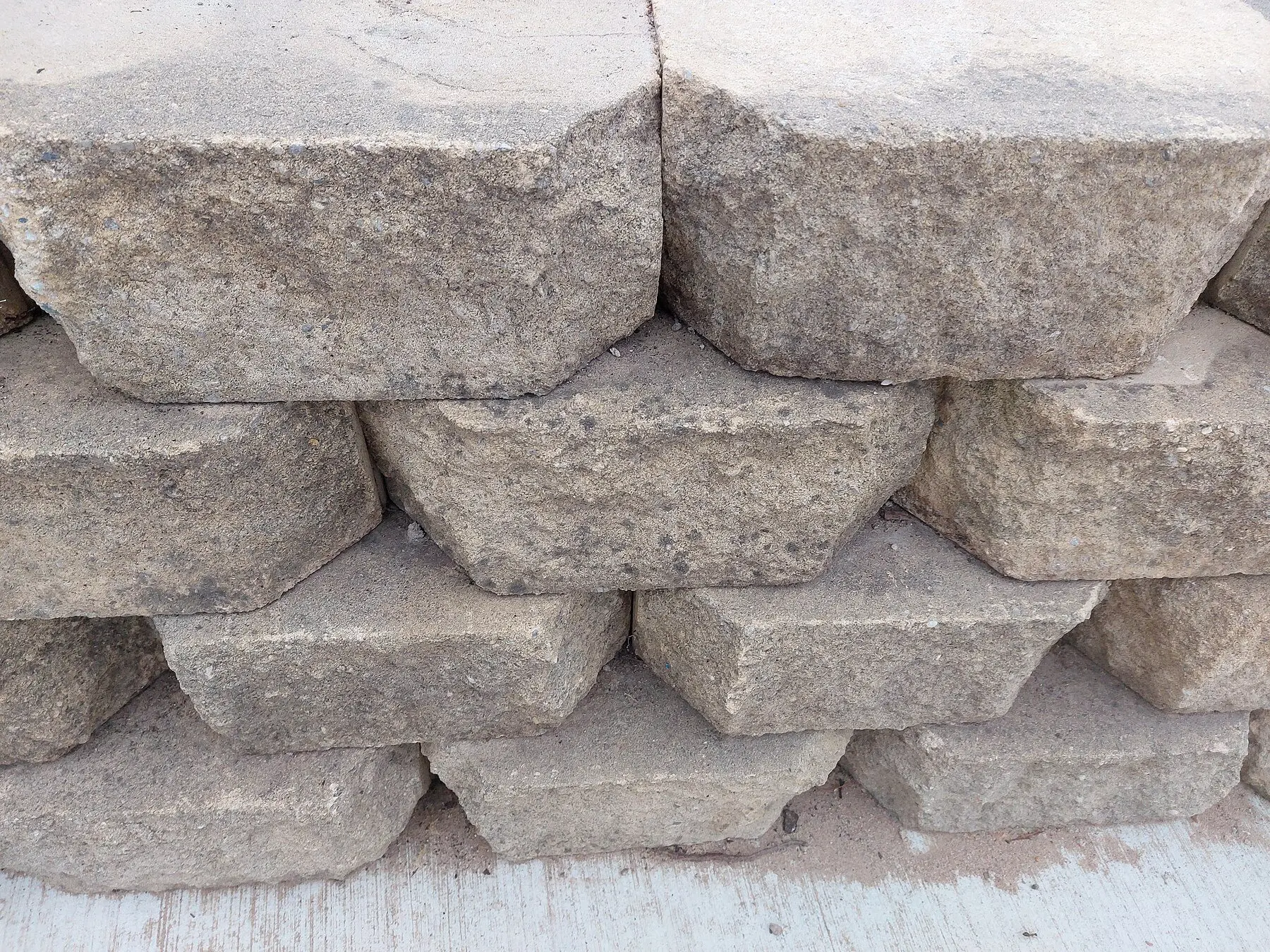
How to Build a Retaining Wall — 4 Parts, No Lean
How to build a retaining wall that stays upright: base and drainage. 4 parts decide it, with engineering above 4 ft. See which your plan needs.

Types of Gardening Methods — 8 and What Each Suits
Types of gardening methods come down to 8 real choices, from no-dig to hydroponics. What each costs in space, water and effort, and which fits your ground.
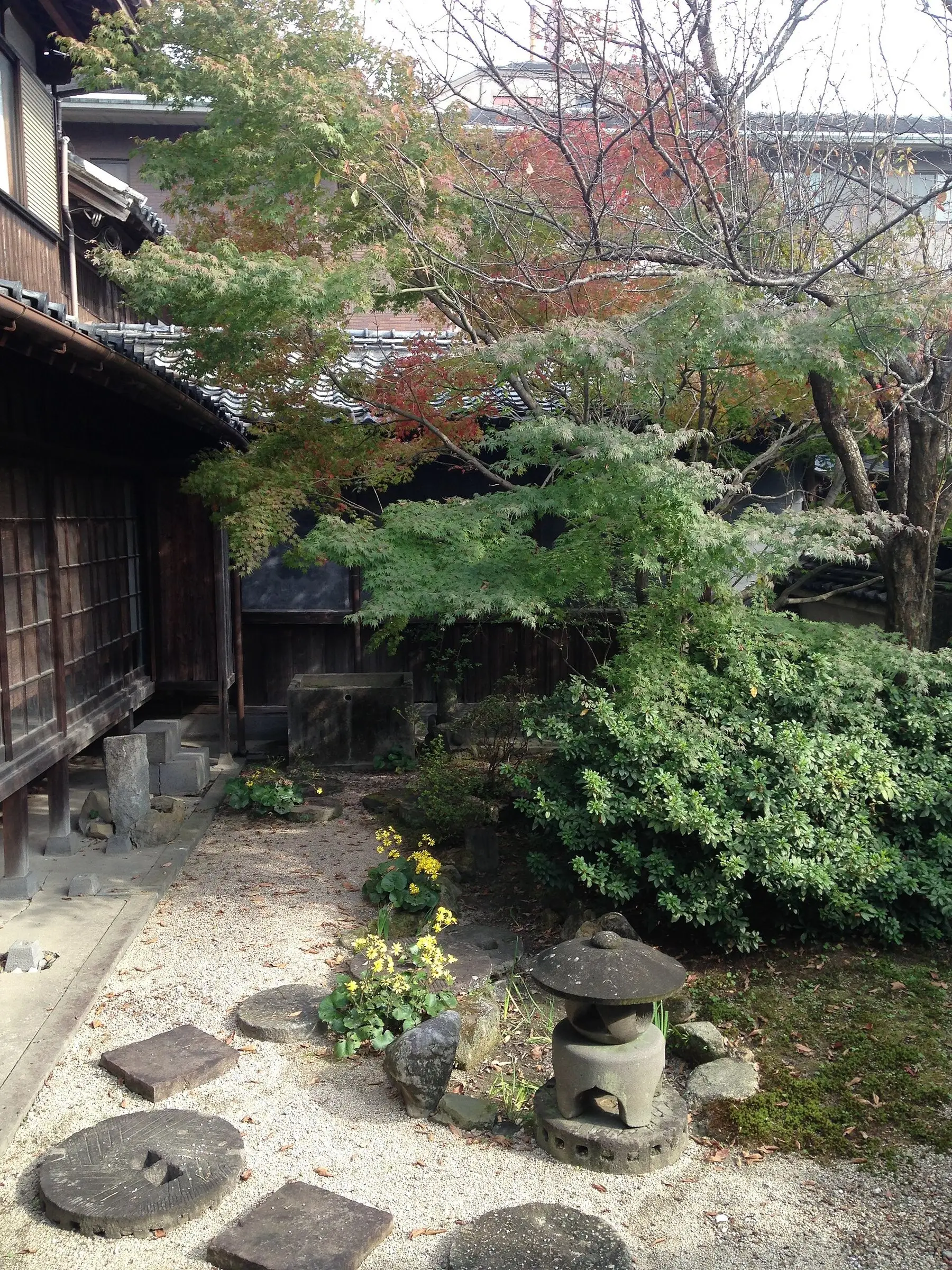
Small Backyard Ideas That Make the Space Feel Bigger
Small gardens fail by being over-divided and lined with furniture around the edge. The moves that add usable space, and what to spend money on first.
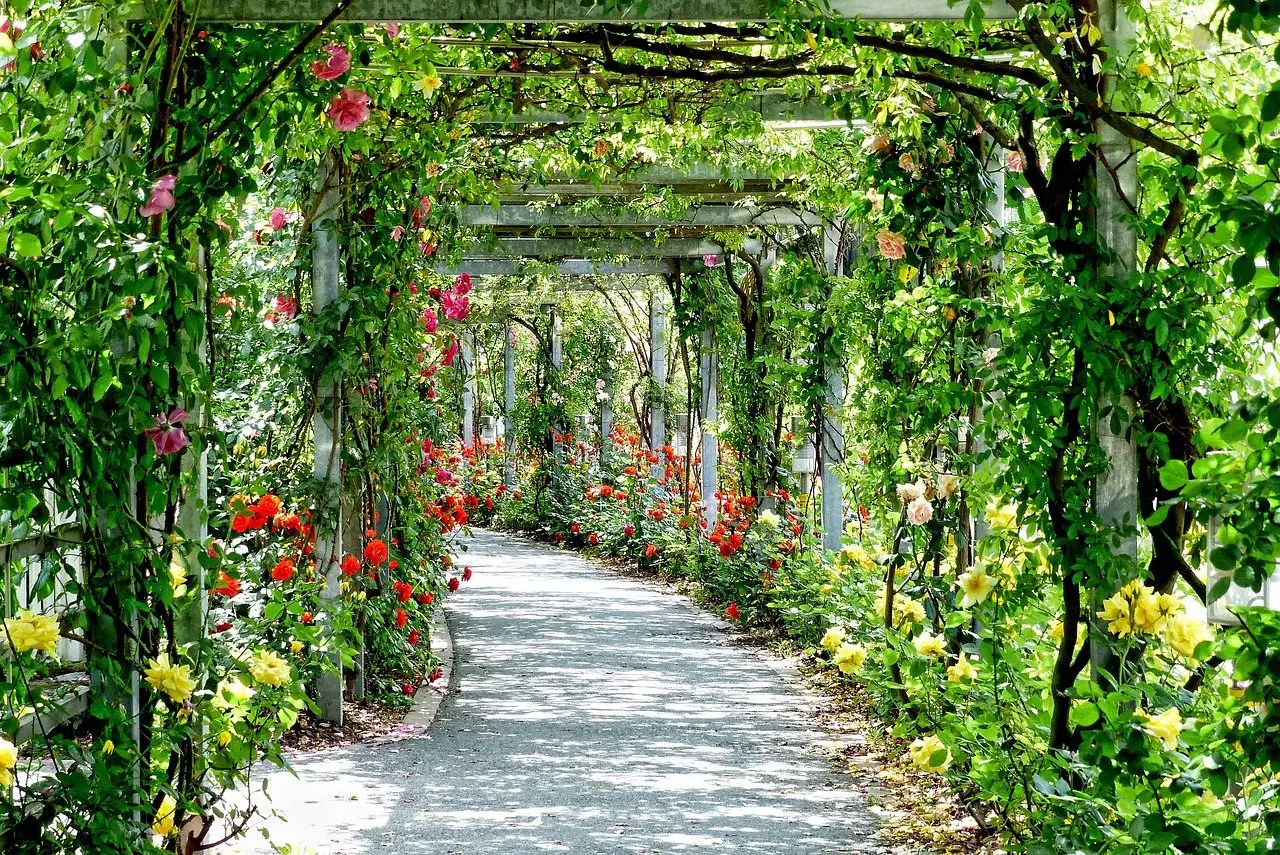
Small Garden Arch Ideas: Sizing, Siting and What to Grow
An arch in the wrong place looks like a hoop in a lawn. The sizes that work, where it earns its keep, and the climbers that suit a small garden.