
What Animals Dig Under Fences? Read the Hole First
Foxes, badgers, rabbits, rats, groundhogs and dogs all tunnel under boundaries. Hole size, shape and spoil tell you which before you spend on fencing.
 By
On this page
Identify the animal before you buy anything. The depth and mesh that stop a rabbit will not stop a badger — and the hole itself tells you, from its size, shape and the spoil around it.
Reading the hole
| Animal | Opening size | Spoil | Other signs |
|---|---|---|---|
| Rat | ~2 in | Little | Smooth runs, droppings, grease marks |
| Rabbit | 4–6 in | Moderate | Round pellets, cropped vegetation |
| Fox | Large, oval | Often substantial | Strong musky smell, scattered rubbish |
| Badger | Broad and low | Large fan | Worn runs through vegetation, coarse hairs on wire |
| Groundhog | Large, round | Big mound | Burrow with a second escape hole nearby |
| Dog | Irregular | Scattered | Right where it wants to be, repeatedly |
Spoil tells you route or residence
A large fan of excavated earth means something is digging a burrow. A clean worn gap with little spoil means something is pushing under on a route — a different problem with a different fix.
Why the L footer beats digging deeper
Digging animals start right against the barrier. They do not step back a foot and reconsider.
So a horizontal apron of mesh at the base intercepts them immediately:
- Attach wire mesh to the bottom of the fence.
- Lay it outward along the ground, roughly 12–24 inches depending on the animal.
- Bury it an inch or two, or pin it down and let grass grow through.
- Peg it at intervals so it cannot be lifted.
It is far less work than trenching a fence deep, and it does not weaken the fence line the way a deep trench alongside the posts can.
Depth, where you do bury
- Rabbits — around 6 inches, plus an outward apron
- Foxes and groundhogs — considerably more, and an apron matters more than depth
- Badgers — strong and persistent enough that depth rarely wins; this is a case for managing the route rather than defeating it
Mesh size matters too: rabbits need small mesh at the base, since a gap they can get a head through is a gap they will use.
Filling the hole
On its own, rarely enough. The animal chose that spot for a reason — it is on a route, or it leads to food, shelter or a den.
Fill, then barrier, then remove the attraction if you can find it: fallen fruit, pet food, accessible bins, a compost heap with kitchen scraps in it, or a gap under a shed that makes a good den.
Check before you block anything
In some jurisdictions badgers and their setts are legally protected, and blocking an active route can be an offence requiring a licence. Other species are protected during breeding seasons. Make sure nothing is inside, and check local wildlife law — this is one garden job where getting it wrong carries a legal cost, not just a practical one.
Common questions
What animals dig under fences?
How can you tell which animal dug under your fence?
How deep should a fence go to stop digging?
What is an L footer and why does it work better?
Will filling the hole stop the animal coming back?
Is it legal to block a badger or protected animal's route?
Backyard Weekly
Know what to plant, week by week
Join the weekly email for seasonal jobs, fixes for what is going wrong, and gear worth buying.
Not ready to subscribe? The planting calendar is free and needs no email.
By subscribing you agree to our privacy policy. Grow In Backyard will never sell your address.
Keep reading
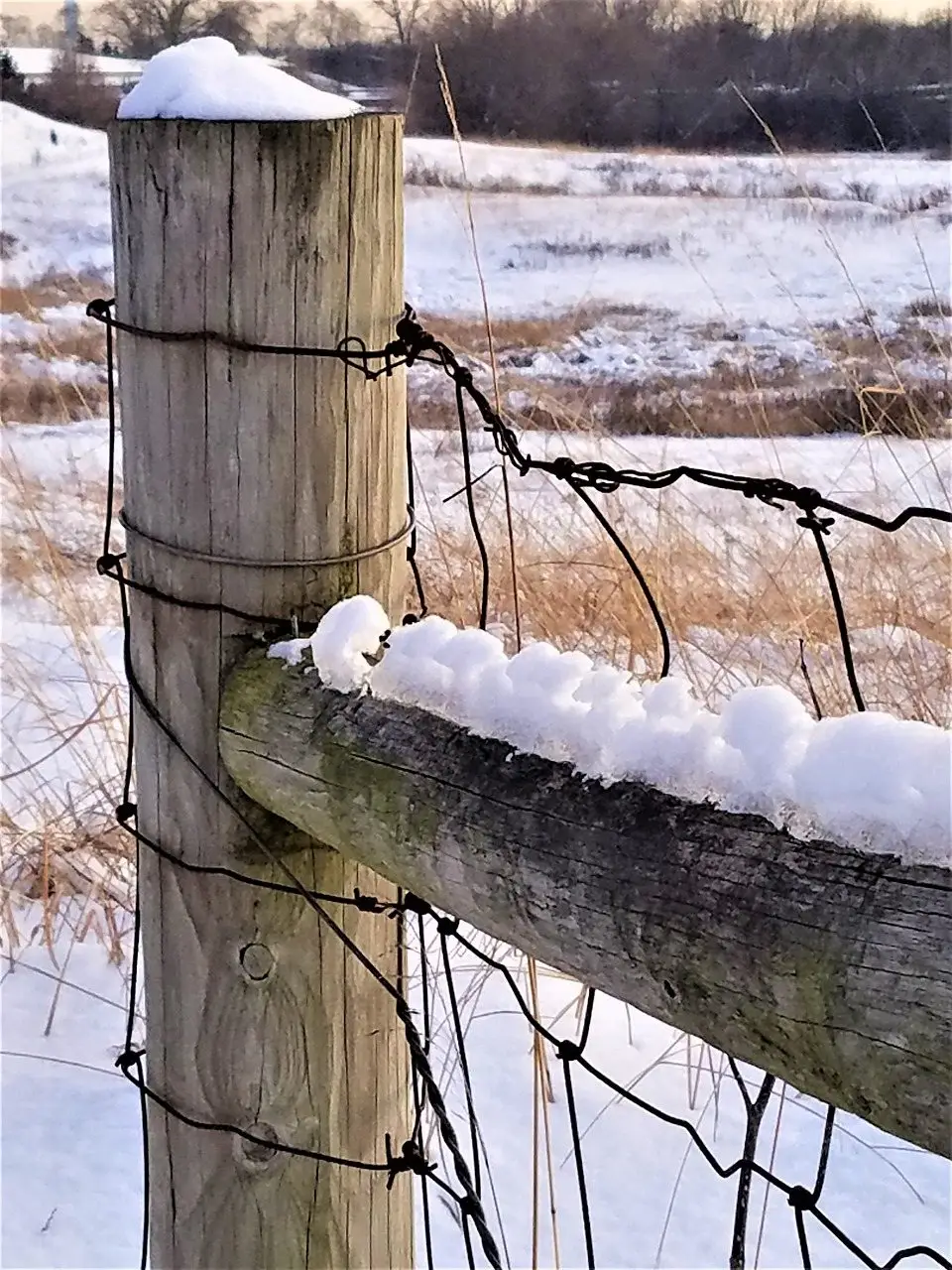
What Is the Cheapest Fence to Build? Wire, Then Wood
Wire and welded mesh cost least per foot, hog wire panels look better for little more, and pressure-treated pickets are the cheapest solid option.
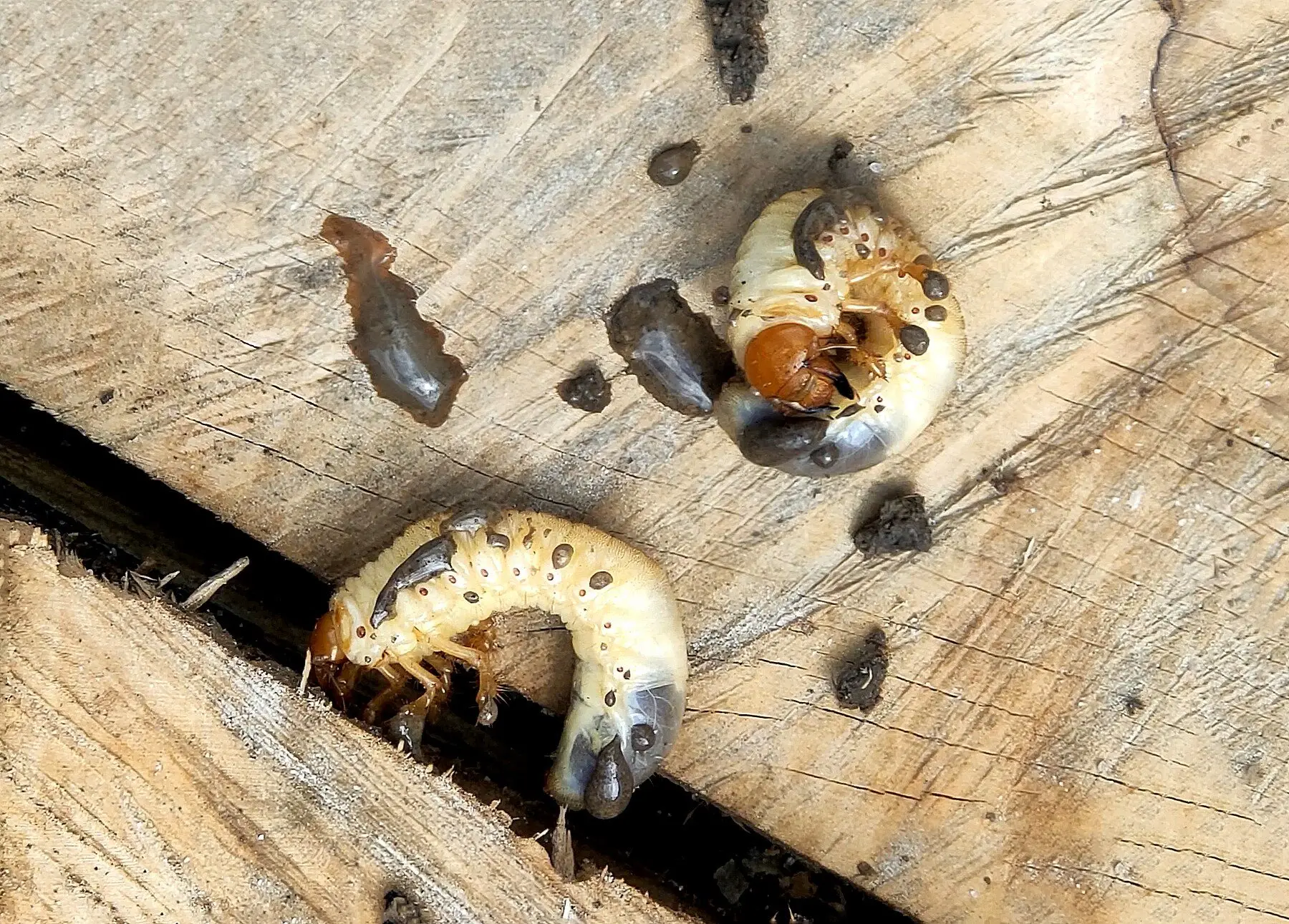
Grub Worm: How to Tell If You Have Them, and When to Treat
Most lawns carry grubs harmlessly. The threshold is 6 to 10 per square foot — how to count them, and why timing matters more than the product.
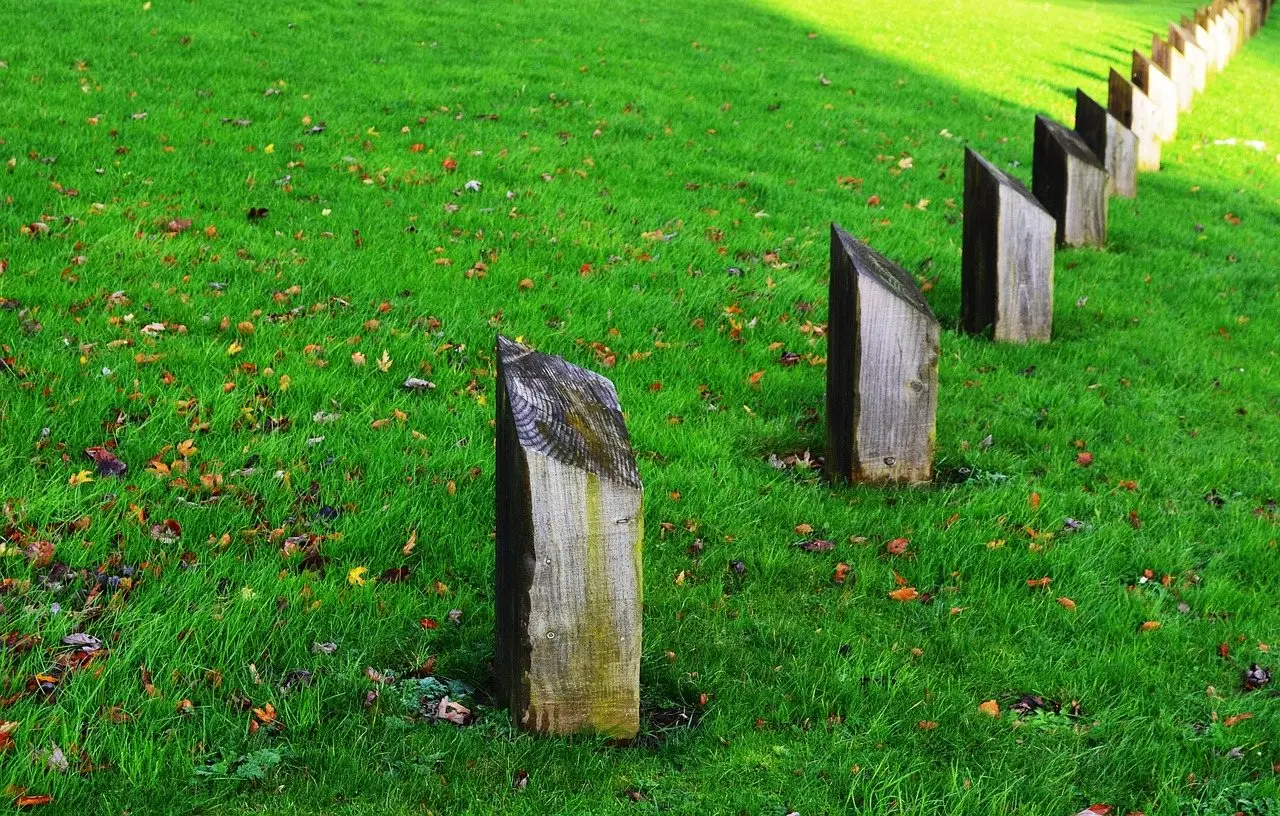
How Deep Should a Fence Post Go? A Third of Its Height
A third of the post above ground, buried, is the working rule — and below the frost line wherever ground freezes. Width matters as much as depth.
What Are the 7 Principles of Landscape Design?
Unity, balance, proportion, rhythm, emphasis, contrast and transition. Each is a question to ask about a garden, not a rule to follow blindly.