
Grub Worm: How to Tell If You Have Them, and When to Treat
Most lawns carry grubs harmlessly. The threshold is 6 to 10 per square foot — how to count them, and why timing matters more than the product.
 By

On this page
Almost every lawn has grubs. Almost none of them need treating. The number that matters is 6 to 10 per square foot — and finding that out takes five minutes with a spade.
What they actually are
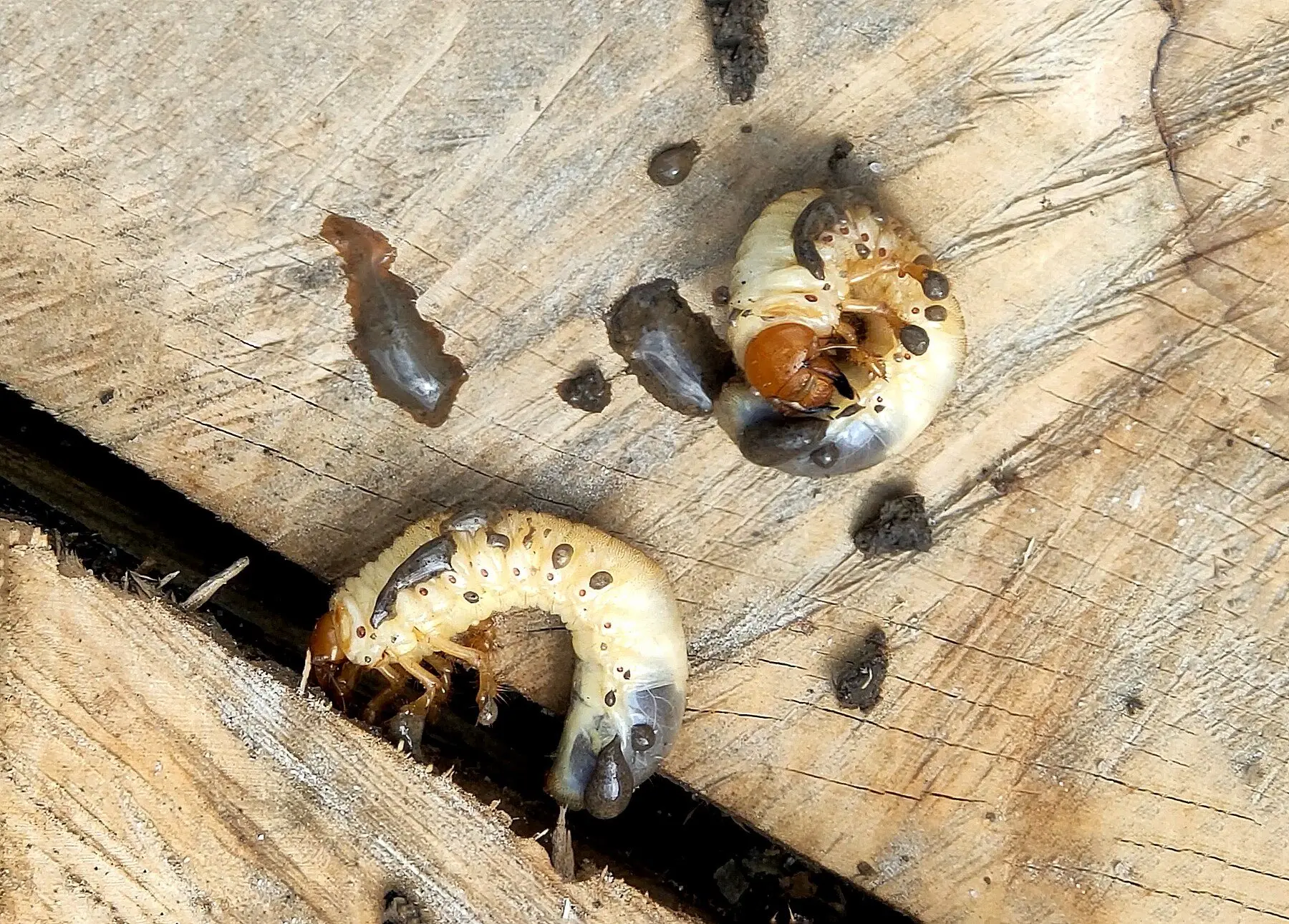
Not worms. The larvae of scarab beetles, and which beetle depends on where you are.
- C-shaped, curling when disturbed
- Cream-white, soft-bodied, ½ to 1½ inches
- Brown or orange head capsule
- Three pairs of legs at the front end
- Living in the top 1 to 3 inches of soil, eating grass roots
| Beetle | Life cycle | Where |
|---|---|---|
| Japanese beetle | 1 year | Eastern and midwestern US; spreading |
| Masked chafer | 1 year | Much of the US |
| European chafer | 1 year | Northeast US, southern Canada, UK |
| June beetle / May beetle | 2–3 years | Widespread |
| Green June beetle | 1 year | Southeast US |
The multi-year species matter because a single treatment cannot line up with every stage at once, and populations do not collapse the way an annual species can.
Do not confuse them with earthworms or billbugs
Earthworms are pink-brown, segmented, legless and move by stretching. They are pure benefit and should never be treated against.
Billbug larvae are similar in colour to grubs but are legless and much smaller, and they need a different response. If what you found has no legs, it is not a grub.
The count that decides everything
Do this before buying anything.
- Pick a suspect patch, at the edge of damage rather than the dead centre — grubs have already left fully dead turf.
- Cut a one-foot square on three sides with a spade, 3 inches deep.
- Peel it back like a flap.
- Count grubs in the soil and in the root mat.
- Repeat in three or four spots, including healthy lawn. They are very patchy.
- Fold the turf back, tread it down, water it.
| Grubs per sq ft | What to do |
|---|---|
| 0–5 | Nothing. This is a normal, healthy lawn |
| 6–9 | Borderline. Treat only if the lawn is already stressed or has thin roots |
| 10+ | Treatment justified in a healthy lawn |
| 5+ in drought-stressed turf | Treat — a weak lawn cannot outgrow the damage |
Reading the damage
Grub damage:
- Irregular brown patches that do not respond to watering
- Turf lifts like loose carpet — the roots have gone
- Spongy underfoot
- Worst in late summer and early autumn
Not grub damage: drought, dog urine, fungal disease, chinch bugs, compaction and fertiliser burn all produce brown patches. Only the peel-back test distinguishes them, and turf that does not lift freely has roots, so the problem is something else.
The animals often do more damage than the grubs
Skunks, raccoons, crows, badgers and moles dig lawns up to eat grubs, and a night of that does far more visible harm than the grubs themselves. It is also the most common way people discover they have grubs at all.
Treating the grubs removes the reason for the digging — but it takes weeks, so it is not an answer to tonight’s damage.
Timing, which matters more than the product
This is where most treatments fail. Grub products are not interchangeable, and each works on a specific stage.
| Window | Type | Works because |
|---|---|---|
| Early summer (roughly June–mid July) | Preventive | Goes down before eggs hatch; kills tiny new grubs |
| Late summer–early autumn | Curative | Grubs are still small and feeding near the surface |
| Spring | Mostly wasted | Grubs are large, nearly finished feeding, about to pupate |
| Midwinter | Nothing | They are deep and dormant |
Two rules that apply whichever you use:
- Water it in. These products have to reach the root zone, and an unwatered application sits on the thatch doing nothing.
- Read the label for your product and region. Timings shift with latitude, and several older active ingredients are now restricted.
Options, from least to most drastic
1. Do nothing. Genuinely the right answer below the threshold.
2. Fix the lawn instead. A deep-rooted lawn tolerates grubs that would wreck a weak one.
- Water deeply and infrequently — roots follow water down
- Mow high, 3 to 4 inches. Taller grass, deeper roots
- Reduce thatch, where beetles prefer to lay
- Let it go dormant in high summer if you can: dry soil in the egg-laying window kills many eggs outright
3. Beneficial nematodes — Heterorhabditis bacteriophora specifically, not the other species.
- Apply in the evening or on a dull day; UV kills them
- Water in immediately, and keep the soil damp for two weeks
- Buy fresh, cold-stored stock and use it promptly
- Soil above about 12°C
Most “nematodes did nothing” reports come down to heat, sunlight or dry ground, not the nematodes.
4. Milky spore. Only affects Japanese beetle grubs, takes several years to establish, and does nothing about chafers. Worth it only for a long-term Japanese beetle problem.
5. Insecticide, if the count genuinely justifies it. Treat only the affected area rather than the whole lawn, follow the label exactly, and never apply to flowering weeds in the lawn — clover and dandelion in a treated lawn kill bees.
The annual preventive habit is the thing to break
Blanket-treating every year is the most common mistake with grubs. In most years the population is below the damage threshold, so the treatment achieves nothing visible while killing earthworms, ground beetles, and pollinators using lawn flowers.
Count first. Treat the area, not the lawn. Skip years when the count is low.
Common questions
What is a grub worm?
How do I know if I have a grub problem?
What are the signs of grubs in a lawn?
When should I apply grub control?
Do beneficial nematodes work on grubs?
Should I treat my lawn for grubs every year?
Backyard Weekly
Know what to plant, week by week
Join the weekly email for seasonal jobs, fixes for what is going wrong, and gear worth buying.
Not ready to subscribe? The planting calendar is free and needs no email.
By subscribing you agree to our privacy policy. Grow In Backyard will never sell your address.
Keep reading
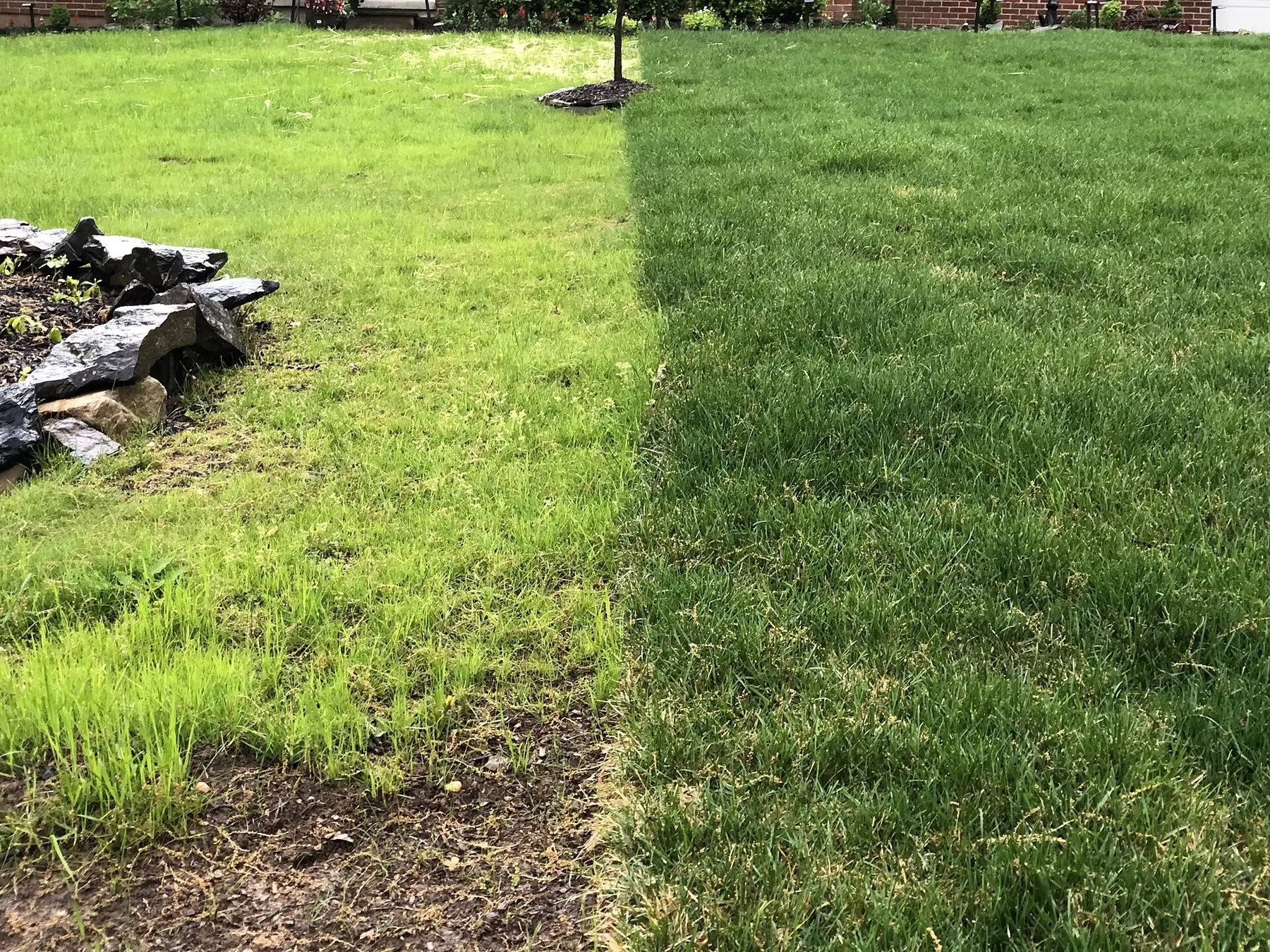
How to Plant Grass Seed So It Actually Comes Up
Seed fails from poor contact and a surface that dried out once, not from bad seed. Soil prep, sowing rates, and the watering routine that carries it to germination.
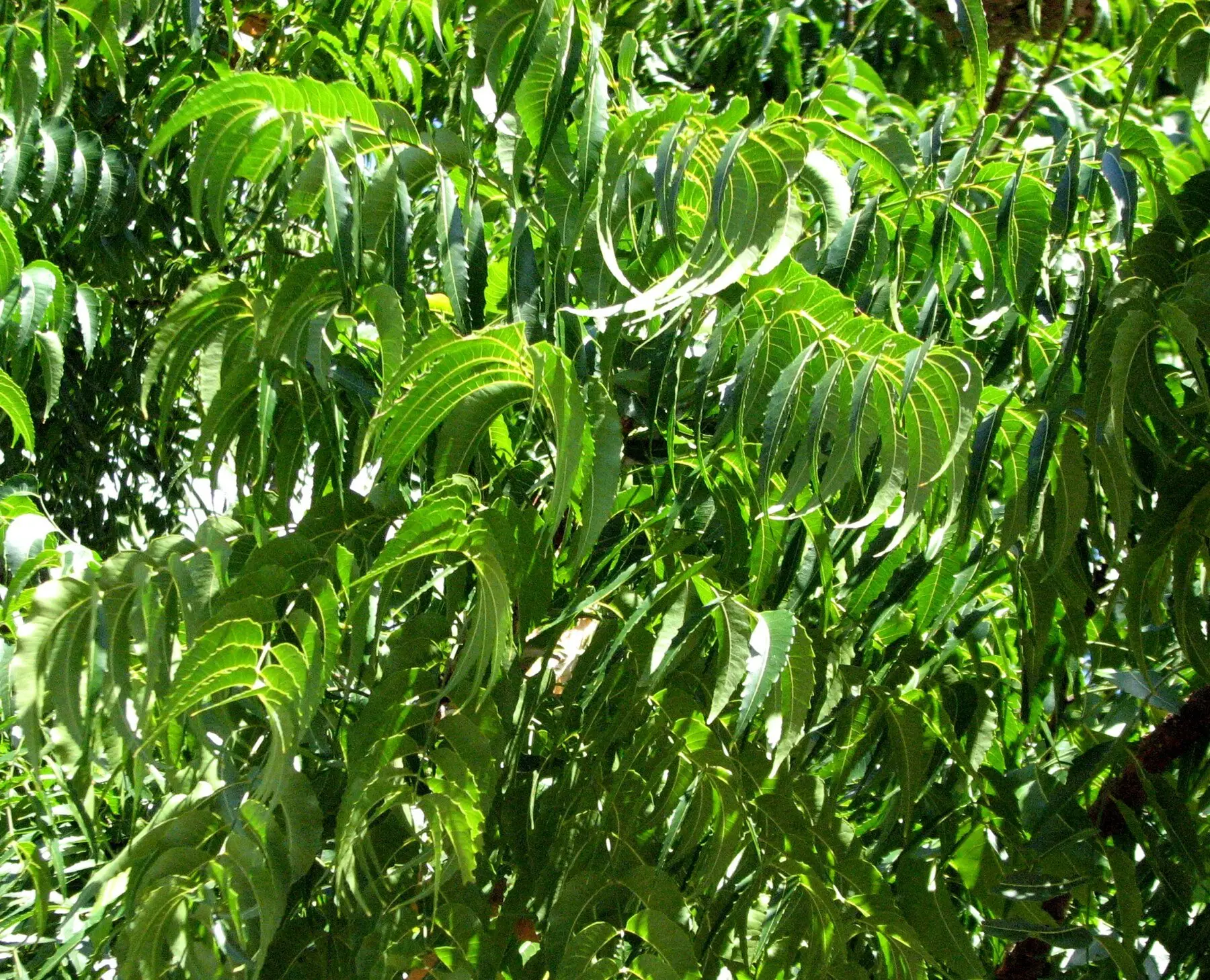
How to Use Neem Oil on Plants Without Burning Them
The right dilution, why it needs soap to mix, when to spray, and which pests it works on. Neem is slow and specific — treat it as a knockdown and it fails.
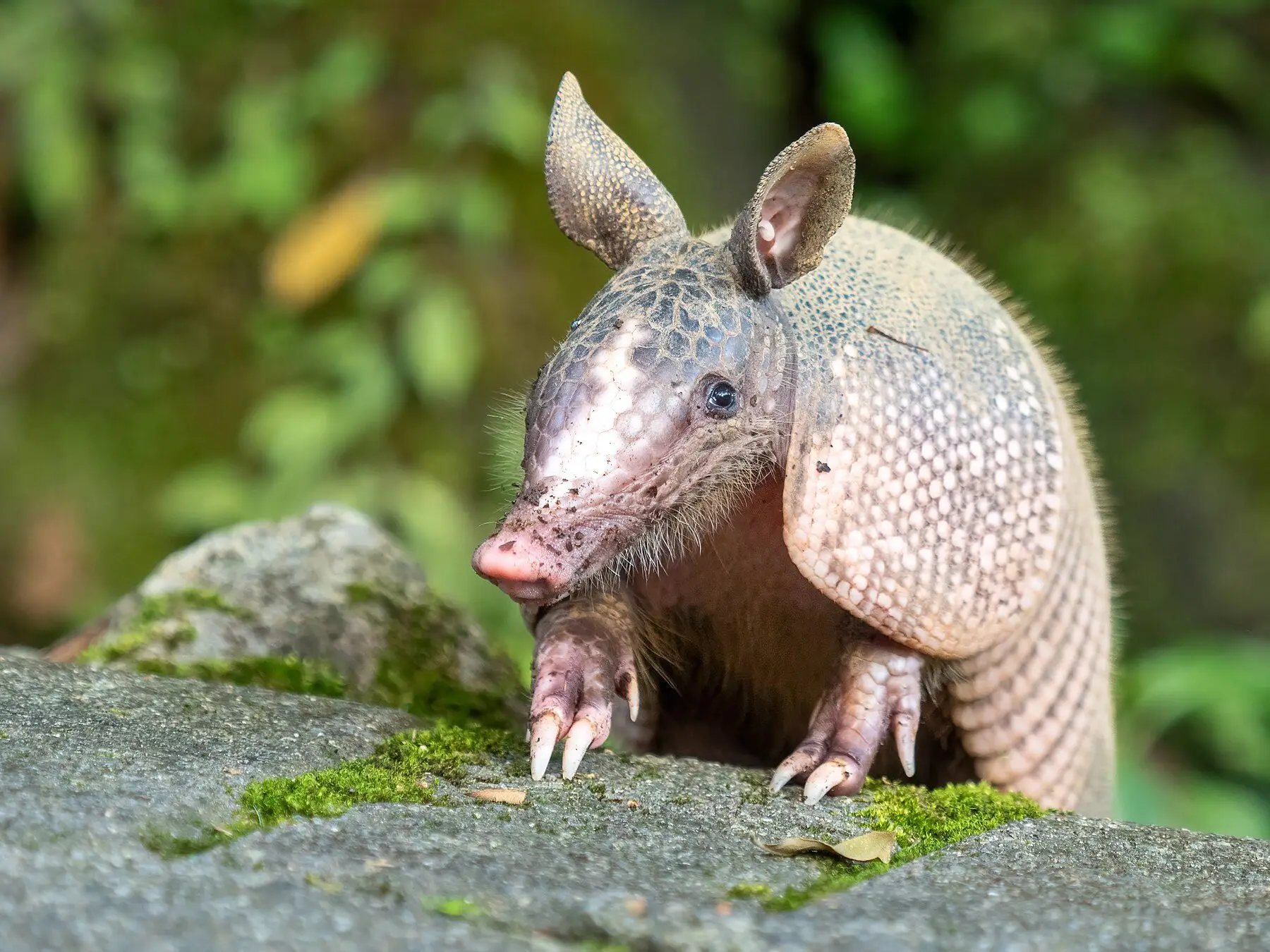
What Is Digging Holes in My Yard? Identify It by the Hole
Armadillos, skunks, groundhogs, voles and squirrels all dig differently. Hole size, shape, soil spray and timing identify the animal before you set anything.
Home Remedies for Mosquitoes: What Works, What Is Folklore
Dumping standing water and running a fan genuinely work. Citronella candles, bug zappers and dryer sheets mostly do not. Sorted by evidence.