
Garden Problems ·
How to Get Rid of Foxtails Before They Hurt a Dog
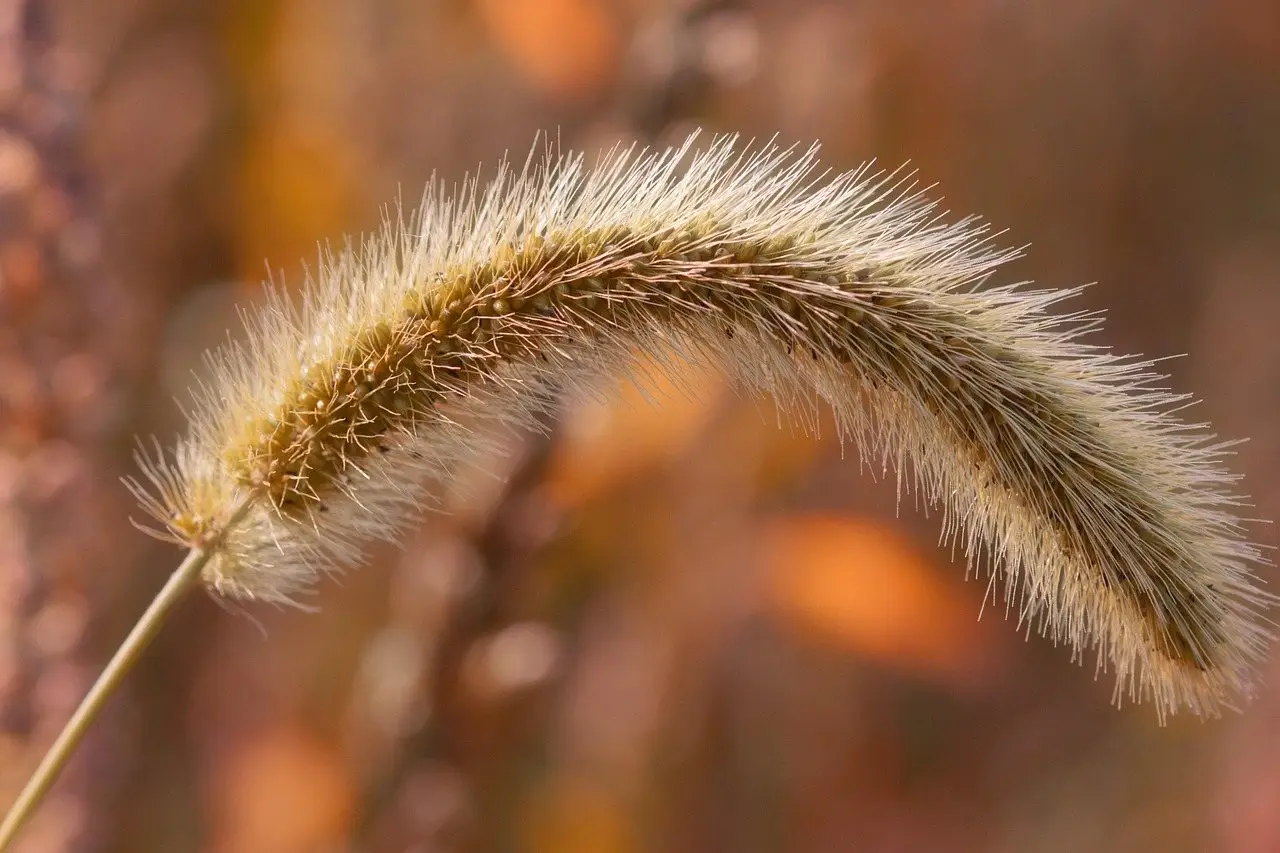
How to get rid of foxtails: the seed heads migrate into dogs and need surgery. Timing the removal to the 3-week green window, and what works after they dry.
41 guides in Garden Problems.
Start here
Plants that repel mosquitoes barely work unless you crush the leaves. 4 measures compared, starting with standing water. See which suits your yard.
How to get rid of foxtails: the seed heads migrate into dogs and need surgery. Timing the removal to the 3-week green window, and what works after they dry.
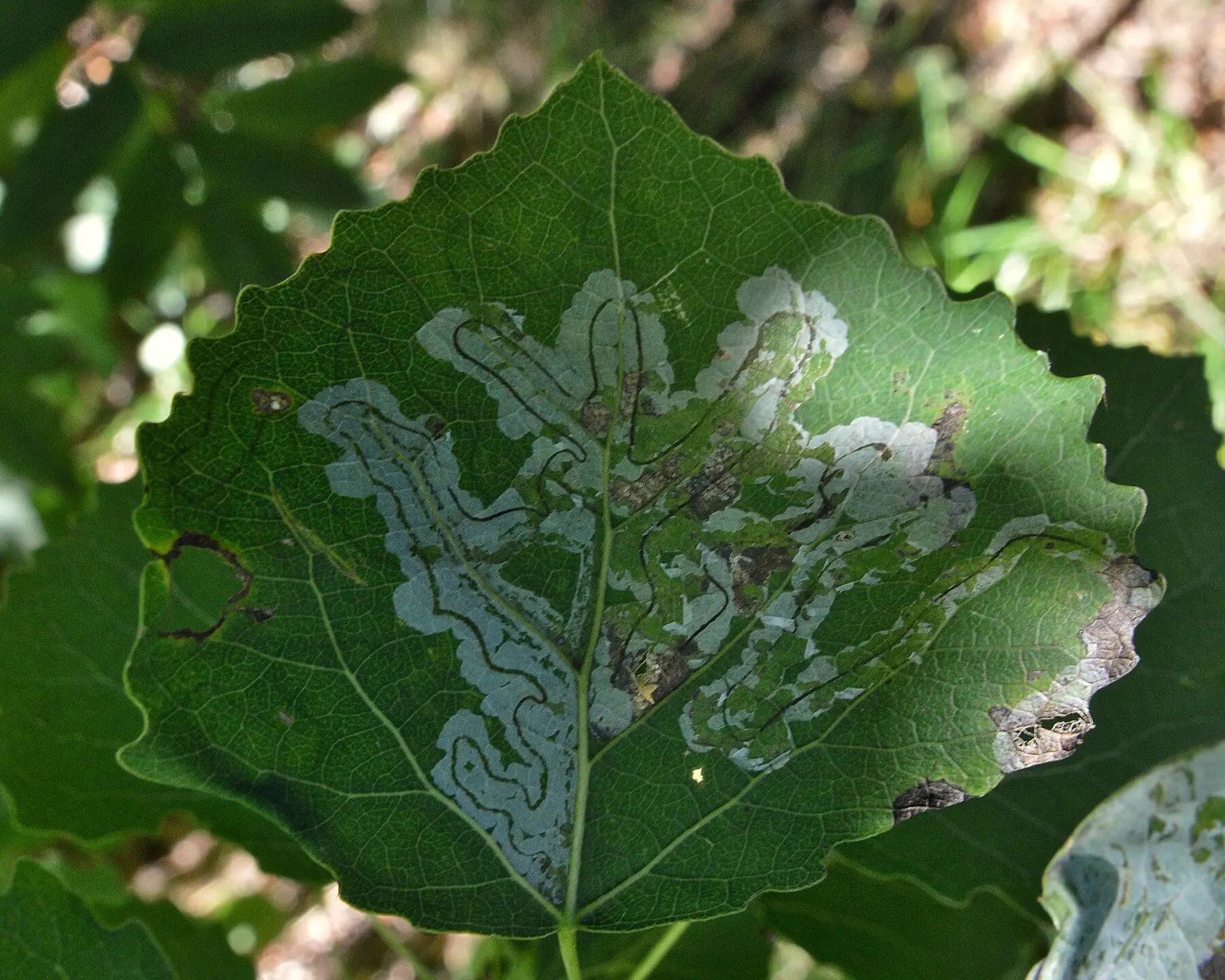
How to get rid of leaf miners: the larva feeds inside the leaf, so contact sprays miss it. The 3 things that work, and why row cover beats everything else.
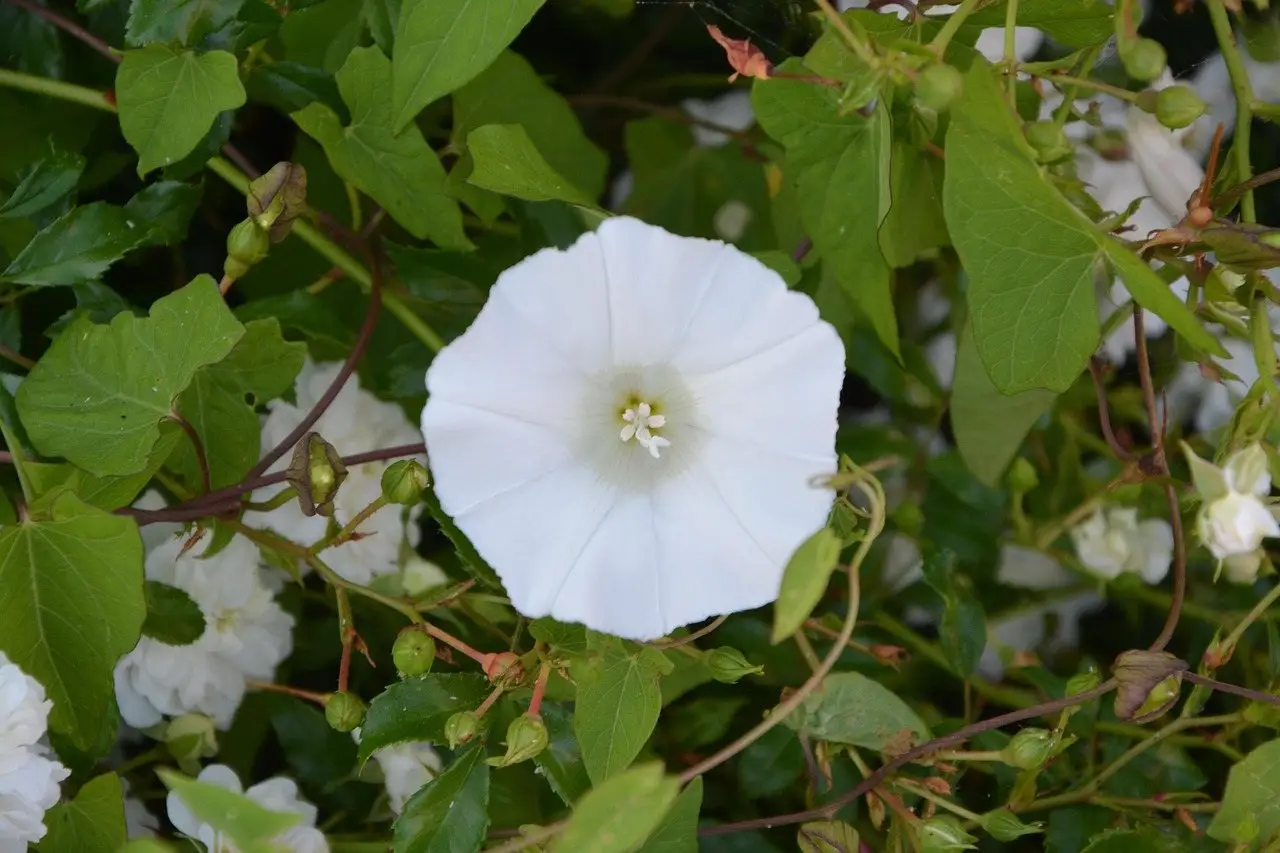
How to get rid of morning glory depends on which plant you have — annual or bindweed. Why digging makes 1 of them worse, and the method that exhausts the roots.
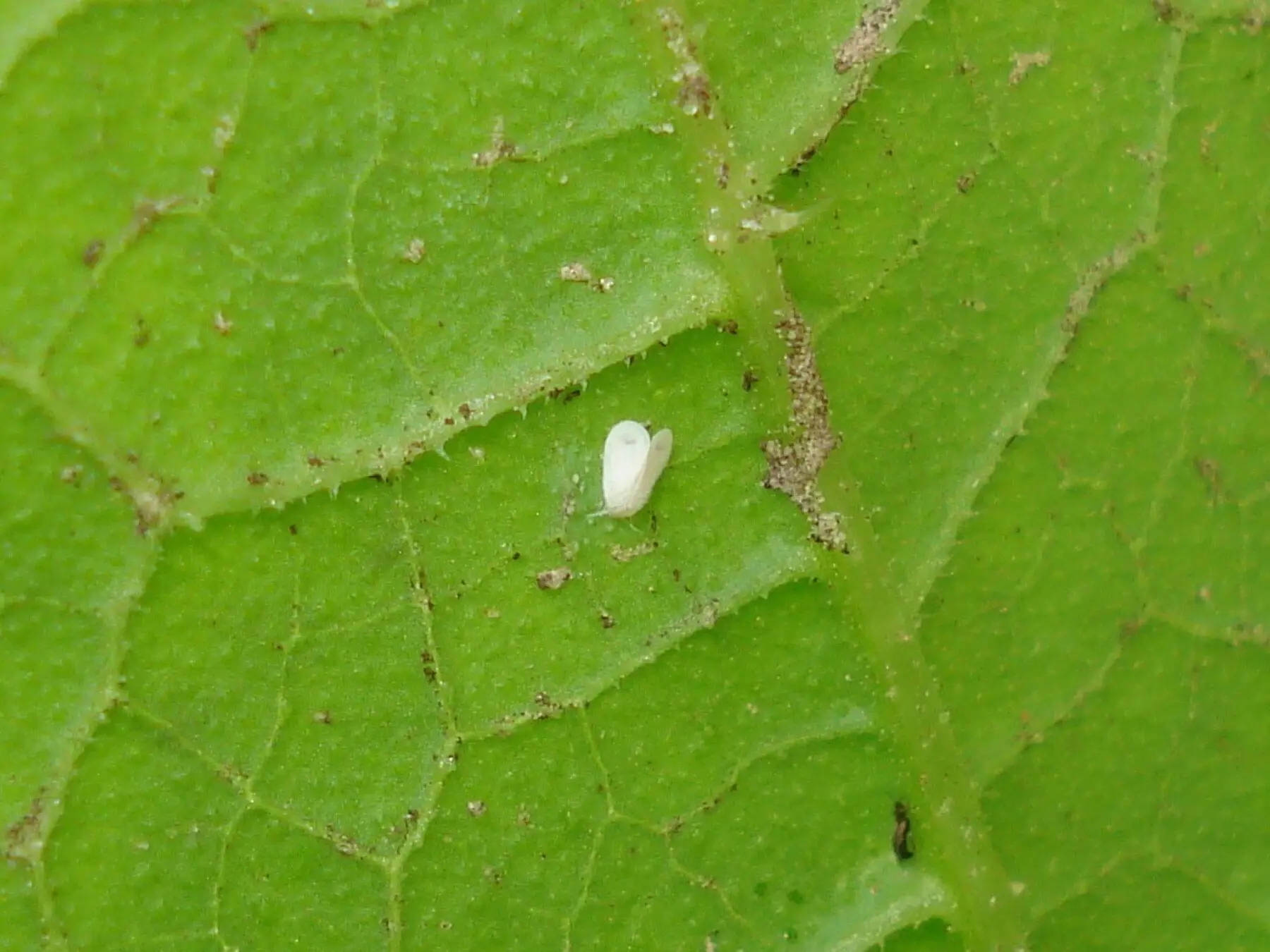
White fly on plants survives most sprays because 3 of its 4 life stages are armoured or hidden. What reaches each stage, and the 7-day cycle that decides timing.
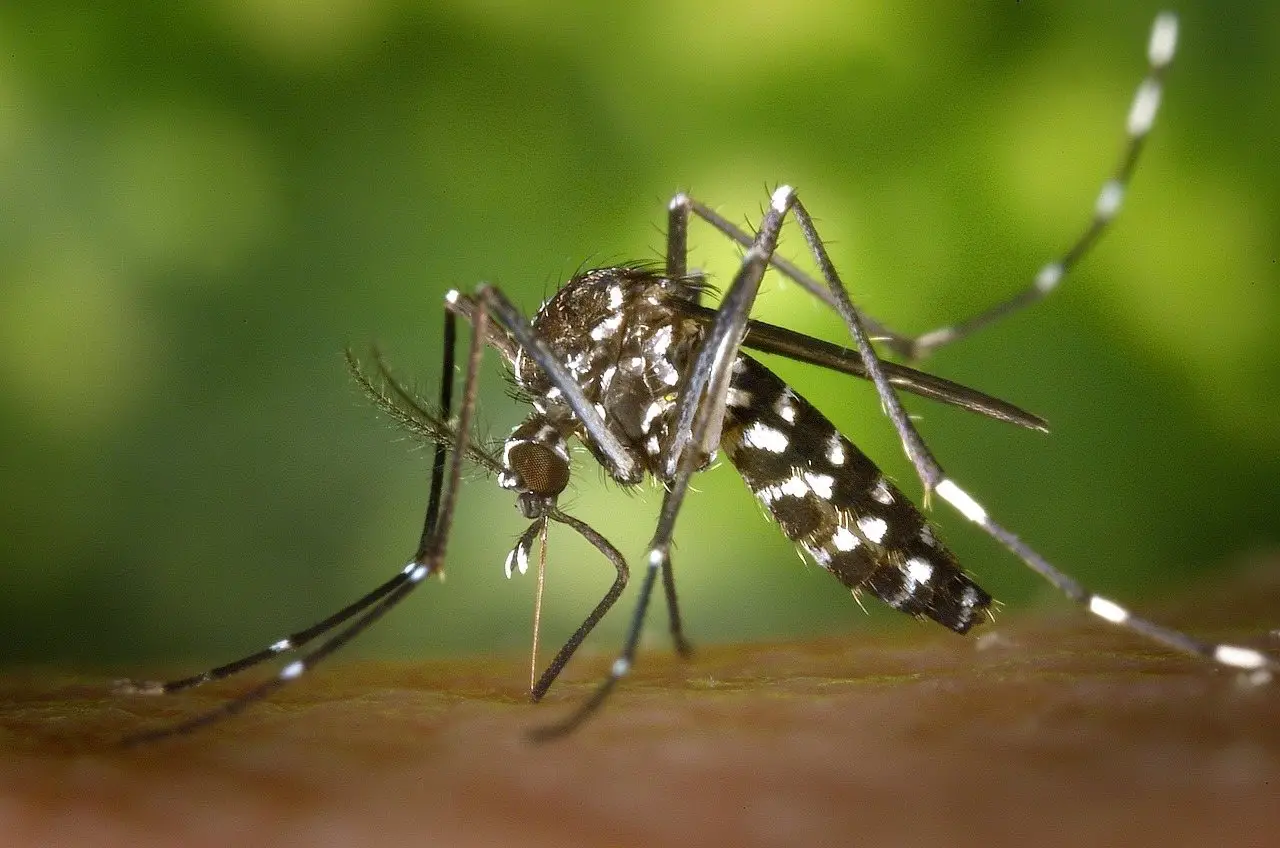
Mosquitoes see poorly and hunt mostly by CO2, heat and smell. Vision only matters in the last metre — which changes what actually keeps them off you.
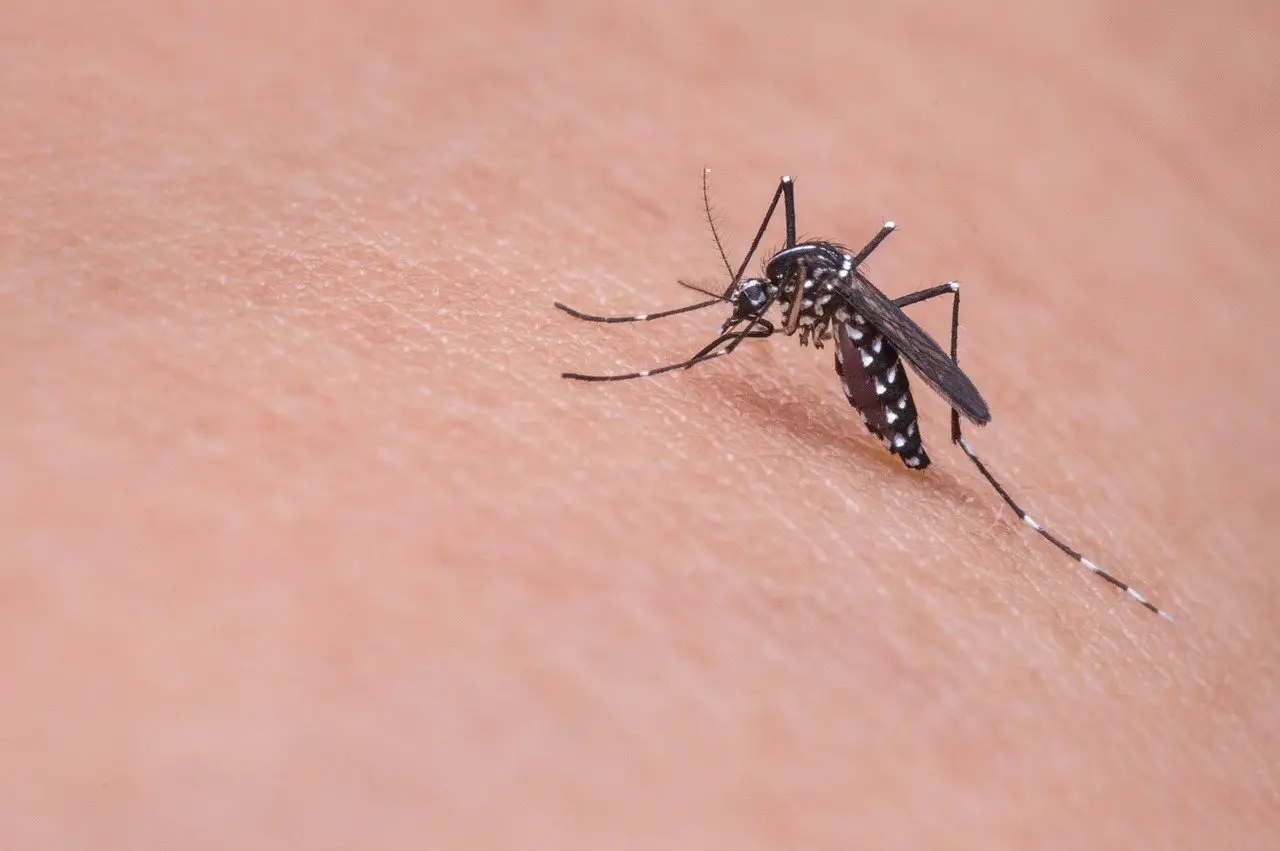
Dumping standing water and running a fan genuinely work. Citronella candles, bug zappers and dryer sheets mostly do not. Sorted by evidence.
Workers are 3–6 mm and pale; swarmers about 10 mm with equal wings. The wing length and the antennae are what separate them from flying ants.
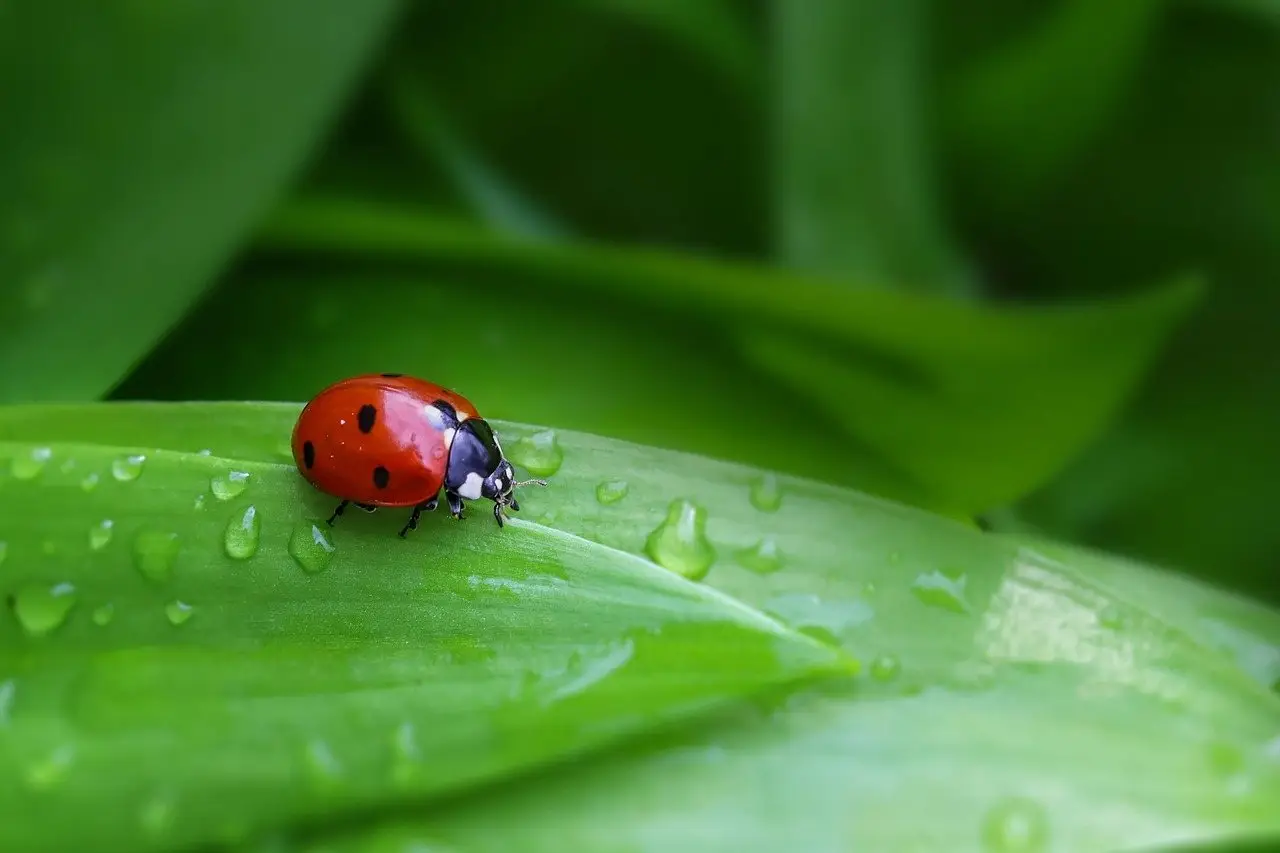
Sixteen spots in three rows and a coppery body means bean beetle. Ladybirds are rounder, glossier, and are not the ones eating your leaves.

Deer and some rodents respond to strongly scented soap. Mosquitoes do not. Here is what the testing shows and where the garden myth came from.
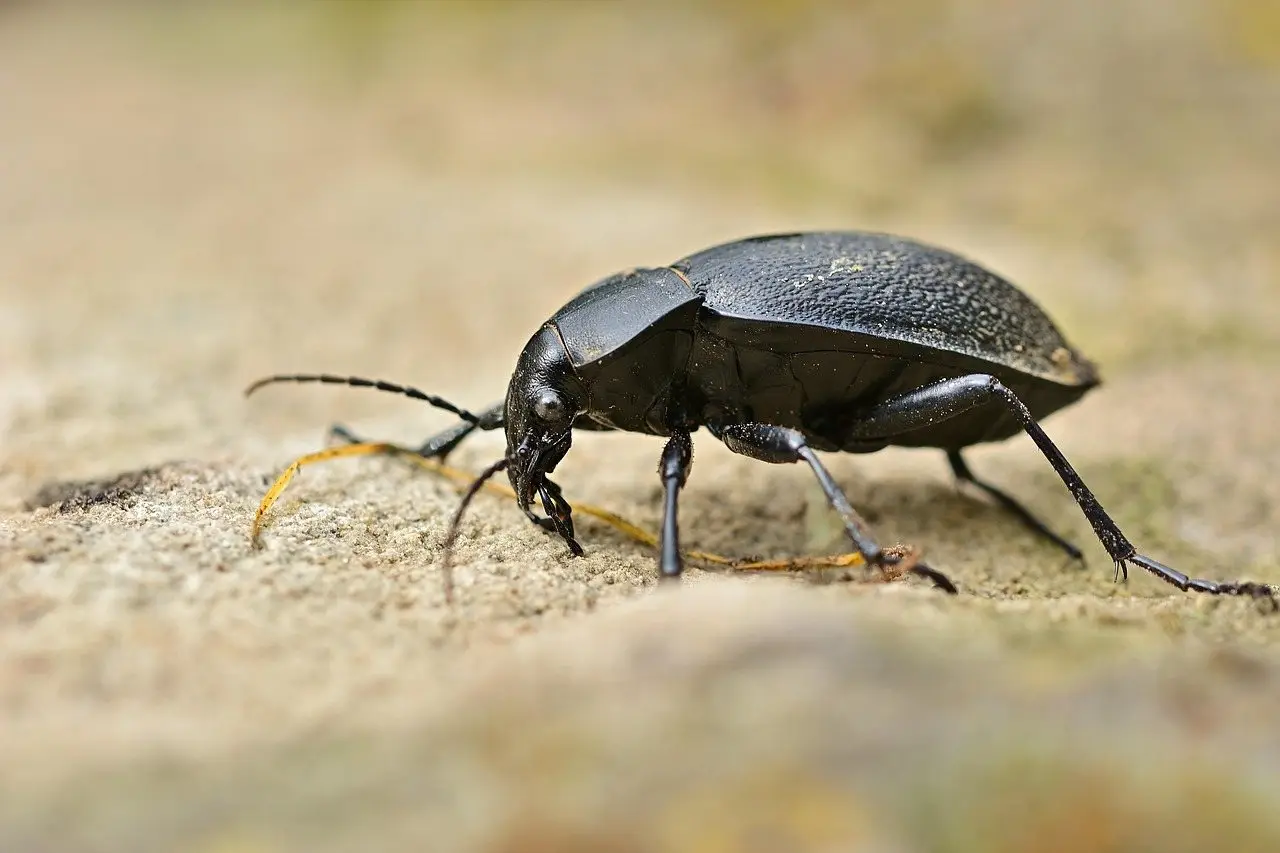
Darkling beetles do not bite or sting and mostly eat decaying matter. The larvae chew seedling stems, and in a poultry coop they are a real pest.
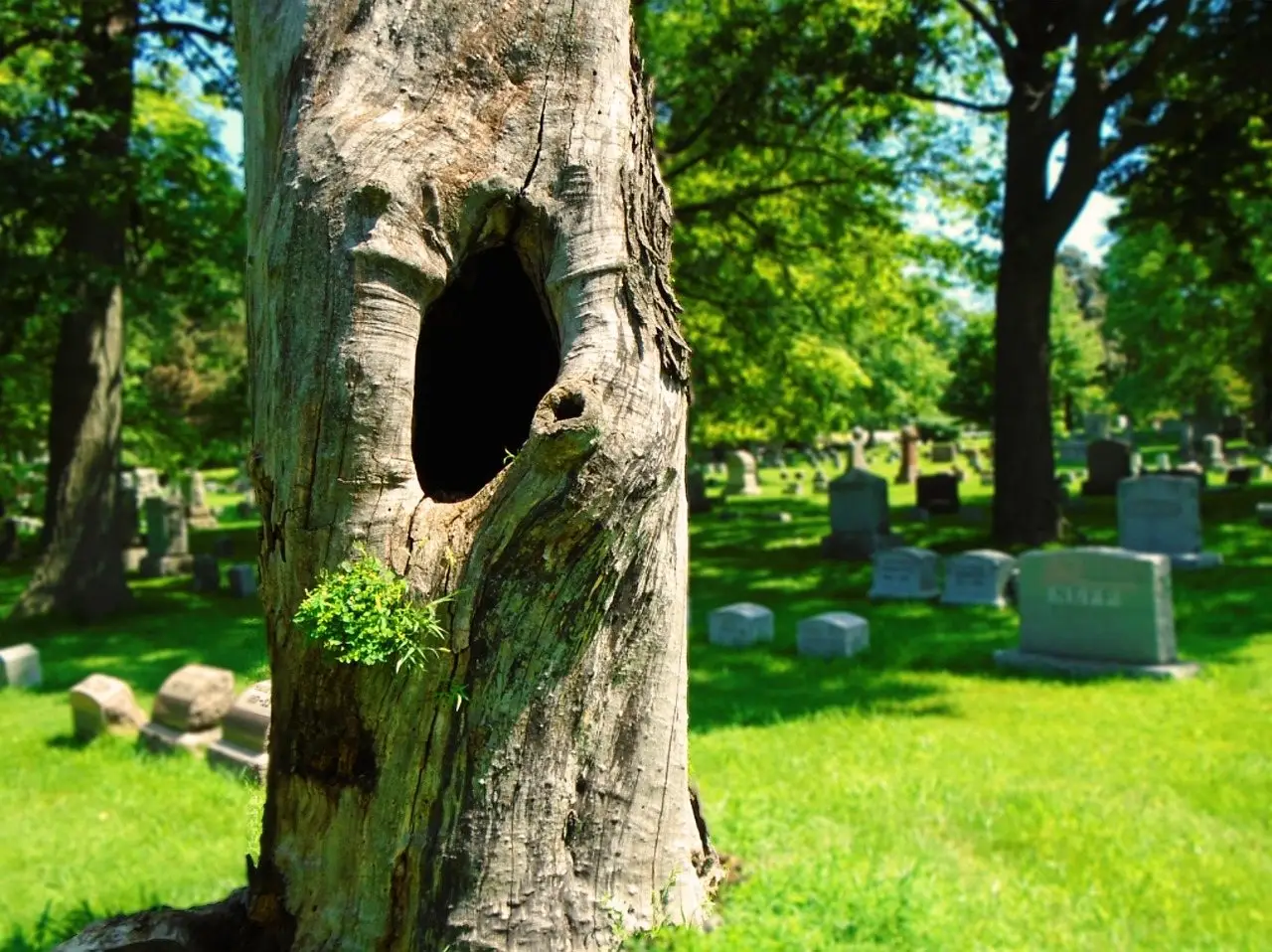
Carpenter ants excavate wood that is already soft and wet. They do not eat live wood, so they are a symptom of internal rot rather than its cause.
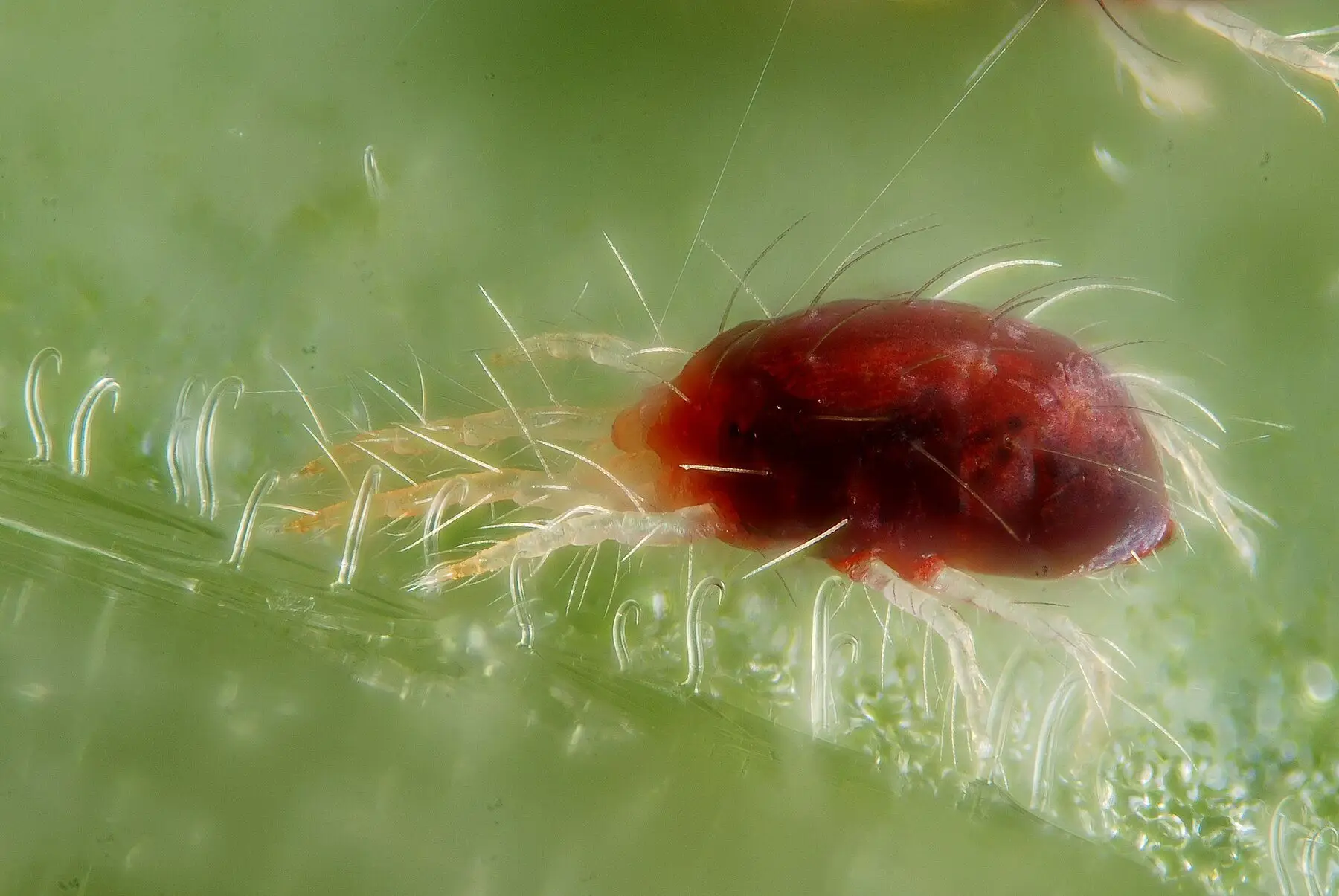
A hard spray dislodges most spider mites and raises humidity they dislike, but submerging a plant does not drown them. Repetition is what works.
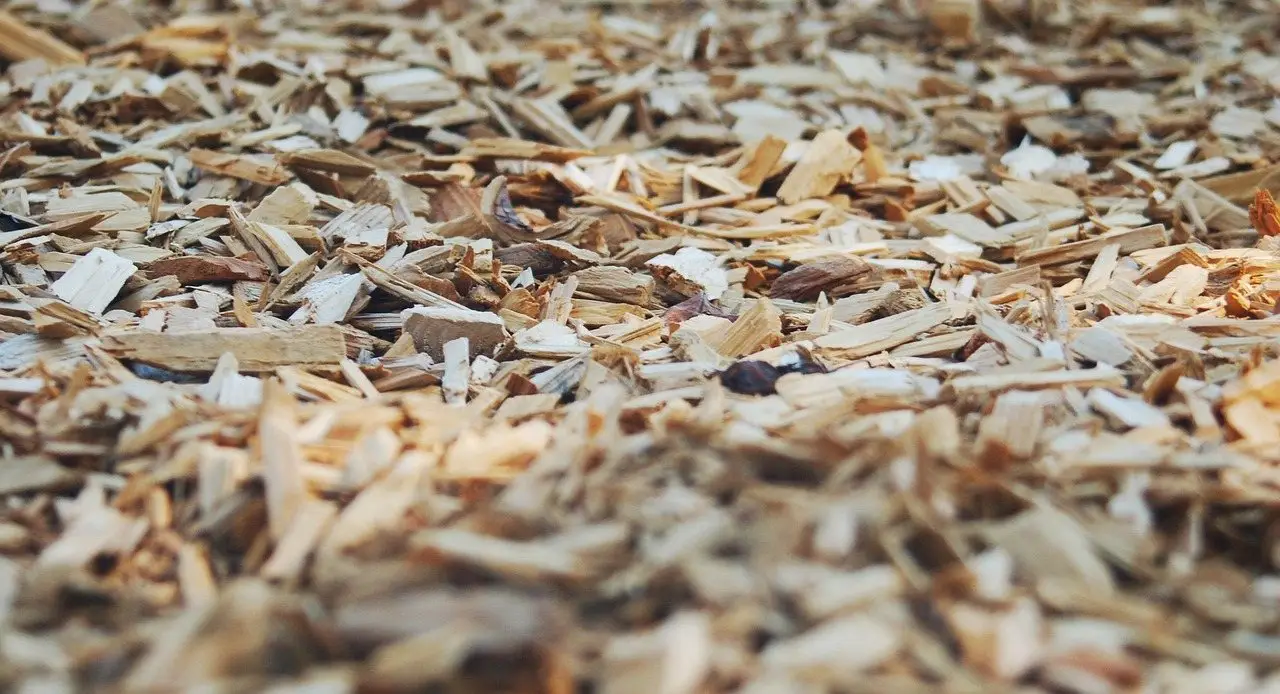
Mulch itself does not breed mosquitoes — standing water does. Thick, compacted or waterlogged mulch creates the damp shelter adults rest in.
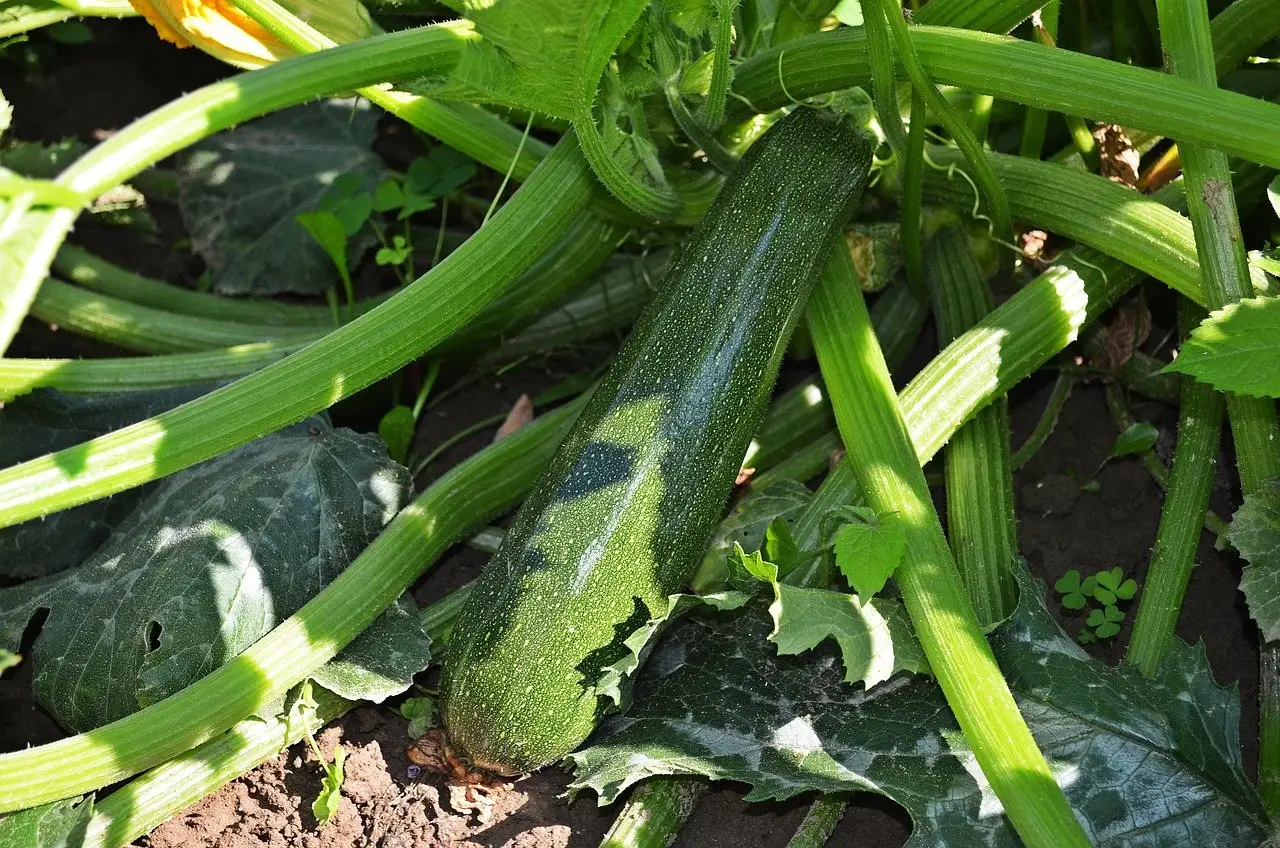
Neem oil smothers young squash bug nymphs on contact but slides off armoured adults. Timing to the egg hatch is what decides whether it works.

Smoke masks the cues mosquitoes hunt by and disrupts flight, which clears the area it covers. Step outside the plume and they are waiting.

A planted lavender bush releases almost no oil into the air. Crushing leaves on skin has some effect; a border of plants does not, at any number.
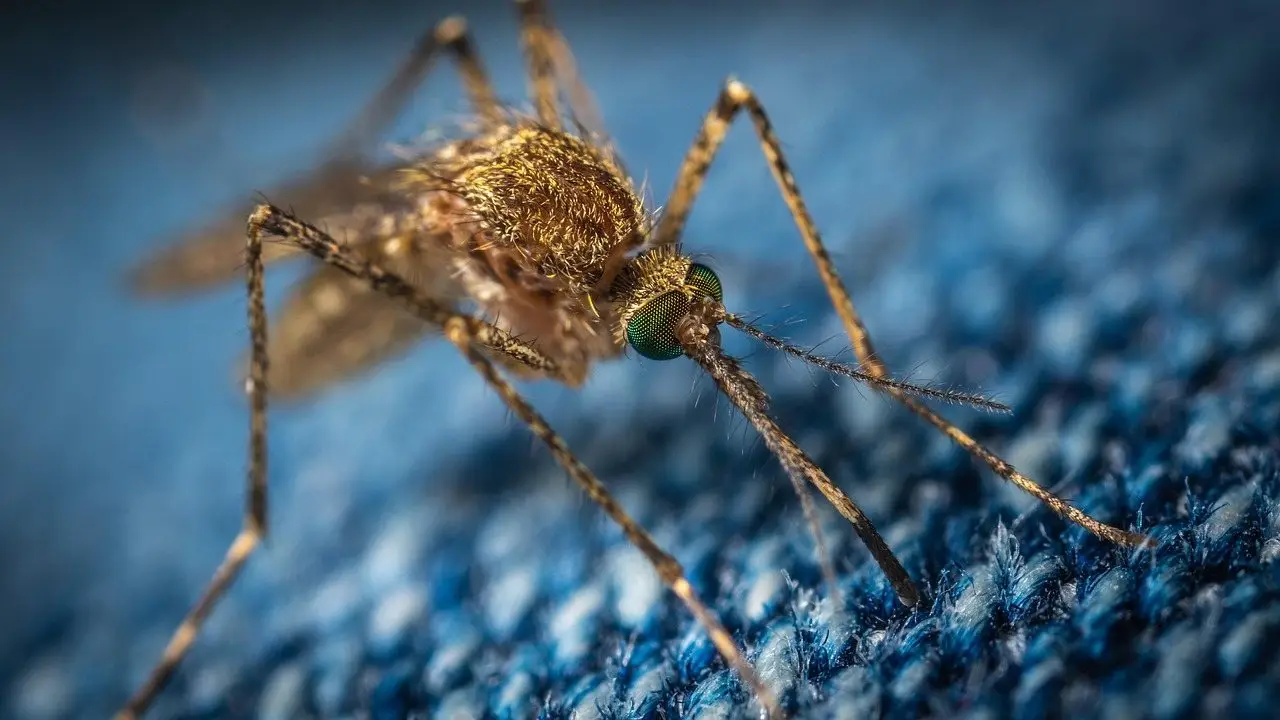
Barrier sprays last about three weeks, so services return every 21 days through the season. Draining water once weekly beats most of that schedule.

Only a systemic herbicide travels to the roots. Vinegar, salt and flame burn off top growth, which perennial weeds regrow from within a fortnight.
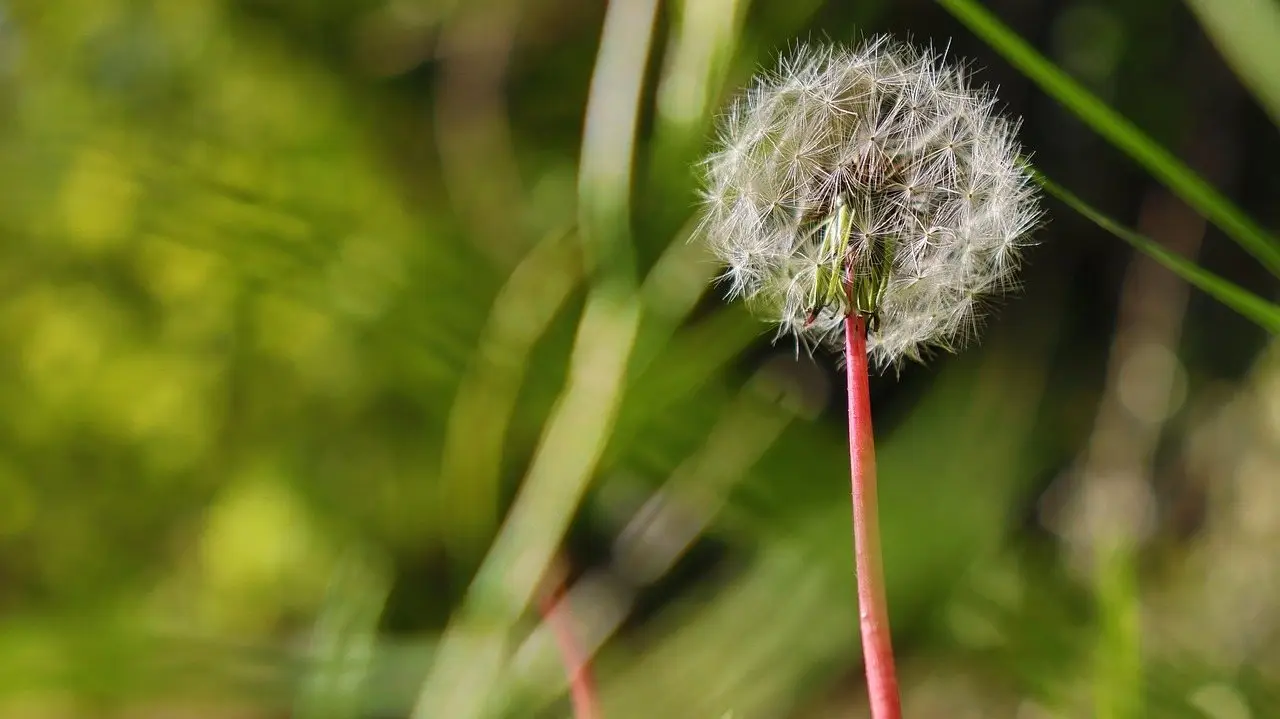
A selective broadleaf herbicide is the only product that spares lawn grass. Nothing kills weeds permanently — seed keeps arriving, so thick turf is the real answer.
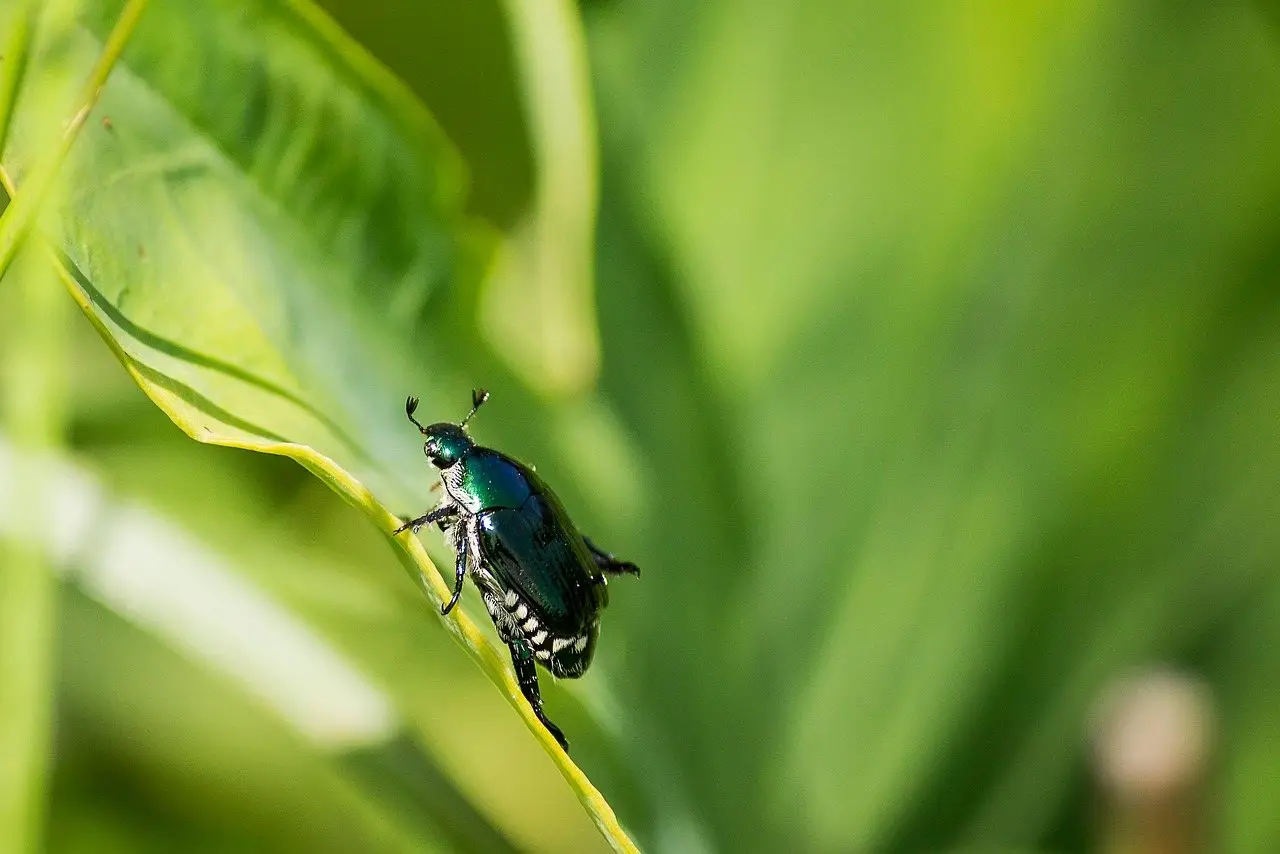
Japanese beetles avoid a handful of plants, but nothing you grow repels them from the ones they like. Planting choice is avoidance, not protection.
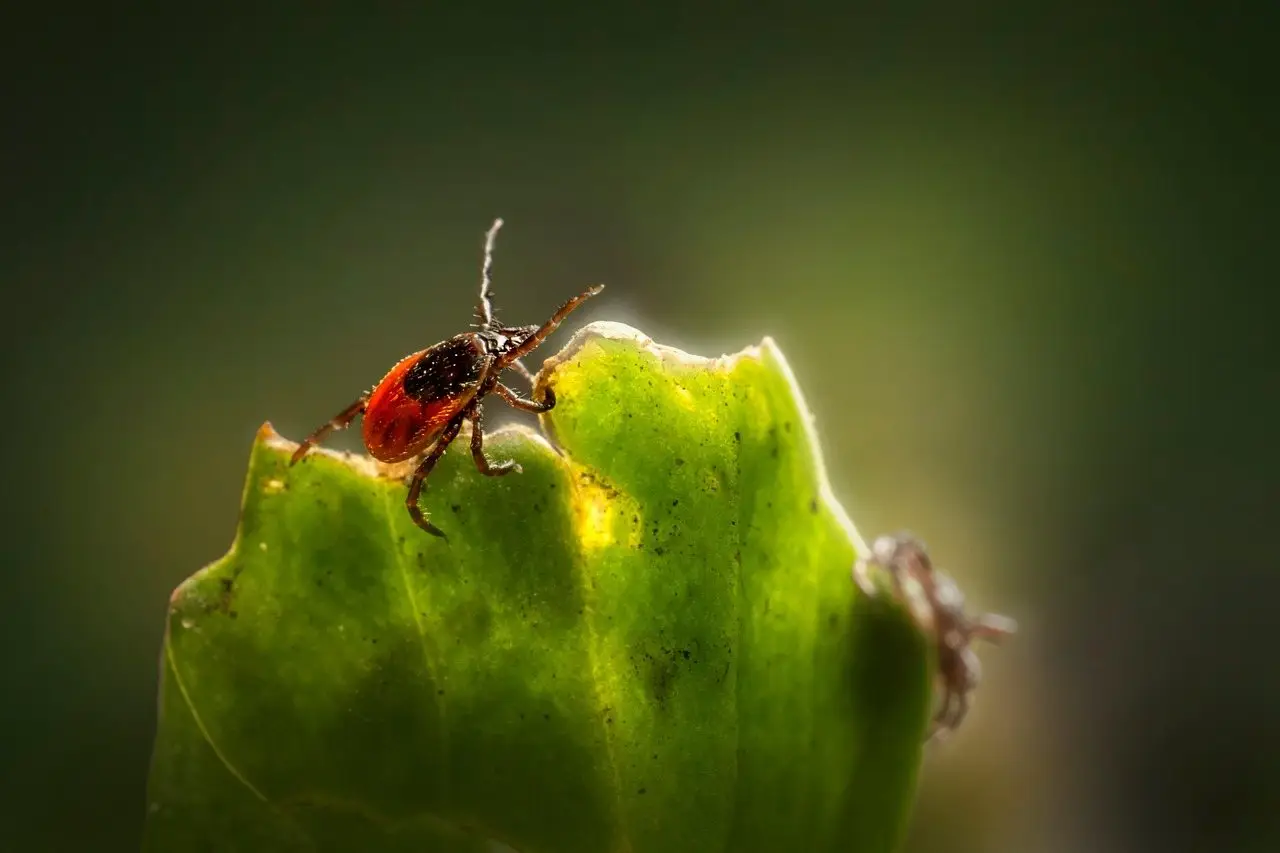
A handful of plants contain compounds that deter ticks in a lab, but planted in a garden they do nothing. What works is habitat, not planting.
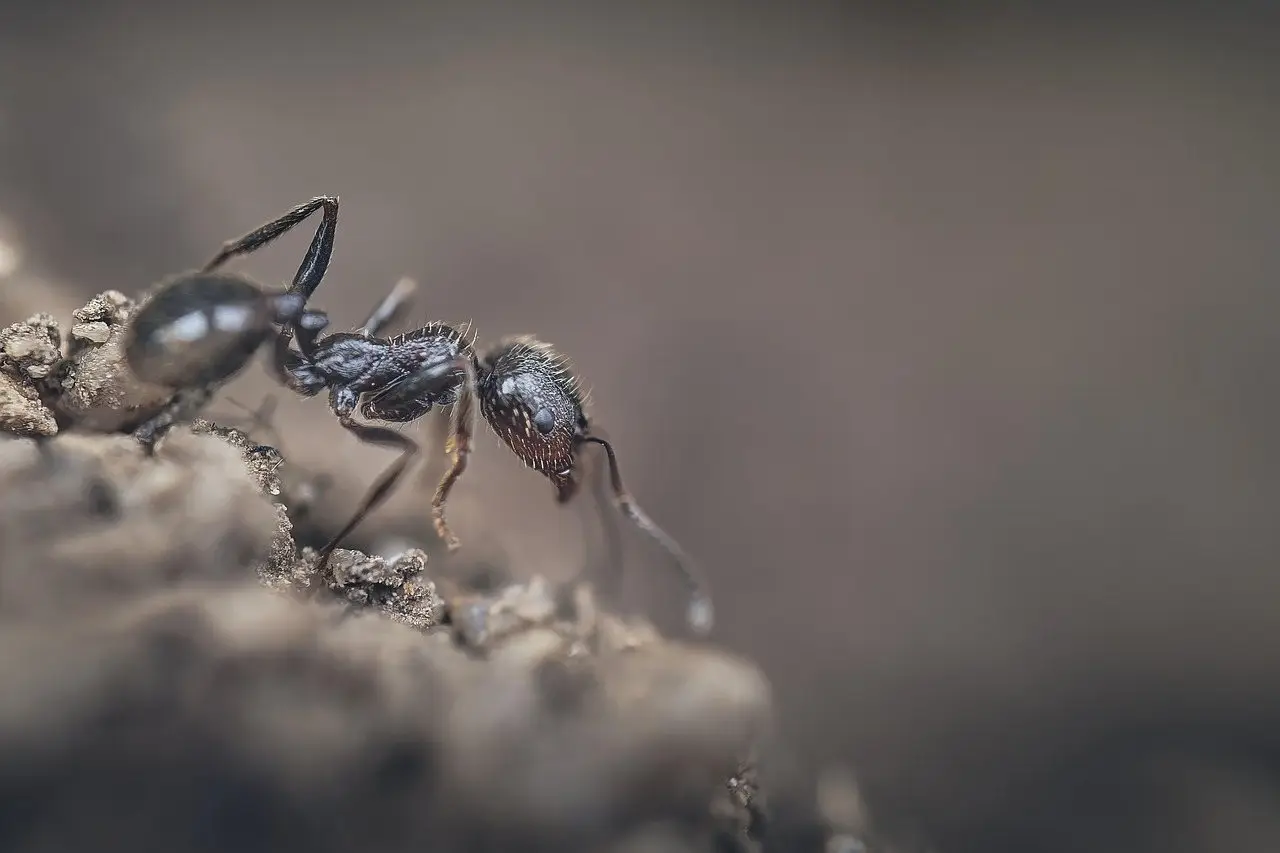
Worker ants ignore light and follow scent trails. The ants swarming a lamp are winged reproductives on a mating flight, and that is temporary.
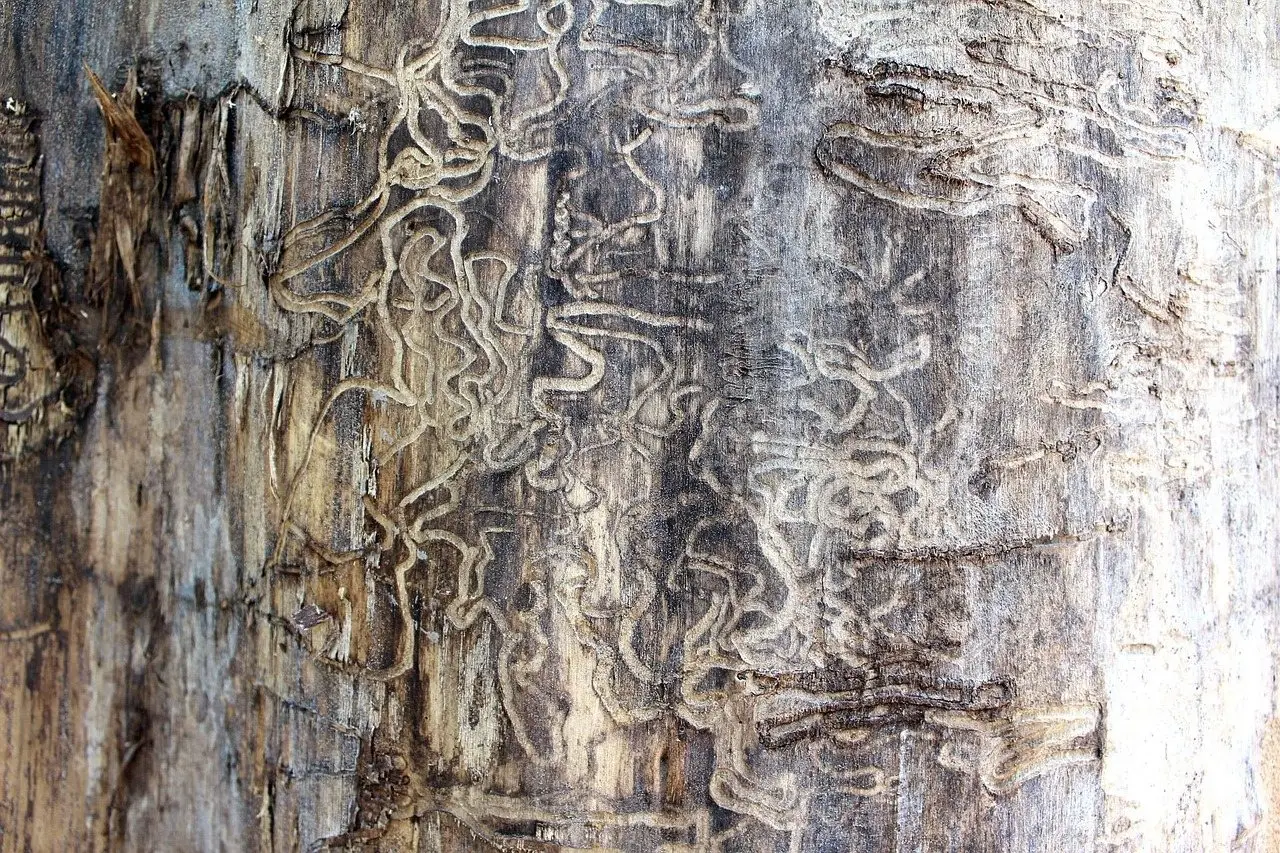
Discarded wings on a windowsill and pencil-width mud tubes on foundations are the earliest termite signs — both appear long before visible damage.
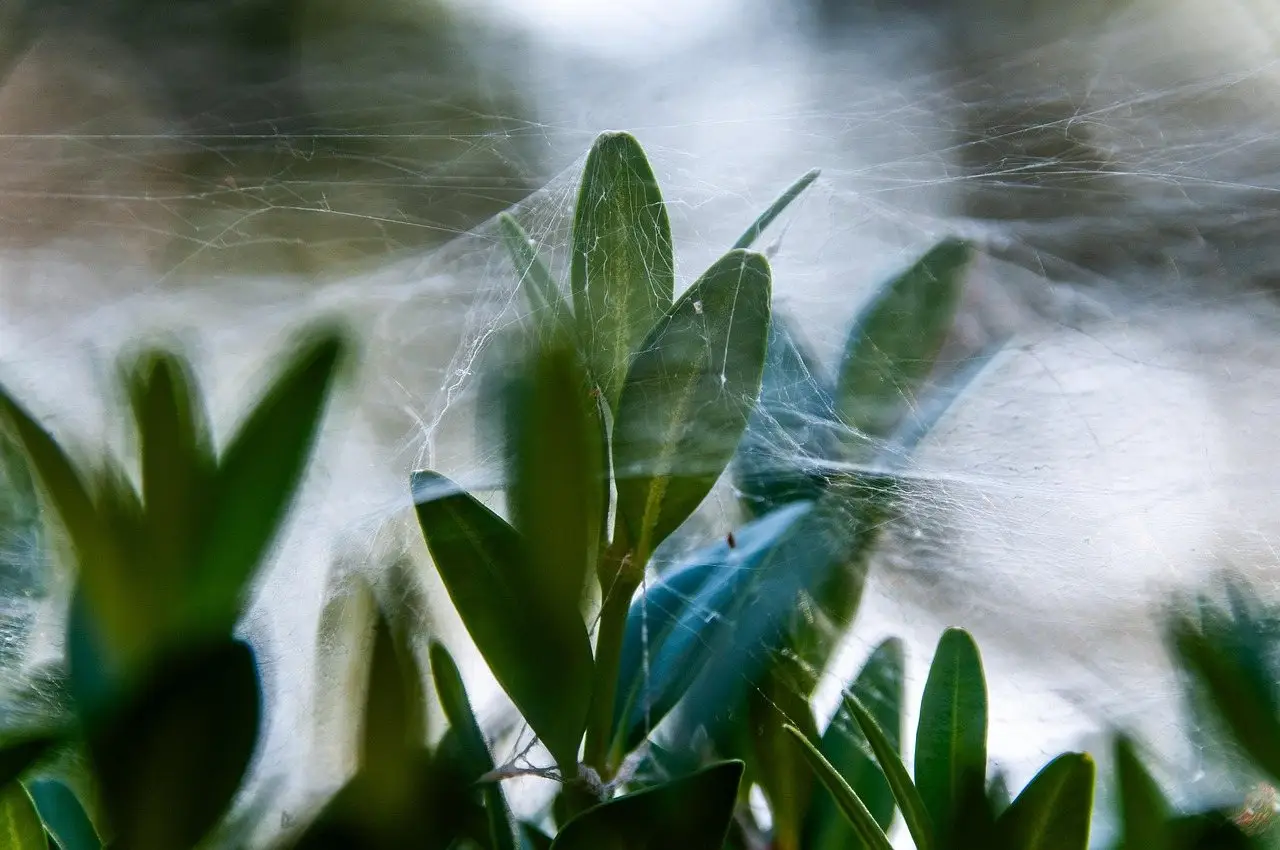
Spider mite eggs are translucent spheres about 0.1 mm across, laid on leaf undersides in webbing. Here is how to see them and tell them from other specks.
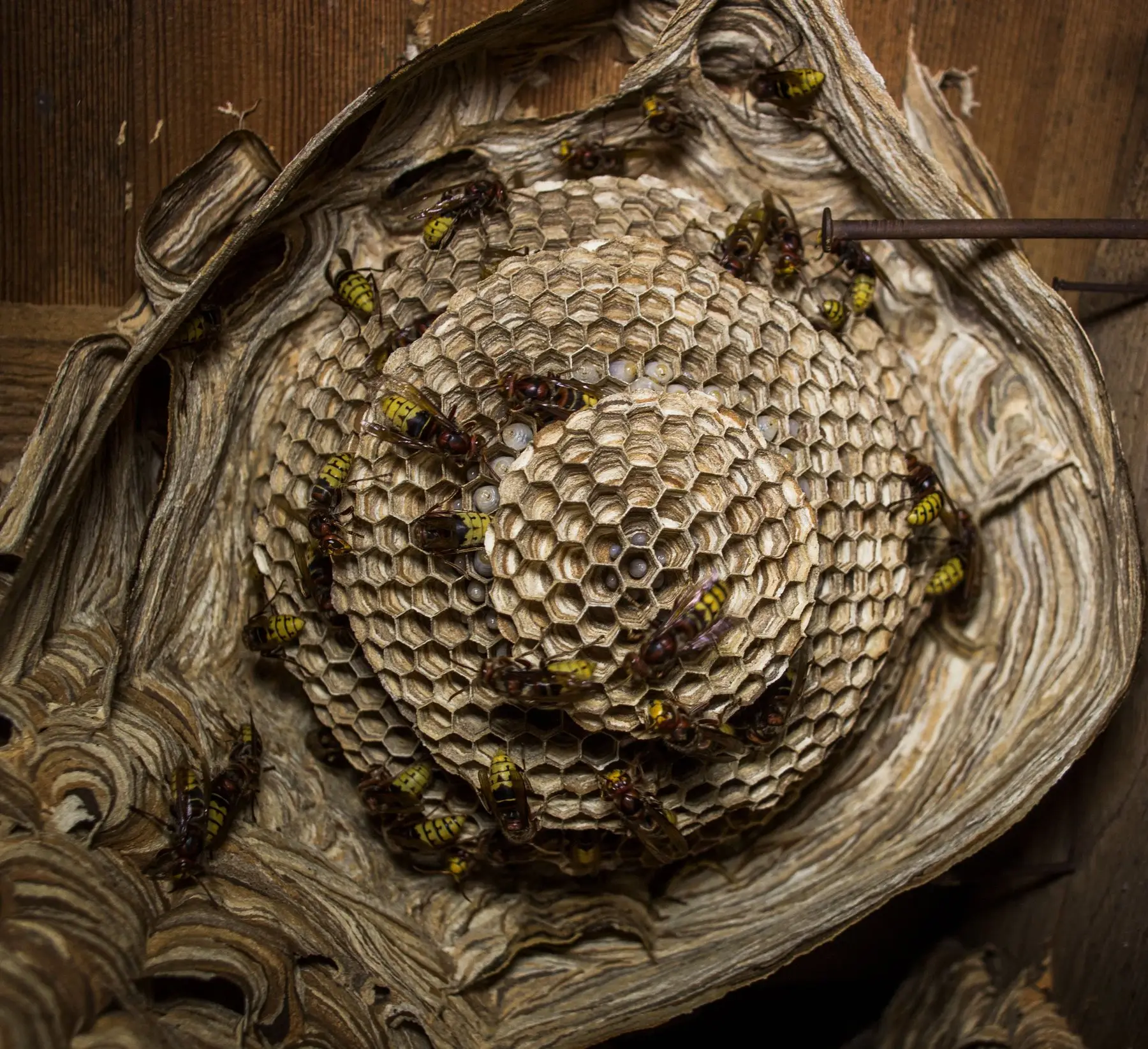
A gutter nest is awkward because you work from a ladder beside it. How to judge the risk, when to call someone, and the one thing never to do up there.
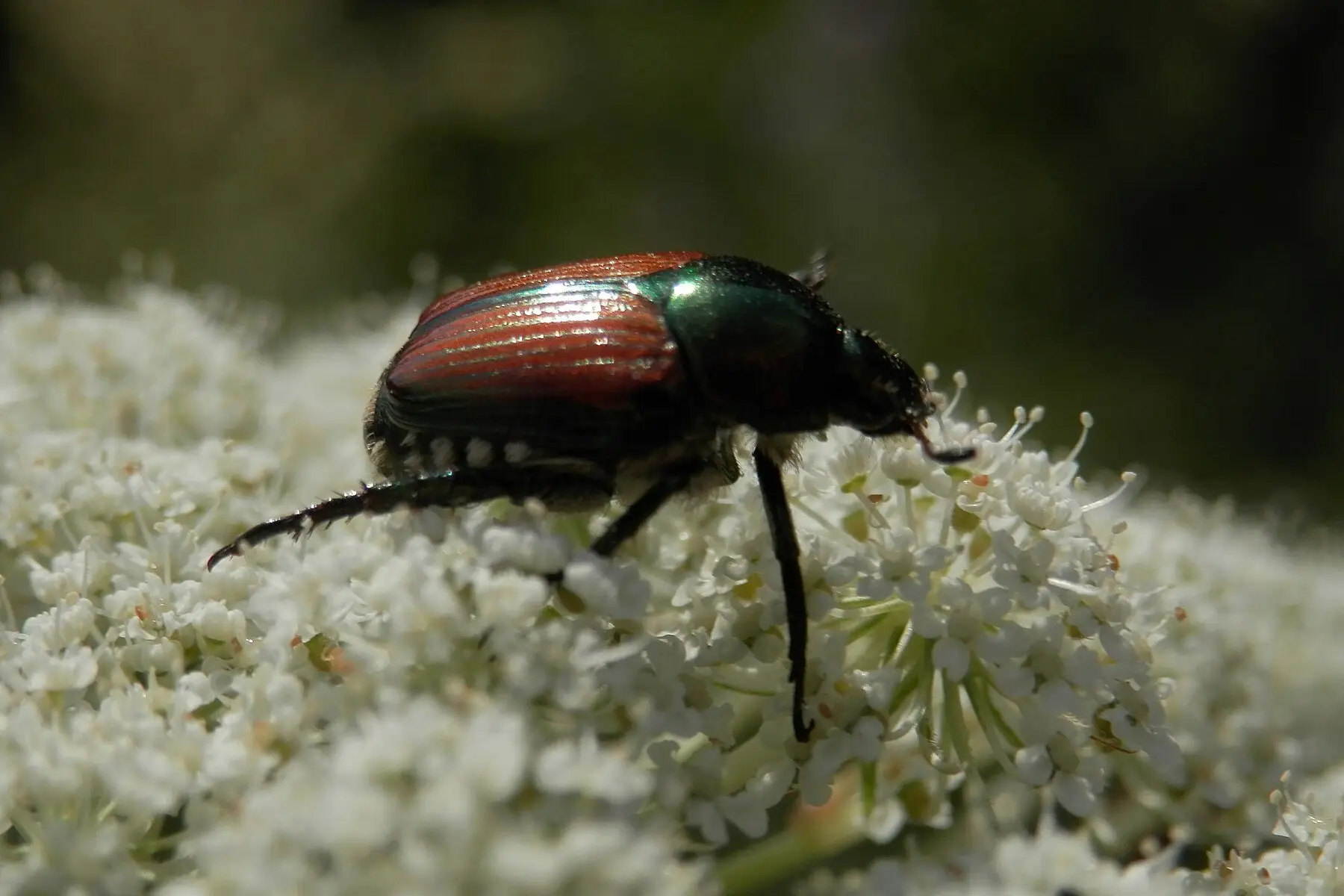
Japanese beetles have chewing mouthparts built for leaves and cannot break human skin. The pinch people feel is the grip of their leg spines.
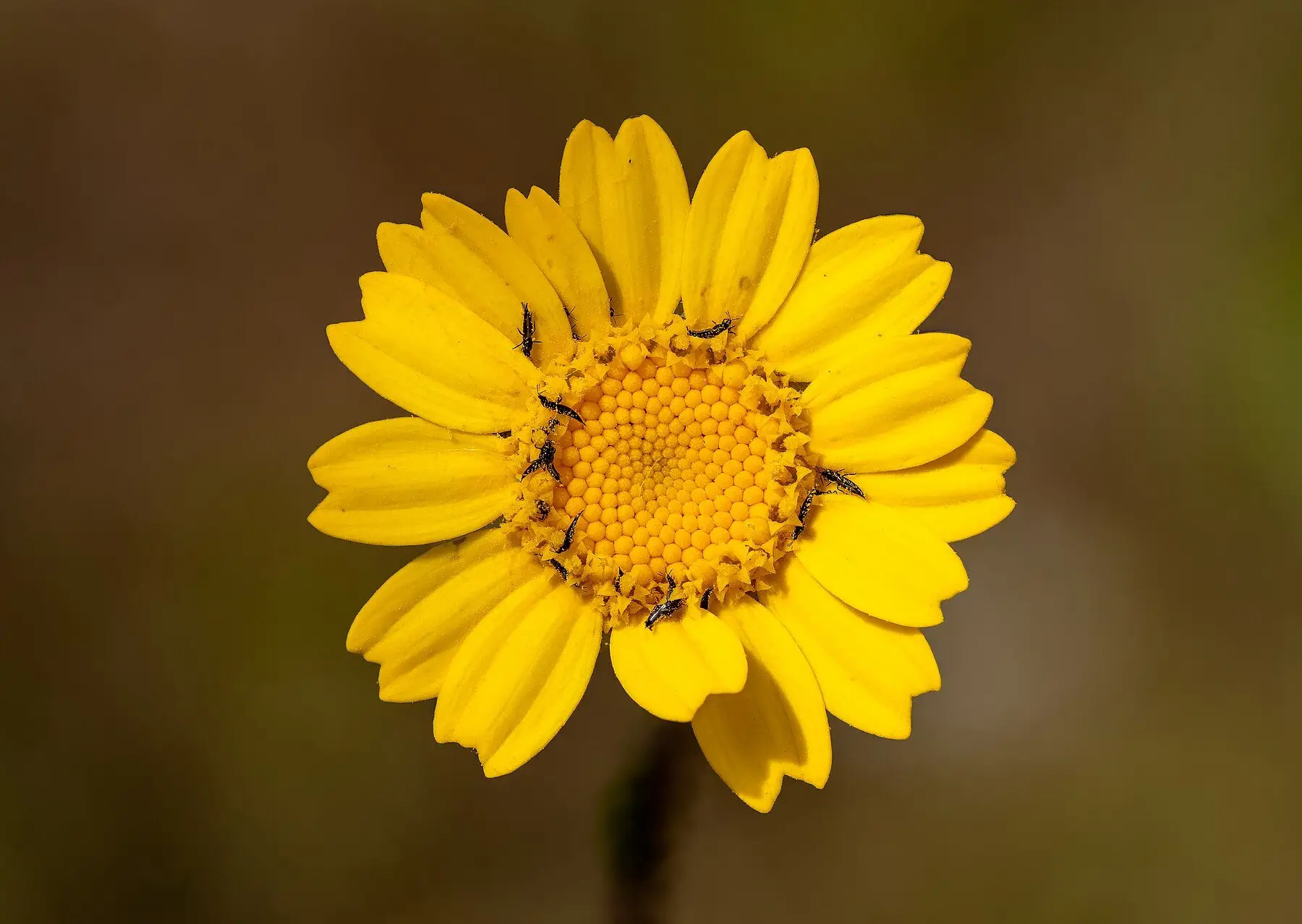
Neem disrupts thrips rather than killing on contact, so it takes repeat sprays every 5–7 days. The pupae in the soil are what defeat most attempts.

Marigolds have one well-evidenced effect: French marigolds suppress root-knot nematodes. The mosquito and rabbit claims do not hold up.
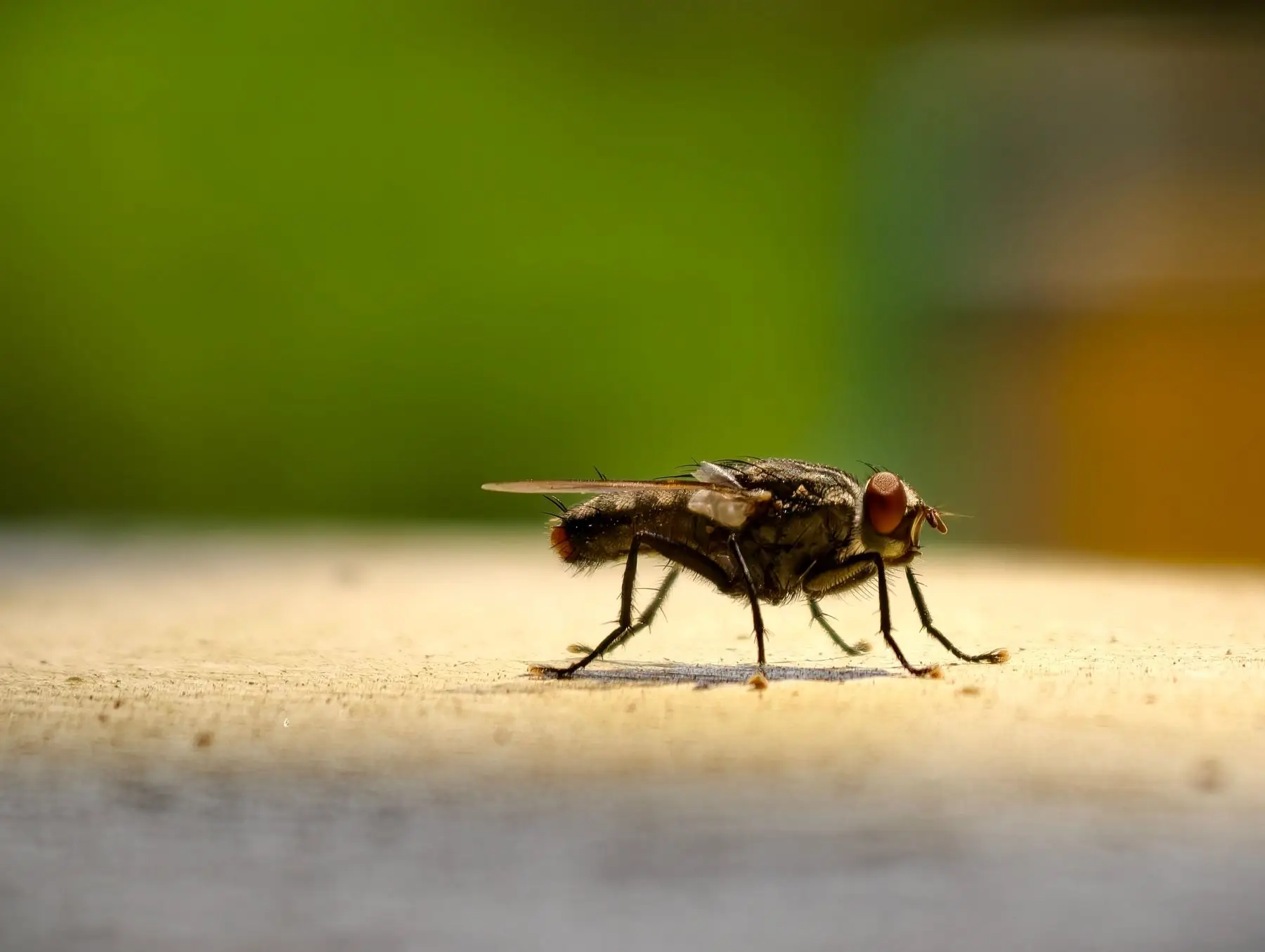
Basil, mint, lavender and clove genuinely repel flies — briefly, and at close range. Why removing the attractant beats any scent, and what works outdoors.
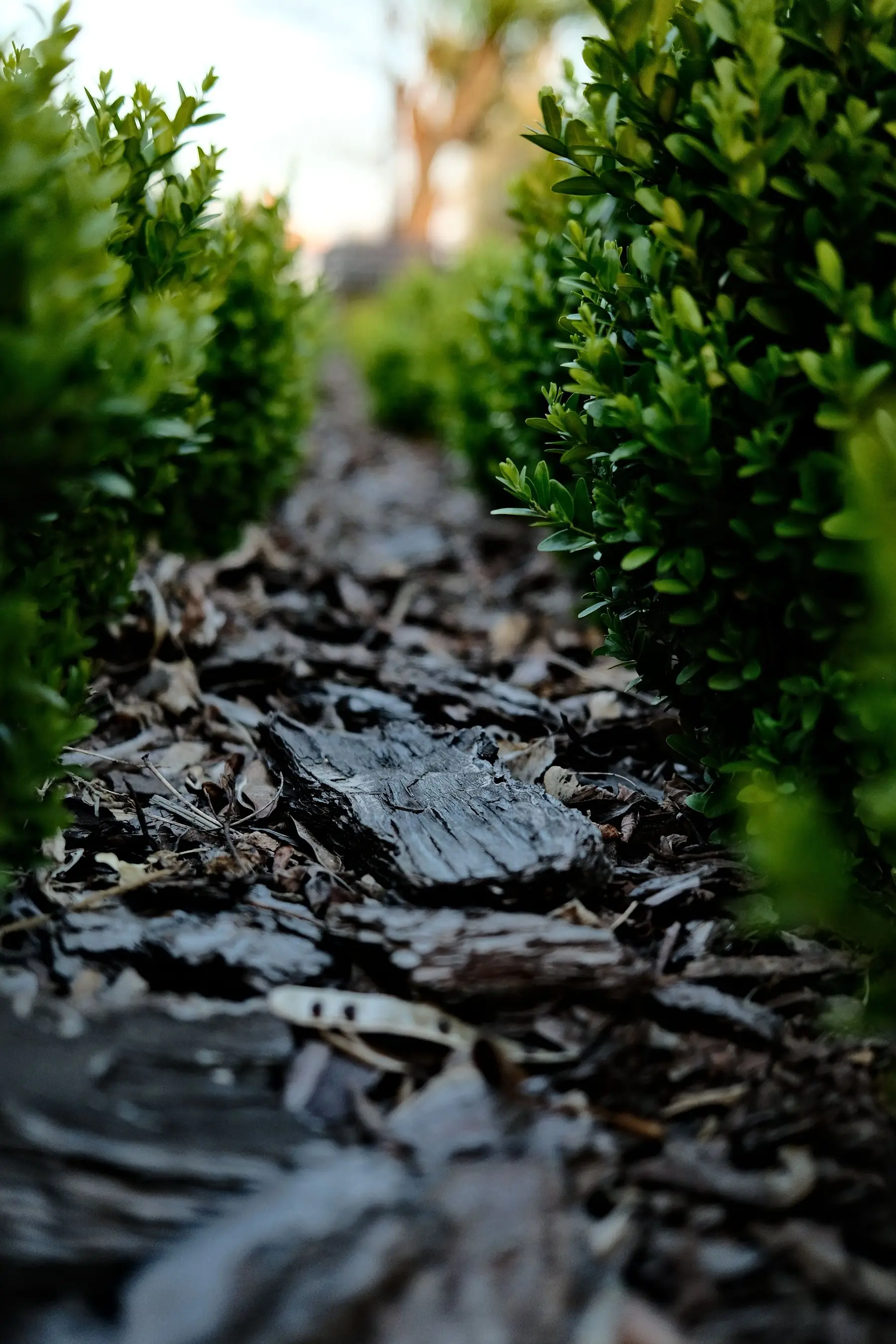
Mulch shelters insects rather than creating them, and most are decomposers doing the work. The few that matter, and how depth and placement fix them.
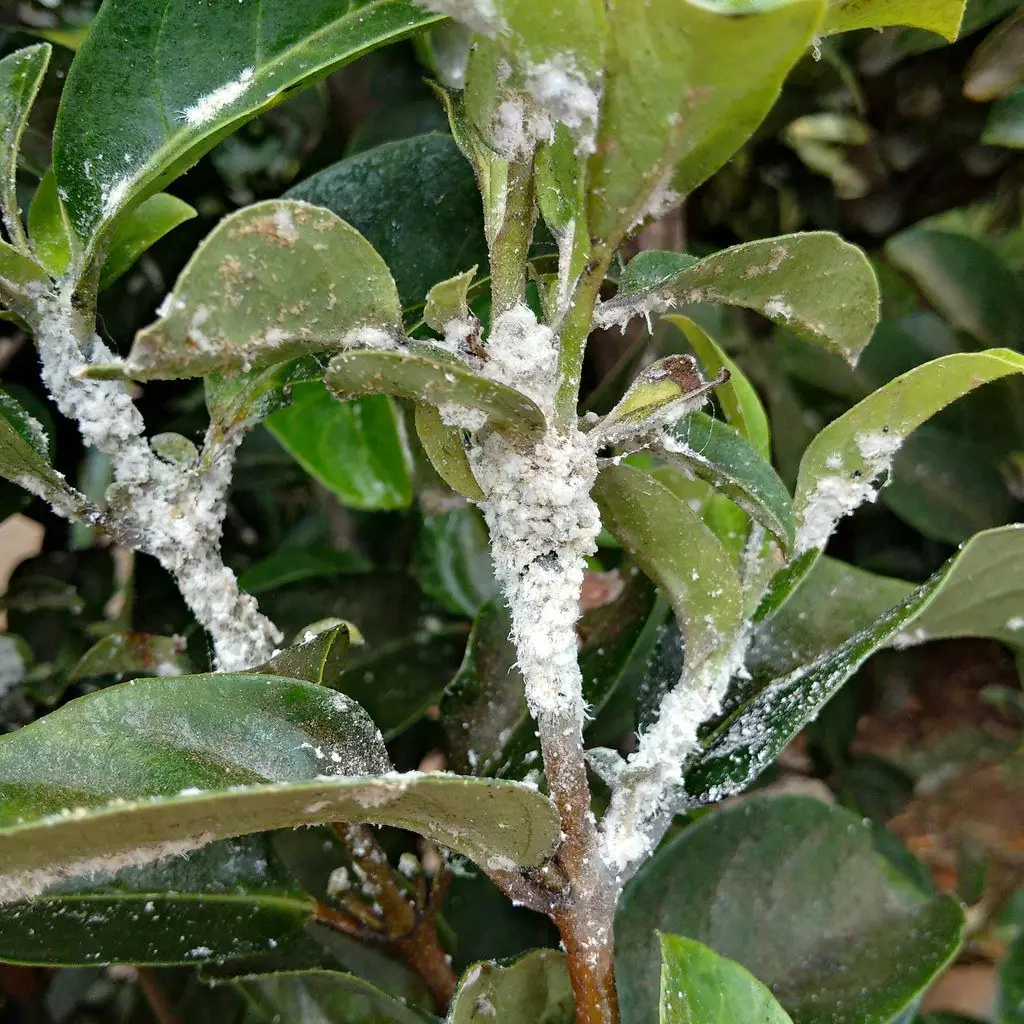
Five different pests look like white specks. How to tell mealybugs, whitefly, thrips, mites and springtails apart — and which one is harmless.
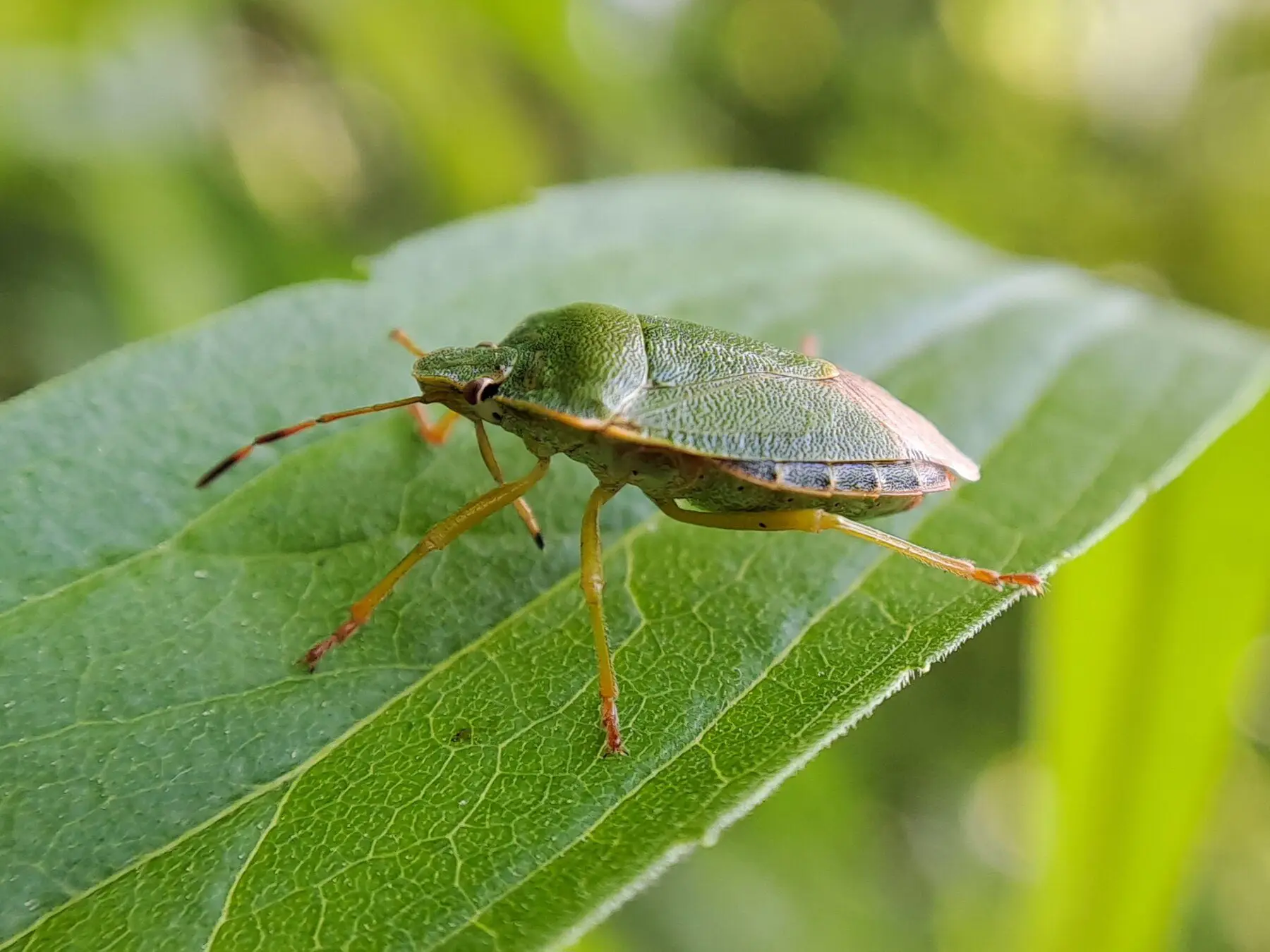
Not every shield bug is a problem — some eat the ones that are. How to tell the invasive brown marmorated from natives, and what to do about each.

What is diatomaceous earth doing when it works is cutting insect cuticles while dry. 3 rules cover grade, use and a dust mask. See whether it fits your pest.
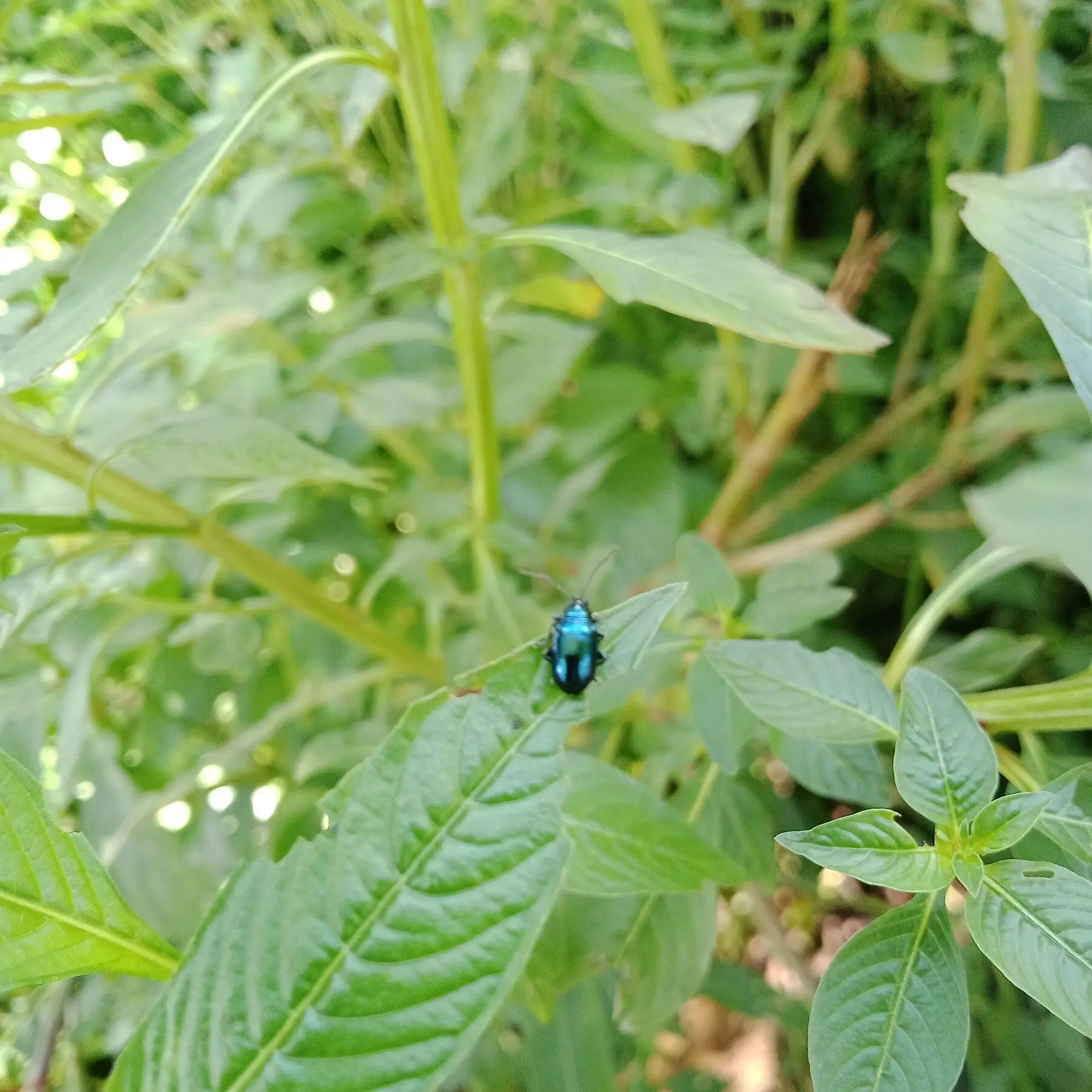
Tiny jumping beetles that pepper brassica and eggplant leaves with holes. Why seedlings are the only real risk, and the controls that work in order.
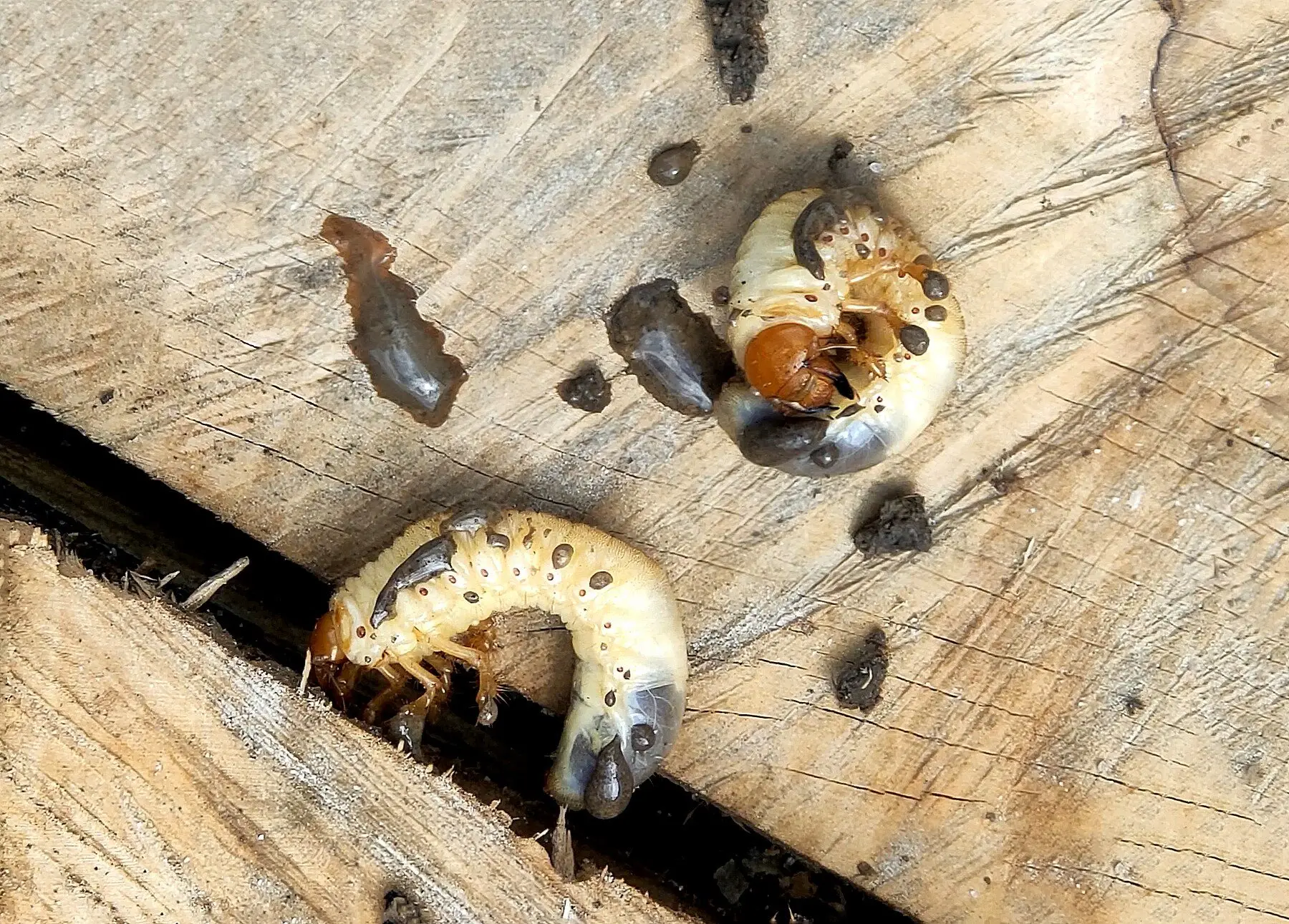
Most lawns carry grubs harmlessly. The threshold is 6 to 10 per square foot — how to count them, and why timing matters more than the product.
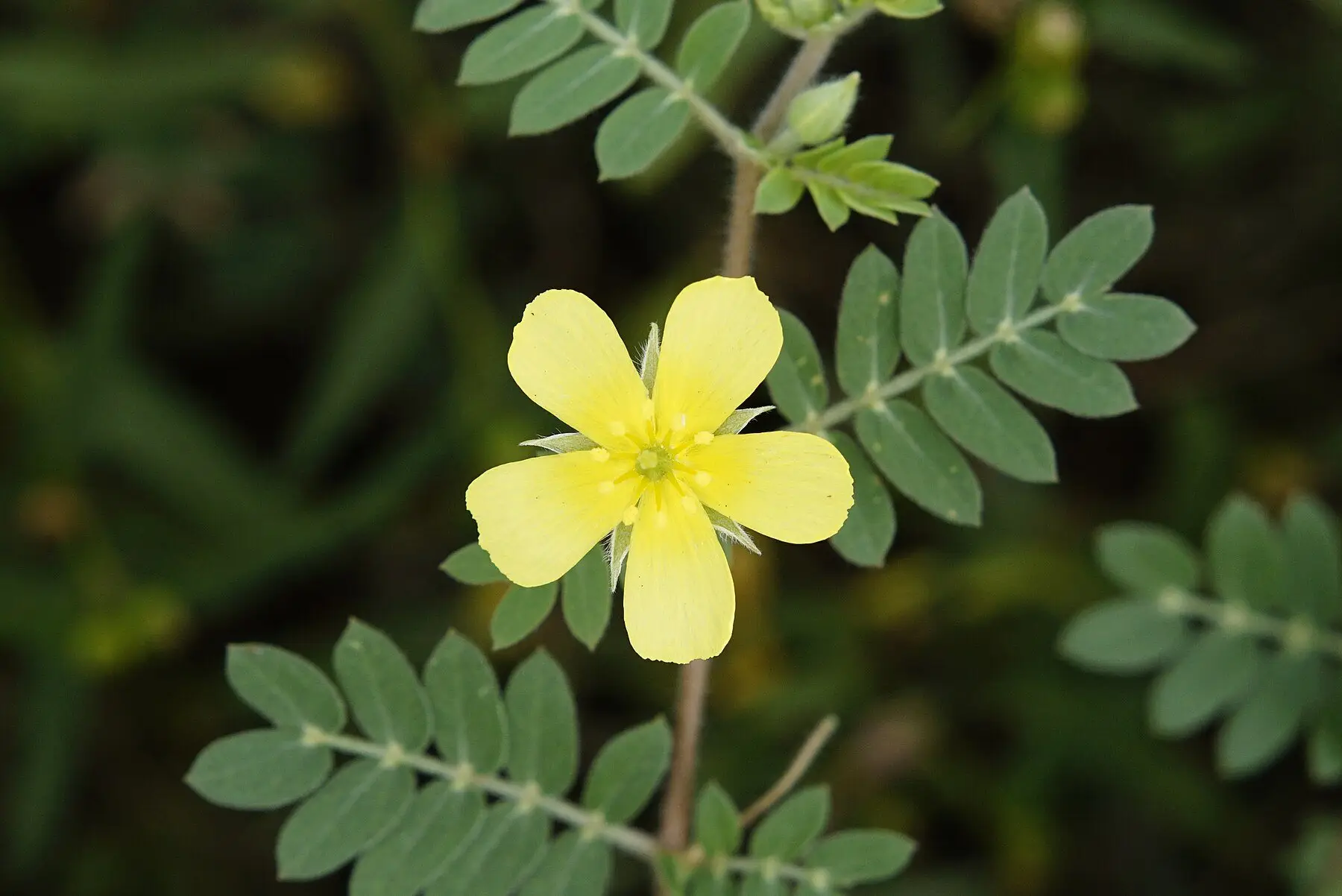
Goat heads set seed within weeks and the burrs stay viable for years. Pull before it flowers, sweep up every burr, and never rotary-mow a mature plant.
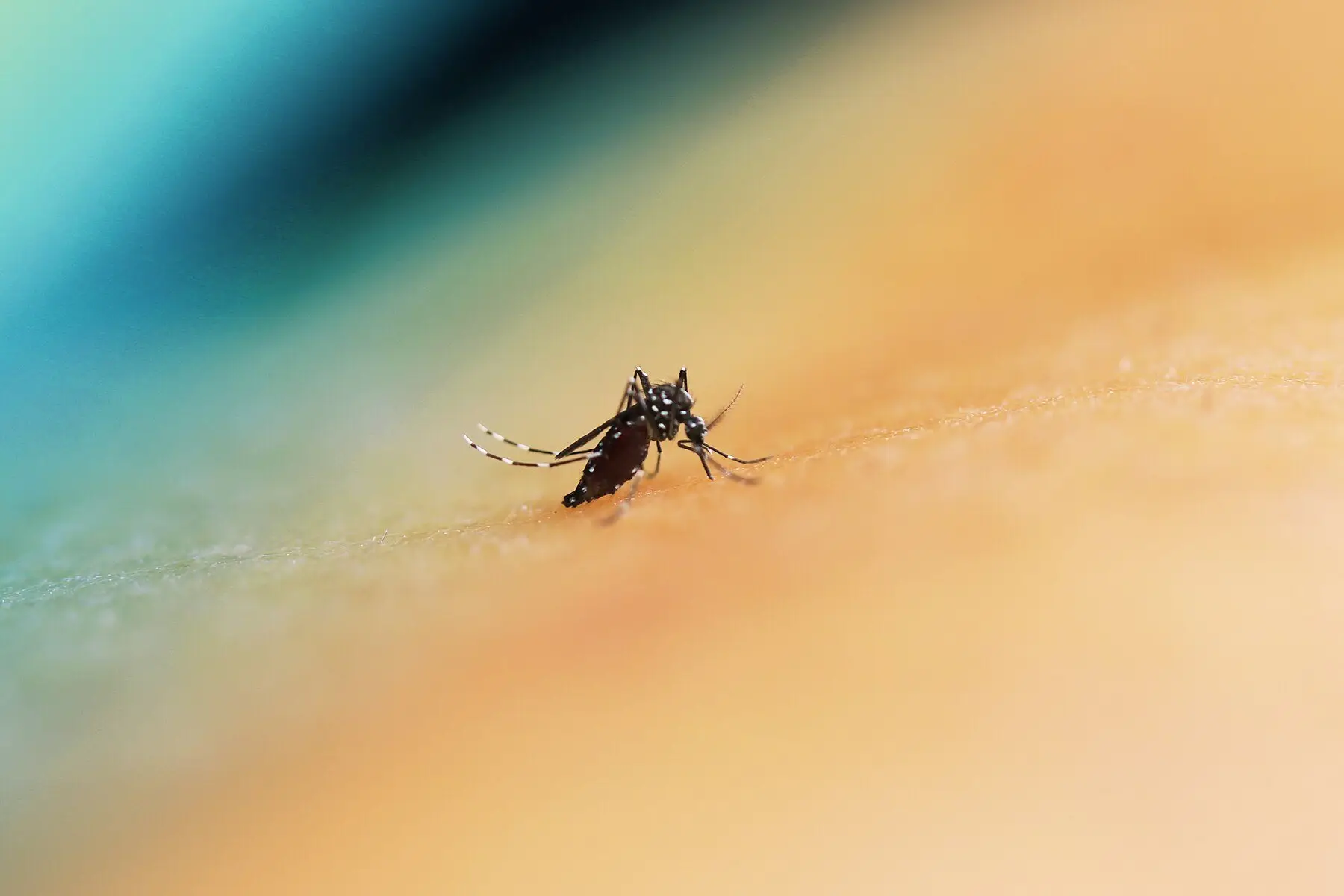
Citronella, lavender and peppermint all repel mosquitoes in a lab. Almost none of it survives contact with a real backyard — here is what actually reduces bites.
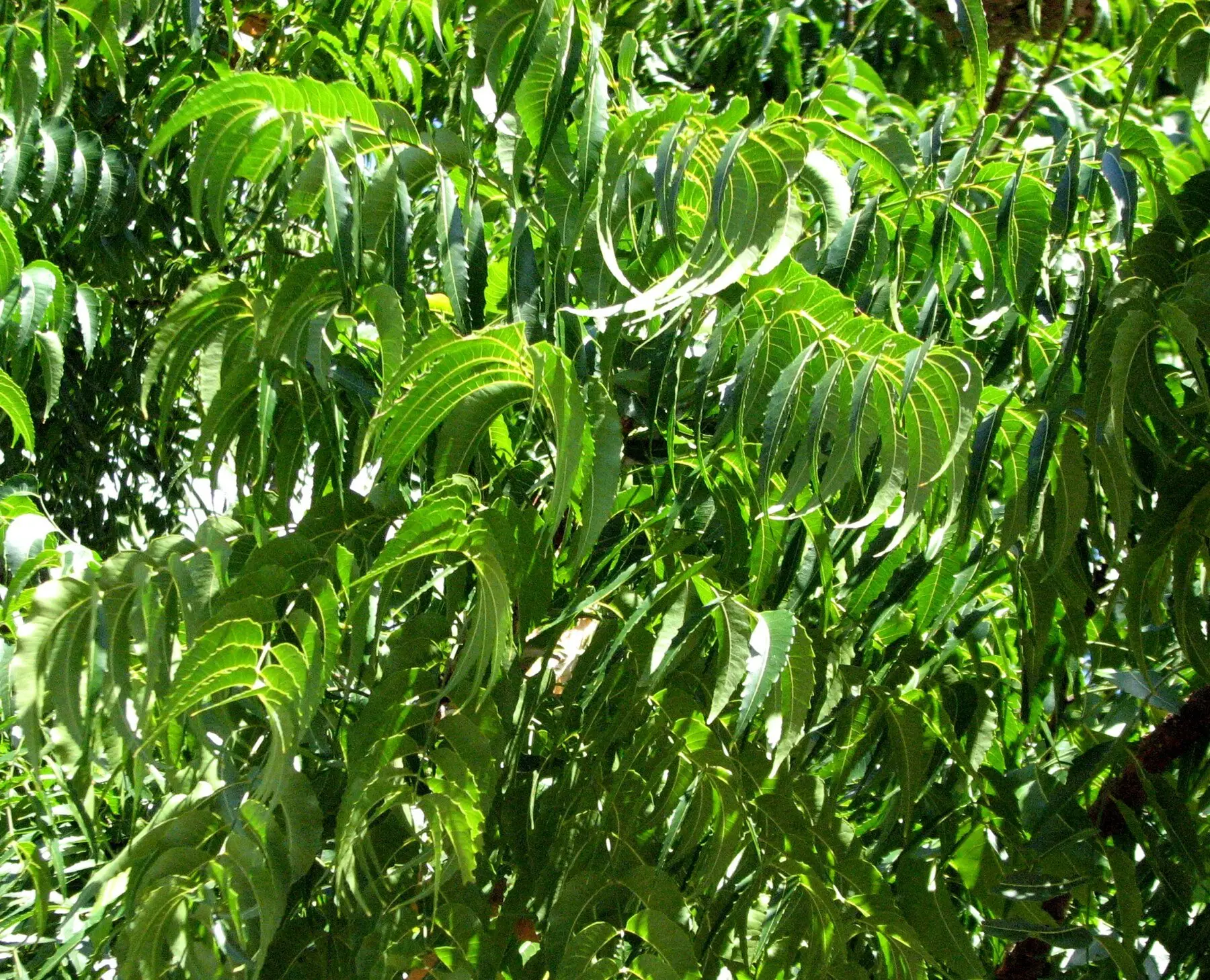
The right dilution, why it needs soap to mix, when to spray, and which pests it works on. Neem is slow and specific — treat it as a knockdown and it fails.
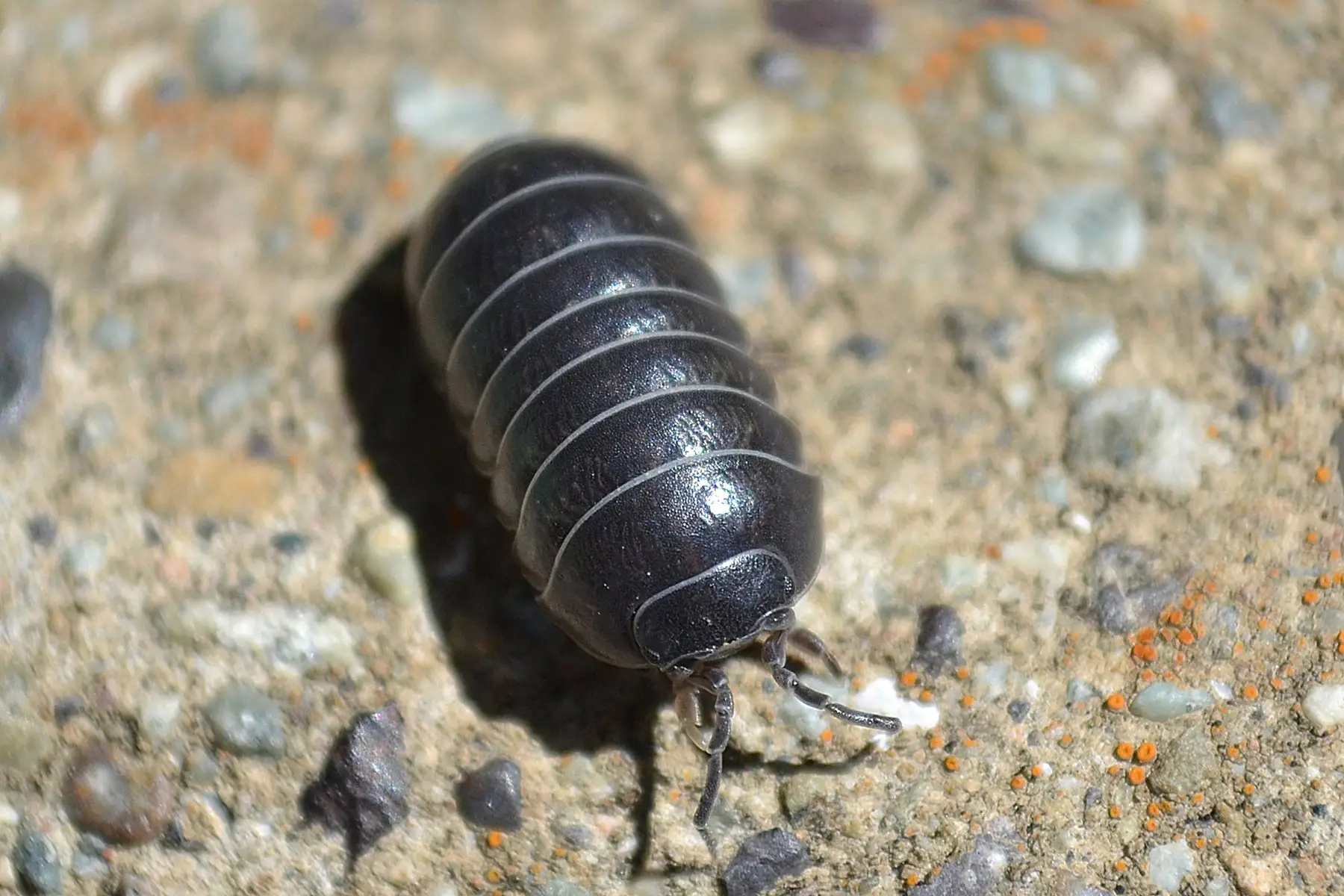
Pillbugs are decomposers that eat decaying plant matter — but they will graze seedlings and soft fruit when the population gets high and the ground stays damp.
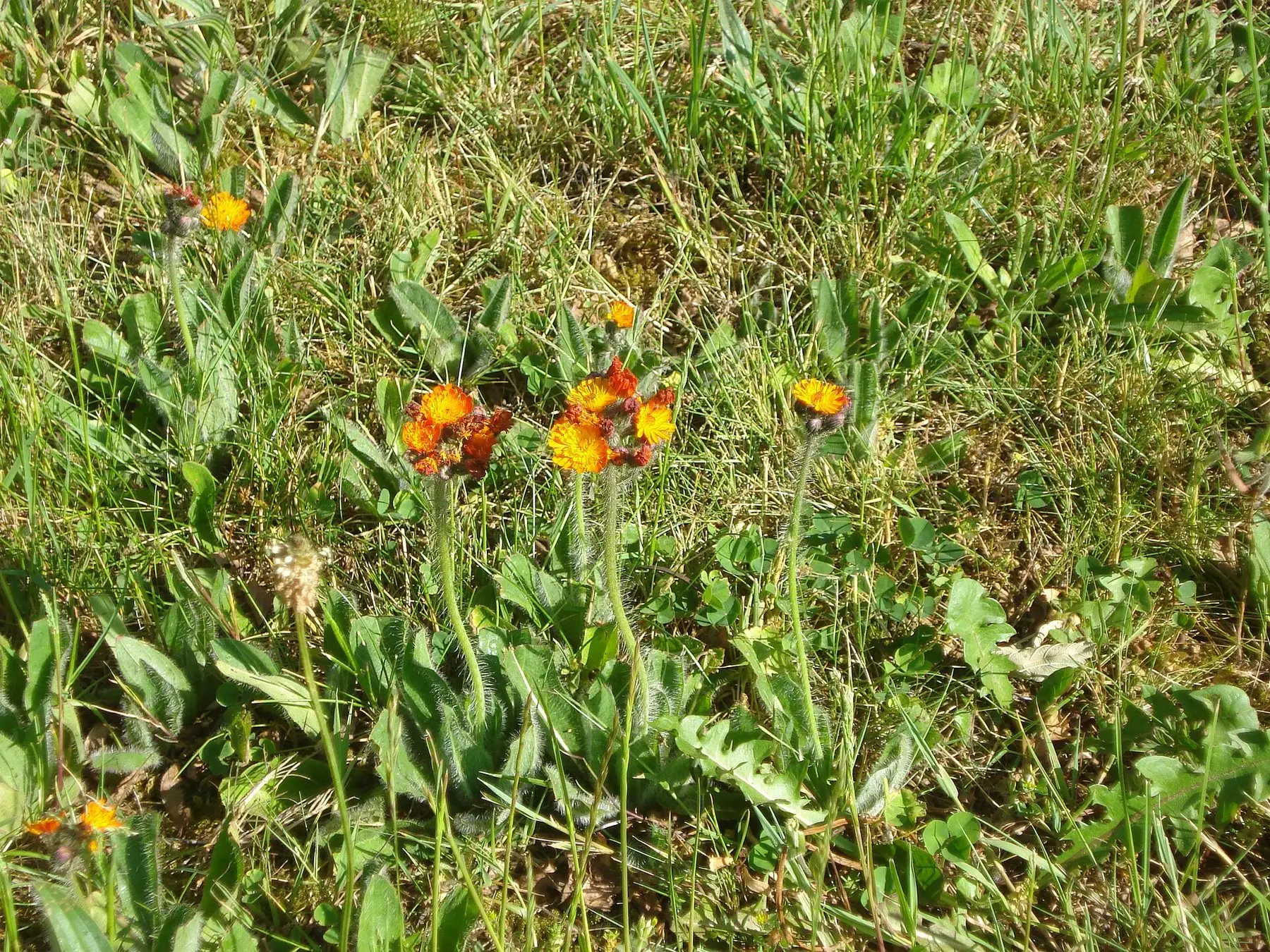
Does vinegar kill weeds down to the root, or only the leaves? Only the leaves, and 4 checks cover strength, gear and perennials. See where it earns use.
Backyard Weekly
One email a week: what to plant now, what to fix, and what is worth buying. No spam, unsubscribe anytime.
Not ready to subscribe? The planting calendar is free and needs no email.
By subscribing you agree to our privacy policy. Grow In Backyard will never sell your address.
Cookies
We use analytics cookies to see which guides get read, so we know what to write next. Decline and nothing is set. Privacy policy.