
What Does Irish Spring Soap Repel? The Evidence, Honestly
Deer and some rodents respond to strongly scented soap. Mosquitoes do not. Here is what the testing shows and where the garden myth came from.
 By
On this page
Deer, somewhat. Mosquitoes, not at all — and for mosquitoes the evidence points the other way.
What the testing actually shows
| Target | Does soap work? | Confidence |
|---|---|---|
| Deer | Partially — less than egg-based repellents | Reasonable — extension trials |
| Rabbits | Weakly, briefly | Low — mostly anecdote |
| Squirrels | Weakly, briefly | Low |
| Mosquitoes | No — may increase attraction | Good evidence against |
| Mice (indoors) | No. Some reports of gnawing it | Good evidence against |
| Insects generally | No | — |
Why it works on deer at all
Deer are neophobic — wary of new things — and they navigate and feed largely by smell. A strong unfamiliar scent beside a plant makes an animal with plenty of other options go elsewhere.
That also explains the limits:
- It is local. Protection extends roughly a metre from each bar
- It fades. Rain washes fragrance out, and bars need replacing monthly
- They get used to it. Novelty is the active ingredient, and novelty expires
- Hunger beats it. A hard winter, or a deer herd with nowhere else to feed, overrides it
Rotate, do not just replace
Swapping in a fresh bar of the same soap restores the strength but not the novelty. Alternating between different strong scents, or between soap and another deterrent, keeps the aversion working considerably longer.
The mosquito claim is backwards
This is the part worth correcting, because it circulates widely.
Research looking at how washing changes a person’s attractiveness to mosquitoes found that several scented soaps increased it. Many soap fragrances are built on floral and fruity compounds, and mosquitoes — which feed on nectar as well as blood — are drawn to exactly those notes.
Do not substitute soap for repellent
In a region with mosquito-borne disease this is not a harmless folk remedy, it is a gap in protection. DEET, picaridin, or oil of lemon eucalyptus, applied properly, are what work.
If you are protecting plants from deer
Use soap as one layer, not the plan:
- A fence — two metres or better. The only reliable answer
- Egg-based repellents, which test better than soap and smell worse to deer
- Soap bars at browsing height, one per metre, rotated monthly
- Plant choice — deer avoid aromatic, fuzzy and toxic foliage
- Scare devices, rotated for the same reason soap is rotated
Soap is cheap and harmless and there is no reason not to add it. It is just not the thing that stops them.
Common questions
Does Irish Spring soap repel deer?
Does Irish Spring soap repel mosquitoes?
Does soap keep rabbits, squirrels or mice away?
Why Irish Spring specifically?
How do you use soap as a deer deterrent?
Backyard Weekly
Know what to plant, week by week
Join the weekly email for seasonal jobs, fixes for what is going wrong, and gear worth buying.
Not ready to subscribe? The planting calendar is free and needs no email.
By subscribing you agree to our privacy policy. Grow In Backyard will never sell your address.
Keep reading
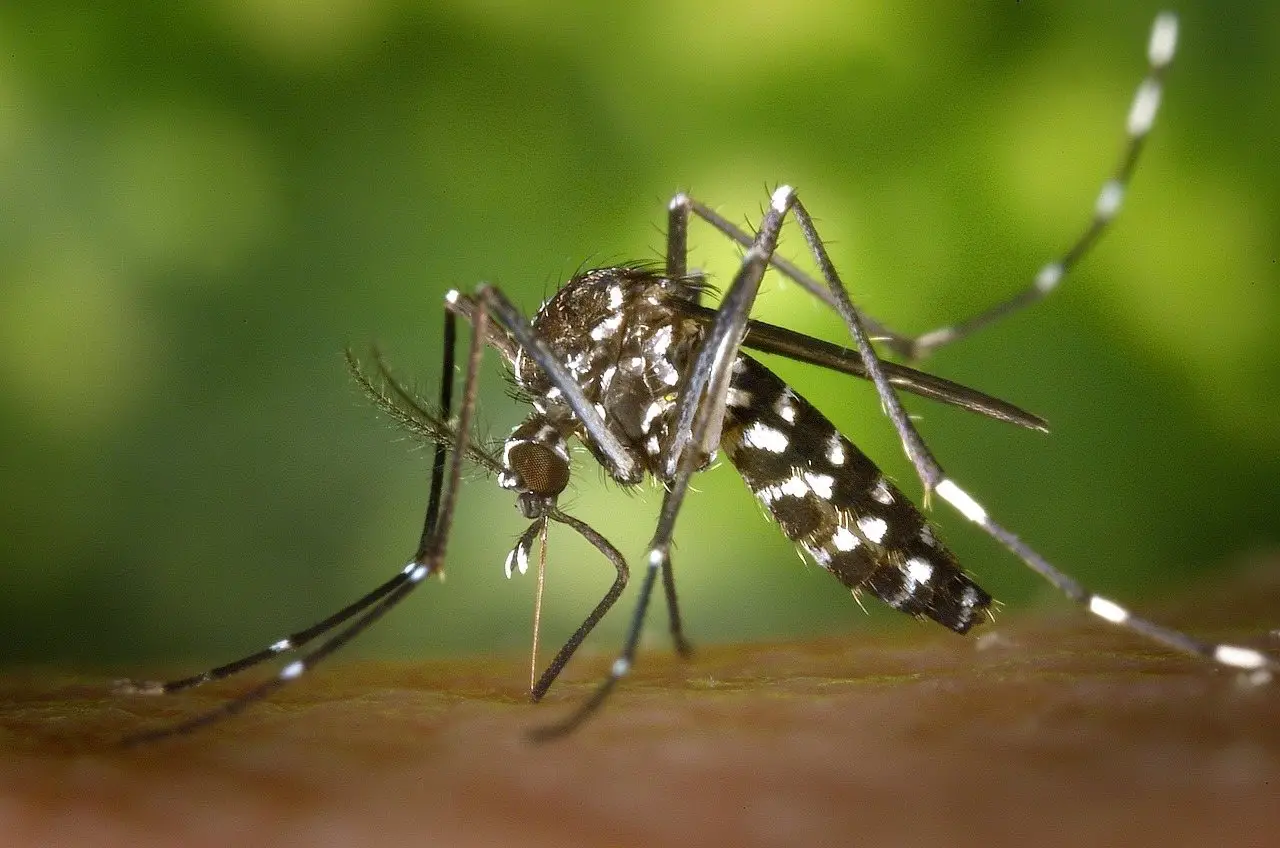
Can Mosquitoes See in the Dark? How They Really Find You
Mosquitoes see poorly and hunt mostly by CO2, heat and smell. Vision only matters in the last metre — which changes what actually keeps them off you.

Does Smoke Kill Mosquitoes? It Repels, It Doesn't Kill
Smoke masks the cues mosquitoes hunt by and disrupts flight, which clears the area it covers. Step outside the plume and they are waiting.
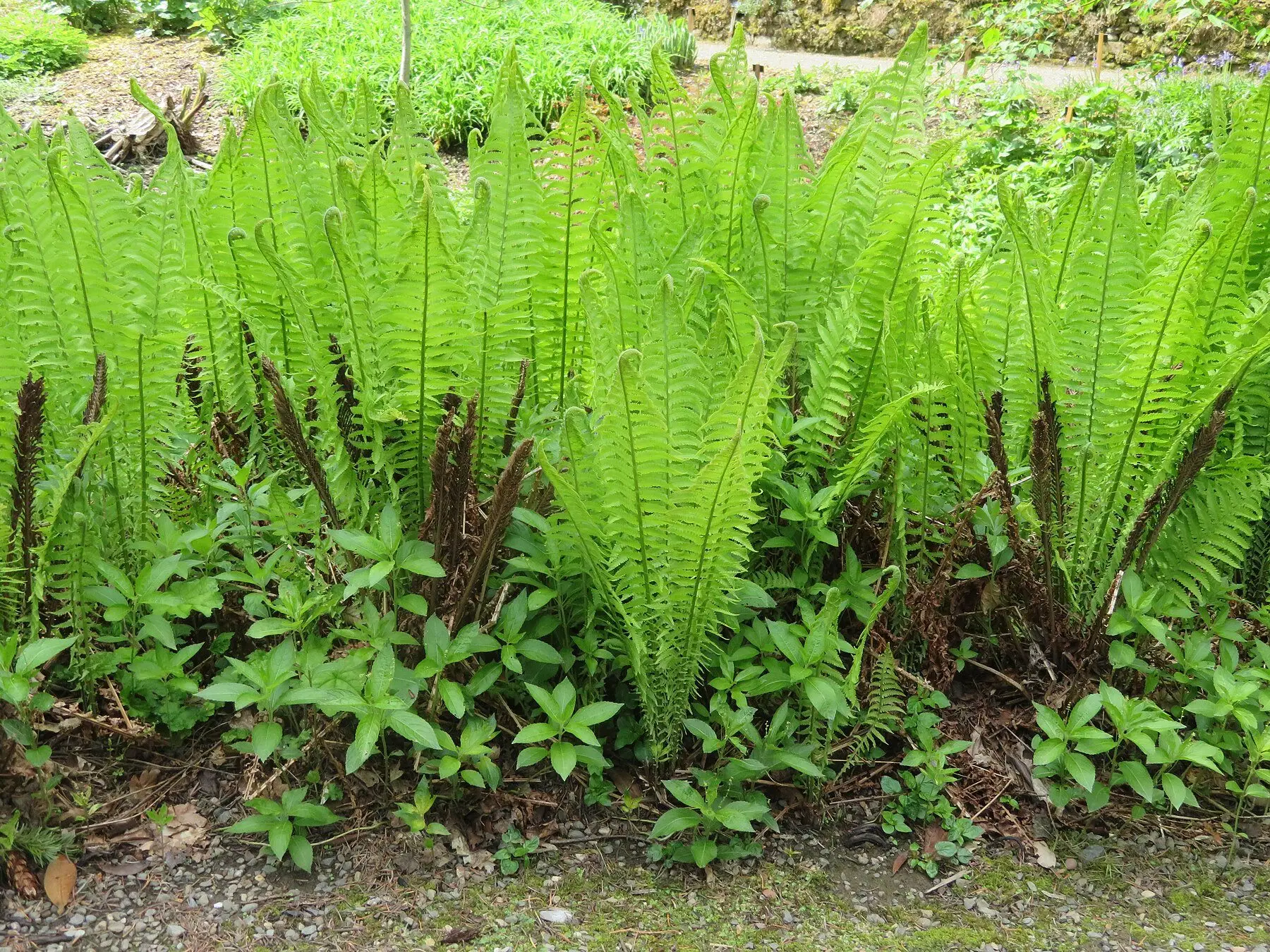
Do Deer Eat Ferns? Mostly Not, and the Exceptions Matter
Ferns are among the most reliably deer-resistant plants in a shaded garden — with a few species deer do browse, and one condition that overrides it.
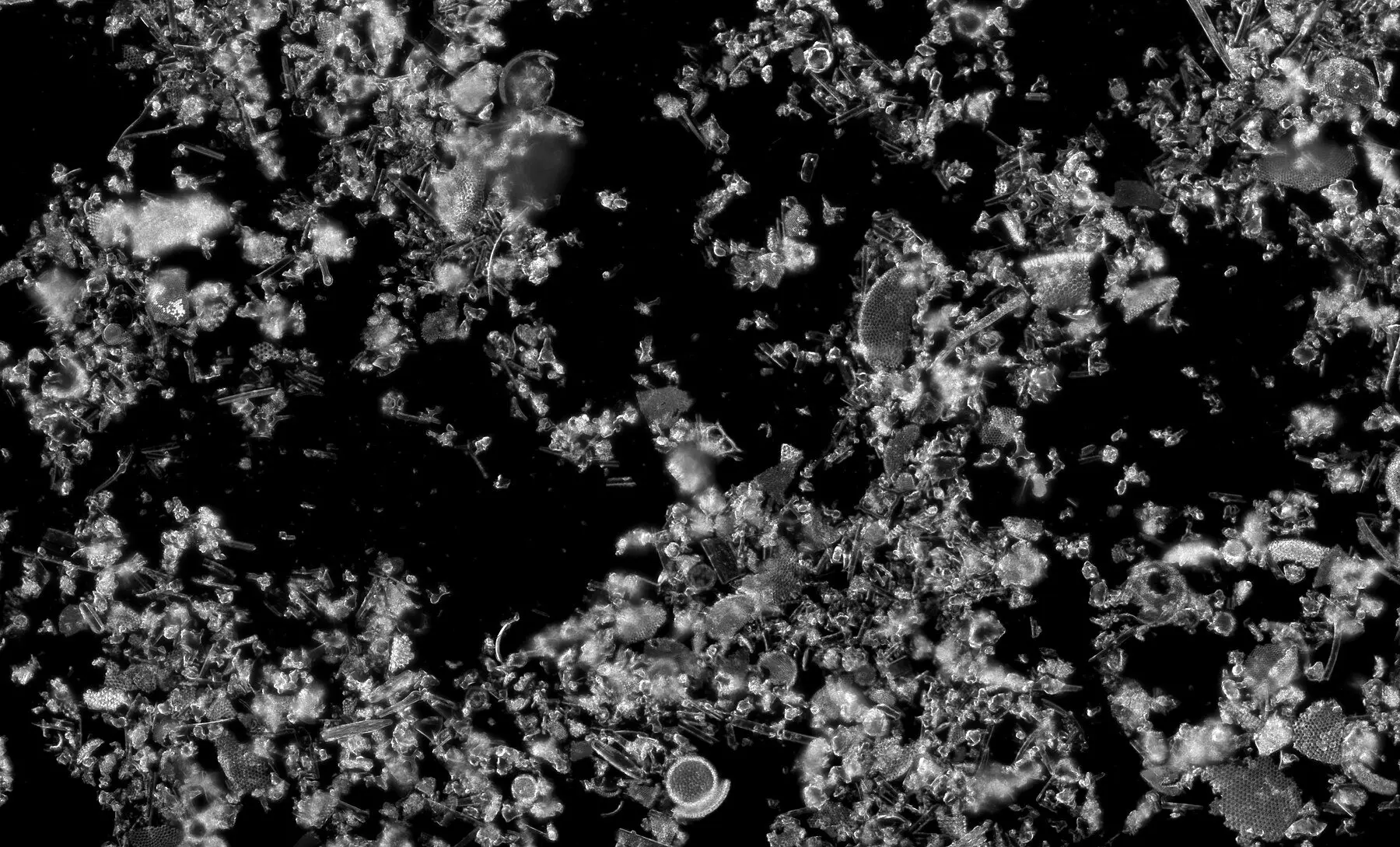
What Is Diatomaceous Earth — 3 Rules Before You Buy
What is diatomaceous earth doing when it works is cutting insect cuticles while dry. 3 rules cover grade, use and a dust mask. See whether it fits your pest.