
Do Deer Eat Ferns? Mostly Not, and the Exceptions Matter
Ferns are among the most reliably deer-resistant plants in a shaded garden — with a few species deer do browse, and one condition that overrides it.
 By

On this page
Ferns are about as close to deer-proof as a shade plant gets. The evidence is in any overbrowsed wood: the ferns are all that is left.
Why they leave them
Three reasons, working together:
- Fibre, not protein. A deer browsing is after protein and sugars. A mature frond is structural tissue with very little of either, so the return on the effort is poor
- Bitter chemistry. Tannins and other secondary compounds, across many species
- Thiaminase. Ferns break down thiamine (vitamin B1), and a ruminant eating much of it gets genuinely ill. Deer learn this fast and browse selectively for the rest of their lives
Fern carpets in a wood are a browse indicator
Walk into woodland where the understorey is nothing but hayscented or New York fern spreading in an unbroken sheet, and you are looking at a deer problem, not a fern preference.
Everything else has been eaten. The ferns inherited the ground.
The ones deer do eat
| Fern | Browsed? |
|---|---|
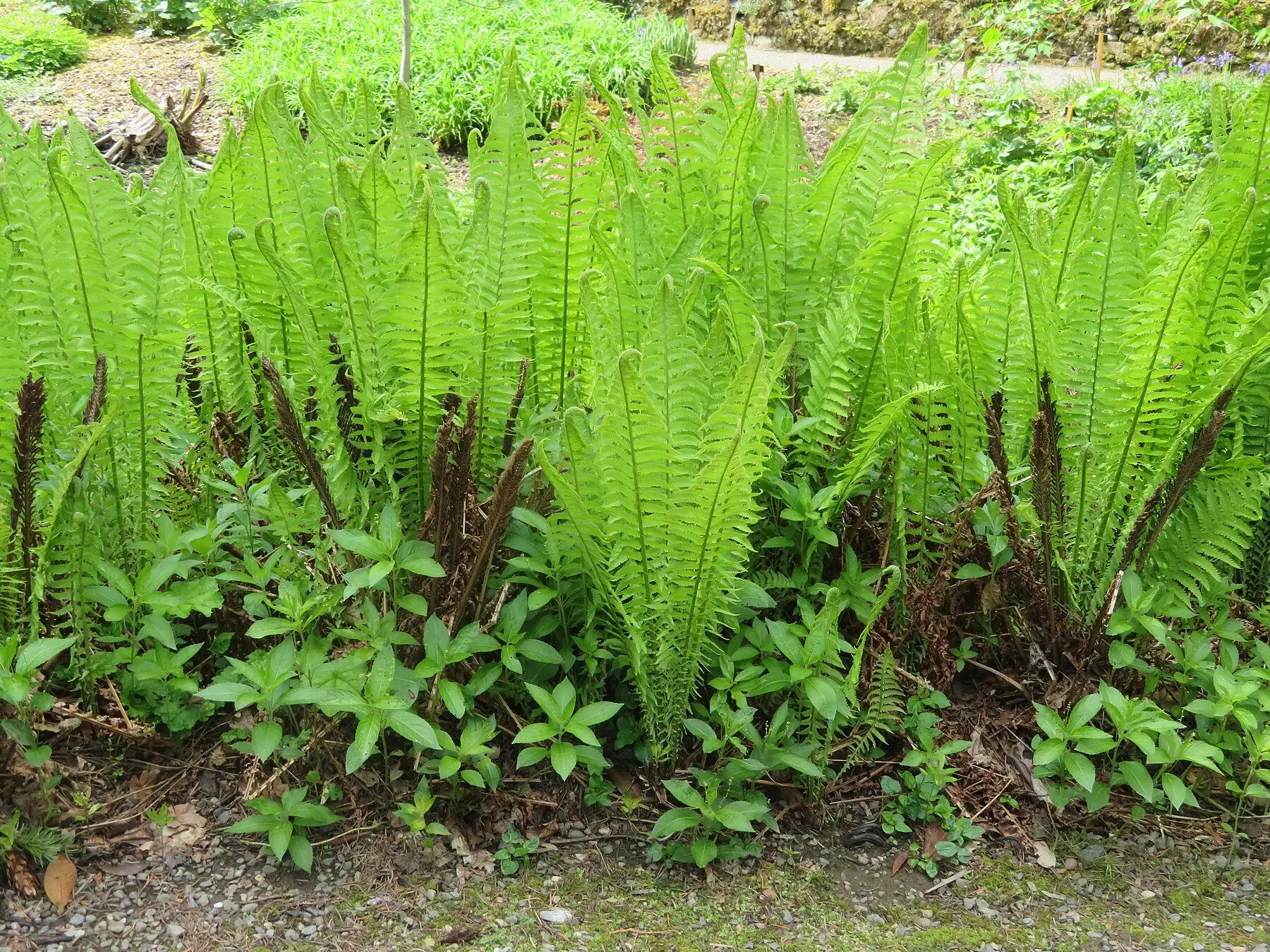
| Ostrich (Matteuccia struthiopteris) | Yes — fiddleheads in spring |
| Bracken (Pteridium) | A little, despite being toxic in quantity |
| Sensitive fern | Occasionally, when young |
| Christmas fern | Very rarely |
| Hayscented | Avoided — it carpets browsed woods |
| New York fern | Avoided, same reason |
| Cinnamon, interrupted, royal | Rarely |
| Japanese painted, autumn fern | Rarely |
| Lady fern, maidenhair | Rarely |
Ostrich fern is the honest exception. Its fiddleheads are the ones people forage and cook, which tells you most of what you need to know about palatability.
Timing matters more than species for everything else. A newly unfurling crozier in April is soft and worth a bite; the same frond in July is not.
Nothing is deer-proof
“Deer resistant” means strongly preferred against, not immune. It fails when:
- Winter is hard and there is nothing else standing
- The population is too high for the range
- A late frost takes the buds off everything they would normally eat
- Fawns are learning. They sample things adults have long since written off
- The plant is new and soft — nursery stock grown under fertiliser and irrigation is more tender and more attractive than an established clump
Use deer resistance to shift the odds in a shade bed. Where pressure is severe, it is not a substitute for a fence.
A shade bed deer mostly ignore
Ferns as the backbone, and around them:
- Hellebore — evergreen, toxic, entirely ignored
- Epimedium — tough, dry shade, avoided
- Pulmonaria and brunnera — fuzzy leaves, left alone
- Solomon’s seal, astilbe, bleeding heart
- Foxglove and monkshood — both toxic, both avoided
- Daffodils in the spring layer. Never touched
- Bergenia, lamium, sweet woodruff as groundcover
And the one to give up on: hosta. It is the most browsed shade plant there is, and in a deer area it exists to be eaten.
Was it actually deer?
| Sign | Culprit |
|---|---|
| Ragged, torn, shredded stem end | Deer — no upper front teeth |
| Damage at 2–5 ft, hoof prints, pellets | Deer |
| Clean 45° cut, low down | Rabbit or groundhog |
| Holes, skeletonised fronds | Slugs, caterpillars |
| Fronds collapse, plant lifts easily | Vine weevil at the roots |
| Browning, crisping tips | Dryness or sun scorch, not an animal |
The torn stem is the reliable one. A deer has no upper incisors, so it grips and tears where a rabbit shears cleanly.
If deer are browsing them anyway
- Fence. Eight feet, or two shorter fences a few feet apart — deer judge depth poorly and will not jump into a gap they cannot read
- Spray repellents on the new spring growth only, which is the vulnerable window. Egg-based ones work best; rotate products and reapply after rain
- Protect the fiddleheads, not the season. A few weeks of netting over an ostrich fern clump in April covers the entire problem
- Plant more densely. Browsing hurts a sparse bed far more than a full one
Common questions
Do deer eat ferns?
Which ferns will deer eat?
Why do deer avoid ferns?
Are ferns really deer-proof?
What else can I plant in shade that deer leave alone?
Something ate my ferns — what was it?
Backyard Weekly
Know what to plant, week by week
Join the weekly email for seasonal jobs, fixes for what is going wrong, and gear worth buying.
Not ready to subscribe? The planting calendar is free and needs no email.
By subscribing you agree to our privacy policy. Grow In Backyard will never sell your address.
Keep reading
Are Begonias Deer Resistant? Mostly Yes, With Caveats
Begonias are among the more reliably deer-resistant bedding plants, thanks to bitter sap and fleshy leaves. Why hungry deer still browse them sometimes.
What Do Deer Eat? Garden Plants and What Not to Feed Them
Deer will eat far more of a garden than most plant lists admit, and a few backyard treats are genuinely dangerous. What is safe to feed, and what to skip.
Do Deer Like Turnips? Yes — After the First Hard Frost
Deer largely ignore turnips until frost turns the starch to sugar. When to plant for that timing, and why the tops get eaten long before the bulbs.
Do Deer Move During the Day? Yes, More Than Expected
Deer are crepuscular, not nocturnal — peak movement is dawn and dusk, but midday activity is real and rises in the rut and in cold weather.