
Do Deer Move During the Day? Yes, More Than Expected
Deer are crepuscular, not nocturnal — peak movement is dawn and dusk, but midday activity is real and rises in the rut and in cold weather.
 By
On this page
Yes, and considerably more than the “deer are nocturnal” idea suggests. They are crepuscular — which is a different thing, and it changes what actually keeps them out of a garden.
The daily pattern
| Window | Activity | Why |
|---|---|---|
| Dawn ±1 hr | Peak | Best light for a low-light eye; cool; predators less effective |
| Mid-morning | Low | Bedded, ruminating |
| Midday | Low but real | Short feeding and repositioning bouts |
| Mid-afternoon | Rising | Building toward the evening feed |
| Dusk ±1 hr | Peak | The main feeding push |
| Night | Moderate | Higher where deer are pressured |
The eye explains the peaks. Deer have a reflective tapetum lucidum and a rod-heavy retina, so dawn and dusk are their optimum operating conditions — not darkness for its own sake. A deer at noon sees perfectly well; it is simply past its best window and usually lying down digesting.
What pushes them into daylight
- The rut. Bucks move at all hours, and midday movement rises noticeably
- Cold fronts, and the settled high pressure that follows a storm
- After a bad night of heavy rain or high wind that kept them bedded
- Deep winter, when feeding in the warmest part of the day conserves energy
- Quiet suburbs, where nothing has taught them to be careful
Night-only deer are a symptom, not a species trait
Where deer are hunted or repeatedly disturbed, movement shifts into the dark. That is a learned response. The same population in an undisturbed setting feeds openly in daylight.
Why this matters for the garden
If you have been trying to deter deer with motion lights, sprinklers, radios or ultrasonic devices, the day–night pattern is part of why it has not worked:
- A deer feeding at noon is not addressed by anything aimed at after-dark visits
- Habituation is fast. Almost every scare device stops working within a couple of weeks
- Repellent sprays wash off, need reapplying after every rain, and get tuned out
- Your garden is worth the risk to them, which is the whole problem — it is better food than anything in the woods
A physical barrier is the reliable answer. Eight feet tall, or — the cheaper trick — two shorter fences a few feet apart. Deer judge depth poorly and will not jump a spread they cannot read, so a double five-foot fence outperforms a single one at seven.
Common questions
Do deer move during the day?
What time of day are deer most active?
Are deer nocturnal?
When do deer move in the middle of the day?
Why do I only see deer in my garden at night?
Does this change how I protect my garden?
Backyard Weekly
Know what to plant, week by week
Join the weekly email for seasonal jobs, fixes for what is going wrong, and gear worth buying.
Not ready to subscribe? The planting calendar is free and needs no email.
By subscribing you agree to our privacy policy. Grow In Backyard will never sell your address.
Keep reading
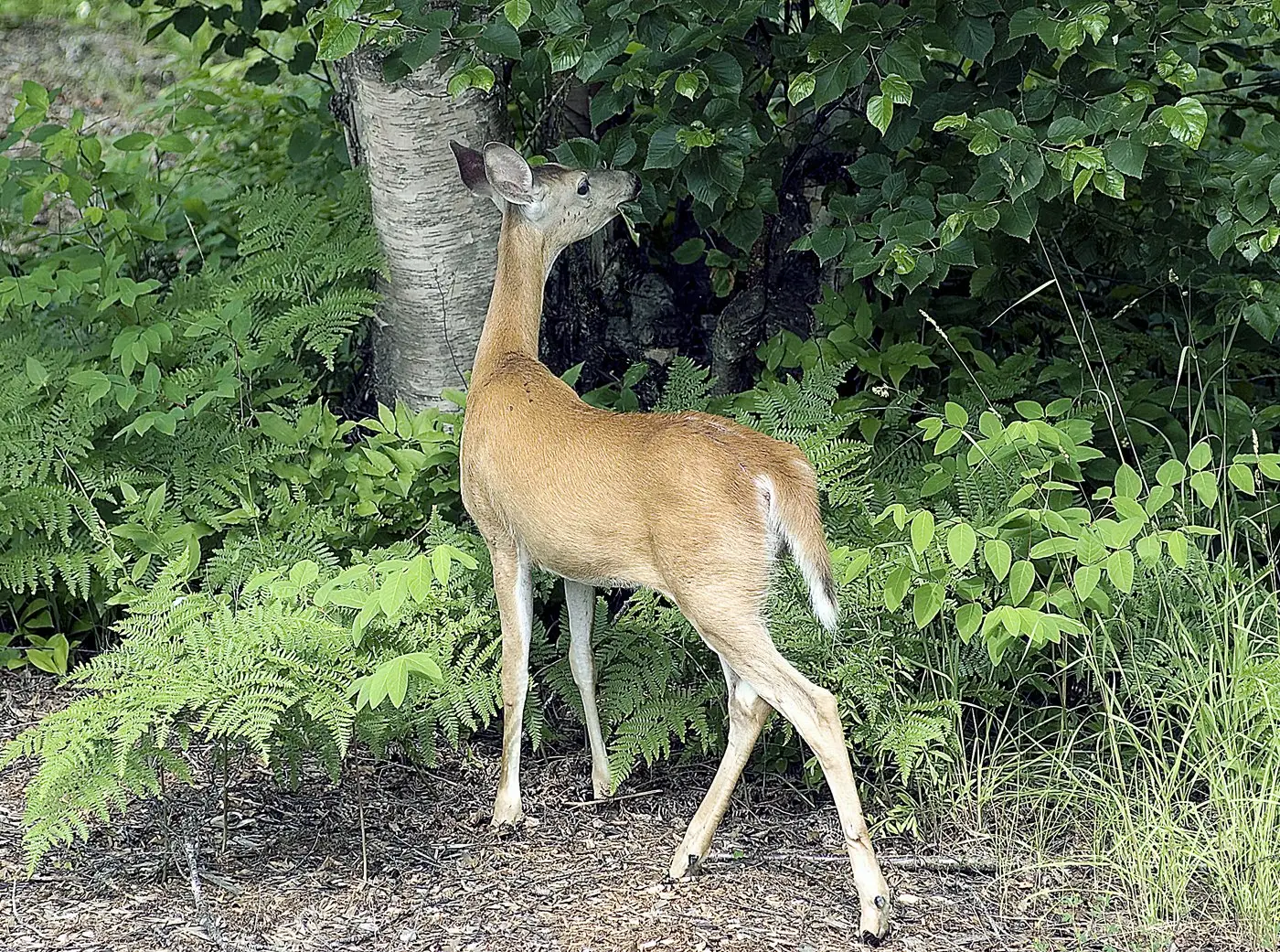
What Do Deer Eat? Garden Plants and What Not to Feed Them
Deer will eat far more of a garden than most plant lists admit, and a few backyard treats are genuinely dangerous. What is safe to feed, and what to skip.
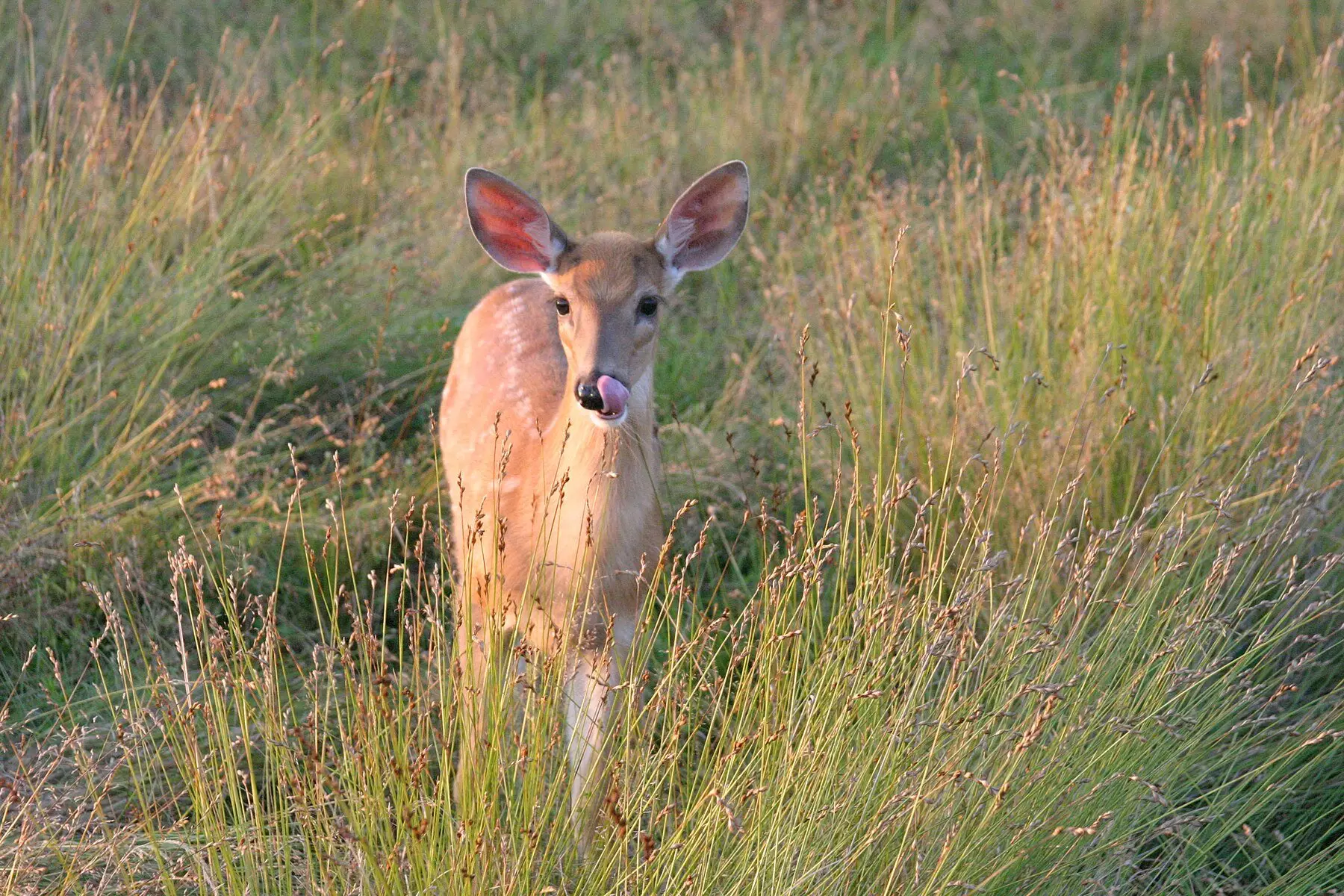
Do Deer Stay in the Same Area? Home Ranges and Daily Patterns
Most does live their whole lives within about a square mile. What that means for a garden, why bucks are different, and why removing deer never works.
How to Attract Deer to Your Property (Legally and Well)
Deer come for food, water, cover and quiet — in that order. What to plant, what they actually like, and why baiting is the wrong first move.
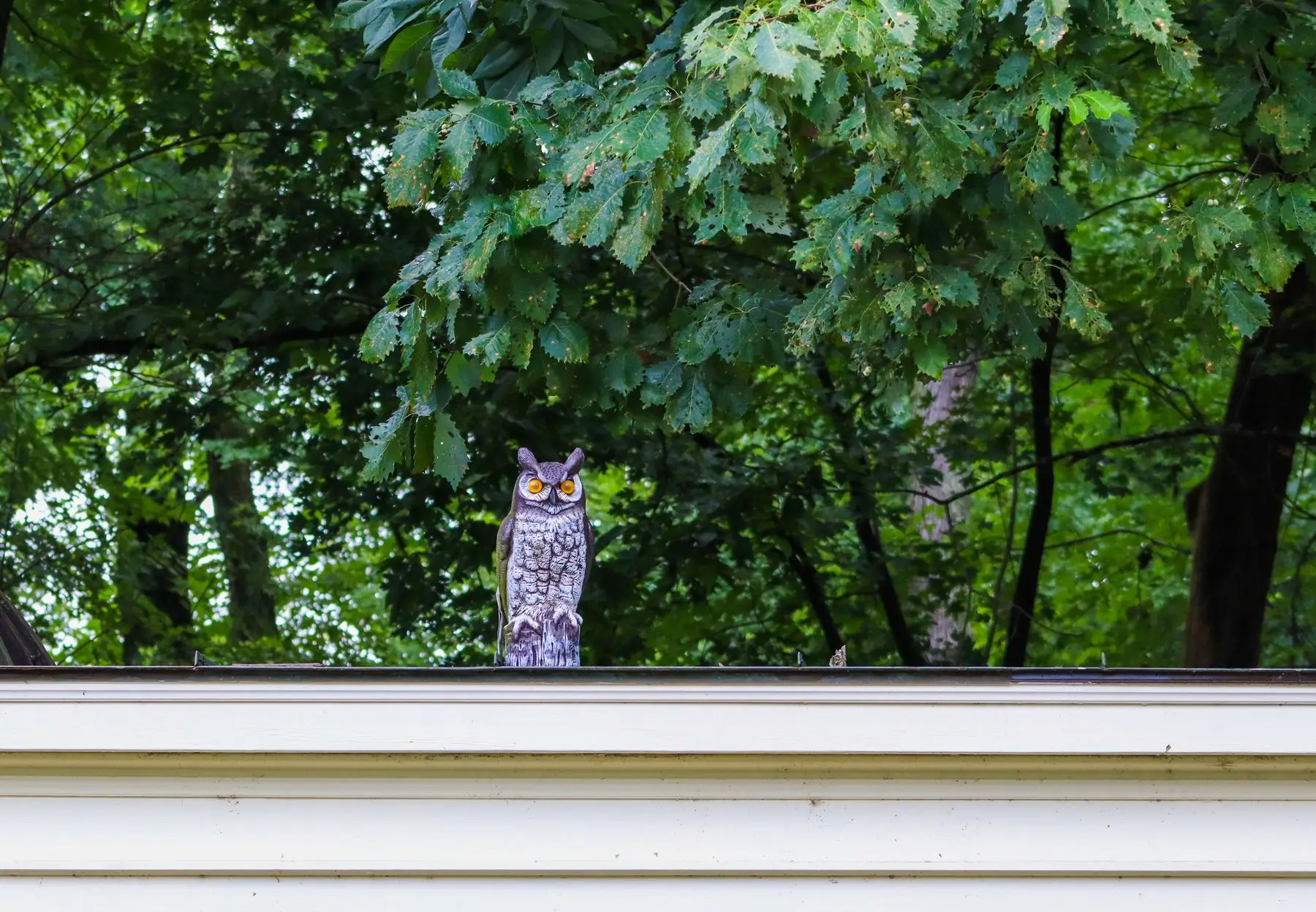
Do Fake Owls Work for Squirrels? For About a Week
Plastic owls deter squirrels briefly, then get ignored or perched on. Why habituation beats the decoy, and what to do if you want to keep using one.