
How to Attract Deer to Your Property (Legally and Well)
Deer come for food, water, cover and quiet — in that order. What to plant, what they actually like, and why baiting is the wrong first move.
 By

On this page
Deer need four things: food, water, cover and quiet. Most people trying to attract them work hard on the first and ignore the last, which is usually why it does not take.
Start with the law
This is not a formality. Feeding and baiting deer is banned or restricted in a large and growing number of states and counties, mainly to slow chronic wasting disease, which spreads between animals brought nose-to-nose at a feed site.
The rules commonly differ between:
- Scattered feed and bait piles — most restricted
- Mineral licks — often separately regulated
- Planted food plots — usually treated as habitat, not bait
- Hunting season vs the rest of the year
Check your state wildlife agency’s current rules rather than a forum post. They have changed recently in many places.
What actually draws them
| Draw | Value | Effort |
|---|---|---|
| Quiet, unpressured ground | Very high | Free, and hardest to keep |
| Thick bedding cover | Very high | Low — stop mowing a corner |
| Clover plot | High, most of the year | Moderate, then low |
| Water near cover | High, underrated | Moderate |
| Brassica plot | High, late season only | Annual |
| Oaks and fruit trees | High, long-term | High up front, then nothing |
| Native shrub browse | Steady background | Low |
| Mineral site | Modest, and often regulated | Low |
| Corn or carrot piles | Immediate, then problems | Low, and often illegal |
Food plots that work
Clover is the default recommendation for good reason: perennial, green across most of the growing season, fixes its own nitrogen, tolerates being grazed hard, and deer prefer it over most alternatives.
Brassicas — turnips, rape, radish — are the late-season complement. Frost converts their starches to sugars, and a brassica plot that deer ignored in September becomes the best thing on the property in December.
The soil test is not optional
Food plots fail on soil chemistry far more often than on seed choice. Clover wants a pH near 6.5 and performs badly below 6.0. A cheap test and the lime it calls for will beat any premium seed blend sown into sour ground.
Longer-term, plant the things that need no annual work: oaks for acorns, apple and crabapple, plum, dogwood, sumac, raspberry and greenbrier. Mast and browse from established trees and shrubs carry a property through the years a plot fails.
Do deer like carrots?
They do — roots and tops both. That is not the same as carrots being a good idea.
- Expensive per pound of feed delivered
- They spoil, and a rotting pile draws rodents
- They concentrate deer at one spot, nose to nose, which is exactly the transmission route CWD uses
- They usually count as bait under state rules
- Sudden rich food in winter can cause digestive problems in animals whose gut flora has adapted to woody browse
A clover plot delivers more nutrition, across more of the year, for less money, spread over enough ground that animals are not crowded together.
Water, cover and quiet
Water. A small pond, a dammed seep, or a sunken stock tank with a sloping exit. Site it near cover — deer will not use water where they feel exposed, no matter how thirsty.
Cover. Let a corner go to dense brush. Leave downed treetops where they fall as instant bedding cover. Resist mowing everything to lawn: the edge where thick cover meets open feeding ground is where deer spend most of their time.
Quiet. The one that gets ignored. Keep dogs out. Stay out of bedding areas entirely. Site trail cameras and any viewing spot so that you approach with the wind in your face, and check cameras sparingly. Deer will give up good food for peace and quiet without much hesitation.
Minerals. A salt block draws deer reliably in spring and summer, when they are short of sodium — though it is regulated as baiting in a number of states, so check before putting one out.
If you do set up a feeder, raccoons are the animal that will empty it — see raccoon proof deer feeders for the designs that actually exclude them.
Before you do this near a house
Attracting deer to a far corner of acreage is a different proposition from attracting them to the back garden. Close to a house they bring:
- Ticks, and the diseases they carry
- Vehicle collisions on the road at the end of the drive
- Browsing damage to ornamental planting, hostas and young trees
- Disease concentration wherever feeding is concentrated
If the goal is watching them, put the plot and the water out at the boundary and watch from the house — which is better viewing anyway.
Most people searching about deer are not trying to stop them
Only about one deer-related search in ten is about deterrence. The rest are about attracting and feeding — the widest gap between damage done and hostility shown in our analysis of 43,306 backyard search terms.
Step by step
- Time
- P365D
- Cost
- $200
- You need
- Clover or brassica food plot seed, Soil test kit, Native shrub and fruit tree whips
- Tools
- Rake or harrow, Trail camera
Check what is legal where you live first
Feeding and baiting deer is restricted or banned outright in many states and counties, usually to slow the spread of chronic wasting disease, and the rules often differ inside and outside hunting season. Food plots are generally treated differently from piles of corn. Confirm your state wildlife agency's current rules before putting anything out.
Give them water they can reach safely
A reliable water source within cover is one of the strongest draws and one of the least used. A small pond, a dammed seep or even a sunken stock tank with a gently sloping exit works. Site it near cover rather than in the open, because deer will not use water they feel exposed at.
Create cover and edge, not just open ground
Deer want thick bedding cover and a soft edge between it and their feeding areas. Let a corner of the property grow into dense brush, leave downed treetops as cover, and avoid mowing everything to a uniform lawn. Edge habitat where woodland meets open ground is where deer spend most of their time.
Plant what they actually eat, perennially
A clover plot is the highest-value, lowest-maintenance planting for most properties, green for much of the year and genuinely preferred. Add brassicas for late-season draw after frost sweetens them, and plant native shrubs, oaks and fruit trees for mast and browse that needs no annual work.
Take a soil test before seeding anything
Food plots fail on soil chemistry more than on seed choice. Clover in particular wants a pH near 6.5 and will sulk badly below 6.0. A cheap soil test and the lime it calls for will do more for the plot than any premium seed blend.
Keep the place quiet
Pressure undoes everything else. Keep dogs out of the area, site trail cameras and any viewing spot so you approach with the wind in your face, and stay out of the bedding cover entirely. Deer abandon good food for peace quite readily.
Common questions
How do I attract deer to my property?
Do deer like carrots?
What is the best food plot for attracting deer?
Is it legal to feed deer?
What plants attract deer the most?
Should you attract deer at all?
Backyard Weekly
Know what to plant, week by week
Join the weekly email for seasonal jobs, fixes for what is going wrong, and gear worth buying.
Not ready to subscribe? The planting calendar is free and needs no email.
By subscribing you agree to our privacy policy. Grow In Backyard will never sell your address.
Keep reading
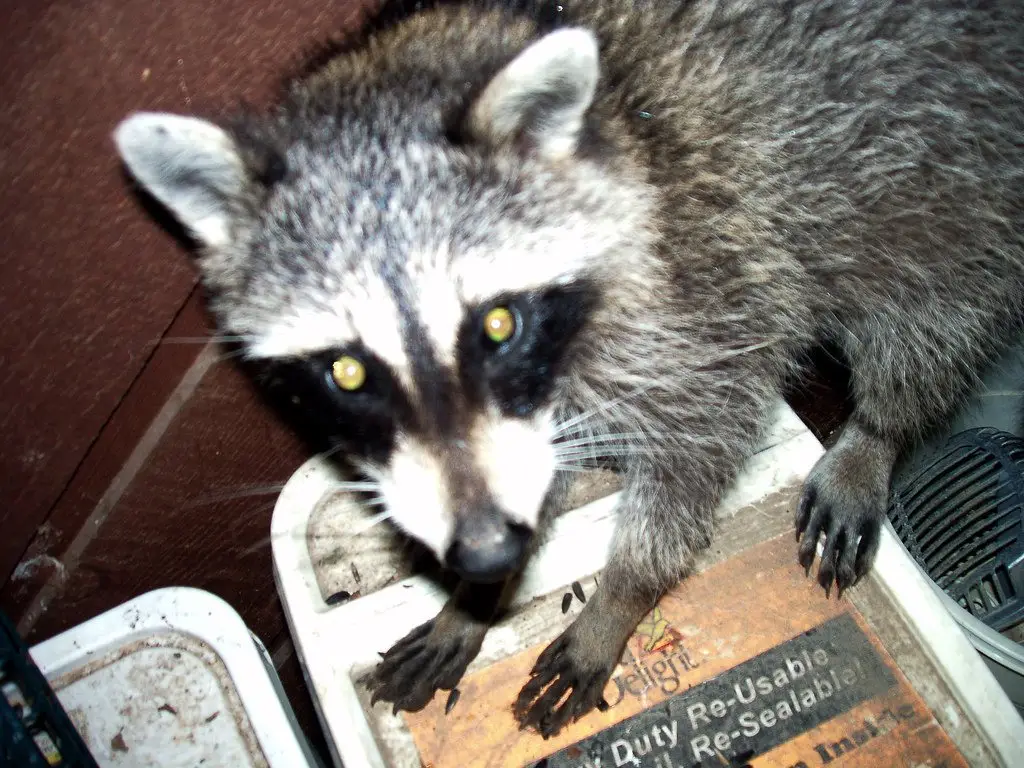
Raccoon Proof Deer Feeder — 5 Fixes That Keep Coons Out
A raccoon proof deer feeder needs a barrier raccoons cannot climb. 5 fixes compared, including retrofits. See which suits your feeder.
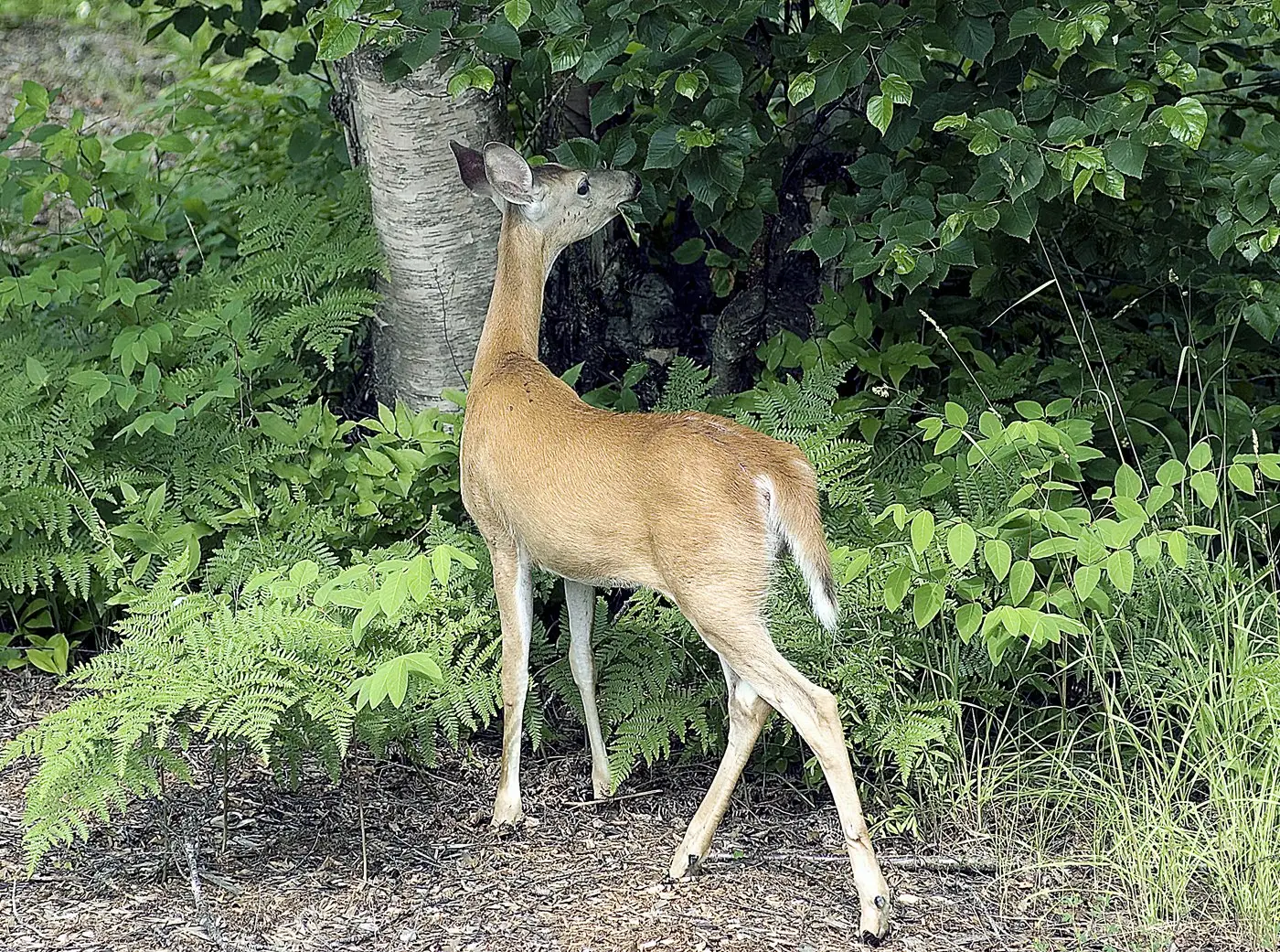
What Do Deer Eat? Garden Plants and What Not to Feed Them
Deer will eat far more of a garden than most plant lists admit, and a few backyard treats are genuinely dangerous. What is safe to feed, and what to skip.
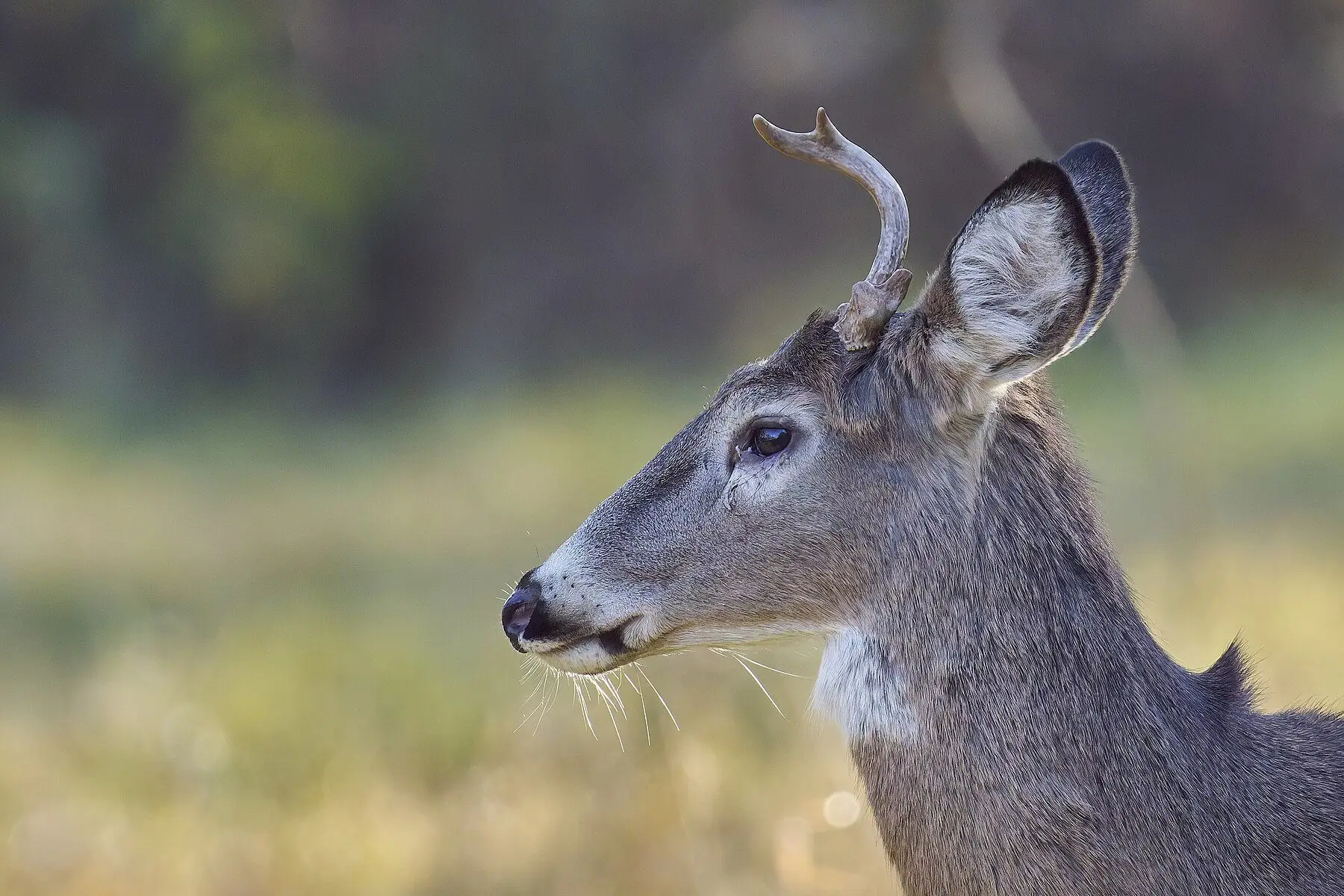
Do Deer Attack Humans? Rarely, But Not Never
Deer injure more people than most wild animals in North America — almost all of it in autumn rut or from a doe with a fawn. What provokes it and what to do.
How to Attract Squirrels to Your Yard (And Whether To)
Nut trees, water and cover bring squirrels in far more durably than a feeder. What works, what to put out, and the costs worth weighing first.