
How to Attract Squirrels to Your Yard (And Whether To)
Nut trees, water and cover bring squirrels in far more durably than a feeder. What works, what to put out, and the costs worth weighing first.
 By

On this page
Squirrels are not hard to attract. If any live within a few hundred yards, nuts on a platform and a dish of water will find them within days.
The question worth asking first is whether you want the rest of what comes with them.
The fast version
Nuts in the shell, on a flat platform on a fence post or tree, somewhere visible. Walnuts, hazelnuts, pecans, almonds. The shell matters — squirrel incisors grow continuously and need wearing down.
Water. Underrated, and often the thing a suburban garden genuinely lacks. A shallow dish, kept fresh, especially through summer and hard frost.
Raw sunflower and pumpkin seeds as a supplement.
Not salted, roasted or seasoned anything. Not peanuts as a staple — legumes, low in calcium, and linked to metabolic bone disease where they dominate the diet.
The durable version
Feeders create visitors. Habitat creates residents.
Plant a nut tree. Oak, hazel, walnut, beech, hickory. It feeds squirrels for decades and supports birds and insects at the same time. Hazel produces in a handful of years; oak is a gift to whoever lives there next.
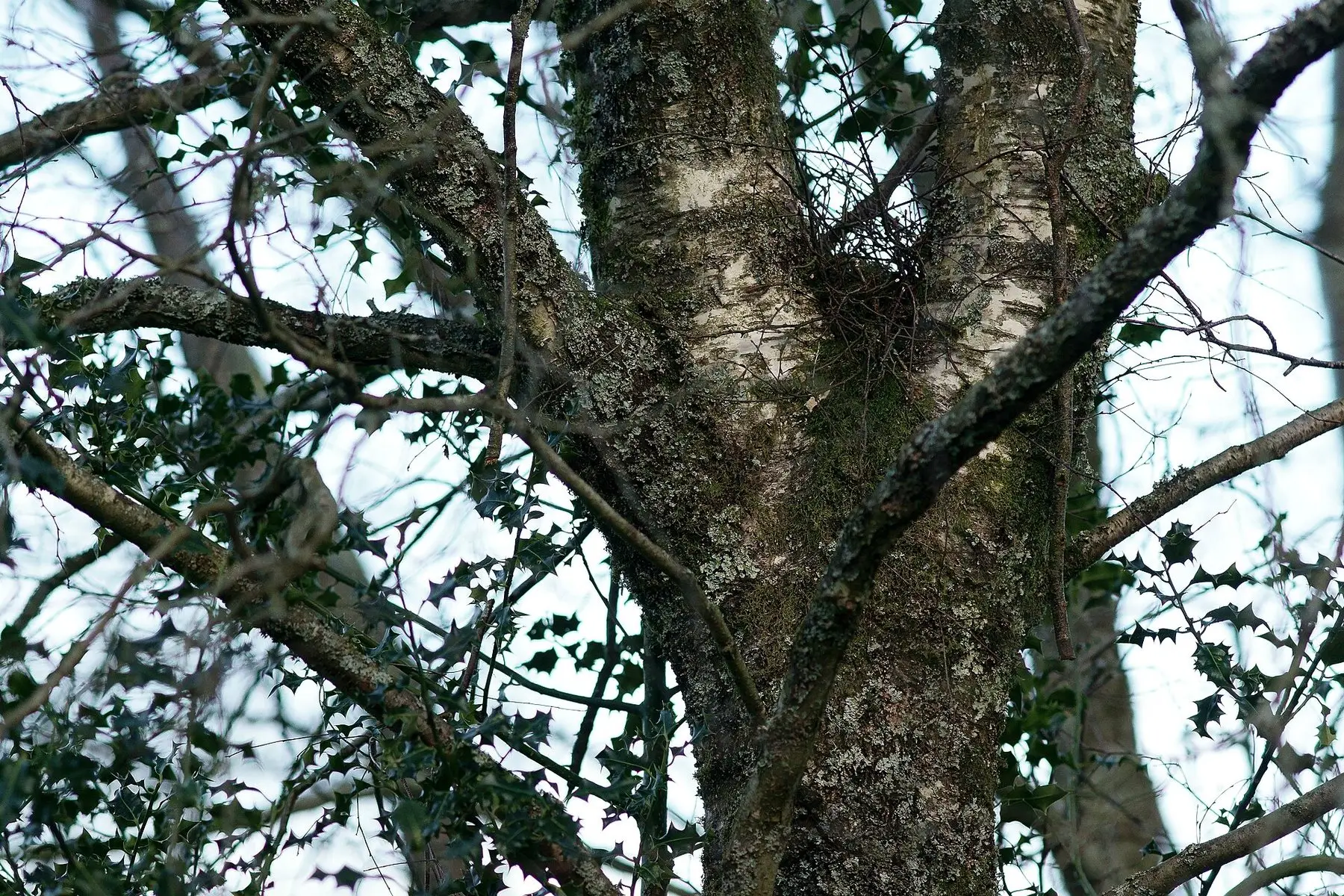
Leave cover. Brush piles, standing dead limbs where they are safe to leave, leaf litter. Squirrels build dreys out of twigs and leaves, and a garden with nowhere to shelter holds far fewer.
Leave fallen fruit under trees in autumn.
Do not tidy everything. The single most useful change in most gardens.
The costs, stated plainly
| Effect | Detail |
|---|---|
| Bird feeders raided | Constant, unless baffled properly |
| Songbird nests robbed | Eggs and nestlings, particularly in spring |
| Bulbs dug up | Tulips and crocus especially; daffodils and alliums ignored |
| Fruit and vegetables taken | Often a single bite from several, for the moisture |
| Pots and lawns dug | Caching and retrieving |
| Roof spaces investigated | The expensive one |
Concentrating squirrels with food raises all of these, and increases disease transmission within the local population. Habitat-based attraction spreads them at natural densities instead, which is why it is the better approach if you want squirrels around at all.
The tomato raid is a thirst problem
Squirrels take tomatoes mostly for water, which is why you find several fruits with one bite out of each rather than one eaten properly. It peaks in hot dry spells.
A water dish nearby genuinely reduces it, and costs less than netting the whole bed.
If you are running bird feeders too
The two goals fight each other, and the squirrels win unless the hardware is right.
- Smooth metal pole, not a tree or a fence.
- A baffle below the feeder — a cone or cylinder.
- Ten feet of clear air from anything they can jump off. They jump further than people expect.
- Site the squirrel feeding station well away from the bird feeders.
Nothing hung from a branch stays squirrel-free for long, whatever the packaging claims.
Step by step
- Time
- PT1H
- Cost
- $30
- You need
- Tree nuts in the shell — walnuts, hazelnuts, pecans, Raw sunflower and pumpkin seeds, A shallow water dish
- Tools
- A flat feeding platform or wooden squirrel feeder
Put nuts where they are visible
A flat platform on a fence post or tree, with nuts still in the shell. Visibility matters — squirrels find food by sight and memory, and a feeder in the open gets discovered far faster than one tucked away.
Provide water
Often scarcer than food in a suburban garden, especially in summer and in freezing weather. A shallow dish at ground level or on a platform, refreshed regularly, brings squirrels in reliably.
Plant something that feeds them for decades
Oak, hazel, walnut, beech or hickory. A nut tree is the durable version of everything a feeder does, and it supports birds and insects at the same time.
Leave cover and nesting material
Brush piles, standing dead limbs where safe, and leaf litter. Squirrels build dreys from twigs and leaves, and a tidy garden with nowhere to shelter holds far fewer of them.
Keep the offering modest
A handful of nuts every few days rather than a constant heap. Large amounts concentrate squirrels at unnatural densities, which spreads disease and raises nest predation on songbirds nearby.
Expect the bird feeders to be raided
Attracting squirrels and running unprotected bird feeders are incompatible. Baffle the bird feeders on smooth poles ten feet from any launch point, and keep the squirrel feeding station well away from them.
Common questions
How do you attract squirrels to your yard?
What food attracts squirrels the most?
Do squirrels like tomatoes?
How long does it take for squirrels to find a feeder?
Should you attract squirrels?
Will squirrels come back to the same place?
Backyard Weekly
Know what to plant, week by week
Join the weekly email for seasonal jobs, fixes for what is going wrong, and gear worth buying.
Not ready to subscribe? The planting calendar is free and needs no email.
By subscribing you agree to our privacy policy. Grow In Backyard will never sell your address.
Keep reading
Cayenne Pepper Spray for Squirrels — 5 Uses Compared
Cayenne pepper spray for squirrels works on taste, and only while dry. 5 uses compared on bulbs, bark and feeders. See where it earns its place.
Will Squirrels Eat Your Garden? What's Actually at Risk
Squirrels dig up bulbs, strip tomatoes, and raid every nut tree in reach — but leave most vegetables alone. What they actually target, and what stops them.
What Not to Feed Squirrels (And Whether to Feed Them at All)
Peanuts, bread, chocolate and salted nuts all cause real harm. The safe list, why corn is worse than it looks, and the case against feeding squirrels.
Where Do Squirrels Live and Sleep? Nests, Dens, and Winter
Squirrels build two distinct home types and switch between them by season. What a drey actually is, where they den in winter, and whether they hibernate.