
Backyard Animals ·
Do Chipmunks Live Underground? Yes, in 30 ft Burrows
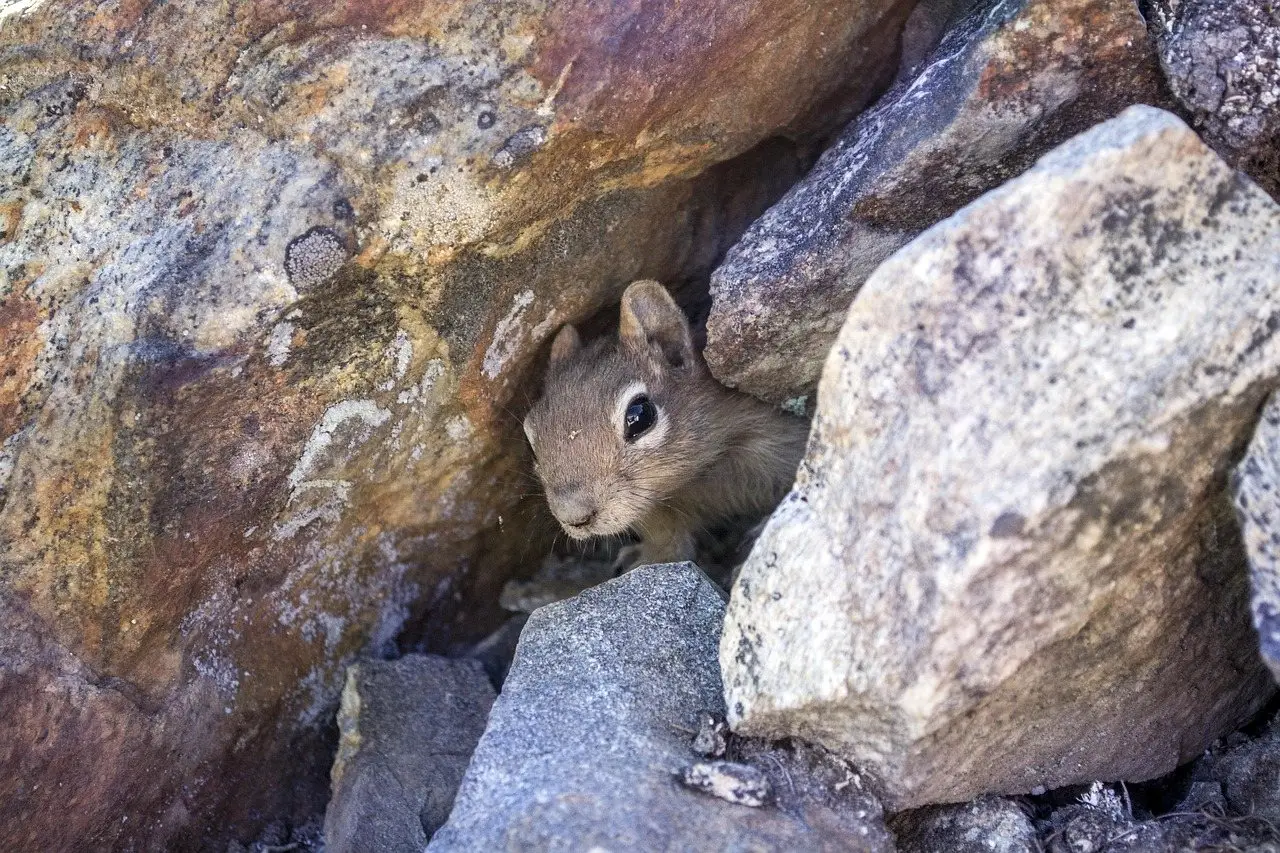
Do chipmunks live underground: yes, in burrow systems up to 30 ft long with separate chambers. What that means for your lawn, and why the entrance has no soil pile.
126 guides in Backyard Animals.
Do chipmunks live underground: yes, in burrow systems up to 30 ft long with separate chambers. What that means for your lawn, and why the entrance has no soil pile.
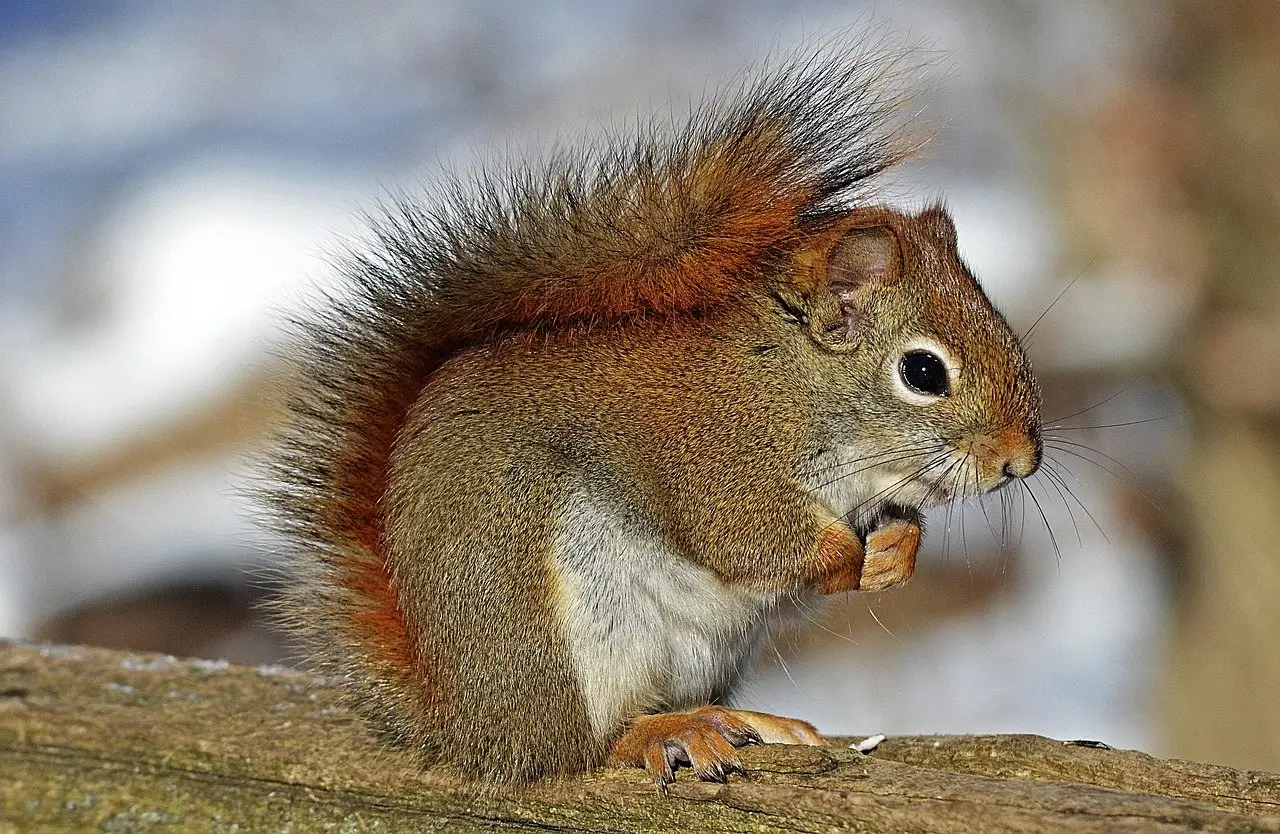
How many squirrels are in the world has no census answer, but 285 species and known densities give a defensible estimate. Why the round numbers online are invented.
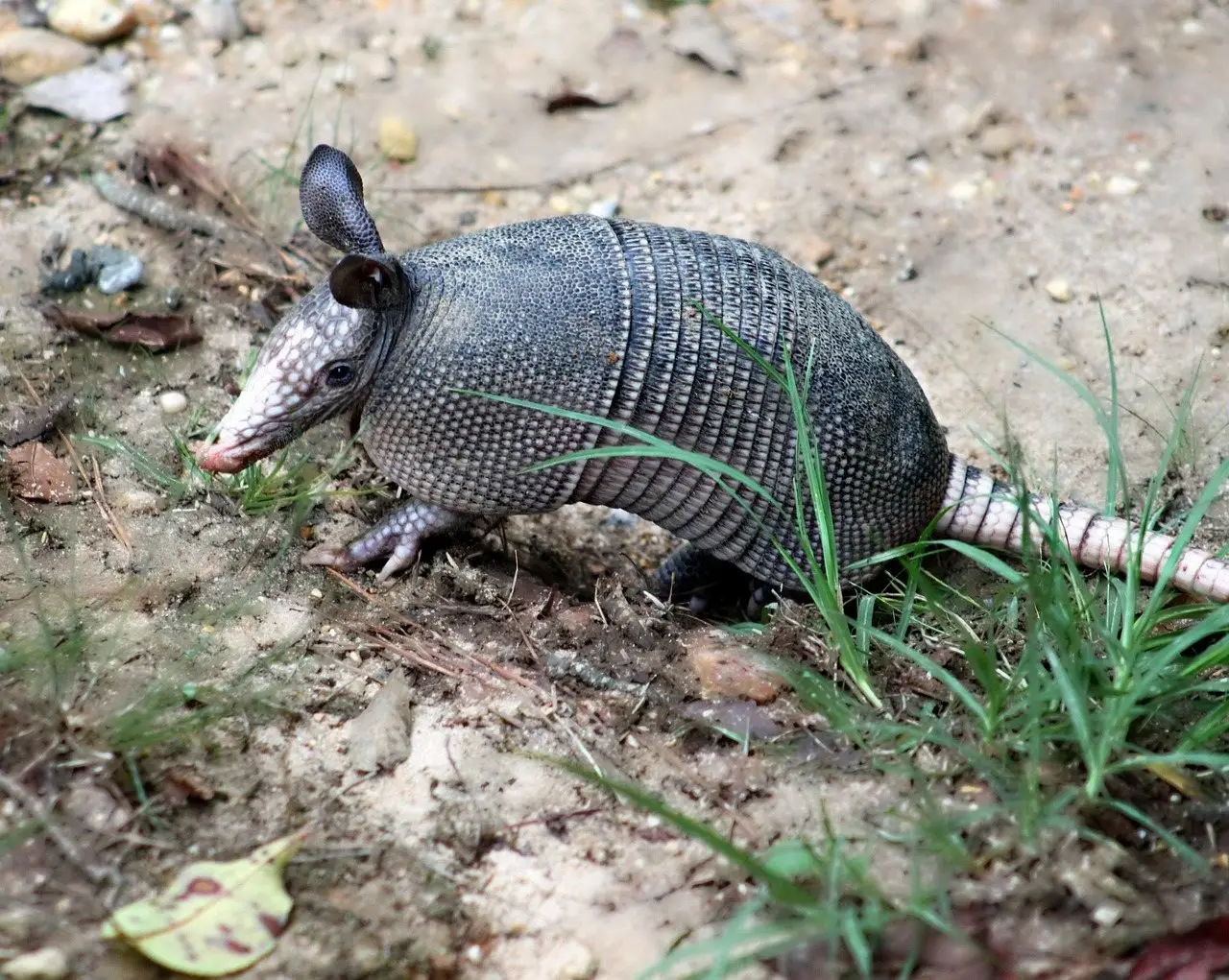
Armadillos dig under slabs and decks for grubs and shelter. One-way exclusion, the burrow check that stops you sealing one in, and what to do about the lawn.
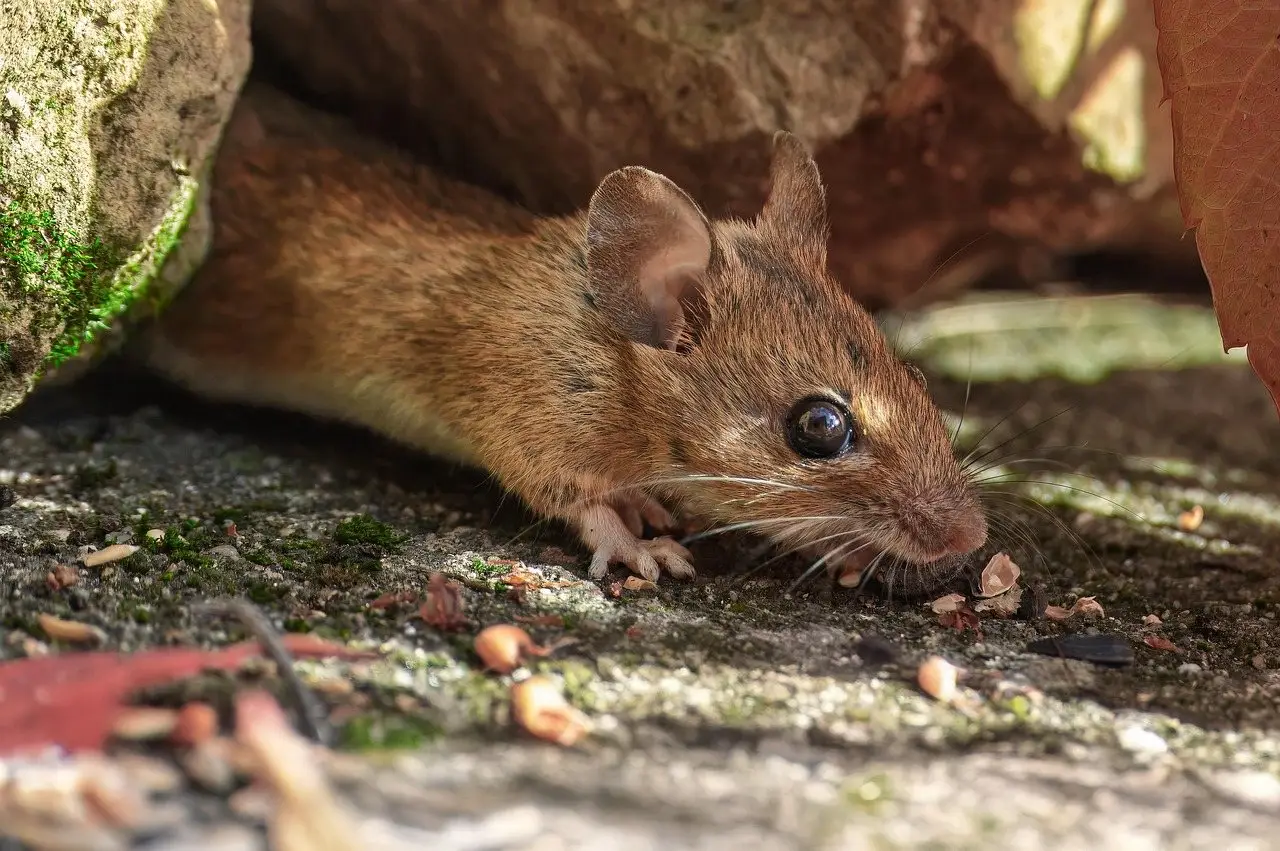
A shed on bearers is a dry, warm void with no predators. Skirting it with hardware cloth, the order to do the work in, and why baiting first backfires.
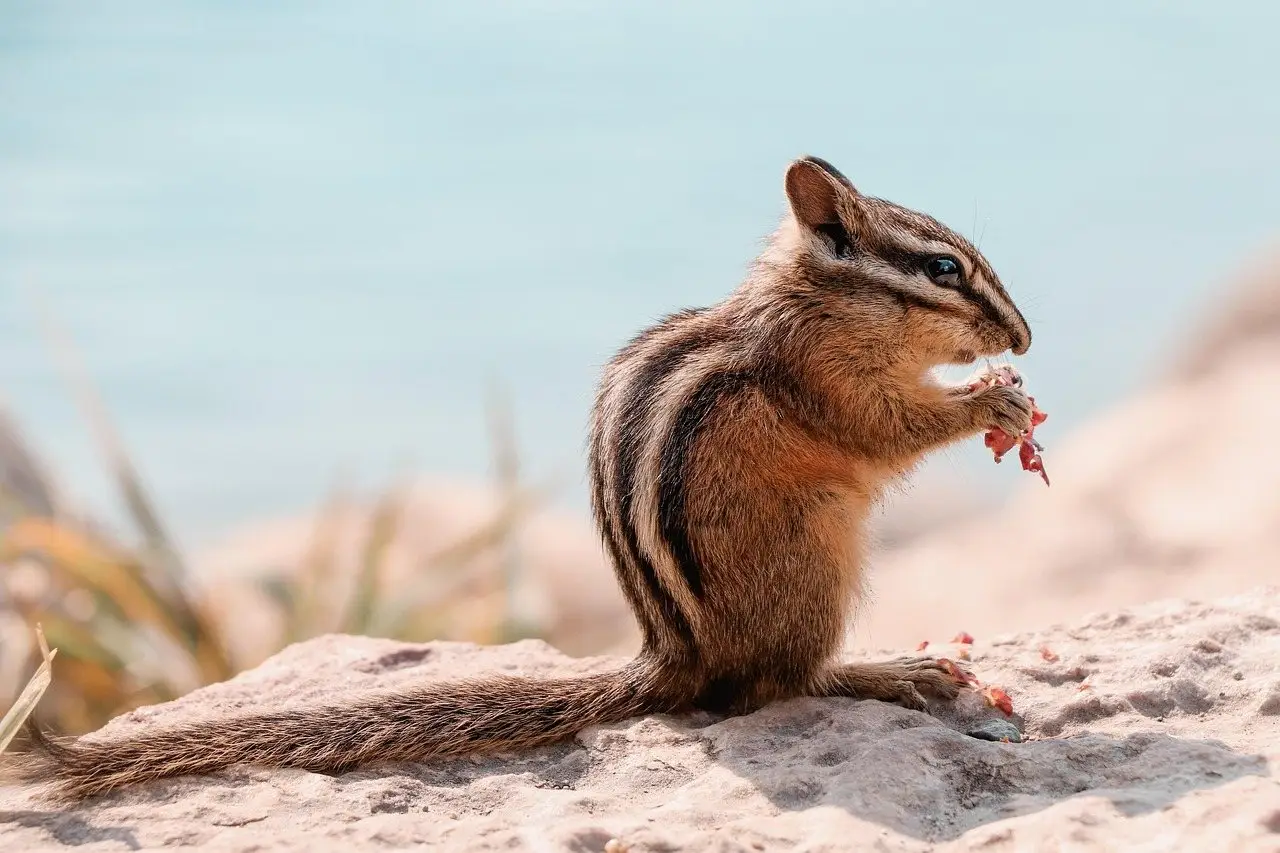
Bread, salted nuts and chocolate do real harm to chipmunks. Which common garden offerings are safe, which are not, and why feeding them backfires anyway.
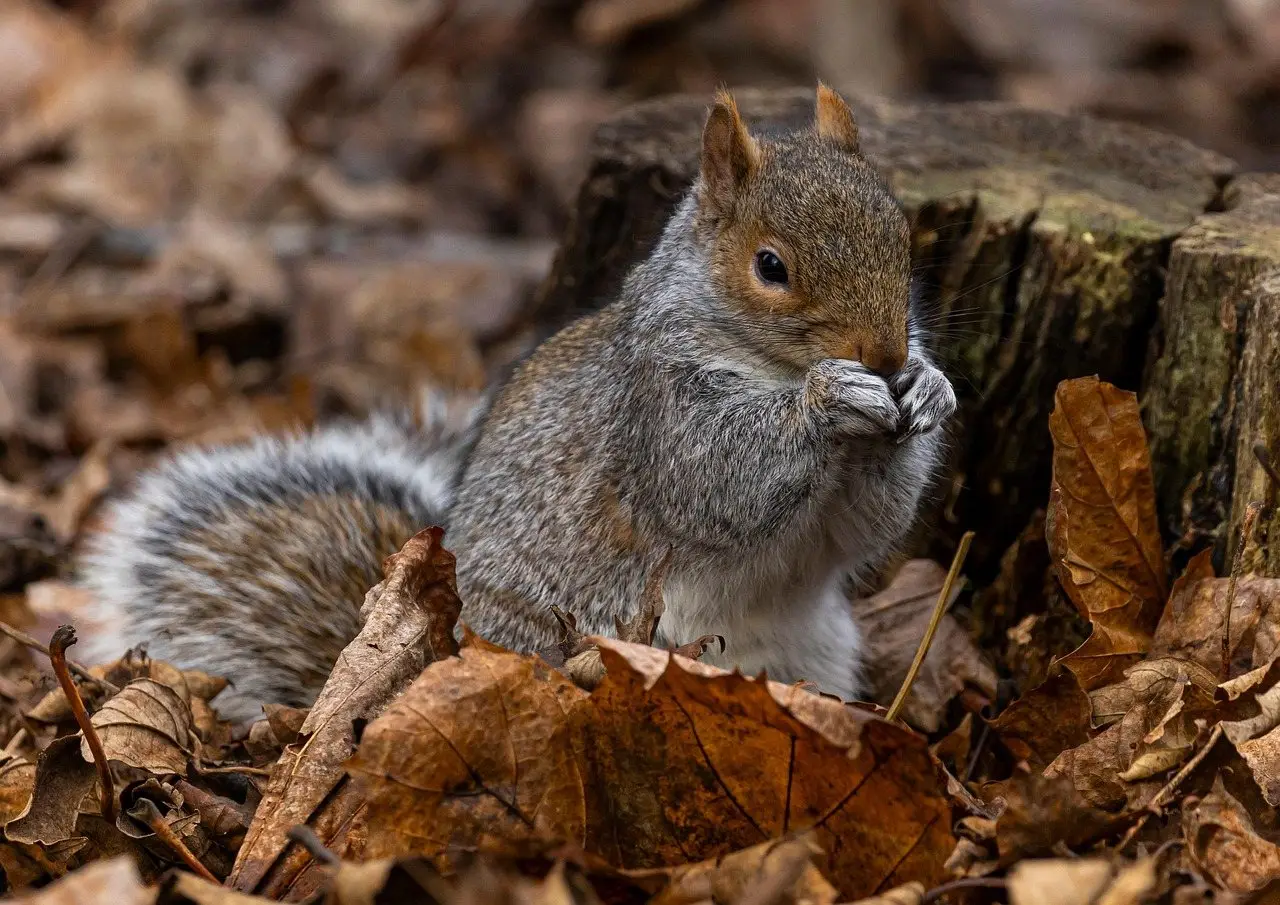
What do squirrels taste like: mild, slightly sweet, nearer rabbit than venison. Why age decides whether it roasts or stews, and the 2 safety rules that matter.
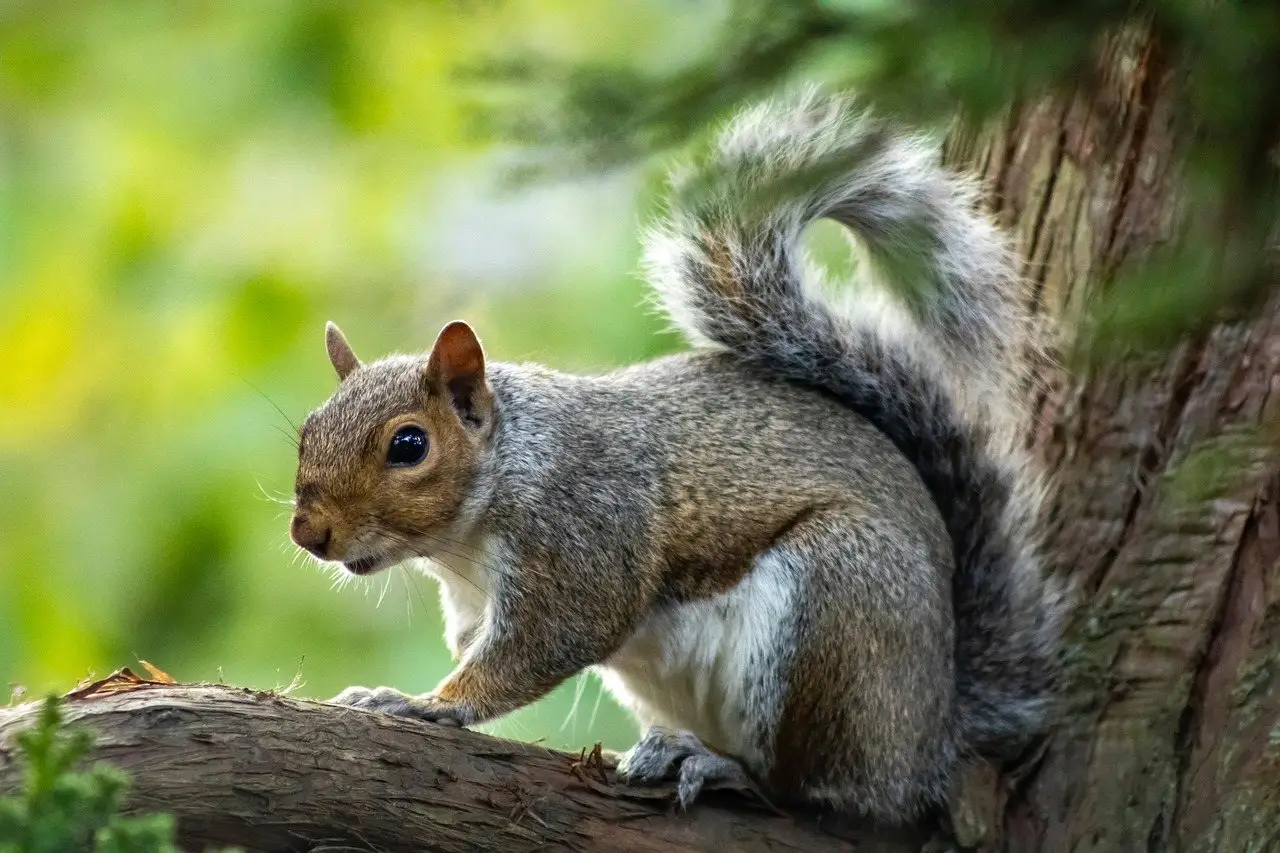
Why do squirrels chirp: most calls are alarm, and the pattern tells you what kind of threat. How to read the 4 main sounds and what each one is reacting to.
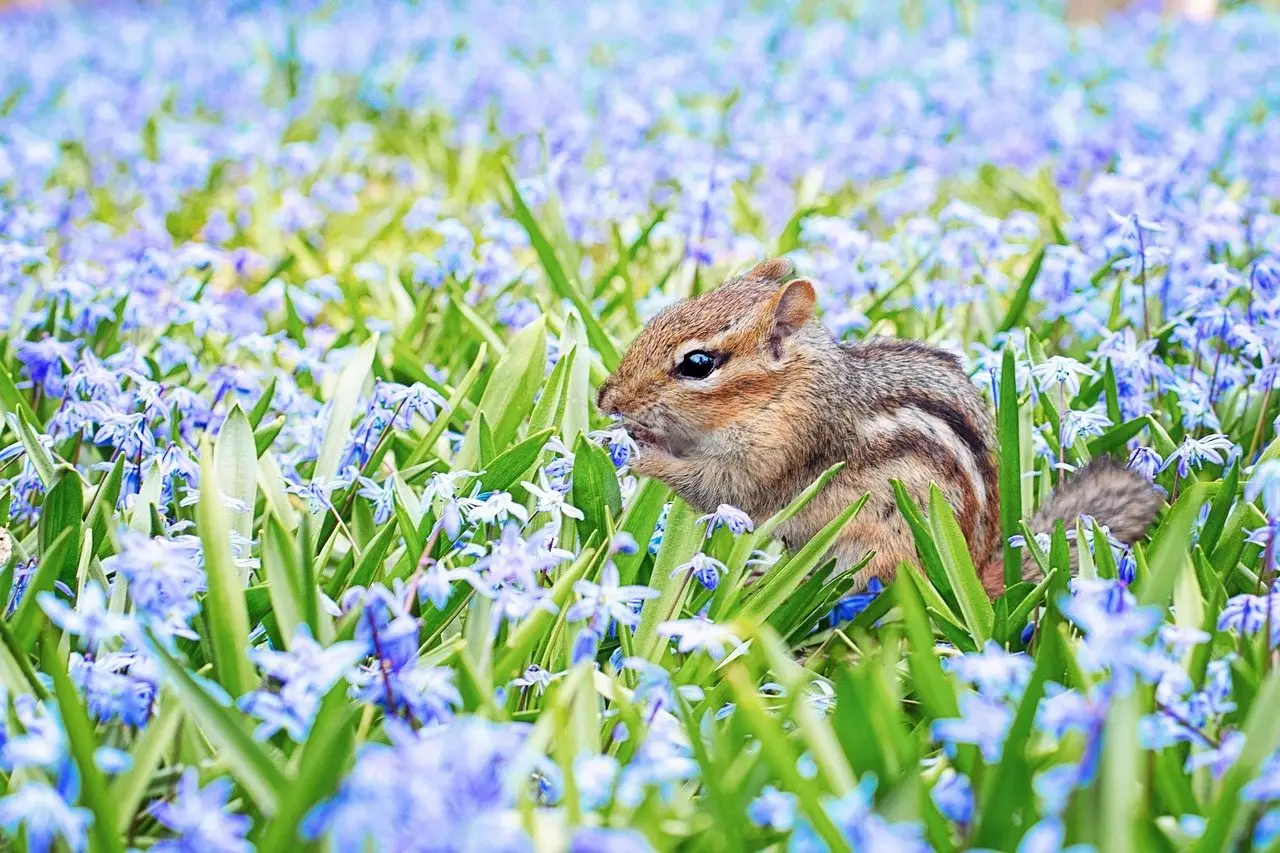
Eastern chipmunks are a protected wild mammal in Pennsylvania with no open season. Removing one needs a permit — but exclusion needs nothing at all.
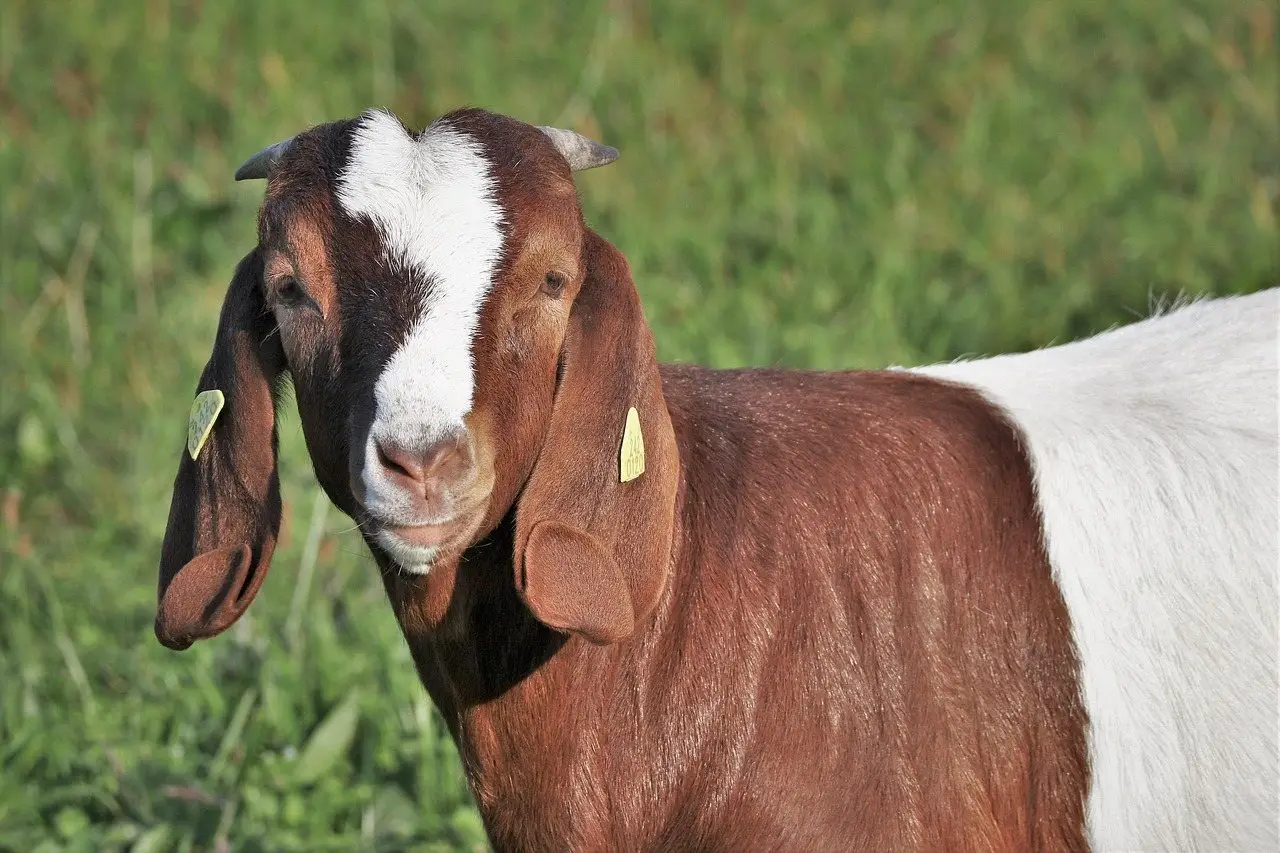
The best goats for meat trade growth against hardiness. 4 breeds compared on weight gain, input and carcass. See why a cross usually beats a purebred.
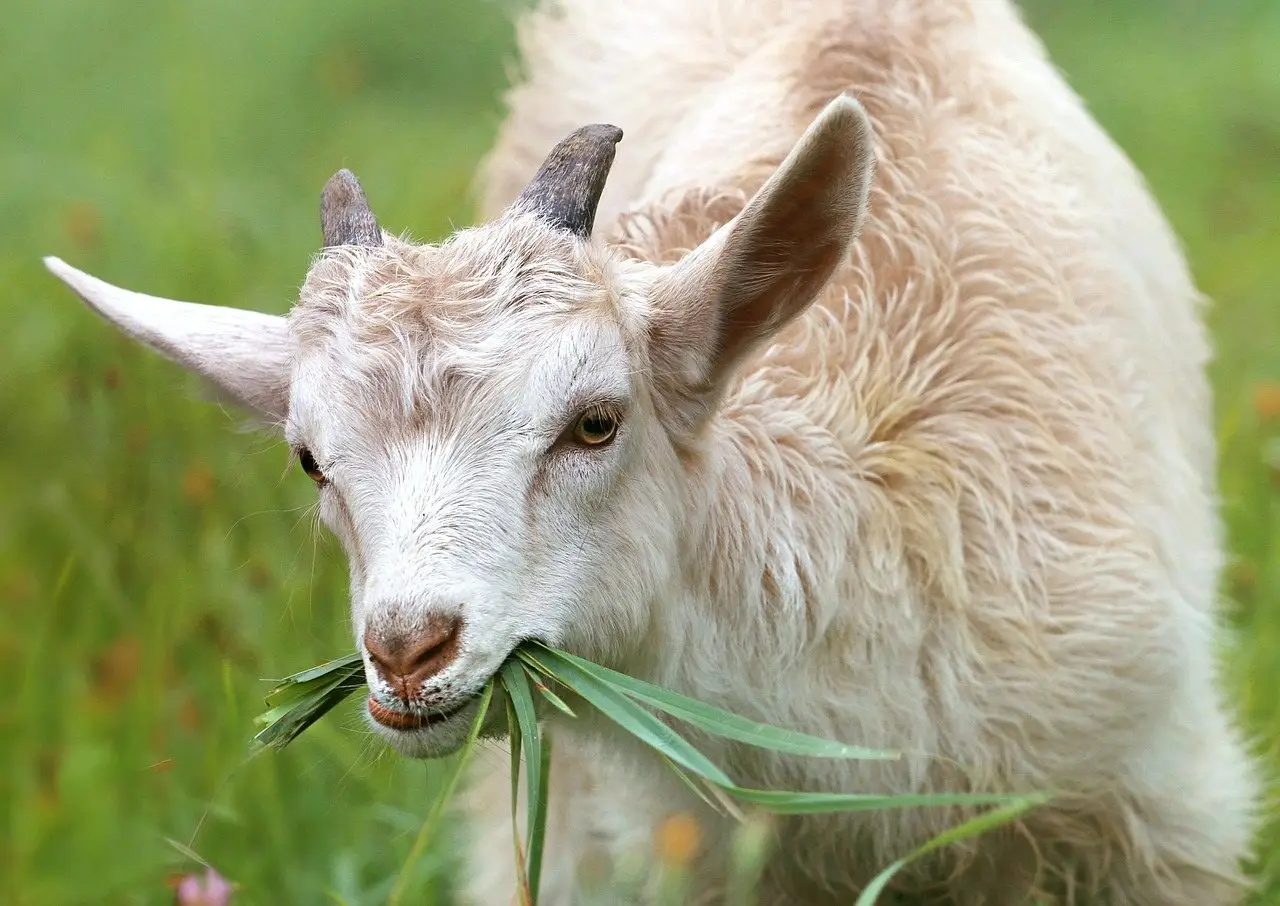
The best goats for clearing brush are Spanish, Kiko and Boer crosses. 4 breeds compared, plus the one to avoid. See which suits your fencing.
The best tasting goat milk breed is Nubian, on butterfat. 4 breeds compared, plus the handling that matters more. See which suits your holding.
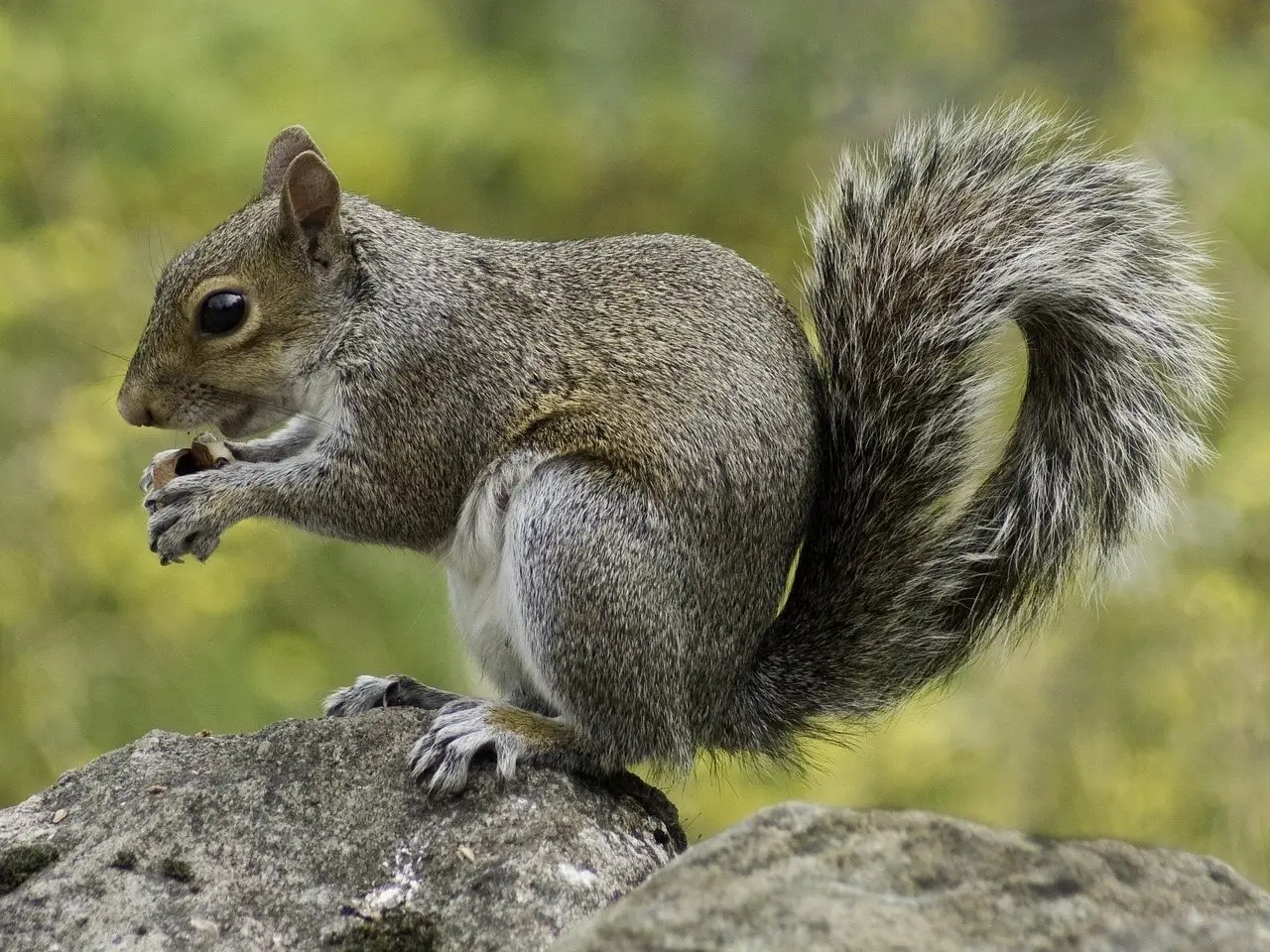
Squirrels chase, box and scream at each other constantly, but genuine injury is rare. What looks like a vicious fight is usually territory or mating.
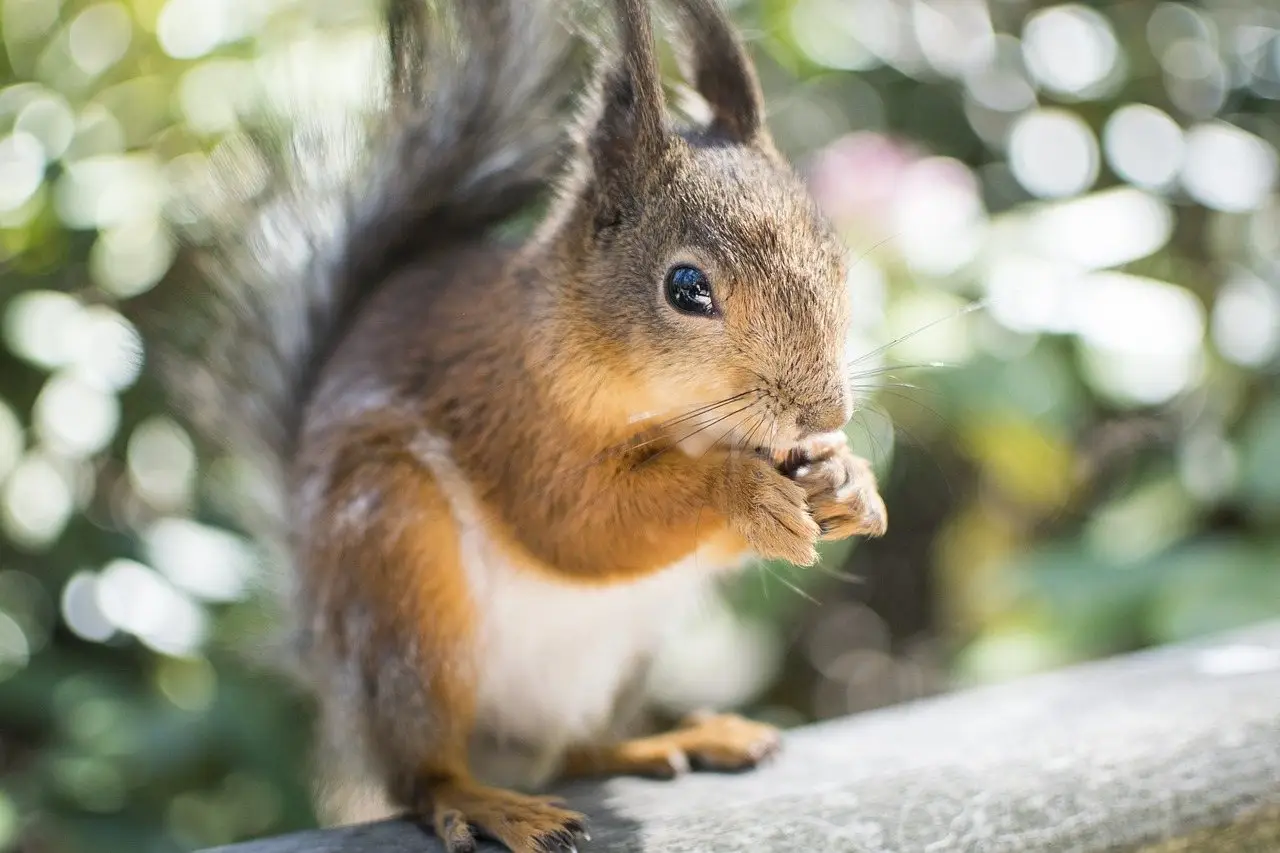
Theobromine affects squirrels as it does dogs. Dark chocolate is the dangerous kind, and a small animal needs very little of it to be in trouble.
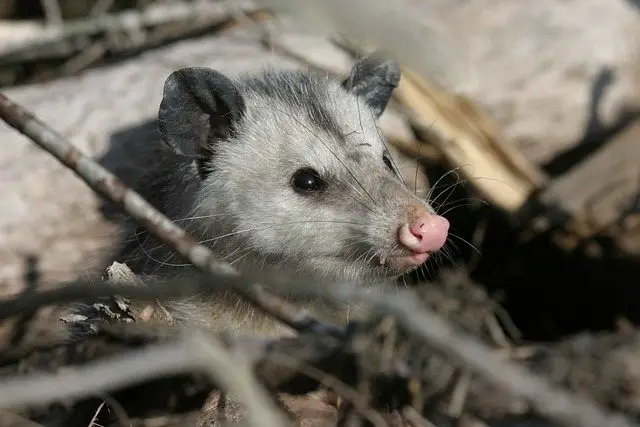
Opossums are protected game or nongame wildlife in most US states, so killing one often needs a permit. Exclusion is legal everywhere and works better.
Chipmunks are blind and hairless for a month, independent by eight weeks, and breeding by the next spring. Most never reach their second birthday.
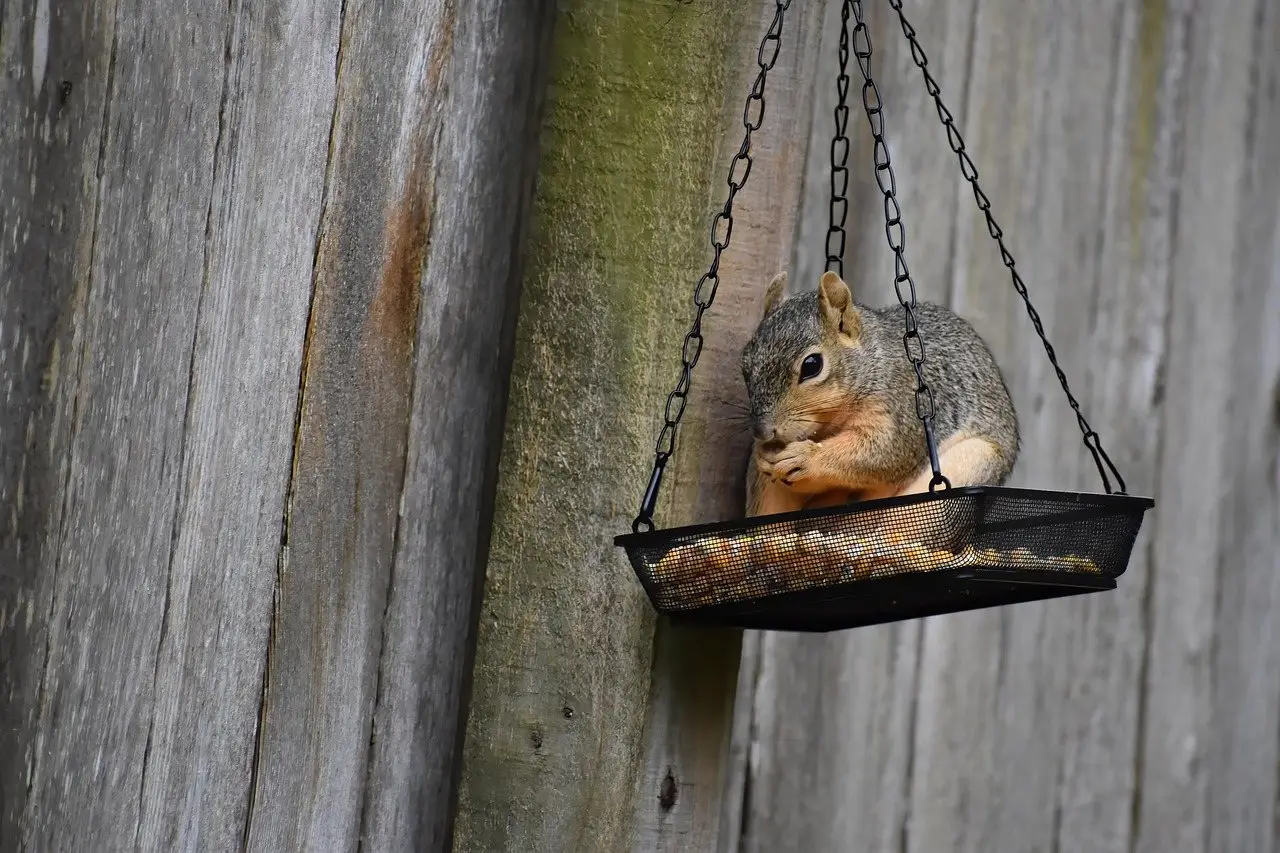
Baffles and hardware cloth work. Ultrasonic devices, predator urine and most repellent sprays do not. Here is the evidence, sorted.
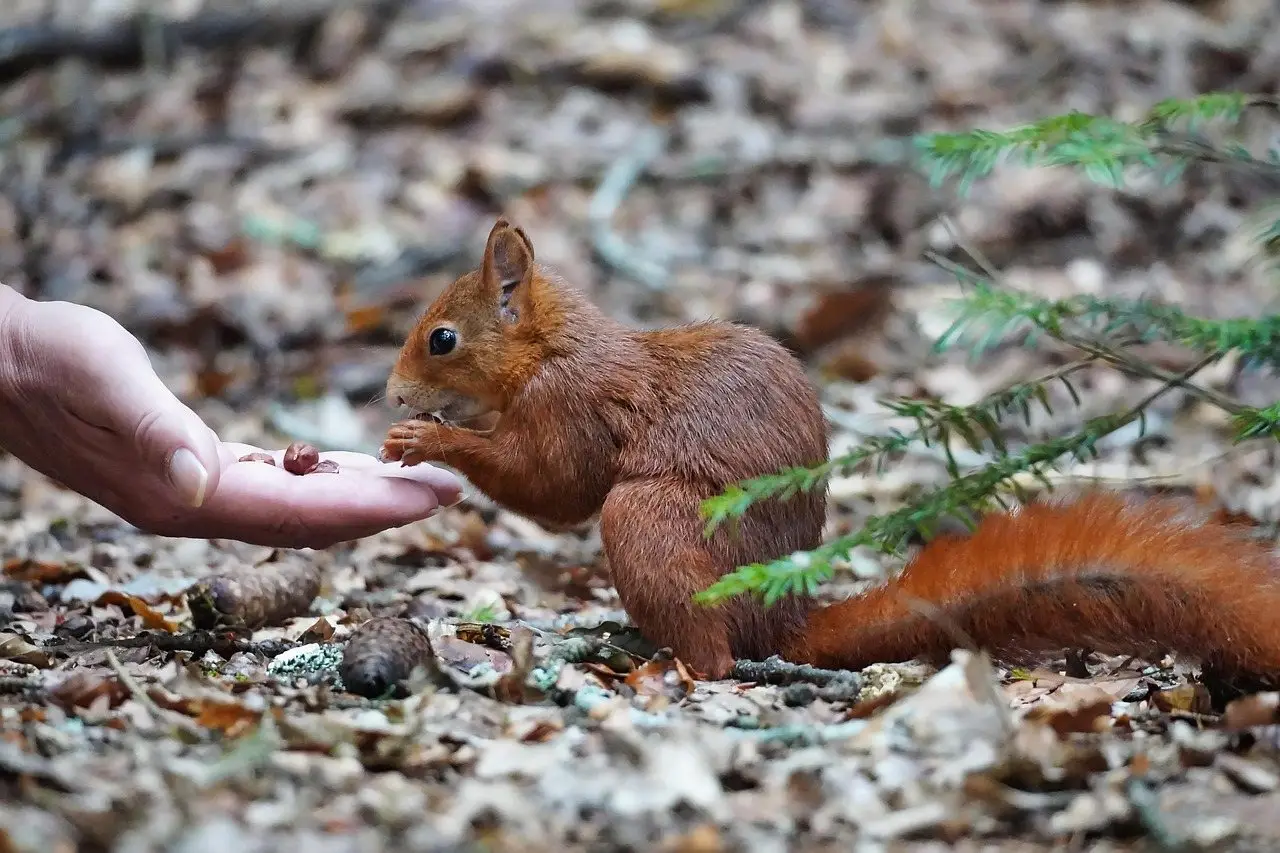
Feeding squirrels is enjoyable and mostly harmless to them — the costs land on your roof, your bird feeders, your neighbours and your bulbs.
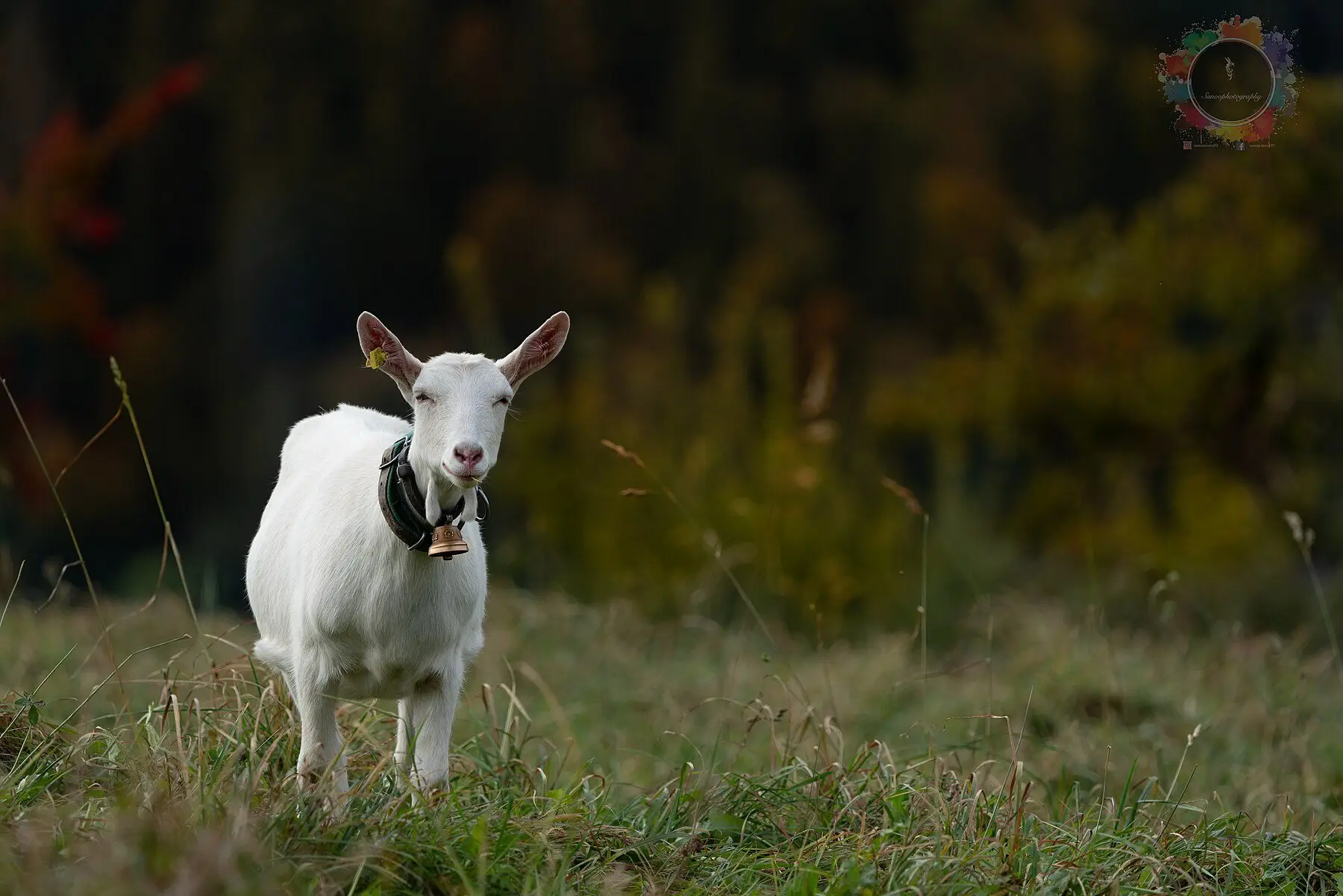
Dairy goat breeds trade volume against butterfat, and that decides taste. 6 compared on yield, richness and size. See which suits your holding.
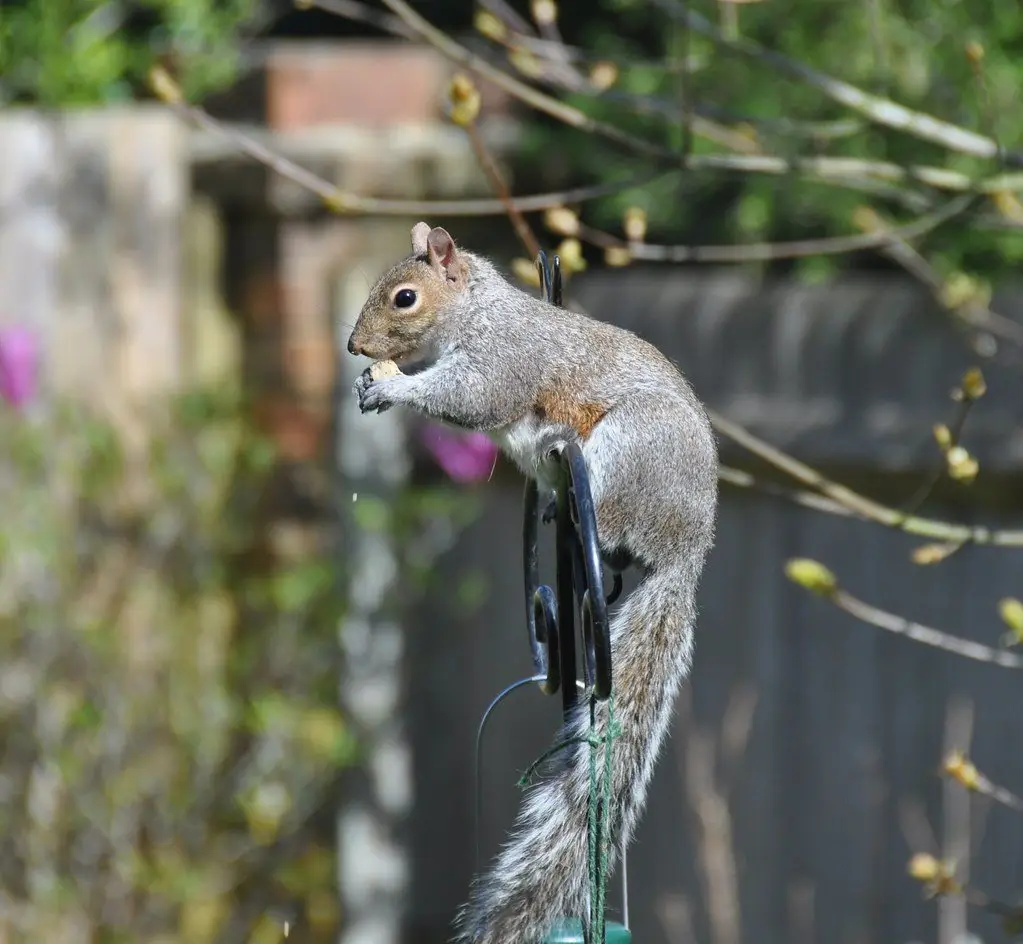
Cayenne pepper spray for squirrels works on taste, and only while dry. 5 uses compared on bulbs, bark and feeders. See where it earns its place.
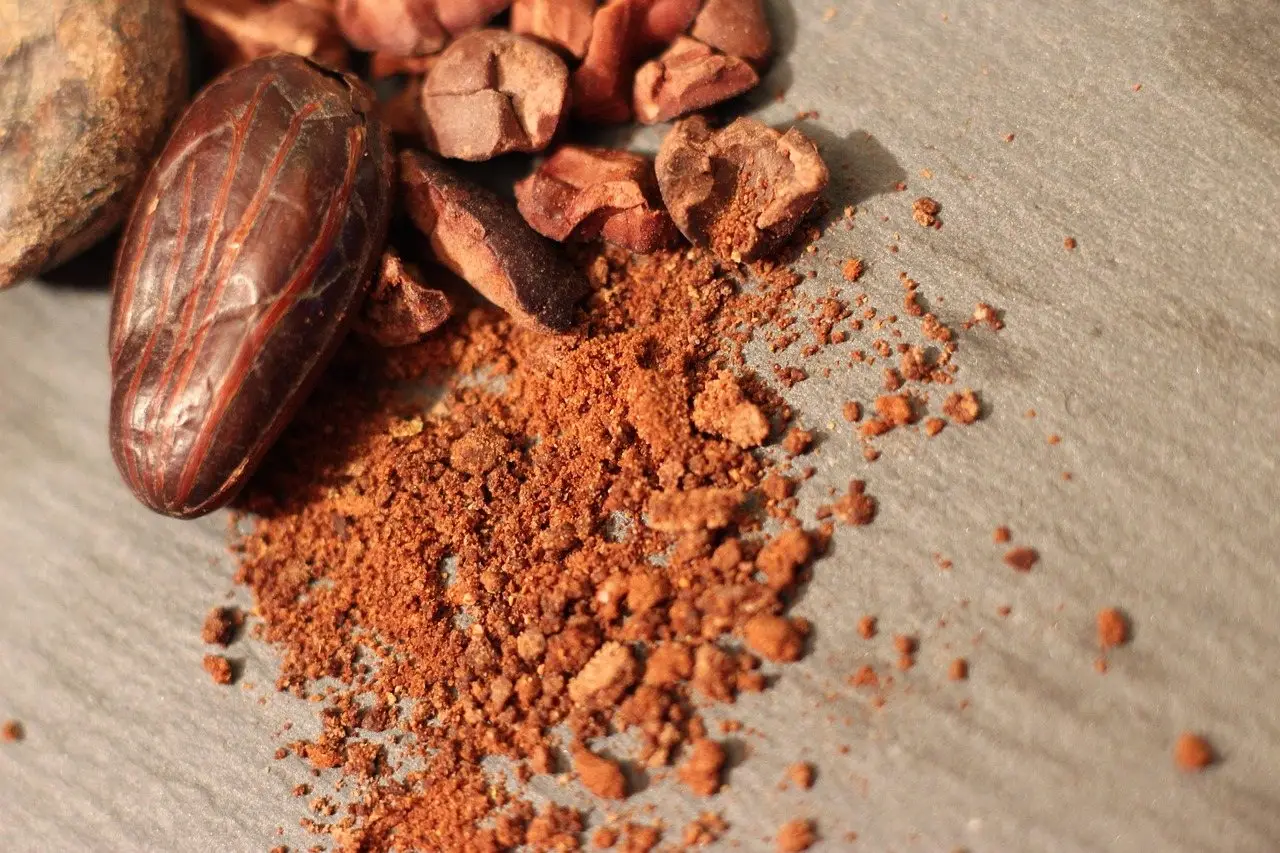
Theobromine is toxic to squirrels as it is to dogs, and a 500 g animal has almost no margin. Dark chocolate is worst. Never offer any of it.
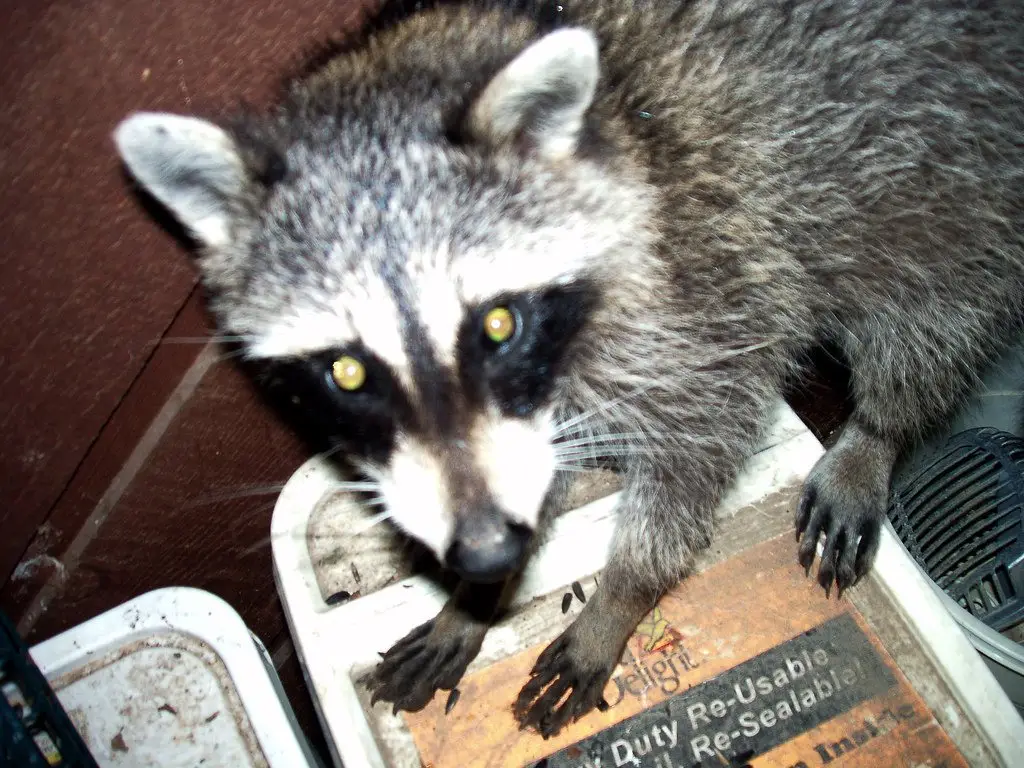
A raccoon proof deer feeder needs a barrier raccoons cannot climb. 5 fixes compared, including retrofits. See which suits your feeder.
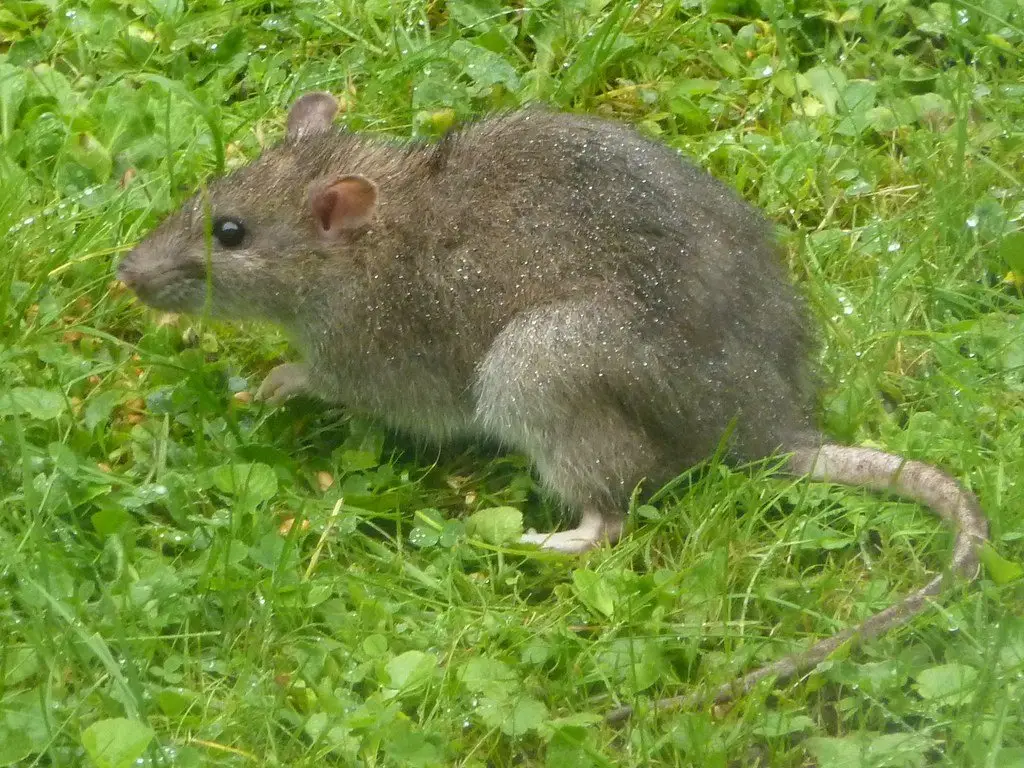
A rat deterrent for garden use fails unless food and shelter go first. 5 measures compared, and why poison is the wrong call. See which fits yours.
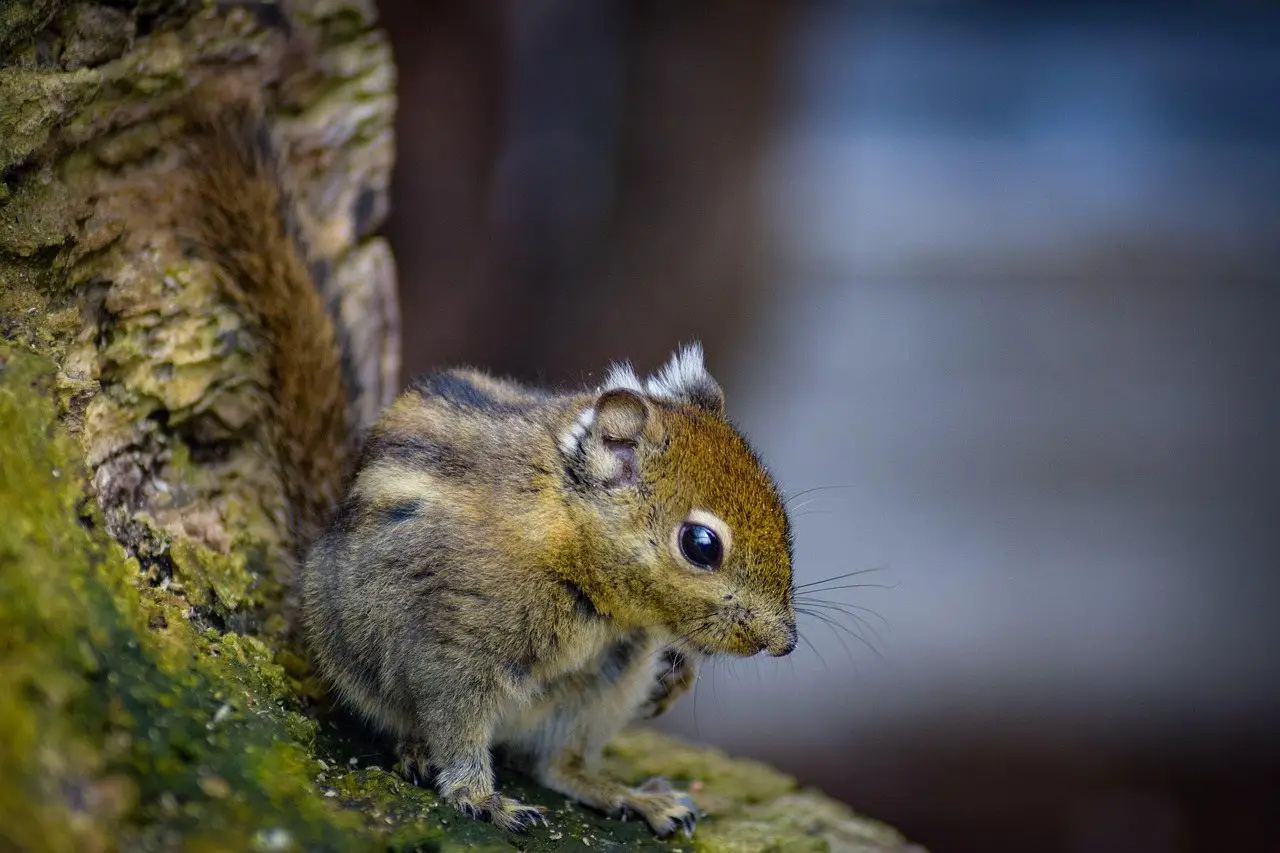
Chipmunks get most of their moisture from food — fruit, fungi, insects and green shoots — and drink free water only when it is easy to reach.
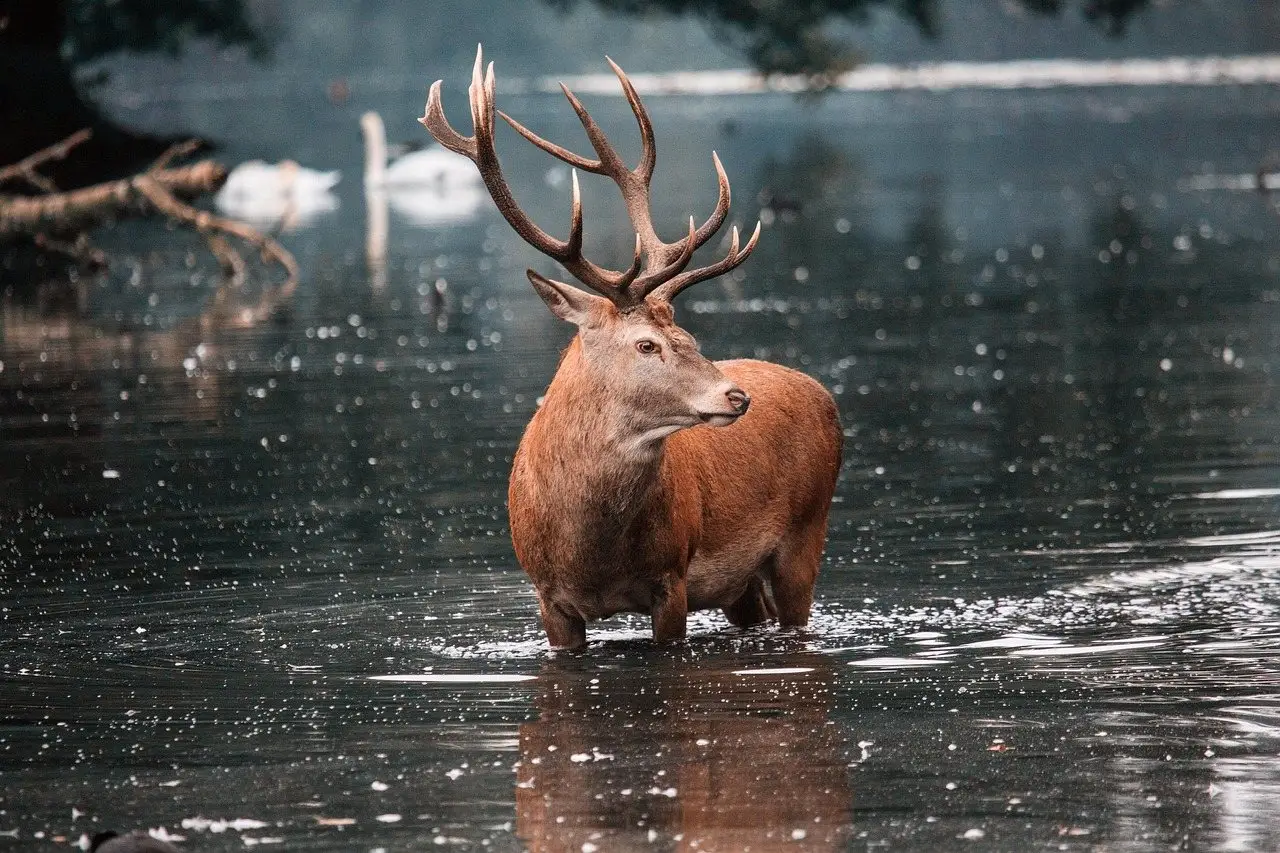
Strong ammonia with a musky edge, heaviest in autumn when bucks rut. If you can smell it in the garden, deer are bedding there, not just passing.
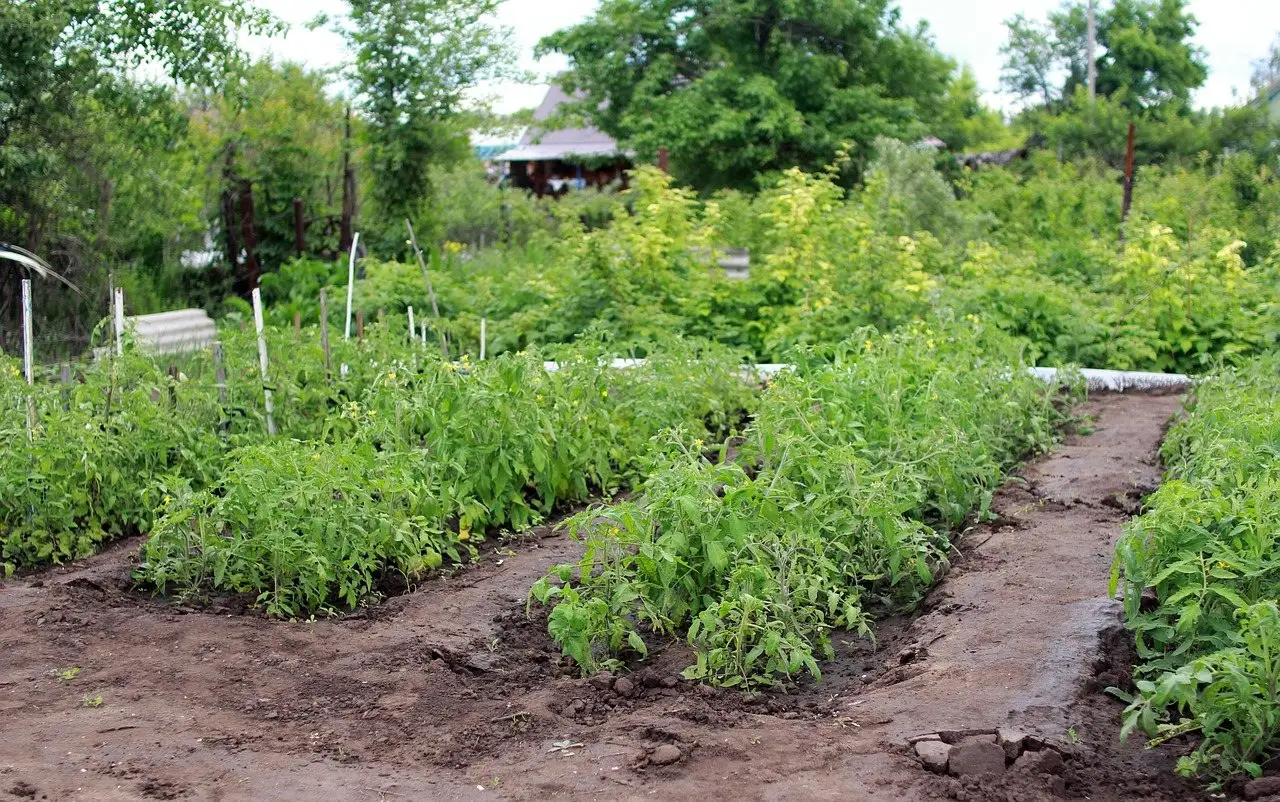
Squirrels bite tomatoes for water, not food, so repellents and scare tactics fail. Physical exclusion and a water source are what actually work.
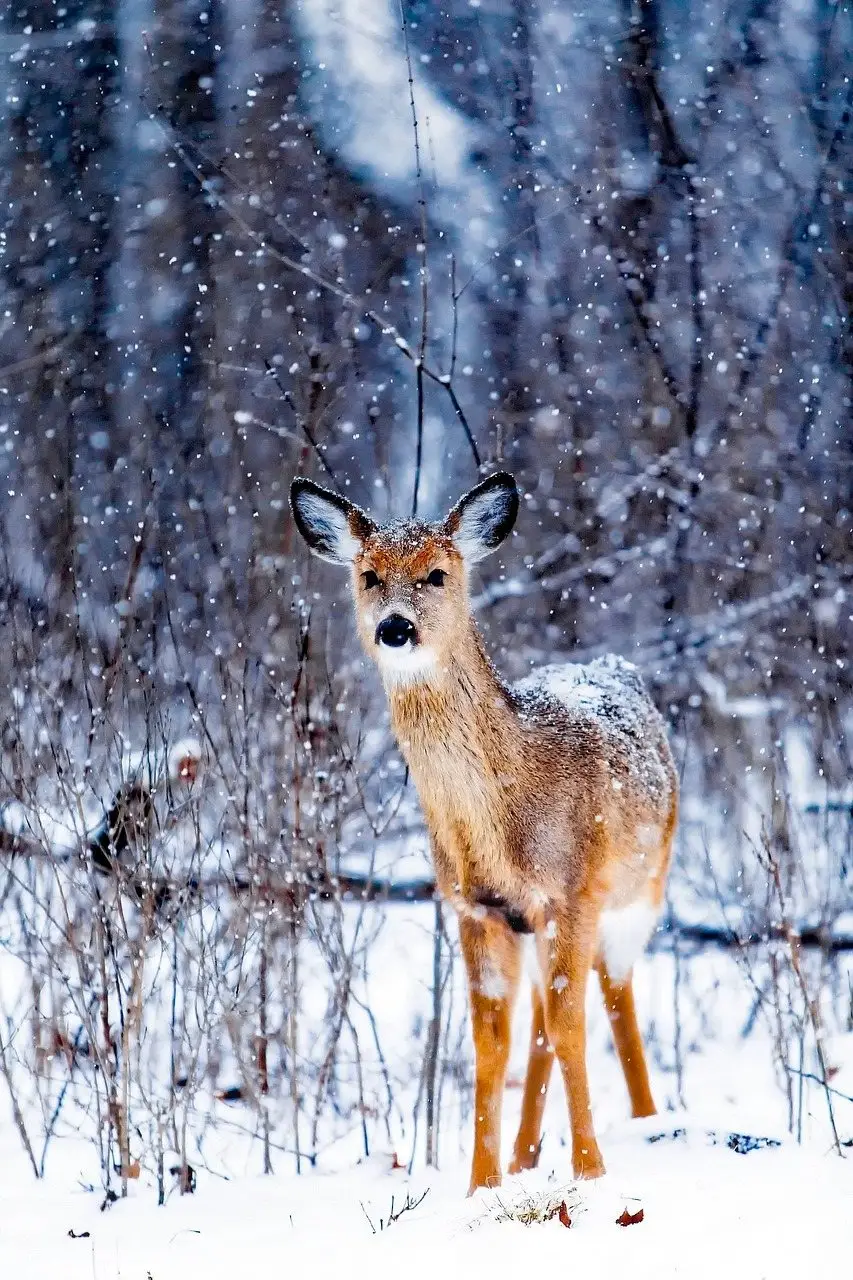
Winter feeding kills more deer than it saves — their gut cannot digest grain in cold months. If you feed at all, browse and hay are the only safe options.
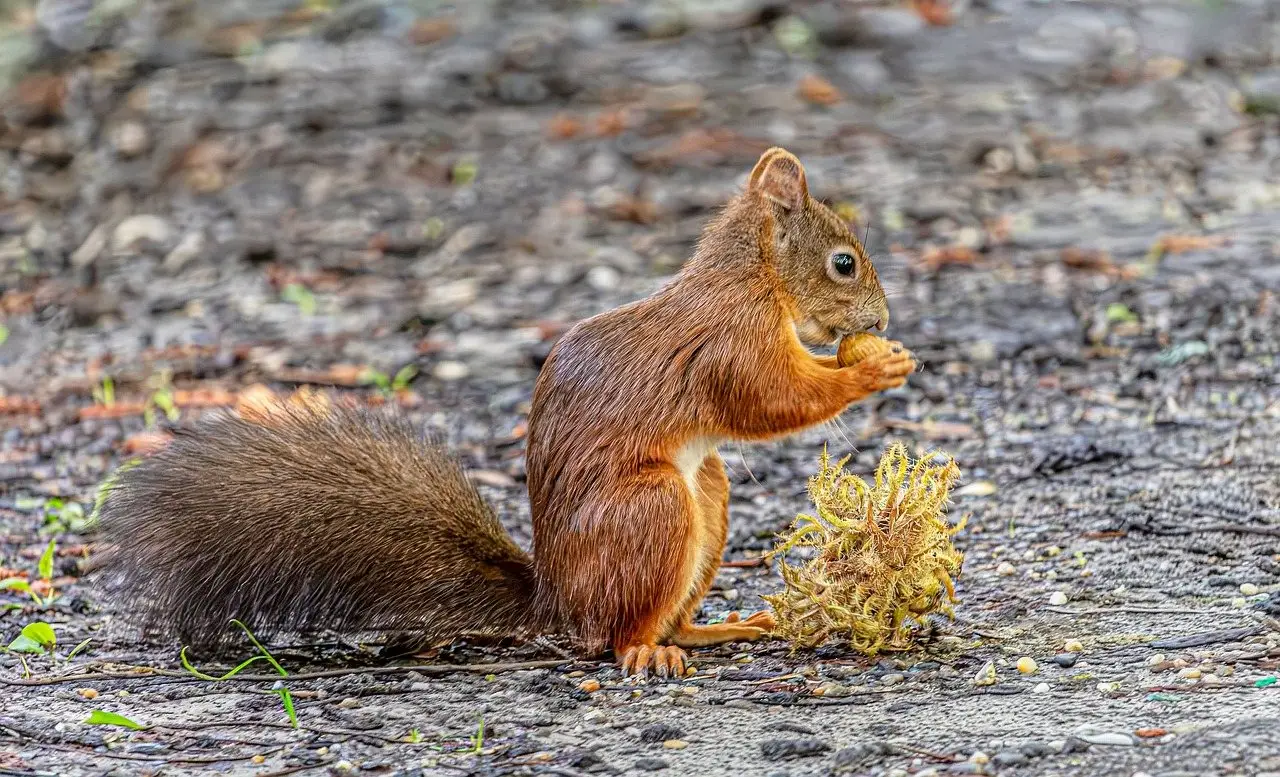
Hazelnuts, walnuts and acorns in the shell suit them. Peanuts are legumes, nutritionally poor and risk aflatoxin, and bread does real harm.
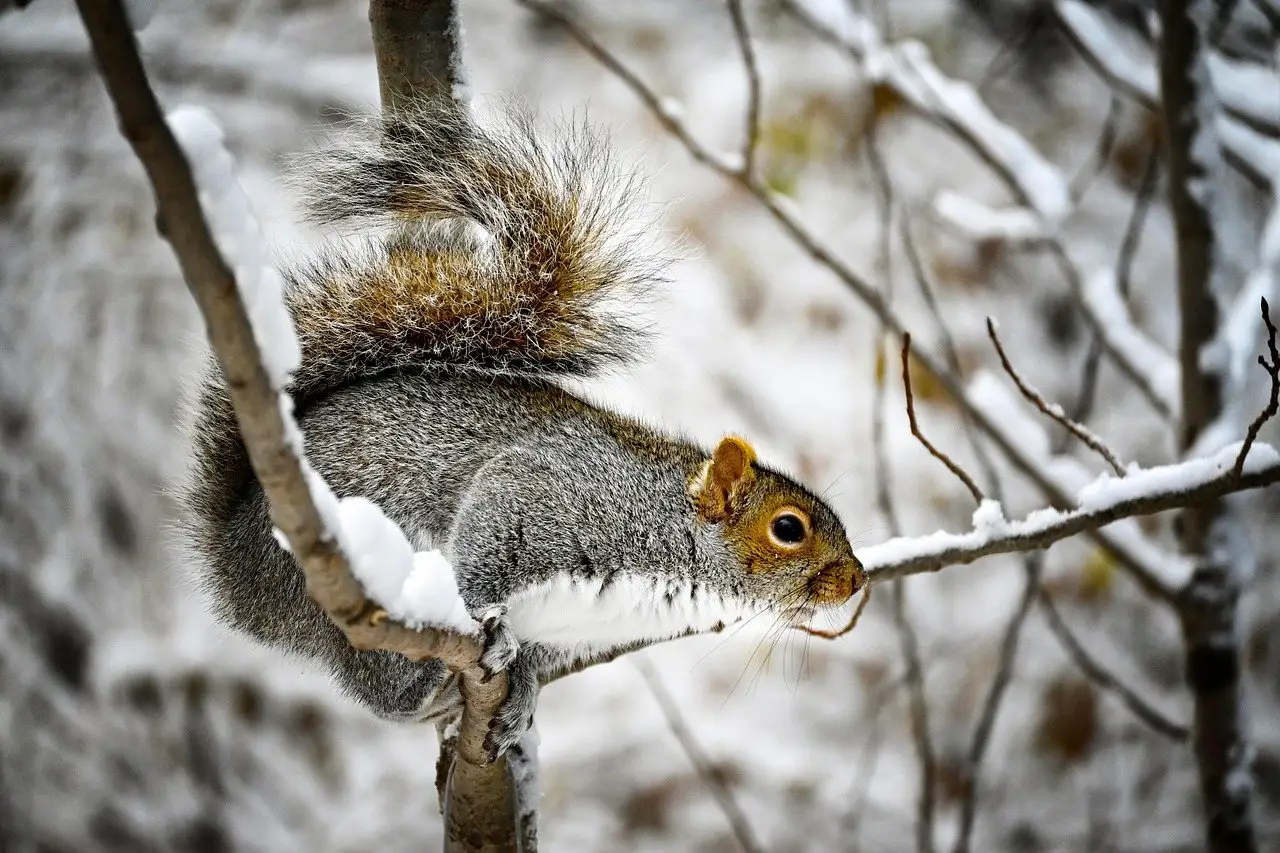
Grey and red squirrels do not hibernate. They wait out snow in a leaf drey or tree cavity, often huddled with others, and come out to dig for caches.
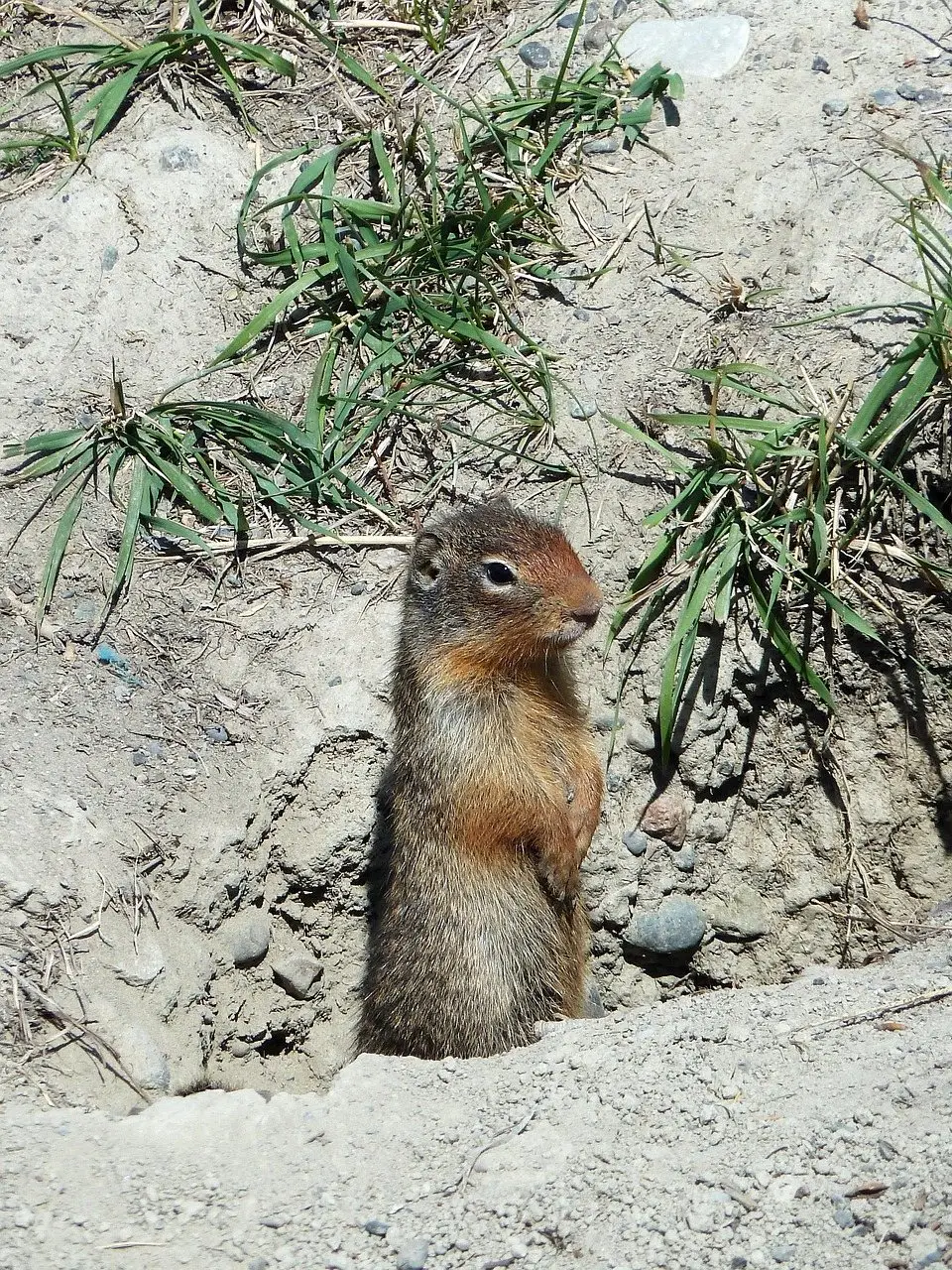
Constant freezing, tail-flicking and direction changes are antipredator behaviour in an animal that is prey to hawks, cats, foxes and snakes alike.
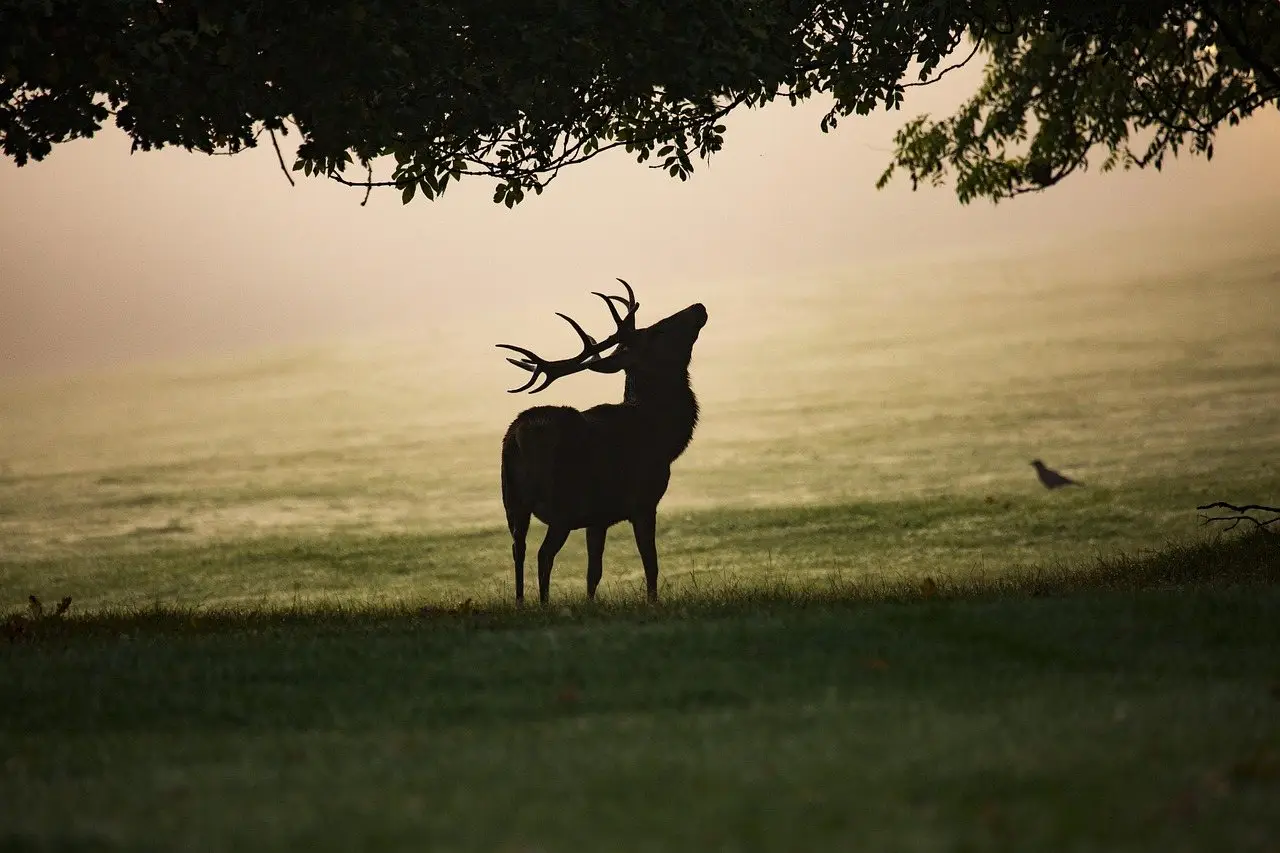
Deer are crepuscular, most active at dawn and dusk. Where they seem nocturnal it is usually learned avoidance of people, dogs and hunting pressure.
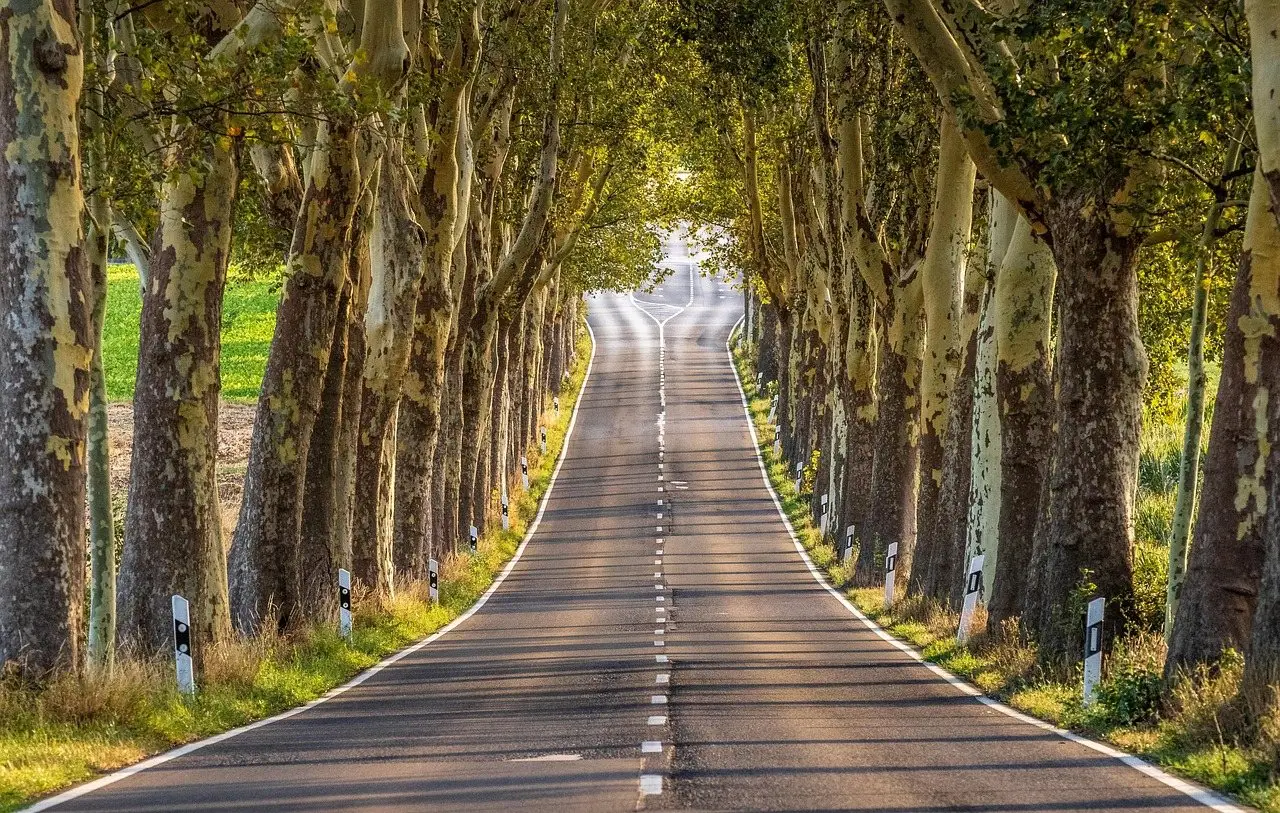
Zig-zagging at the last moment defeats a predator that has to commit to an intercept. A car cannot be dodged the same way, and is far wider.
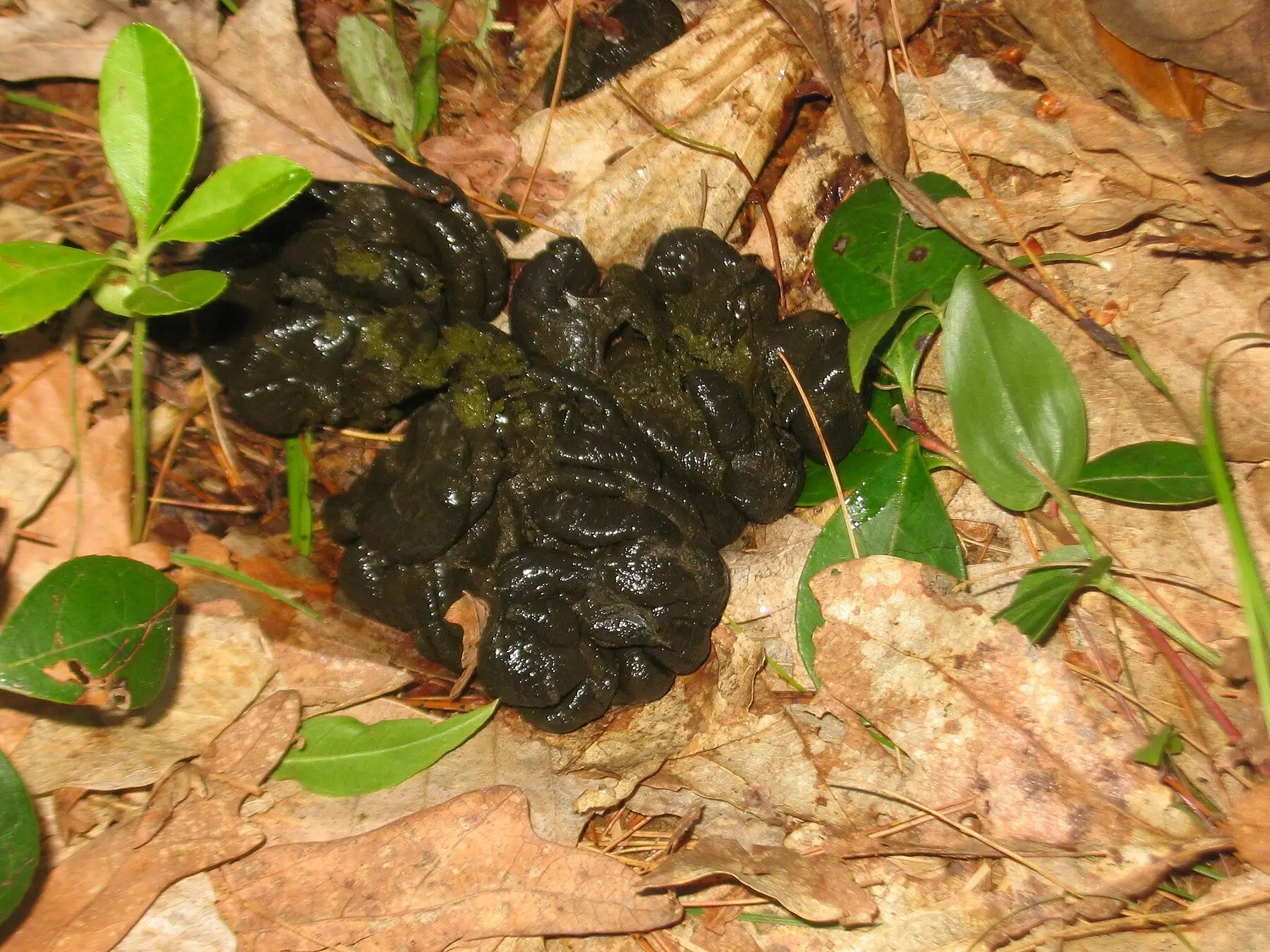
Deer droppings are pellet clusters, not scattered singles. How to tell them from rabbit and goat, what they say about your yard, and the real health risk.
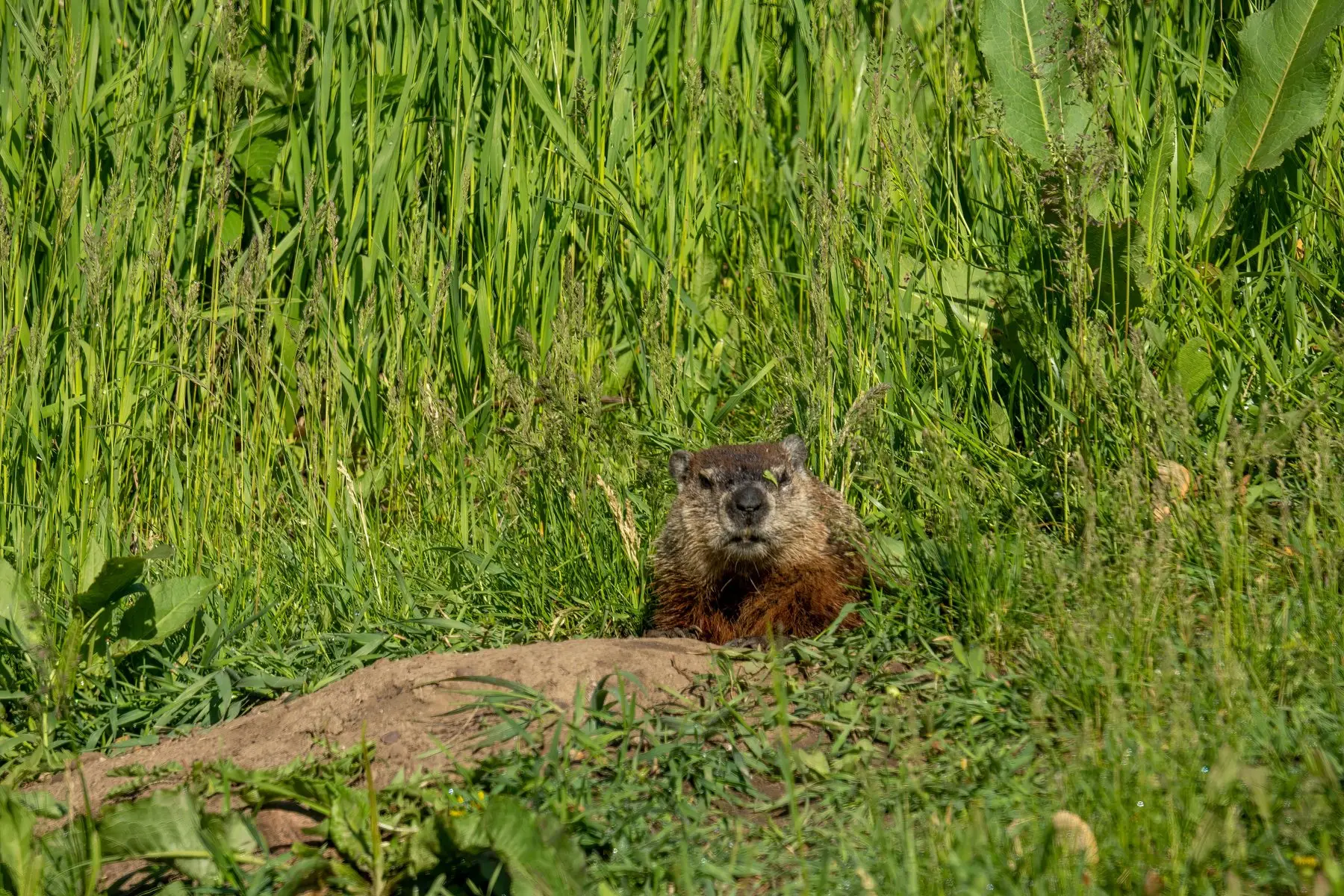
A groundhog under a shed moves a surprising amount of soil. How to tell if it is occupied, what it threatens structurally, and how to evict one legally.
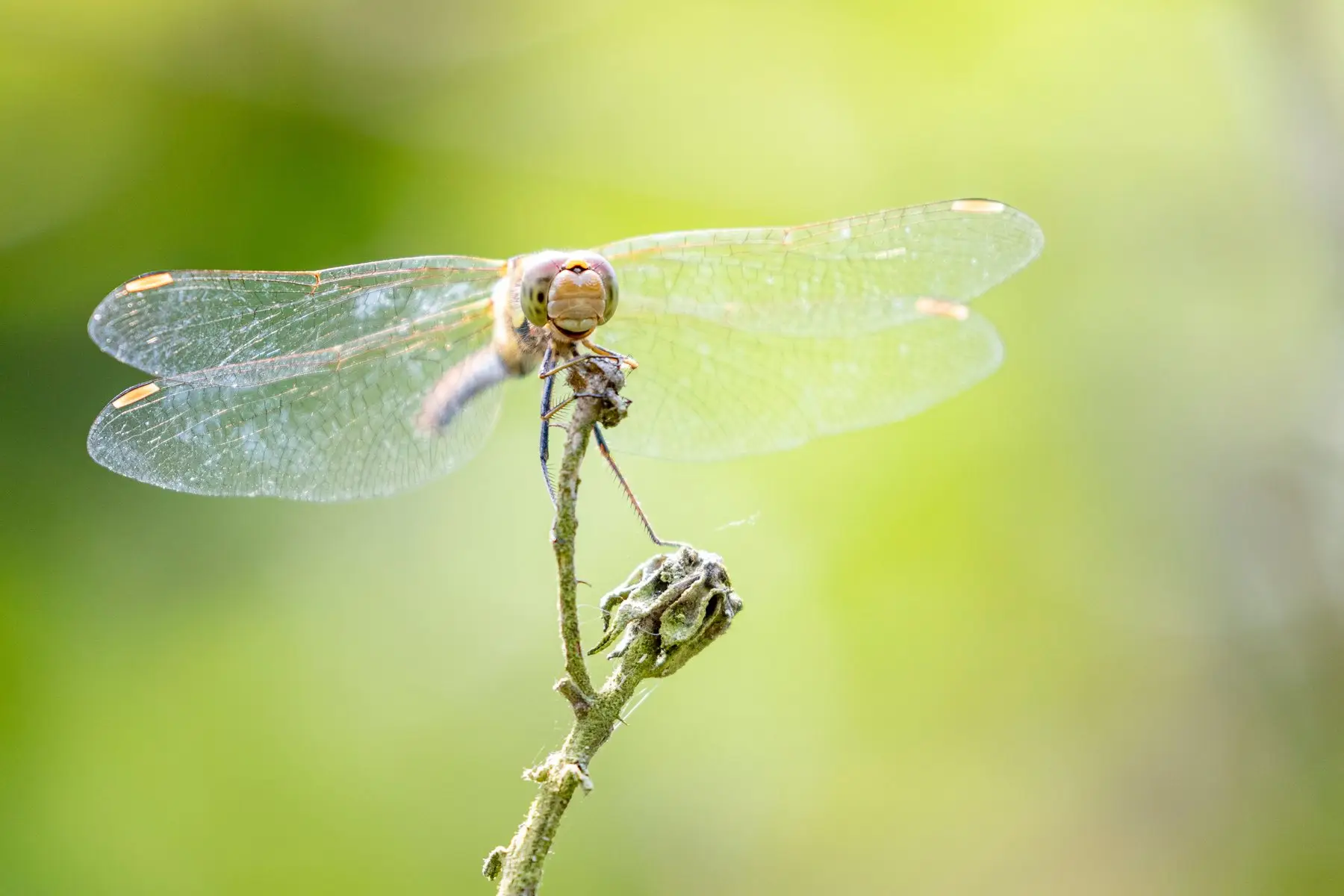
Dragonflies breed in water, so a yard with none starts at a disadvantage. What still works, what a container pond changes, and the honest limits.
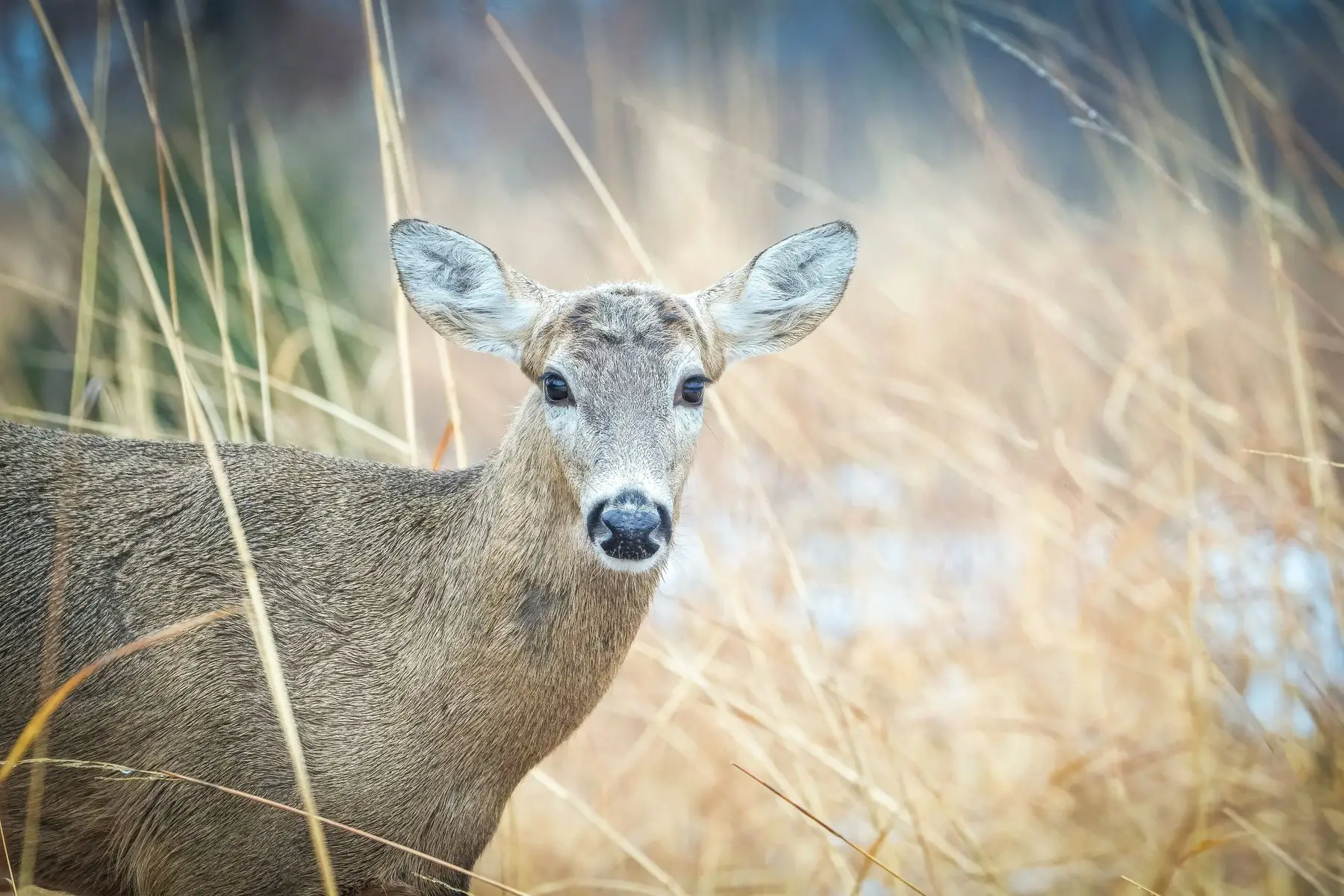
Ears back, hair raised, head low, a hard stare and a stiff-legged approach. The body language that precedes a charge, and what to do when you see it.
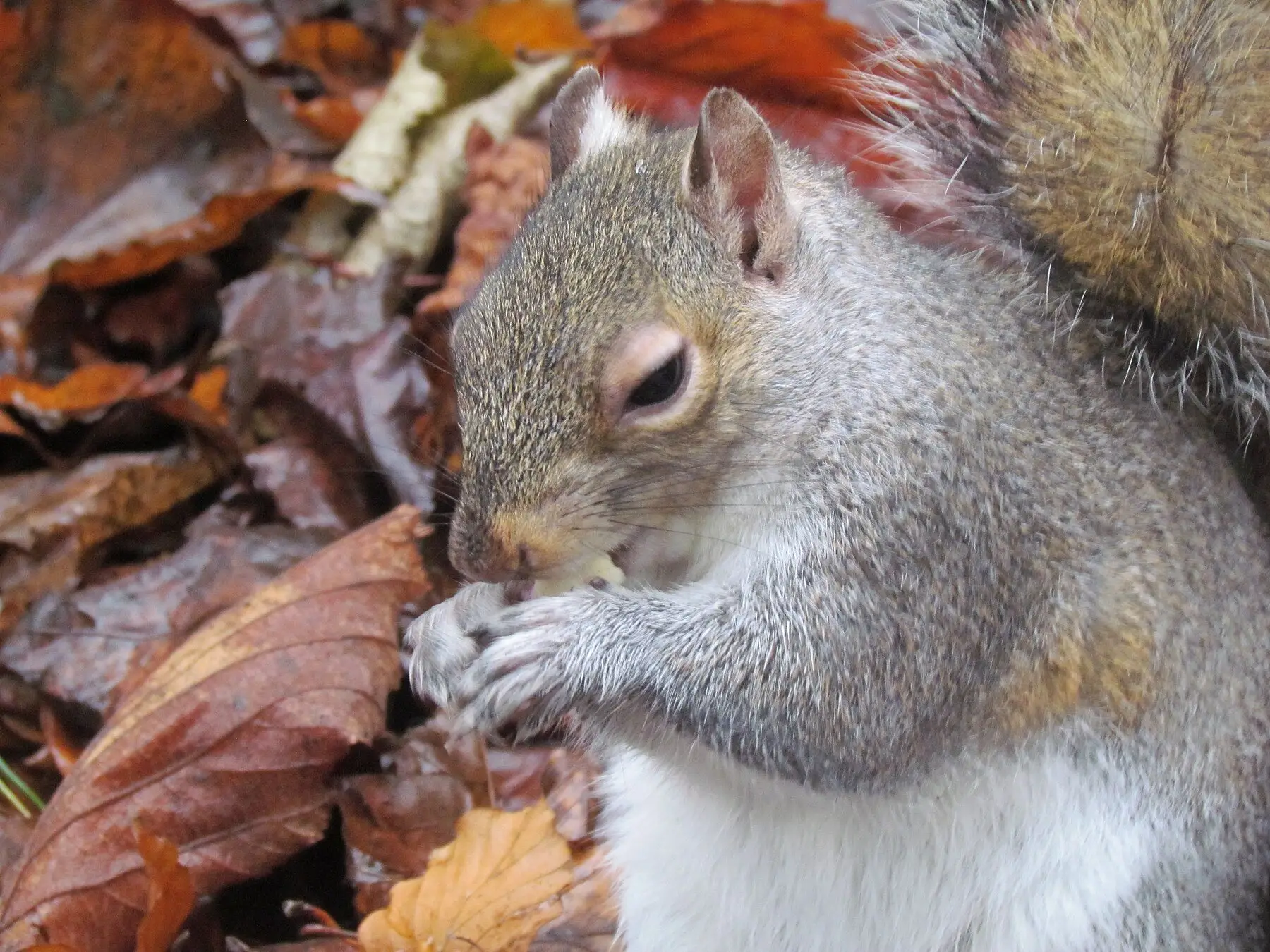
Cashews are not toxic to squirrels, but the calcium-to-phosphorus ratio is wrong and rehabbers treat them as junk food. What to feed instead.
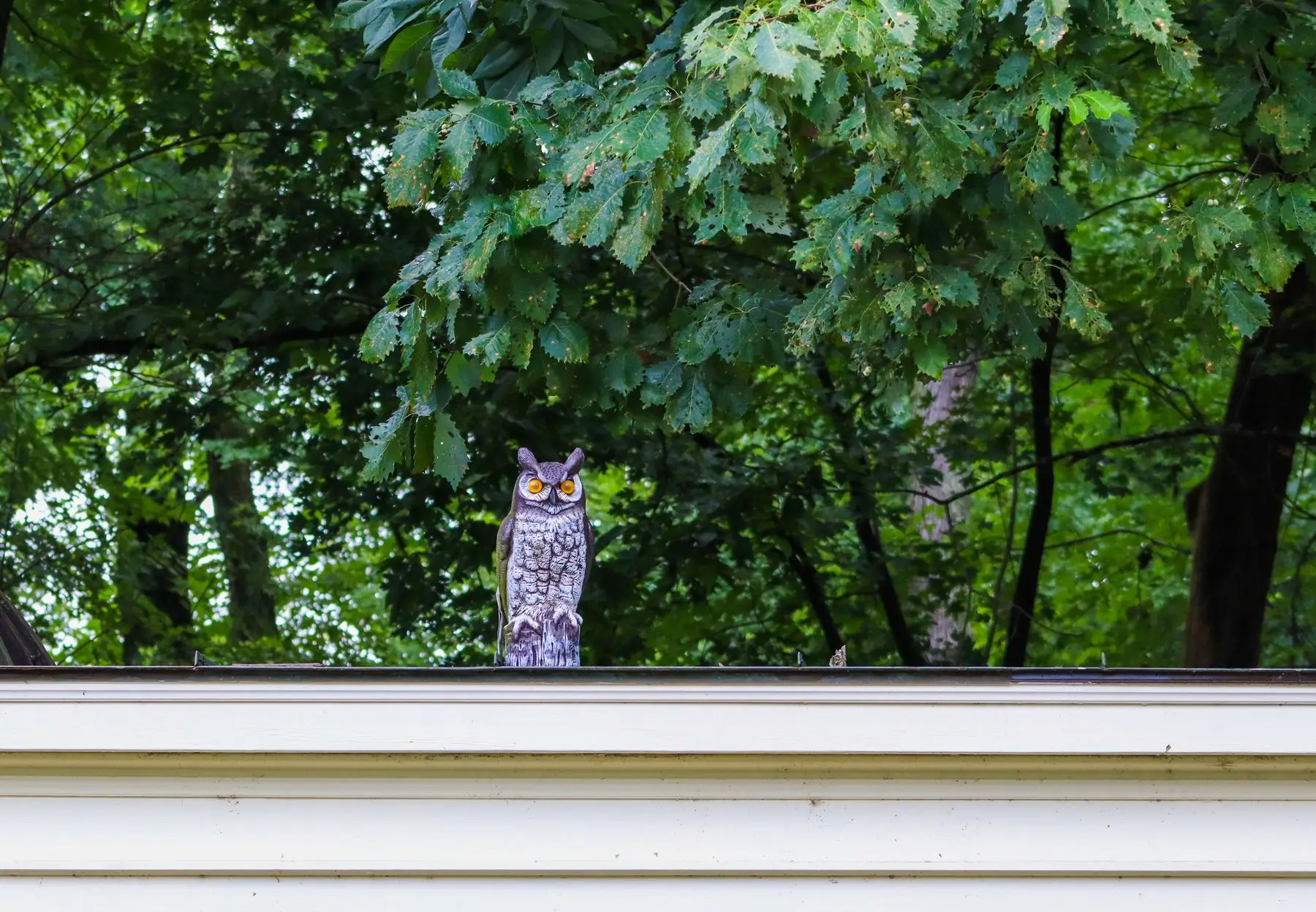
Plastic owls deter squirrels briefly, then get ignored or perched on. Why habituation beats the decoy, and what to do if you want to keep using one.
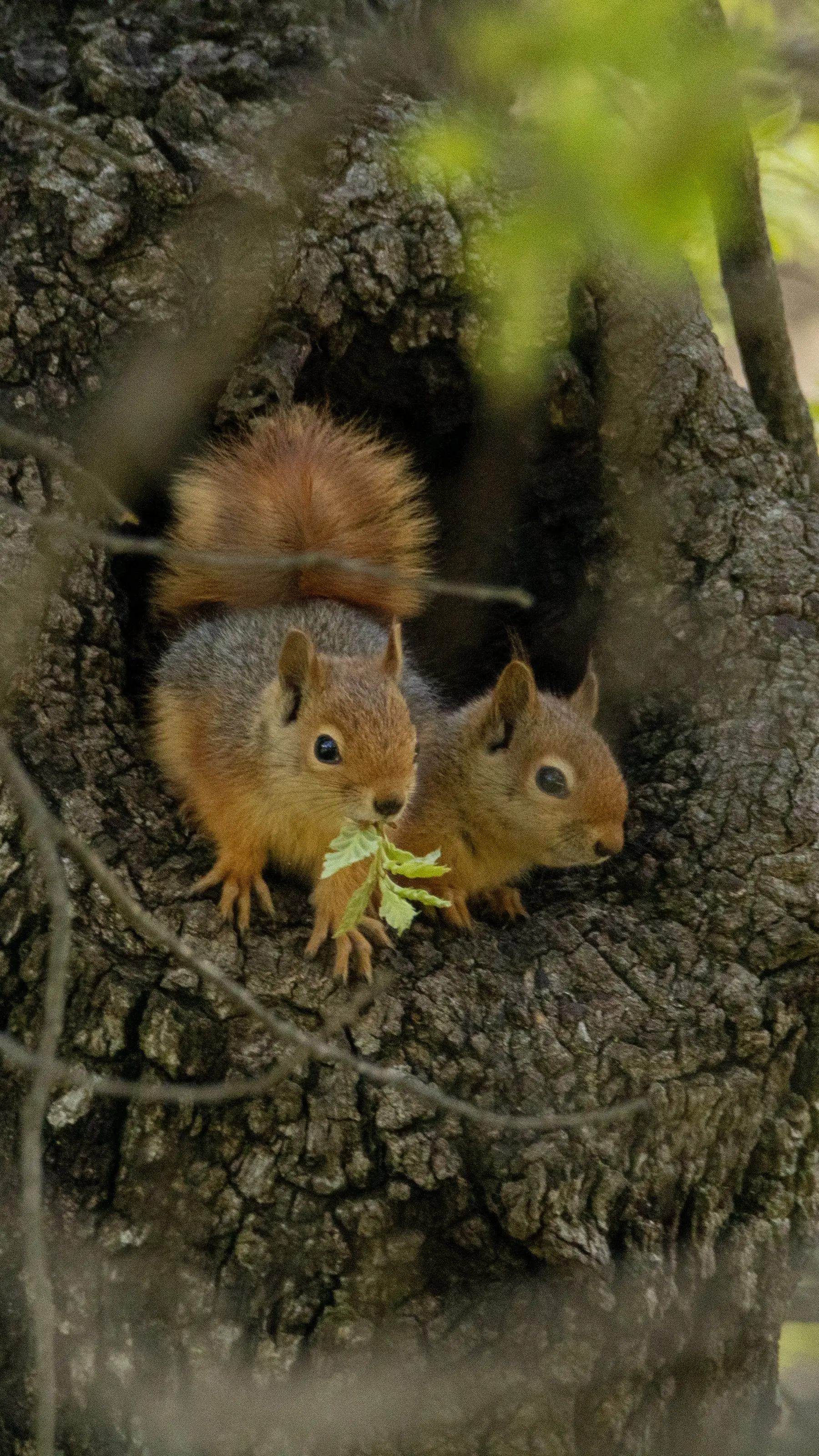
Grey squirrels maintain two or three dreys at once and rotate between them. Why they abandon one, and what happens if you disturb a nest with young.
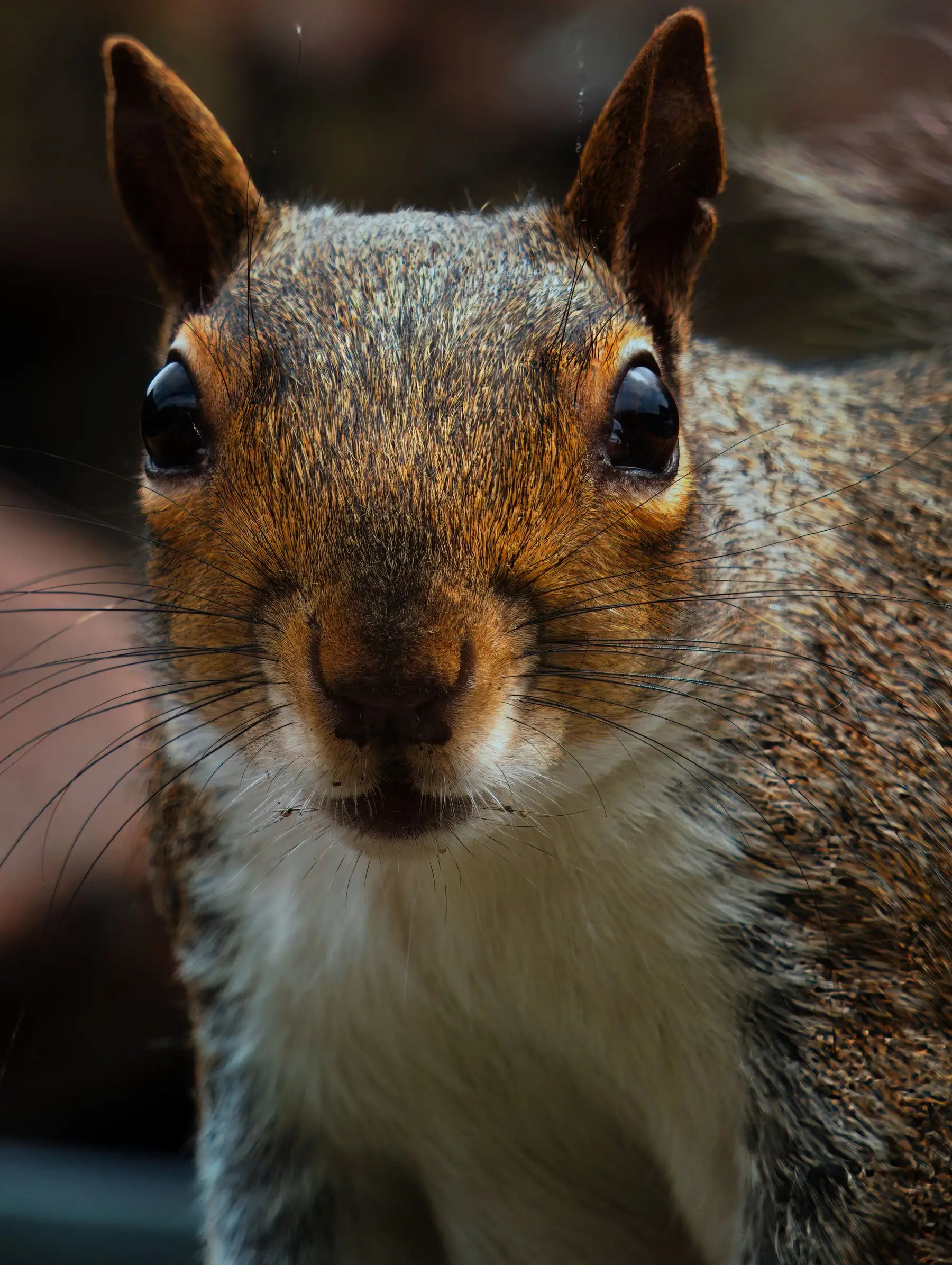
Squirrel vision is excellent for spotting movement and judging a jump, but they see only two colours. What that means for feeders and deterrents.
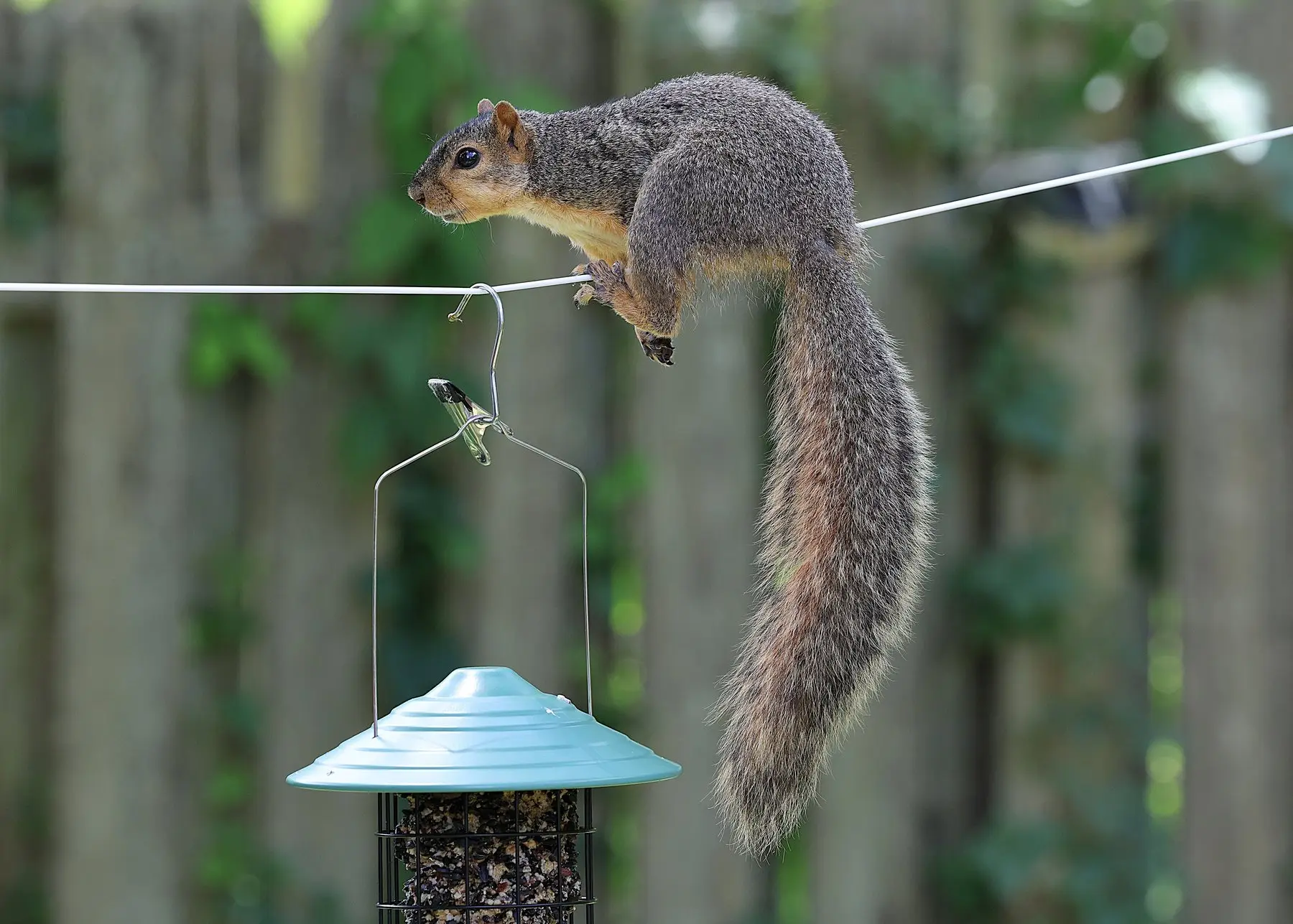
Peppermint oil is sold hard as a squirrel repellent. What it actually does, why squirrels stop caring within days, and the one approach that works.
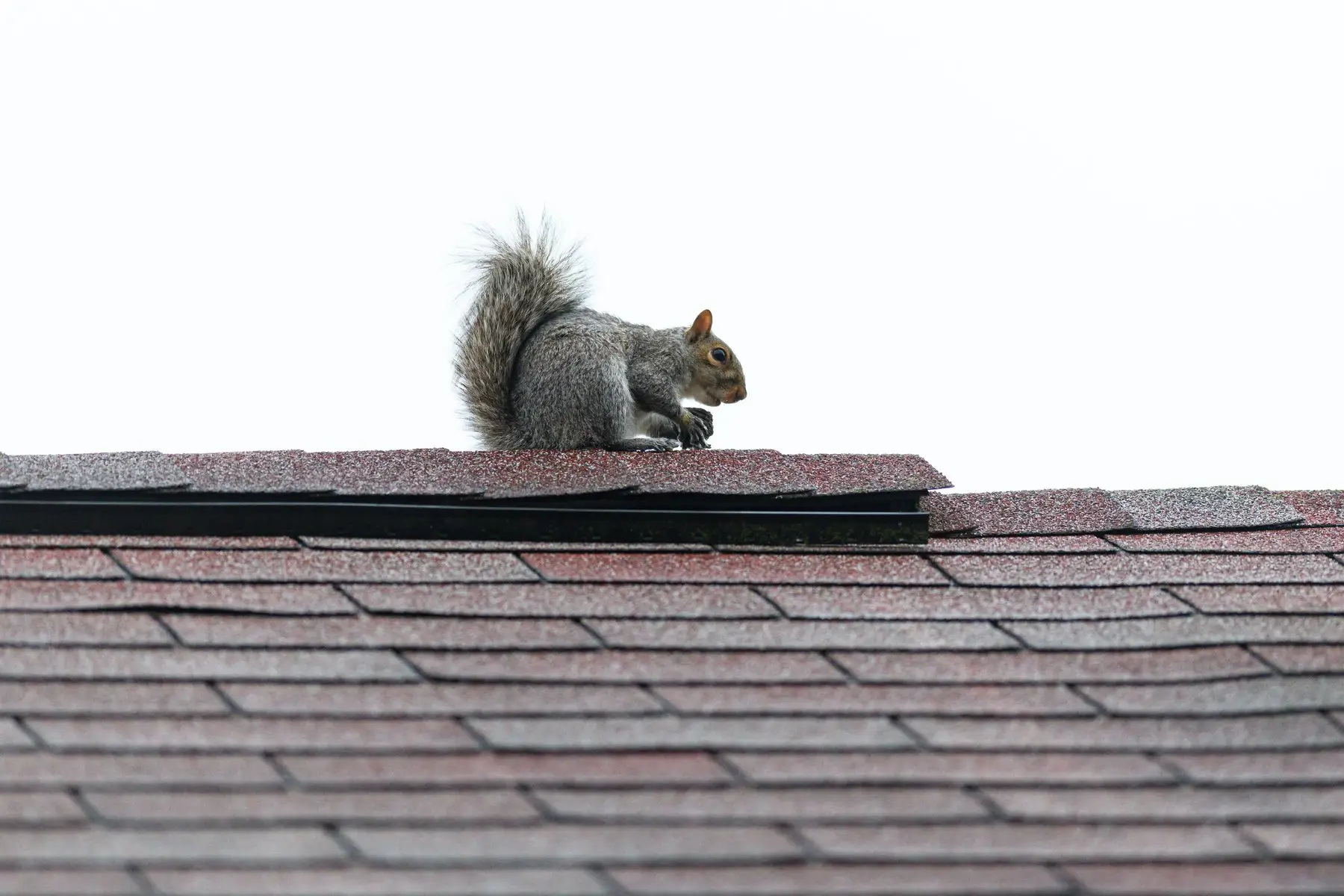
Relocated squirrels mostly die, and moving one is illegal in many places. The distances people quote, why they fail, and what to do instead.
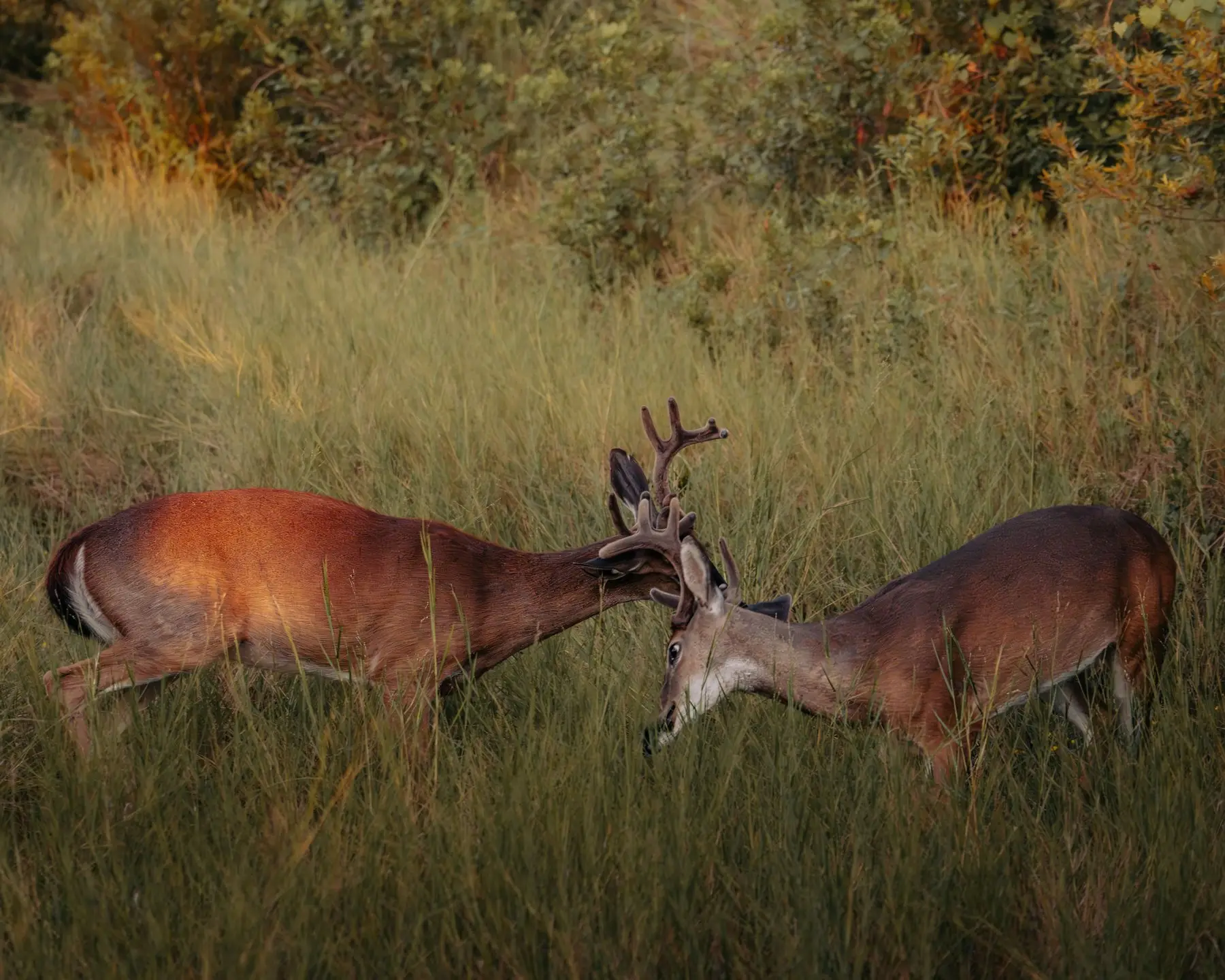
The snort-wheeze is an aggressive buck call, not an alarm. How to tell it from the alarm blow, when you hear each, and what the deer does next.
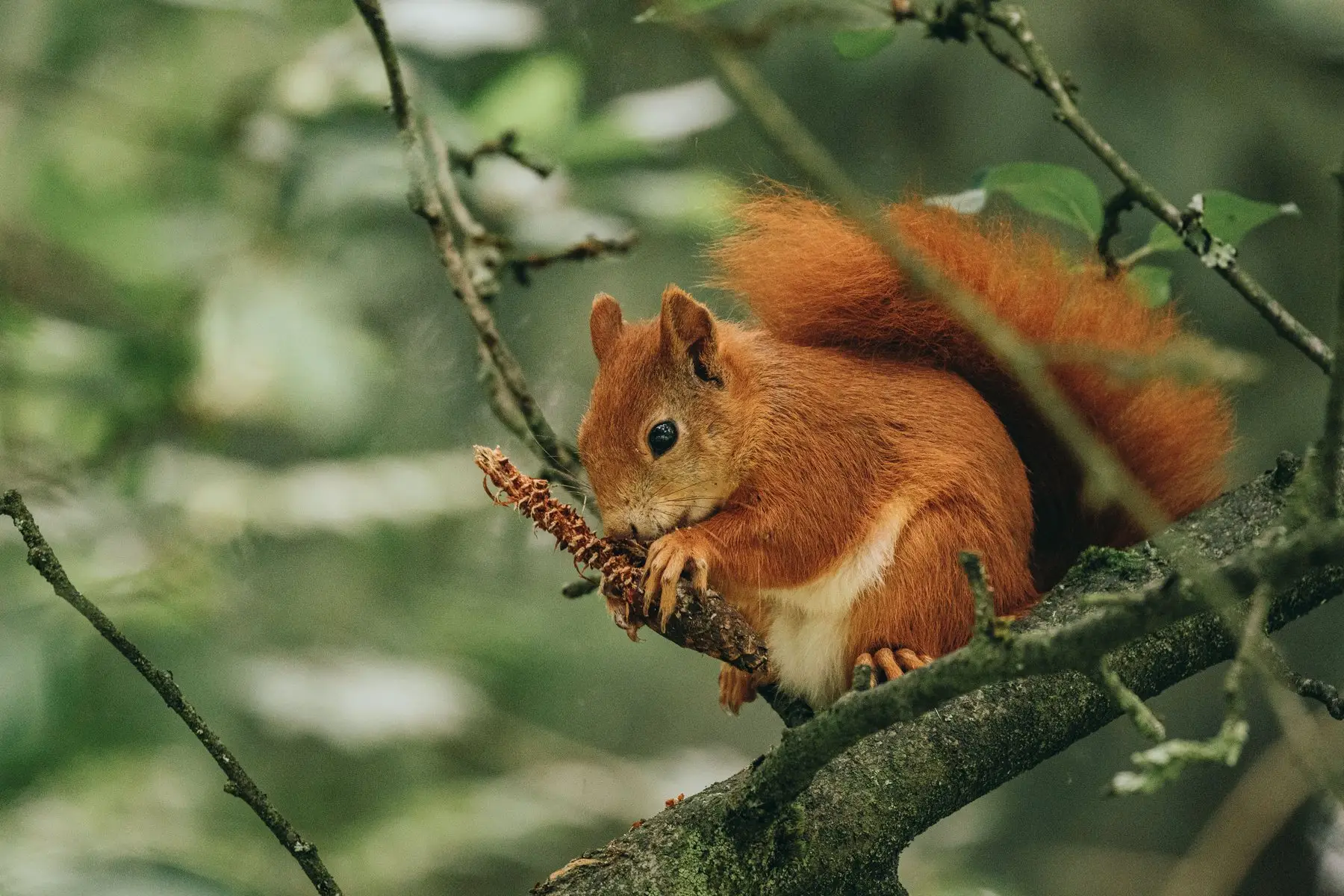
Squirrel incisors grow continuously and must be worn down. Why cable is the right shape and hardness for the job, and how to protect wiring properly.
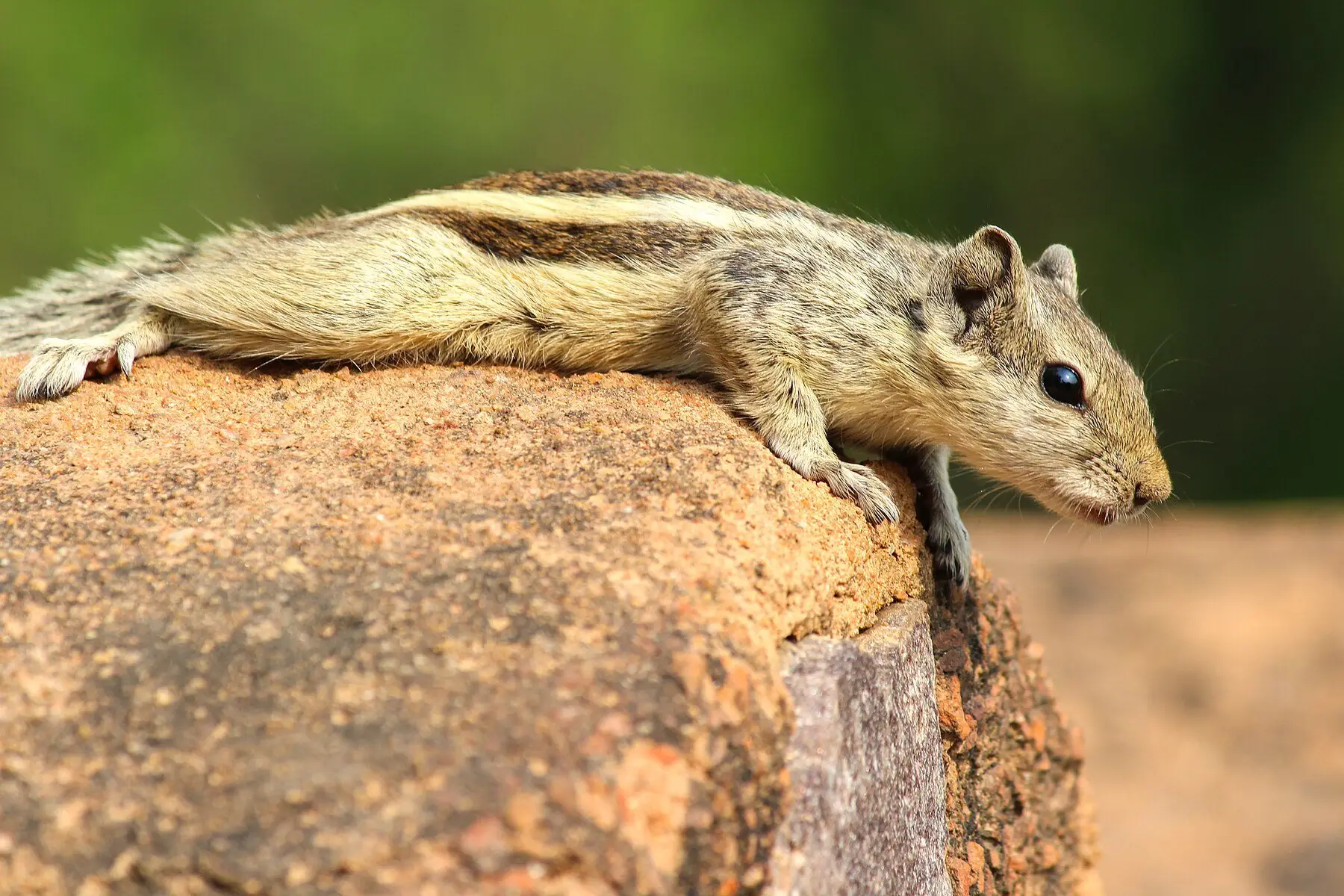
A squirrel lying flat with its legs spread is usually dumping heat into a cool surface. How to tell normal splooting from a squirrel in real trouble.
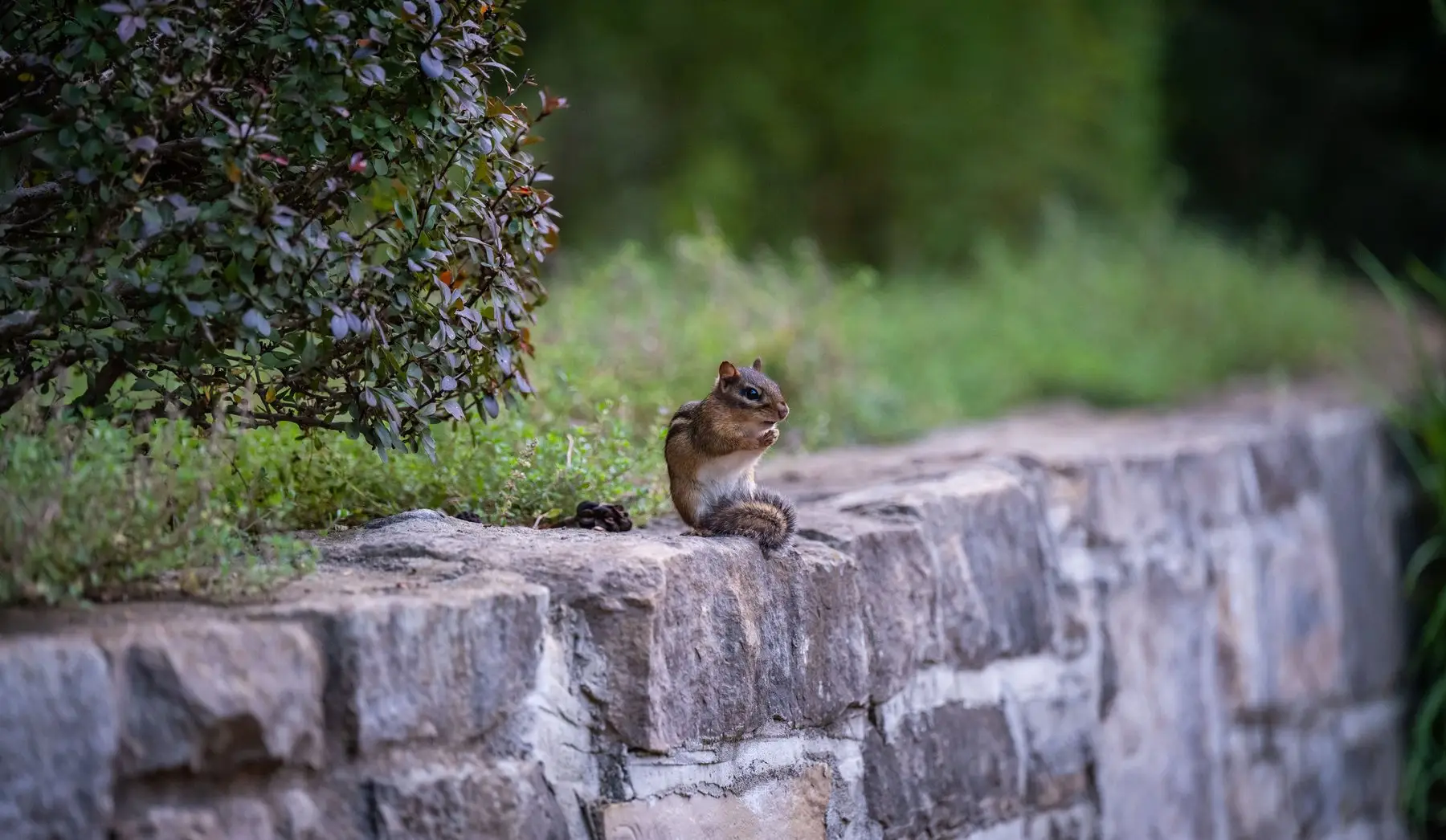
Chipmunks are harmless in small numbers and useful seed dispersers. The real risk is burrowing under a patio, foundation or retaining wall.
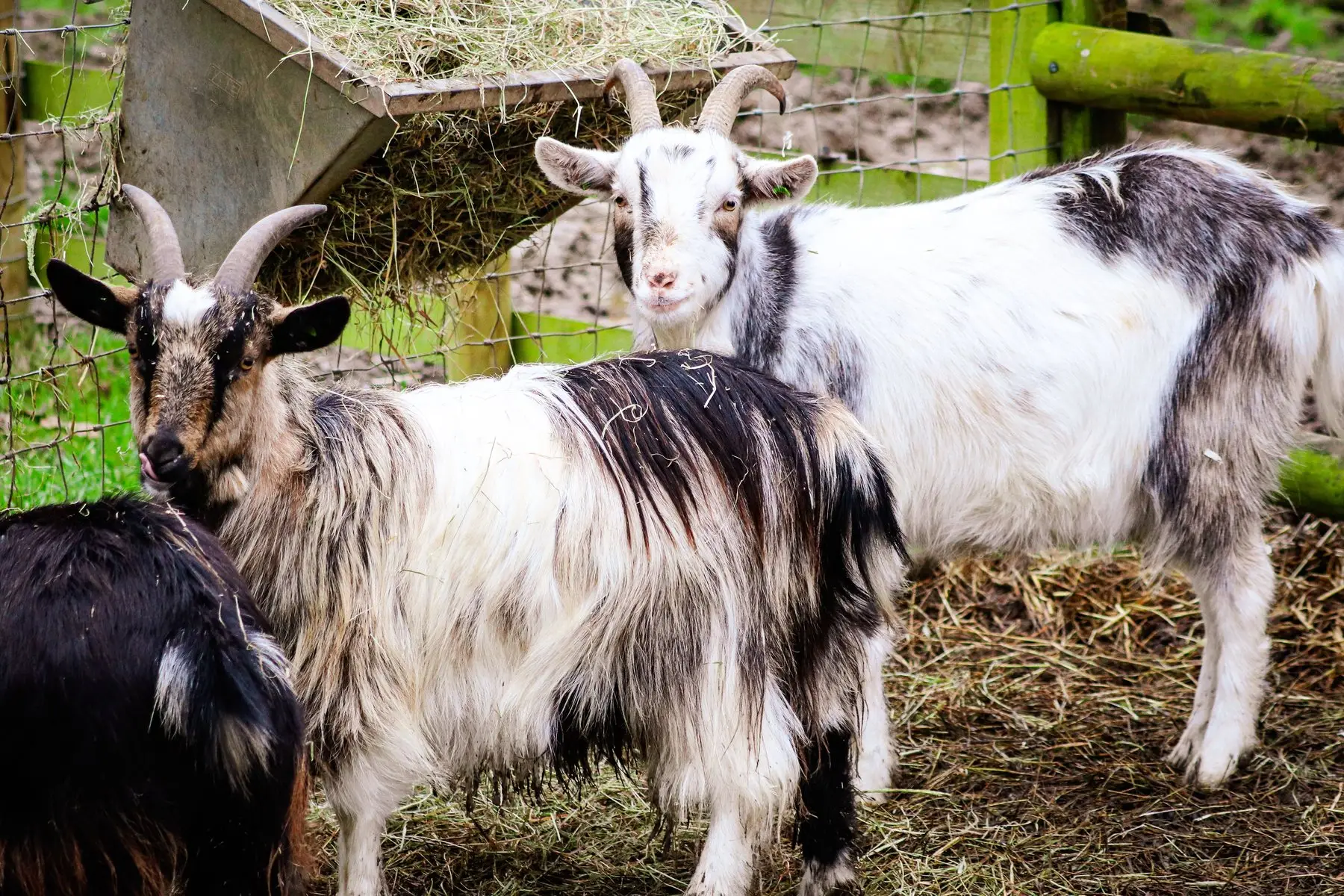
Zoning, minimum lot size and pet limits decide it before anything else — and goats are herd animals, so the answer is never one goat.
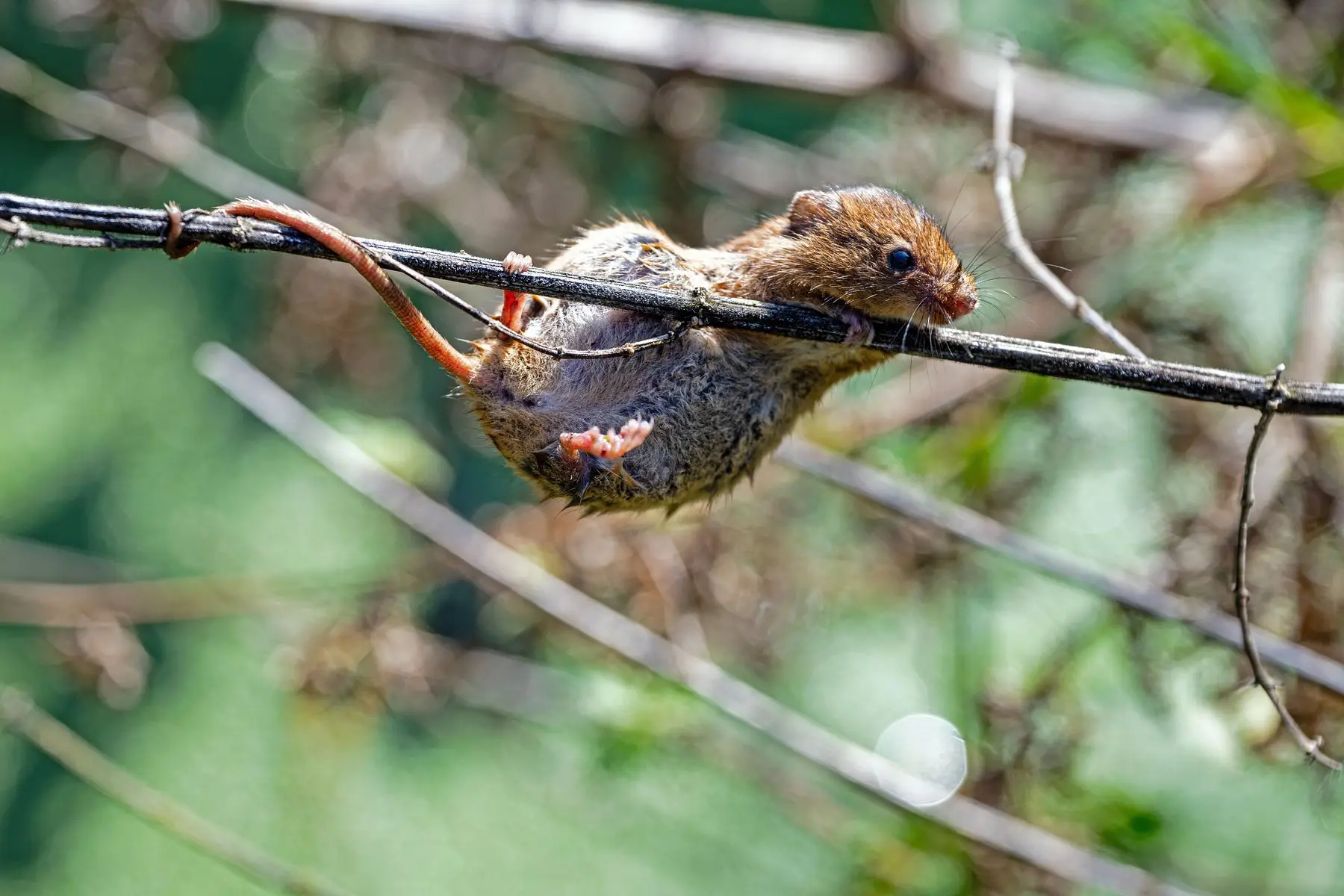
House mice and deer mice climb well, and deer mice nest in trees by preference. What that means for bird boxes, sheds and fruit trees.
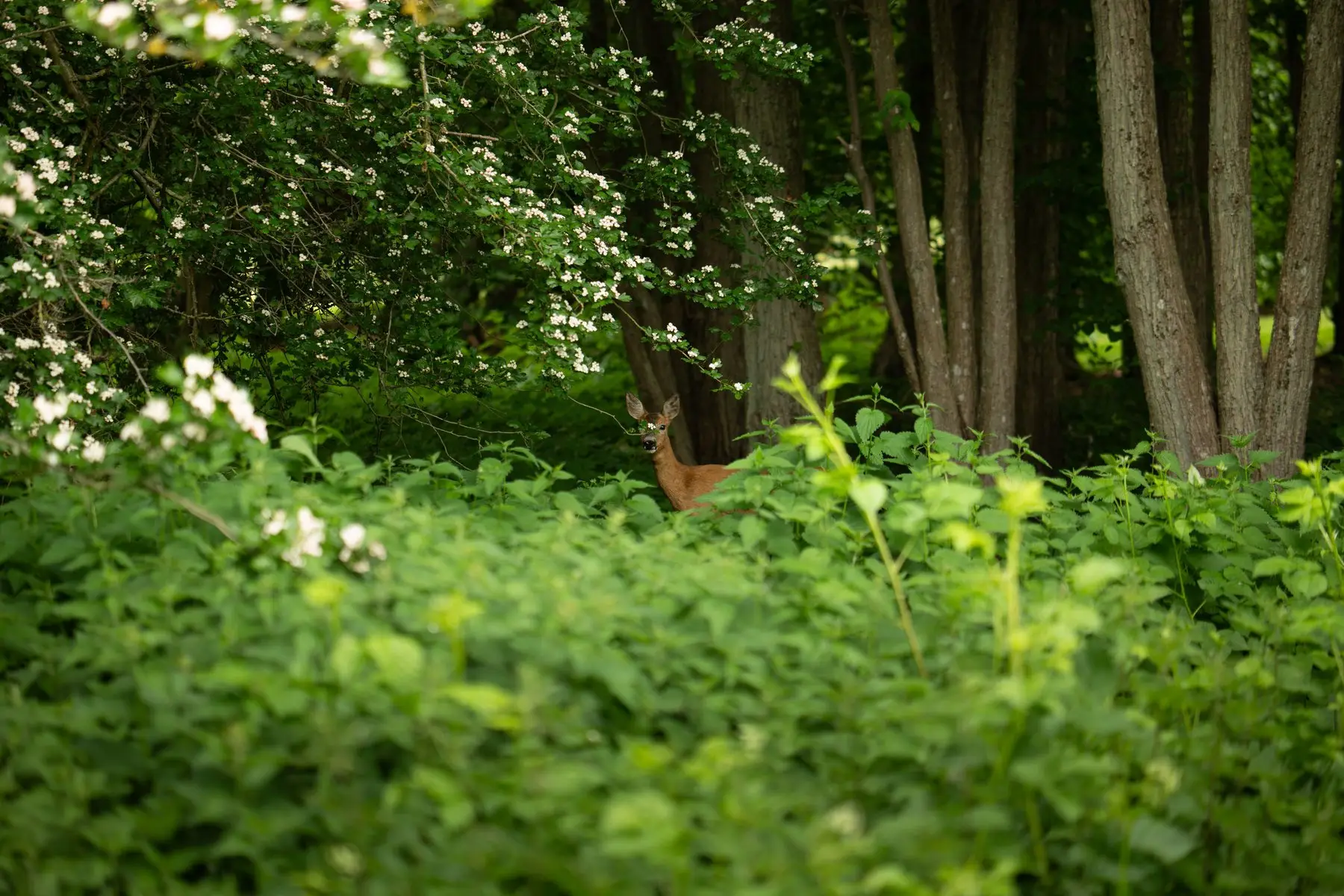
Summer deer shift to dense cover and feed at dawn and dusk to avoid heat and flies. They rarely leave — you are just seeing them less.
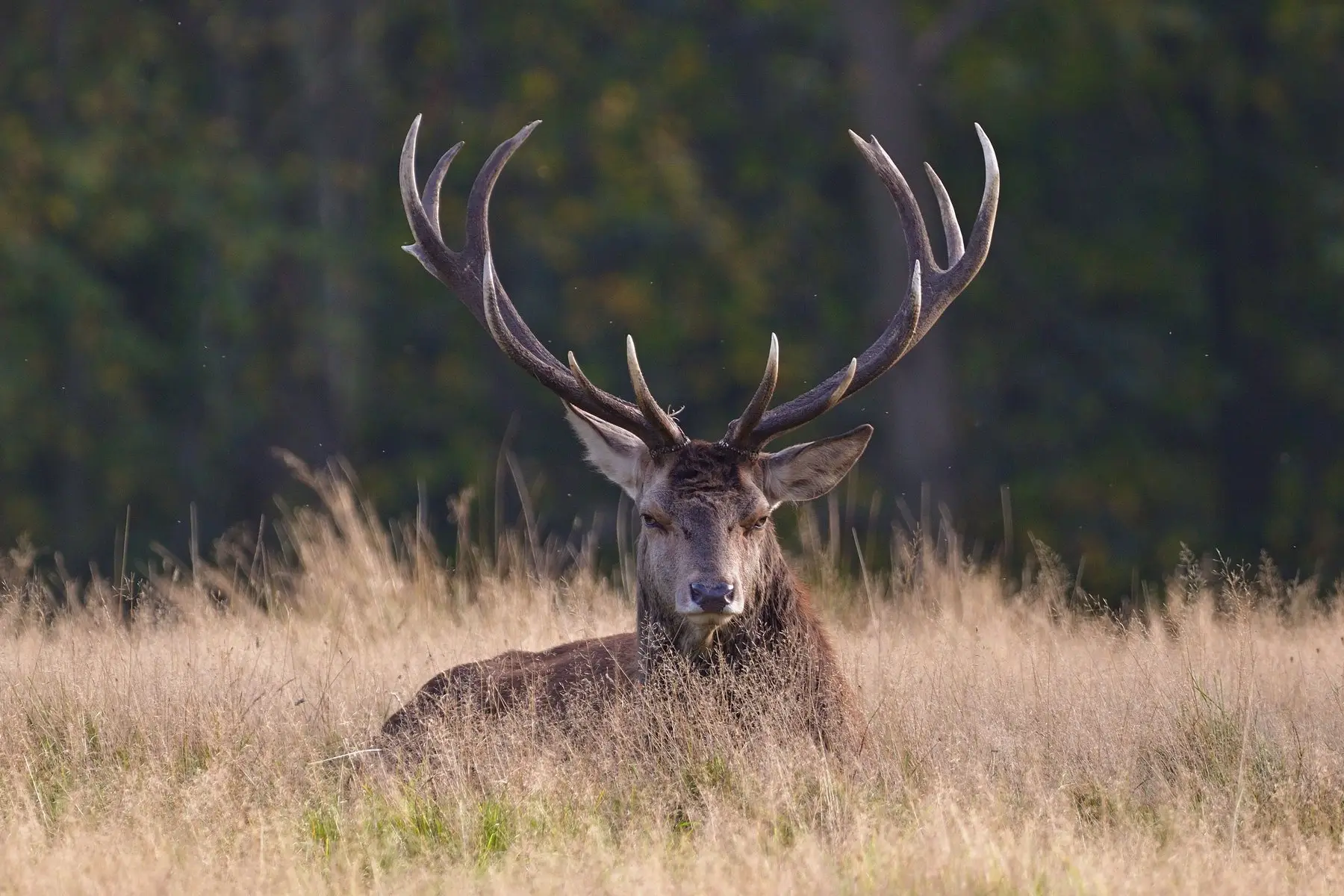
Deer bed in yards because suburbs have food, cover and almost no predators. Repeated bedding means they've decided your garden is low risk.
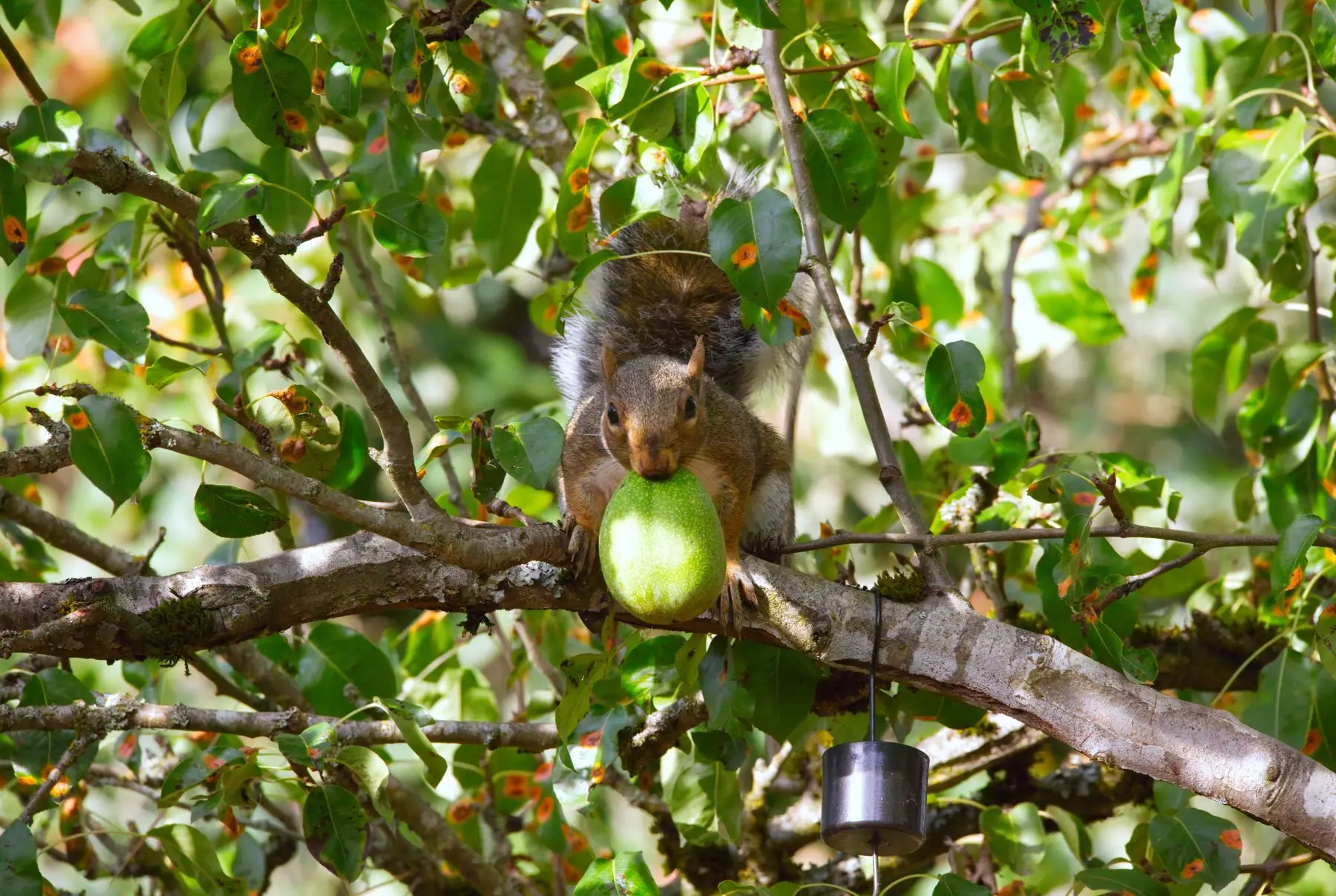
Bananas are not toxic to squirrels and they take them eagerly — but they are sugar with almost no calcium, which is the diet problem rehabbers see.
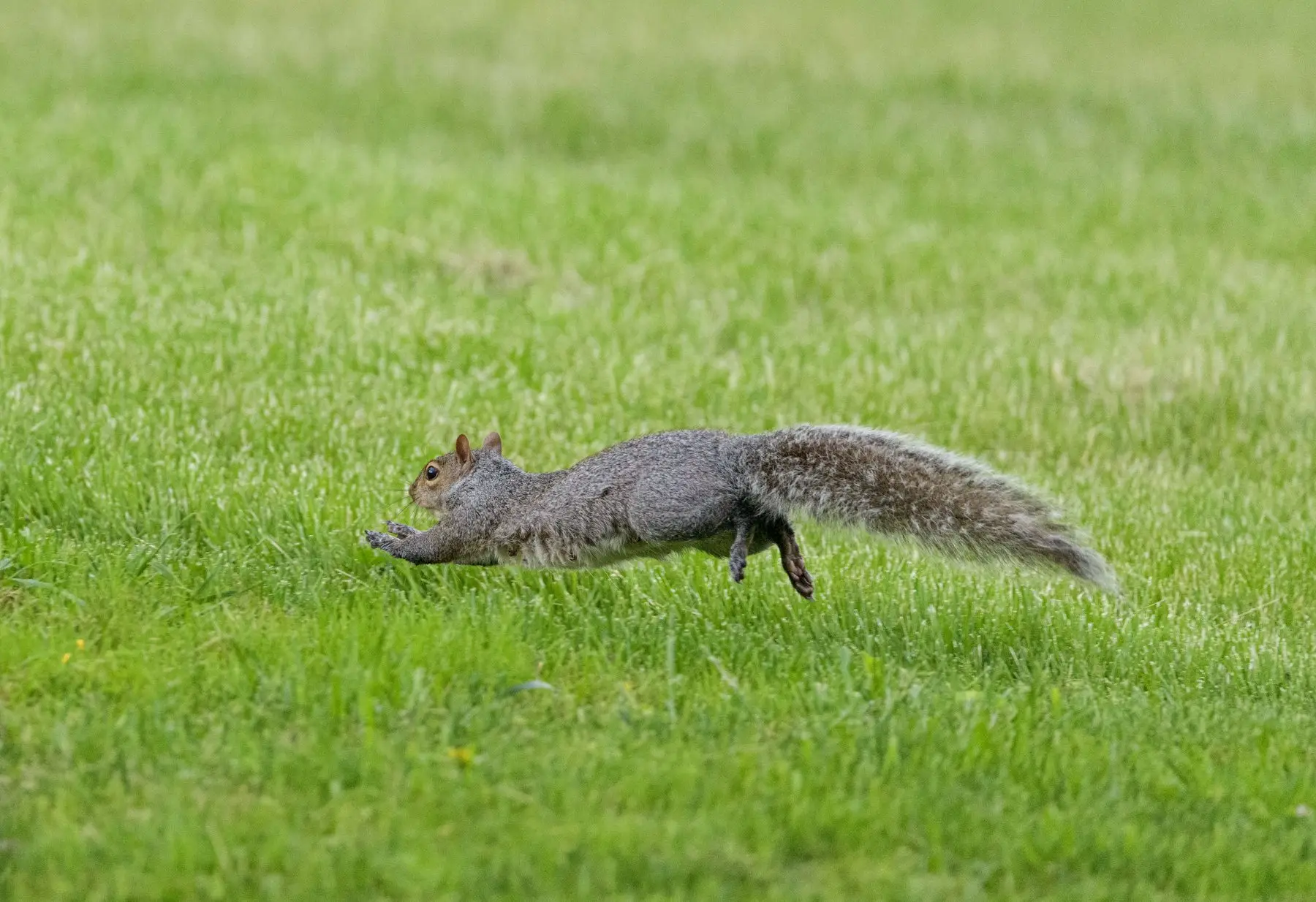
Grey squirrels top out around 12–15 mph, fox squirrels a little higher, and ground squirrels near 20. Why the sprint matters less than the turning.
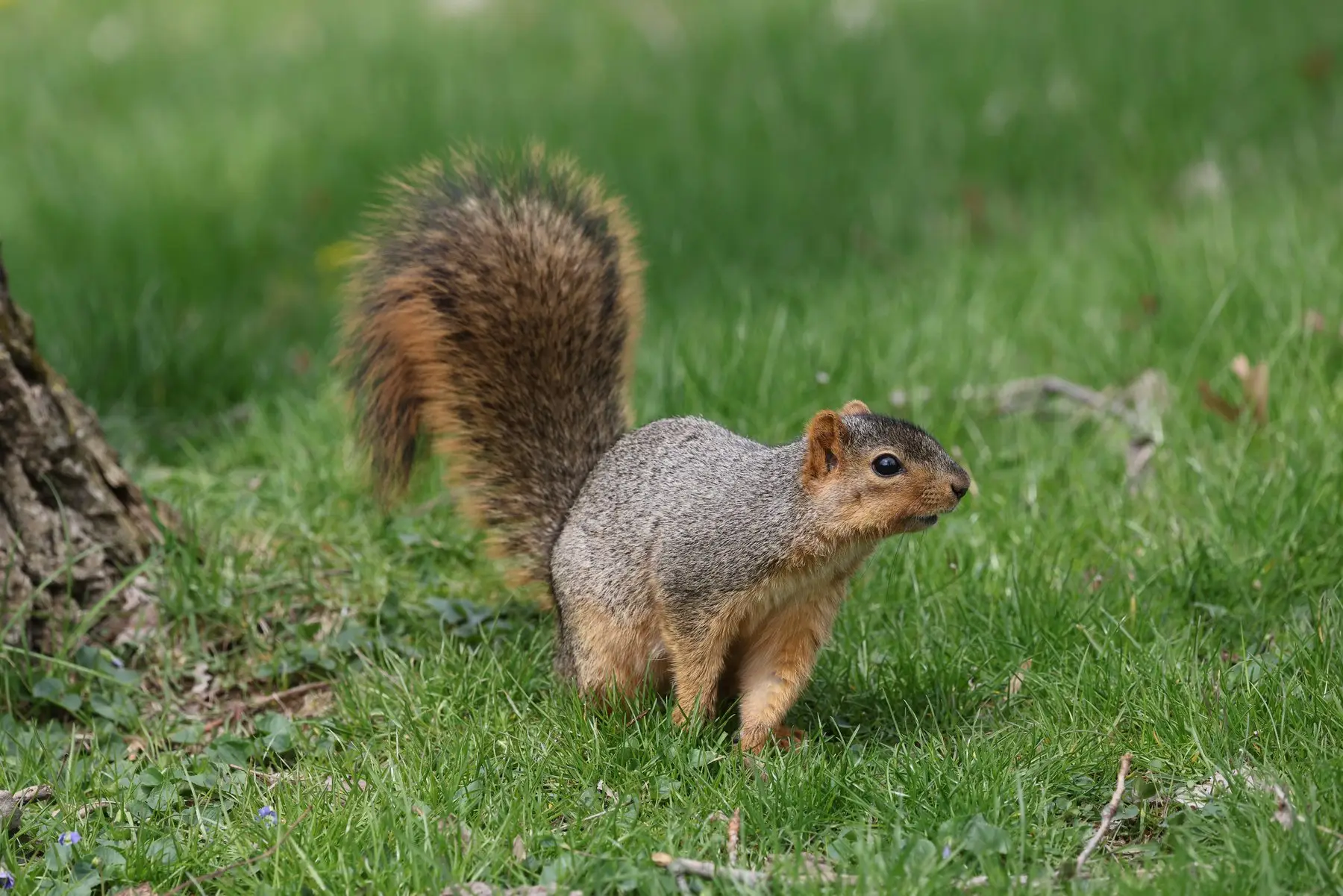
Tail flagging is mostly a warning — to predators that they've been seen, and to other squirrels. It also signals frustration and territory.
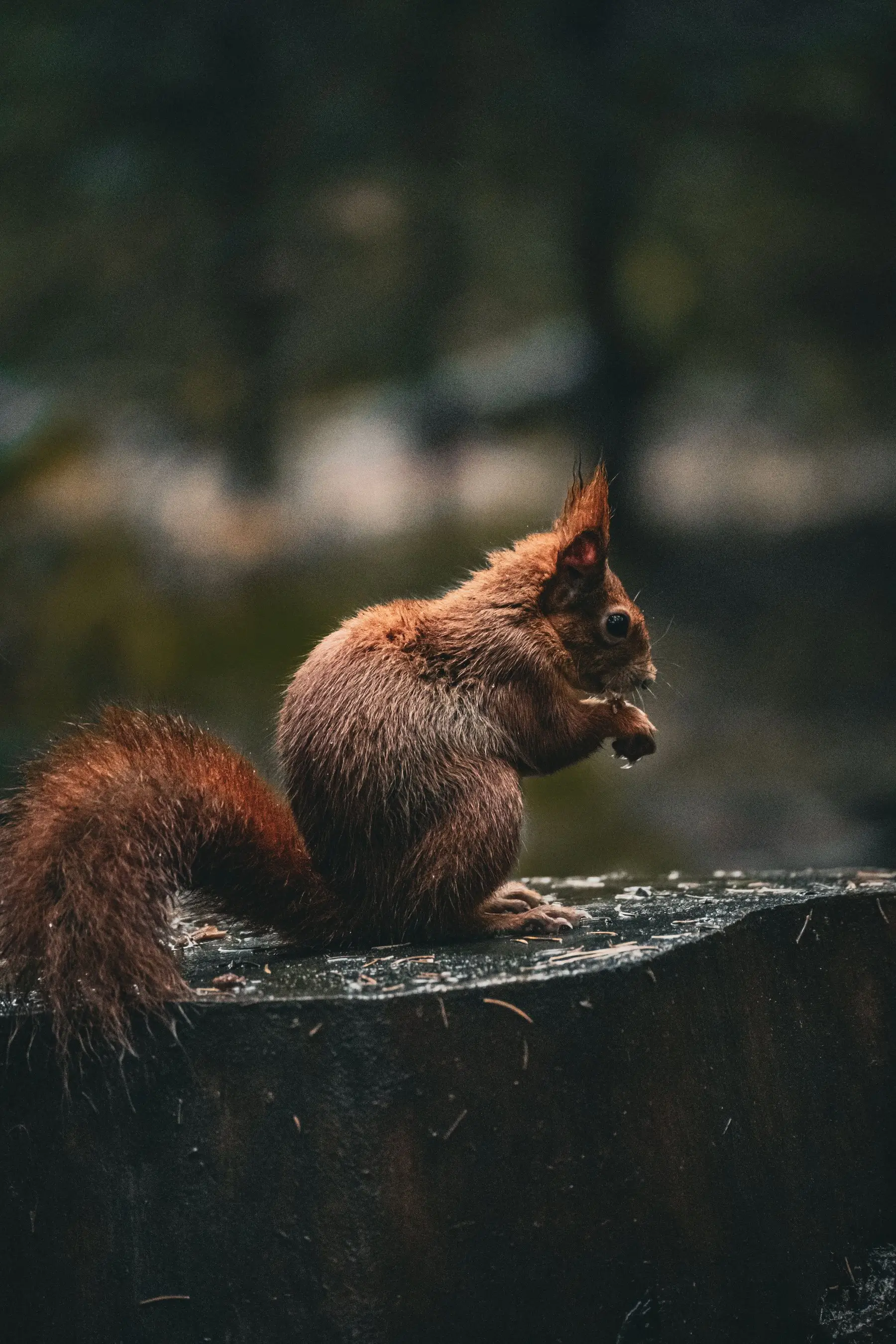
Light rain barely stops a squirrel — they carry on foraging and use the tail as an umbrella. What actually drives them into a drey, and when to worry.
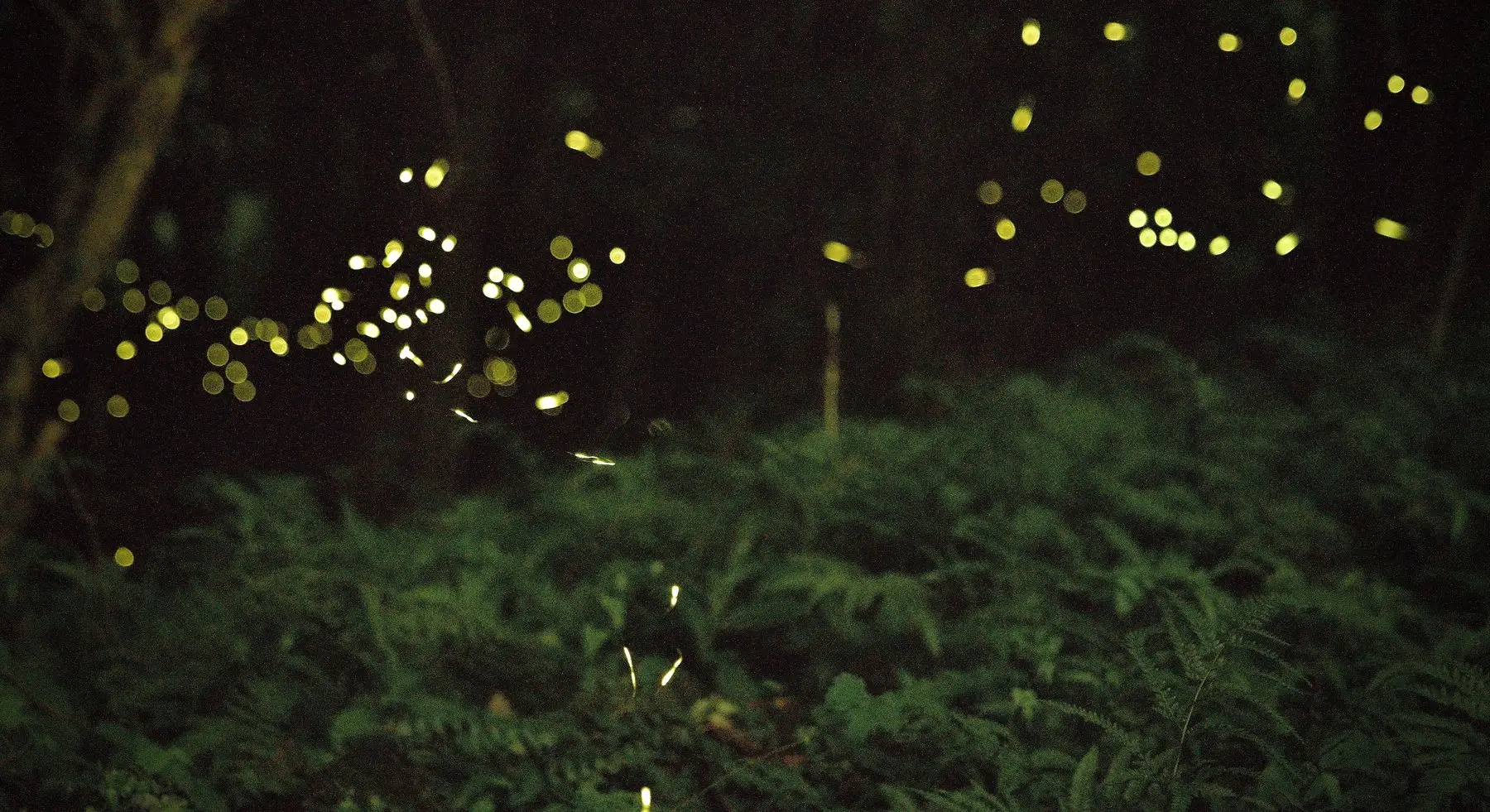
Fireflies need unlit, undisturbed, damp ground with leaf litter and long grass. What actually draws them in, and why porch lights drive them out.
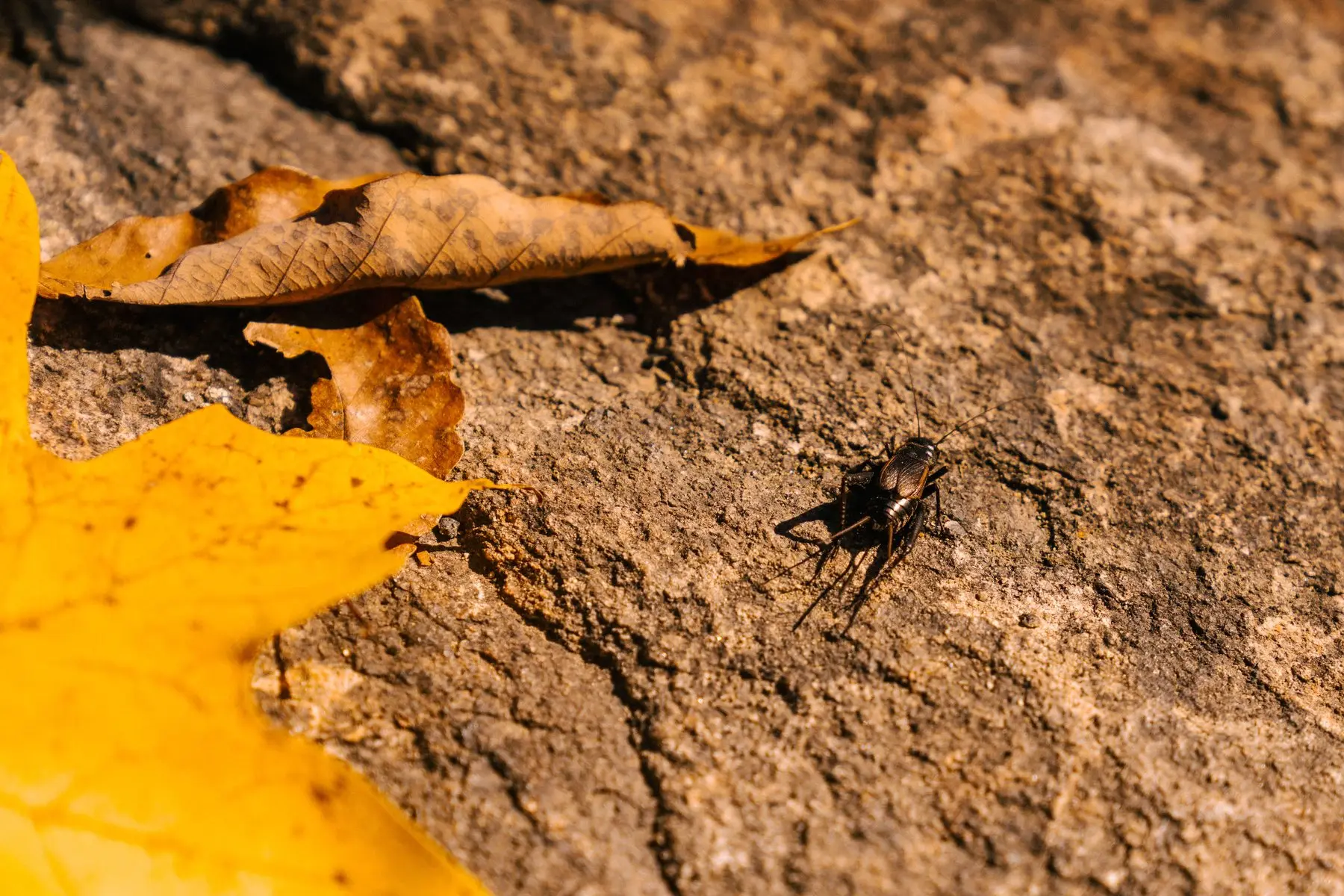
Crickets chirp at night to attract females and warn off rivals, by rubbing their wings together. Why it stops when you approach, and how to quiet one indoors.
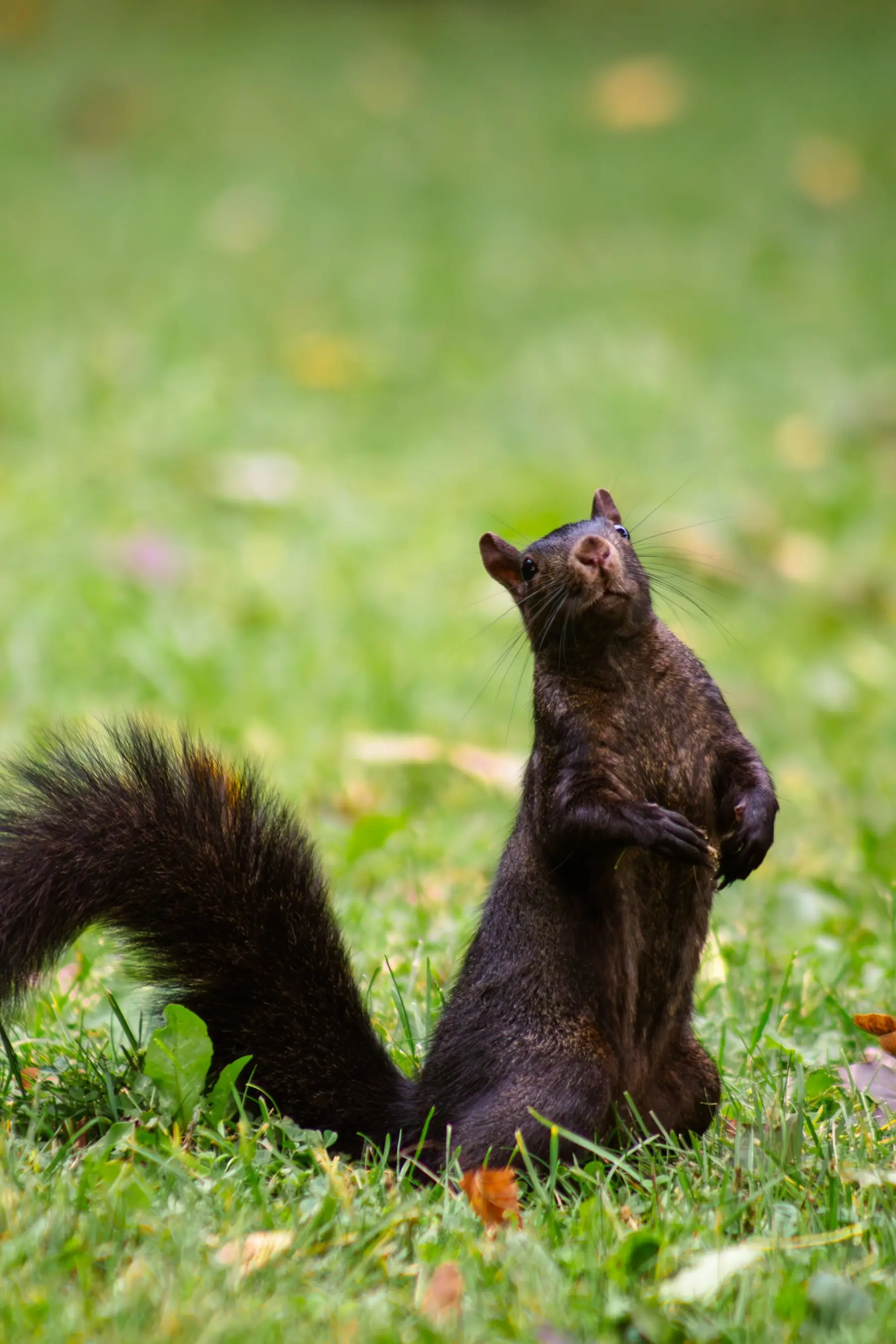
Black squirrels are grey squirrels with a pigment variant, not a separate species. Why they cluster in particular towns and what the colour buys them.
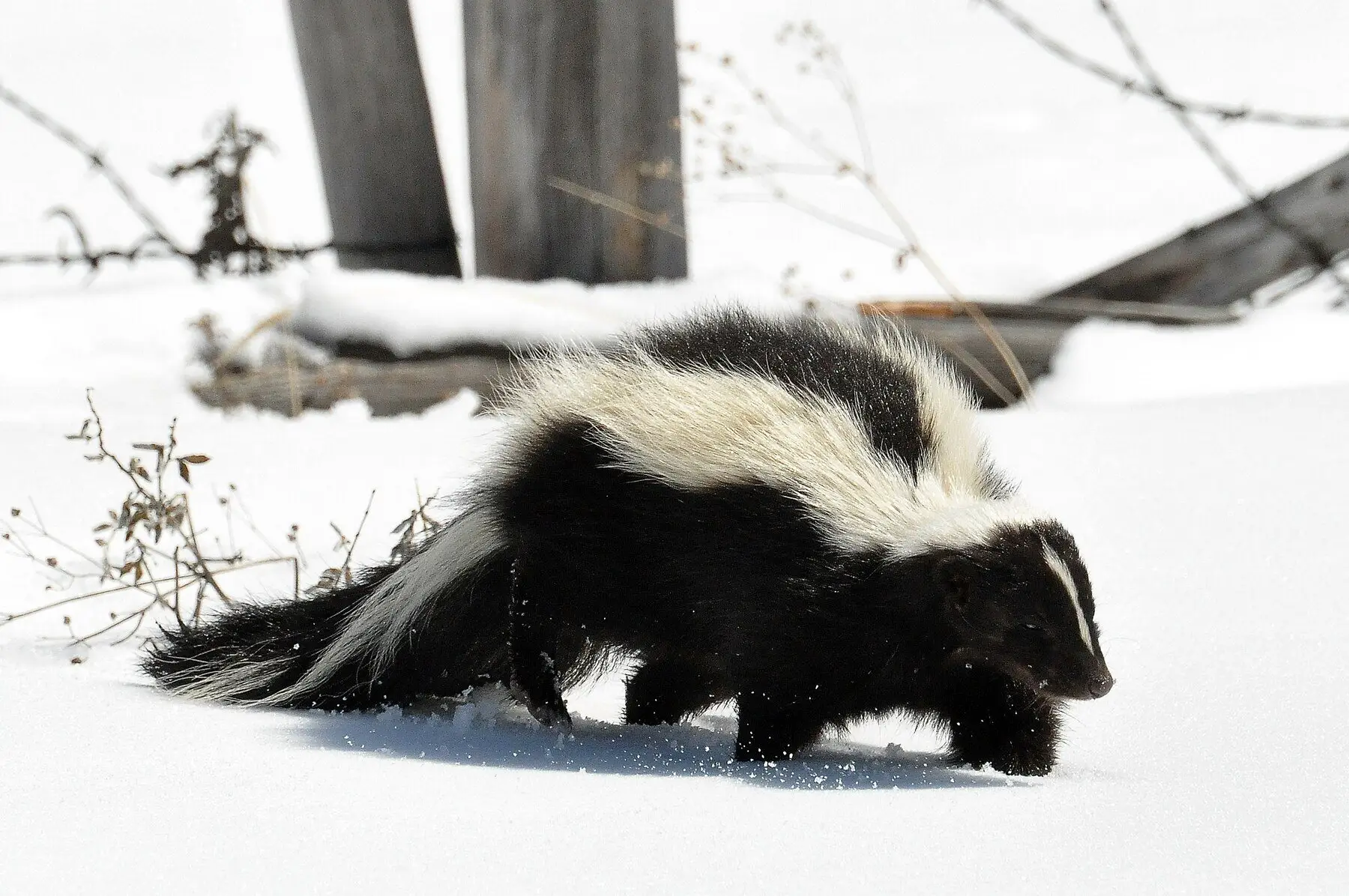
Skunks climb stairs, low walls and ramps easily but are poor at anything vertical. What that means for decks, porches and getting one back out.
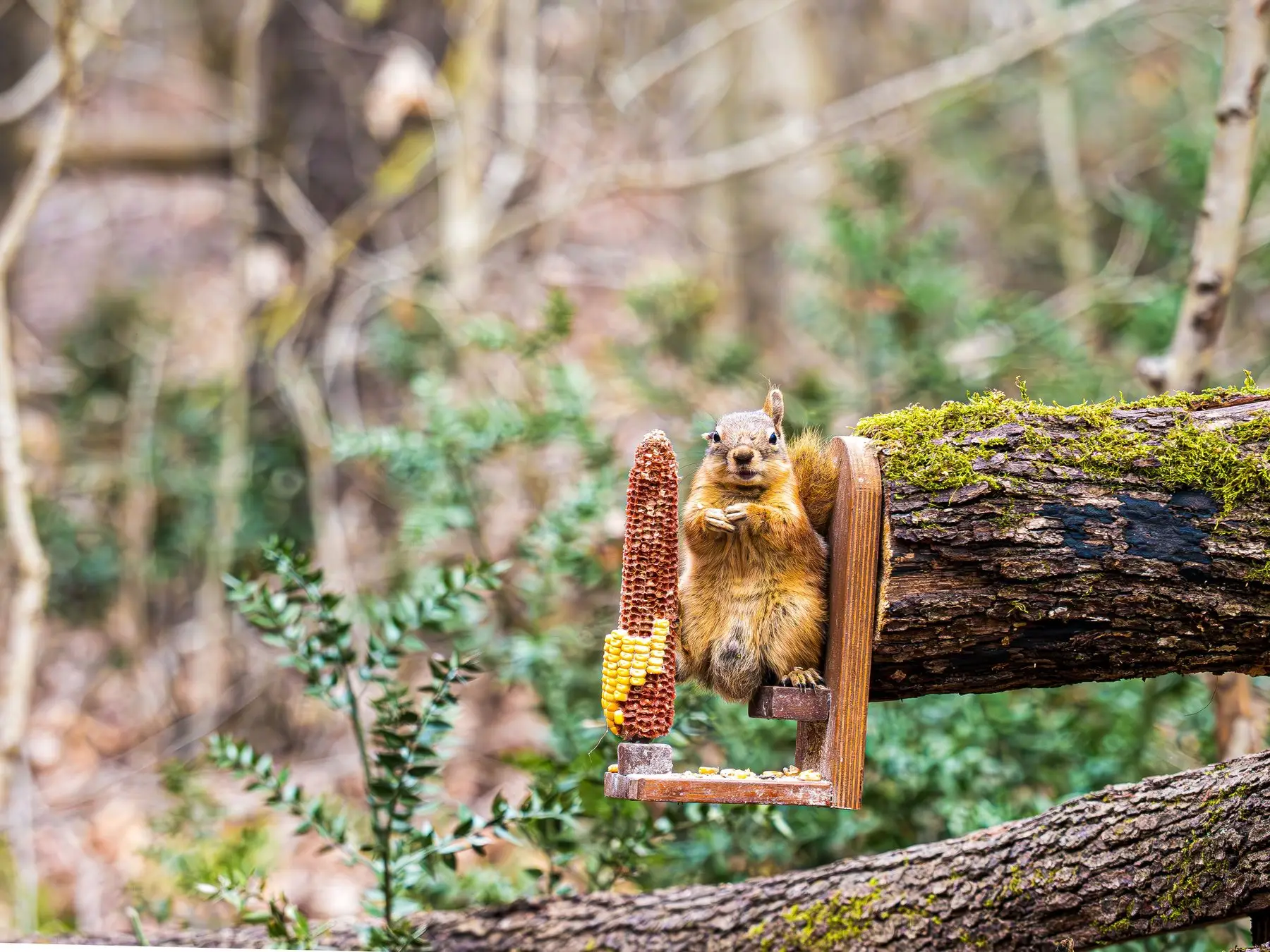
Corn is safe but close to junk food for a squirrel, and a bag left damp grows a mould that kills. What it does and does not provide.
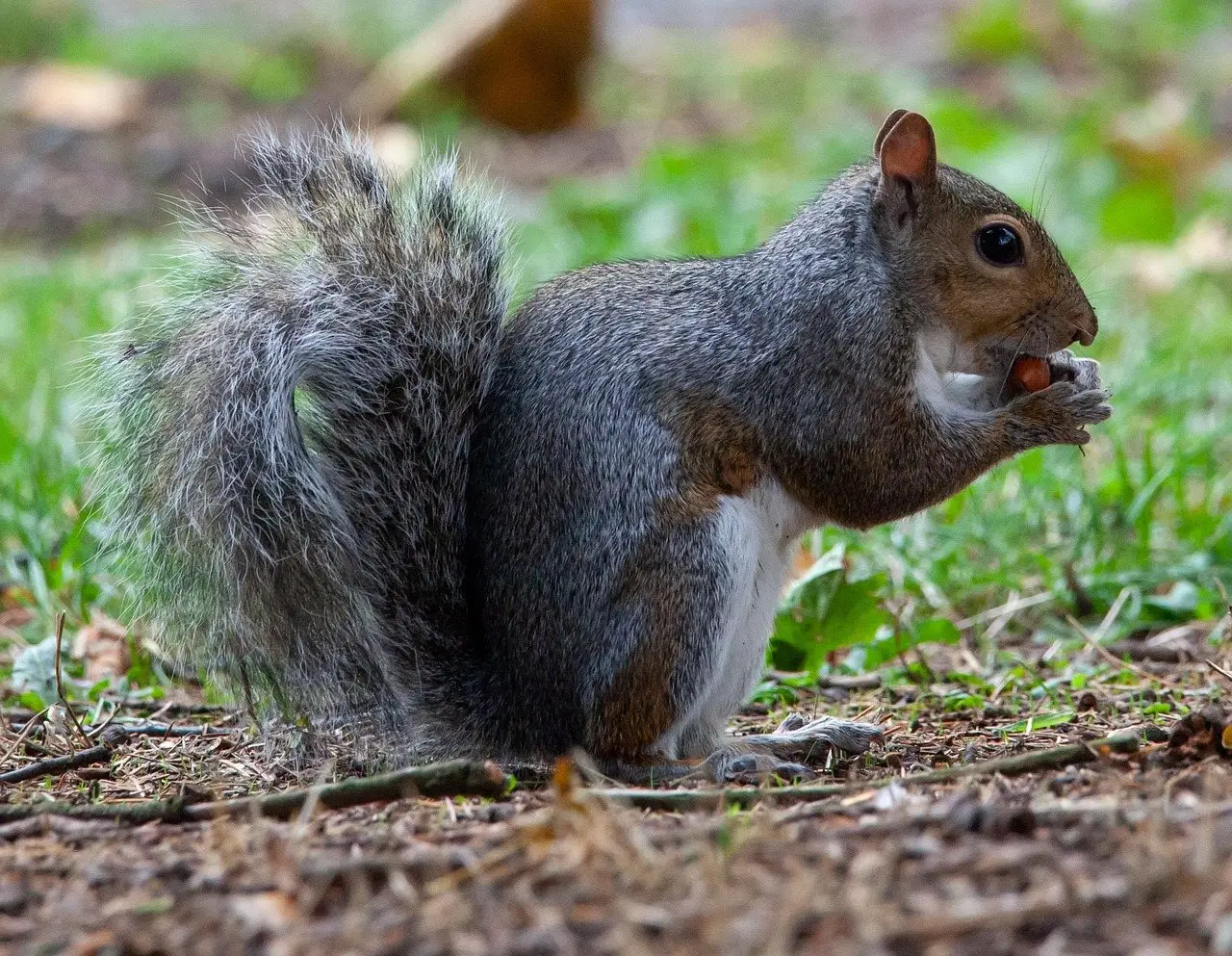
Raisins are harmless to squirrels and toxic to dogs, which is the real reason not to scatter them. What they provide, and the safer things to offer.
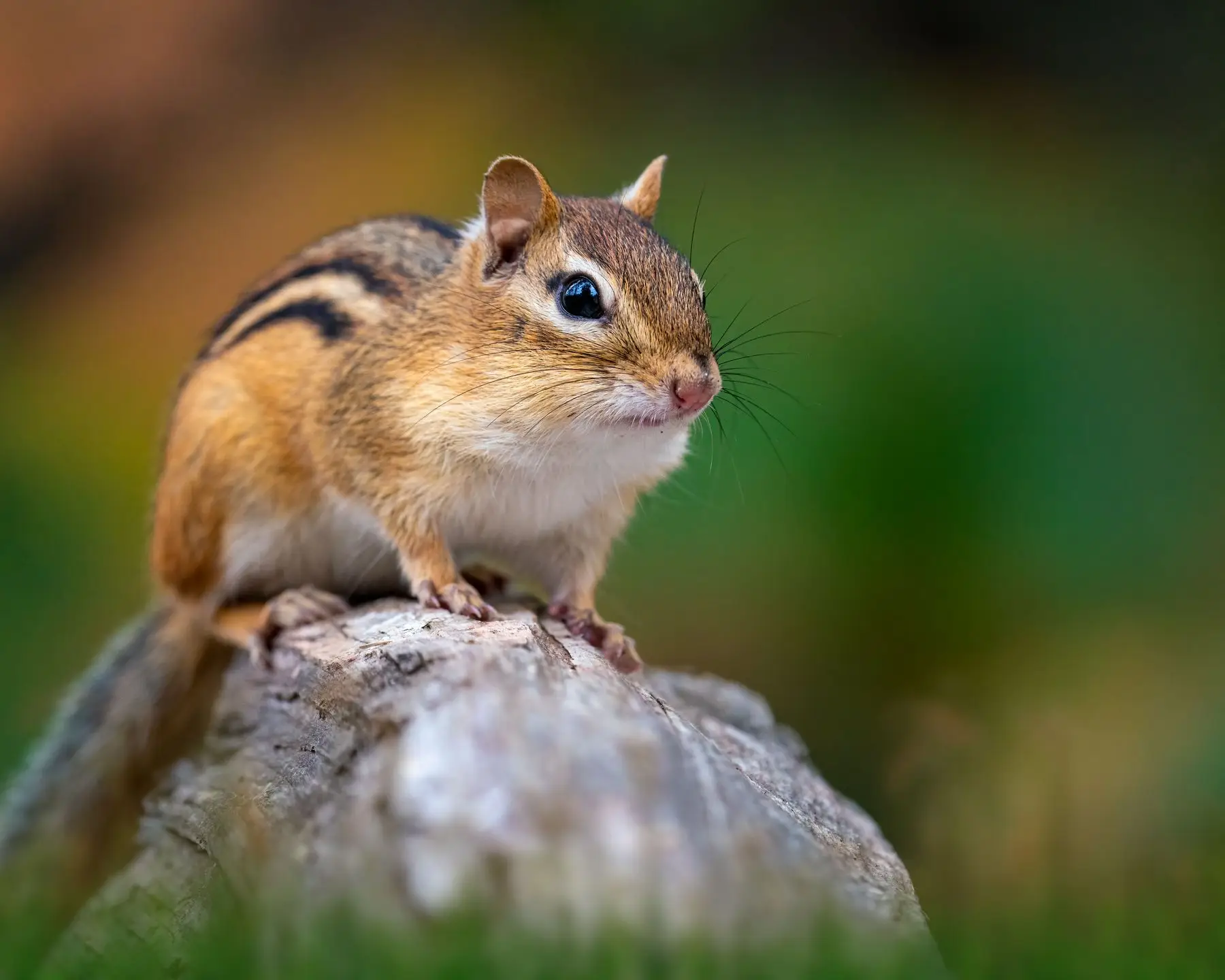
Chipmunks have flat, thin, dark-edged tails they carry upright when running. How the tail differs from a squirrel's, and what it does for the animal.
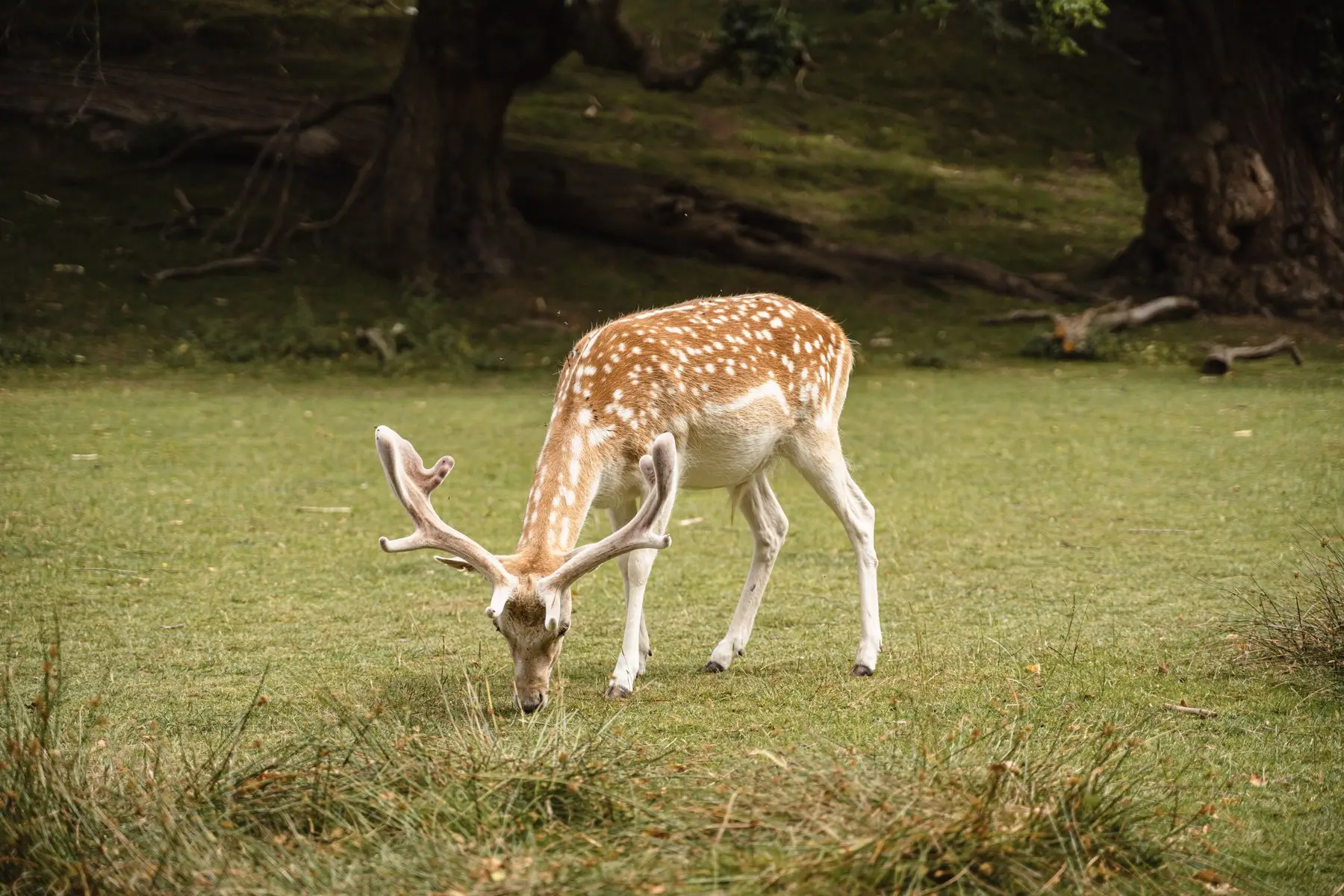
Deer are crepuscular, not nocturnal — peak movement is dawn and dusk, but midday activity is real and rises in the rut and in cold weather.
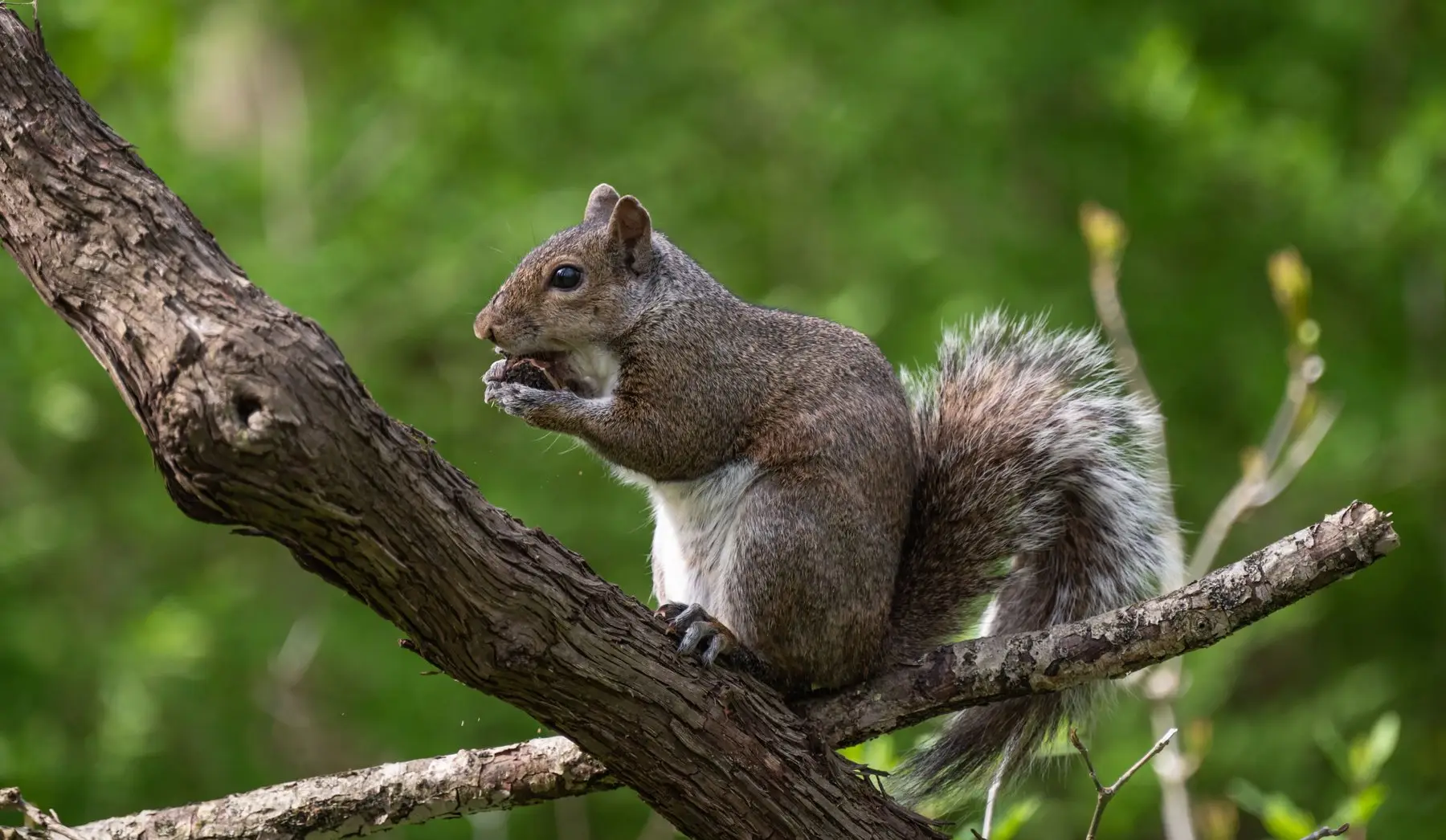
Squirrels are opportunistic omnivores, not strict vegetarians. What they actually take besides nuts, when they do it, and why spring is the peak.
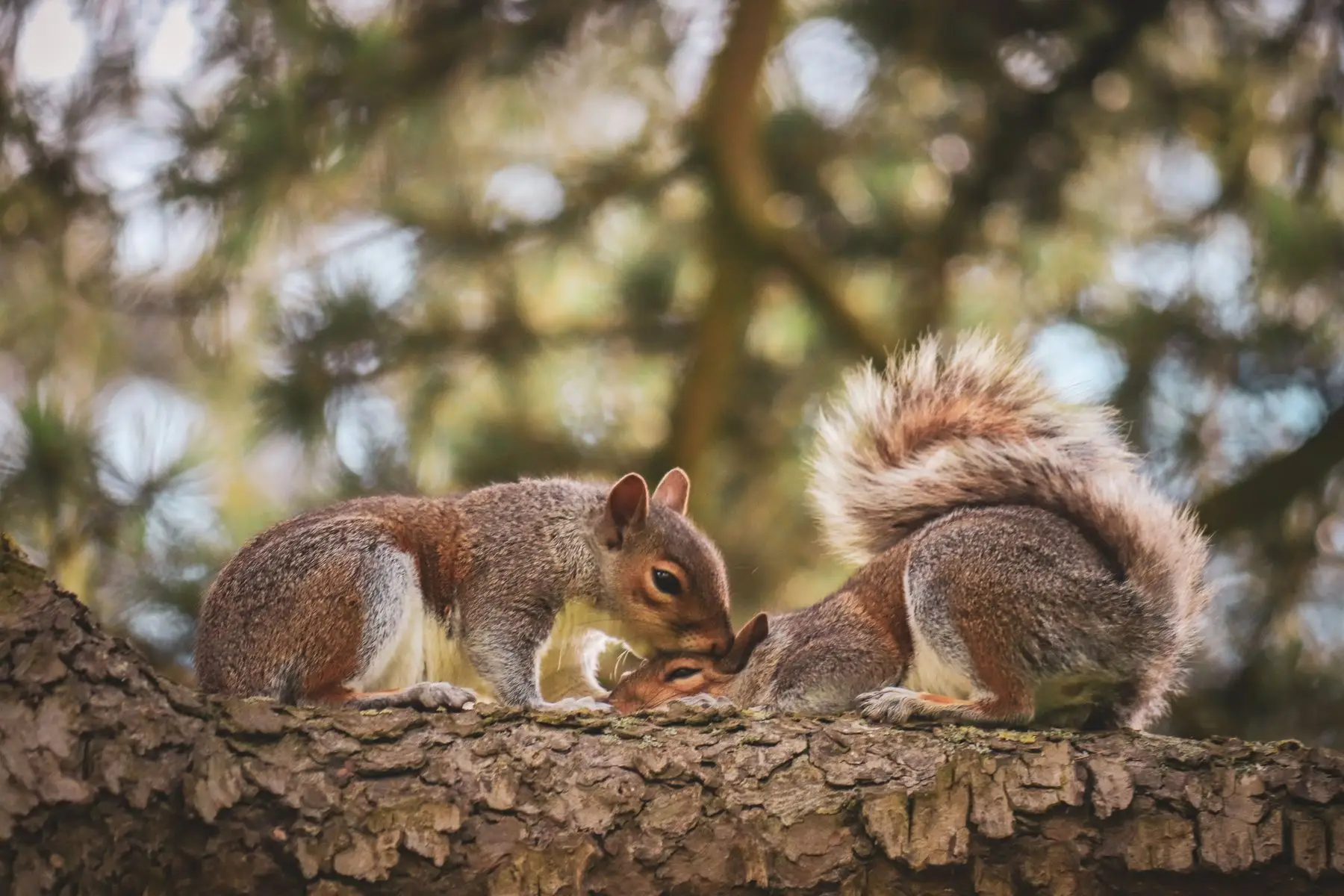
Squirrels are promiscuous, litters commonly have several fathers, and males leave immediately. What the mating system actually looks like.
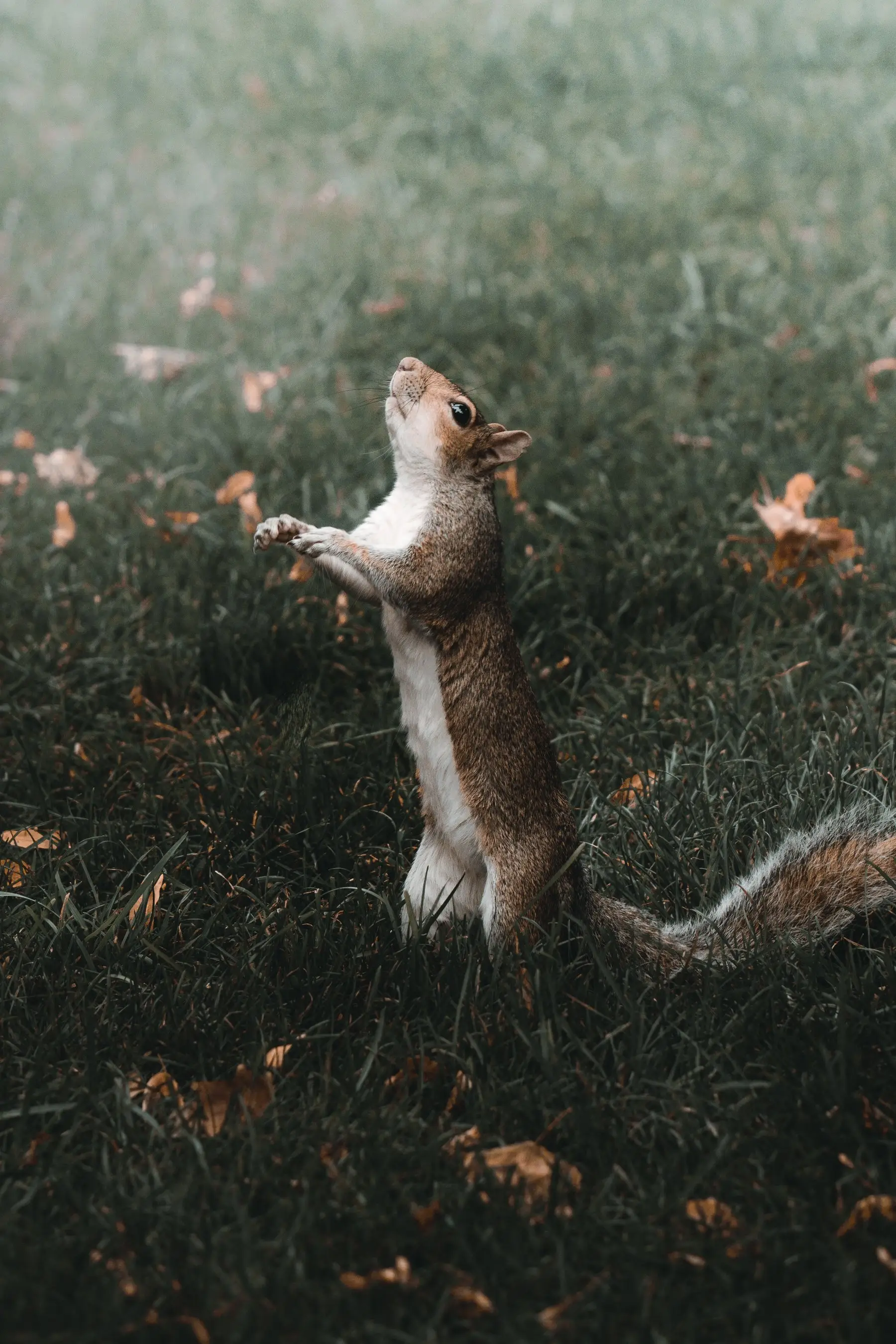
A grey squirrel weighs about a pound; a flying squirrel weighs two ounces. Sizes across the common species, and why the tail is half the length.
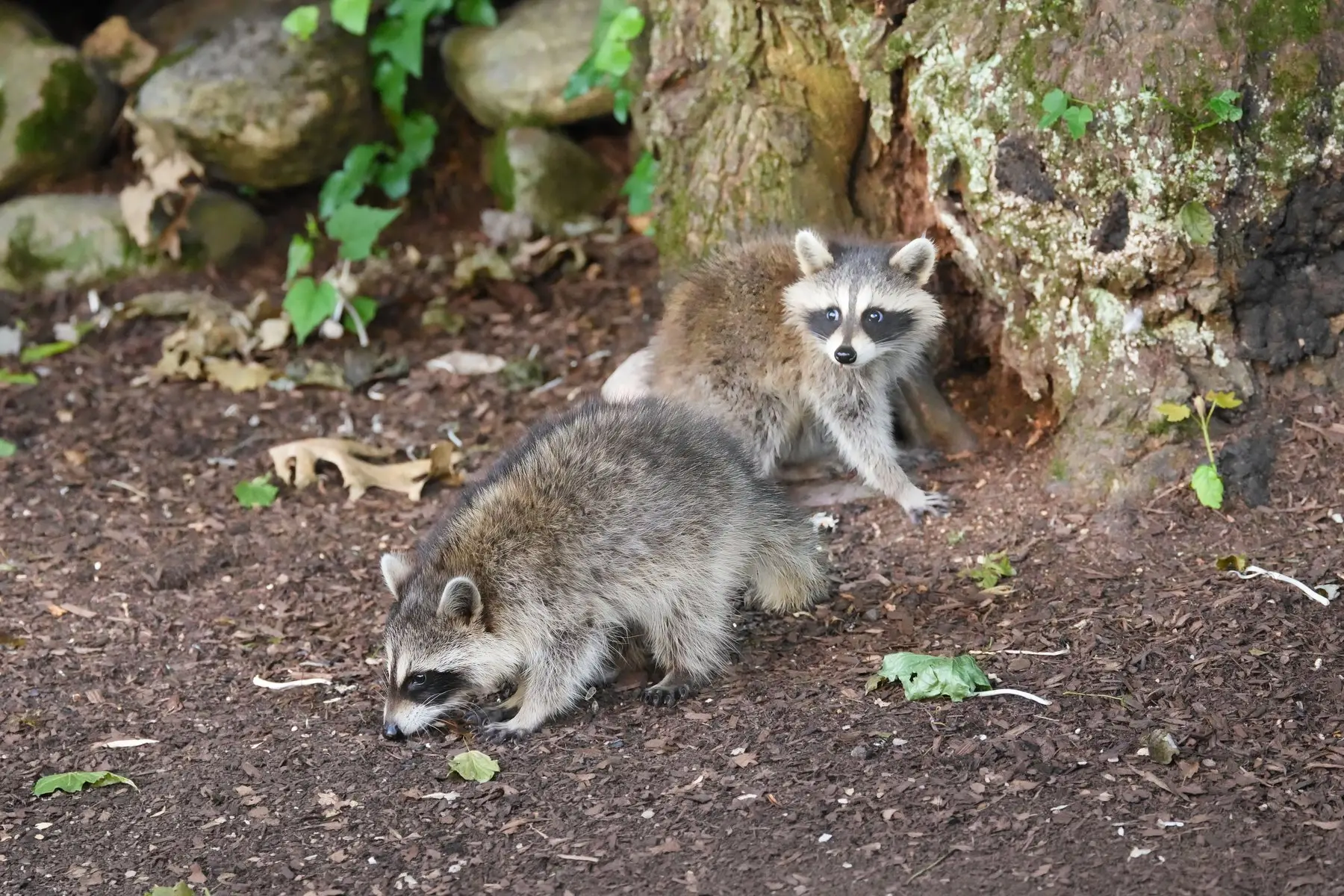
Raccoons den under decks in spring to have kits. How to check before you block anything, evict them humanely, and skirt the deck so nothing returns.
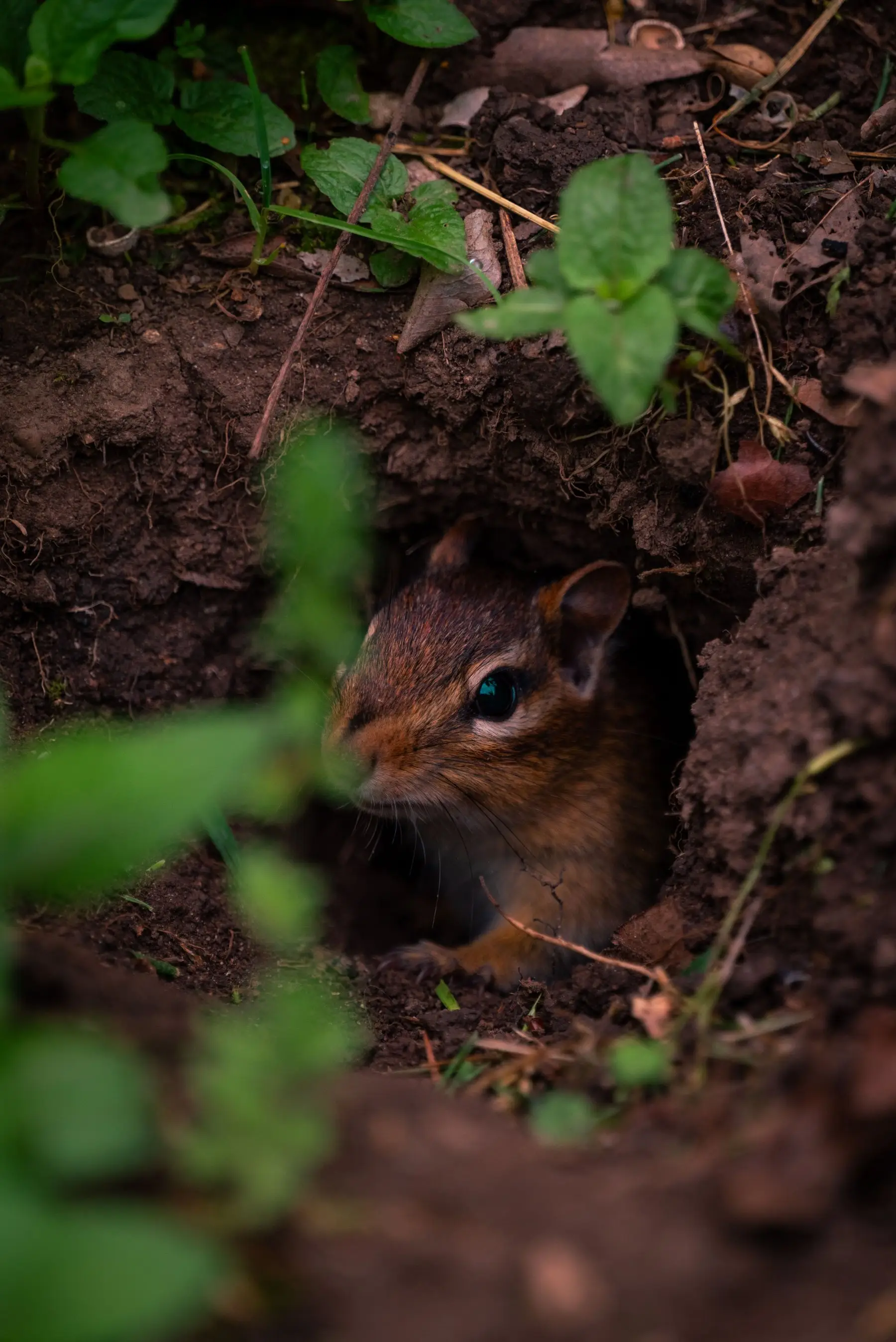
Chipmunks sleep in a nest chamber deep in a burrow system with a hidden entrance. How the tunnels are built, and what they do through the winter.
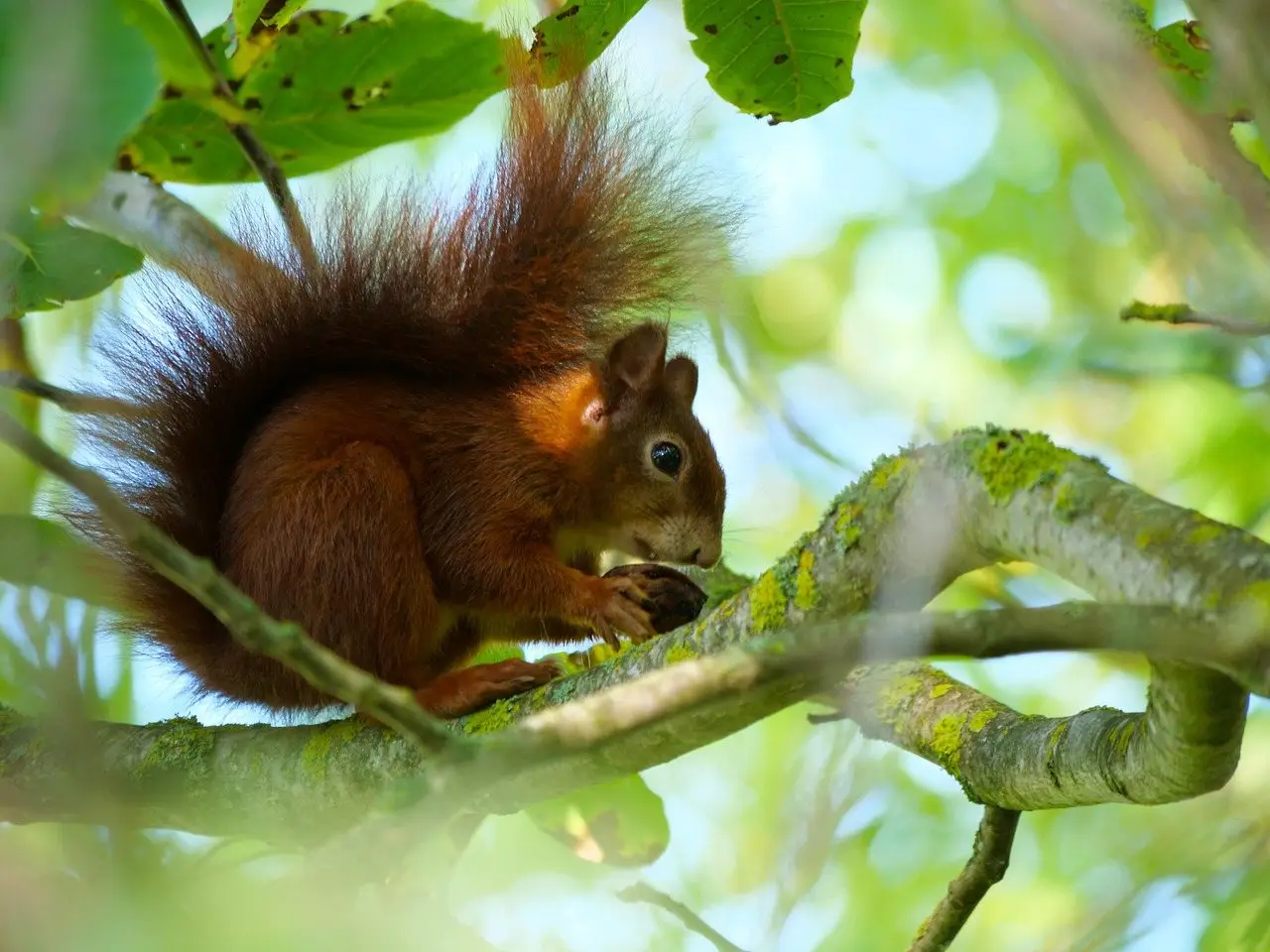
Squirrels defecate wherever they are, which is why you rarely find piles outdoors — and why an attic infestation shows up as scattered droppings.
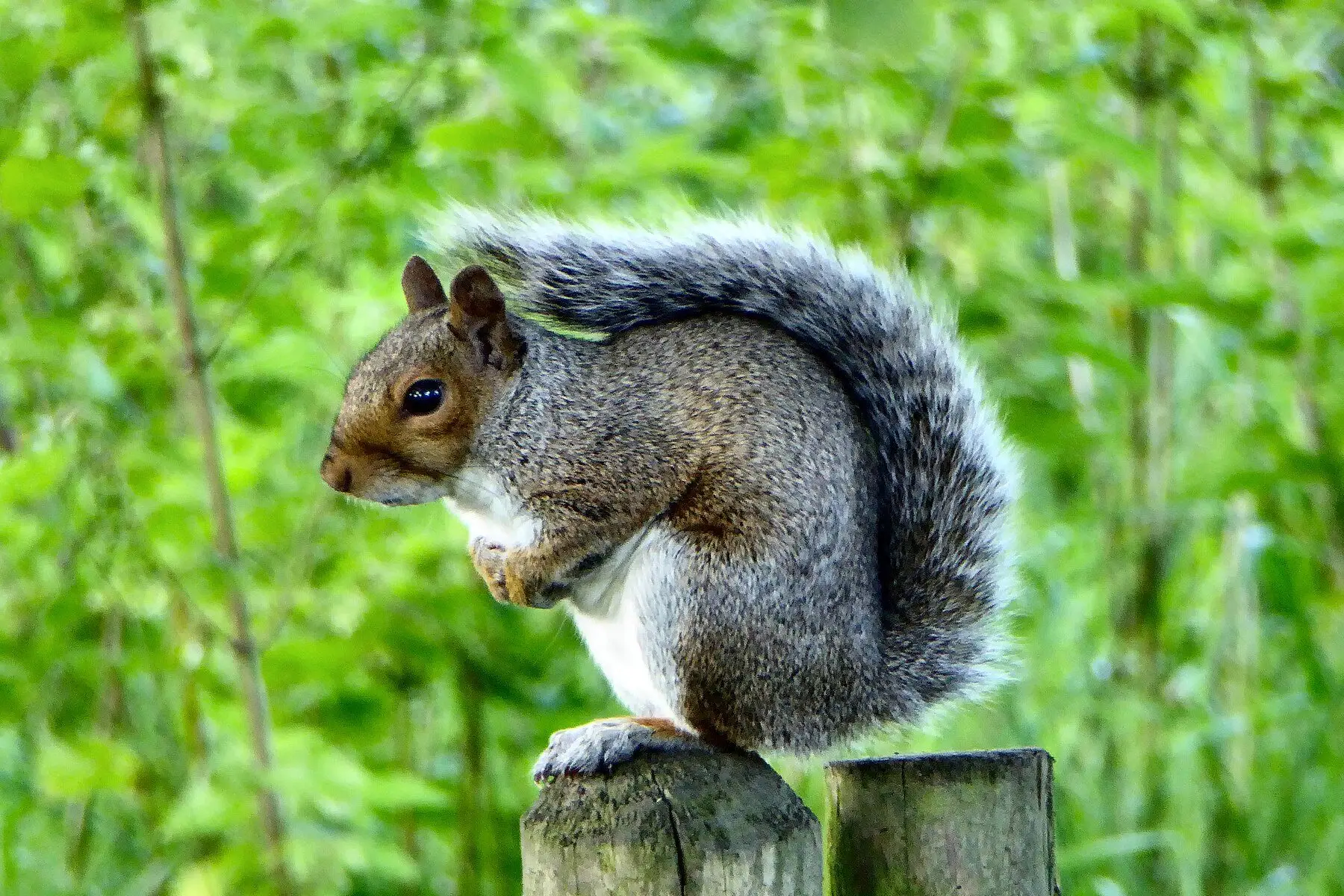
Keeping a squirrel is illegal in most US states, and the ones raised by people usually end badly. What actually happens, and the lawful alternatives.
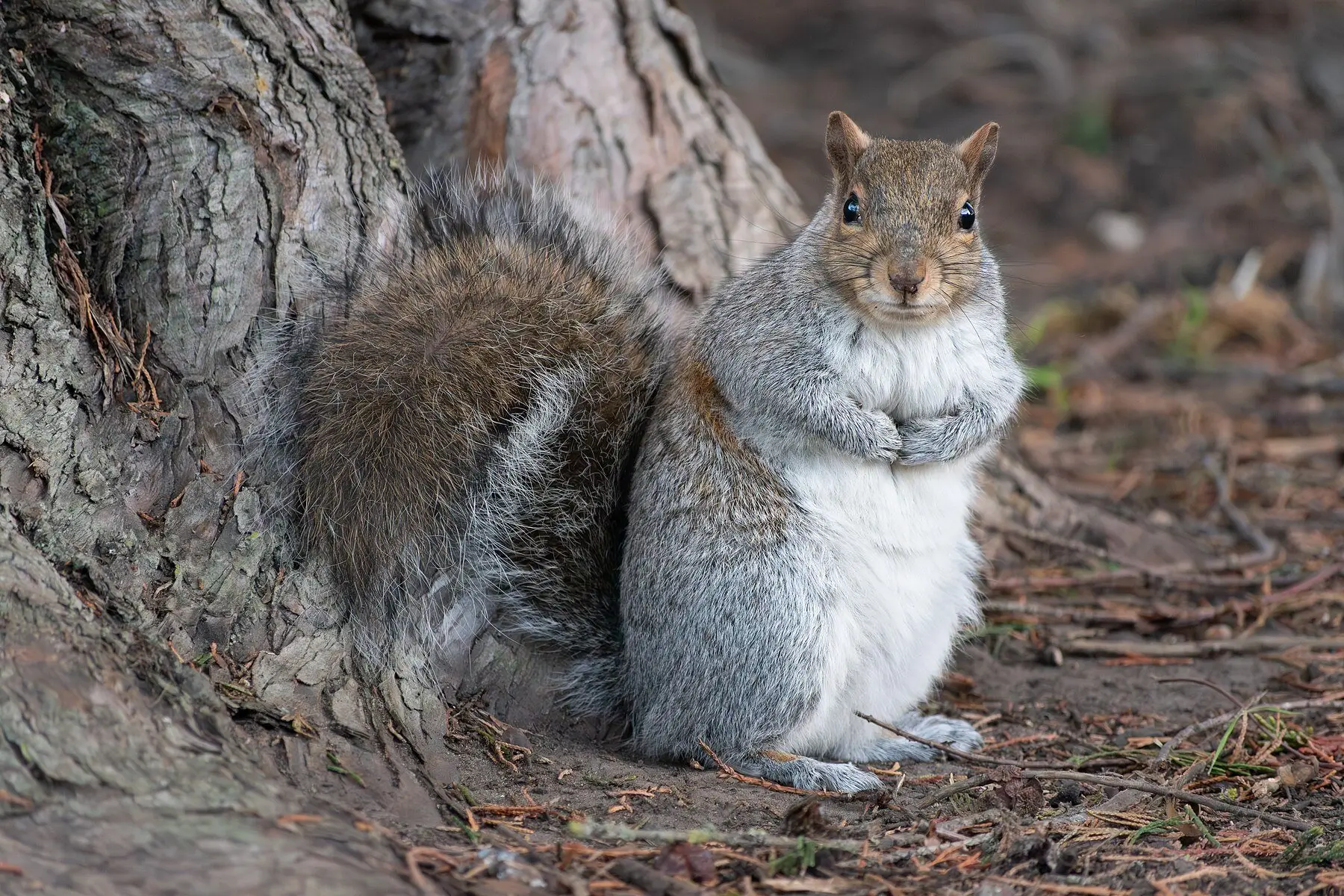
Squirrels can carry rabies in theory but almost never do, and no US case of human rabies has been traced to one. What to do if you are bitten.
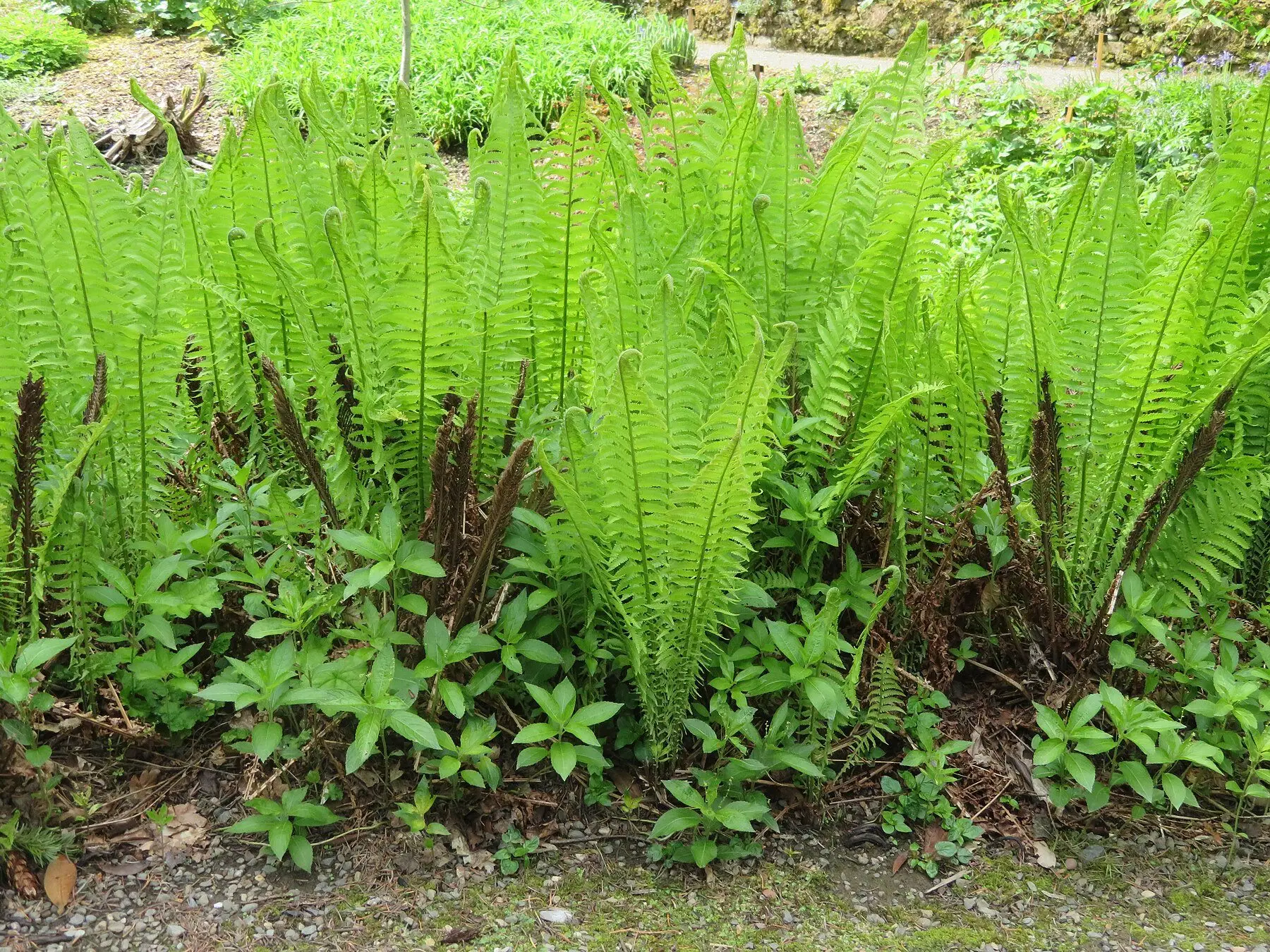
Ferns are among the most reliably deer-resistant plants in a shaded garden — with a few species deer do browse, and one condition that overrides it.
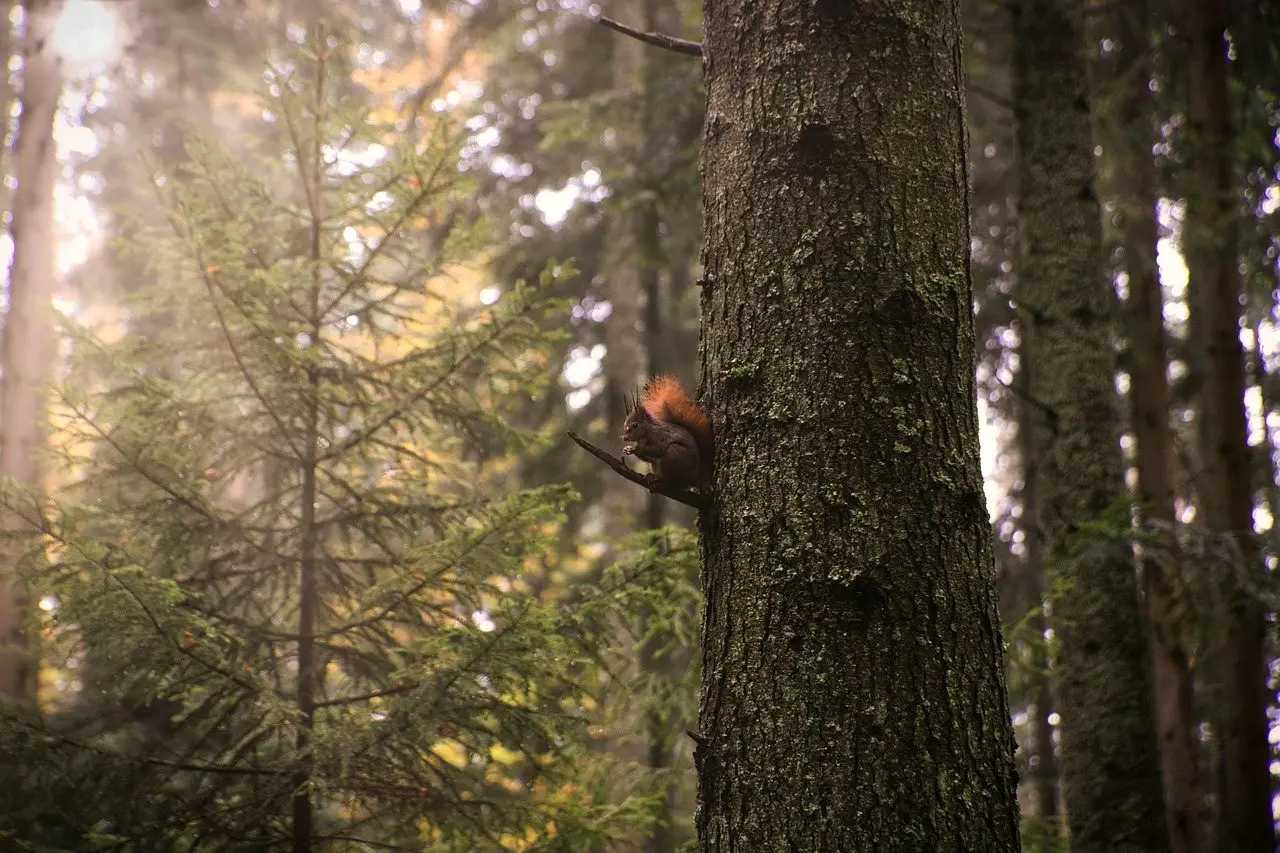
Grey and fox squirrels are strictly daytime animals. If something is moving in the roof after dark, it is almost certainly not one of them.
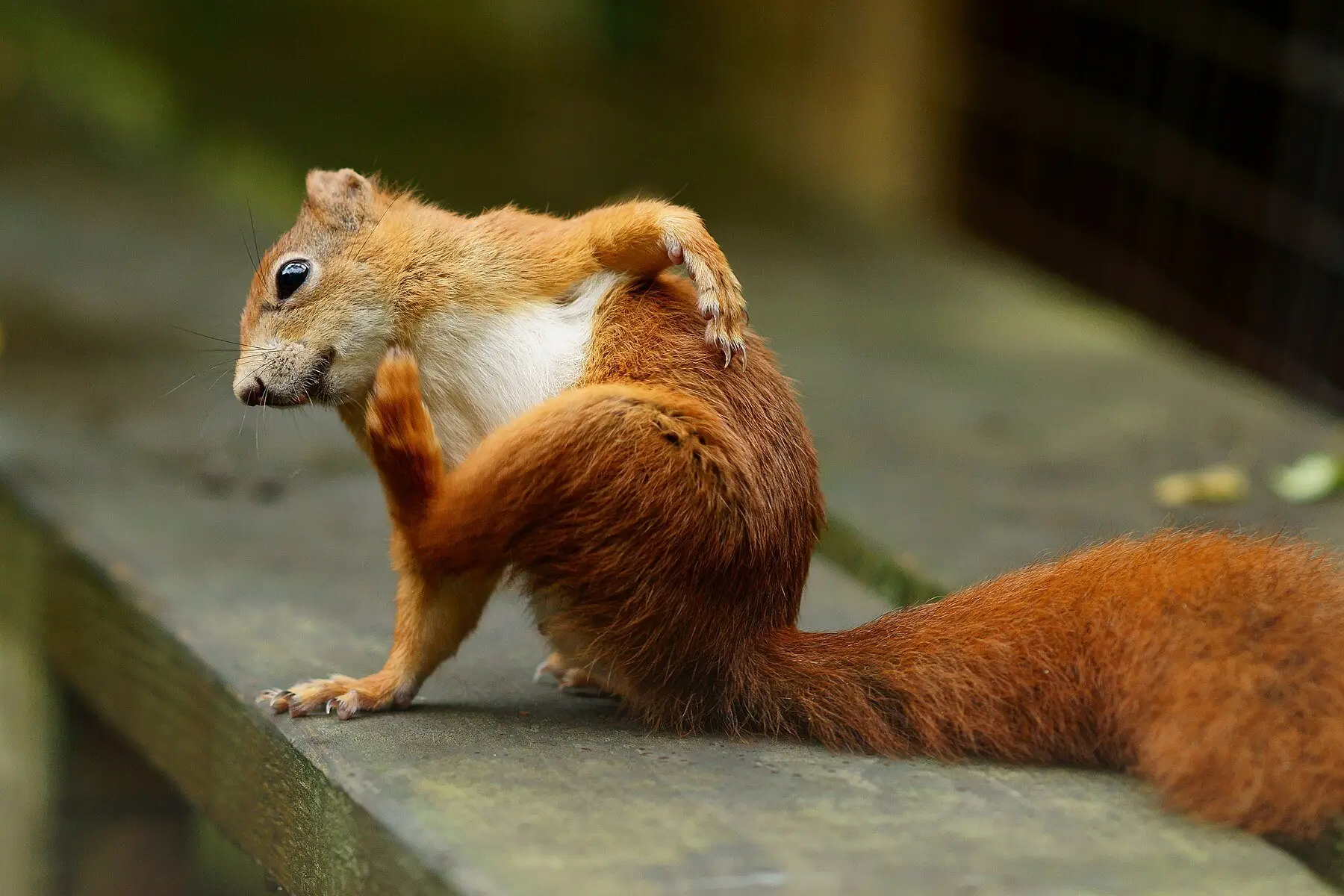
Squirrels carry fleas, lice, mites and ticks, but squirrel fleas rarely settle on cats and dogs. The real risk is a nest left in a roof.
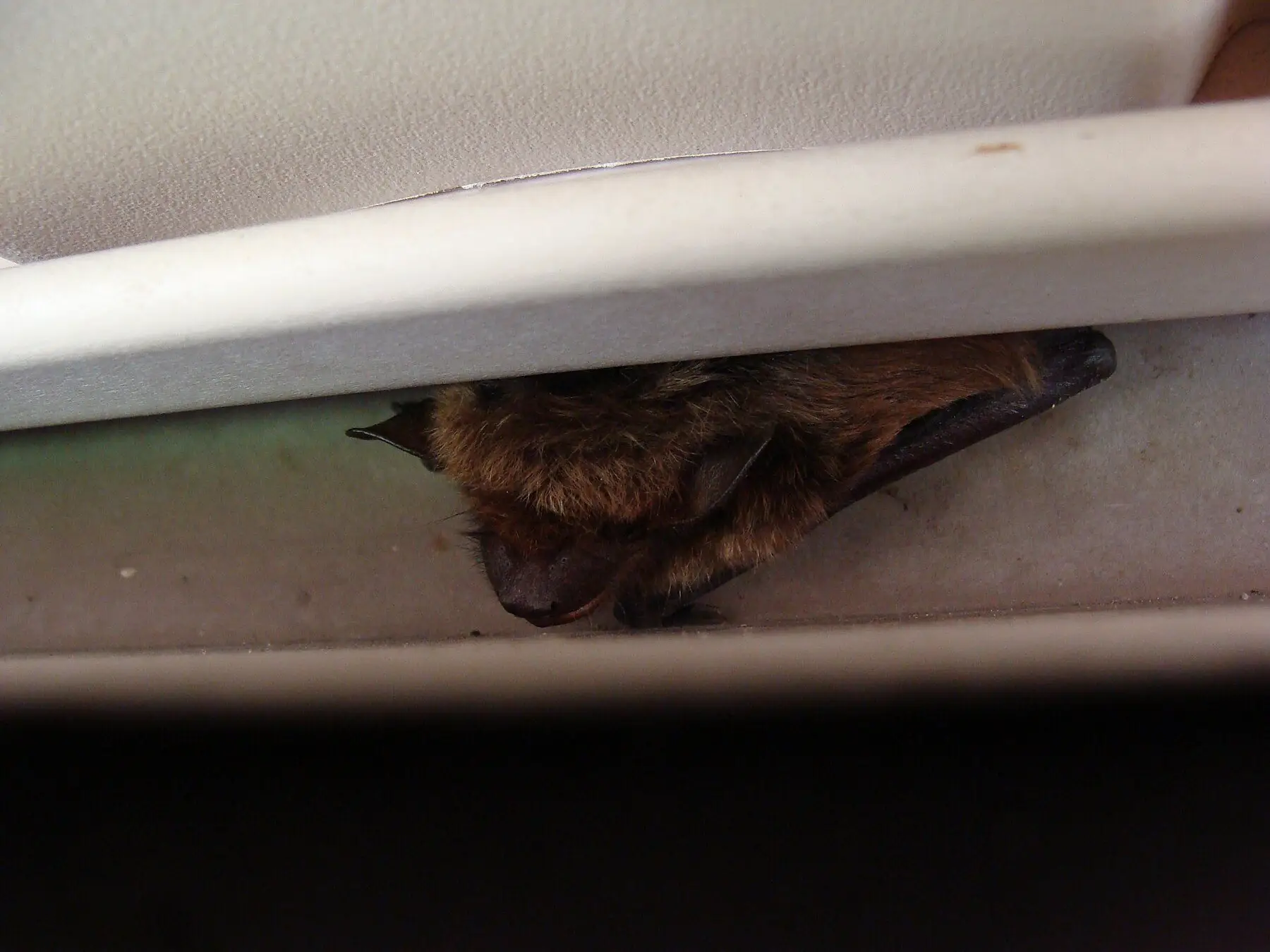
Bats roosting on a porch are protected in most places and cannot be sealed in. Exclusion timing, the maternity season, and what to do about droppings.
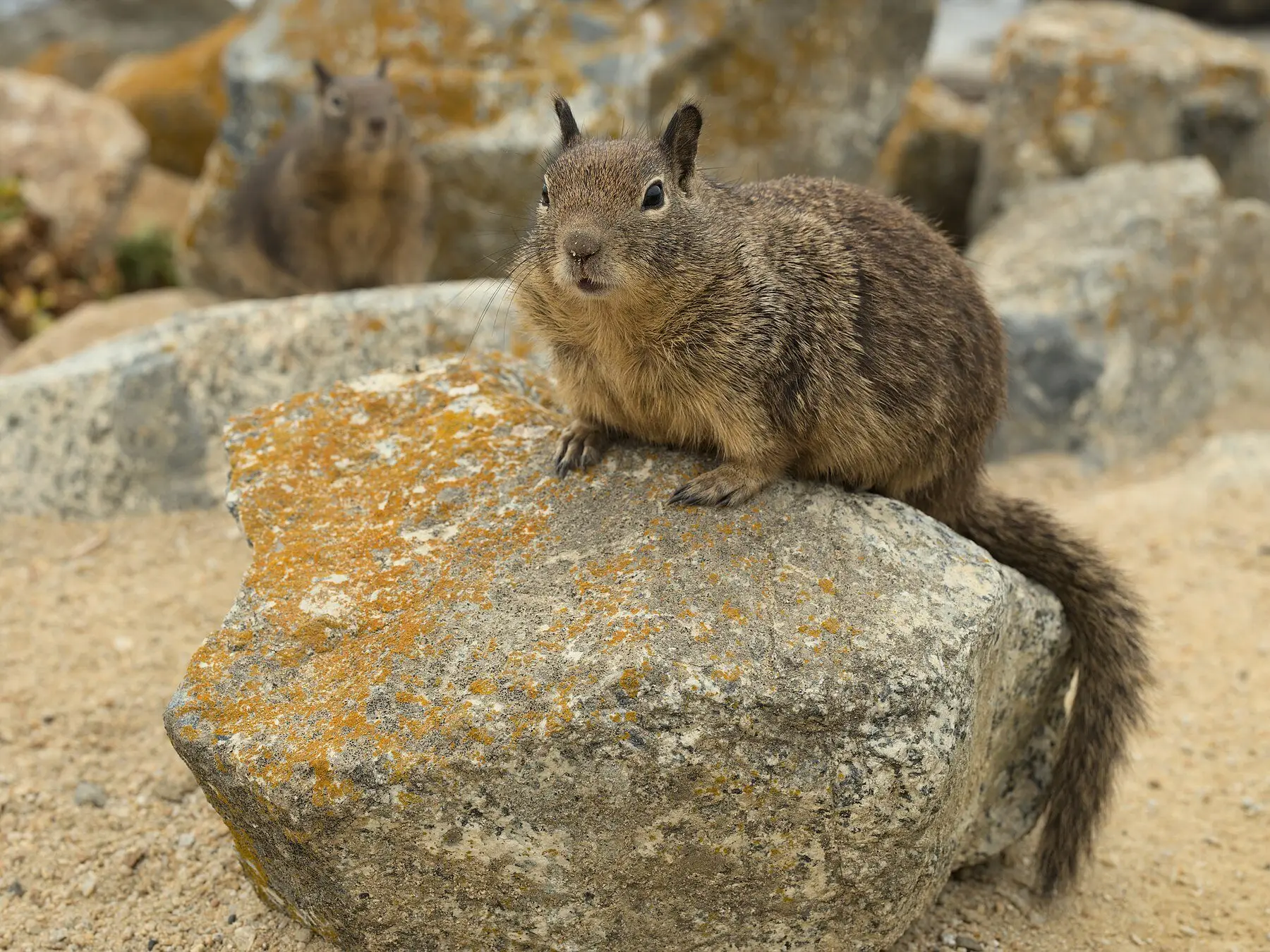
How to get rid of ground squirrels comes down to exclusion below ground. 3 measures compared on cost and effort. See which suits your beds.
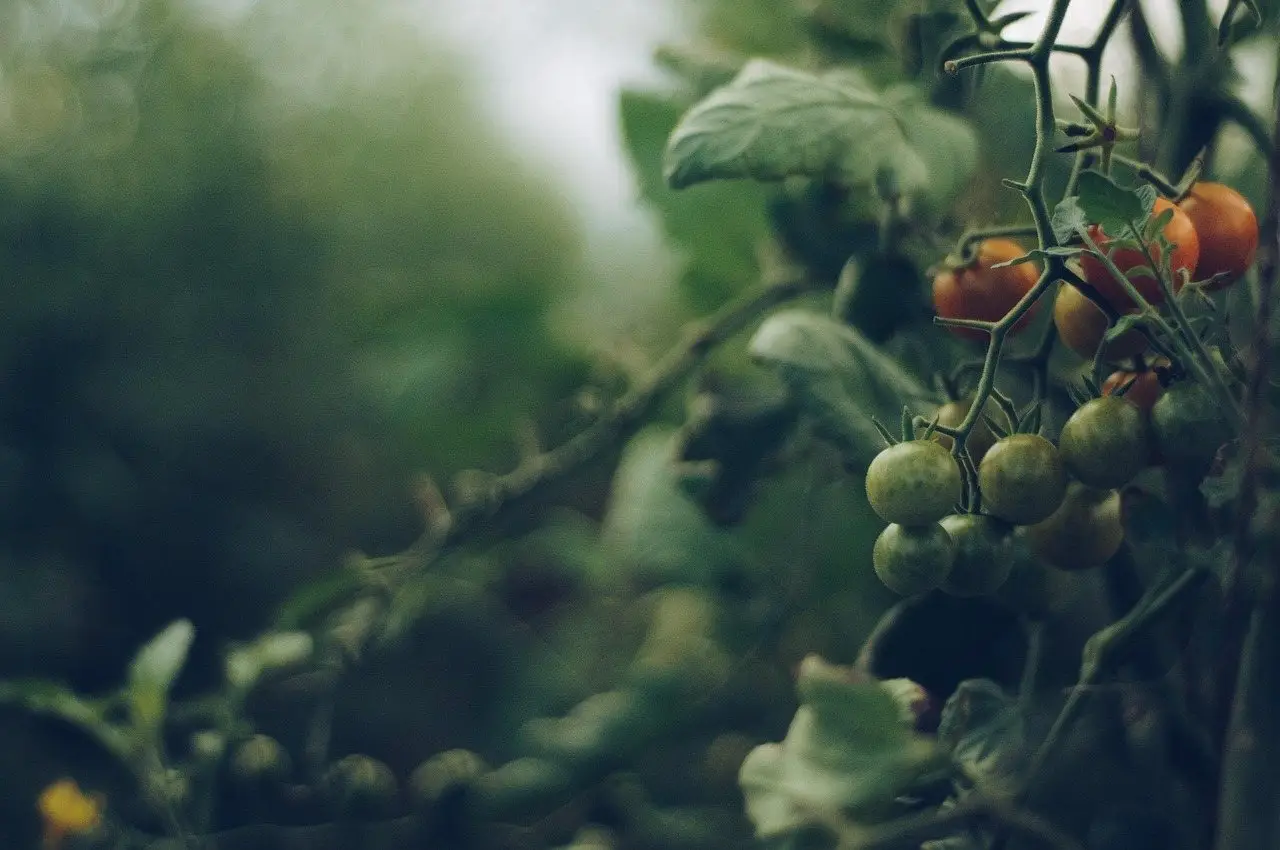
Squirrels take one bite from a tomato and leave it, because they are after water. Cages that work, the water trick, and what does not help.
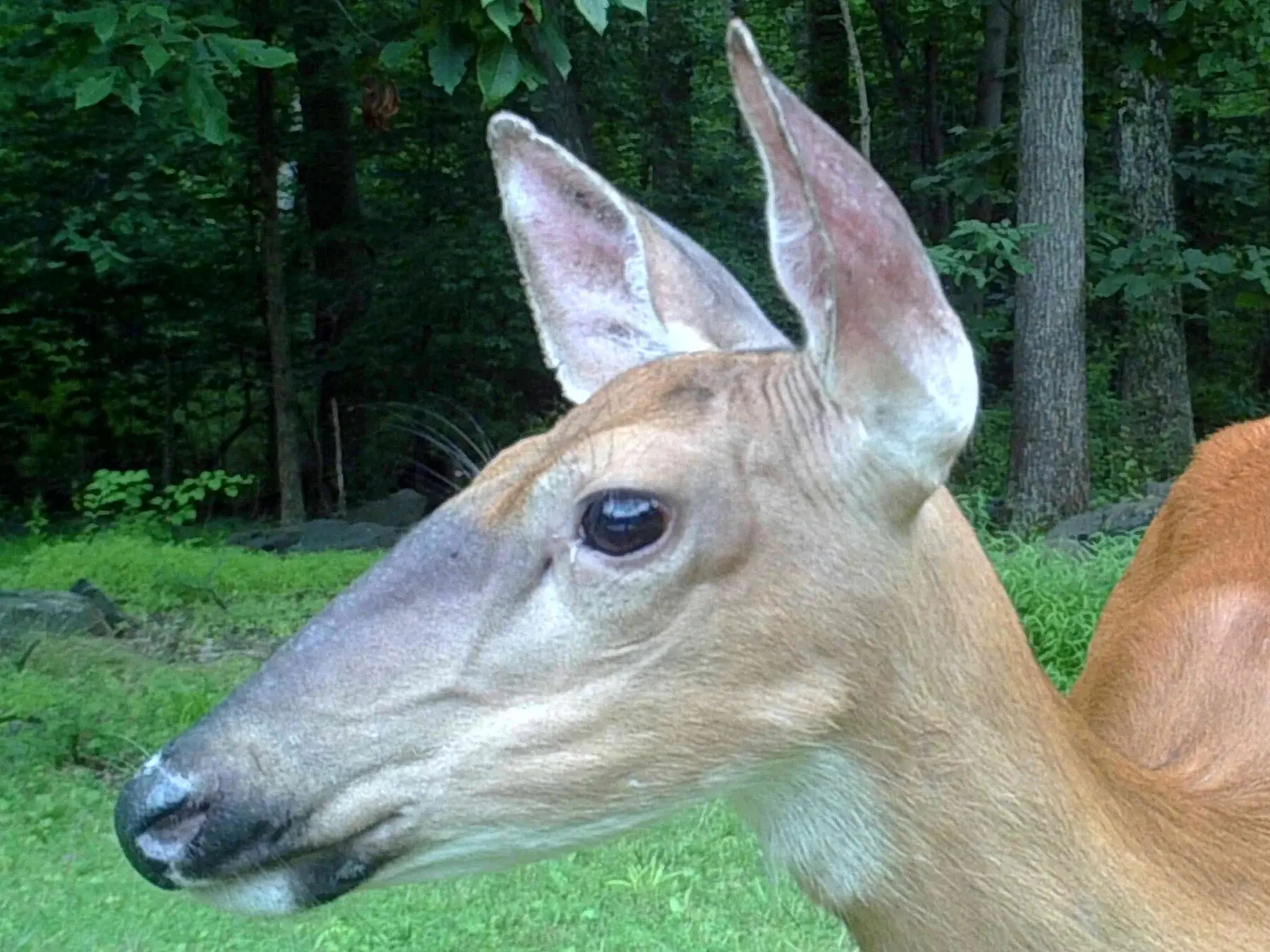
A deer that lets you approach has lost its fear of people, and that is when injuries happen. What the risks are, and why feeding starts the sequence.
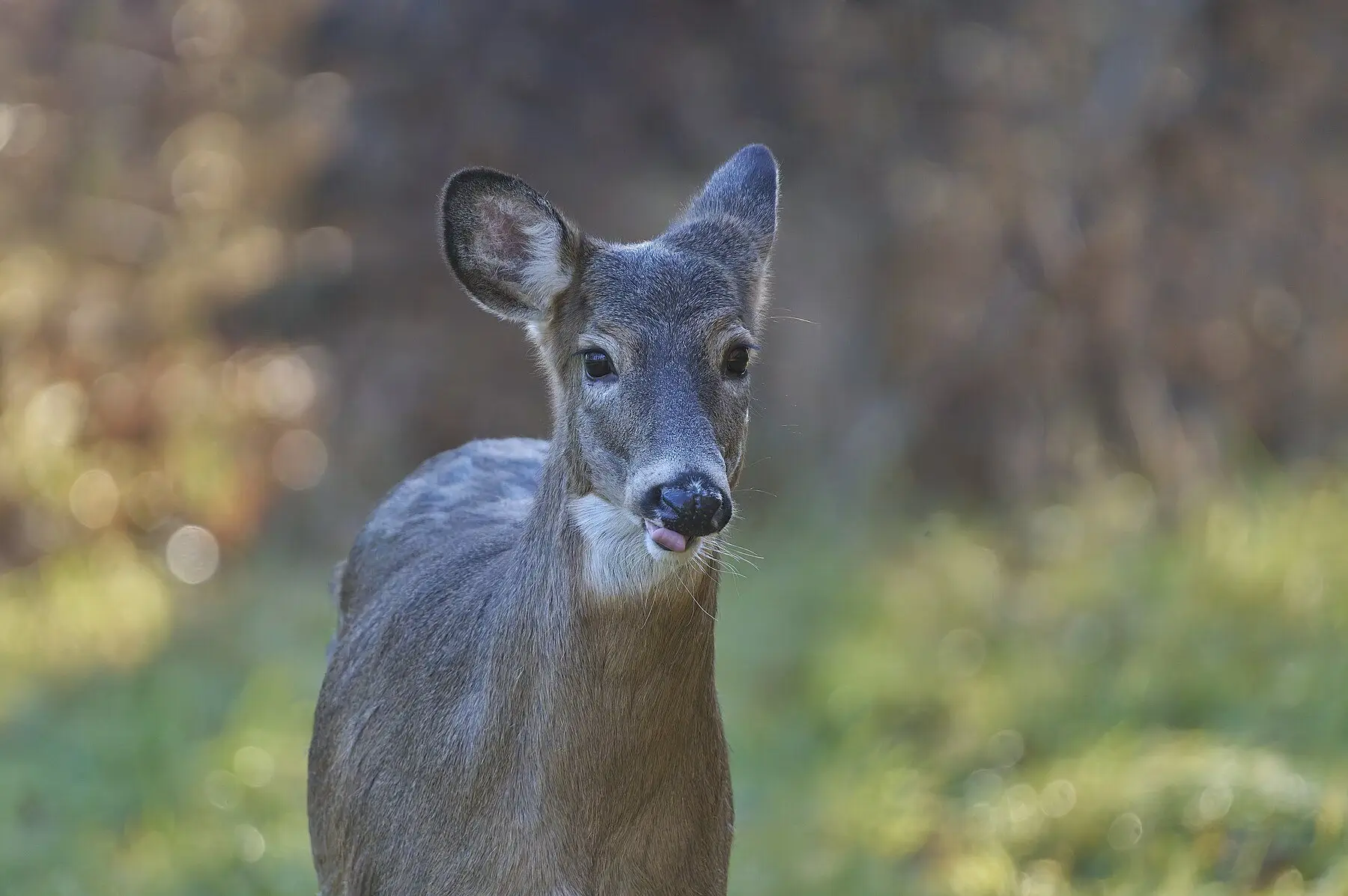
Deer crave sodium in spring and early summer, not autumn. What a mineral lick actually provides, and the baiting laws that catch people out.
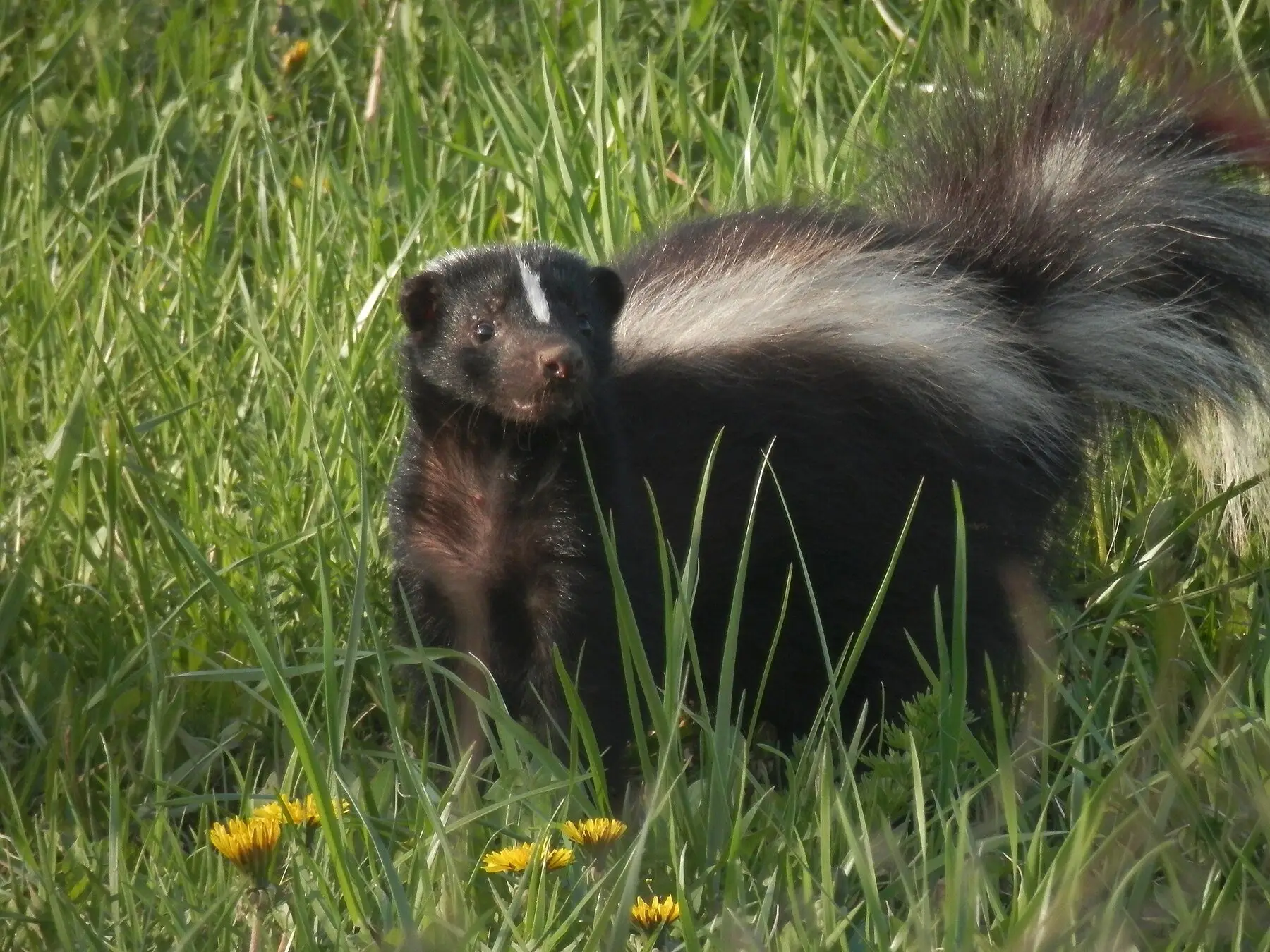
Skunks under a deck leave on their own if you make the space unpleasant. The one-way door method, the timing that avoids trapping kits, and warning signs.
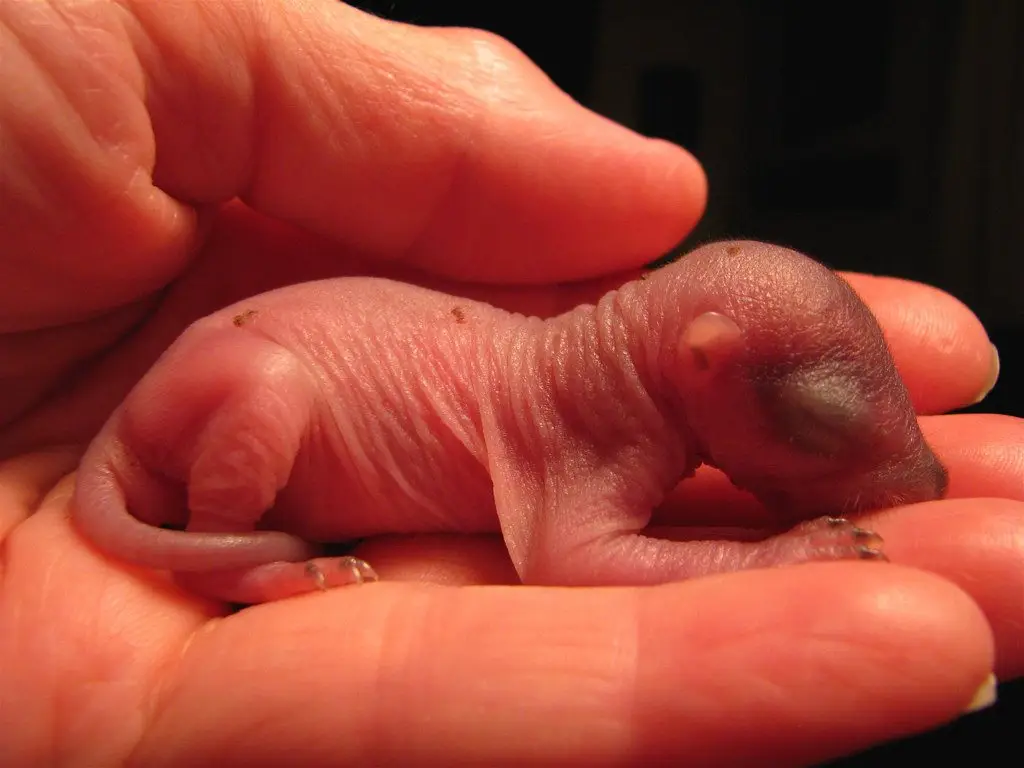
A cold newborn squirrel cannot digest anything, and the wrong formula kills. What to do in the first hour, and why a rehabilitator is the real answer.
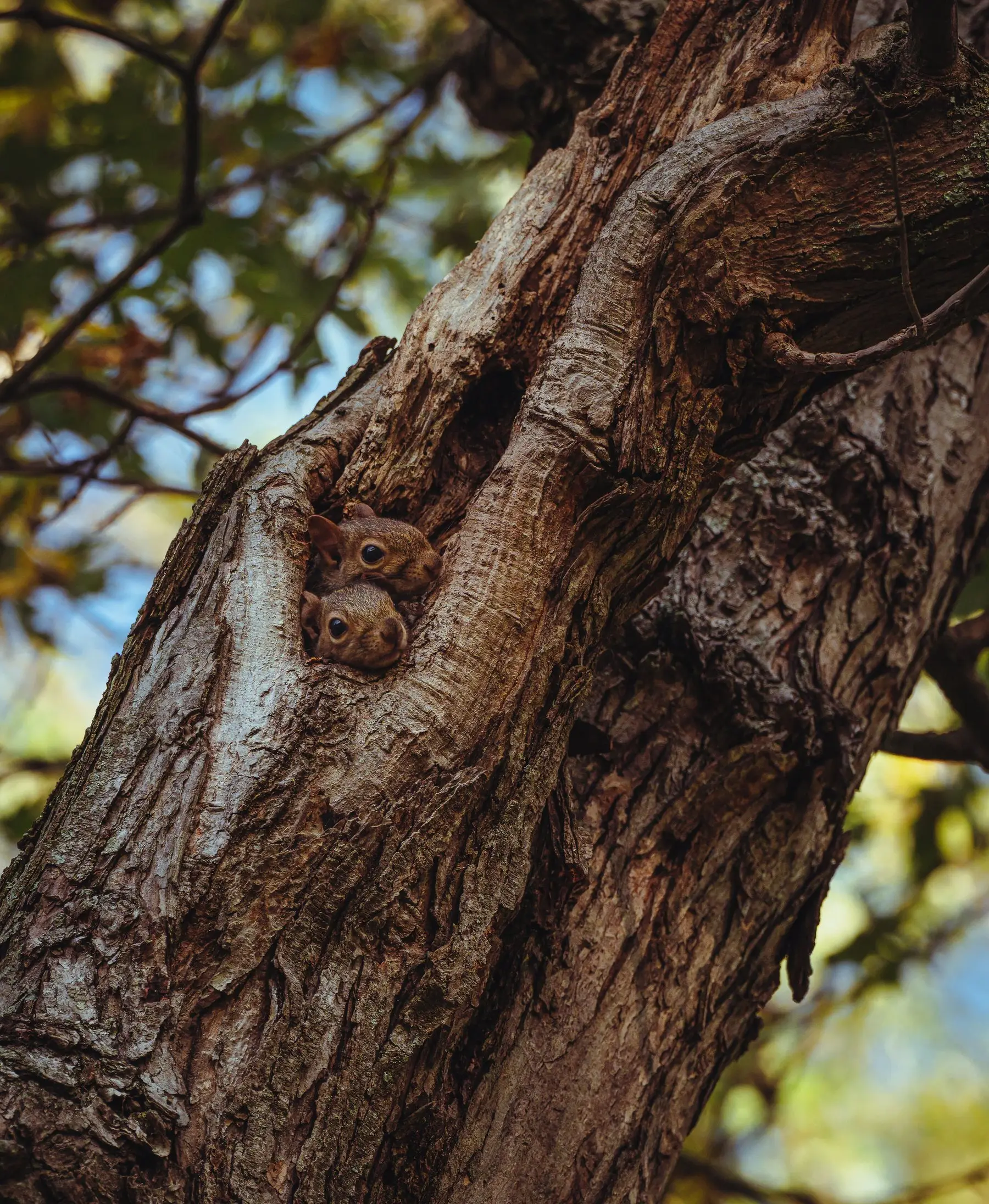
Kits first come out at six or seven weeks and are independent by three months. The timeline, and how to tell an orphan from one that is fine.
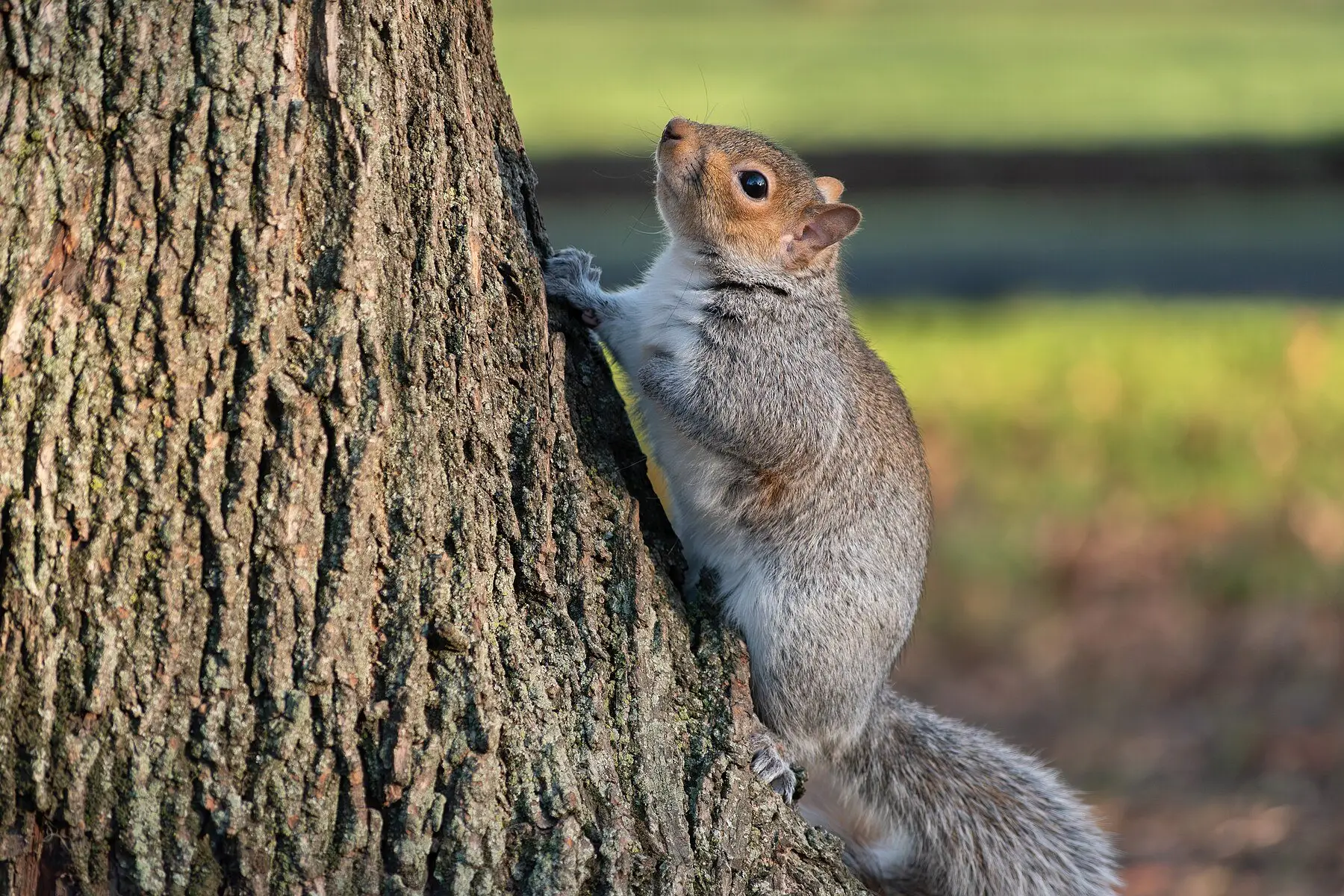
Grey squirrels breed twice a year, in midwinter and midsummer. What the frantic spiral chases mean, and why babies appear in your attic in February.
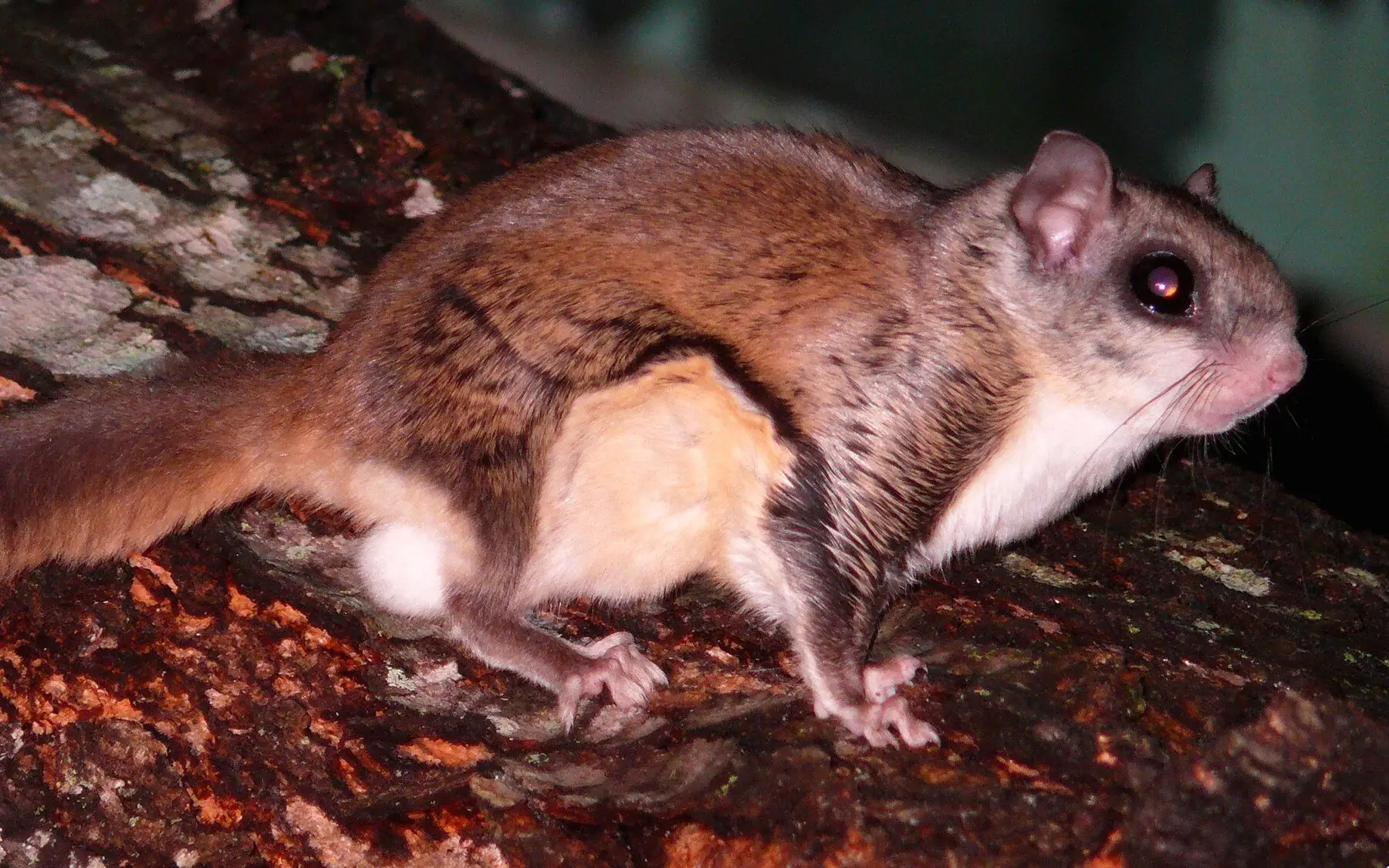
Flying squirrels are common across most of North America and almost never seen, because they are strictly nocturnal. Habitat, nest sites and attic signs.
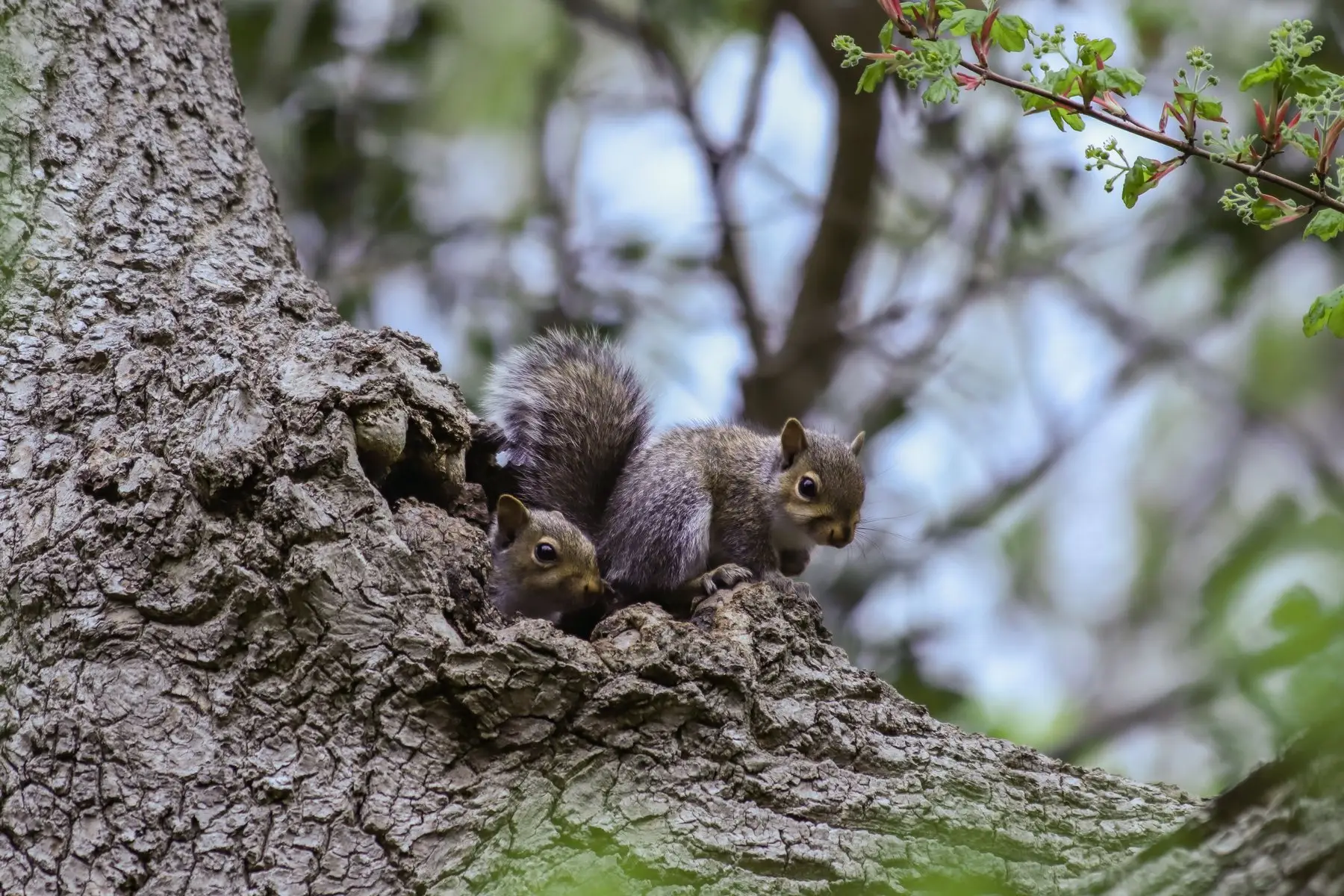
Squirrels sleep in leaf dreys and tree cavities, keep several nests each, and share them for warmth in winter. How to tell a drey from a bird nest.
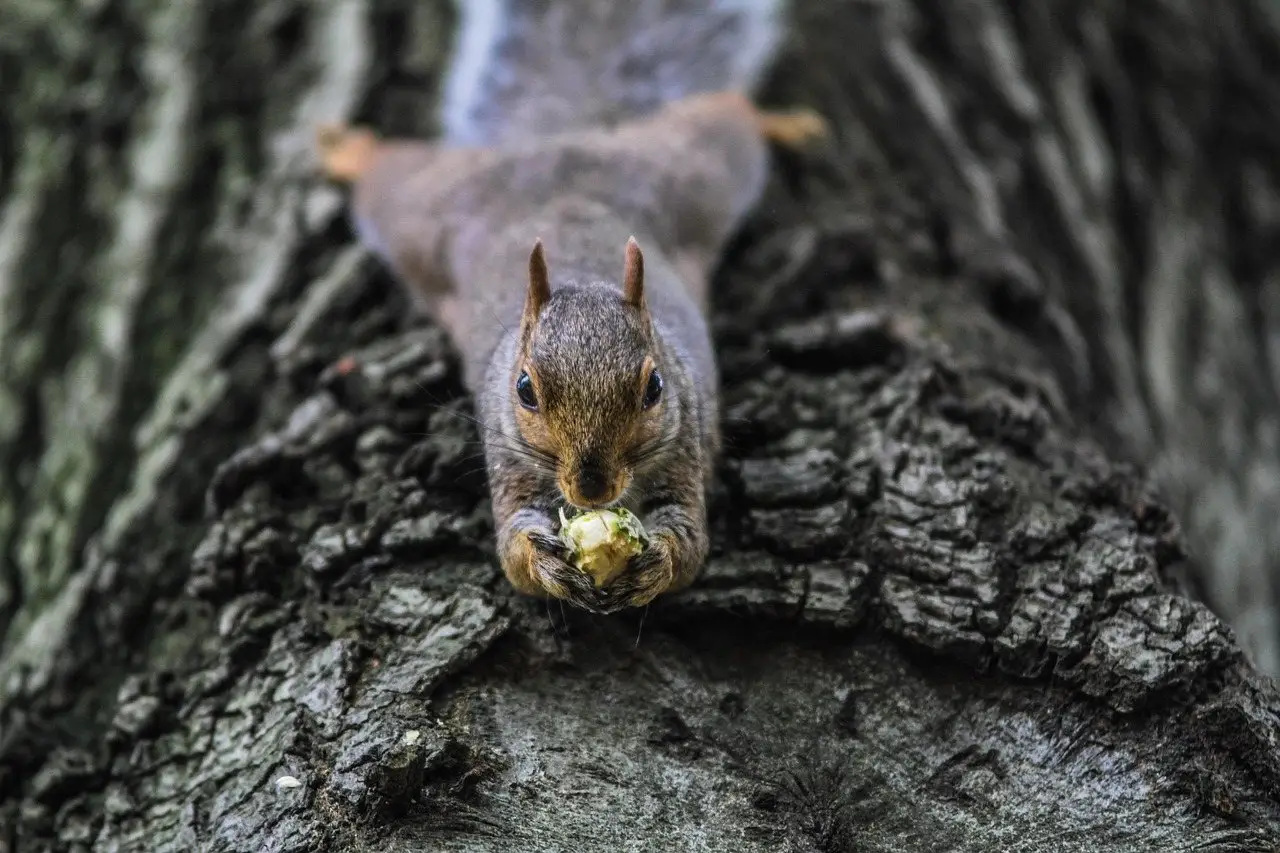
A barking squirrel is an alarm call, and the sound tells you what kind of threat it found. Kuks, quaas, screams and the tail flick that goes with them.
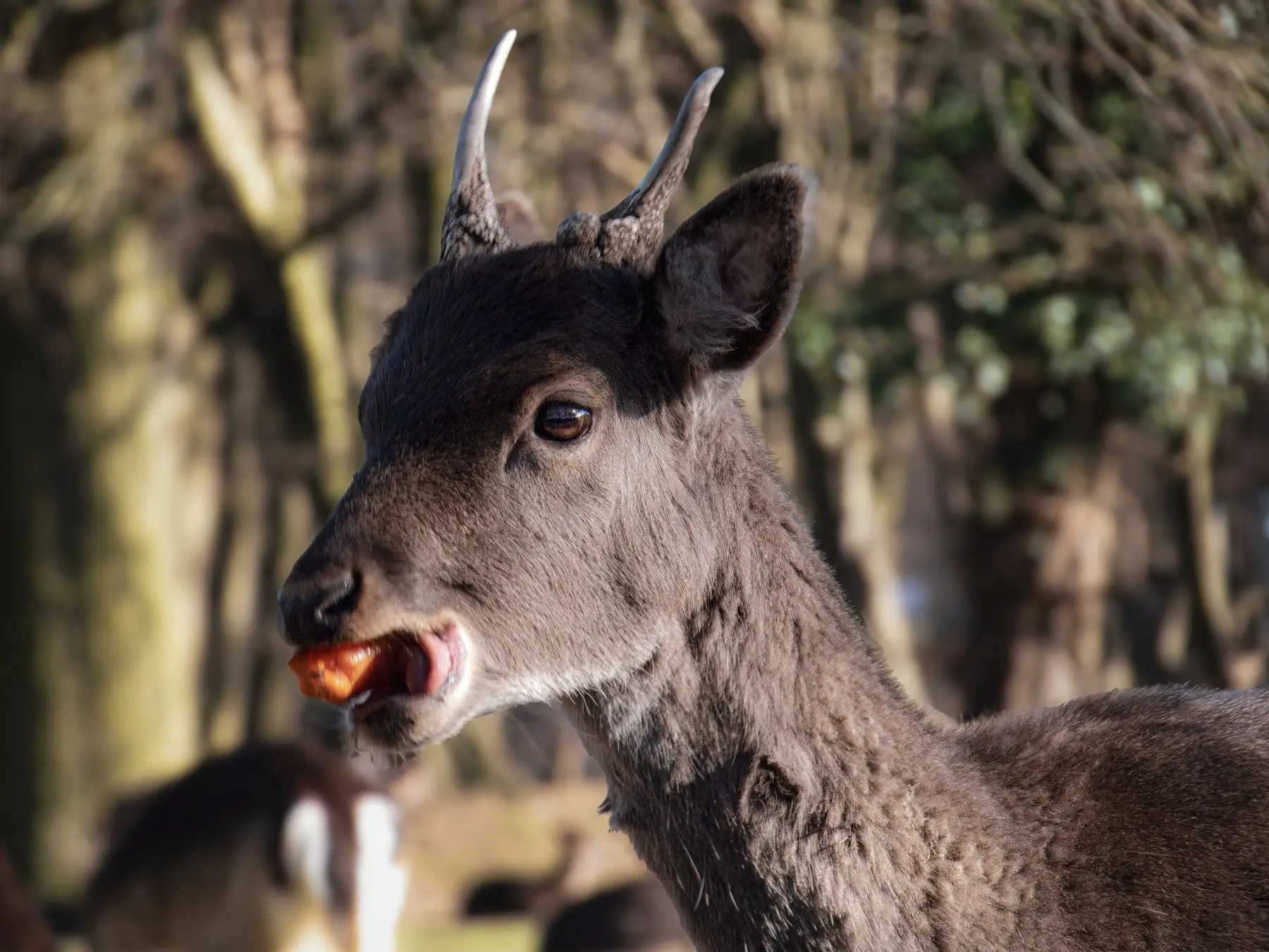
Deer eat nearly every vegetable worth growing, and root crops draw them in winter. What goes first, what survives, and why feeding carrots backfires.
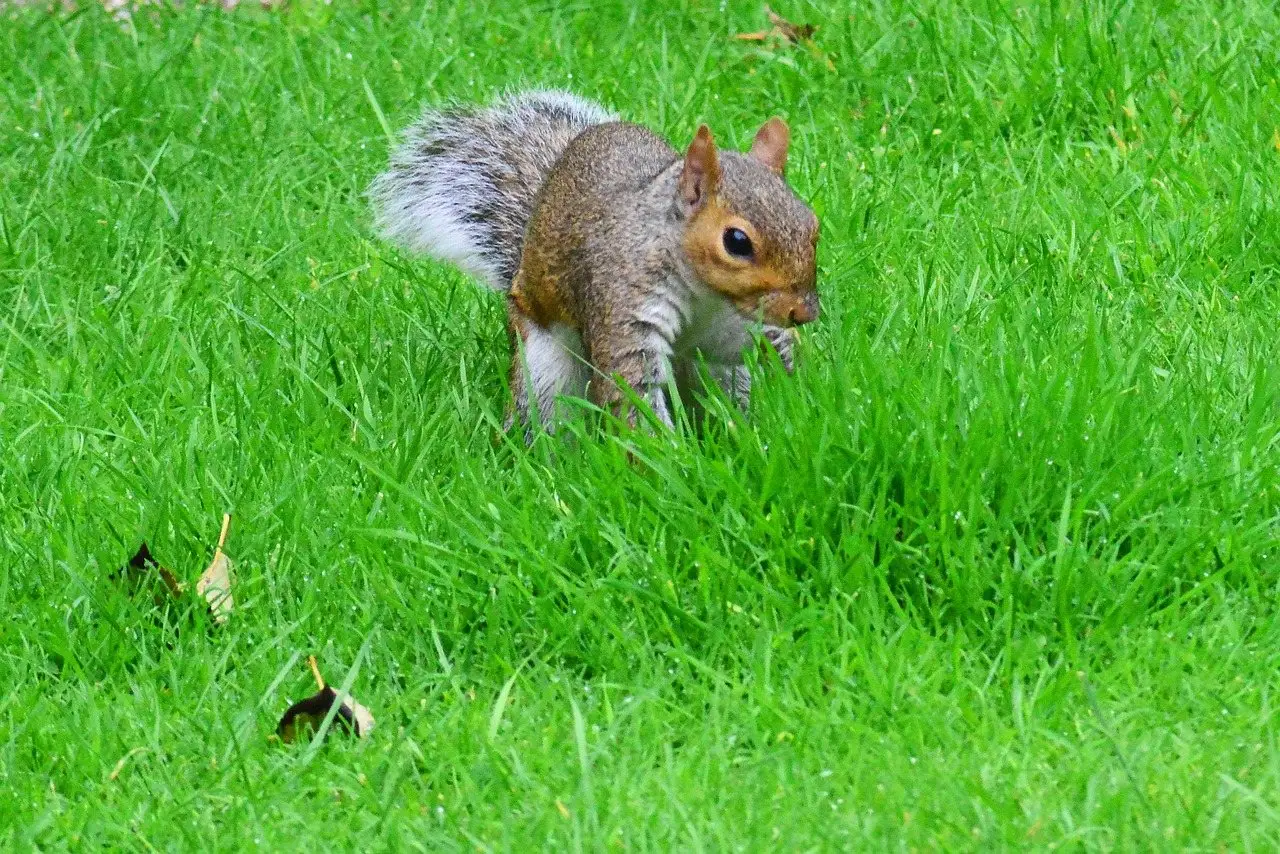
Will mothballs keep squirrels away, and is it even legal? No on both counts, and 3 measures close the gap instead. See which fits your roof.
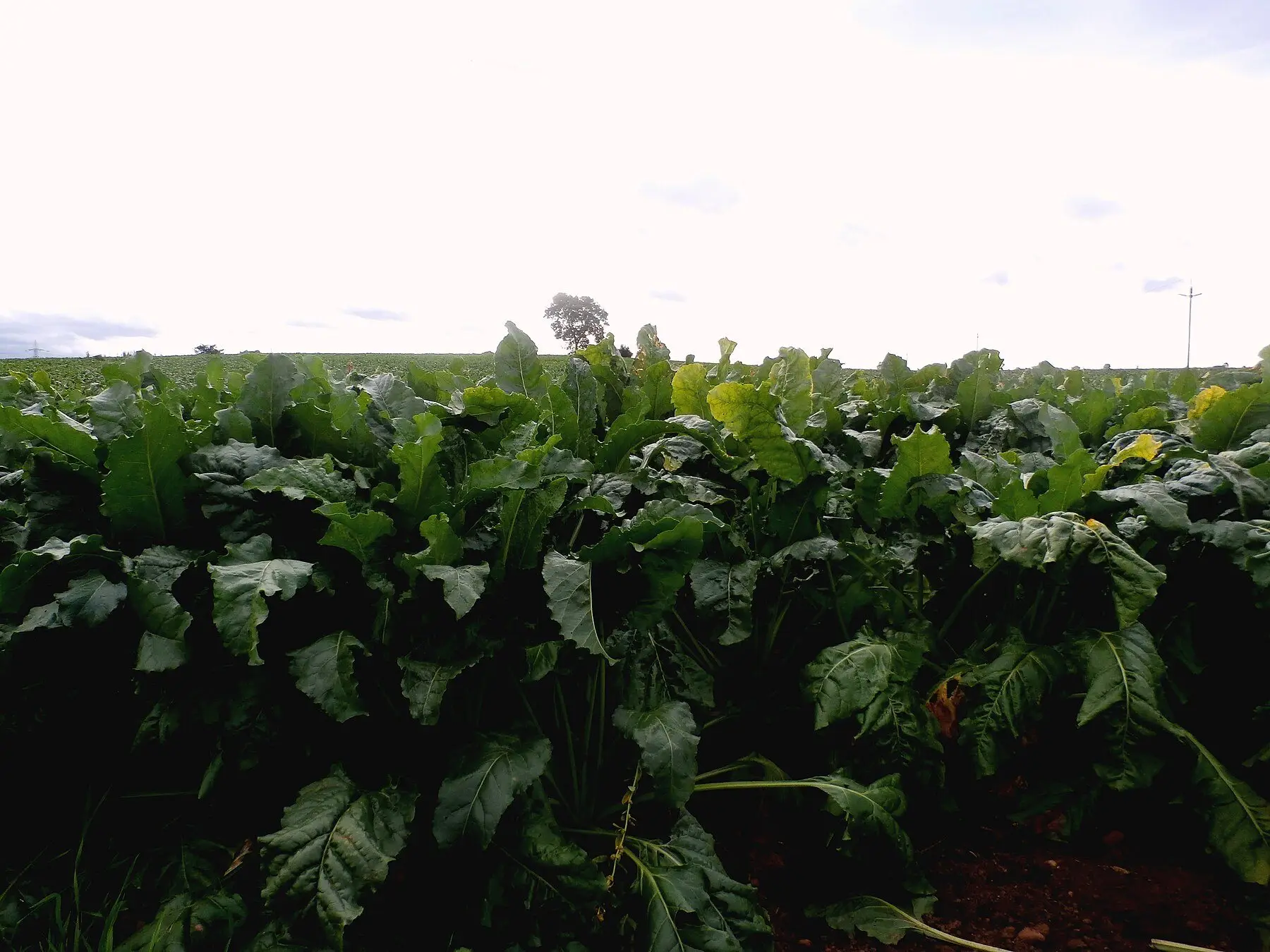
Deer largely ignore turnips until frost turns the starch to sugar. When to plant for that timing, and why the tops get eaten long before the bulbs.
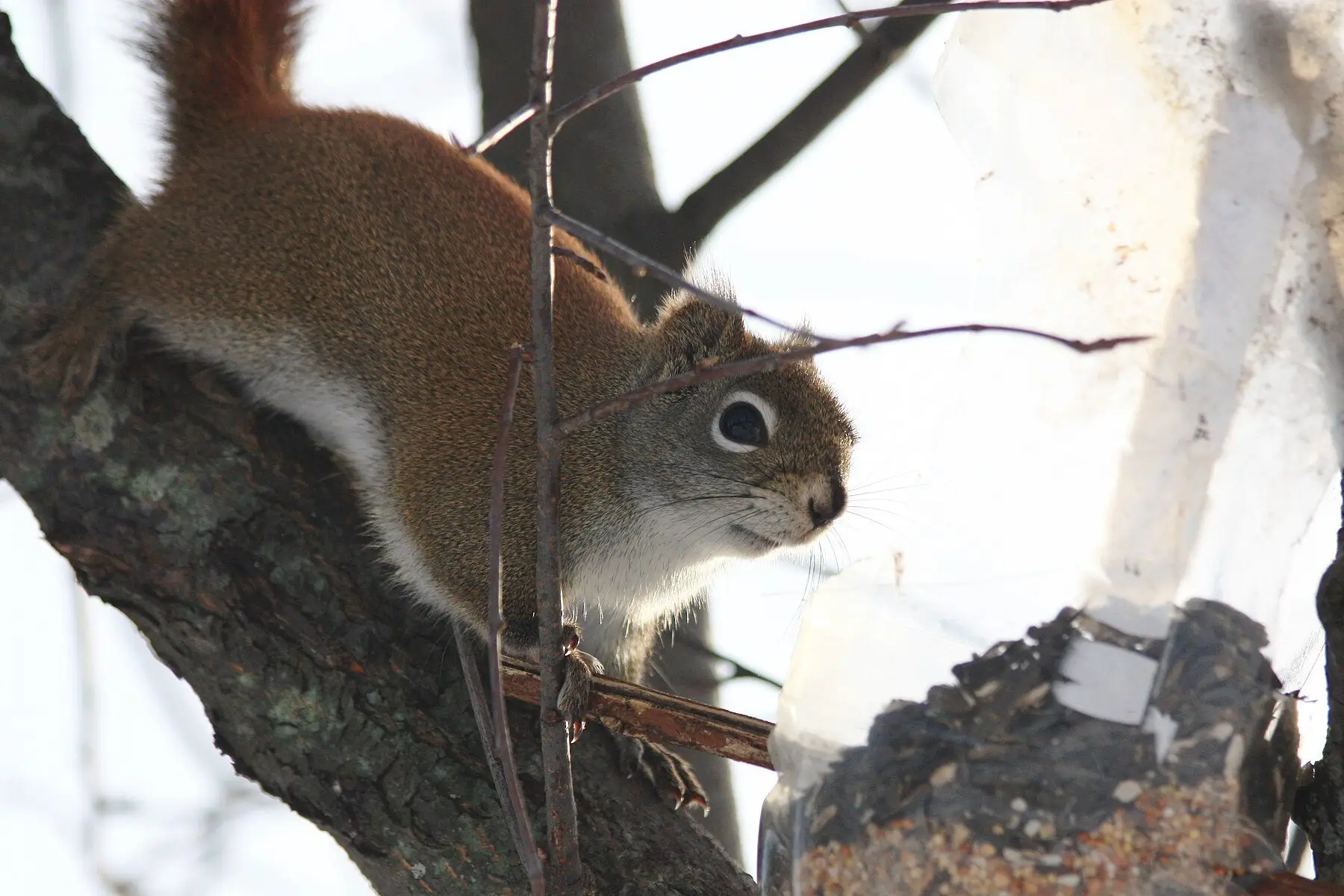
Sunflower seed is a squirrel's favourite feeder food, and black oil is the worst offender. What to feed instead, and the one barrier that reliably works.
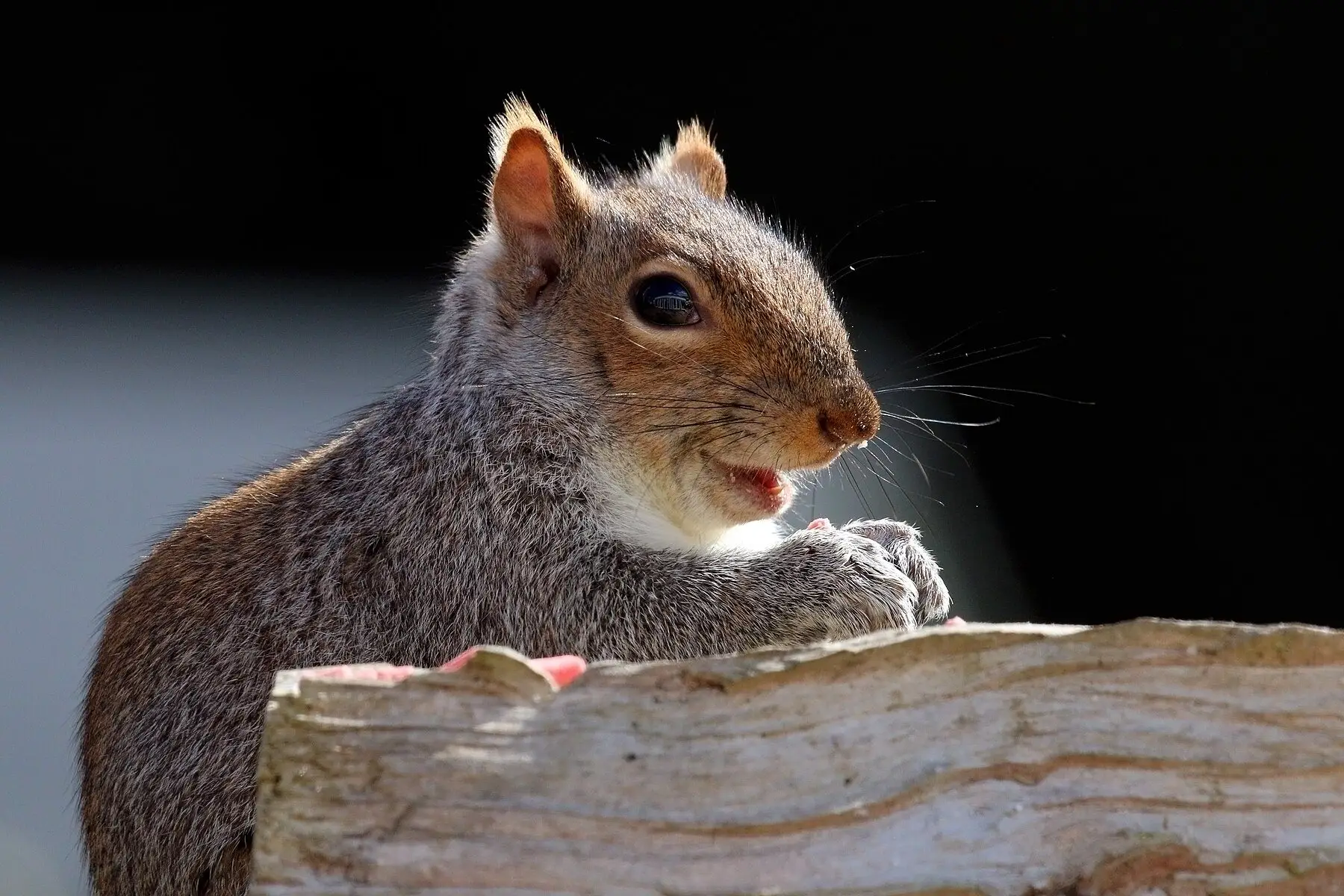
Spiralling chases up a tree are courtship, territory or play, and the time of year tells you which. How to read one, and when it turns serious.
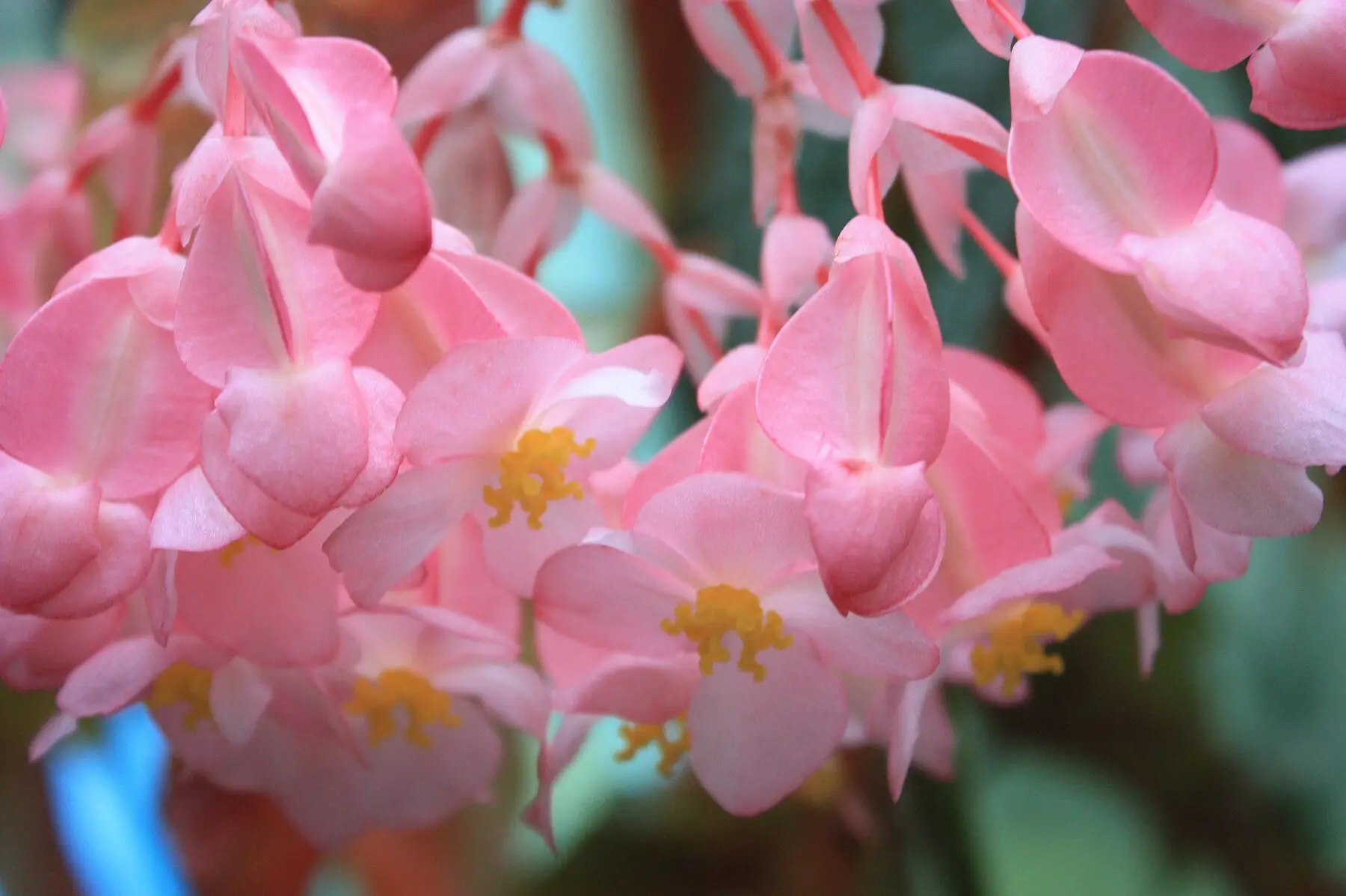
Begonias are among the more reliably deer-resistant bedding plants, thanks to bitter sap and fleshy leaves. Why hungry deer still browse them sometimes.
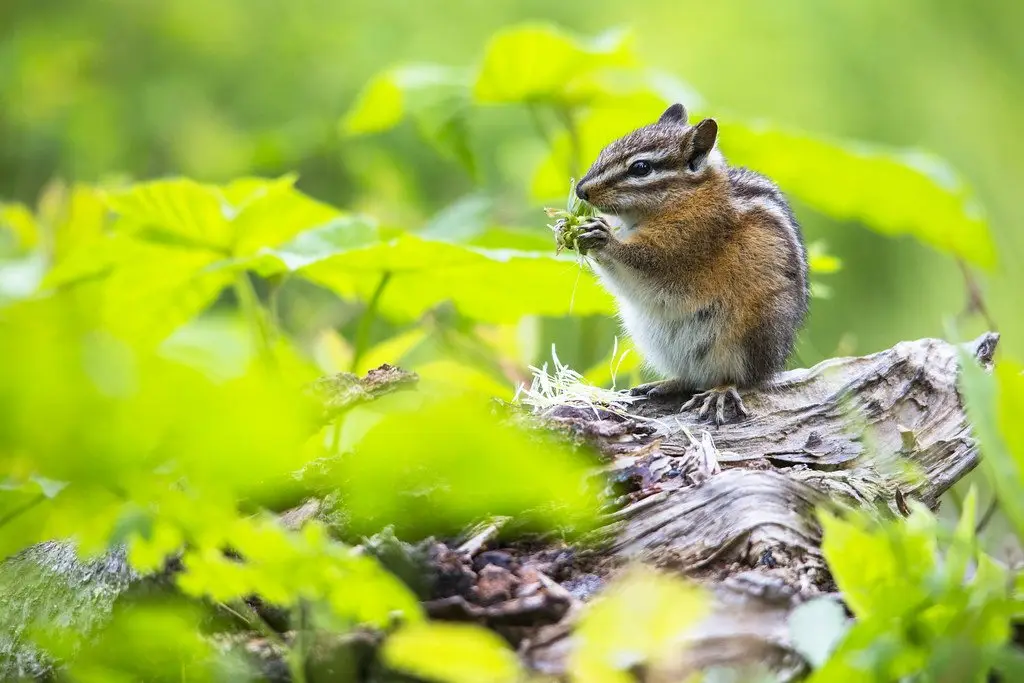
Taking a wild chipmunk is illegal in most states and a poor idea everywhere. What the law says, what captive Siberian chipmunks need, and the honest verdict.
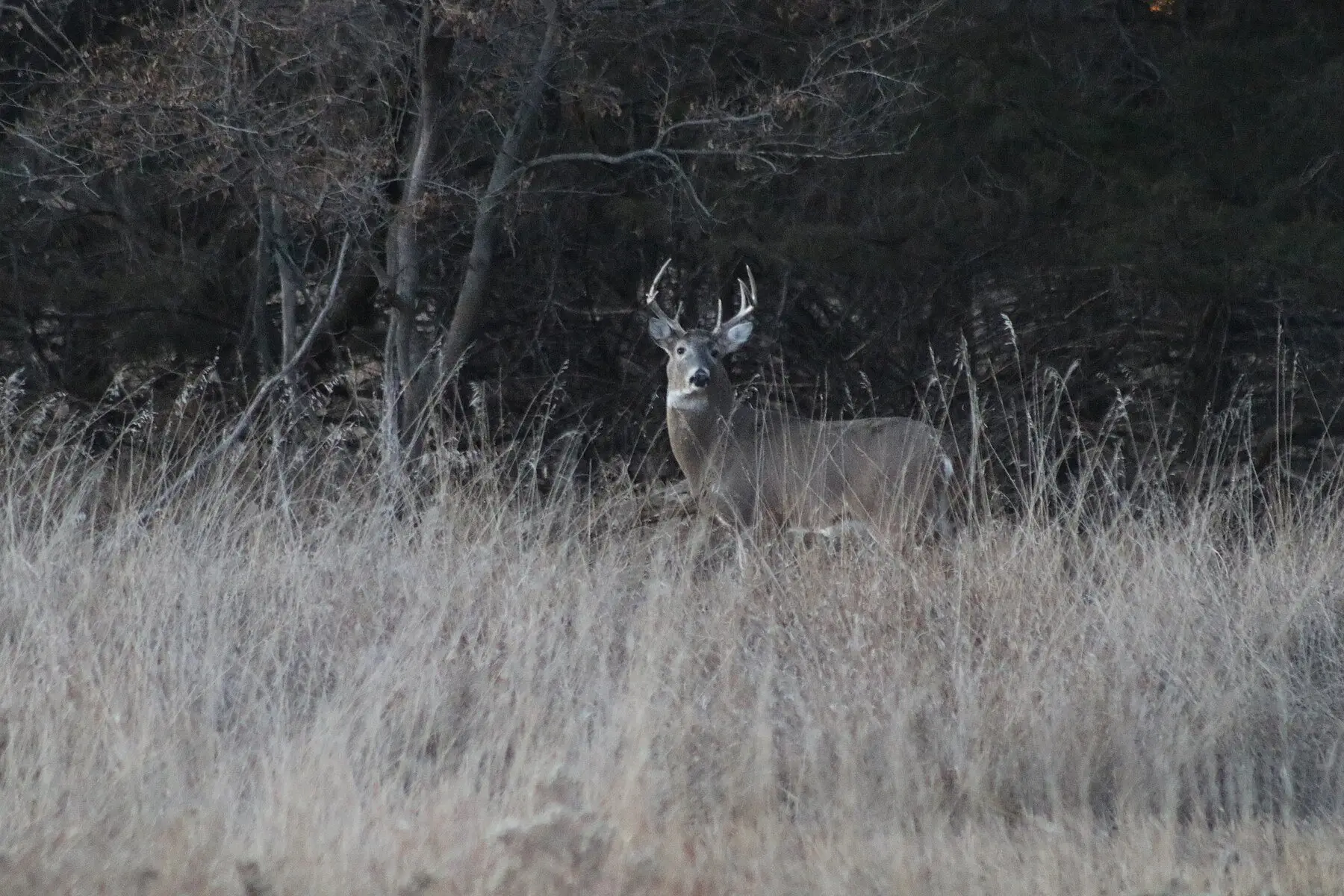
Deer kill more people than bears and snakes combined — almost all in car collisions. Direct attacks are rare but real. When a deer is genuinely dangerous.
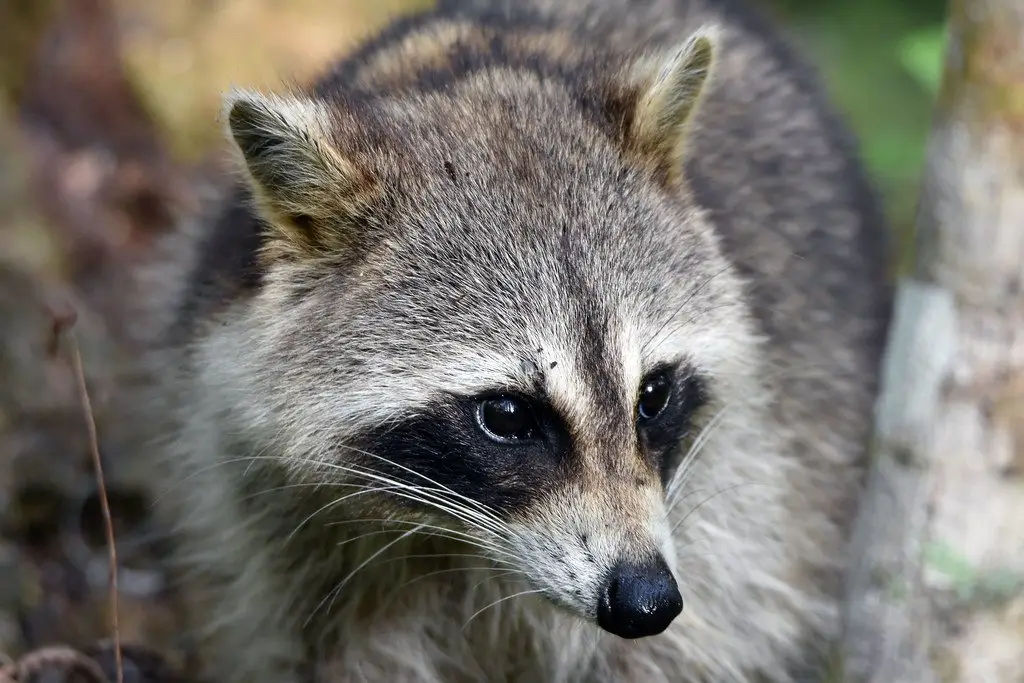
A raccoon jumps about 4 feet up and 4 to 5 feet across, but climbing is the real problem. What actually keeps one off a fence, a roof or a bin.
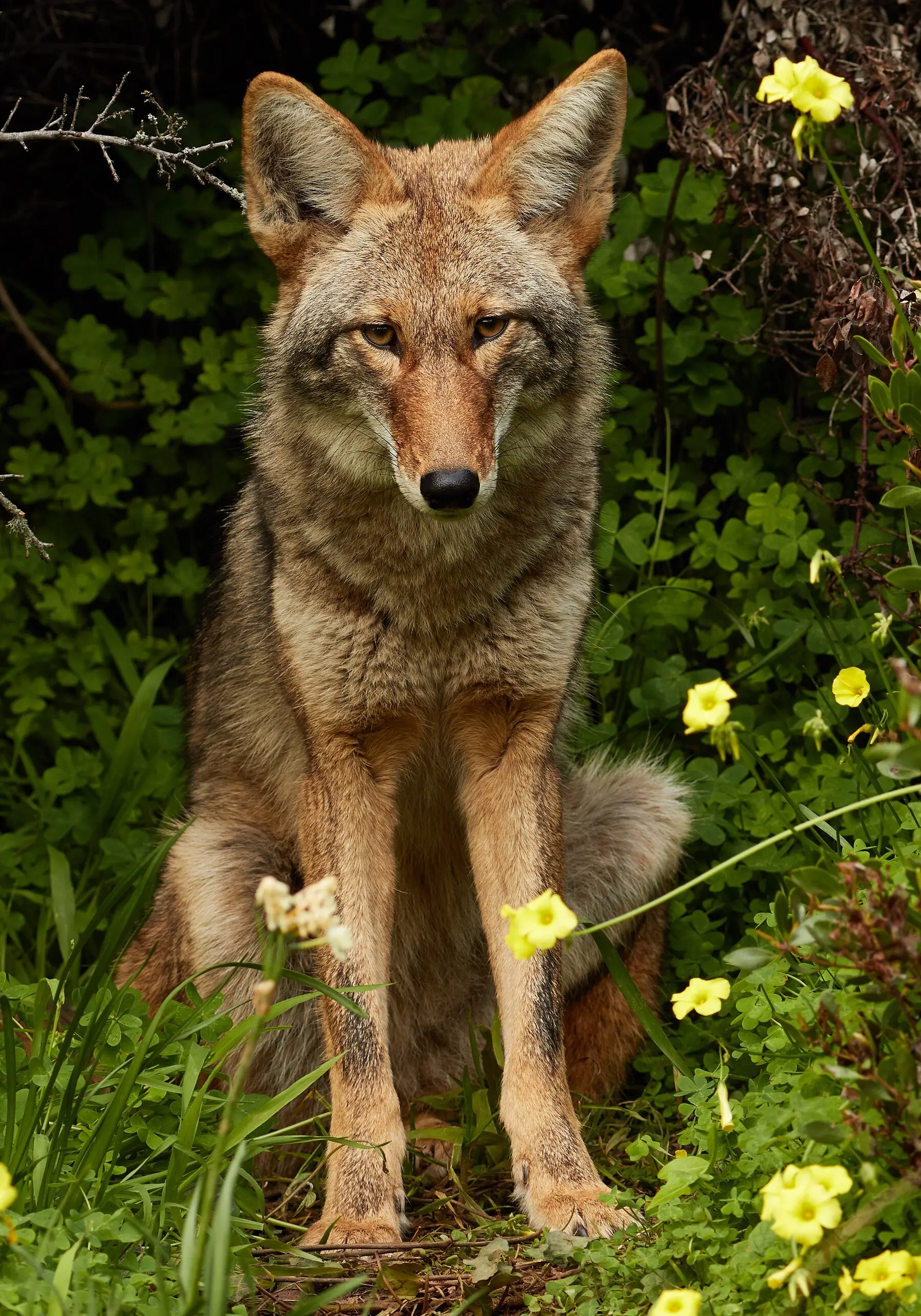
Coyote scat is tapered, full of hair and bone, and left in the open on purpose. Dog stool is smooth and uniform. What each one tells you about your yard.
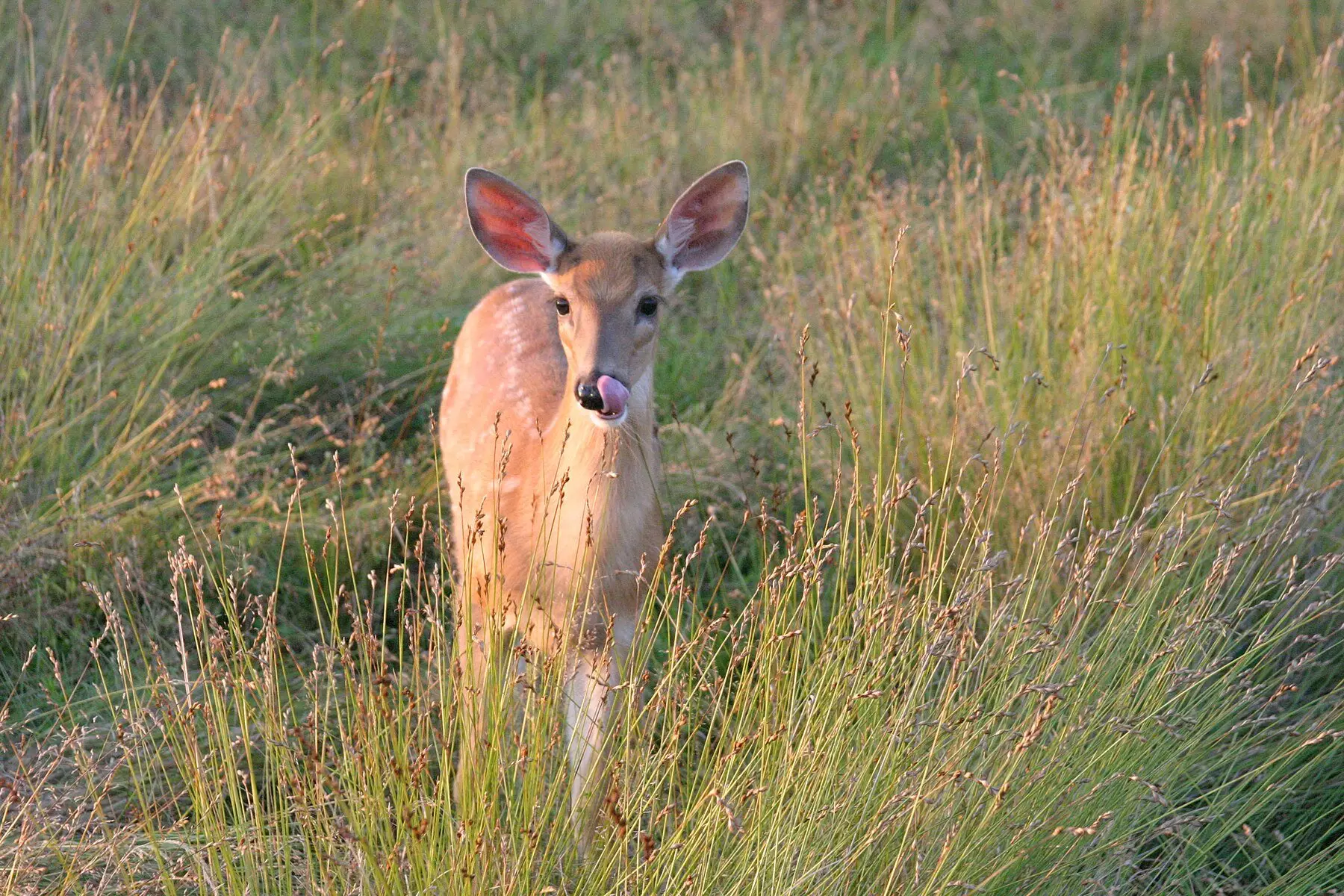
Most does live their whole lives within about a square mile. What that means for a garden, why bucks are different, and why removing deer never works.
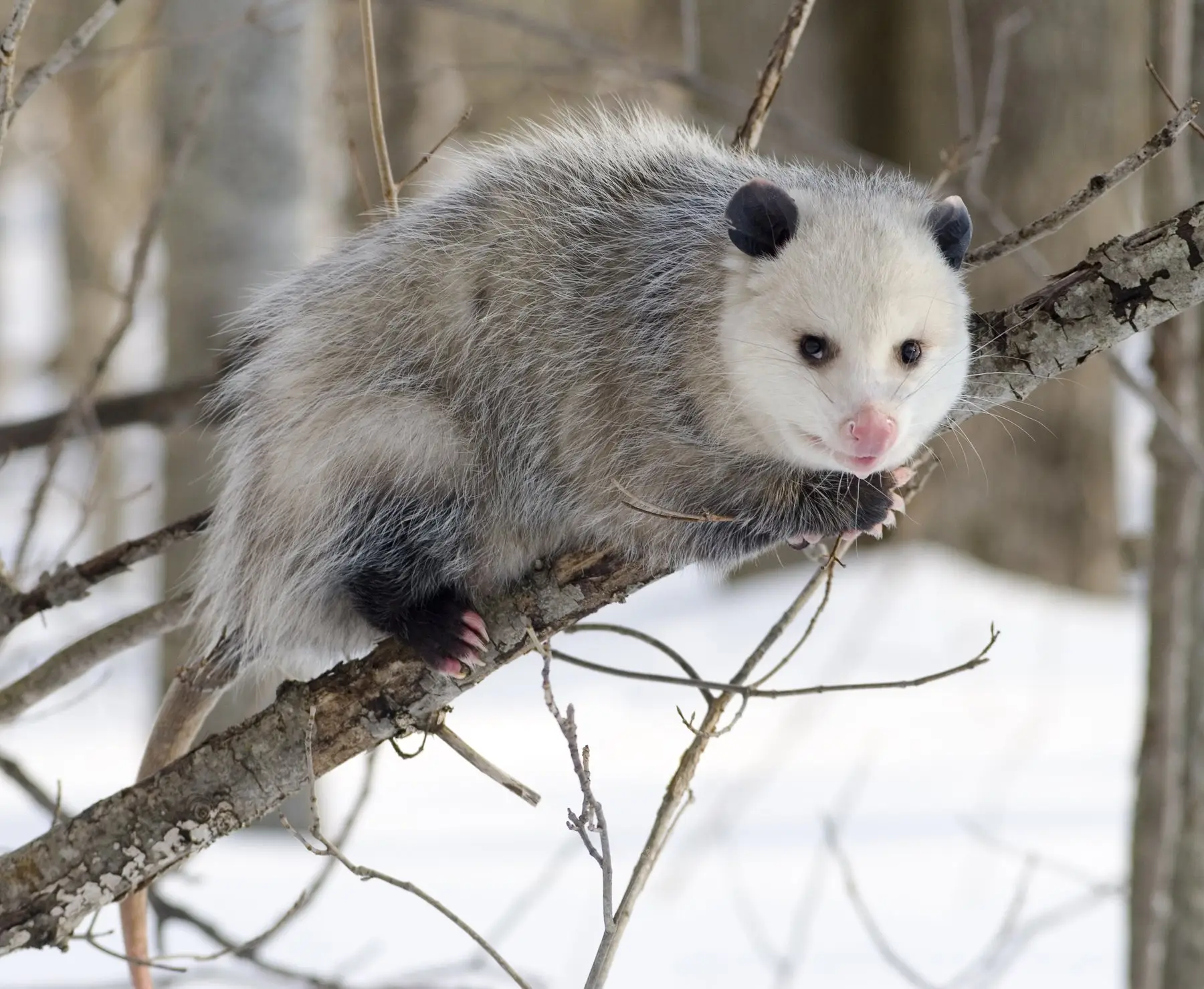
Opossums use burrows but almost never dig them. What they take over, why they move every few days, and how to tell an opossum hole from a groundhog's.
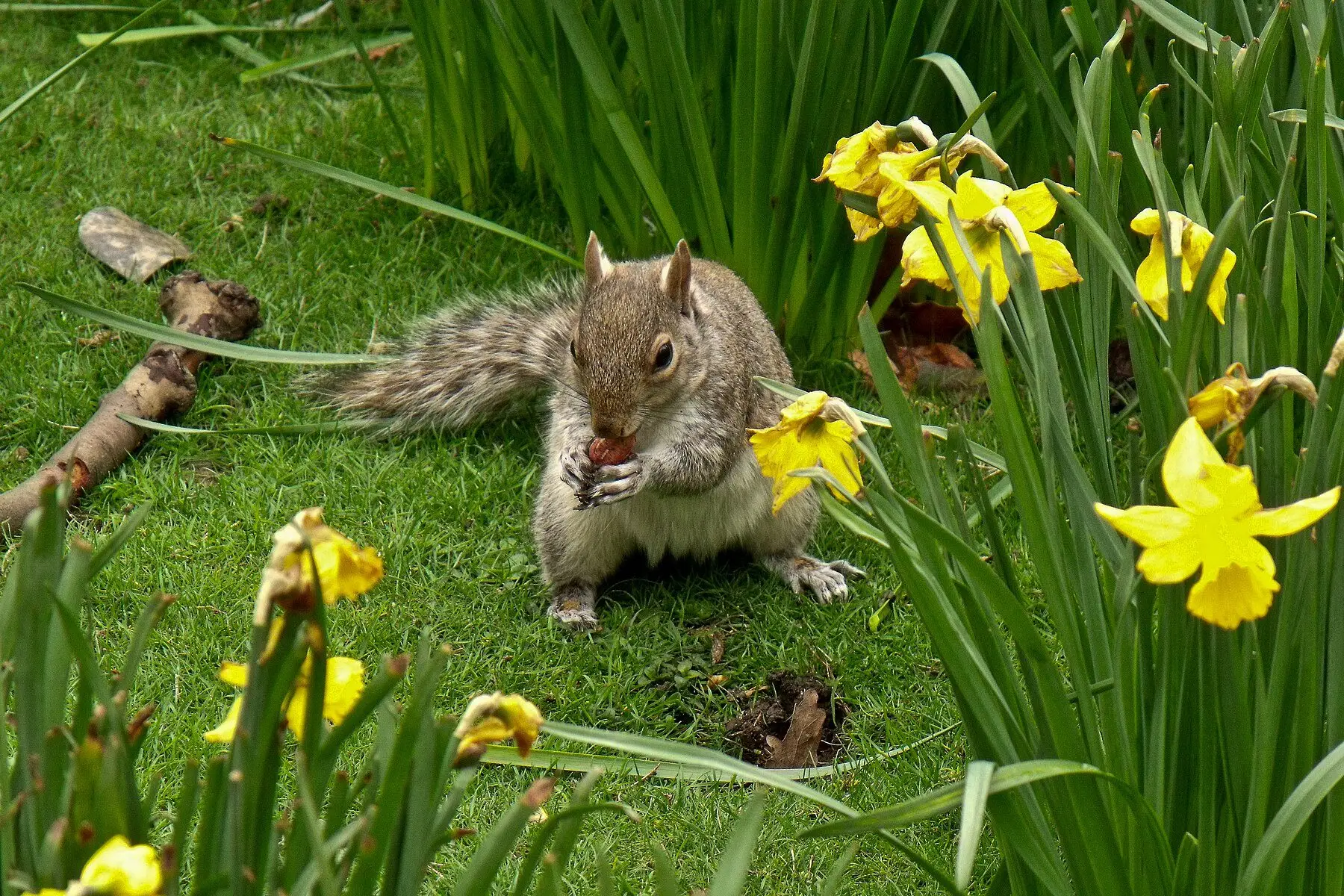
Squirrels eat pumpkin seeds readily and will hollow out a porch pumpkin to get them. What is safe to offer, what is not, and how to protect the display.
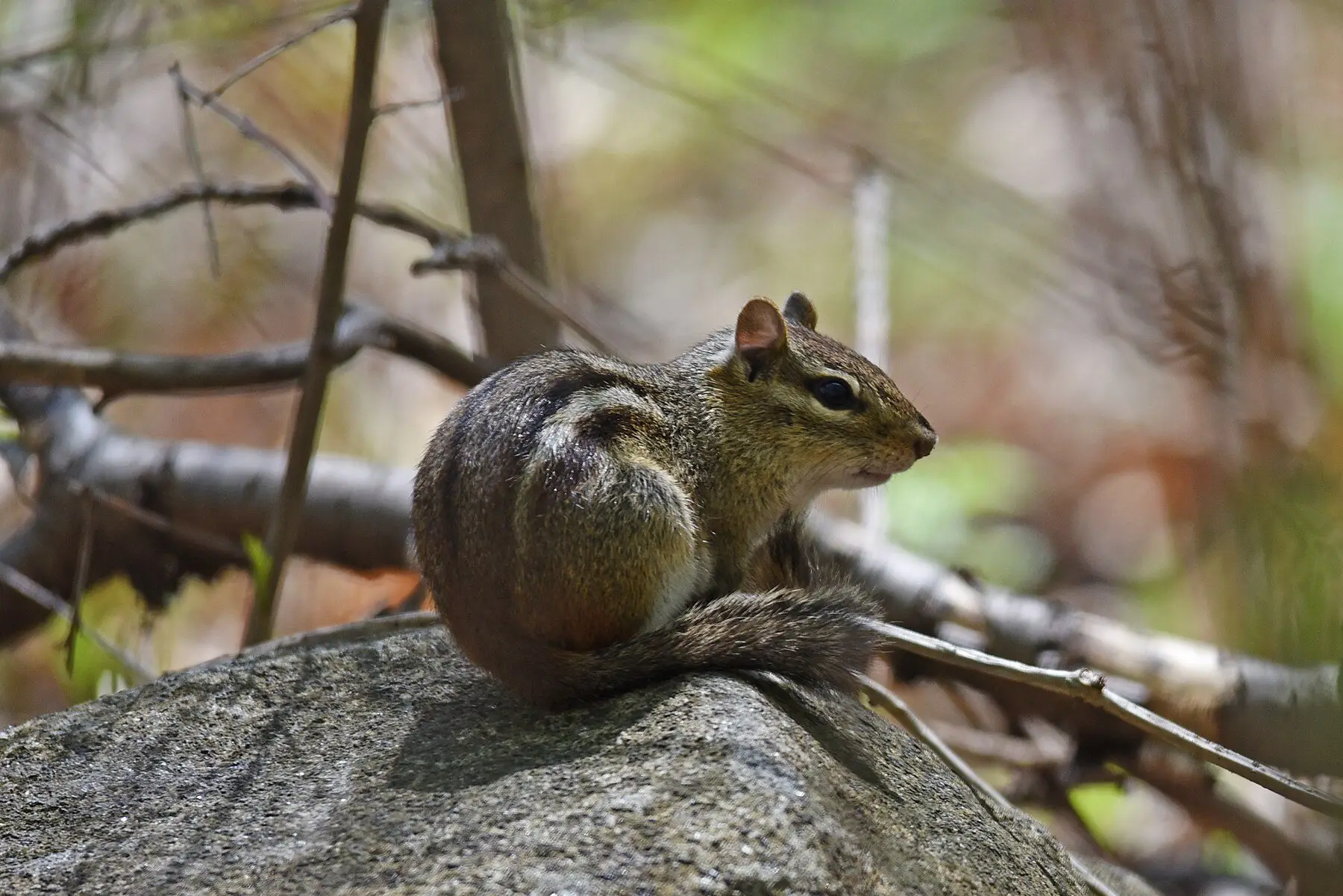
An eastern chipmunk is 8–11 inches including tail and weighs about 3 ounces — but its burrow runs 10 to 30 feet. Sizes, and when they reappear in spring.
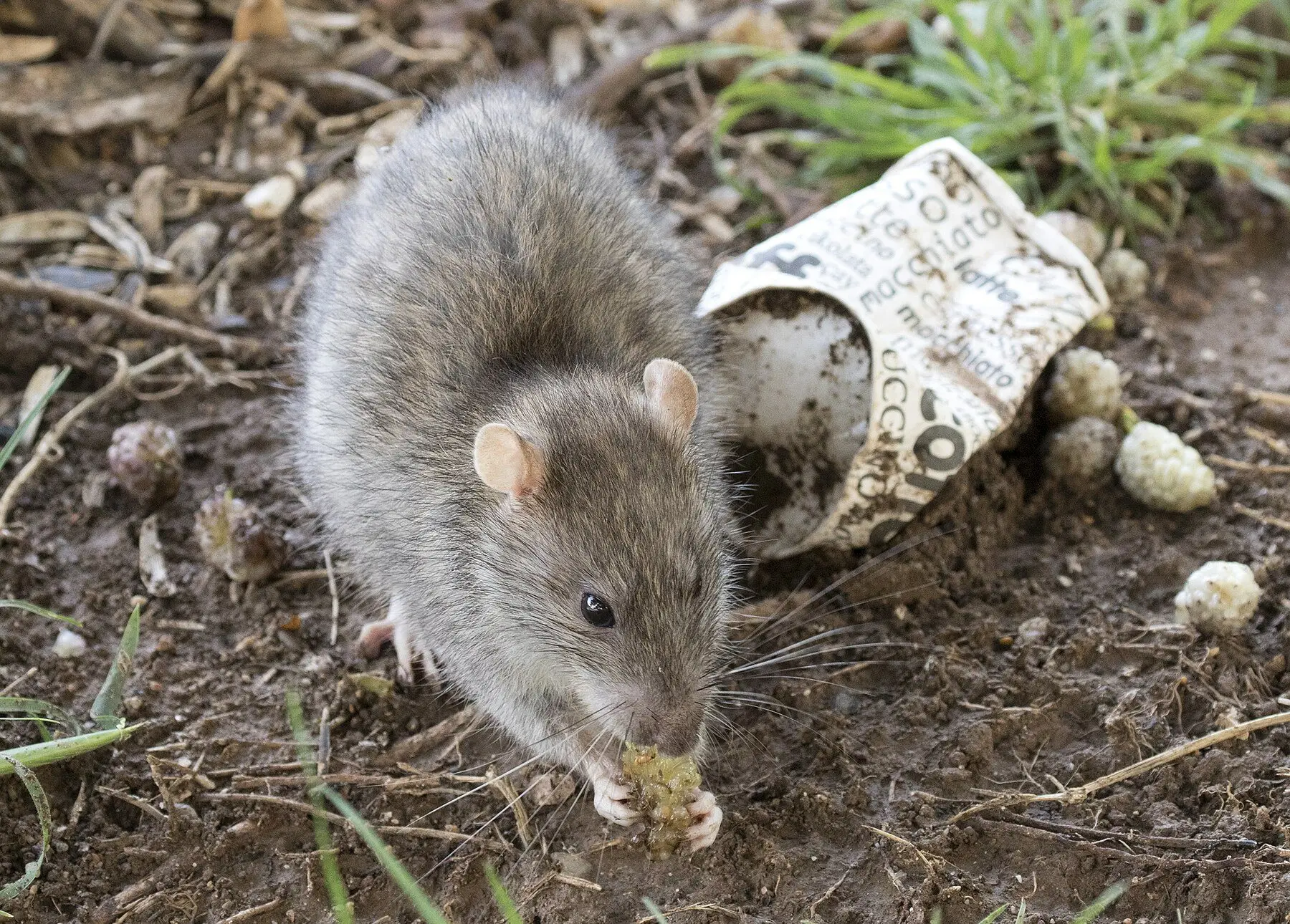
A brown rat clears about three feet vertically and four horizontally, and fits through a gap the size of a quarter. What that means for rat-proofing.
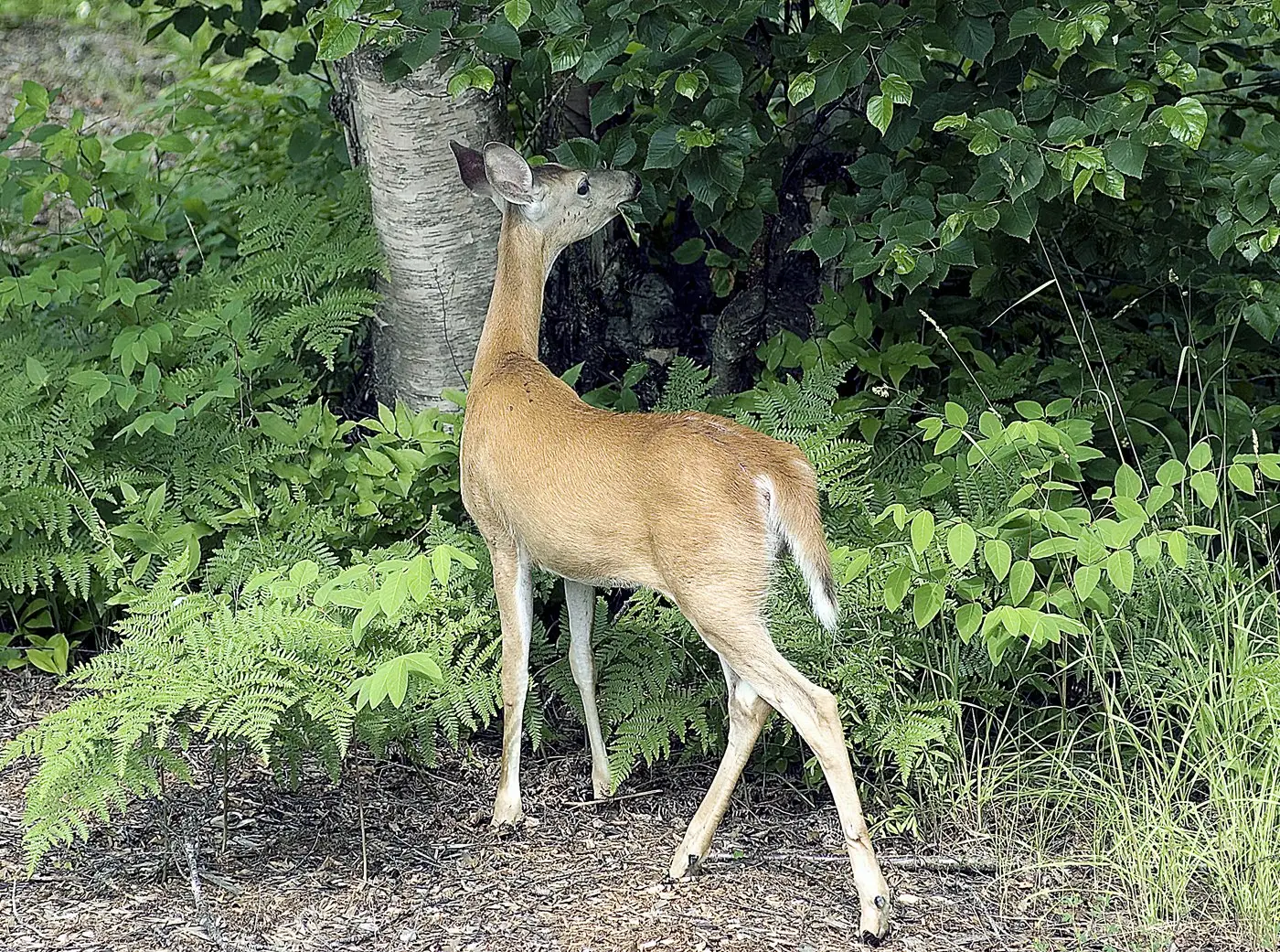
Deer come for food, water, cover and quiet — in that order. What to plant, what they actually like, and why baiting is the wrong first move.
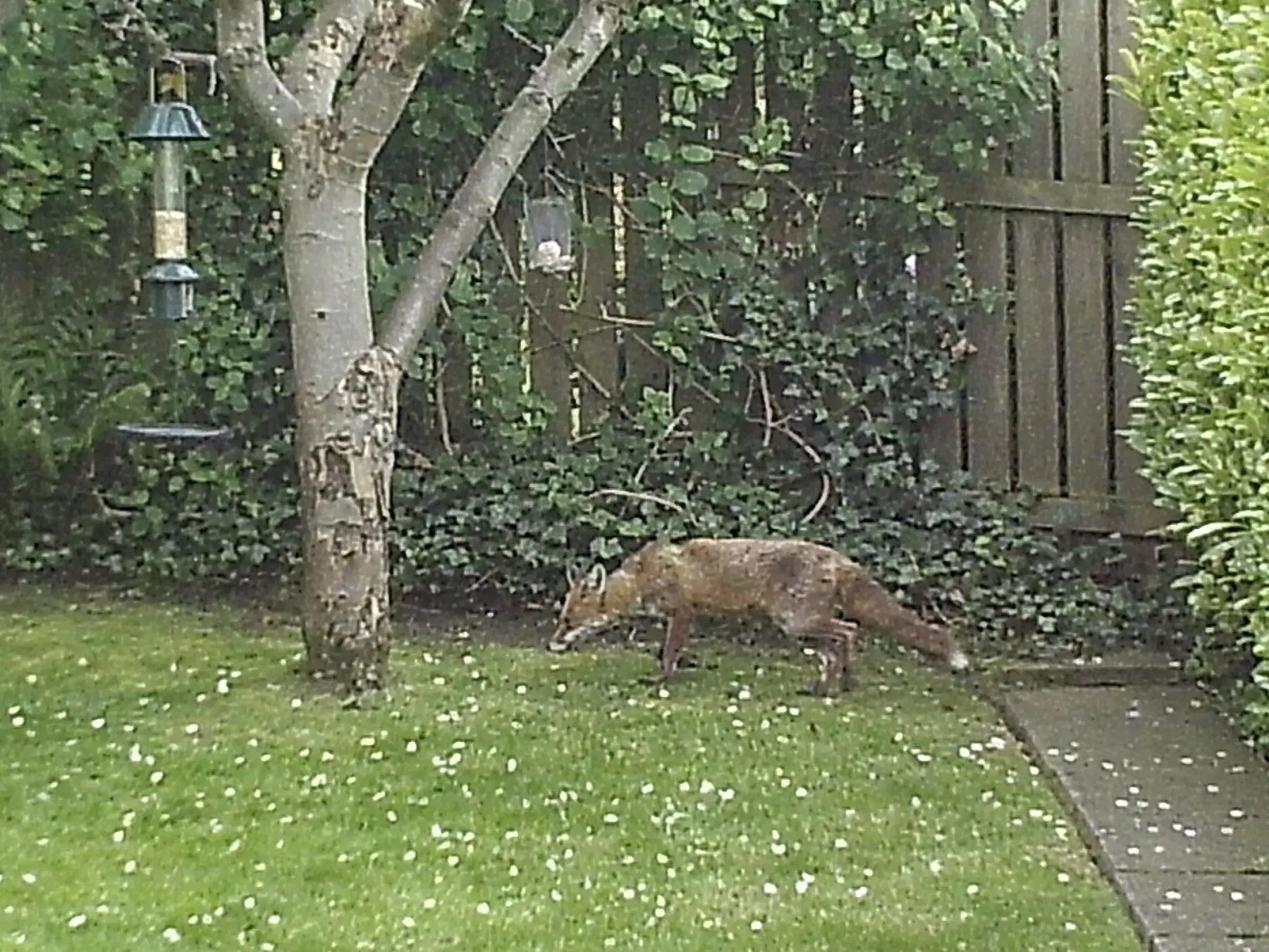
Foxes come for cover, quiet and easy food. How to make a garden welcoming without creating a tame fox — and why feeding is the part to get right.
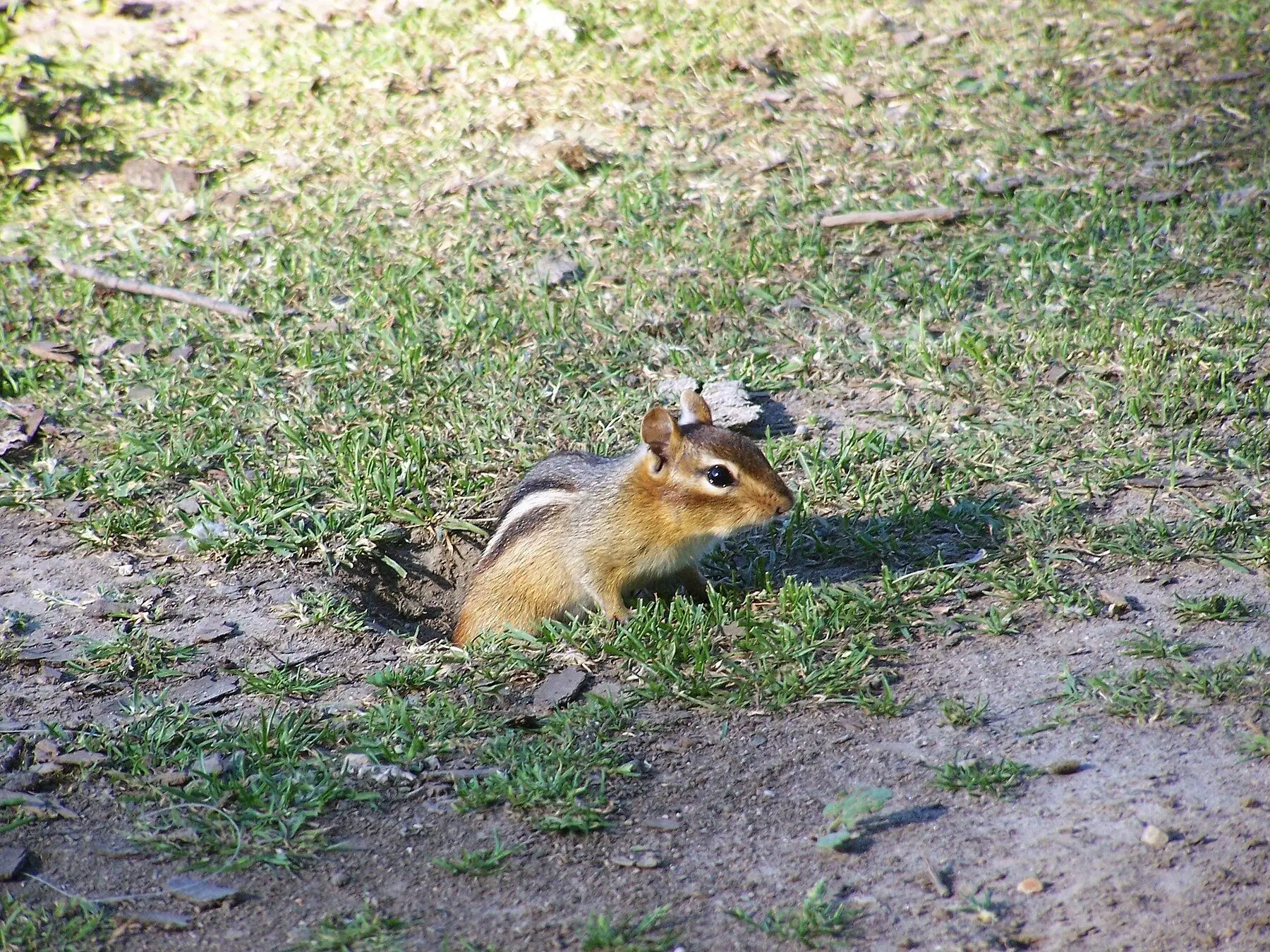
A chipmunk reopens a filled hole in a day. What actually stops the tunnelling, how to tell a chipmunk hole from a vole or rat hole, and when to worry.
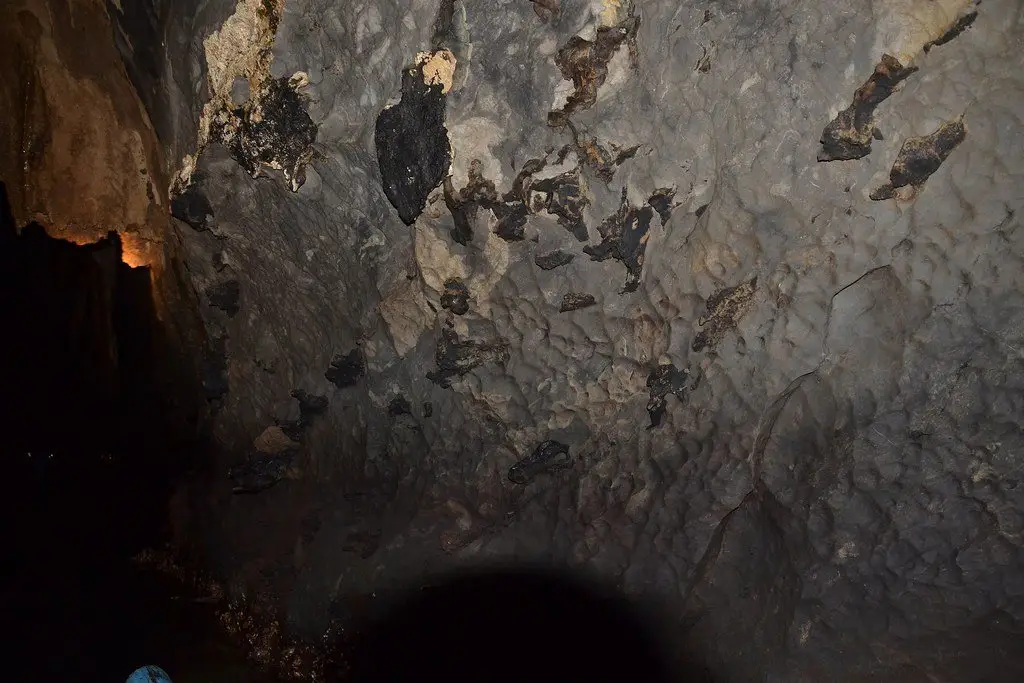
Bat guano is a fast, high-nitrogen or high-phosphorus fertiliser depending on the bat's diet. How to use it, how to dilute it, and why the dust is dangerous.
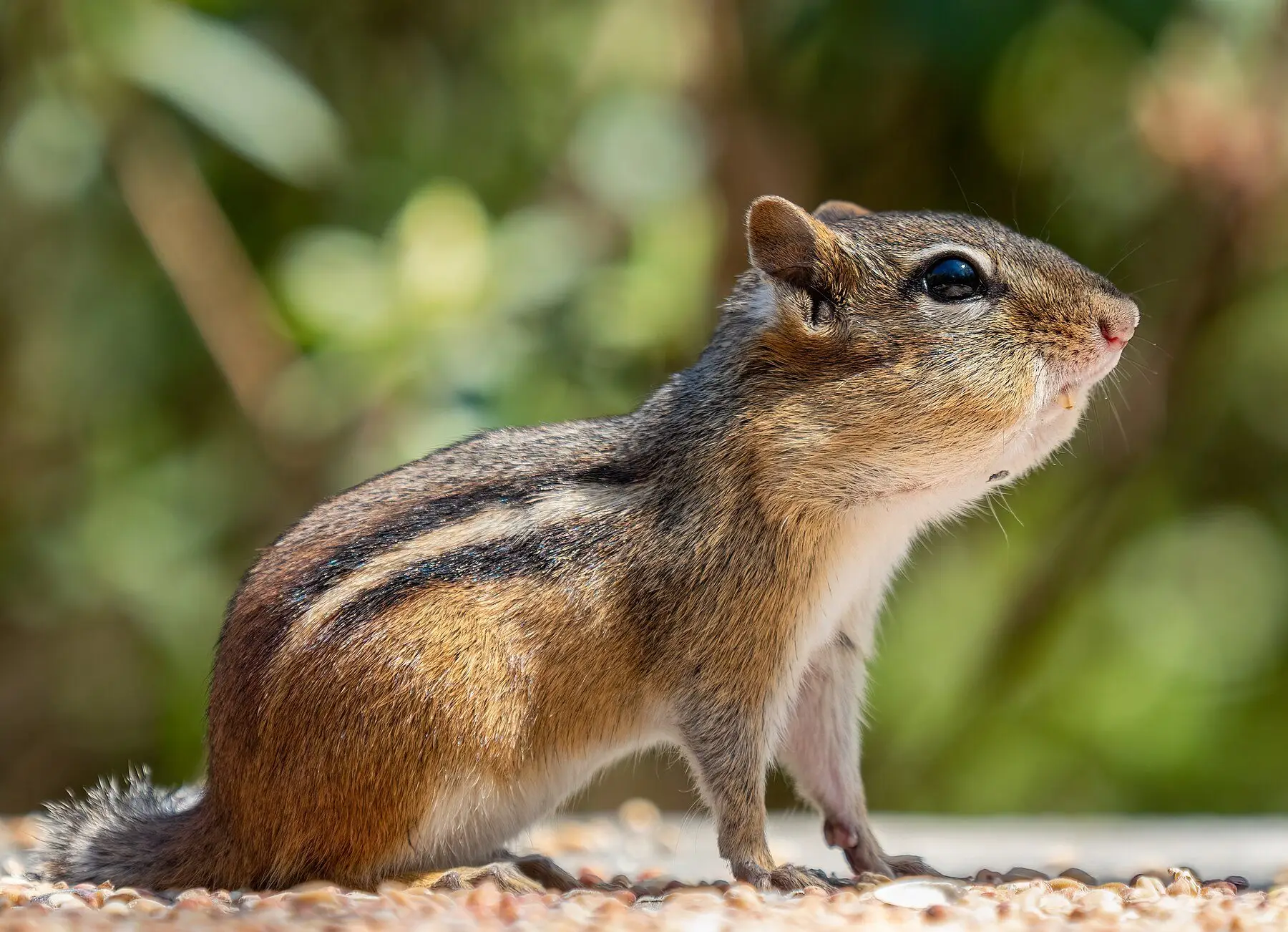
Chipmunks are strictly daytime animals with morning and late-afternoon peaks. Why they vanish in midsummer, and why a January sighting is normal.
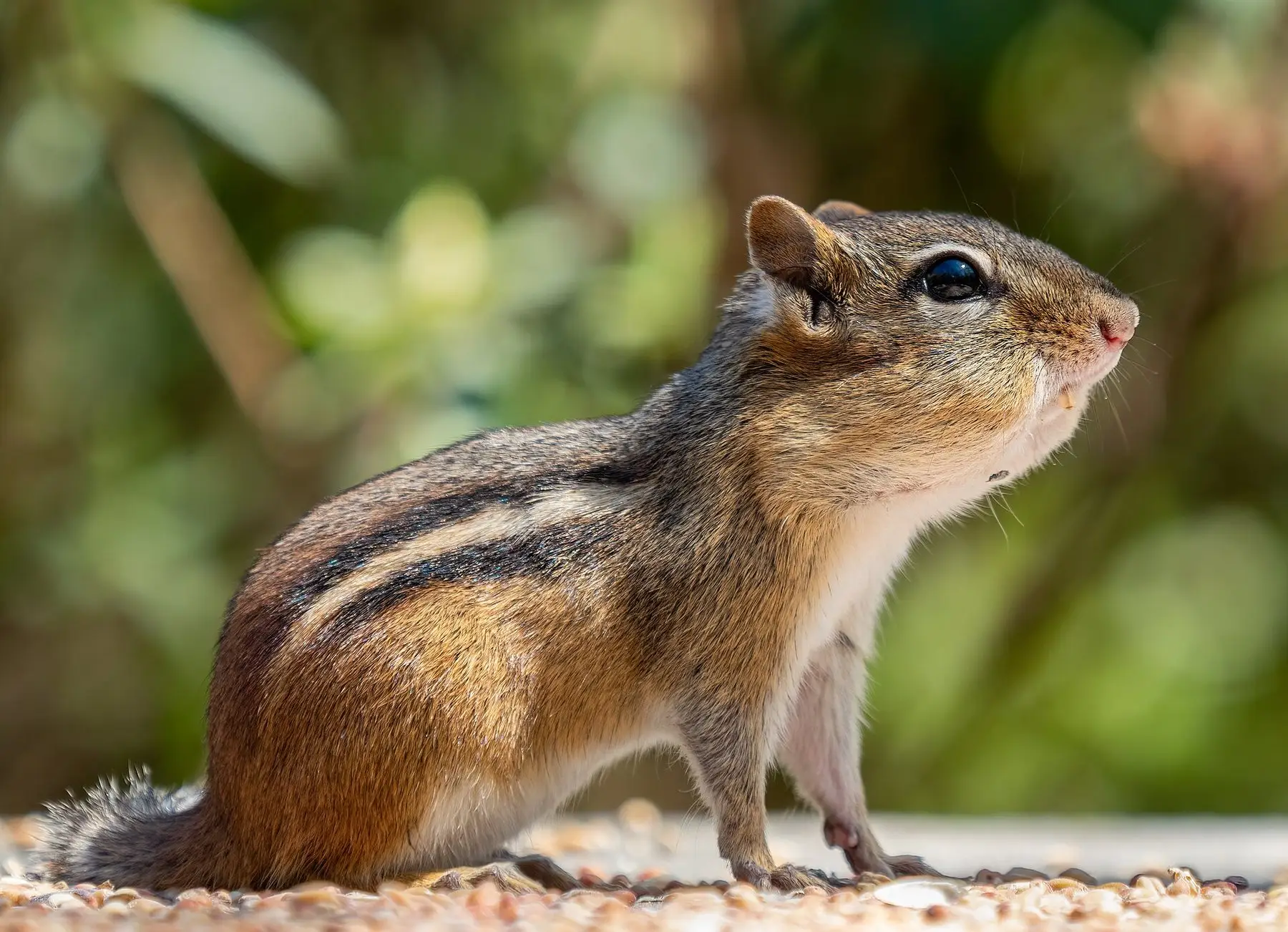
The chip, the chuck and the trill are three different alarms for three different threats. How to read them, and what the yard is telling you.
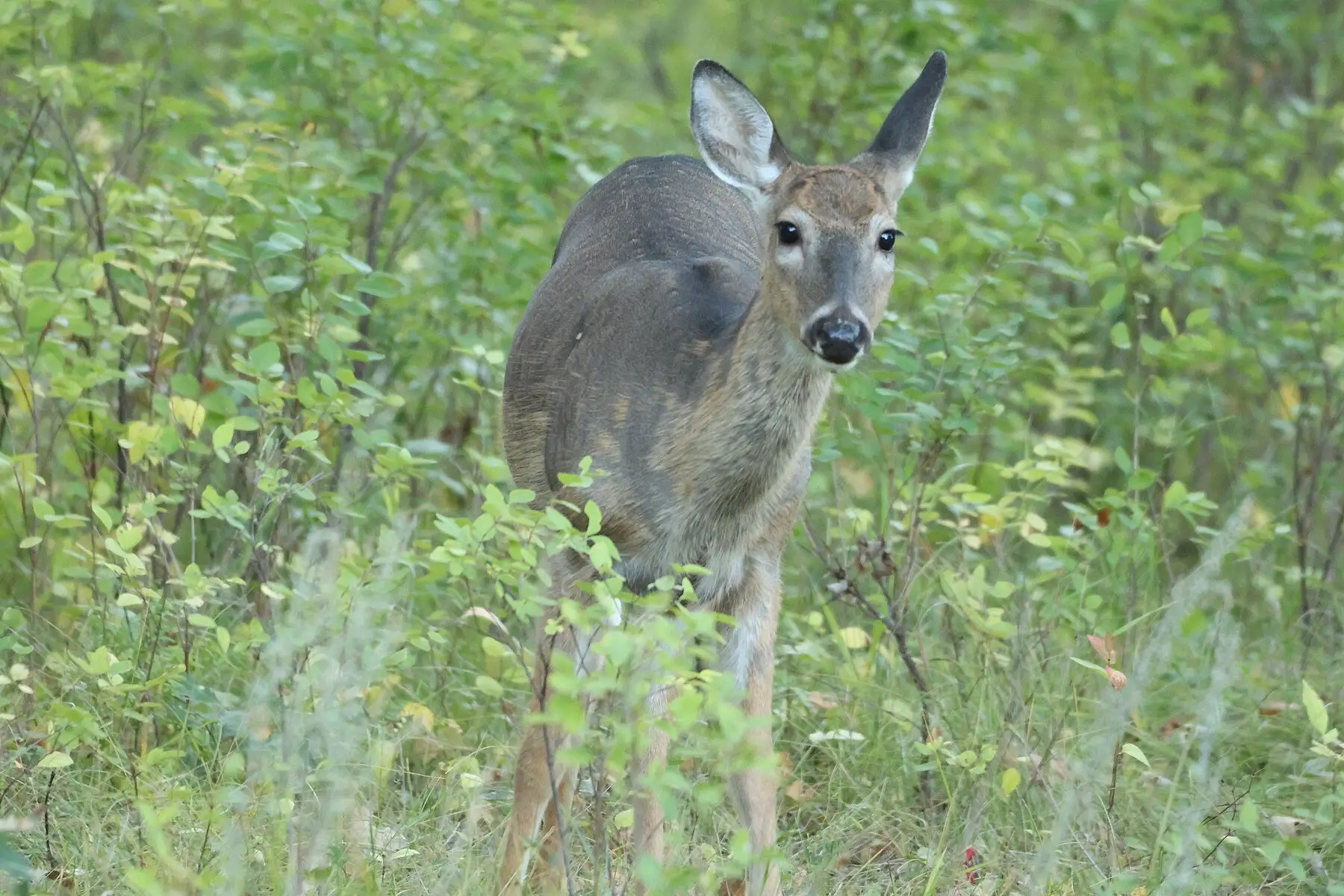
A snort is a deer telling every animal nearby it has seen you — and testing whether you move. What each sound means and how smart deer actually are.
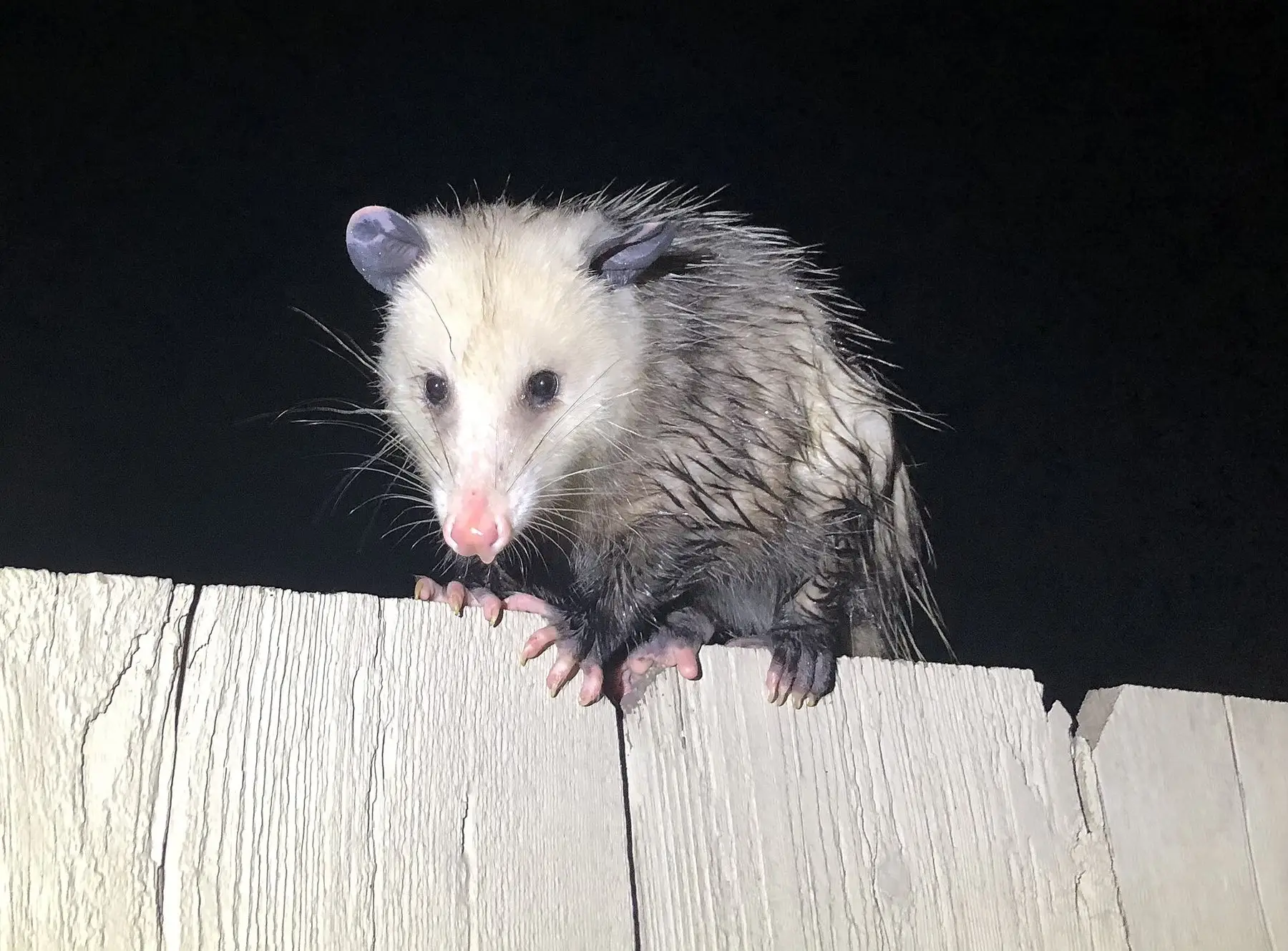
Playing possum is an involuntary shock state, not a decision. Why it happens, how long it lasts, and what to do with one lying in your yard.
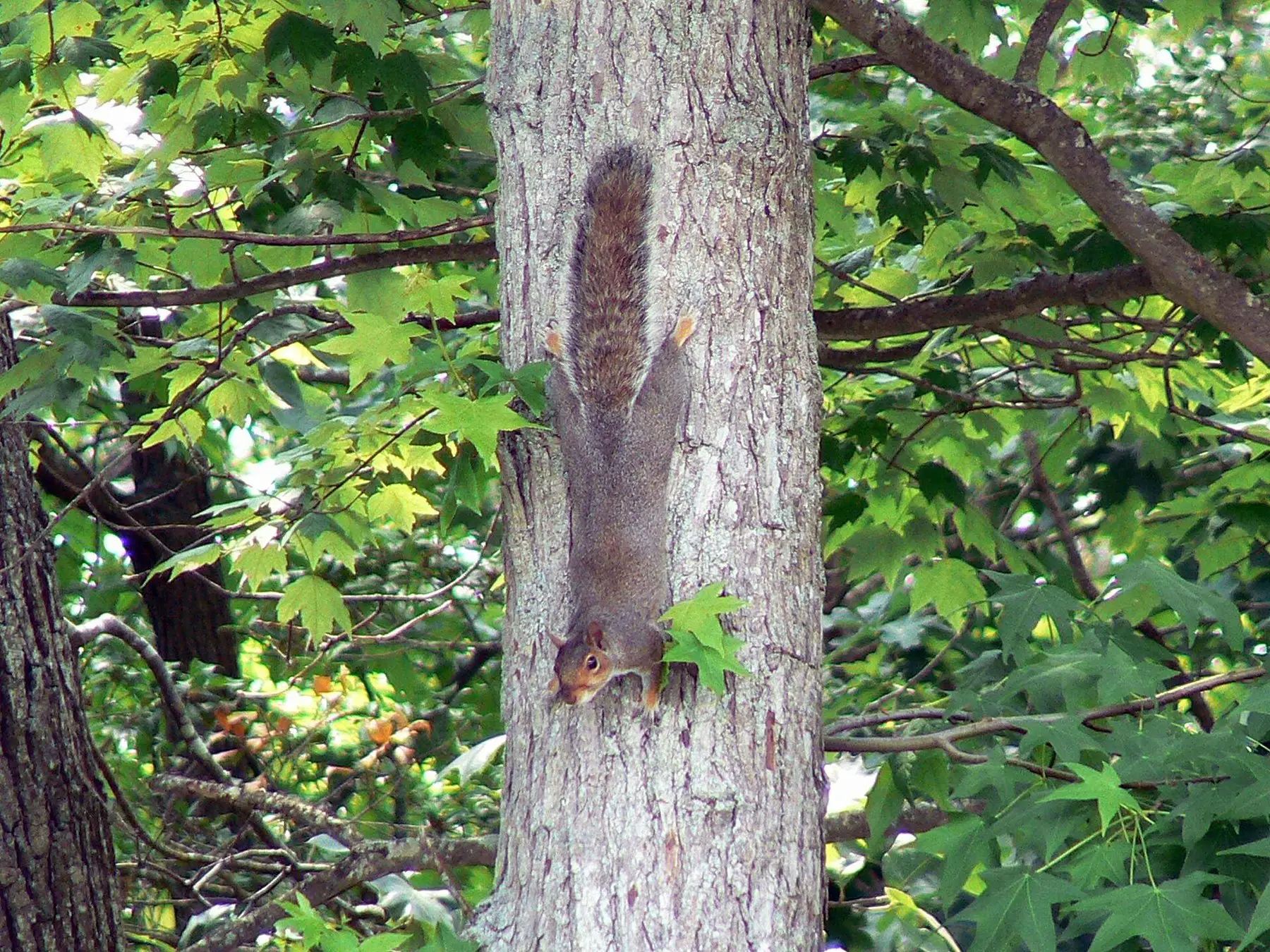
Squirrels cache thousands of nuts a year, in separate holes, and relocate them by memory and smell — while faking burials for any squirrel watching.
A fox clears a six-foot fence and climbs considerably higher. What actually keeps them out, and why the same fence stops a skunk but not a raccoon.
Squirrel is lean, legal game across much of the US, and was standard food for centuries. The parasites and diseases worth knowing about, and how it is cooked.
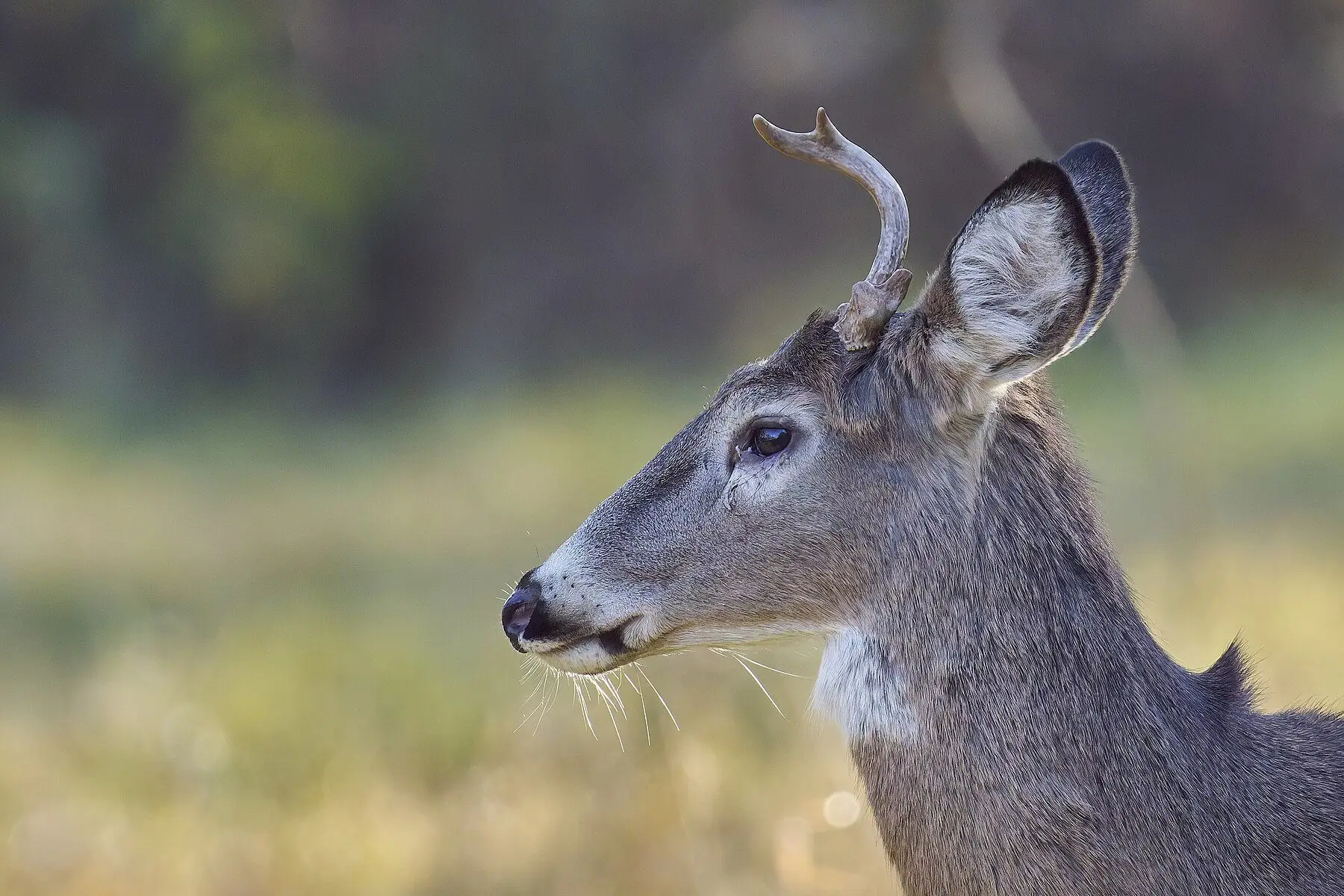
Deer injure more people than most wild animals in North America — almost all of it in autumn rut or from a doe with a fawn. What provokes it and what to do.
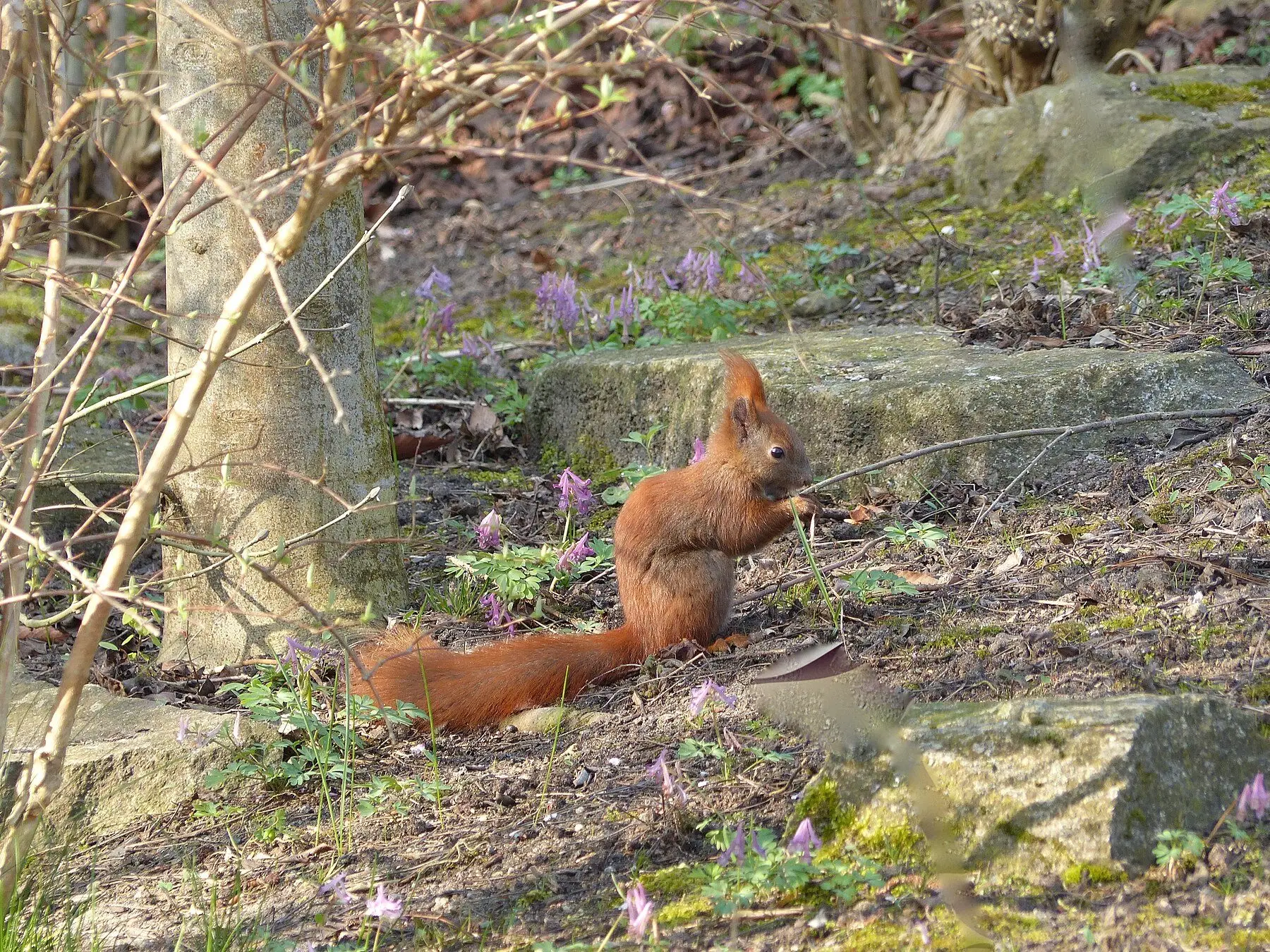
Nut trees, water and cover bring squirrels in far more durably than a feeder. What works, what to put out, and the costs worth weighing first.
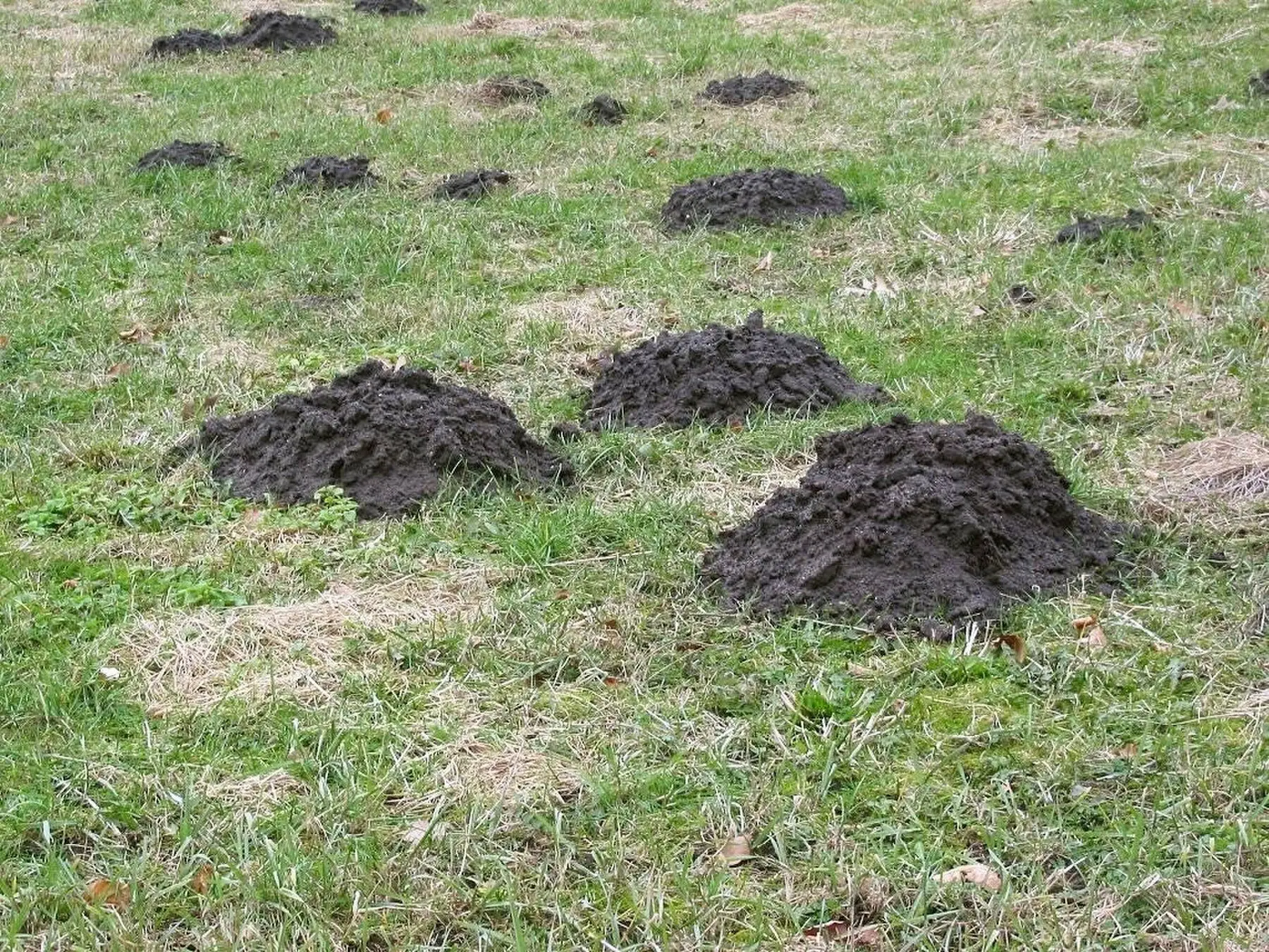
How to get rid of moles: find the active run first, then trap it. 3 measures compared, and why vinegar and soap fail. See which fits your lawn.
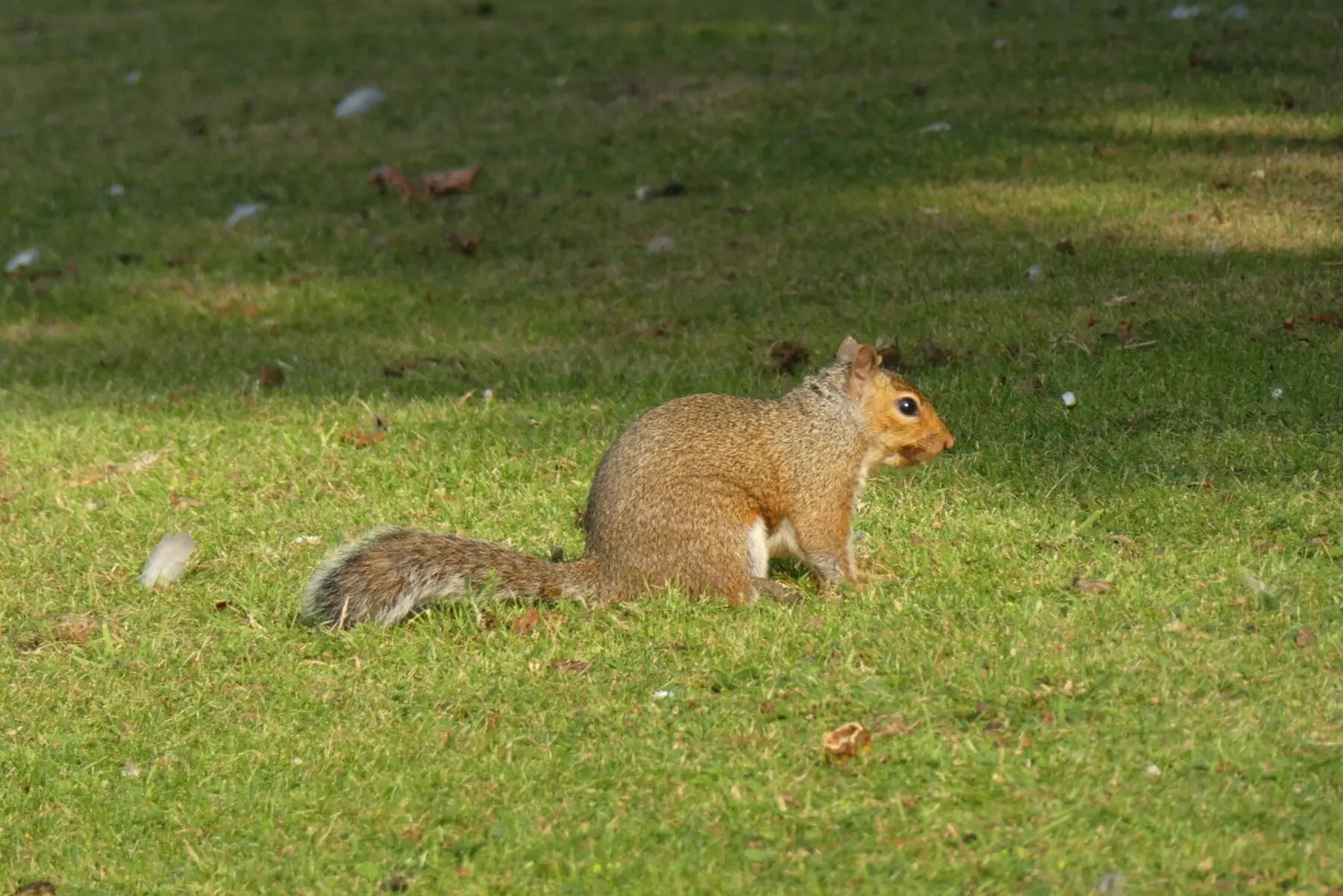
Squirrels are game animals with seasons in most US states, and firing a weapon in town is separately illegal. What the law says, and what works instead.
Chipmunks are omnivores hoarding seeds and nuts in cheek pouches — plus insects, eggs and fungi. What to feed them, what harms them, and why they dig your pots.
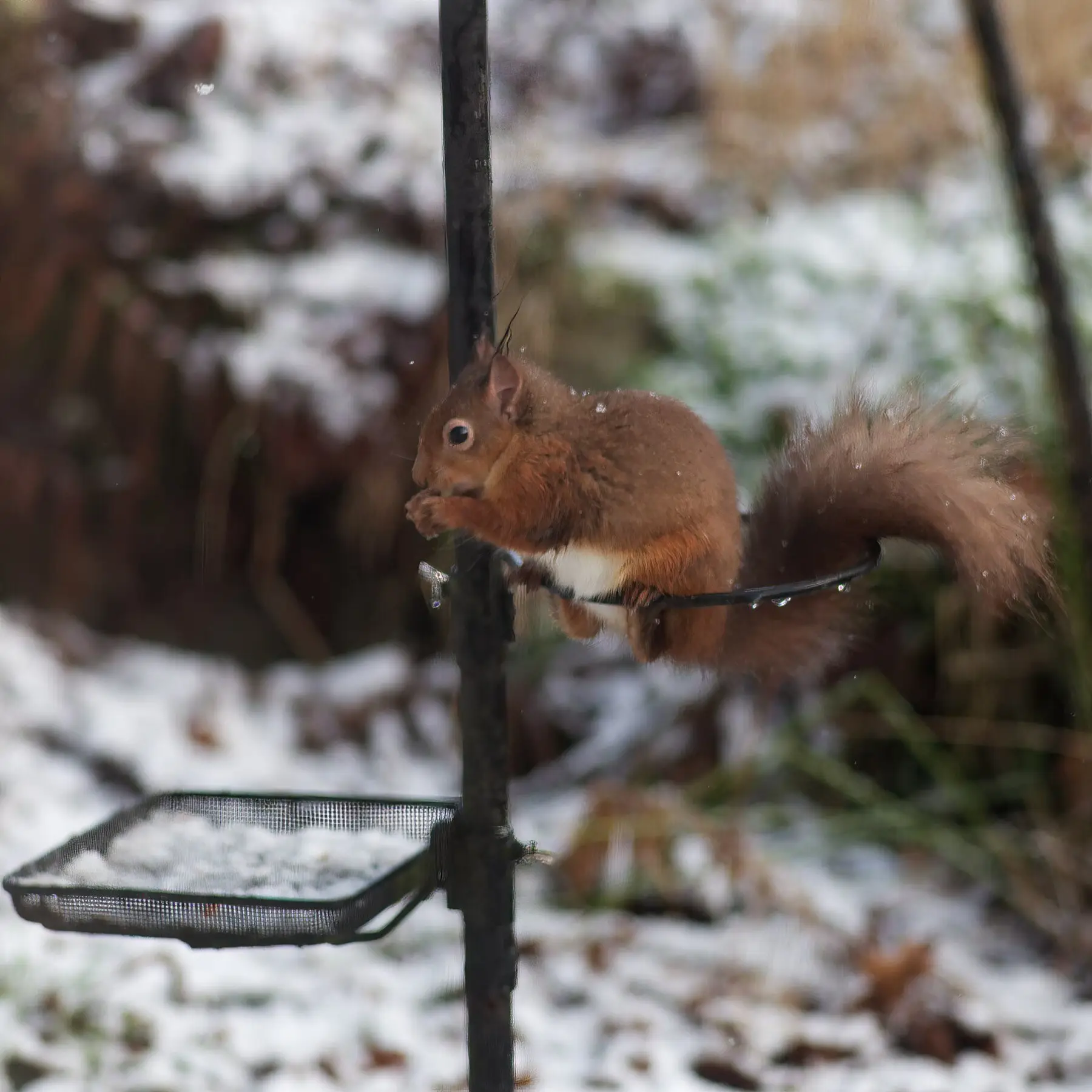
Peanuts, bread, chocolate and salted nuts all cause real harm. The safe list, why corn is worse than it looks, and the case against feeding squirrels.
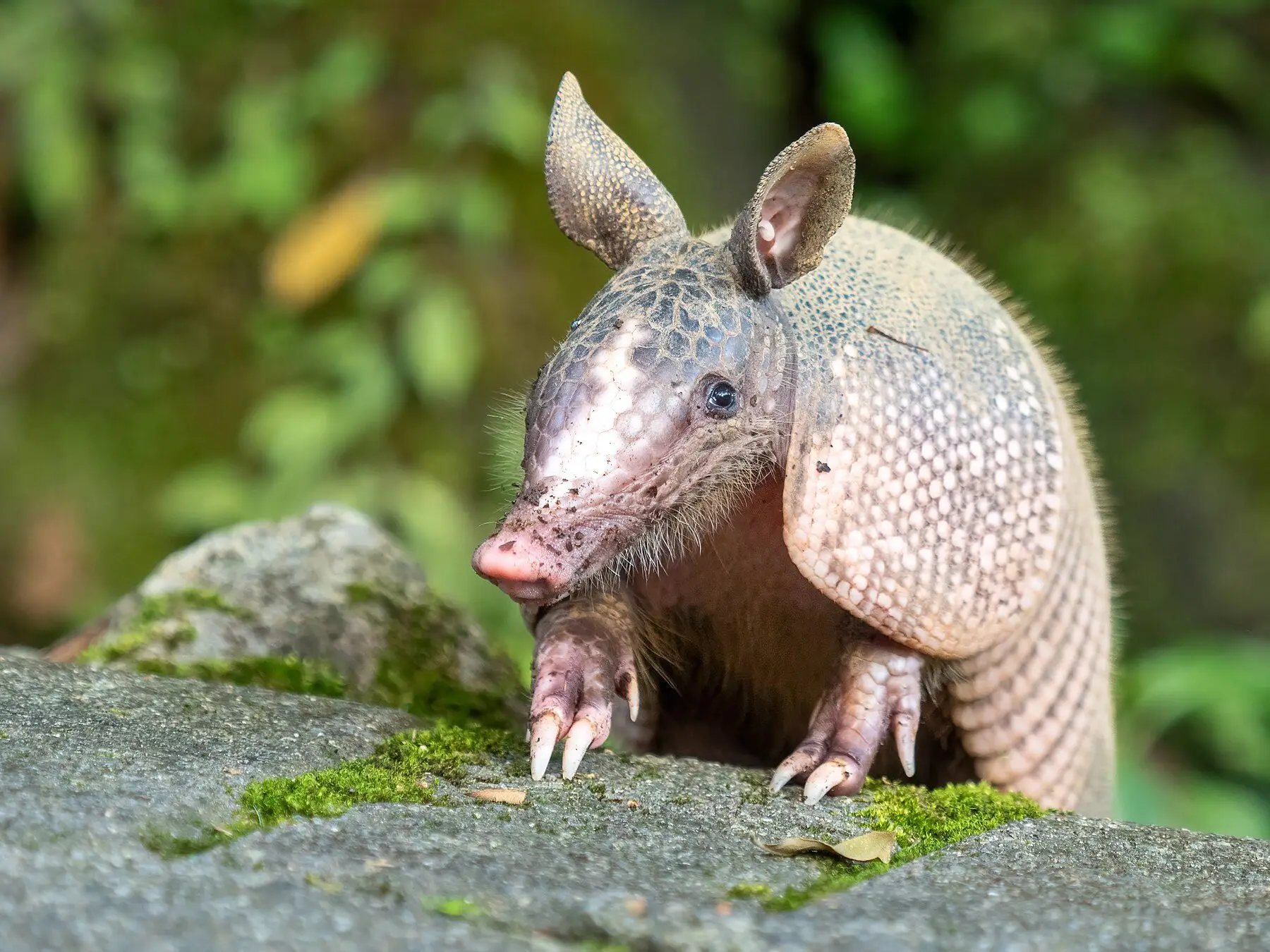
Armadillos, skunks, groundhogs, voles and squirrels all dig differently. Hole size, shape, soil spray and timing identify the animal before you set anything.
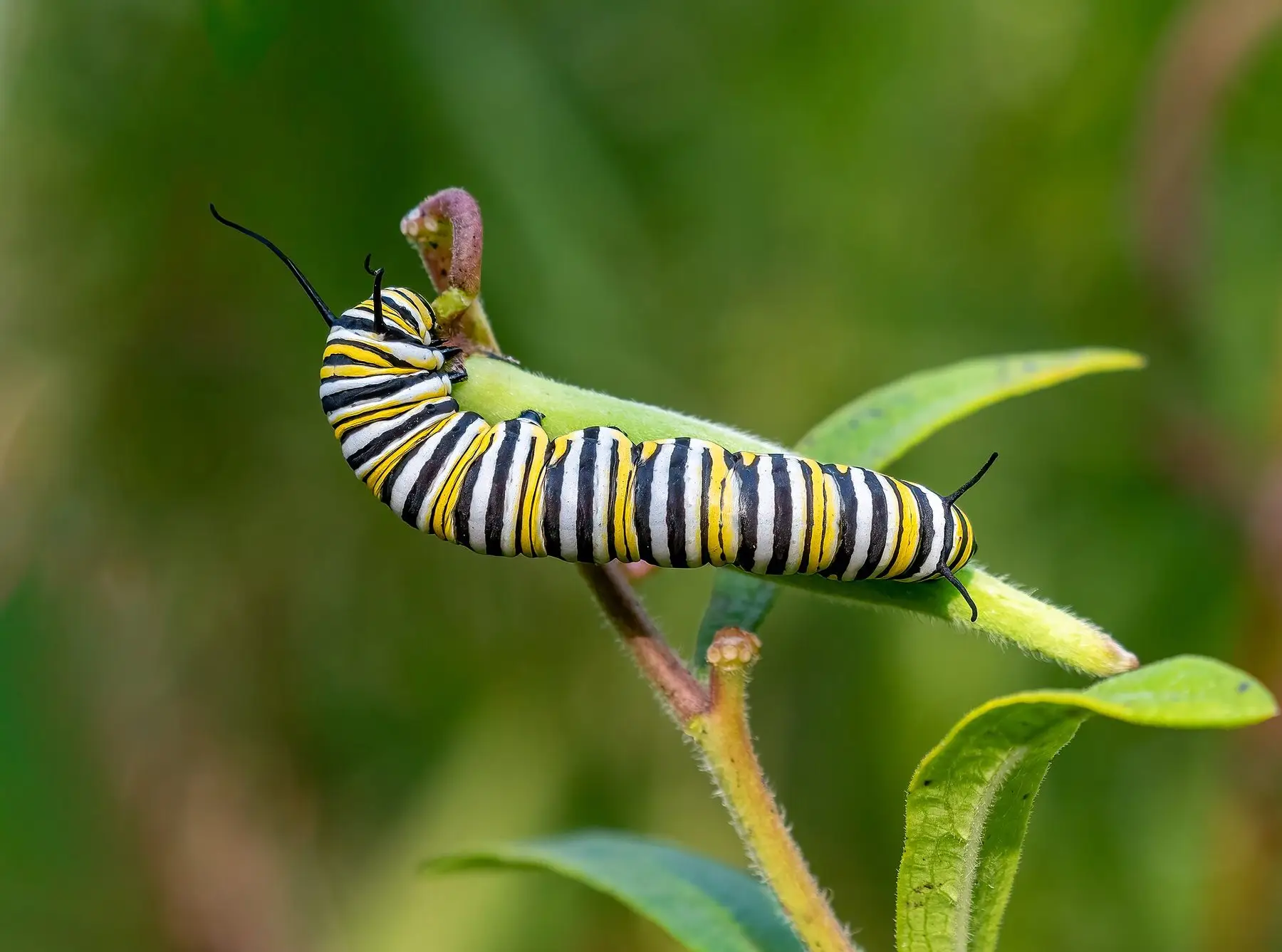
Nectar flowers feed adult butterflies but cannot raise any. Caterpillars only eat specific host plants — that gap is why most butterfly gardens stay empty.
Opossums are capable, deliberate climbers with a grasping tail built for it. What that means for fencing them out, and where they actually can't get a grip.
Wild chipmunks rarely see three years — predators and winter mortality see to that. Realistic lifespan, what they eat, and why flower pots are such an easy target.
Wild squirrels rarely see old age — most die in their first year. The realistic lifespan by species, and why the number is so much lower than people assume.
Deer will eat far more of a garden than most plant lists admit, and a few backyard treats are genuinely dangerous. What is safe to feed, and what to skip.
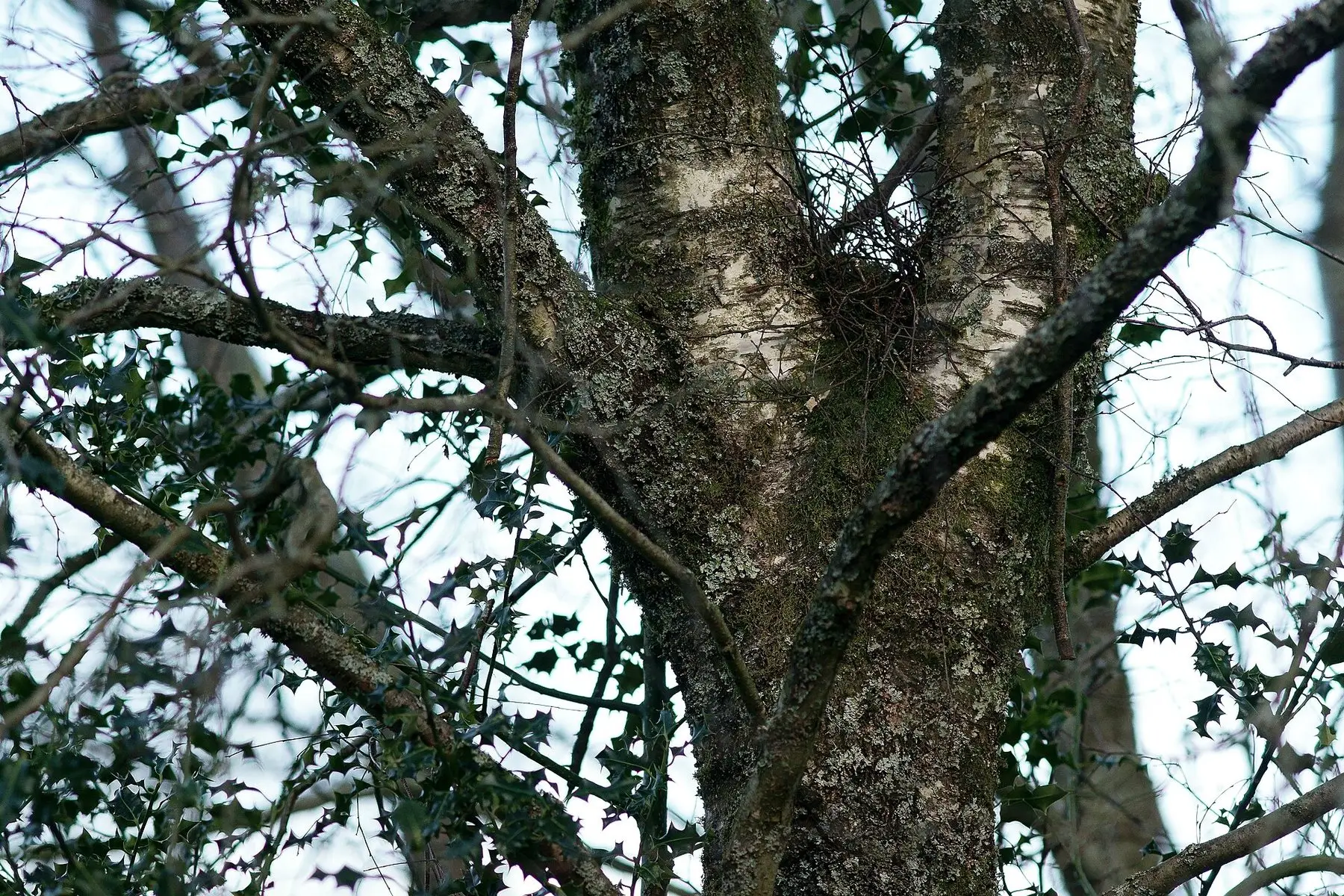
Squirrels build two distinct home types and switch between them by season. What a drey actually is, where they den in winter, and whether they hibernate.
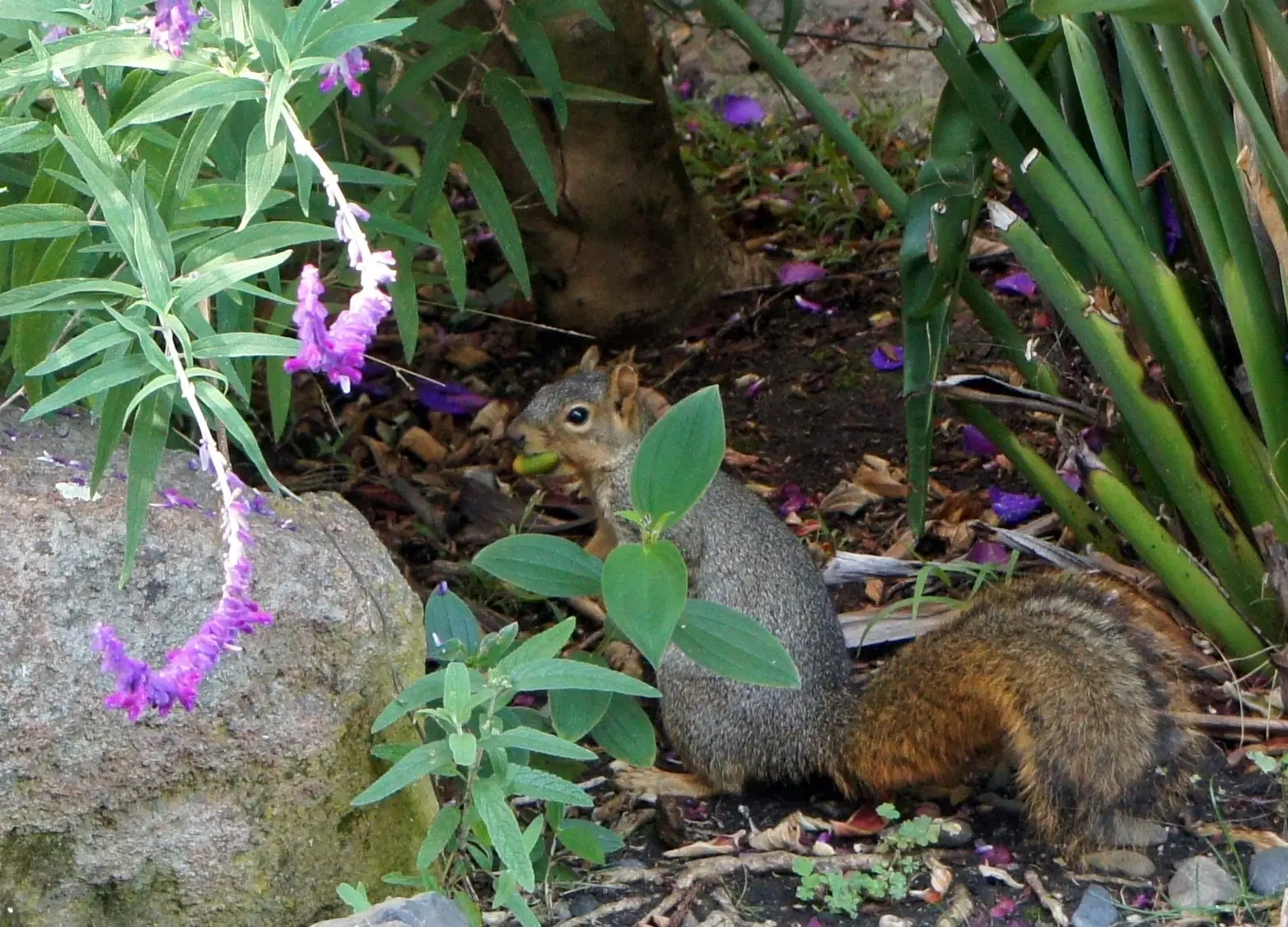
Squirrels dig up bulbs, strip tomatoes, and raid every nut tree in reach — but leave most vegetables alone. What they actually target, and what stops them.
Rats climb rough vertical surfaces easily, jump three feet up and squeeze through a 20mm gap. What that means for sealing a house, and what actually stops them.
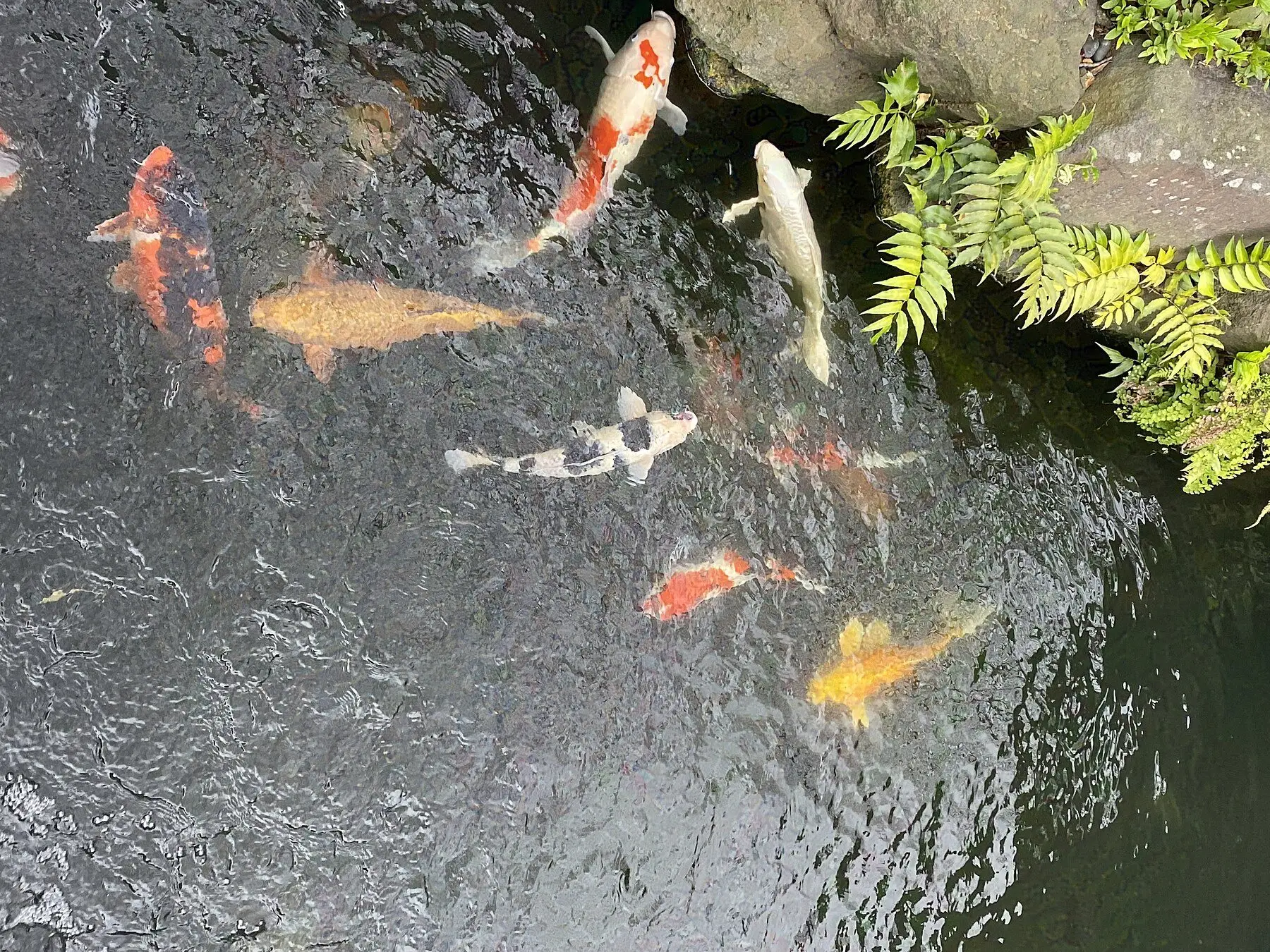
Koi routinely outlive the pond they were bought for. What actually sets lifespan, the volume they need, and why the famous 226-year fish is not the benchmark.
Backyard Weekly
One email a week: what to plant now, what to fix, and what is worth buying. No spam, unsubscribe anytime.
Not ready to subscribe? The planting calendar is free and needs no email.
By subscribing you agree to our privacy policy. Grow In Backyard will never sell your address.
Cookies
We use analytics cookies to see which guides get read, so we know what to write next. Decline and nothing is set. Privacy policy.