
Do Squirrels Have Good Eyesight? Sharp, Wide, and Colour-Blind
Squirrel vision is excellent for spotting movement and judging a jump, but they see only two colours. What that means for feeders and deterrents.
 By
On this page
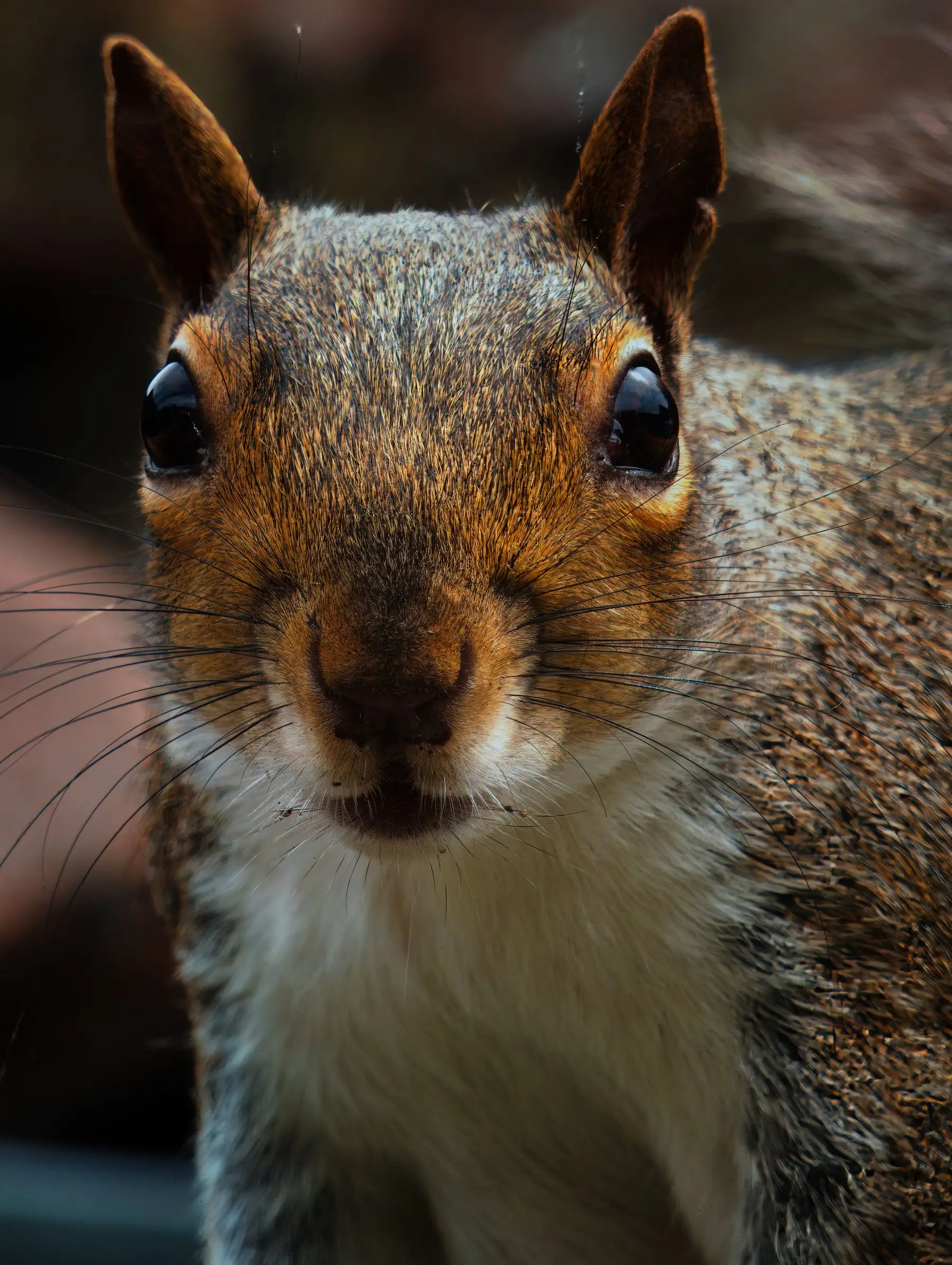
Yes — sharp, and unusually wide. Vision is a squirrel’s primary sense, and the eyes are placed to see a hawk coming from behind while still judging the distance to a branch. But they see only two colours, and badly in the dark.
What it is good at
| Squirrel | Why | |
|---|---|---|
| Field of view | Very wide | Eyes high and to the sides |
| Depth perception | Good | Enough binocular overlap forward |
| Movement detection | Excellent | The predator-spotting priority |
| Colour | Two channels | Dichromat — no red/green separation |
| Low light | Poor | Cone-heavy retina; diurnal animal |
The unusual part is the combination. Wide peripheral coverage normally costs you depth perception — prey animals with eyes on the sides of the head typically have little binocular overlap.
A squirrel needs both: peripheral vision to see the hawk, and depth perception to land the jump. It gets a workable version of each.
The colour limit
Tree squirrels are dichromats. Two cone types, against three in humans.
That means they separate blue from yellow reasonably well, and do not separate red from green the way we do. A red object against green leaves — which leaps out to us — is not conspicuous to a squirrel in anything like the same way.
This is why red deterrents disappoint
A bright red scare device looks alarming to the person who bought it and much less so to the animal it is aimed at.
What squirrels actually read is movement and novelty, not colour. Both fade as the animal habituates — which is the whole reason physical exclusion outlasts every visual deterrent on the shelf.
Night vision
Poor, and for a structural reason. The retina is cone-heavy, which buys daylight detail and colour discrimination at the cost of low-light sensitivity.
- Grey and fox squirrels are diurnal — active by day, settled by dusk
- Flying squirrels are nocturnal and built the other way round
So “do squirrels see well” has different answers depending on which squirrel. The daytime ones trade away the night.
Do they recognise you?
They certainly learn to read situations, and a garden squirrel reliably distinguishes a regular, harmless person from a stranger — by some mix of appearance, movement and routine.
How much of that is facial recognition specifically is not settled, and it is worth being careful about claiming more than the evidence supports.
The practical consequence: it is your behaviour they watch
Squirrels read movement far more closely than detail.
Walking steadily past a squirrel disturbs it much less than stopping, turning and staring — which is exactly the posture of something about to make a move. If you want them to carry on as normal, keep moving.
Common questions
Do squirrels have good eyesight?
Can squirrels see colour?
Can squirrels see in the dark?
How wide is a squirrel's field of view?
Does a squirrel's eyesight explain why red deterrents fail?
Do squirrels recognise people by sight?
Backyard Weekly
Know what to plant, week by week
Join the weekly email for seasonal jobs, fixes for what is going wrong, and gear worth buying.
Not ready to subscribe? The planting calendar is free and needs no email.
By subscribing you agree to our privacy policy. Grow In Backyard will never sell your address.
Keep reading
How Fast Can Squirrels Run? 12 to 20 mph, By Species
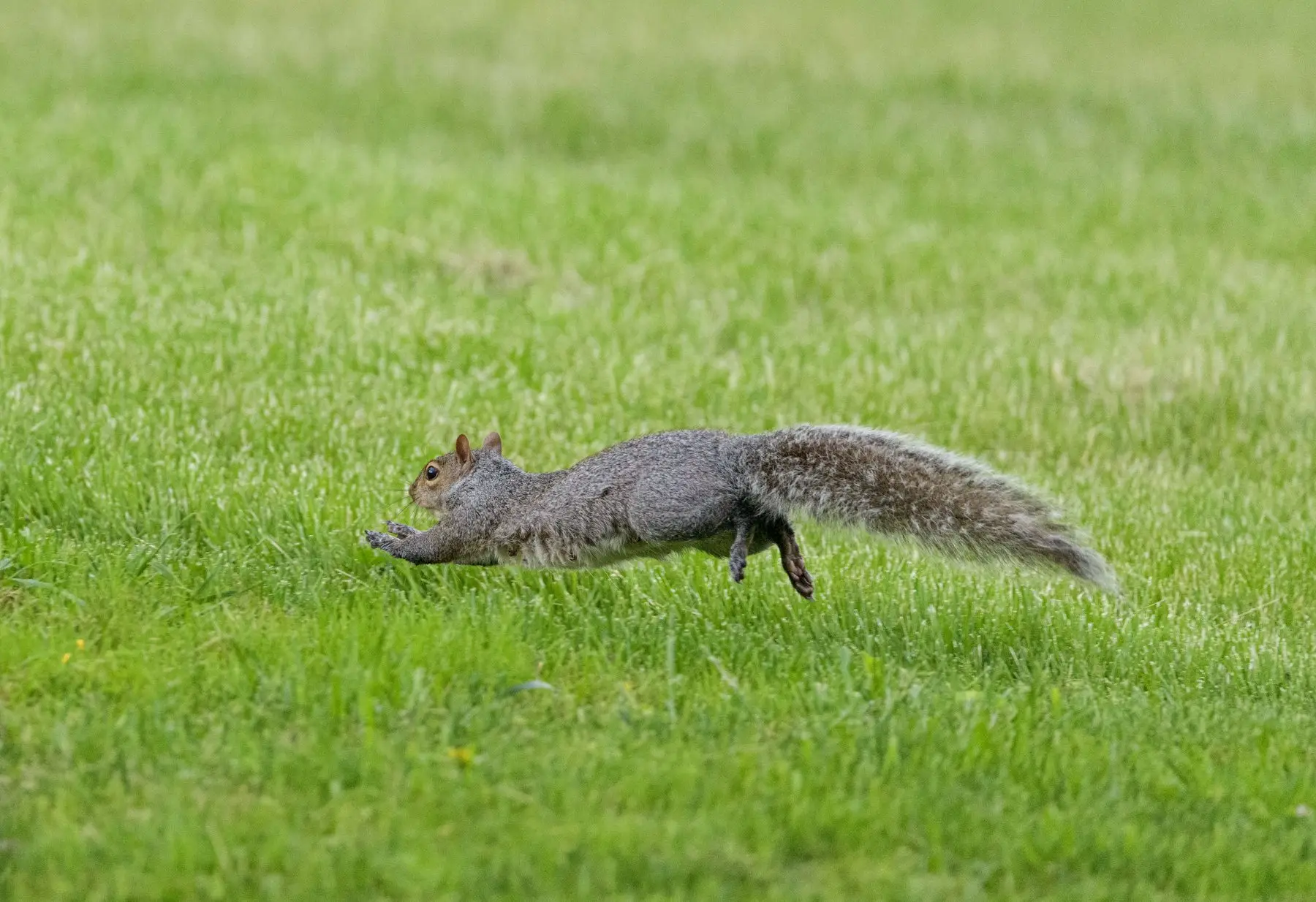
Grey squirrels top out around 12–15 mph, fox squirrels a little higher, and ground squirrels near 20. Why the sprint matters less than the turning.
Do Squirrels Come Out at Night? Which Ones, and What You Heard
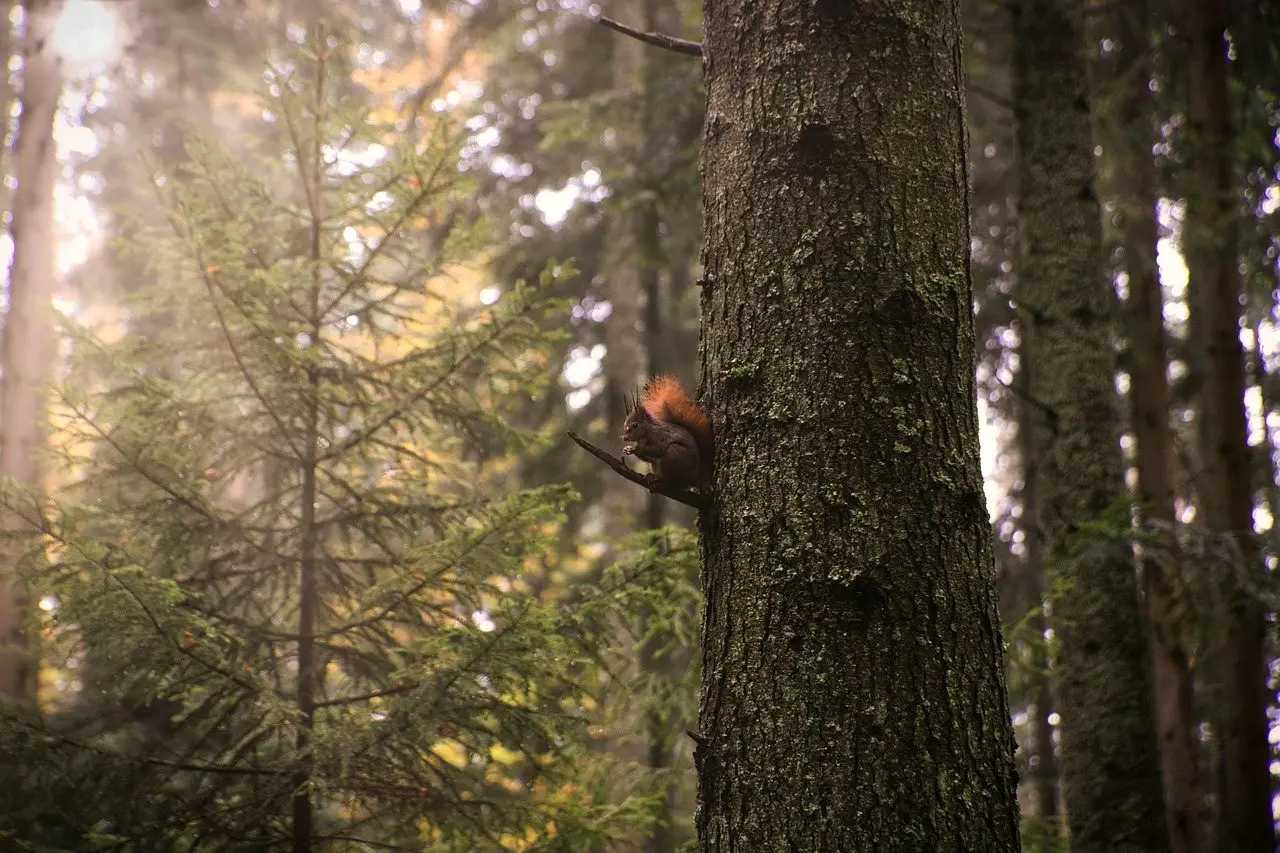
Grey and fox squirrels are strictly daytime animals. If something is moving in the roof after dark, it is almost certainly not one of them.
Do Fake Owls Work for Squirrels? For About a Week
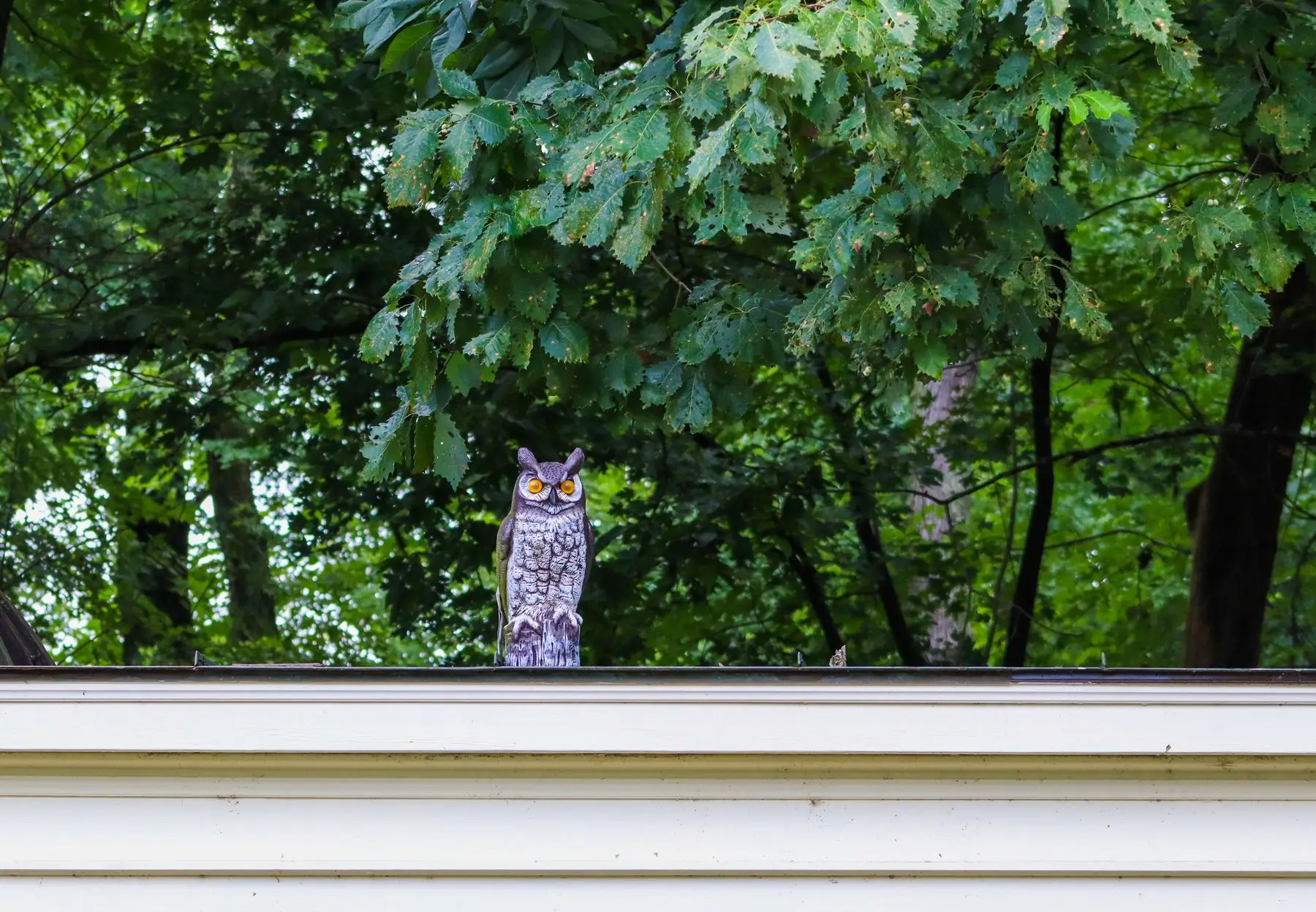
Plastic owls deter squirrels briefly, then get ignored or perched on. Why habituation beats the decoy, and what to do if you want to keep using one.
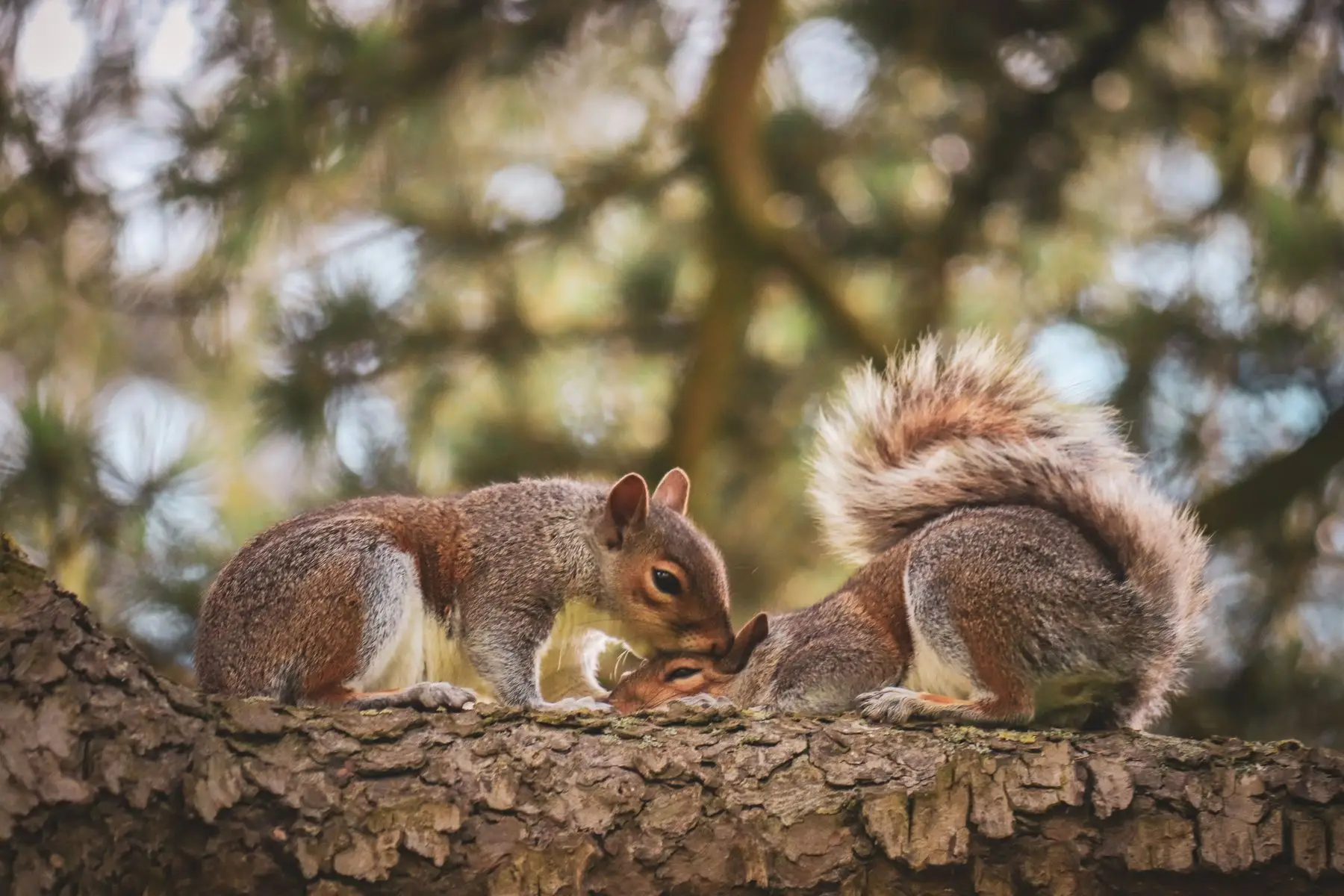
Do Squirrels Mate for Life? No — and Nothing Close to It
Squirrels are promiscuous, litters commonly have several fathers, and males leave immediately. What the mating system actually looks like.