
Do Possums Live Underground? Where Opossums Actually Den
Opossums use burrows but almost never dig them. What they take over, why they move every few days, and how to tell an opossum hole from a groundhog's.
 By
On this page
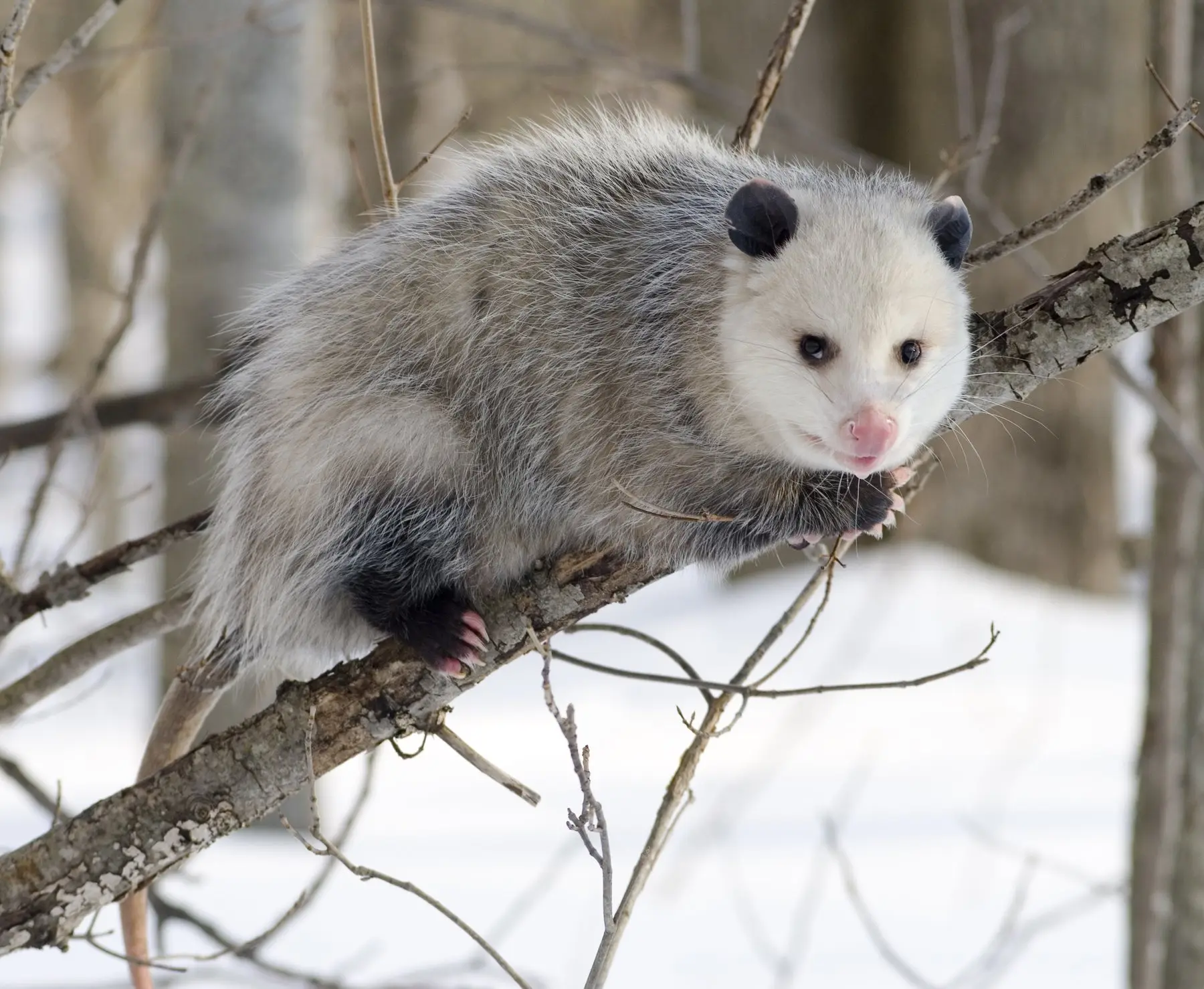
Often yes — but they almost never dug it. The Virginia opossum is a tenant, not a builder, and that single fact answers most of what people are actually asking when they find a hole in the yard.
Where they actually den
In rough order of how often you will find one:
- Under a deck, shed, porch or outbuilding — the suburban default
- An abandoned groundhog or skunk burrow, taken over wholesale
- Hollow logs and standing hollow trees
- Brush piles, woodpiles and rock piles
- Dense thickets and bramble
- Garages, crawl spaces and barns, through a gap already there
- Tree cavities — they climb well, with a prehensile tail for balance
The common thread is that something else made the space. An opossum’s forefeet are built for gripping and climbing; its hind feet have an opposable toe like a thumb. Neither is a digging tool.
Opossum or groundhog?
This is the question the hole in your lawn is really asking.
| Opossum den | Groundhog burrow | |
|---|---|---|
| Entrance size | Varies — uses what exists | 10–12 in, consistent |
| Fresh spoil | None | Conspicuous mound of soil |
| Second entrance | Rare | Usual — a clean-edged plunge hole with no mound |
| Worn runs leading away | No | Yes, often obvious |
| Digging in lawn | Small cone-shaped divots from foraging | Not typical |
| Occupancy | Days to a couple of weeks | Months; a real home |
| Where | Under structures, in cavities | Open ground, field edges, beside foundations |
Small cone-shaped divots are a different signal
Neat little cones scooped out of a lawn overnight are foraging holes — an animal working after grubs. Opossums, skunks and raccoons all do it. It means you have a grub population worth investigating, and fixing that usually ends the digging faster than chasing the animal.
Why they keep moving
An opossum has a home range with several den sites, not a home. It uses one for a few days, then switches. The behaviour makes sense for an animal with a huge list of predators and no ability to defend a burrow it did not dig.
The practical consequence is good news: an opossum under your deck is usually a short-term guest. The exception is a female with young in the pouch or riding on her back, who will settle for longer — and who is the reason never to seal a space in spring without checking.
Should you do anything about it?
Usually less than you think. Opossums are among the more useful animals to have passing through a yard:
- They eat enormous numbers of ticks, along with slugs, snails, beetles, cockroaches and mice.
- They clear carrion, including things you would rather not find.
- They do not gnaw structures, cables or wiring the way rodents do.
- They are not aggressive. The open-mouthed hiss is a bluff, and playing dead is an involuntary shock response, not a decision.
- They very rarely carry rabies, because their body temperature is low enough to be inhospitable to the virus.
The genuine downsides are smell, a latrine area near the den, and the risk of an animal dying somewhere you cannot reach.
Moving one along, properly
Never seal a den before you know it is empty
Sealing a space with an animal inside is how a minor nuisance becomes a dead animal under your deck in July. And in spring, a sealed den means a litter starving in an inaccessible cavity. Check first, every time.
- Remove the reason. Pet food indoors, bins latched, fallen fruit cleared, compost secured, grills cleaned. This is most of the job.
- Make the space unpleasant. A work light at the entrance and a radio on talk radio for a few nights. Opossums prefer dark and quiet, and they have somewhere else to be.
- Confirm it has gone. Pack the entrance loosely with newspaper, or dust flour across it, and check for two or three consecutive undisturbed nights.
- Then exclude. Hardware cloth around the deck skirt, buried 8 to 12 inches and turned outward in an L at the bottom so nothing pushes underneath.
- Leave trapping alone. Relocation is illegal in many states, usually fatal to the animal, and pointless — the empty space simply attracts the next one. Fix the space instead.
Common questions
Do possums live underground?
Do opossums dig burrows?
How can I tell an opossum den from a groundhog burrow?
Do possums stay in the same den?
Are opossums under a deck a problem?
How do I get an opossum out from under a deck or shed?
Backyard Weekly
Know what to plant, week by week
Join the weekly email for seasonal jobs, fixes for what is going wrong, and gear worth buying.
Not ready to subscribe? The planting calendar is free and needs no email.
By subscribing you agree to our privacy policy. Grow In Backyard will never sell your address.
Keep reading
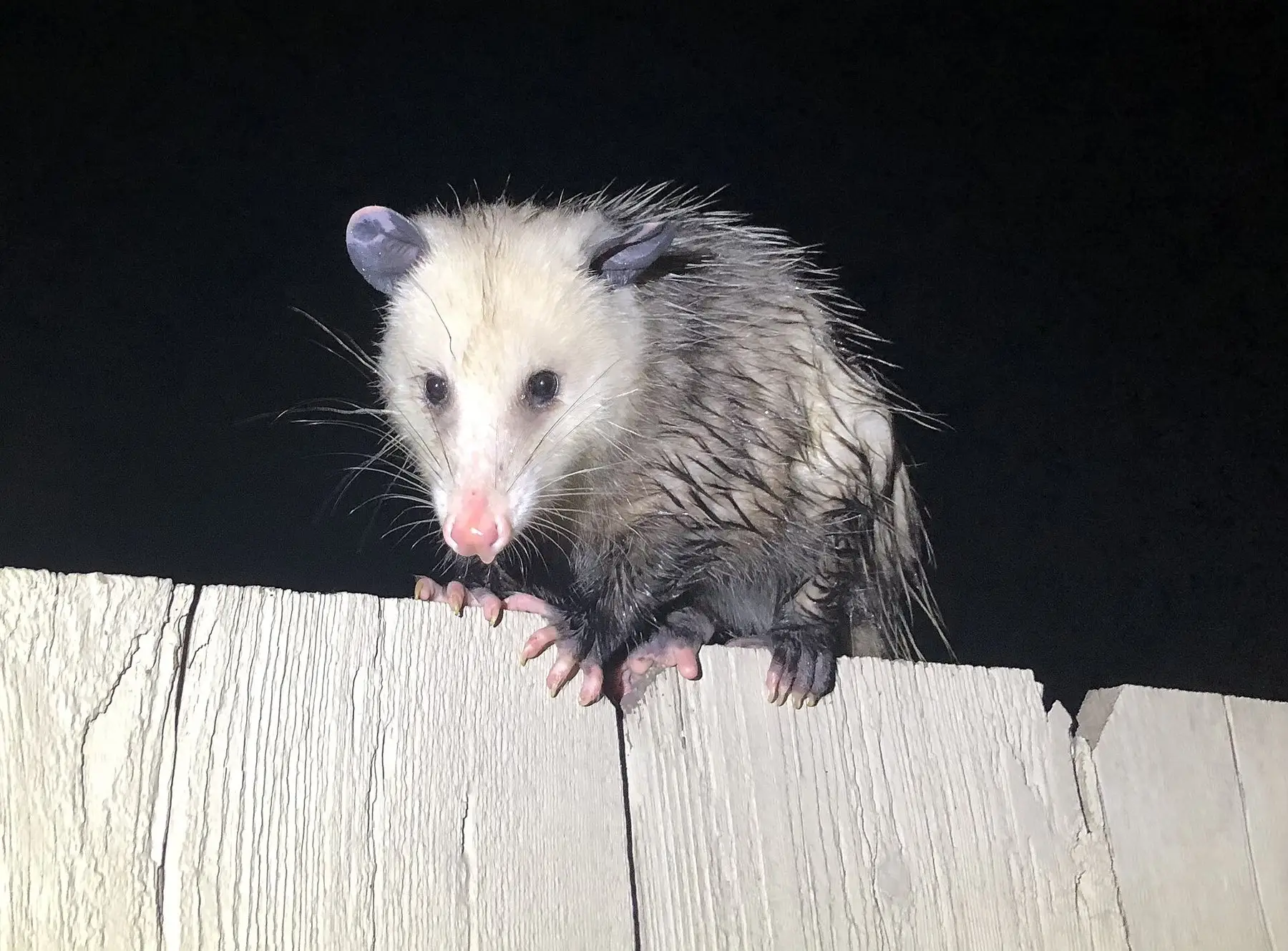
Can Possums Climb? Fences, Trees, and What Stops Them
Opossums are capable, deliberate climbers with a grasping tail built for it. What that means for fencing them out, and where they actually can't get a grip.
Why Do Possums Play Dead? And How Long It Lasts
Playing possum is an involuntary shock state, not a decision. Why it happens, how long it lasts, and what to do with one lying in your yard.
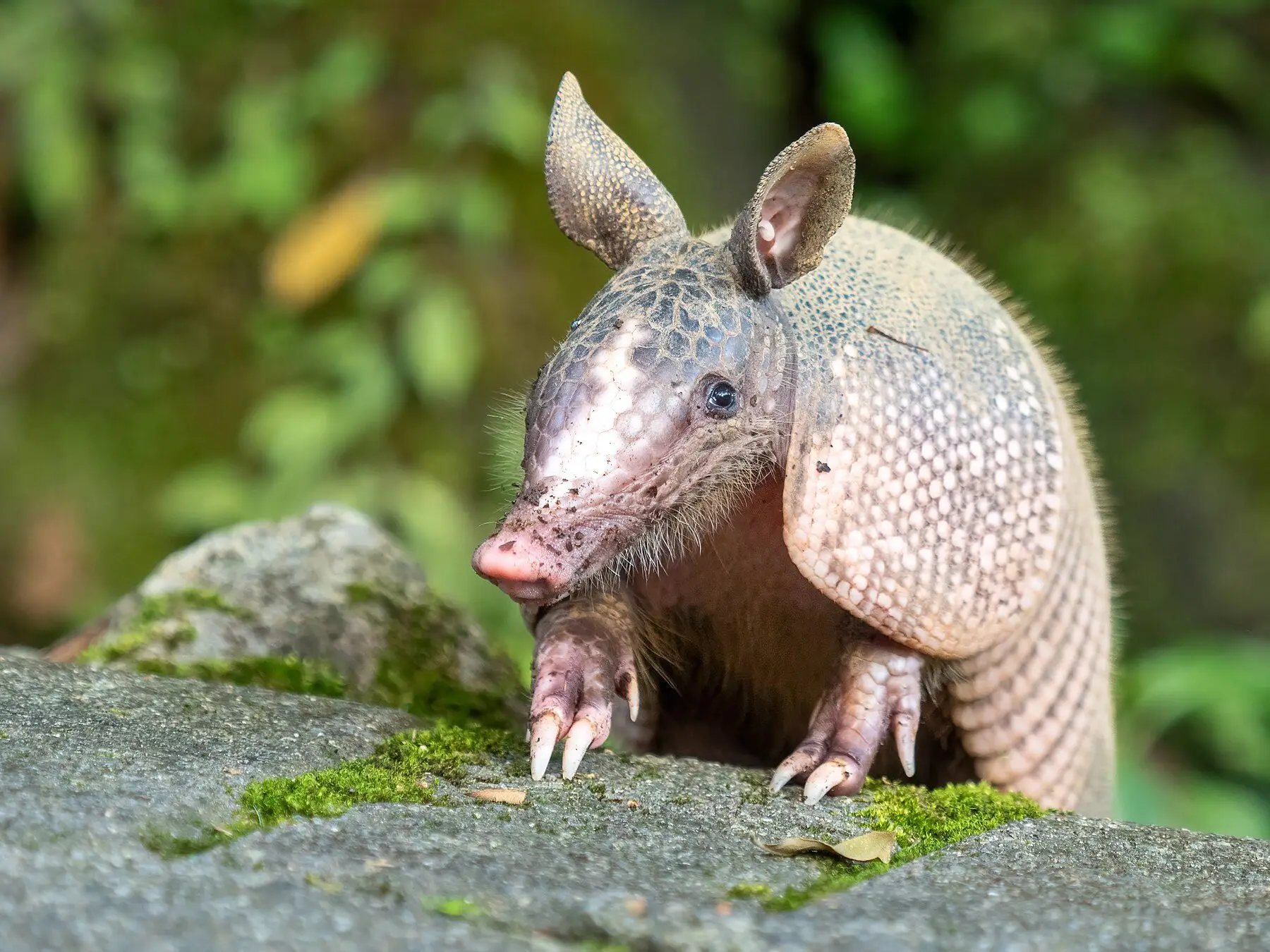
What Is Digging Holes in My Yard? Identify It by the Hole
Armadillos, skunks, groundhogs, voles and squirrels all dig differently. Hole size, shape, soil spray and timing identify the animal before you set anything.
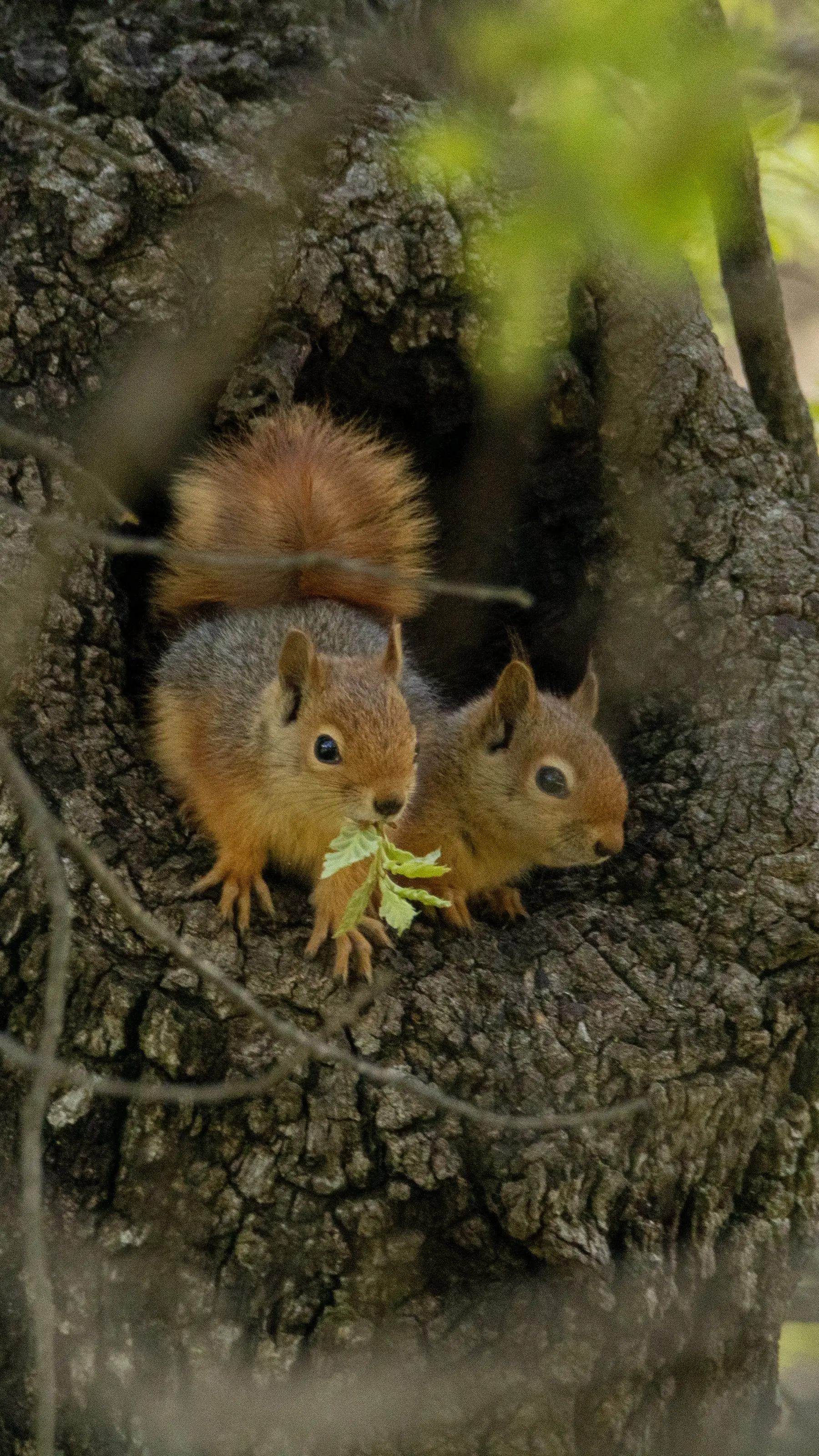
Do Squirrels Return to the Same Nest? Yes, And They Keep Several
Grey squirrels maintain two or three dreys at once and rotate between them. Why they abandon one, and what happens if you disturb a nest with young.