
What Is Digging Holes in My Yard? Identify It by the Hole
Armadillos, skunks, groundhogs, voles and squirrels all dig differently. Hole size, shape, soil spray and timing identify the animal before you set anything.
 By

On this page
Nearly every animal that digs a yard leaves a different signature — hole size, shape, where the soil went, and whether it happened in daylight. Reading that correctly matters, because the responses range from “treat for grubs” to “do not seal that burrow until autumn.”
Identify it
| Sign | Animal | When |
|---|---|---|
| Conical pits 3–5 in wide, soil sprayed one way | Armadillo | Night |
| Shallow cone holes, like trowel jabs | Skunk | Night |
| Turf rolled back in sheets | Raccoon | Night |
| Burrow 8–12 in, large soil fan, under structures | Groundhog | Day |
| Narrow surface runways in grass, dime-sized holes | Vole | Both |
| Conical mounds, raised ridges, no open hole | Mole | Both |
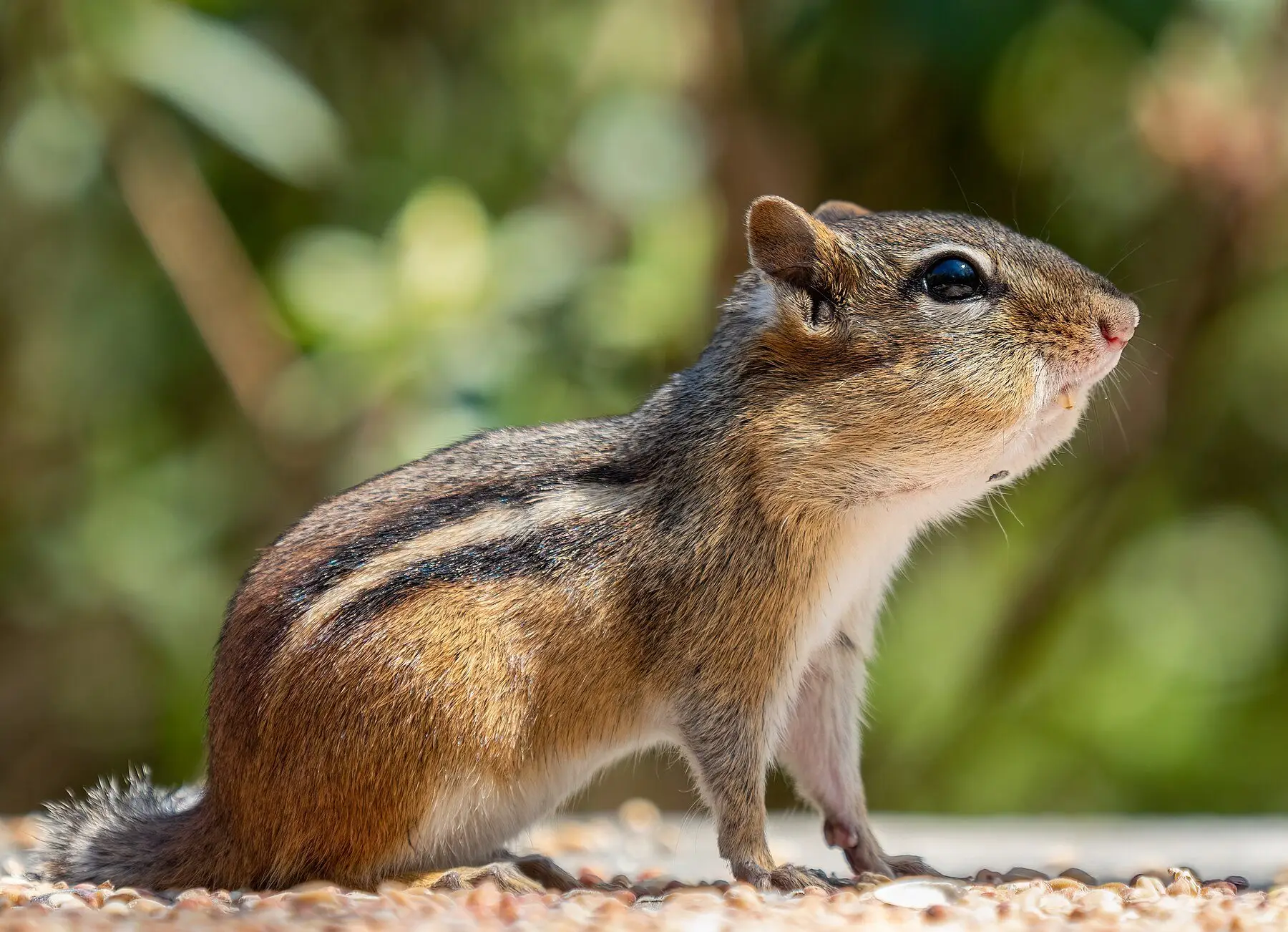
| Small neat holes, nuts nearby | Squirrel / chipmunk | Day |
| Mulch and leaf litter turned over, little excavation | Opossum | Night |
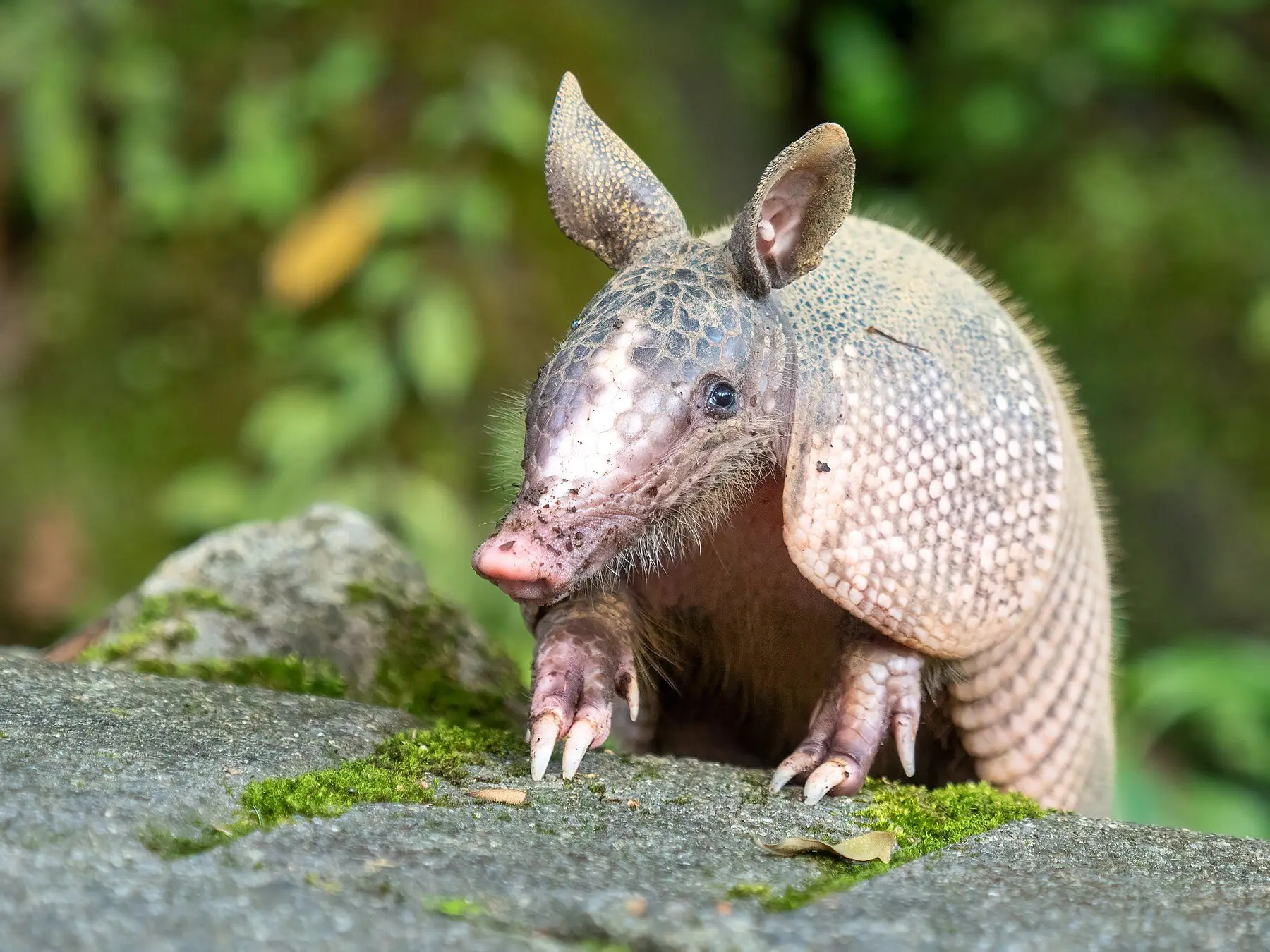
Grub hunters: armadillo and skunk
Armadillos and skunks are digging for the same thing — grubs, worms and insect larvae — which is why they respond to the same fix.
An armadillo locates grubs several inches down by smell and can leave dozens of pits in a single night. Skunk diggings are shallower and neater.
What to do:
- Treat for grubs if numbers are high. Beneficial nematodes work and are harmless to everything else; milky spore targets Japanese beetle grubs specifically. Remove the food and the digging usually stops.
- Water less. Damp soil brings grubs and worms nearer the surface.
- Motion-activated sprinklers genuinely work on both, being nocturnal and easily startled.
- Exclusion around decks and sheds, using buried hardware cloth.
Digging that stops on its own
A burst of overnight digging that ends after a week or two usually means the animal cleared the local grub population and moved on. If the lawn is otherwise healthy, waiting is a legitimate strategy.
Groundhogs, which are the structural problem
A groundhog burrow runs twenty to forty feet with multiple entrances and chambers, and under a shed, deck, patio or foundation that is a genuine engineering concern rather than a cosmetic one.
Entrance: 8–12 inches across, with a substantial fan of excavated soil.
Exclusion is the durable fix:
- Confirm it is empty. Loosely pack the entrance with newspaper and check for two or three days — if nothing reopens it, nobody is home.
- Never seal in spring or early summer. Young are present, sealing them in is cruel and illegal in many jurisdictions.
- Trench and bury hardware cloth at least 12 inches deep, with an outward-facing L at the bottom, because groundhogs dig down when they meet a barrier.
- Remove cover — brush piles, long grass, woodpiles near the structure.
Check the law before trapping
Live trapping and relocating wildlife is regulated or prohibited in many US states and other countries — relocated animals also usually die, having no territory or shelter. Exclusion is legal everywhere, permanent, and does not require you to handle an animal.
Raccoons
Distinctive: they roll turf back in sheets like lifting a carpet, taking the grubs underneath. Fresh sod and recently laid turf are especially vulnerable because it lifts easily.
Same underlying fix — reduce grubs — plus securing bins, removing pet food, and motion-activated deterrents.
Small daytime holes
Squirrels and chipmunks, caching or retrieving nuts. Small, neat, shallow, and usually not worth acting on.
Chipmunks will burrow more substantially near foundations and in flower pots, but the holes stay small — around two inches — with no soil mound, which distinguishes them from everything above.
Common questions
What is digging small holes all over my yard?
Do armadillos dig holes in yards?
Do possums dig holes?
What is burrowing under my shed?
How do you get rid of groundhogs under a shed?
What digs holes in a yard at night?
Backyard Weekly
Know what to plant, week by week
Join the weekly email for seasonal jobs, fixes for what is going wrong, and gear worth buying.
Not ready to subscribe? The planting calendar is free and needs no email.
By subscribing you agree to our privacy policy. Grow In Backyard will never sell your address.
Keep reading
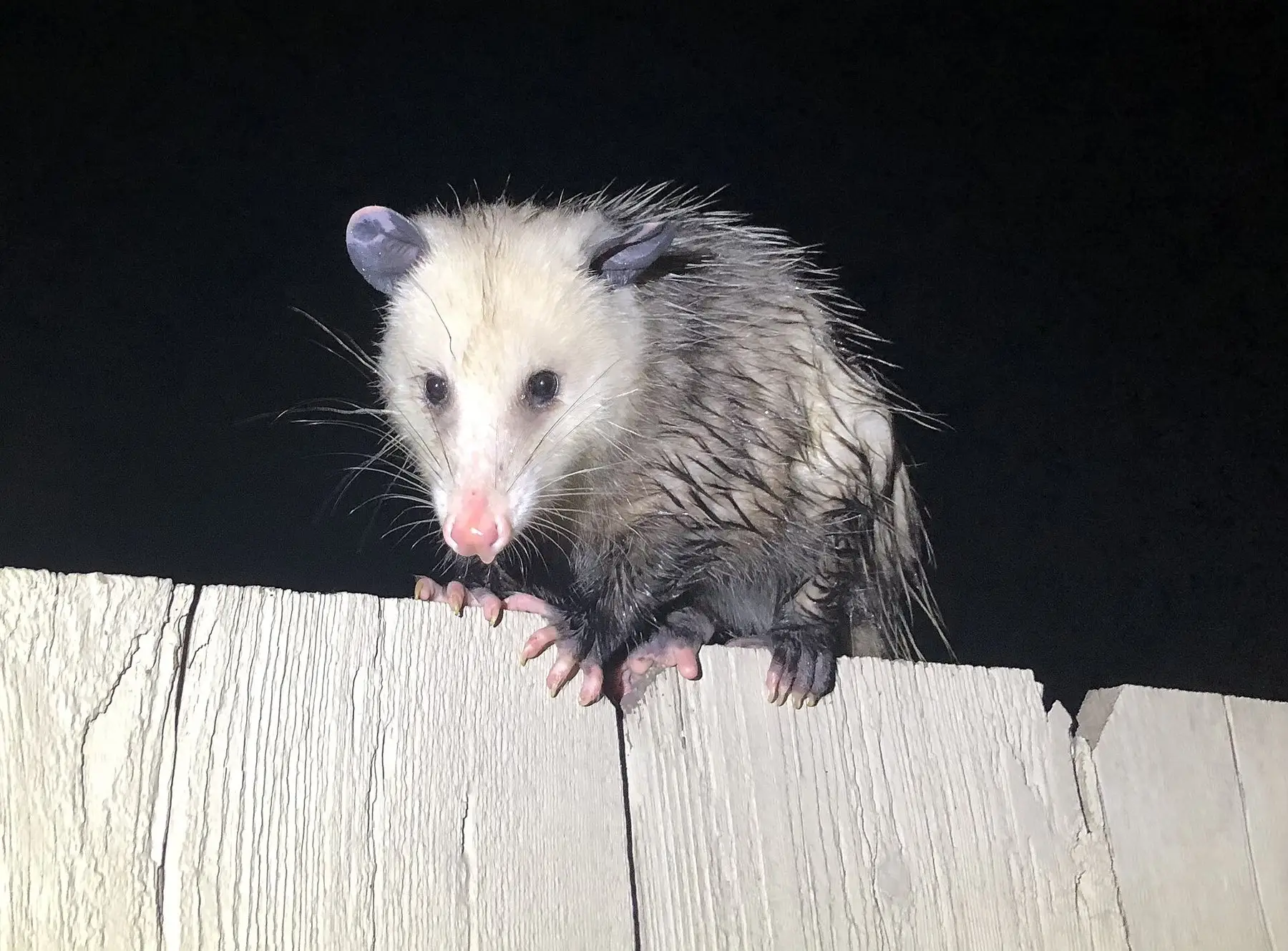
Can Possums Climb? Fences, Trees, and What Stops Them
Opossums are capable, deliberate climbers with a grasping tail built for it. What that means for fencing them out, and where they actually can't get a grip.
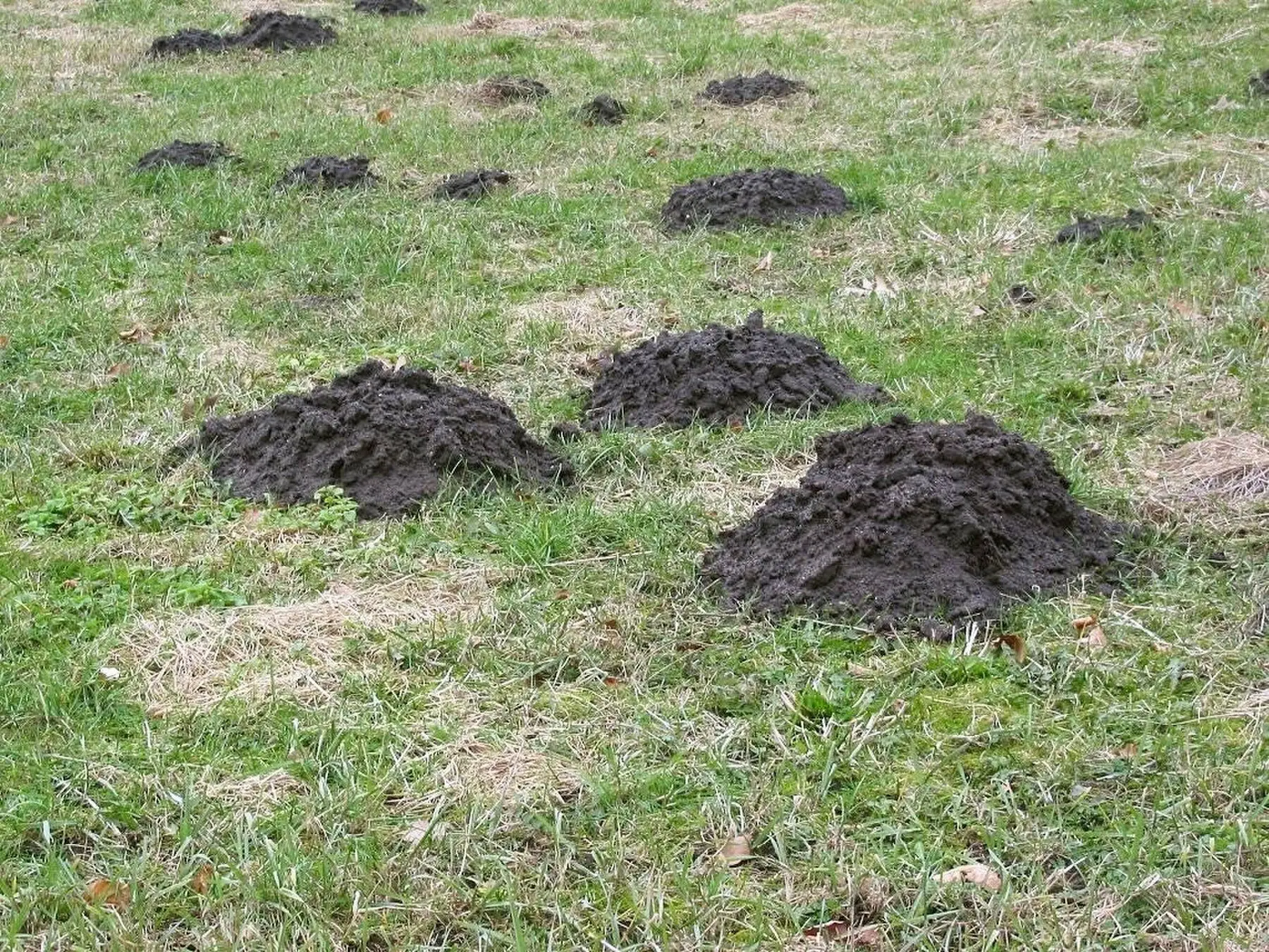
How to Get Rid of Moles — 3 Fixes, Vinegar Not Included
How to get rid of moles: find the active run first, then trap it. 3 measures compared, and why vinegar and soap fail. See which fits your lawn.
Where Do Squirrels Live and Sleep? Nests, Dens, and Winter
Squirrels build two distinct home types and switch between them by season. What a drey actually is, where they den in winter, and whether they hibernate.
When Are Chipmunks Most Active? Daily and Seasonal Patterns
Chipmunks are strictly daytime animals with morning and late-afternoon peaks. Why they vanish in midsummer, and why a January sighting is normal.