
How to Get Rid of Moles — 3 Fixes, Vinegar Not Included
How to get rid of moles: find the active run first, then trap it. 3 measures compared, and why vinegar and soap fail. See which fits your lawn.
 By
We may earn a commission when you buy through links on this page, at no extra cost to you.

On this page
Almost everything written about moles online is wrong, and the reason is worth stating up front: moles do not eat plants. They are insectivores hunting earthworms and grubs. Every remedy that assumes a root-eating rodent is aimed at the wrong animal.
First, is it actually a mole?
| Mole | Vole | |
|---|---|---|
| Eats | Earthworms, grubs, insects | Roots, bulbs, bark, stems |
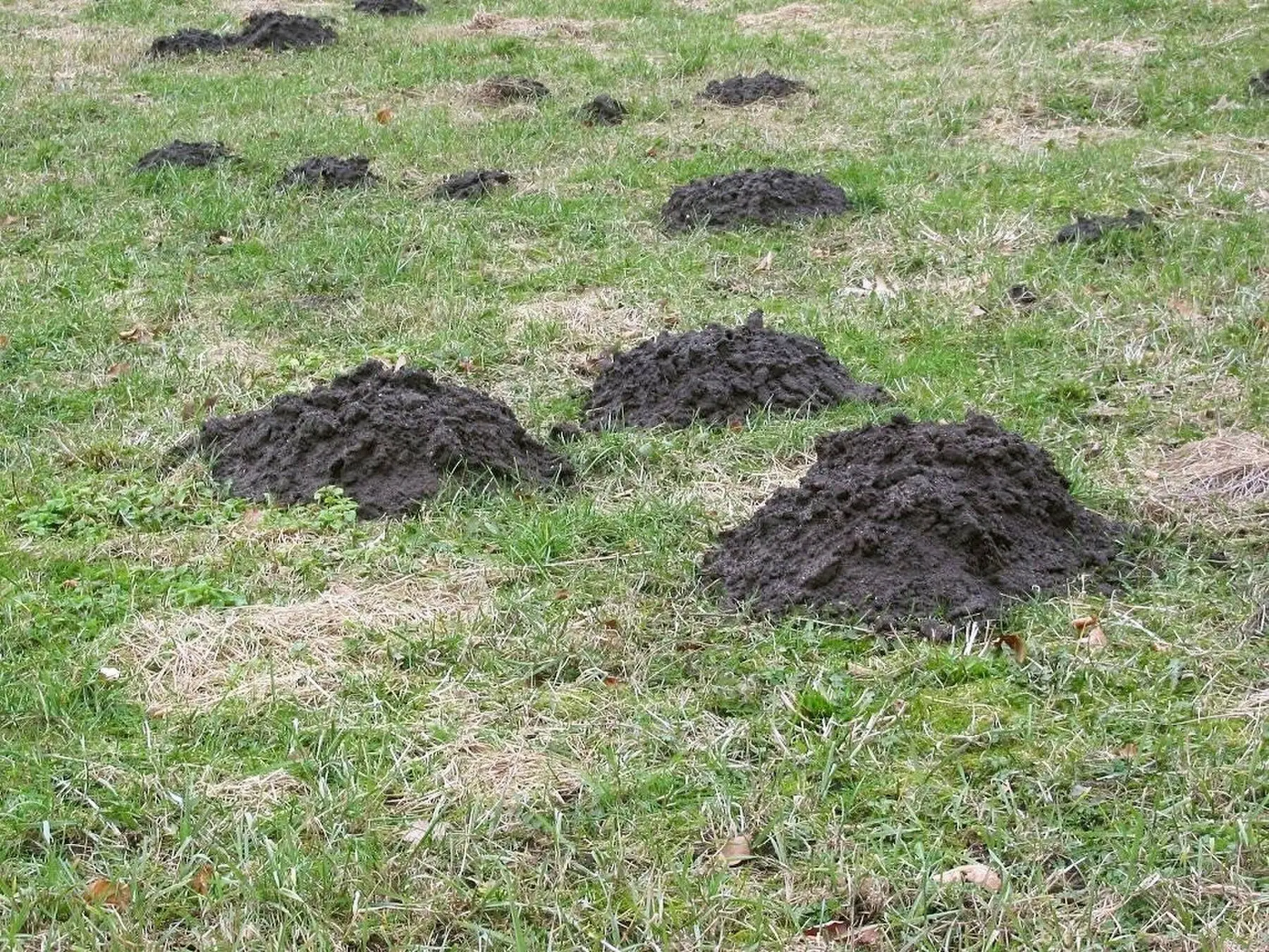
| Leaves | Conical mounds, raised ridges | Narrow surface runways, small holes |
| Holes | Usually none visible | Dime-sized, no mound |
| Plant damage | Incidental — undermining only | Direct — plants die |
| Active | Year-round, mostly underground | Year-round, mostly at the surface |
Plants dying is a vole problem. A lumpy lawn with perfectly healthy plants is a mole problem. This distinction decides everything that follows, and it is the reason so much mole advice fails — it was written for the wrong animal.
Why the home remedies do not work
Vinegar, dish soap, mothballs, chewing gum, castor oil
All of them share the same defect: a mole tunnel system can extend over a hundred yards, and anything you pour in one hole disperses, dilutes or degrades long before it reaches most of it. The mole moves to another section of its own network.
They persist because of a coincidence that happens constantly — moles relocate on their own as food runs out in one area, and whatever was tried last gets the credit. Repeated soaking with vinegar or detergent does measurable harm to soil life and plant roots while achieving nothing.
Ultrasonic spikes have been tested repeatedly and do not work. Flooding a tunnel wastes an extraordinary amount of water; moles simply climb out. Chewing gum — the idea that it blocks their intestines — is folklore.
What actually works
Trapping. This is the answer, and the evidence is that it is what every professional mole catcher and farmer uses.
- Find an active run. Flatten a section of raised ridge, or knock down mounds, and check in 12–24 hours. Anything repaired is in use.
- Set the trap in the active run, following the instructions exactly — a scissor-jaw or harpoon trap, seated so the trigger sits in the tunnel.
- Minimise scent and light. Wear gloves; pack soil back so the tunnel stays dark.
- Check daily. This is a legal requirement in many places and basic welfare everywhere.
Poison worm baits imitate their actual diet and are effective where legal. Check local regulations, and keep in mind the risk to pets and to anything that scavenges a poisoned mole.
Professional removal is worth the money on a large property, and mole catchers price per mole for a reason — they are confident it works.
Reducing what attracts them
Moles follow food. Grub control reduces one part of their diet, though it will not clear a mole on its own, since earthworms are the main food and you do not want to remove those.
Soil that is consistently damp hosts more worms. Watering less often and more deeply makes a lawn marginally less attractive.
Or leave it
Worth saying plainly: a mole eats grubs and larvae, aerates soil, and does not touch your plants. The damage is cosmetic, and a single mole often accounts for an entire garden’s worth of molehills because they are solitary and territorial.
Rake the mounds flat and use the fine soil for potting. It is some of the best-worked soil on the property.
Our picks
| # | Pick | Best for | Where to buy |
|---|---|---|---|
| 1 | Scissor or harpoon mole trap | What actually works | Check price for Scissor or harpoon mole trap → |
| 2 | Marker flags | For finding the active run | Check price for Marker flags → |
| 3 | Gauntlet gardening gloves | For handling traps and runs | Check price for Gauntlet gardening gloves → |
What actually works
Scissor or harpoon mole trap
The honest answer, and a blunt one. If you would rather not, the page's other conclusion stands: moles eat grubs and worms, not roots, and leaving them alone is a legitimate choice.
- Set in
- An active run, not a mound
- Find active
- Flatten a run; if it lifts within a day it is in use
- Why
- Home remedies disperse within hours
- Check
- Local rules — trapping is restricted in some places
What we liked
- Trapping is what works, and it is what farmers use
- Fast and certain, unlike repellents that do nothing
- Reusable for years
- No poison, so nothing else in the garden is at risk
Worth knowing
- Unpleasant, and not for everyone
- Must be set in an active run or it catches nothing
- Restricted or regulated in some jurisdictions
For finding the active run
Marker flags
The step that decides whether a trap catches anything. Flatten several runs, come back tomorrow, set where the ground has lifted.
- Use
- Mark flattened runs and check the next day
- Why
- Most trapping failures are a dead run
- Cost
- Very low
- Also
- Marking irrigation and cable before digging
What we liked
- Turns trap placement from guesswork into evidence
- A run that lifts overnight is one the mole is using
- Cheap, and useful for a dozen other garden jobs
Worth knowing
- An extra day before you set anything
For handling traps and runs
Gauntlet gardening gloves
A small thing that improves trap success. Handle the mechanism as little as possible with bare hands.
- Use
- Setting traps and clearing soil from runs
- Why
- Keeps human scent off the trap
- Length
- Gauntlet, to protect forearms
- Material
- Leather or coated
What we liked
- Reduces scent transfer onto a trap
- Protects hands in soil that may hold glass or wire
- Long cuff keeps soil out of sleeves
Worth knowing
- Clumsy for setting a fine trigger
Common questions
Does vinegar get rid of moles?
Does dish soap kill moles?
What actually kills moles?
How do farmers get rid of moles?
How do you tell moles from voles?
Do moles damage a garden?
Backyard Weekly
Know what to plant, week by week
Join the weekly email for seasonal jobs, fixes for what is going wrong, and gear worth buying.
Not ready to subscribe? The planting calendar is free and needs no email.
By subscribing you agree to our privacy policy. Grow In Backyard will never sell your address.
Keep reading
What Do Deer Eat? Garden Plants and What Not to Feed Them
Deer will eat far more of a garden than most plant lists admit, and a few backyard treats are genuinely dangerous. What is safe to feed, and what to skip.
How to Use Neem Oil on Plants Without Burning Them
The right dilution, why it needs soap to mix, when to spray, and which pests it works on. Neem is slow and specific — treat it as a knockdown and it fails.
How to Plant Grass Seed So It Actually Comes Up
Seed fails from poor contact and a surface that dried out once, not from bad seed. Soil prep, sowing rates, and the watering routine that carries it to germination.
How to Get Rid of Raccoons Under a Deck
Raccoons den under decks in spring to have kits. How to check before you block anything, evict them humanely, and skirt the deck so nothing returns.